Chainsaws
Stihl Chainsaw Comparison: MS 261, MS 362, MS 500i and MS 661 Magnum Tested
Four Stihl chainsaws timed through hardwood, with real trade-offs in weight, power, torque and price to help you pick the right saw.
Introduction
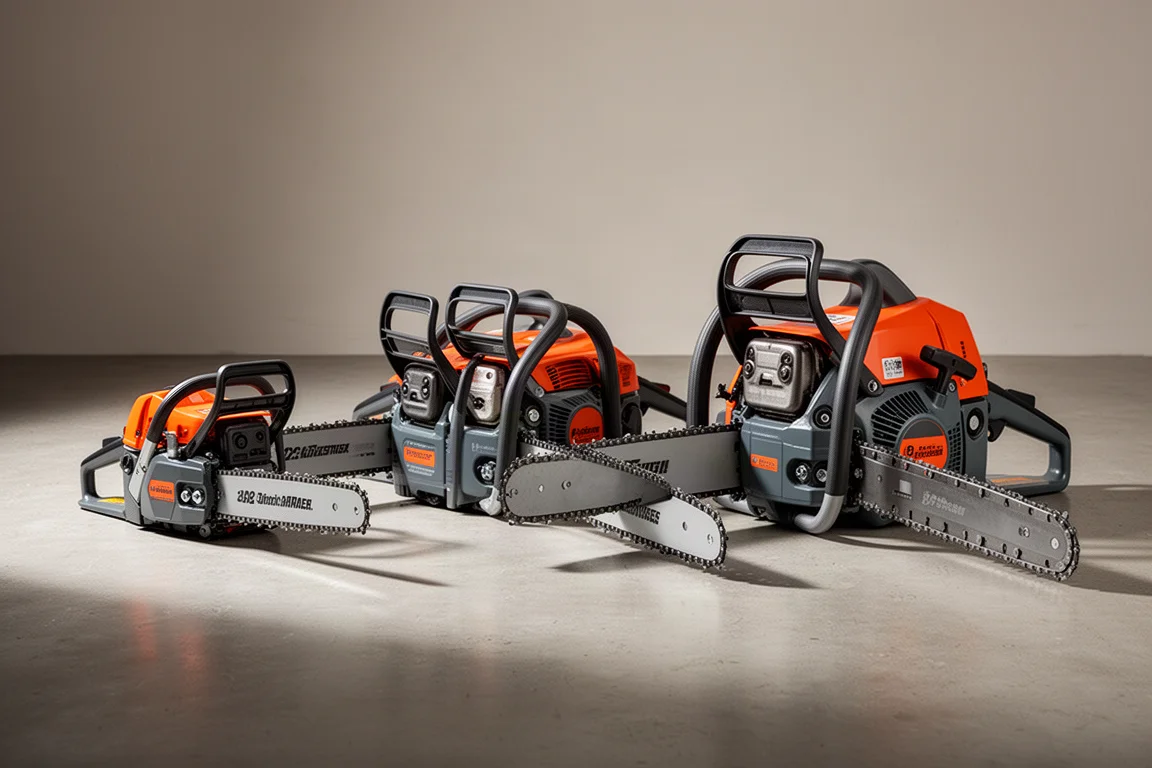
If you spend time cutting firewood or felling trees, the common wisdom holds that two saws beat one: a larger saw for big timber and a smaller one for quick jobs where weight matters. This comparison looks at four Stihl models across the range, the compact MS 261 and MS 362 on the smaller end and the MS 500i and MS 661 Magnum at the top, to see how they actually perform when put to work.
How the Tests Were Run
Every saw was fully warmed up before cutting, and all saws ran brand new chains so the comparison stayed apples to apples. The test wood was sugar maple, a genuine hardwood that forces every saw to work rather than glide through. Times were recorded through two log sizes: a smaller diameter log that the compact saws could get into comfortably, and a larger log that gave the big saws something to prove.
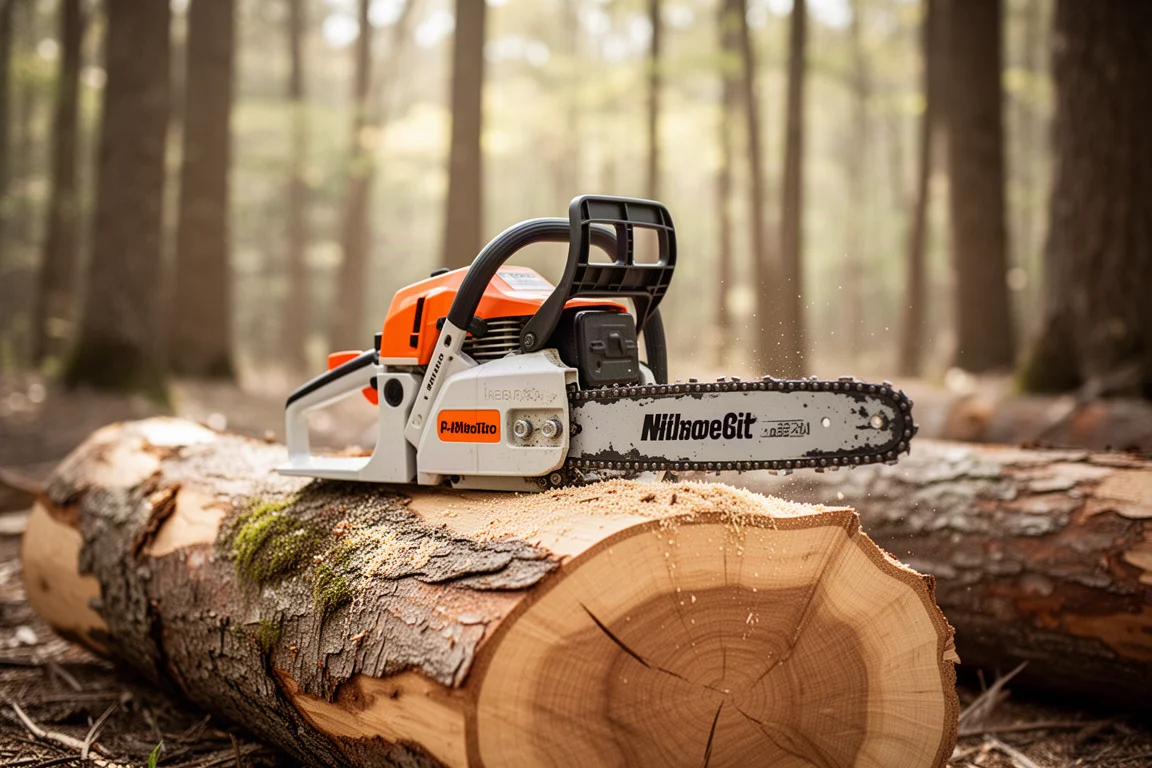
One honest caveat: the larger log had some rot and punky areas, which is why the tree came down in the first place. That softened the differences somewhat on the big cuts, but the pattern still came through clearly.
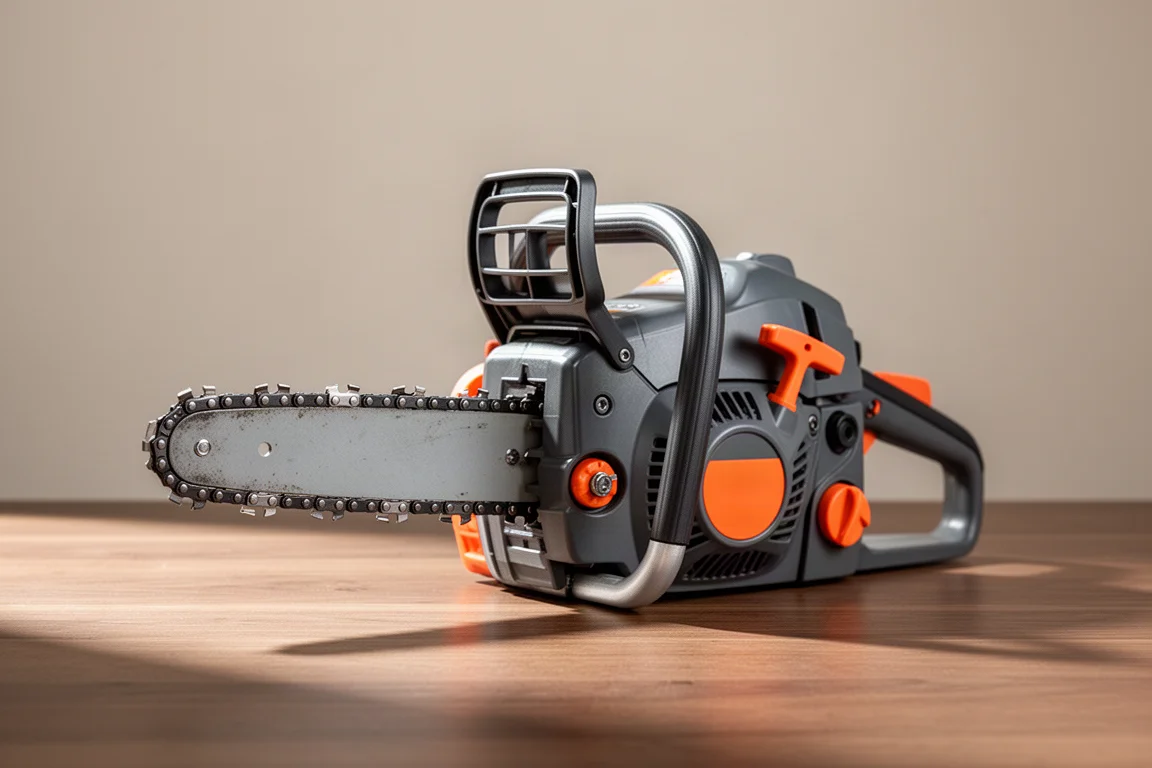
Stihl MS 261
The MS 261 was the surprise of the test, and not in a good way. Its average cut time through the smaller log came in at 25.16 seconds, dramatically slower than expected for a saw in this class. When this saw was purchased, the expectation was that it would sit close to the MS 362, with the trade-off being purely about lightweight handling.
In real use it does deliver on that weight advantage, and it is an enjoyable saw for lighter duty tasks. But if cutting speed matters to you, the gap here is hard to ignore.
Stihl MS 362
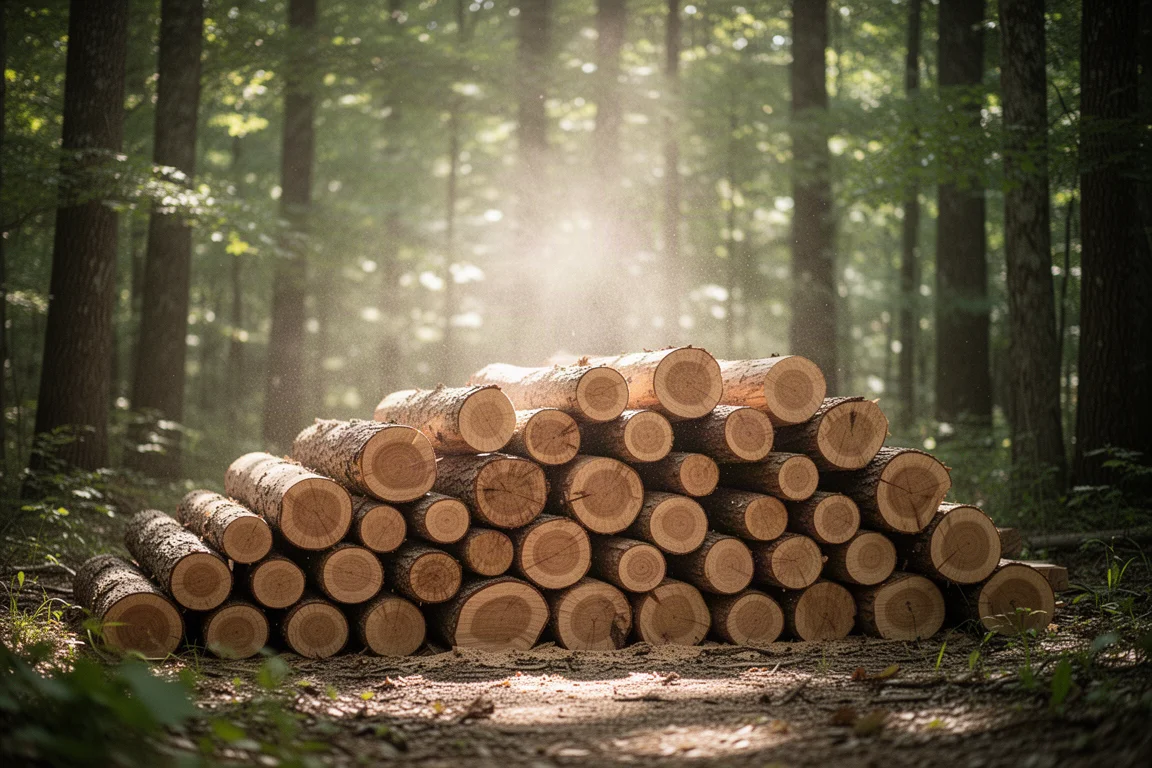
The MS 362 averaged 16.46 seconds on the smaller log, a staggering margin over the MS 261 given how close the two are on paper. It also uses essentially the same chain as the larger saws in this test, just limited in bar length, which makes it a versatile middle ground.
If the choice came down to owning only one of the two smaller saws, the 362 is the one that makes more sense. It covers the lightweight duties the 261 does, with noticeably more cutting performance when the wood gets tougher.
Stihl MS 500i
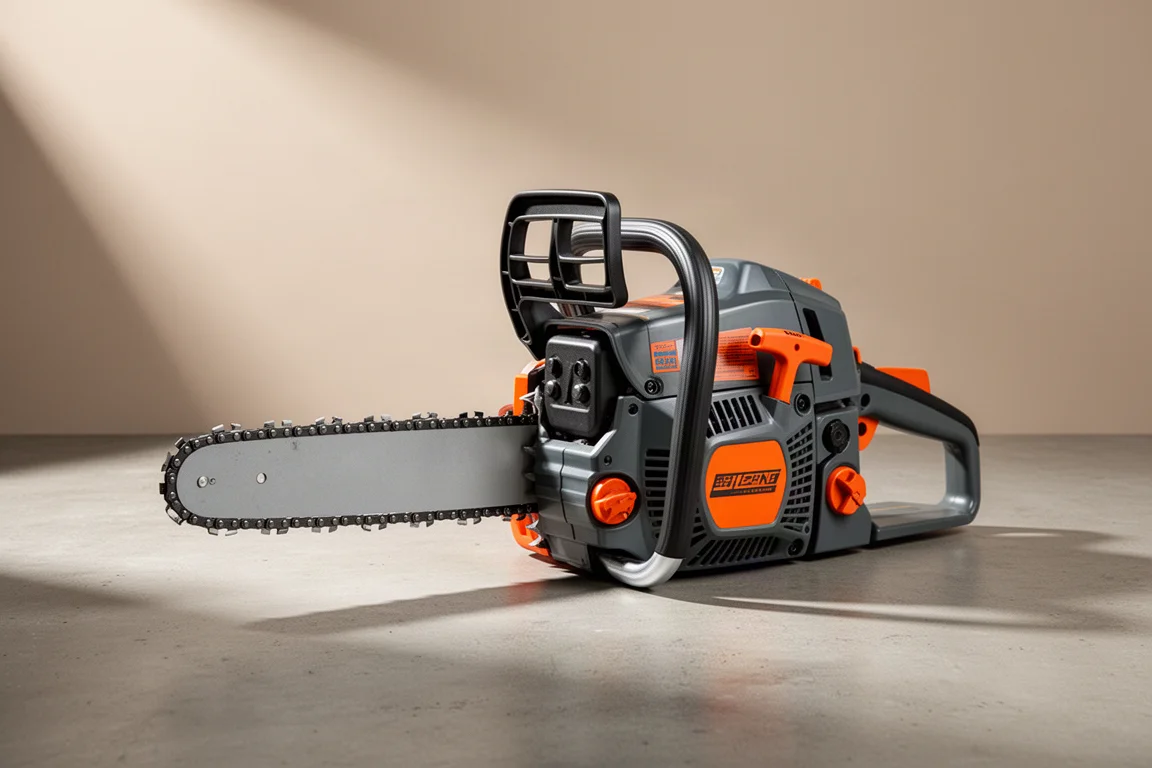
The fuel-injected MS 500i is a different kind of saw. Its engine management continuously adjusts for fuel, air and elevation as it works, which means it idles more readily and configures itself constantly. That added electronics load has proven reliable over time, but it does change the character of the tool.
Through the smaller log it averaged 11.46 seconds, and on the larger log it averaged 12.51 seconds with back-to-back cuts around 10.53 seconds. What stands out most is the torque you feel through the trigger, which the owner describes as absolutely intense, along with a noise level noticeably louder than the 661.
Stihl MS 661 Magnum
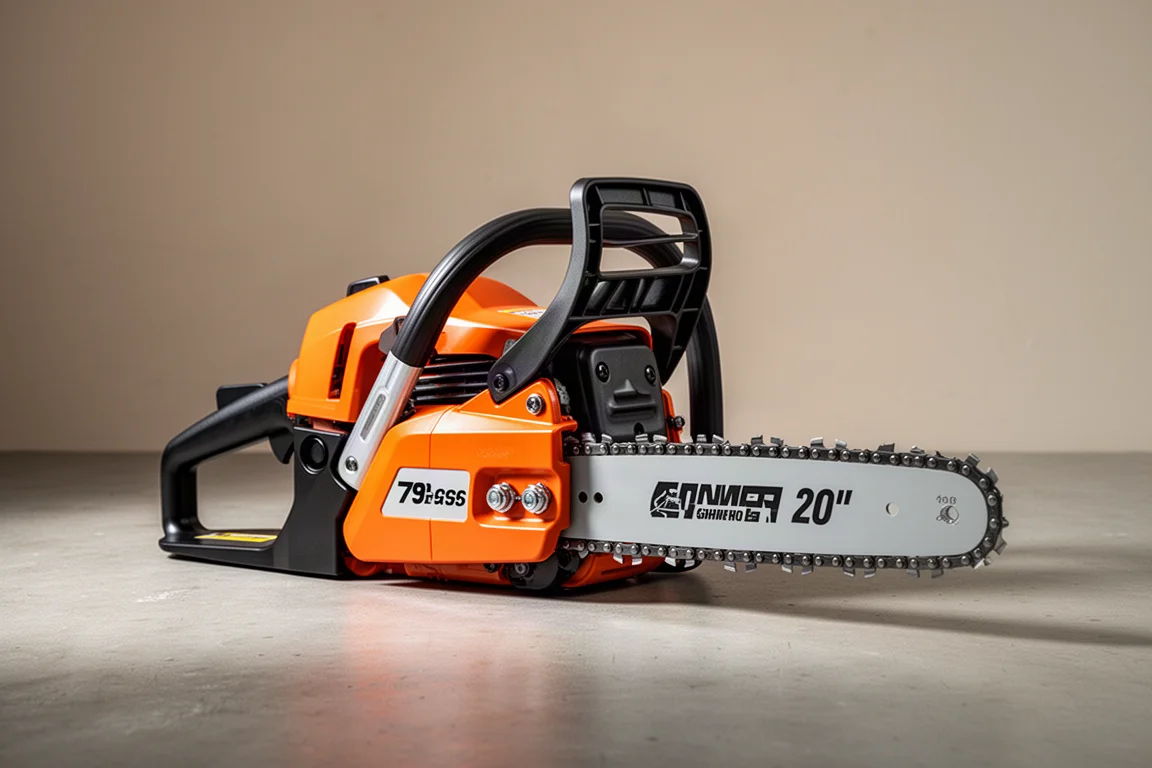
The MS 661 Magnum is the largest saw here at around 90 cc, versus roughly 80 cc for the 500i, and it delivered the strongest raw performance. On the smaller log it averaged 8.54 seconds, a remarkable margin. On the larger log it averaged 10.34 seconds, with the best back-to-back cut at 9.13 seconds.
It also carries a practical advantage: it is a little less money than the 500i, which is far from an inexpensive saw, and adding a lightweight bar pushes the 500i’s price up further.
MS 500i vs MS 661 Magnum: The Big Saw Verdict
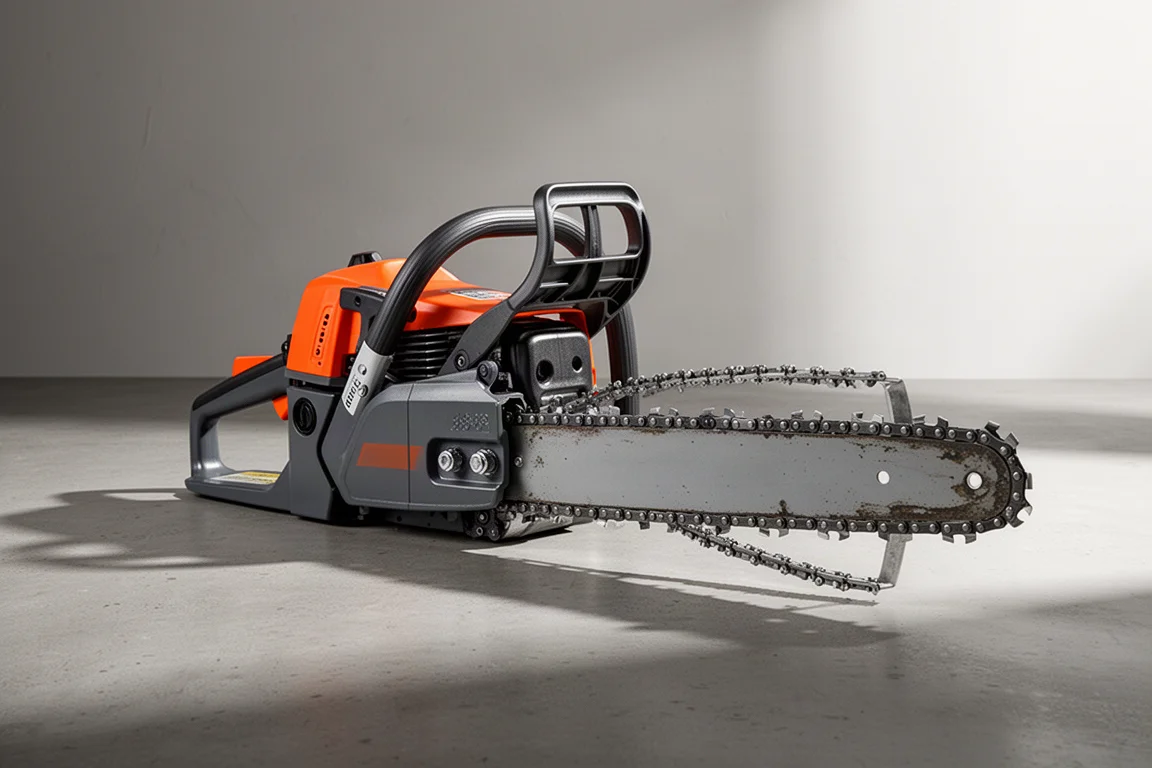
The numbers are closer than the averages suggest. Back-to-back cuts on the big log produced nearly identical results, with the 500i about two seconds off the 661 at best. Variation between individual saws and between pieces of wood is real, and the rot in the large log blurred things further.
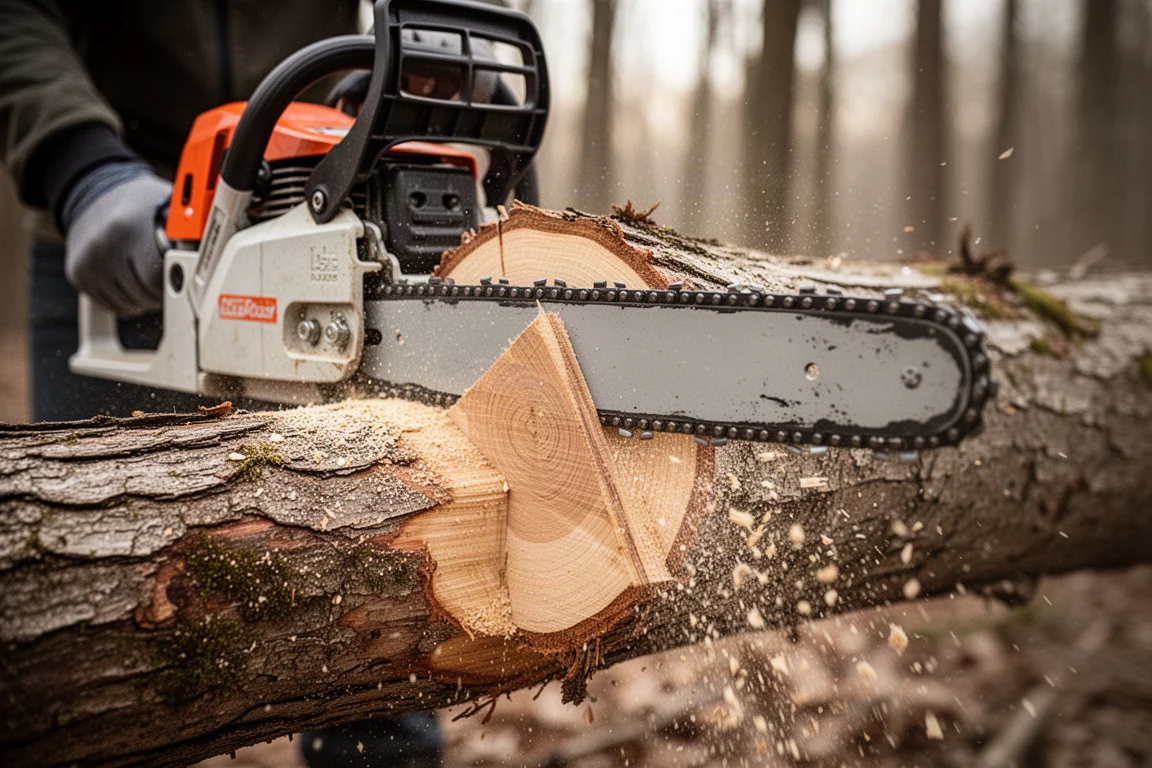
If forced to choose between the two, the verdict leans toward the 500i despite the two-second deficit, because the torque and overall experience make up for it. But if straight cutting speed and a slightly lower price matter most, the 661 Magnum is very hard to argue with.
Buying Advice
The overall takeaway from this test is simple. If choosing between the MS 261 and MS 362, the 362 wins decisively on performance with little downside. For anything smaller than what the 362 is meant for, a small battery saw handles the campfire-wood jobs better than a gas saw should. And at the top end, both the 500i and 661 Magnum are excellent; the decision comes down to whether you value the 500i’s fuel-injected character and torque or the 661’s lower price and slightly faster cuts.
Conclusion
Testing these four Stihl saws side by side showed just how far apart saws in the same range can be. All new chains, matched setup and fair timing made the differences unmistakable, and the results should give you confidence in whichever tier you buy into: the 362 for versatile mid-range work, and either the 500i or 661 Magnum for serious timber.
Further reading
Related Reviews

Chainsaws
Best Gas Chainsaws 2026: Eight Saws Put to the Test
We tested eight 18-inch gas chainsaws from budget picks to premium models to find the best value, the fastest cutter, and the most refined option.
Chainsaws
Best Gas Chainsaws Tested: 8 Saws From Budget to Professional Grade
Eight 18-inch chainsaws tested on starting, cutting speed, torque, vibration, and noise, from a $96 budget saw to a $430 Stihl MS250.
Chainsaws
$100 Chainsaw vs $550 Stihl: Can Budget Saws Really Compete?
Two budget chainsaws face off against the Stihl MS 291 in torque, cutting speed, fuel efficiency, and cold-start tests to see where the money actually goes.