Road Bikes
State Carbon Road SL Review: Carbon Race Speed at a Sharper Price
A long, low carbon race bike with modern frame standards, a 7.5 kg naked build weight, and pricing that undercuts much of the road category.
Introduction
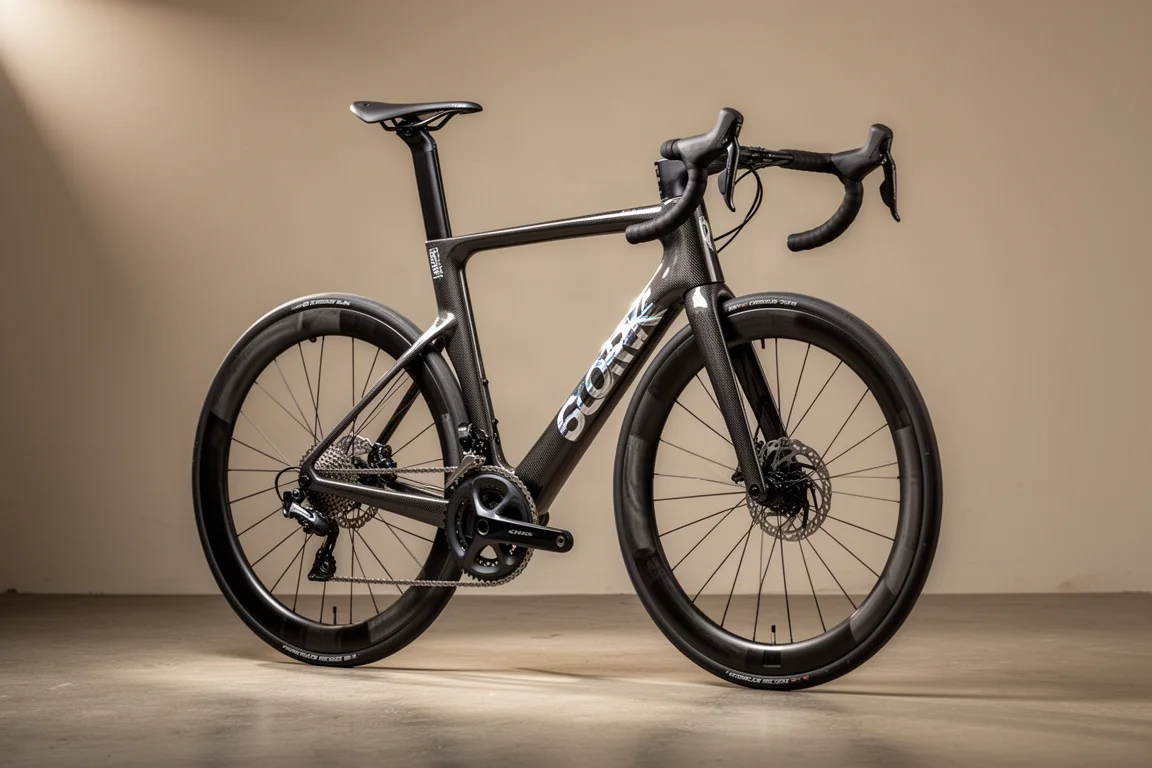
State has built its name on fixed gear, single speed, and gravel bikes, which makes a carbon race bike a genuine departure for the brand. The Carbon Road SL is that departure: a long, low carbon road platform with current frame standards and pricing that is unusually low for the category. On the scale, a naked size small build comes in at 7.5 kg, and buyers can choose between a SRAM Rival 2x or a SRAM Rival 1x drivetrain. That combination of numbers is what makes this bike interesting, and it is worth understanding exactly where the value comes from before deciding whether it fits the way you ride.
Who This Bike Is For
The short answer is that this is a racing bike, and it behaves like one. The position is long and low, with the handlebars sitting far forward and well below the saddle, which is exactly what you want when the goal is speed and exactly what you do not want if you are chasing all-day comfort.
The longer answer is that the Carbon Road SL lands in a sweet spot between price and performance. At the lower end of the road bike market, spending more genuinely buys better ride feel, better features, and meaningful weight savings. At the very top, the extra spend buys refinements that are hard to notice without a trained eye. This bike sits where the gains are still obvious.
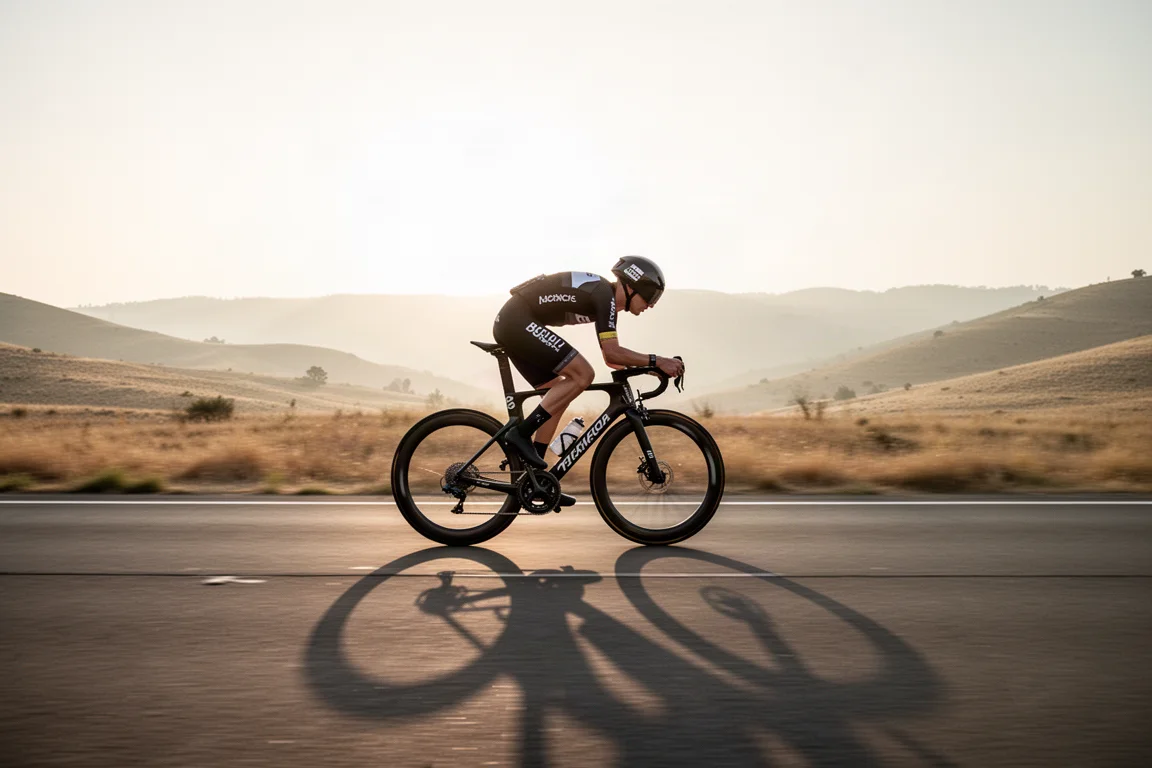
Riders should look carefully at the sizing before ordering. The frame is offered in five sizes from XS to L, and the geometry is aggressive throughout. The size small has a 382 mm reach and a 74.5 degree seat tube angle, and it suited a rider just over 5 ft 9 in. The published recommended rider heights are optimistic, and the smallest frame will not fit many shorter riders at all. A professional bike fit is worth the cost on a purchase at this level.
Main Strengths
The strengths here are not exotic. They are the fundamentals: a modern carbon frame, sensible standards, a comfortable ride, and a component list that matches the price rather than fighting it.
Frame, Finish, and Build Quality
The SL designation refers to a more expensive carbon layup than the standard Carbon Road, and the frame is finished with very little paint in order to keep weight down. What you get instead of paint is a visible carbon weave under a high-gloss clearcoat, along with glossy, chrome-like graphics. It is a deliberate look, and it holds up well in person.
The hardware is also a step above what this price point often delivers. Bolts and through axles thread in cleanly, which is not a given. The frame uses current standards: through axles, a UDH derailleur hanger, and a T47 threaded bottom bracket. A frameset-only option exists for both the SL and the standard carbon model, and it includes the carbon aero seat post, though not the bar, stem, or headset.
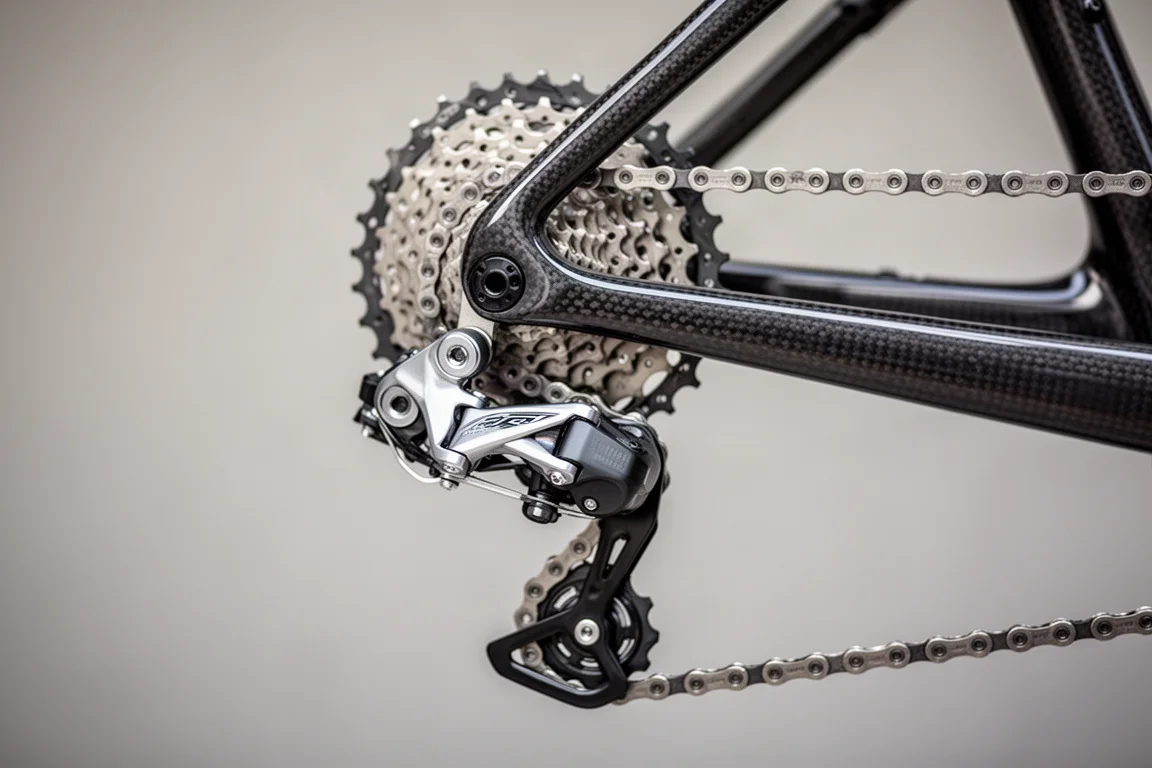
One small hardware note: the bolt in the top cap corroded repeatedly in use, and it is the kind of inexpensive part a buyer may want to replace early on.
Ride Feel and Geometry
On the road, the Carbon Road SL is smooth and comfortable, which is unusual for a bike with this much reach and drop. It was ridden with the Enve carbon wheels and then again with an alloy DT Swiss wheelset on GP 5000 tyres with inner tubes, and it still rode great in both configurations.
It does not have quite the same edge and feel as very high-end World Tour race bikes, but for the price it gets close. Braking from the latest SRAM eTap groupsets is exceptionally strong, with genuine one-finger control from the hoods.
Component Highlights
The bike ships with proprietary carbon handlebars and a State seat post, finished with a Fizik Tempo Aliante saddle and Vittoria Corsa N.EXT tyres in 28 mm, set up tubeless. The handlebars are relatively short and shallow with a flat top section that is comfortable to rest on, and they feel very stiff when you are pushing hard.
The saddle is unobtrusive, which is a good sign on longer rides, though riders who prefer a deeper pressure relief channel may want to swap it. The bar tape is plain cork, a choice some riders will like and others will change.
The Enve AR 40 wheels are the latest version of that company’s foundation wheel. They are hookless and can be used both on and off road. If you would rather not run hookless rims, the same bike can be specified with DT Swiss A 1800 alloy wheels for around a thousand dollars less.
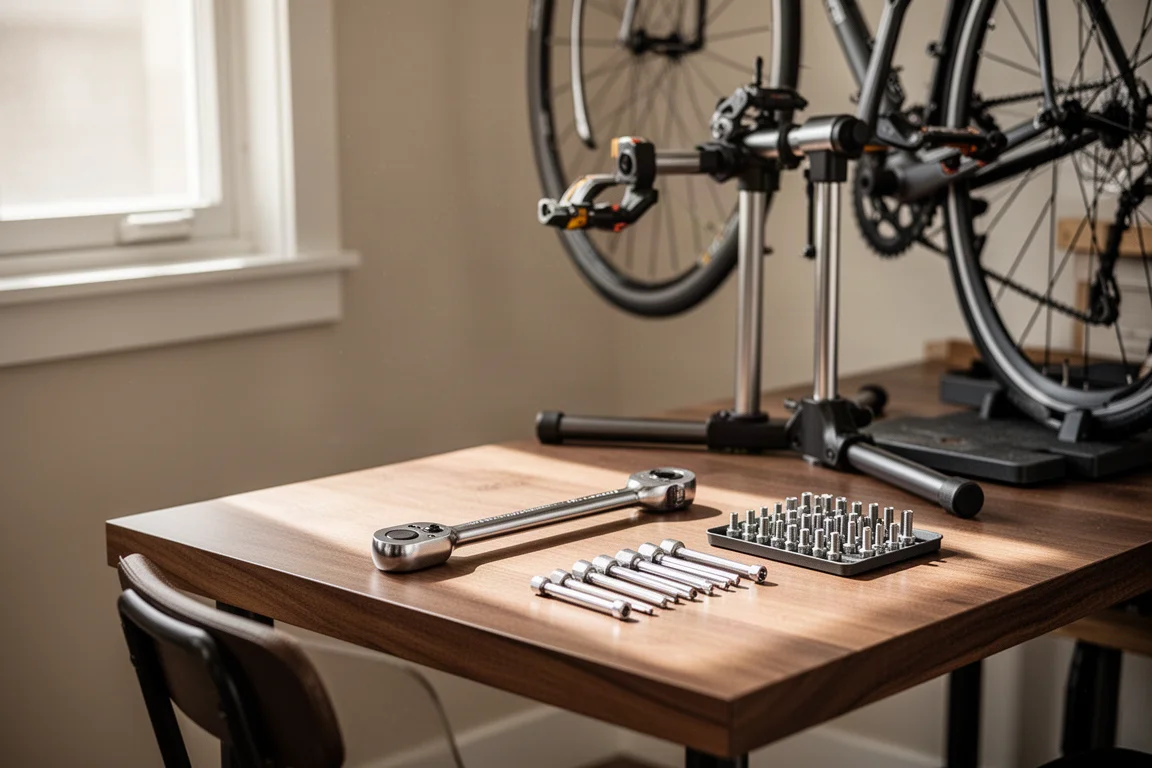
Crank length, stem length, and handlebar width scale with frame size, and State has said it can accommodate a customer who wants a different length or width by ordering it in.
Things to Consider Before Buying
Livability is the weak point, as it is on nearly every integrated racing bike. The threaded bottom bracket is genuinely welcome, since it needs fewer specialist tools than a press-fit system, but replacing headset bearings means working around internally routed brake hoses, which takes time, patience, and skill.
There is also the question of where the frame comes from. A similar-looking frame is available directly from suppliers in the Far East, and open molds are common in the industry. State has explained its position: the factory owns the mold and shares tooling costs, the company only works with manufacturers that do not sell direct to consumers, and it negotiates territory exclusivity so the frame is not available to another brand in the US. State controls the bottom bracket standard, UDH compatibility, and the layup schedule, which is how both the SL and the standard builds come from the same base tooling. What a buyer is paying for is the work of selecting a race-caliber platform, taking on the development risk, and standing behind it with a warranty and customer care.
Availability matters too. State has an EU website selling through an EU distributor, but the carbon road model is not listed there yet, so buyers in Europe and the UK currently purchase from the US. Taxes are displayed at checkout, and State has said there are no additional charges once the order is paid, though the price shown on the product page may not be the final price you pay.
Buying Advice
Pricing is where this bike makes its case. The Carbon Road SL with a SRAM Rival 2x groupset and Enve AR 40 wheels is listed at $4,250. Specifying DT Swiss A 1800 wheels instead brings the price down by around $1,000, and the lower carbon model starts at $2,799. Frameset-only options exist for both carbon models if you prefer to build your own.
Fit should be the deciding factor rather than the specification sheet. Confirm your size with a bike fit, or at least a careful comparison against a bike you already ride, and do not rely on the published height recommendations. If you need a different crank length, stem, or bar width than the stock build, it is worth asking before you order.
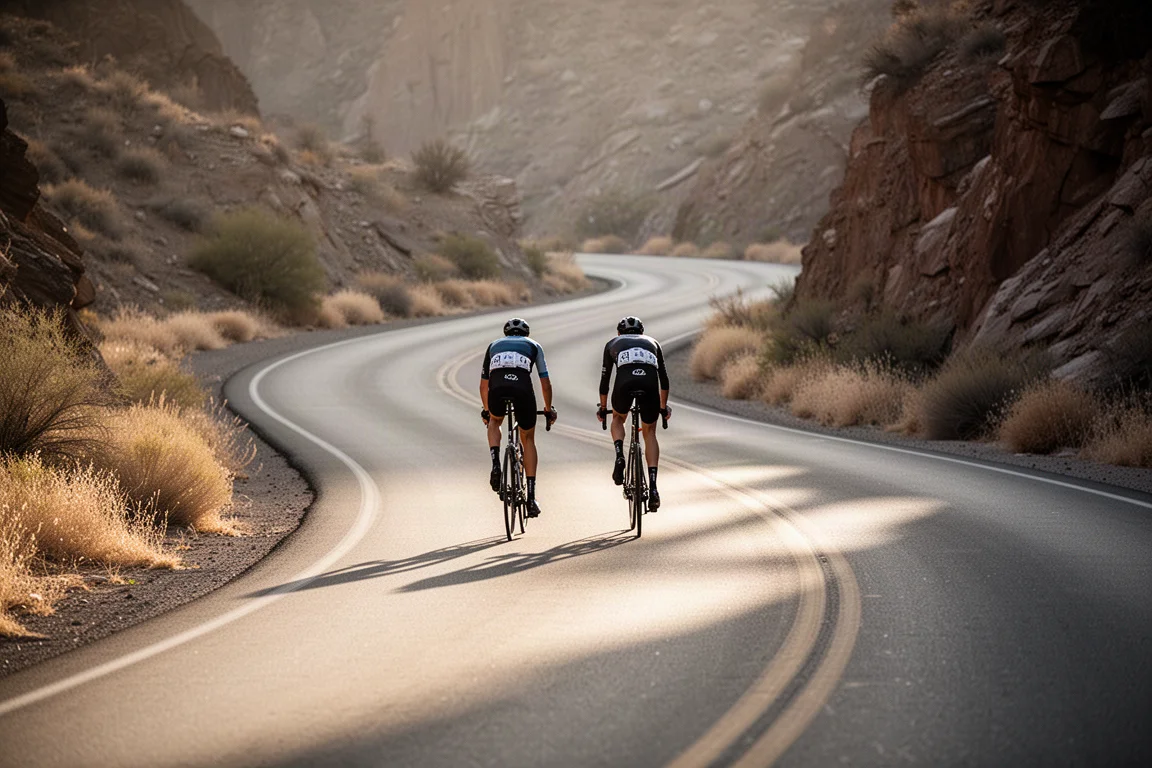
It is also worth knowing what else sits near this price. A carbon bike with a carbon frame, fork, and wheels plus Shimano 105 can be found for around $4,499 from manufacturers that own their own factories and have recently entered the Western market. The Carbon Road SL still stands out for its race geometry and its build quality at the price.
Conclusion
The Carbon Road SL is a convincing carbon race bike from a brand that built its reputation elsewhere. It rides smoothly, uses current standards, looks sharp in its unpainted finish, and costs noticeably less than the established names for a comparable amount of bike. The caveats are real: the fit is aggressive, the size chart is unreliable, and the integrated cockpit adds service complexity. Buyers who confirm their size and want a fast, long, low road bike will find a lot to like here.
Product link
View more details for State Carbon Road SL
This product is mentioned in the review. Check the specifications, options, and compatibility before buying.
View more details for State Carbon Road SLFurther reading
Related Reviews

Road Bikes
10 New Road Bikes Worth Watching: Aero, Titanium, Steel and Endurance Standouts
A practical roundup of 10 new road bikes, from aero flagships chasing single-watt gains to titanium, steel and endurance platforms built for real roads.
Road Bikes
2026 Tour de France Road Bikes: Six Race Machines Worth a Closer Look
Six race bikes from the 2026 Tour de France grid, reviewed for paint, silhouette, wheels and the specification details that matter to buyers.
Road Bikes
3T Strada Italia Review: A Radical Aero Road Bike That Rides Smooth
A made in Italy carbon aero road bike with a deep head tube, wide tire clearance and a genuinely comfortable ride. Here is what to know before buying.