Camping Coffee
Stansport 8-Cup Enamel Coffee Percolator Review: Charm, Mugs, and a Narrow Sweet Spot
An enamel camping percolator with four matching mugs and a low price, held back by a capacity that only really works at five cups and some durability concerns.
Introduction
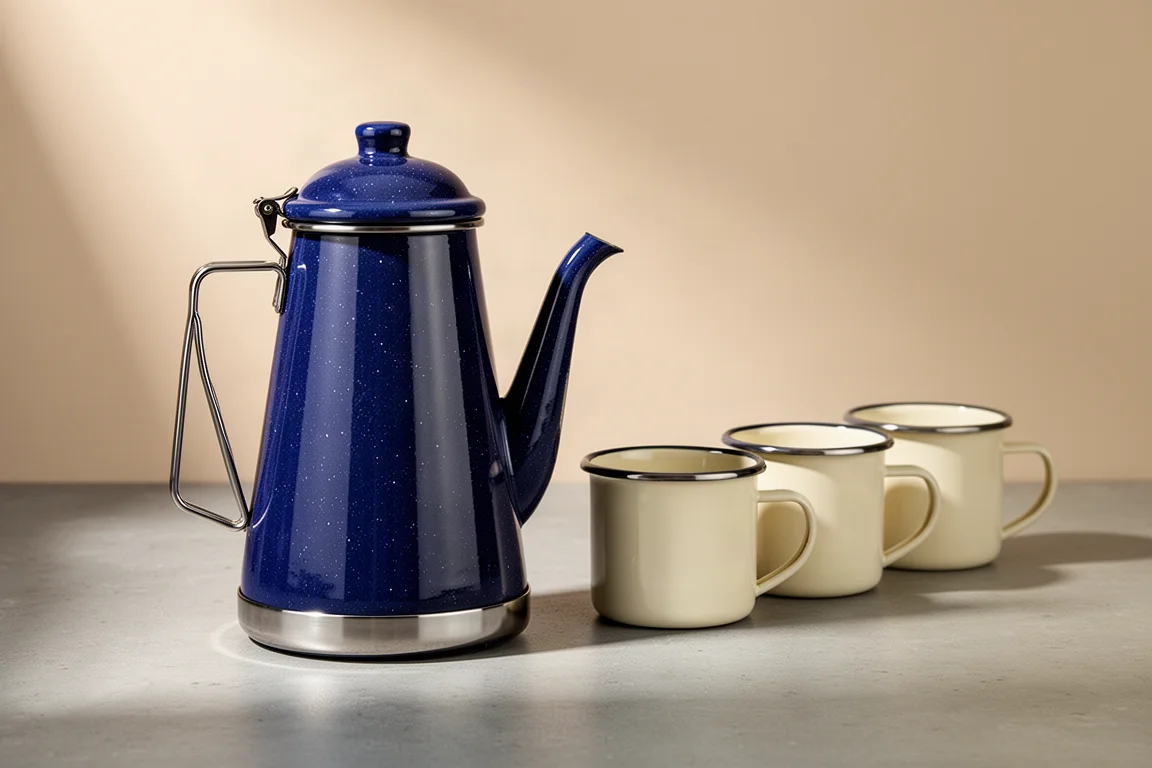
The Stansport 8-Cup Enamel Coffee Percolator is a stovetop coffee pot with a kiln-hardened enamel finish, a stainless steel rim, and four matching enamel mugs in the box. It sells for around $34, which makes it one of the more affordable ways to brew percolator coffee at a campsite. The catch sits in the product name. This pot is marketed as an 8-cup percolator, but the capacity that actually works is much narrower, and a handful of design choices make it fussier to live with than the enamel styling suggests.
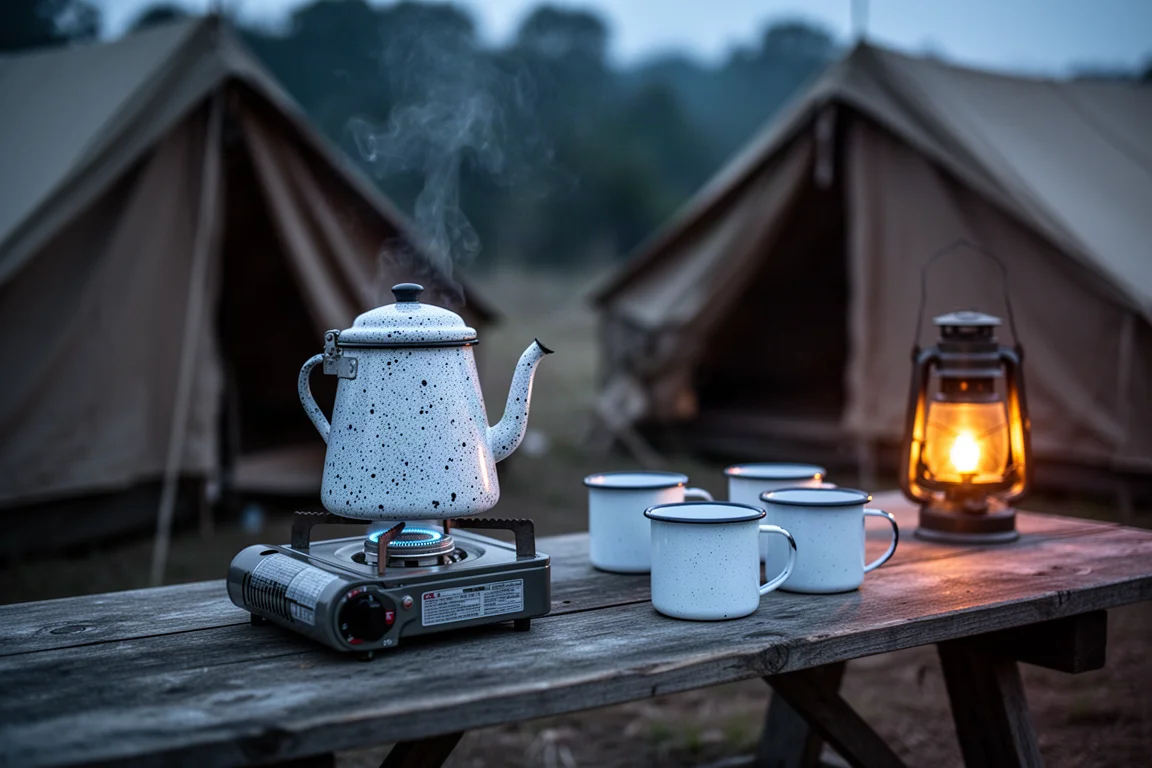
This review walks through the measurements, the brew times, the real capacity limits, and the durability details that matter before you decide whether this pot earns a place in your camp kit.
What Comes in the Box
Inside the box you get the enamel coffee pot with the percolator assembly already inside, four enamel mugs, and a set of instructions.
The pot measures roughly 7.5 inches or 19 cm from handle to spout. The lid measures about 4.5 inches or 11 cm across, the base 6.5 inches or 17 cm, and the overall height is around 9.5 inches or 24 cm. The complete percolator weighs 604 grams or 21.3 ounces. Each mug weighs 103 grams or 3.7 ounces, measures 3.5 inches or 9 cm across and 3.25 inches or 8 cm tall, and holds 12 ounces.
The body, handle, and lid are metal underneath with a kiln-hardened enamel finish. The stem, filter basket, and spreader are aluminium. The pot has a stainless steel rim, while the lid does not. The percolator is made in China.
Who This Percolator Is For
This pot suits campers who want a traditional enamel percolator, who like the idea of a design with no glass or plastic perking knob that could crack, and who consistently brew for a small group. The four included mugs make it a tidy package for a couple or a small family, and the wide base sits sturdily on a stove.
It is a harder sell for anyone who wants to vary how much coffee they make. The usable capacity is fixed in practice, there are no scale or cup level markings, and there is no perking knob to show when the water is boiling or how dark the brew is turning.
Main Strengths
Price is the first argument in its favour. Around $34 buys a full enamel percolator plus four matching mugs, which is a lot of kit for the money, and the mugs themselves are of decent quality with no issues beyond hot handles.
The design also has practical upsides. With no glass or plastic perking knob, there is nothing on the lid that can break, which matters for gear that gets knocked around in a vehicle or a pack. The wide base keeps the pot stable on a stove, and with a coarse grind only a minimal amount of grounds ended up in the last cup.
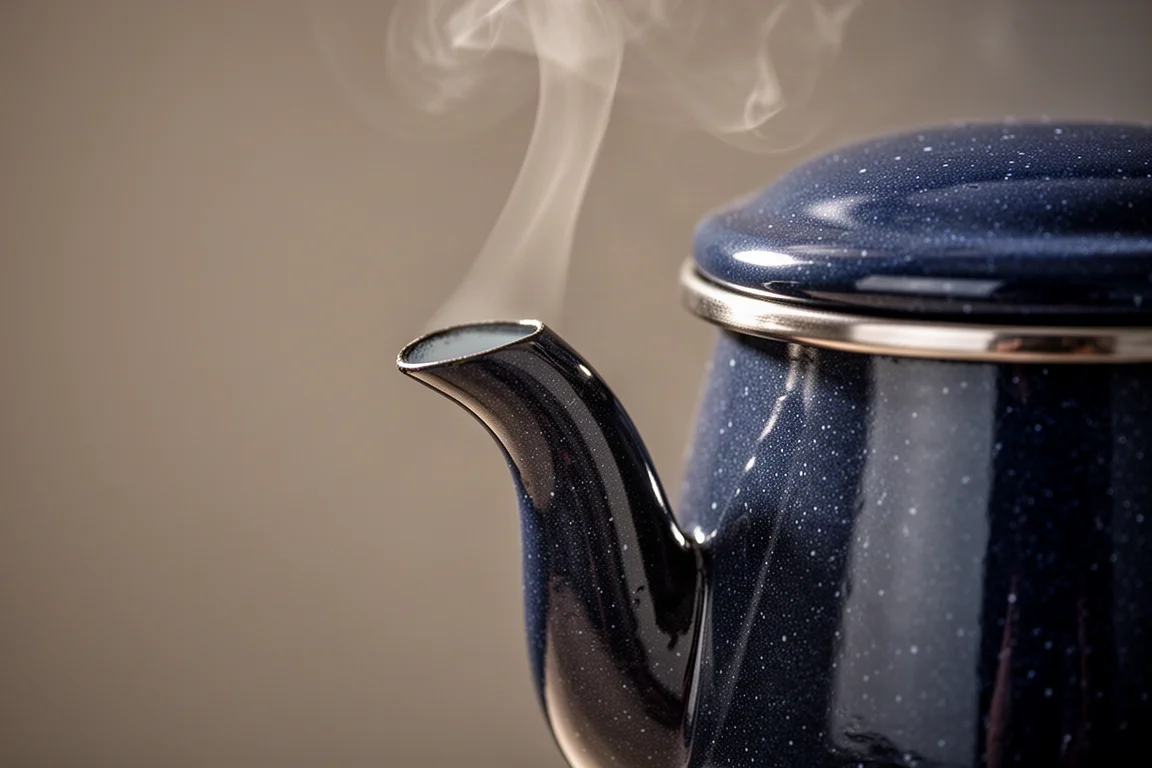
Cleanup is simple. The components come apart easily so you can toss the grounds and run water through everything, and percolating water proved more effective than a plain rinse at lifting coffee bean oils off the enamel. After repeated use, no chipping appeared on the finish.
Brewing Capacity and Real-World Limits
This is where the 8-cup label comes apart. Filled with 36 ounces, or 6 cups, the pot boiled over a little. The overflow was not caught in the moment, but coffee splatter appeared on the pot, the stove, and the table, and with 64 grams of coarse grounds the filter basket overflowed and grounds ended up in the coffee.
Five cups, or 30 ounces, was the reliable point. The pot brewed perfectly at that volume, and 53 grams of coarse grounds produced less overflow and no grounds in the cup. Four cups, or 24 ounces, tasted diluted even after more than 10 minutes of percolating. Three cups, or 18 ounces, came out as little more than water with grounds, because there was not enough water to travel up the stem and spread across the coffee.
The filter basket is also on the small side. Packed to the brim it holds at most 71 grams or 2.5 ounces of coarse ground coffee, and filling it that far invites overflow and grounds in the brew. The official instructions suggest a minimum of 4 cups is fine, but that did not hold up in practice. There are no smaller or larger versions of this pot.
Brew time scales with volume. Watching for steam at the spout, since there is no perking knob, 18 ounces took 4 minutes 30 seconds to start steaming and 36 ounces took 8 minutes 15 seconds. Those figures are estimates and shift with water temperature, ambient temperature, and how much heat is applied. A workable routine is about 6 ounces of water per cup and 10 to 11 grams of coarse ground coffee per cup, brought to a boil on medium heat, then lowered to medium low for roughly 7 minutes before the heat is turned off. Letting the pot sit afterwards allows the basket to drain and the grounds to settle.
Things to Consider Before Buying
The handle is made from the same material as the pot, so it gets genuinely hot after percolation and needs a cloth around it. The lid is loose and also needs a cloth when pouring. With no perking knob, steam at the spout is the only signal that the water is boiling, which is easy to read outdoors in daylight and much harder to see indoors. Without that knob, there is also no way to watch the coffee darken as it brews.
There are no scale or cup level markings inside or outside the pot, and the spout holes are not a reliable gauge either, so water has to be measured separately. The mugs share one drawback with the pot: their handles are not heat resistant and get hot when piping hot coffee is poured in, and the handles are not especially large. There is no information on whether any part of the set is dishwasher safe.
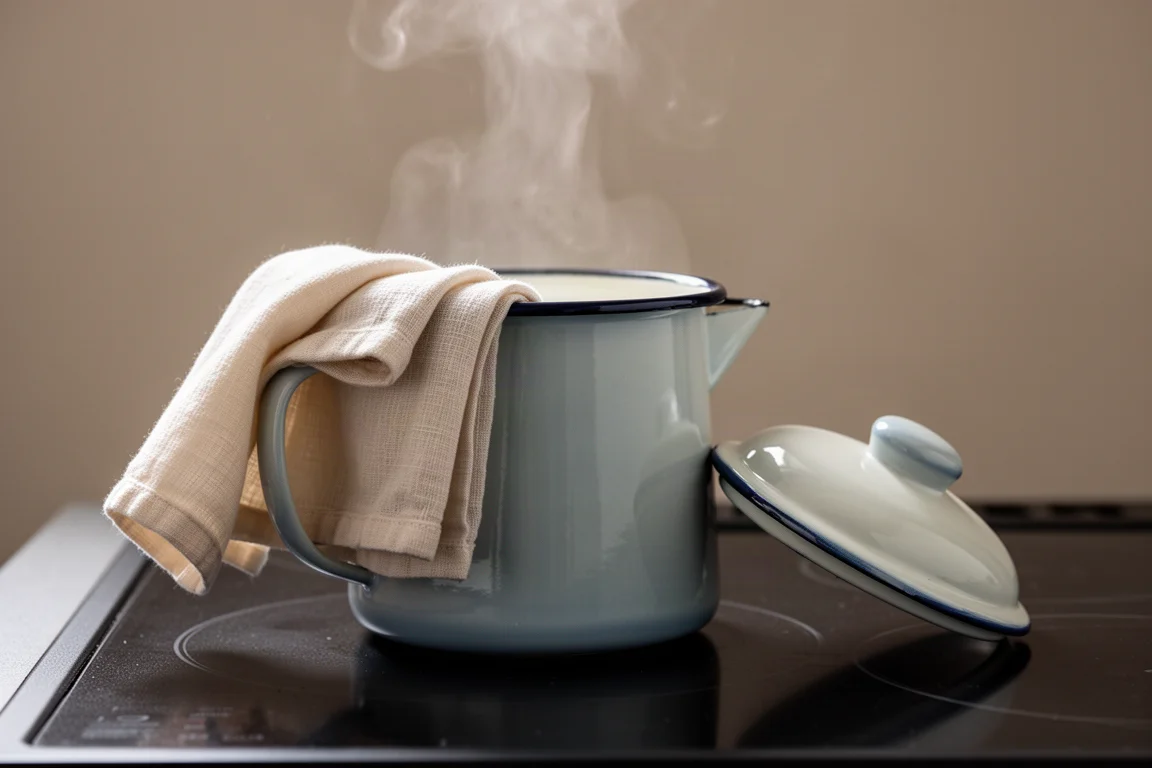
None of these points makes the pot unusable, but together they define how much attention it demands. If you want to set a pot on the stove and leave it alone until the coffee is ready, this is not that pot.
Durability and Long-Term Concerns
The aluminium stem, filter basket, and spreader feel a bit flimsy. They do not sit firmly inside the pot and rattle when the pot is shaken gently.
The lid does not share the pot’s stainless steel rim, and after light use a small amount of rust appeared on the lid, the spout, and the base. It is minimal, but it points to durability limits over time. The metal hinge that connects the lid to the handle feels flimsy and bends easily. The pot also arrived with coffee stains that could not be washed off, and they were still visible after weeks of use and washing. The mugs, by contrast, held up well.
Buying Advice
This percolator makes sense for a specific buyer: someone who wants exactly five cups of coffee at a time, values the four matching mugs, and prefers a pot with no breakable perking knob. At around $34 for the full set, that buyer gets solid value.
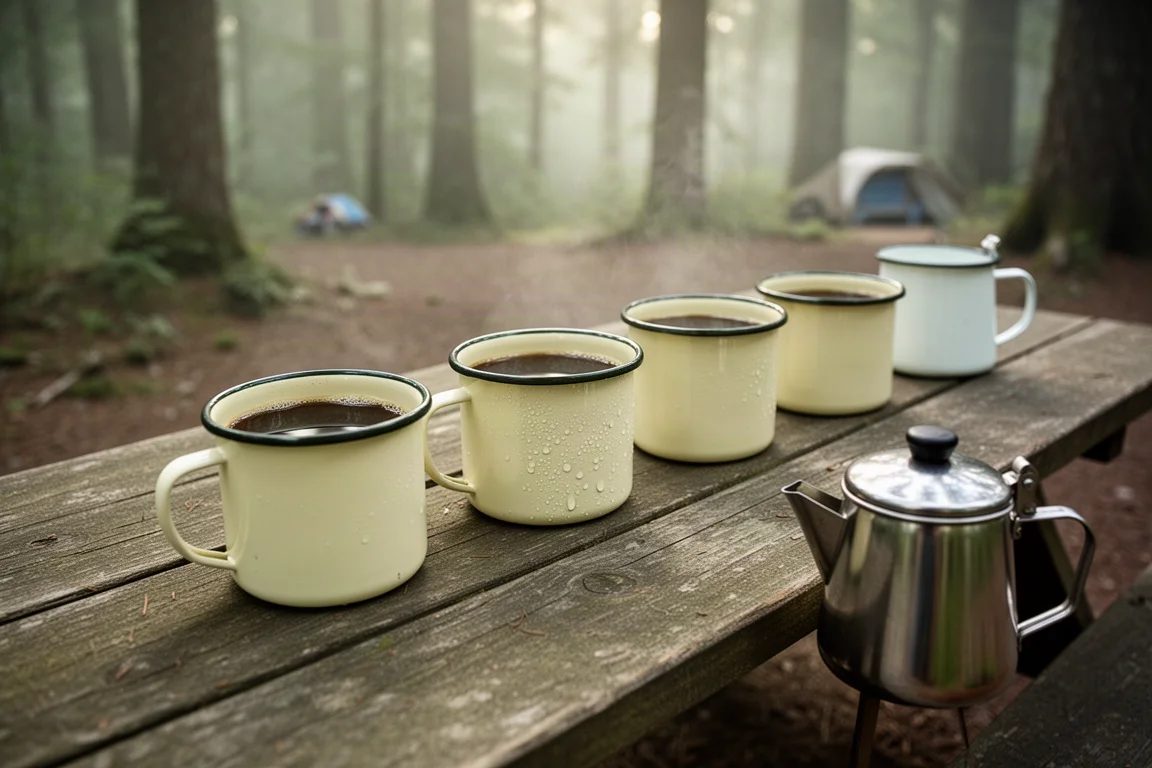
If you do buy it, a few habits make it easier to live with. Grind coarse, use roughly 10 to 11 grams per cup, and measure your water separately since the pot has no markings. To reduce grounds in the cup, wet the filter basket or line it with coffee filter paper, and avoid packing the basket to the brim. Keep a cloth within reach for the handle and the lid, and plan around five cups rather than the eight on the label.
If that sounds like too many compromises, a percolator with a perking knob and more flexible capacity will serve you better. The trade-off is losing the enamel look and the bundled mugs.
Conclusion
The Stansport 8-Cup Enamel Coffee Percolator gets the aesthetics and the price right. It looks the part on a camp table, it comes with four matching mugs, and it has no glass or plastic knob to break. Where it falls short is capacity and refinement: the practical sweet spot is five cups, the aluminium internals feel flimsy, and rust plus pre-existing stains suggest the finish will not stay pristine. For most campers shopping for a percolator, the cons outweigh the pros. For someone who wants five cups, matching mugs, and a low price, it can still be a reasonable pick.
Product link
View more details for Stansport 8-Cup Enamel Coffee Percolator
This product is mentioned in the review. Check the specifications, options, and compatibility before buying.
View more details for Stansport 8-Cup Enamel Coffee PercolatorFurther reading
Related Reviews
Camping Coffee
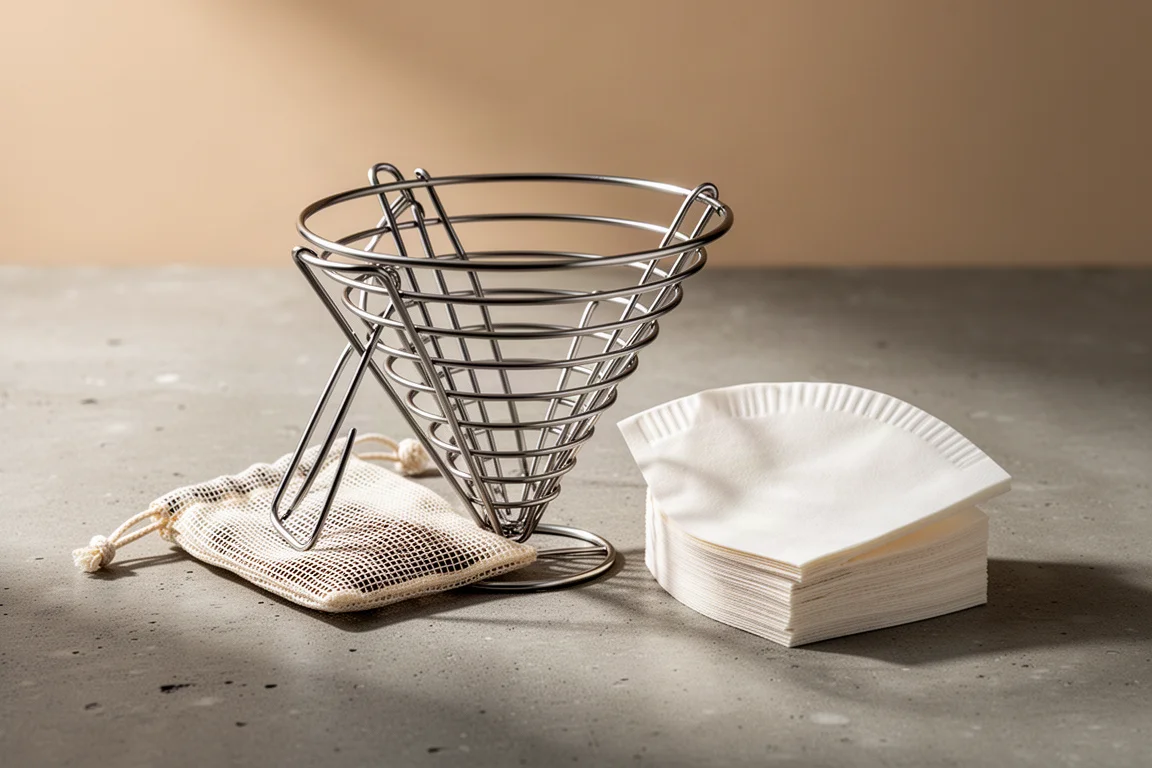
Soto Helix Coffee Maker Review: A Collapsible Pour-Over for Backpacking
A lightweight collapsible pour-over kit that folds flat, cleans up fast, and brews a proper cup of coffee at camp. Here is what to know before buying.
Insulated Jackets
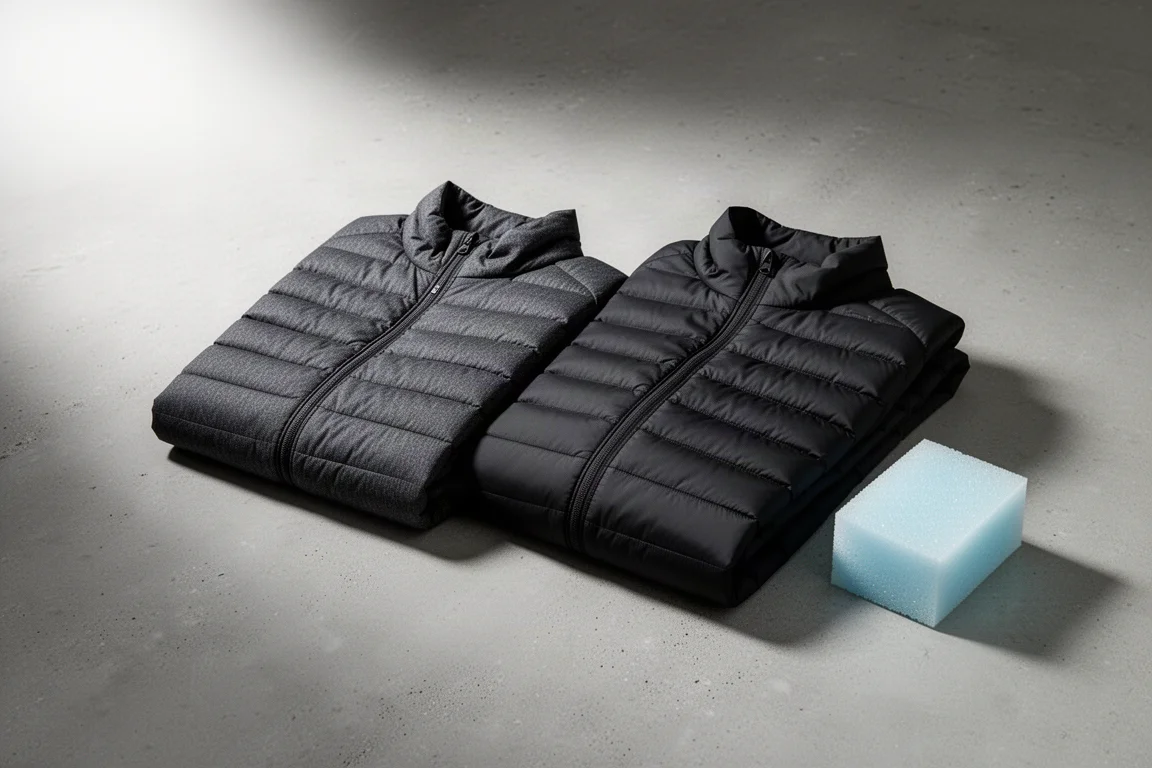
Aerogel vs Down Insulation: Two Aerogel Jackets Compared
Aerogel is the lightest solid on record, but two aerogel jackets measured against a comparable down jacket tell a more complicated story about warmth.
Power Banks
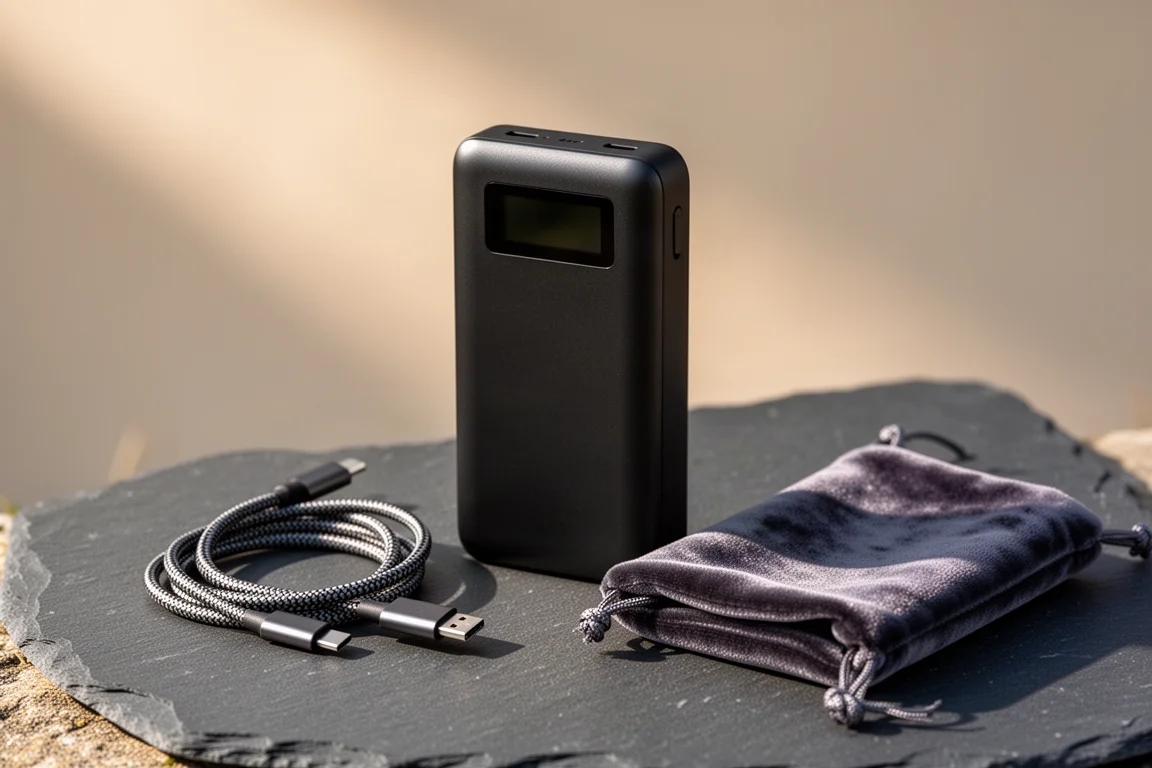
Anker 737 PowerCore 24K Review: Fast Charging in a Simple Package
A 140W portable power bank with a 52-minute recharge time, a health-tracking display, and a three-port layout that skips the app entirely.