Road Bikes
Five Standout Road Bikes Worth a Closer Look
Five road bikes that stand out for aero efficiency, titanium craftsmanship, and all-road versatility, plus the details worth weighing before you buy.
Introduction
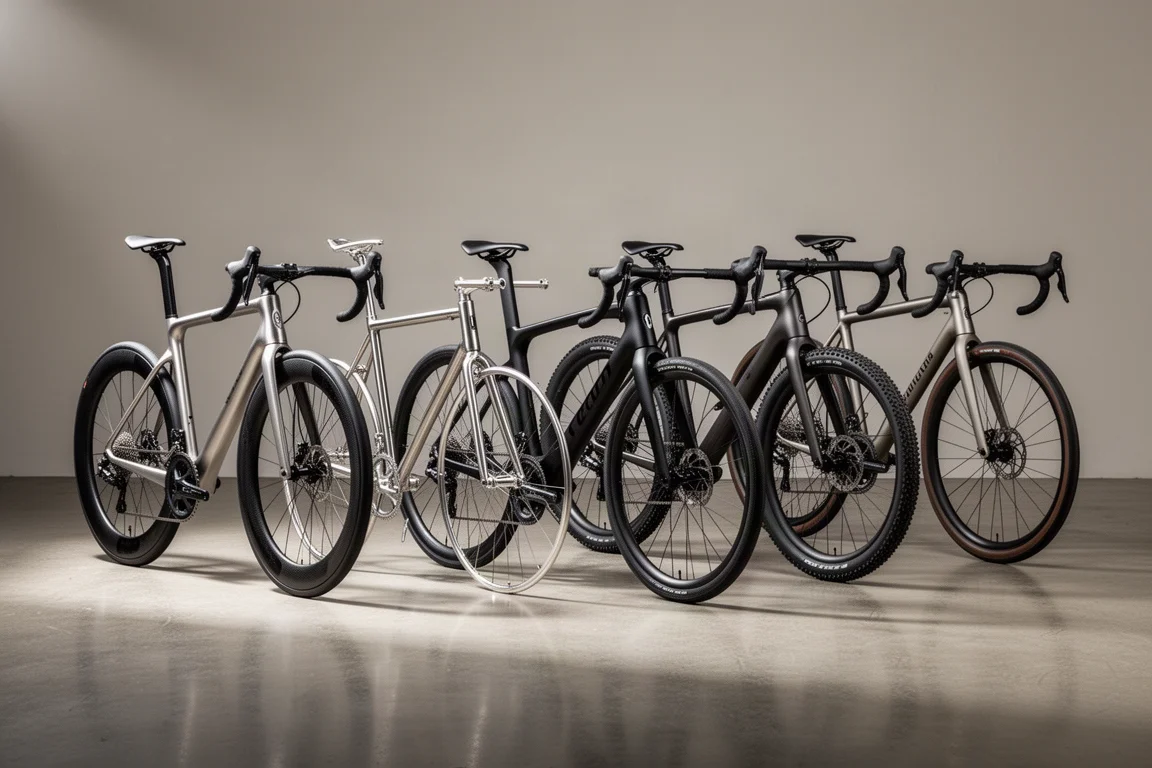
The road bike market rewards riders who know what they actually want. Aero carbon racers built for fast group riding, titanium frames designed to be kept for years, and all-road machines with room for wider tires all solve different problems, and the five bikes below sit at very different points on that spectrum.
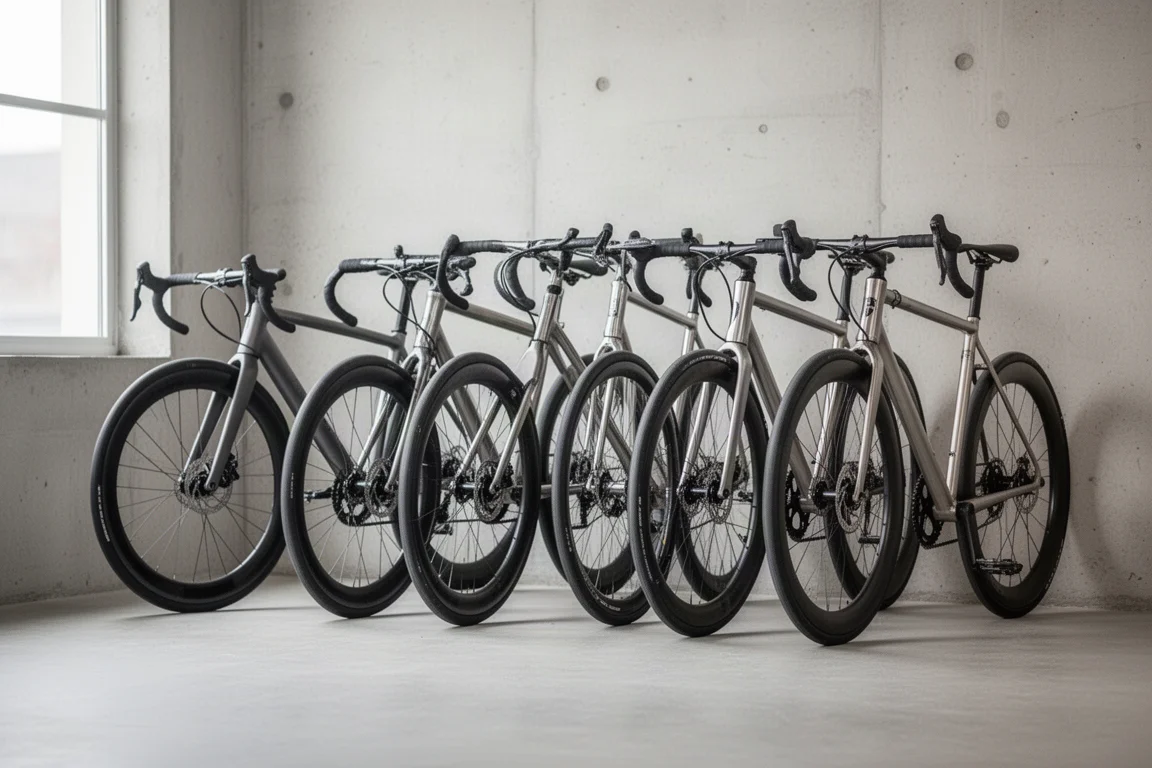
Some of these are pure race platforms, others lean toward long-distance comfort and versatility. What they share is a clear design intent, which makes it easier to work out whether one of them matches the way you ride.
What to Weigh Before You Buy
A few themes run through this group: frame material and weight, aerodynamic efficiency, tire clearance, integration, and the kind of riding each bike was built around. Aero savings are usually quoted at specific speeds, so it helps to check whether those speeds reflect your own riding rather than the front of a race.
Tire clearance is another dividing line. Race frames tend to stay narrow, while all-road designs open up to 32mm or 35mm, which changes both comfort and the surfaces you can comfortably ride. Integration matters for ownership too: fully internal routing looks clean, but it can complicate maintenance and travel.
Giant Propel: Aero Speed in a Light Package
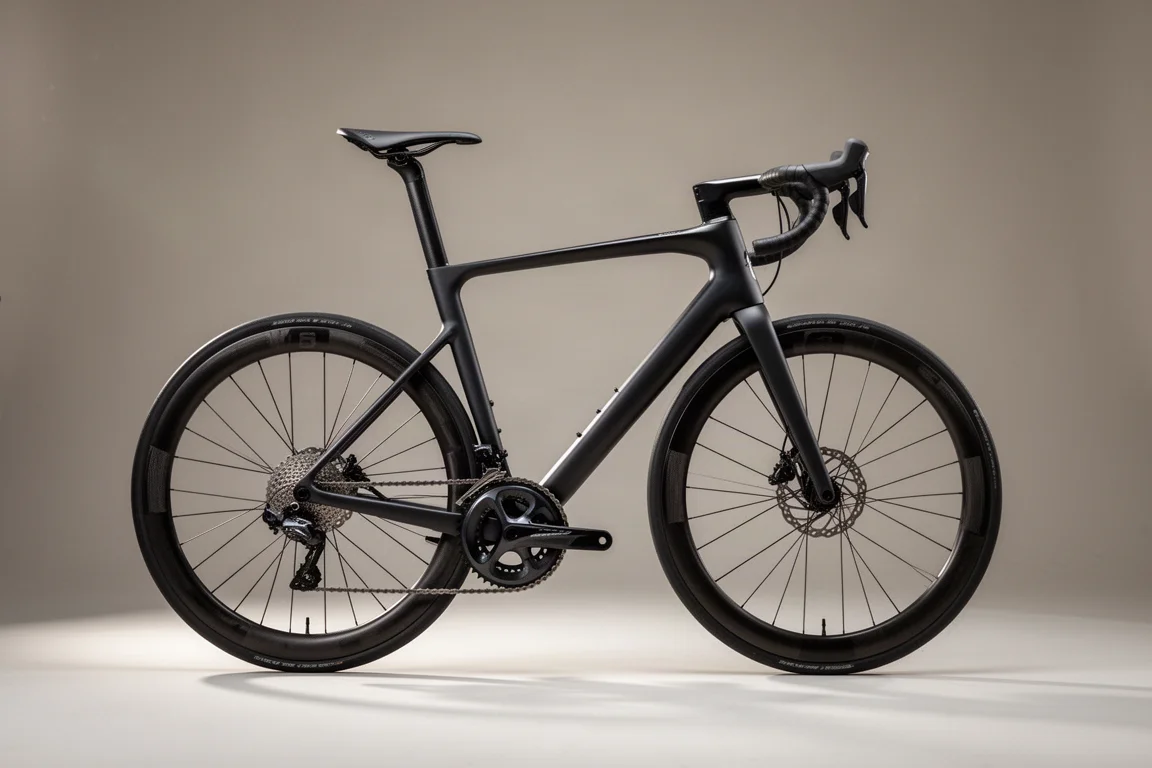
The latest Propel is an aero road bike that also makes a serious weight claim. The platform has been raced to Tour de France stage wins by Dylan Groenewegen and Michael Matthews in very different conditions, one a flat sprint and one a punchy climb, which lines up with Giant’s pitch that the Propel delivers aero efficiency and low weight in a single package.
The headline number is the weight. A Dura-Ace build tips the scales at just 6.91 kg, which is remarkable for an aero platform. For riders who want a bike that climbs and sprints well without having to choose between the two, that combination is the main draw.
Moots Vamoots CRD: Titanium Craftsmanship
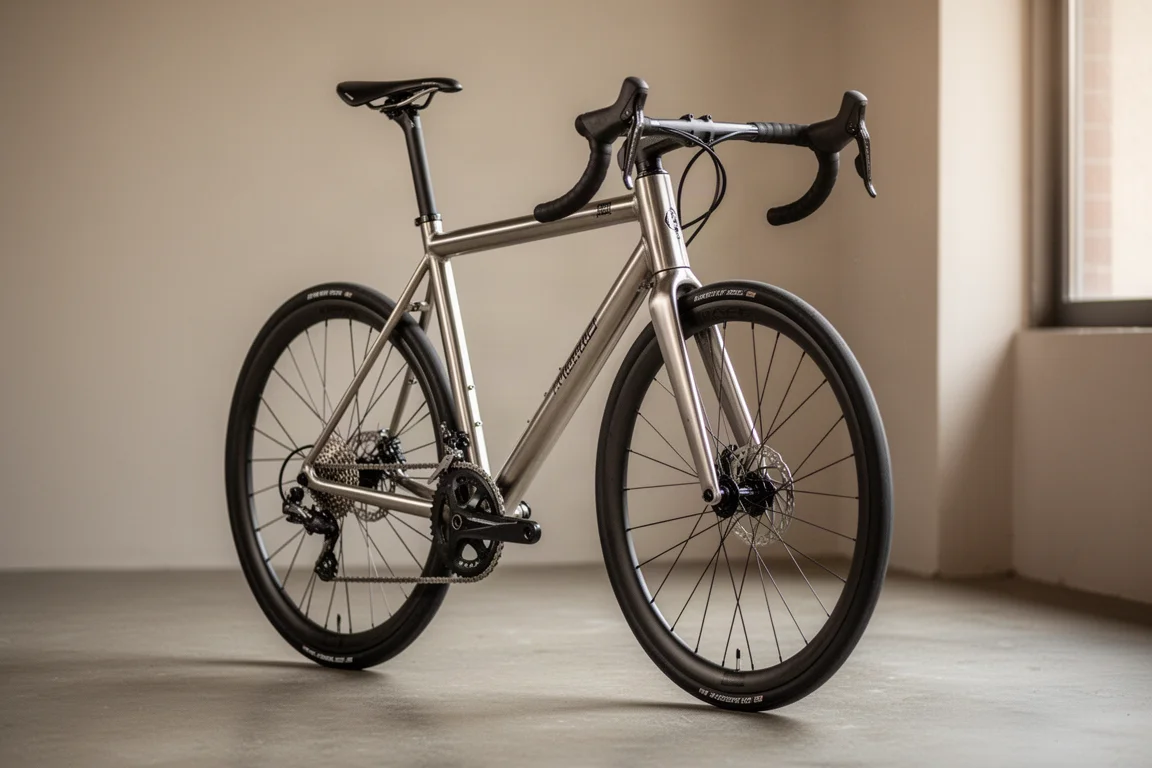
The Vamoots CRD is Moots’ titanium showcase. Round tubes and seat stays that flow into the top tube give it a classic titanium silhouette, but the detailing is thoroughly modern: the frame is fully integrated, and it is compatible only with electronic groupsets in order to keep the lines clean. Hydraulic hoses are routed through an ENVE aero stem and then through a Chris King Aeroset upper headset bearing.
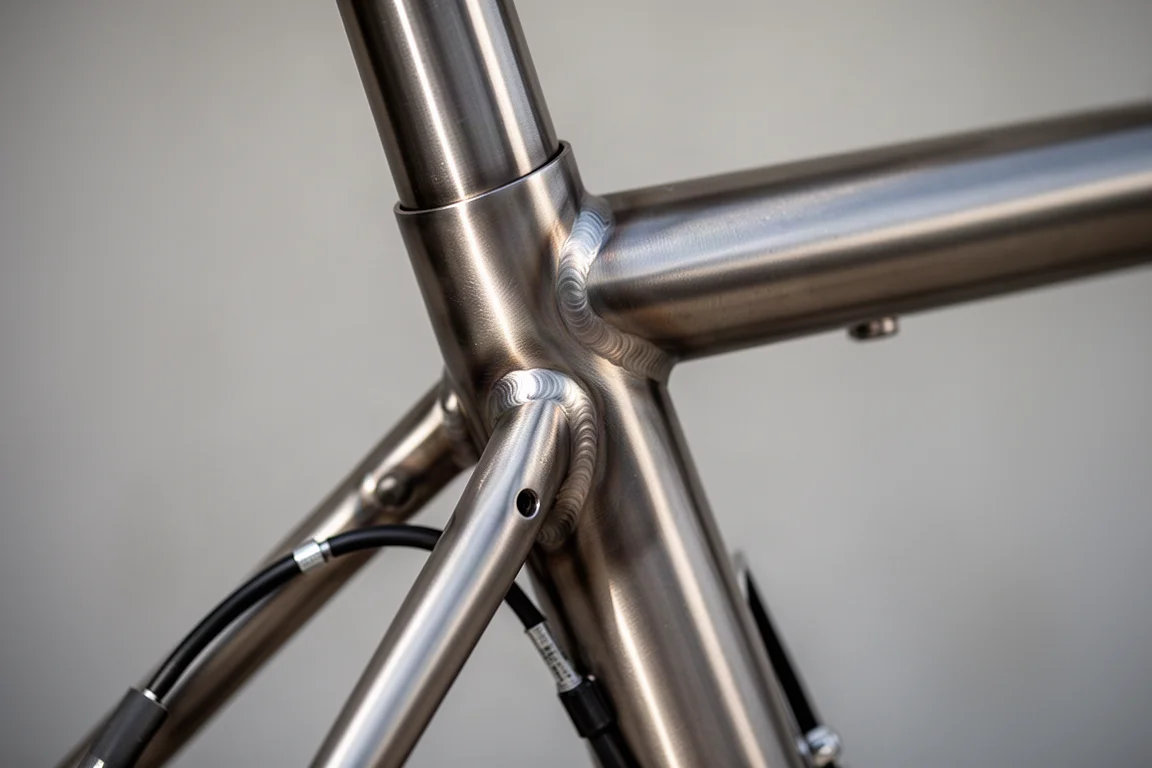
Underneath the finish, Moots keeps the double-butted RSL titanium tube set and its 3D printed dropouts, which are said to save weight while adding axle stiffness. There is an 86.5mm wide T47 bottom bracket for screw-in simplicity, clearance for 32mm tires, and a 27.2mm seatpost that keeps component choices easy. The barrier is cost: expect to spend at least $13,000.
Trek Madone: The IsoFlow Aero Platform
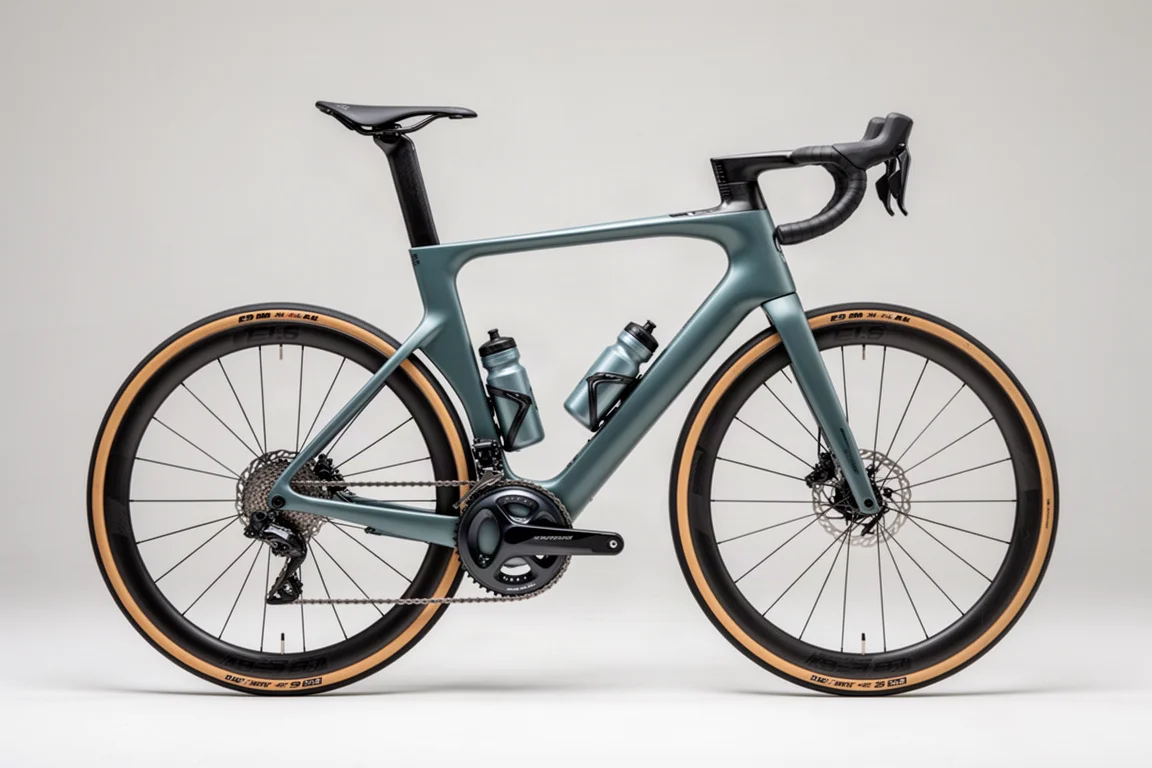
The Madone’s most distinctive feature is IsoFlow, the opening in the frame that aims to reduce the trailing low-pressure zone behind the bike and rider, cutting overall drag. Trek quotes a 19-watt aerodynamic improvement at 45 km/h, and says riders still see savings at 35 km/h, a far more attainable pace for most.
Away from the opening, Trek keeps the geometry based on its H1.5 fit, which sits between the old H1 race position and the more comfortable H2 geometry used on the Domane SL and SLR endurance bikes. The new handlebar does much of the aero work, claimed to save 9.3 watts, roughly half of the total, by narrowing the bar at the hoods by three centimeters. Riders who prefer a wide, stable front end should take note. Trek-Segafredo riders including Ellen van Dijk contributed to the design, and Mads Pedersen took a Tour de France stage win on it.
ENVE Melee: A Racy All-Road Frameset
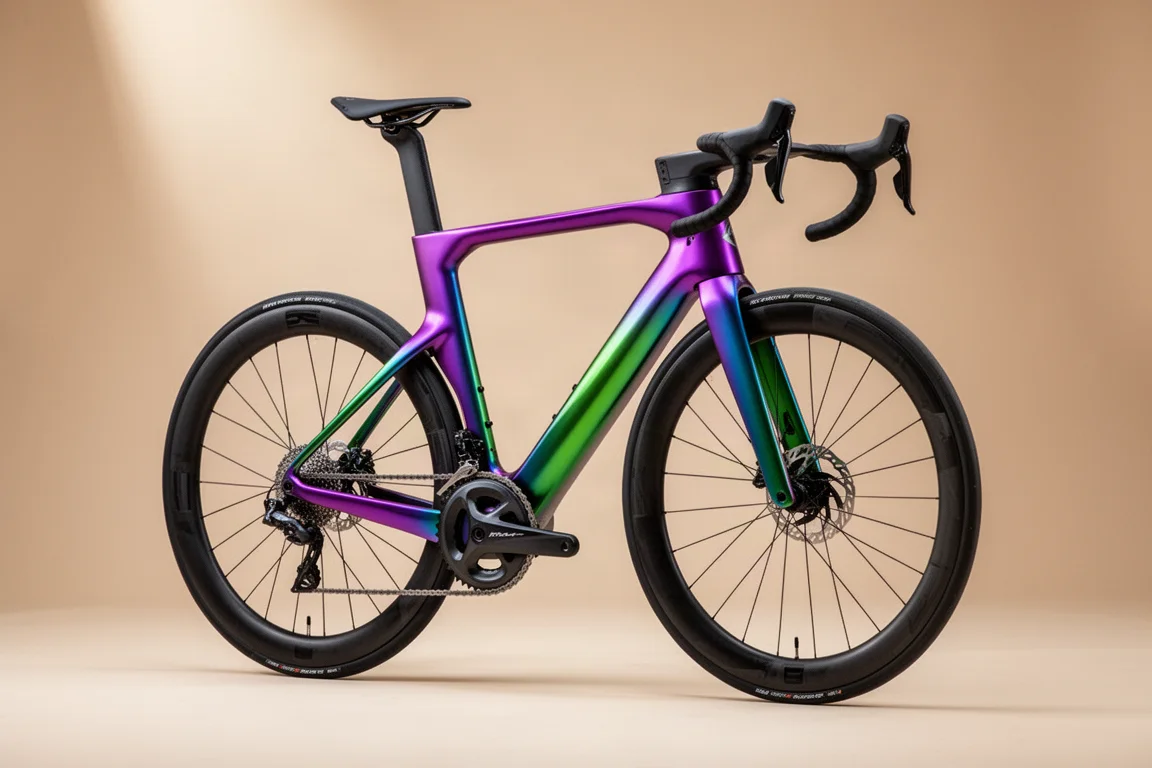
The Melee is ENVE’s monocoque road frameset, following on from the made-in-the-USA Custom Road, though the Melee itself is built overseas. Framesets start at $5,500, so it is not an entry point into the category.
Where it gets interesting is positioning. The Melee pushes at the boundary of what counts as a road bike, sliding into all-road territory with racy geometry and clearance for 35mm tires, enough for well-graded gravel roads. ENVE also tunes its Real World Aero profile for riding speeds between 32 and 40 km/h, and while the savings at the lower end may only be around two watts, that adds up over a long day in the saddle.
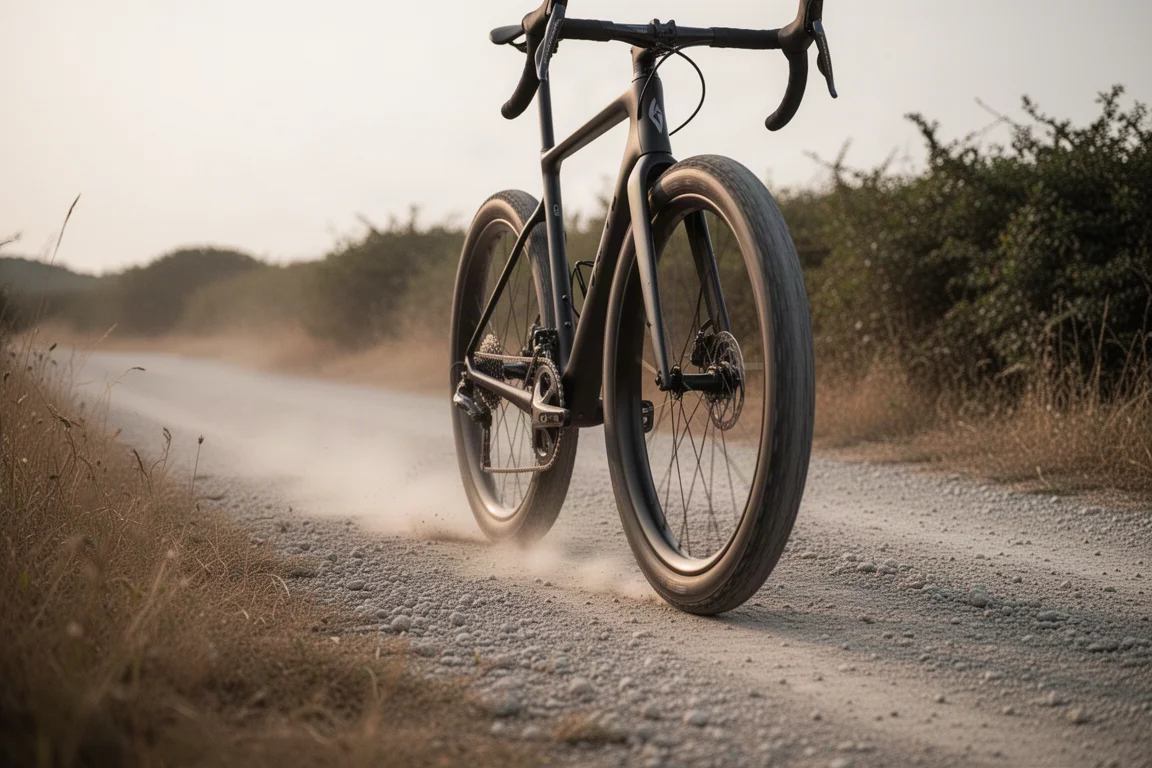
Practicality aside, part of the Melee’s appeal is rarity. It is not a bike you will see in large numbers on a local club run, which suits riders who want something a little different.
Cervélo Soloist: Aero All-Rounder Appeal
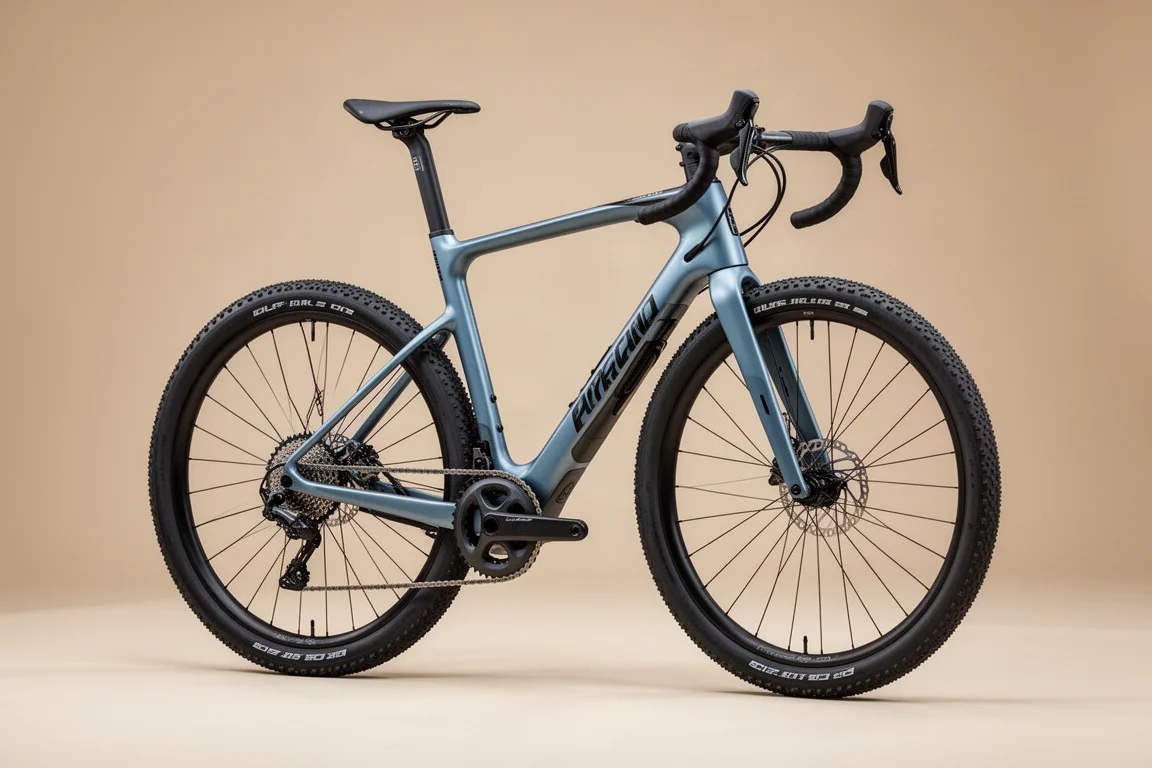
The Soloist is one of the longest-running names in aero road design. The original made its mark with aluminum tube shapes based on genuine NACA airfoils rather than approximations, at a time when carbon was still developing as a frame material. After a period when Cervélo set the Soloist aside in favor of the S and R models, the name is back.
The current range starts with a mechanical 105 build and tops out with Ultegra Di2, a spread that points the Soloist at amateur racers rather than only professionals. The Ultegra Di2 model has been noted for a smooth ride and a simple front end that should make the bike easy to own over time. Worth knowing: the price of the top-end model has more than doubled compared with the original.
Buying Advice: Matching the Bike to Your Riding
The right choice depends less on the spec sheet than on the riding you actually do. If you race, sprint, or spend your weekends in fast groups, the Giant Propel and Trek Madone are the two most directly aimed at speed, with the Propel leaning on its low weight and the Madone on its drag-reduction work and narrower cockpit.
If durability and a distinctive look matter more than chasing watts, the titanium Moots Vamoots CRD is the outlier here, with the highest price and the most traditional material. The ENVE Melee and Cervélo Soloist sit in between: the Melee for riders who want a racy frame that can handle light gravel and stay rare, and the Soloist for those who want aero road performance with a broader build range starting at mechanical 105.
It is worth planning the budget around the frameset rather than the sticker price alone. The Moots starts at around $13,000, and the ENVE Melee frameset starts at $5,500 before any components are added, so both are serious commitments.
Conclusion
Each of these five bikes is a coherent answer to a different question. The Giant Propel and Trek Madone are built for riders who want speed, one through low weight and the other through drag reduction. The Moots Vamoots CRD is for riders who value titanium craftsmanship and expect to keep the bike for years. The ENVE Melee and Cervélo Soloist sit in the middle, offering all-road versatility and aero road performance respectively.
Match the bike to the riding you do most often, check the tire clearance and integration details against how you maintain your bikes, and any of these five will feel like a deliberate choice rather than a compromise.
Further reading
Related Reviews

Road Bikes
10 New Road Bikes Worth Watching: Aero, Titanium, Steel and Endurance Standouts
A practical roundup of 10 new road bikes, from aero flagships chasing single-watt gains to titanium, steel and endurance platforms built for real roads.
Road Bikes
2026 Tour de France Road Bikes: Six Race Machines Worth a Closer Look
Six race bikes from the 2026 Tour de France grid, reviewed for paint, silhouette, wheels and the specification details that matter to buyers.
Road Bikes
3T Strada Italia Review: A Radical Aero Road Bike That Rides Smooth
A made in Italy carbon aero road bike with a deep head tube, wide tire clearance and a genuinely comfortable ride. Here is what to know before buying.