Road Bikes
Standert Kreissäge RS Review: Premium Aluminium With a Real Point of View
A handmade-in-Italy aluminium race bike with scandium tubing, modern geometry and a stiff, fast ride. Here is what the premium price actually buys.
Introduction
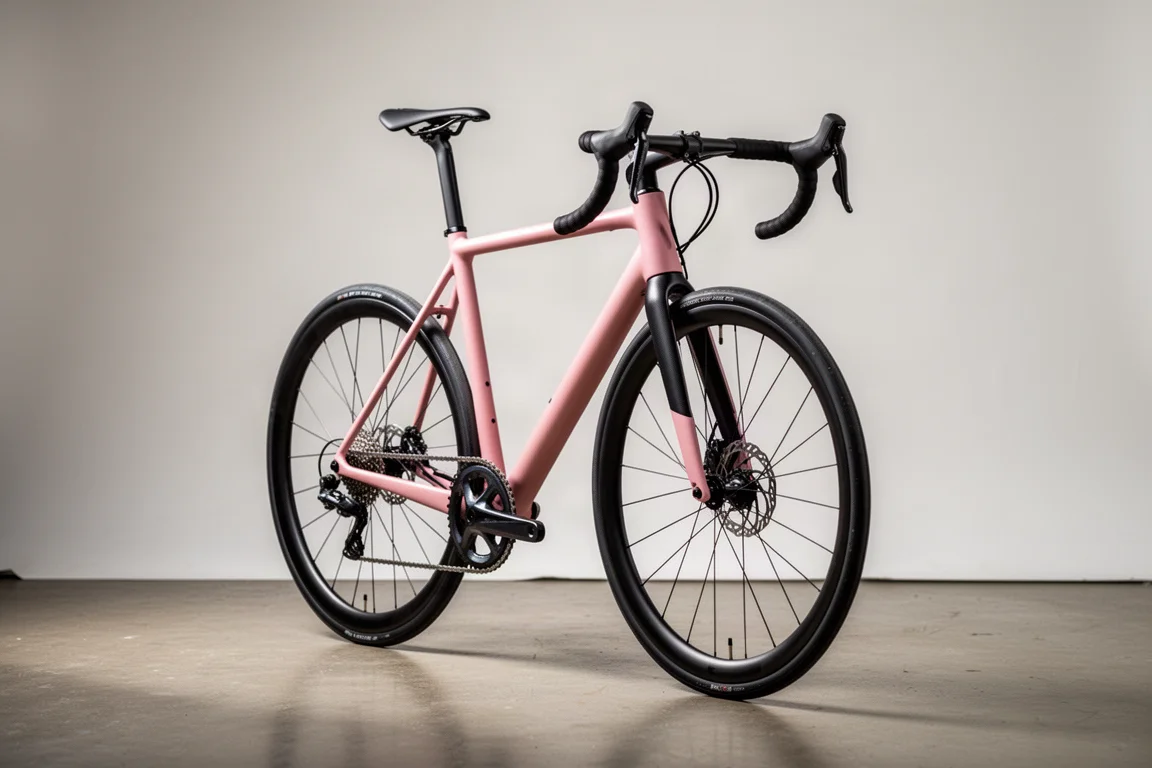
The Standert Kreissäge RS is an aluminium road bike from a Berlin brand that works exclusively in metal. This build uses Deda Aegis tubing with scandium added to the alloy, is handmade in Italy, and arrives with a specification that leaves little on the table: Dura-Ace gearing, Scope Rtech wheels, Pirelli P Zero Race tyres in 30 mm, and a one-piece Polymer bar and stem. On a size 50 frame it weighed 7.55 kg with a Garmin mount and a bottle cage fitted and no pedals. That is a striking number for aluminium, and it frames the question that matters most: what exactly is the money buying?
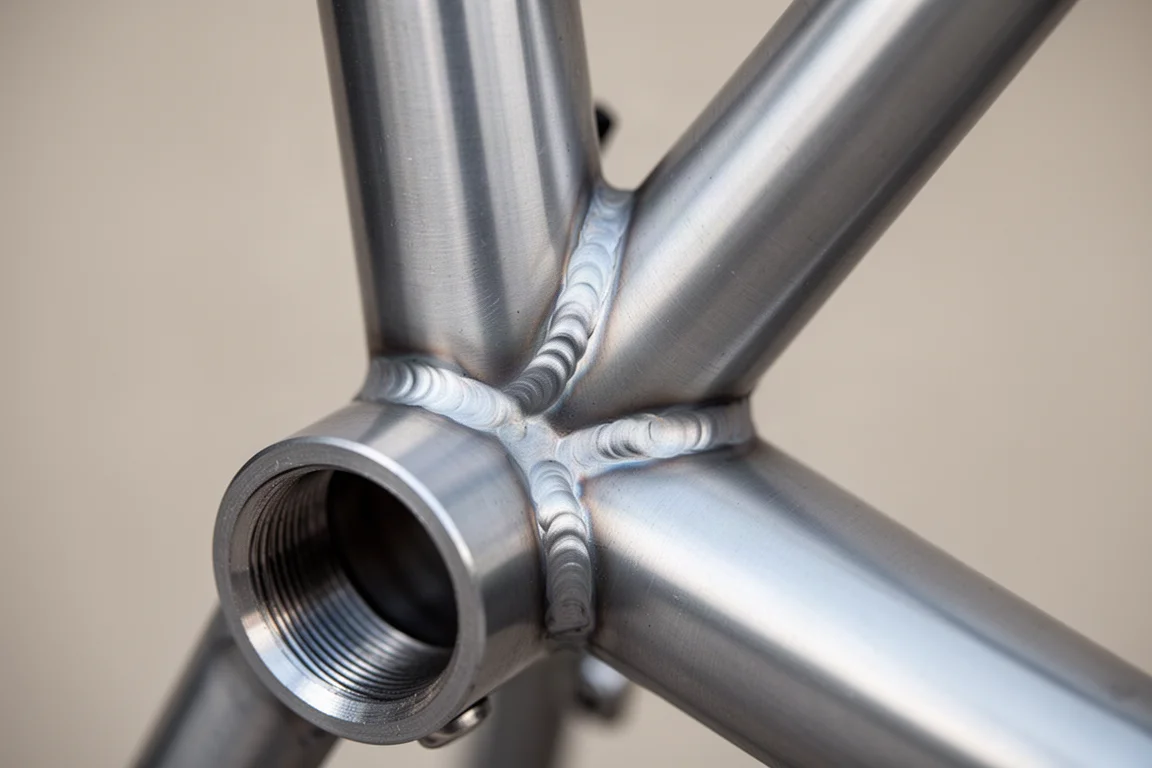
Part of the answer is materials. Scandium is a rare earth element whose use is almost entirely reserved for alloying aluminium into tubing with exceptional properties for bike frames. Adding it allows tubes to be drawn thinner, which means lighter, while still being stronger than regular aluminium. That is a genuine engineering story, and it carries a genuine cost.
Who the Standert Kreissäge RS Is For
This is a long, relatively low bike, though noticeably less aggressive than many pure race frames. It is fast, it is stiff, and it is likely to survive a crash better than a carbon frame. There are aero touches as well, wrapped in a soft pink finish with small cat details on the frame and the seat post clamp.
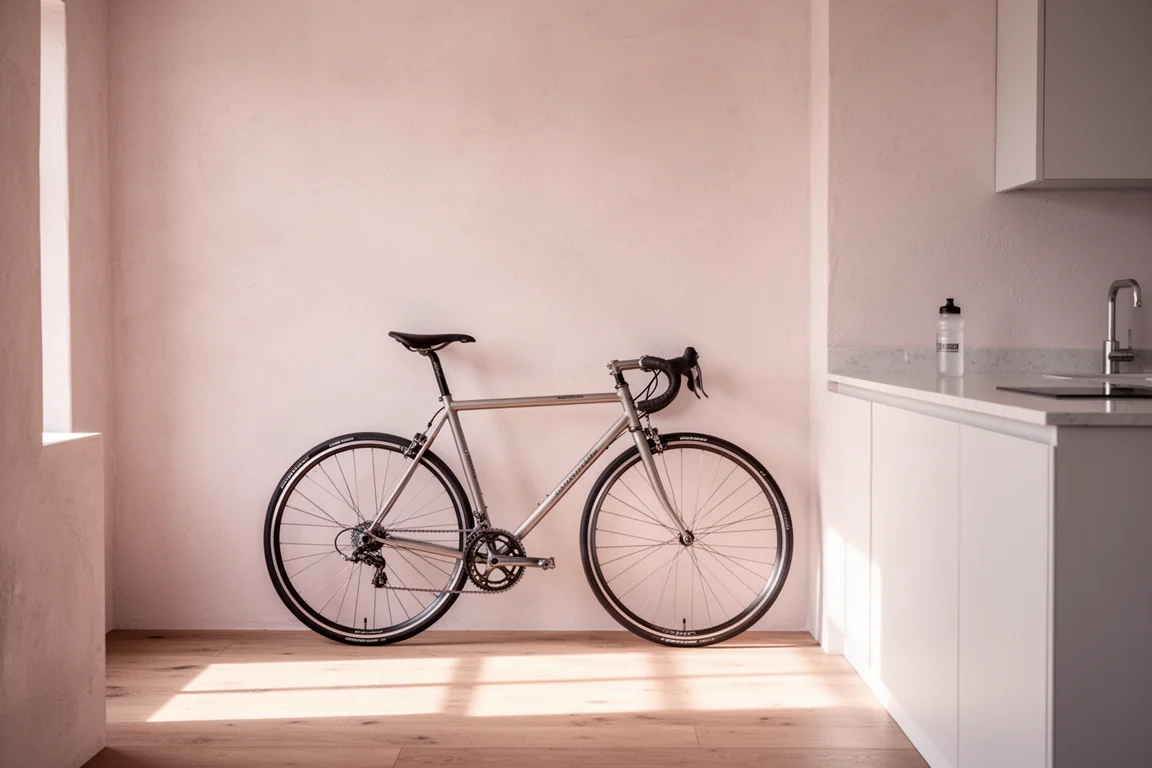
It suits riders who want a classic-looking metal bike with modern thinking underneath. Disc brakes, generous tyre clearance, a round seat post, a standard steerer and a threaded T47 bottom bracket are all present, and home mechanics will appreciate the last two in particular. The frame also runs a UDH derailleur hanger.
It suits racers too. A rider could line up on this at a high level and be perfectly fine.
Ride Quality and Frame Design
Stiff is the word. The handlebars are stiff, the seat post is stiff, and the frame is firm. Push on the pedals and the bike goes forward without any sense of effort being lost. It feels like a race bike, and it feels fast.
That stiffness brings harshness with it. Aluminium is not known for comfort, and even with 35 mm of tyre clearance and 30 mm tyres, some of the road surface still comes through. Swapping to a less exotic wheelset with less supple tyres made the difference obvious: the bumps themselves were not unpleasant, but far more vibration travelled up through the wheels, into the frame and into the rider.
The frame is welded rather than sanded smooth, and the welds are visible and somewhat blobby. At this price point that is a fair criticism, and it is one of the few places where the finish does not quite match the ambition of the rest of the bike.
Practical Design Choices and Geometry
The geometry is modern, with steep seat tube angles across the range. The practical effect is that reach figures on the geometry chart look less intimidating than they might at first glance, because the bottom bracket sits further back in relation to the rider and the wheels than on most road bikes. That keeps the rider in the same position relative to the wheels while opening the hip angle, which can help with quad engagement and make a lower front end easier to live with. Riders who normally force that position with an inline seat post or a saddle pushed fully forward will find the handling stays intact here.
Seven sizes run from 48 to 60, and the 48 is genuinely small. That matters, because small bikes remain in short supply.
There are other considered details, including a round seat post, a normal steerer and a threaded T47 bottom bracket. The one-piece Polymer bar and stem comes in 36 cm and 38 cm widths only, which is a limited range, though narrow bars are very much the current direction. A rider who wants something different can simply spec their own.
Things to Consider Before Buying
The frame is expensive for aluminium, and there is no way around that. Part of the cost is the scandium tubing, part is Italian production, part is the paint and the marketing, and part is simply what a small brand has to charge. Better value alloy options do exist.
Comfort is the other consideration. This is a stiff frame, and while the wide tyre clearance helps considerably, it will not match a carbon race bike for smoothness on rough surfaces. A rider moving over from carbon should expect a firmer ride.
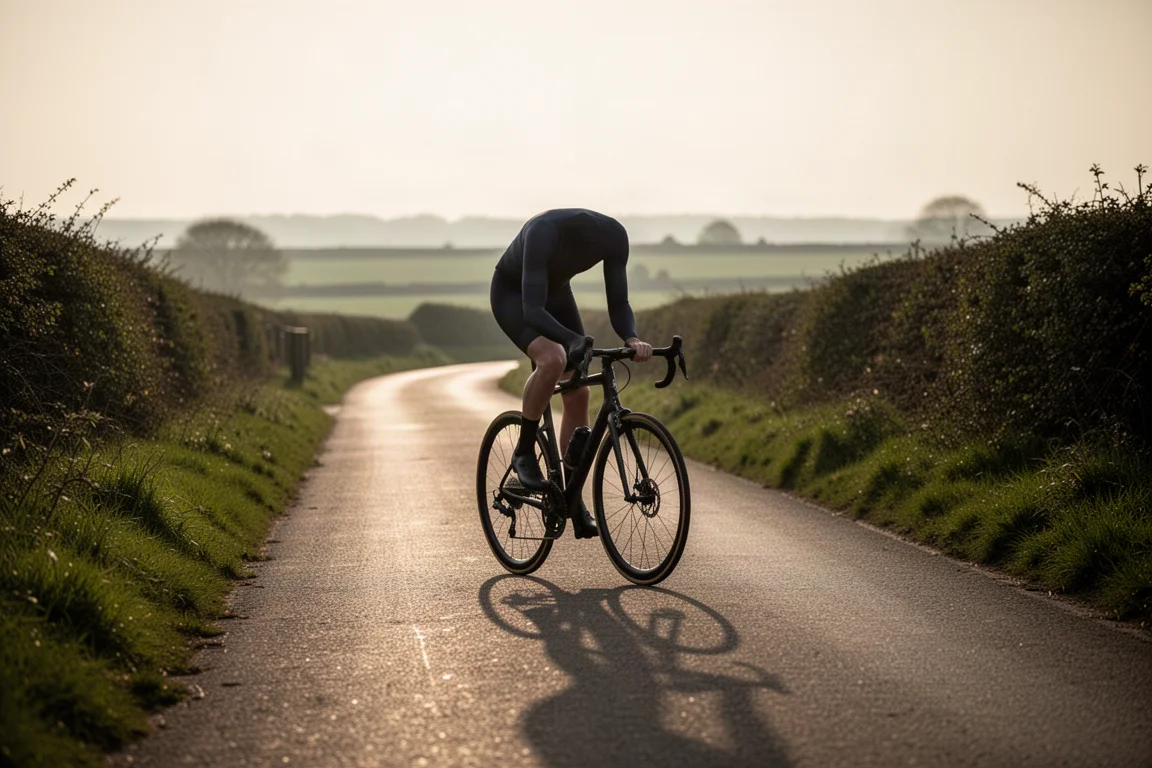
Setup matters as well. Time spent getting the bar and lever position right for a real human body, rather than for a photograph, pays off across every other contact point on the bike. A cockpit angled purely for looks makes the saddle and the hands feel worse than they need to.
What You Get for the Money
The frameset is listed at €2,000, and complete builds start at €6,299. Buyers inside the EU pay the listed figure. Buyers outside the EU should factor in their own taxes, customs duties and import charges, which can add a meaningful amount to the total, so it is worth running the numbers for your region before committing.
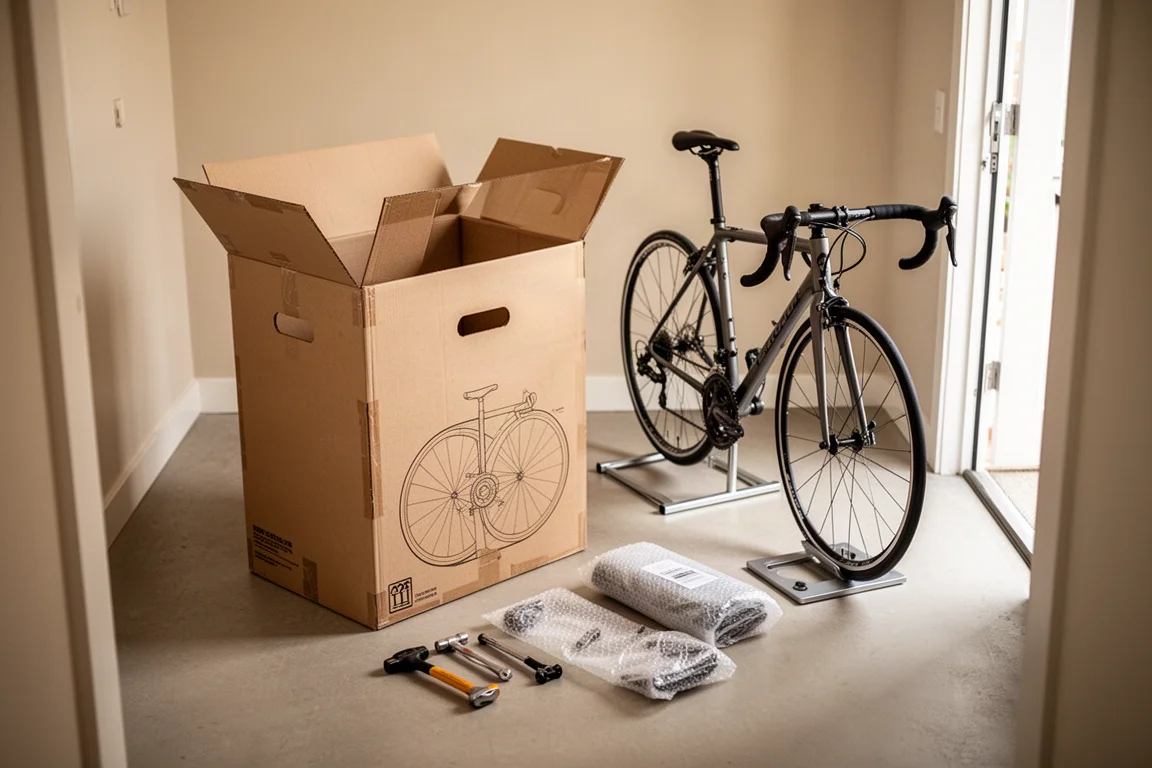
What the money buys beyond the frame is a genuinely thoughtful ownership experience. Standert sells direct to consumer, and the packaging is exceptionally well considered: a manageable box with handles and openings, and the bike arrives with its own stand. For a direct-to-consumer brand, that level of care stands out.
Buying Advice
This is a bike to buy for reasons that are not purely financial. It is light for aluminium, it is stiff, it looks distinctive, and it carries a set of practical design decisions that make it straightforward to own and maintain. It is also made in Italy for a small German company run by cyclists, and for some riders that is worth paying for on its own.
If value per gram or per euro is the priority, there are cheaper ways to go fast. If the appeal is a metal race bike with real character, modern geometry and a finish few others have, the case becomes much stronger.
One more thing worth weighing is longevity. An aluminium frame that is likely to shrug off a crash better than carbon, built around standard serviceable parts, is a different kind of purchase from a disposable race bike. That is a meaningful part of the value equation even when the sticker price is high.
Conclusion
The Kreissäge RS is expensive alloy, and some riders will never be comfortable with that. It also makes a strong case for being about as good as aluminium gets: Italian-made, light, stiff, striking to look at, and thoughtfully designed for real ownership. It will not suit everyone, and it does not pretend to. For the right rider, the appeal is immediate, and the bike is very good regardless of whether it is the coolest thing on the road or simply a very well made one.
Product link
View more details for Standert Kreissäge RS
This product is mentioned in the review. Check the specifications, options, and compatibility before buying.
View more details for Standert Kreissäge RSFurther reading
Related Reviews

Road Bikes
10 New Road Bikes Worth Watching: Aero, Titanium, Steel and Endurance Standouts
A practical roundup of 10 new road bikes, from aero flagships chasing single-watt gains to titanium, steel and endurance platforms built for real roads.
Road Bikes
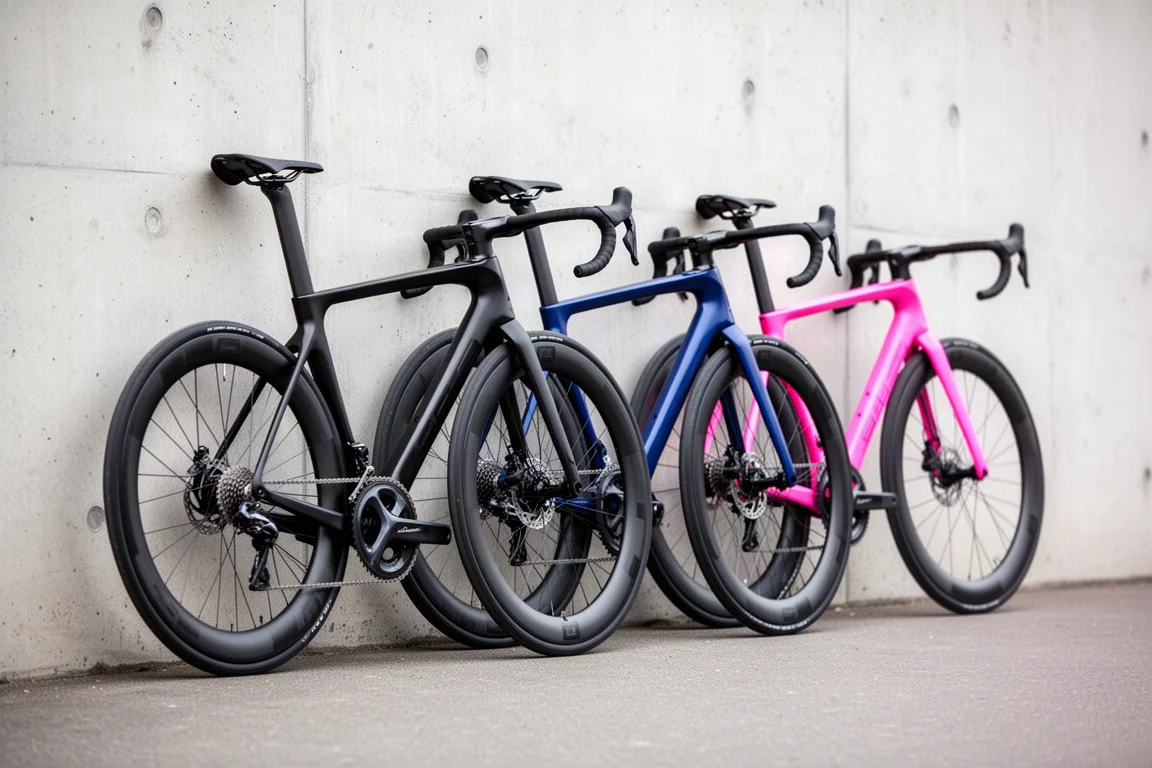
2026 Tour de France Road Bikes: Six Race Machines Worth a Closer Look
Six race bikes from the 2026 Tour de France grid, reviewed for paint, silhouette, wheels and the specification details that matter to buyers.
Road Bikes
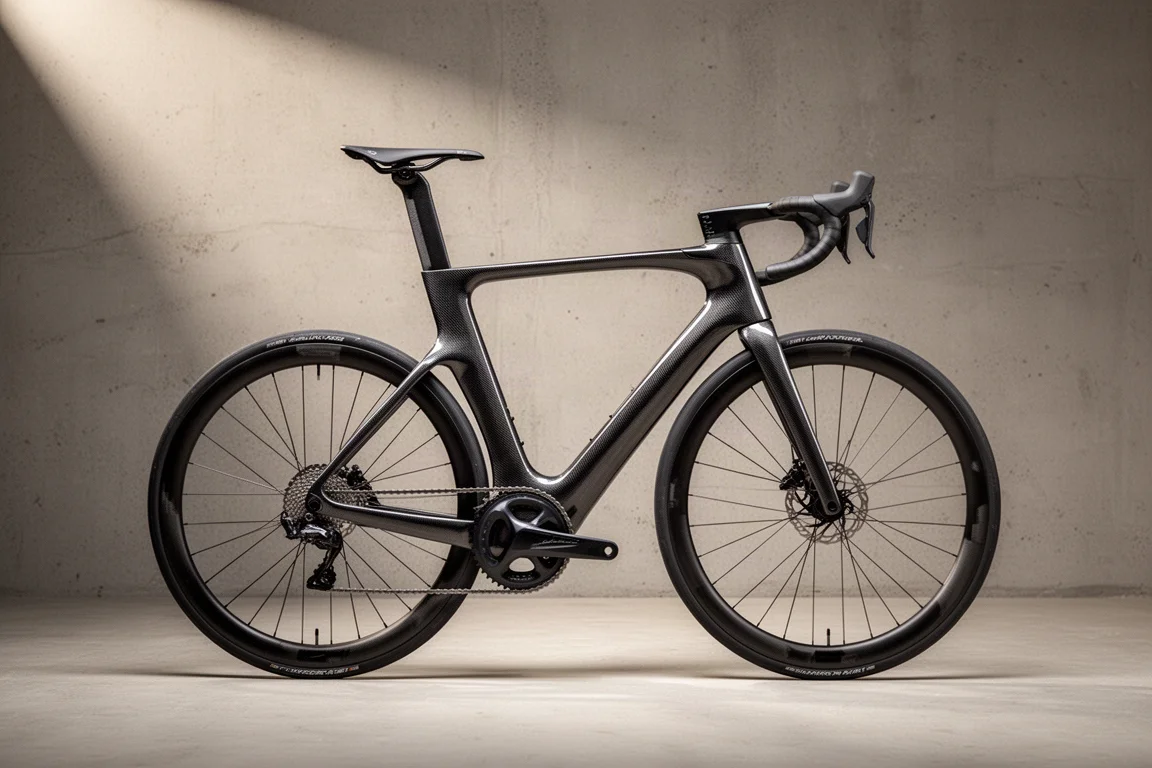
3T Strada Italia Review: A Radical Aero Road Bike That Rides Smooth
A made in Italy carbon aero road bike with a deep head tube, wide tire clearance and a genuinely comfortable ride. Here is what to know before buying.