Stationery
Staedtler REG 925 85 Review: A Beloved Mechanical Pencil Returns, Improved
The Staedtler REG 925 85 mechanical pencil is back after more than a decade, with smoother regulation, a rattled-free knock cap, and the same futuristic charm that made the original a cult favorite.
Introduction
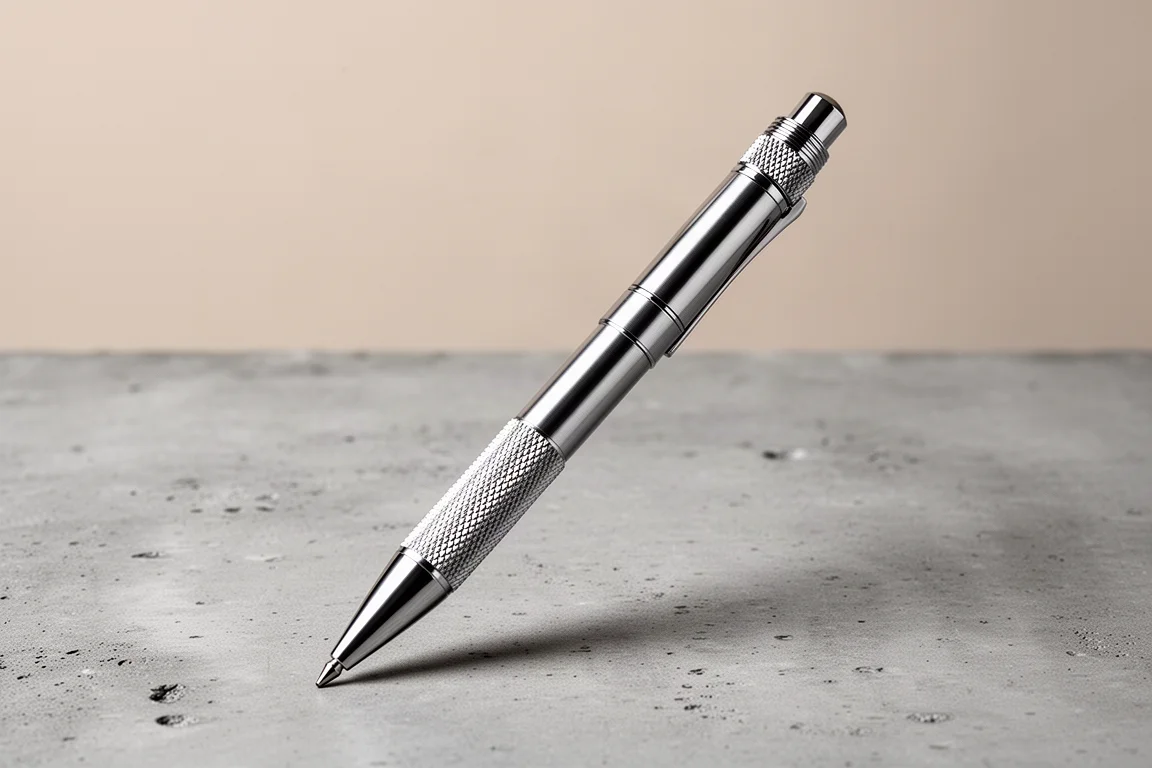
Some mechanical pencils earn a second life, and the Staedtler REG 925 85 clearly belongs to that group. The original REG, a futuristic pencil built around a lead-regulation gimmick, was discontinued back in 2013. Demand for a revival never really went away, and twelve years later Staedtler has answered. This is not a bare reproduction either. The reissue comes with meaningful fixes to the flaws that bothered users of the original, which makes it one of the more exciting stationery releases of the year.
First Impressions and Packaging
The new REG arrives in packaging that has changed noticeably from the original era. The old box was silver and yellow; the new one is black-toned, which makes the pencil itself stand out more and gives the whole presentation a tighter, more focused look. The pencil inside is unmistakably the REG: that mechanical, silver color scheme suits it perfectly.
At launch the lineup was silver only, in 0.3 mm and 0.5 mm lead sizes. The 0.3 mm version shipped slightly later than the 0.5 mm, arriving the following month. The listed price is 3,630 yen.
What the REG Actually Is
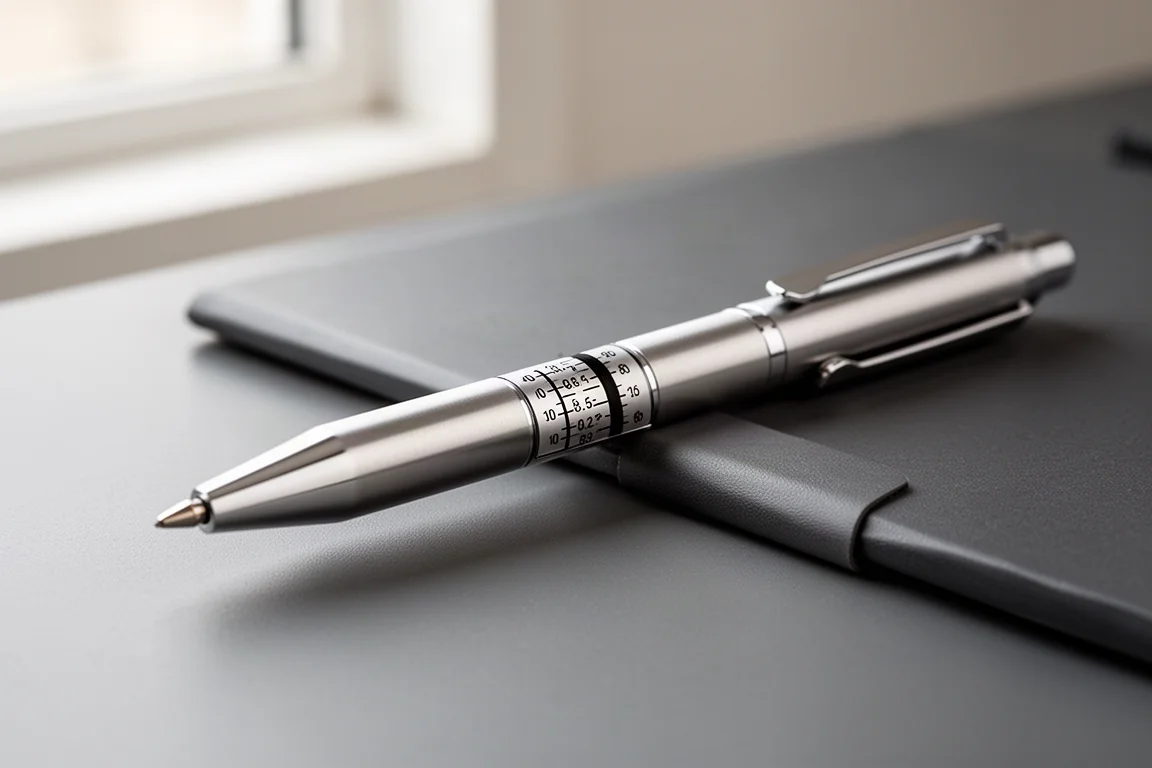
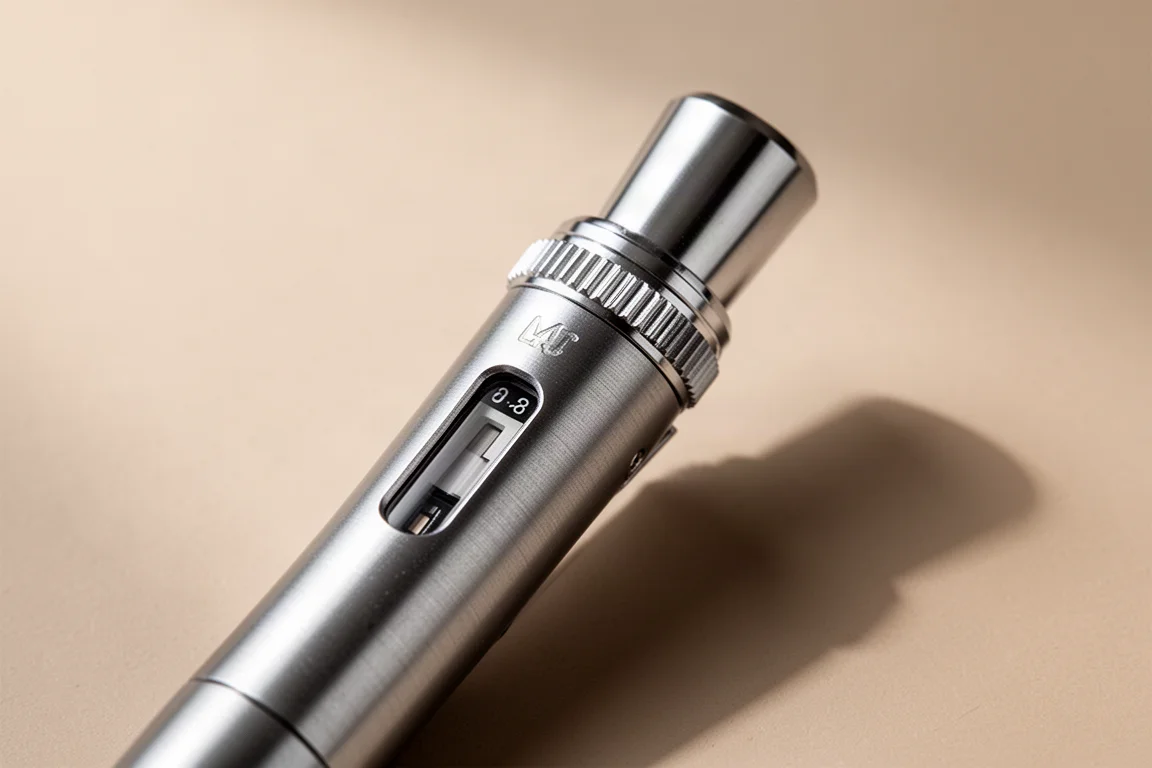
The name REG is short for regulator, and that points to the pencil’s defining feature: the amount of lead dispensed per click is adjustable. A small meter printed on the barrel shows the setting visually, and the more the black portion of that meter, the longer the lead advanced with each knock. The setting is changed by turning a gear at the base of the knock cap, and being able to confirm the lead length visually is a genuinely nice touch.
This feature made sense in an era when mechanical pencils were less refined and lead advancement varied between models. As pencils improved overall, the regulator lost much of its practical purpose, which is likely why the original was eventually discontinued. As a piece of writing enthusiasm, though, it remains hard to resist.
Compared with the discontinued model, the gear mechanism itself is one of the clearest improvements. The original turned with a gritty, rasping feel; the reissue is smooth and glides through its adjustments effortlessly.
Design and Build: Full Metal, Carefully Reworked
The REG has a full metal body with a satisfying, moderate weight. Several details have been quietly updated. The branding printed on the barrel has changed from brown to grey, and the REG lettering has shifted from a dotted style to a bolder dot-stamped finish. The Mars head engraving on the clip, which was shallow and faint on the old model, is now deep and crisp.
The grip uses a knurling pattern that provides reasonable purchase, though the grooves are fairly shallow, so it never digs into your fingers. Writers with very dry hands may still find it slightly slippery. The cone is straight and linear, tapering toward the tip, and the reissue cone has been newly produced with a groove added near the tip that the original lacked. The guide pipe is 4 mm long.
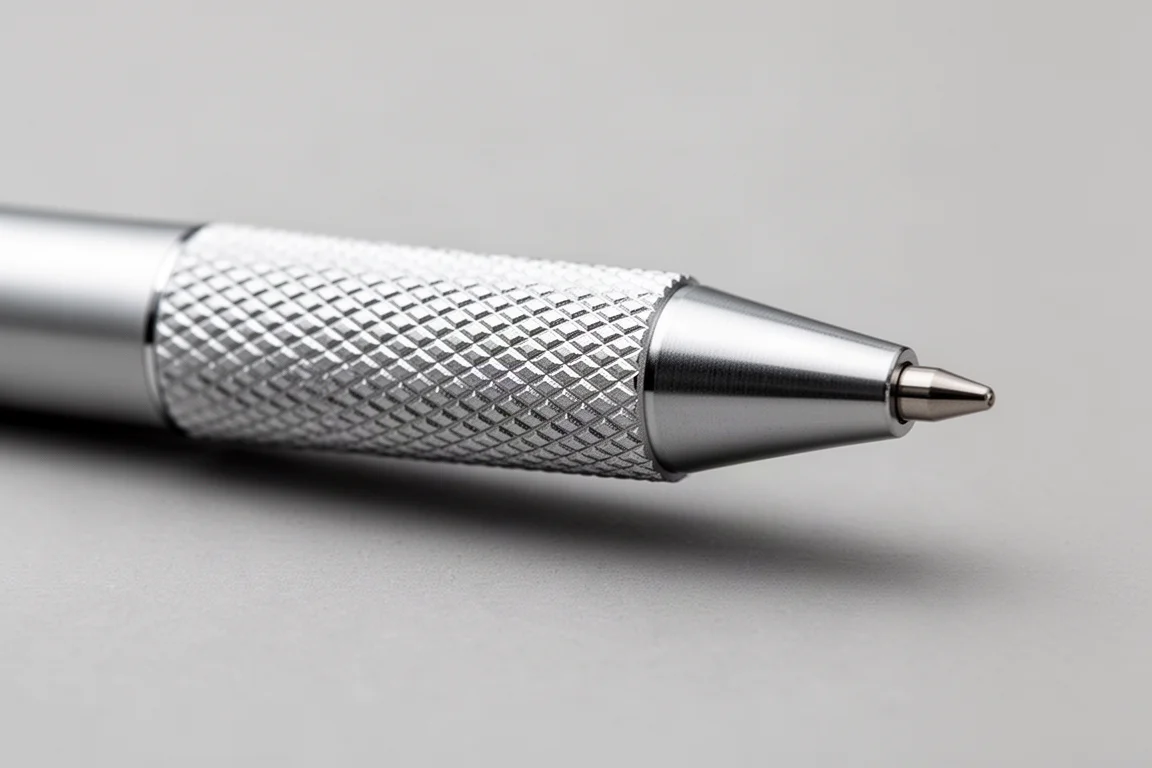
Two more build details worth knowing. The chuck that pushes the lead out is metal, and the knock feels distinctly firm. There is also a spring inside the cone assembly: when removing the cone, you feel clear pressure, and it can pop off unexpectedly. Hold it down while disassembling, or the flying cone could snap the guide pipe.
The Knock Cap Fix That Changes Everything
The original REG had a known weakness: the knock cap wobbled, and during writing that rattle transmitted vibration and noise straight to the tip, hurting the writing feel. On the reissue, the knock cap simply does not move. Nothing shifts internally either, which suggests some kind of rubber buffering inside the assembly. This is the single biggest improvement, and it alone justifies the revival for many fans.
The knock cap itself is weighty with a pronounced, satisfying click. On its side sits a lead-grade indicator window, and turning the gear ring loosens the cap so you can change the displayed grade. The cap can also be removed entirely and refitted facing any direction, so the window can always sit where you want it. There is an eraser under the knock, but no cleaner pin for clearing lead jams, which the discontinued model did include.
Writing Performance
The pencil measures 141 mm in length, weighs 22.6 g, and has a 9 mm barrel diameter. The balance point sits noticeably low, which keeps the tip planted while writing.
On paper, the result is excellent. There is a sense of solidity combined with genuine smoothness, and with zero knock-cap rattle the writing feel is consistently comfortable. The impression is closer to the Hexagonal series than to the older 925 model. The clip does touch the hand while writing, but its edges are soft enough that it never becomes distracting.
Things to Consider Before Buying
The list of positives is long: a great writing feel, superb design, well-judged weight balance, a charmingly over-engineered gimmick, and the fact that known flaws were fixed rather than simply reproduced. The main caveat is the knurled grip, which could have caught the fingers a little more aggressively; dry hands may find it slightly slick. Long-term durability of the regulator mechanism is also unknown at this stage, so it is worth watching over time.
Buying Advice

The regulator gimmick is more romance than necessity in 2026, but for anyone who loves the craft of writing tools, it is irresistible. For a generation that never used the original REG, this is the perfect entry point, and for longtime fans the improvements make the reissue the better pencil outright. Staedtler clearly did careful work here, and the REG is a mechanical pencil this reviewer can recommend with full confidence.
Conclusion
The Staedtler REG 925 85 is what a revival should look like: the same bold, mechanical character that made the original memorable, paired with genuinely useful refinements like a rock-solid knock cap and a smoother adjustment gear. If the REG has been on your radar, this is the version worth buying.
Product link
View more details for Staedtler REG 925 85
This product is mentioned in the review. Check the specifications, options, and compatibility before buying.
View more details for Staedtler REG 925 85Further reading
Related Reviews

Stationery
Musgrave Pencils Review: Four Classic Pencils from Tennessee's Last Pencil Factory
We put four Musgrave pencils to paper, from the classic Harvest to the Unigraph 1200 drawing pencil, to see what a century-old Tennessee workshop can still do.
Stationery
Fountain Pen Tiers Explained: From Starter Pens to Luxury Grails
A practical overview of the different levels of fountain pens and inks, from a sub-$20 starter setup to Italian piston fillers and retractable gold-nib everyday carries.
Stationery
HP Premium 32 lb Copy Paper Review: A Fountain Pen Friendly Everyday Printer Paper
A heavy, smooth 120 GSM copy paper that handles fountain pens far better than standard printer stock, with only minor trade-offs in shading and sheen.