Gravel Bike Components
SRAM Red XPLR AXS and Zipp 303 XPLR S Review: 13-Speed Gravel Tech Worth Buying in Parts
A closer look at SRAM's 13-speed Red XPLR AXS gravel groupset and the Zipp 303 XPLR S wheelset, including which parts are worth buying on their own.
Introduction
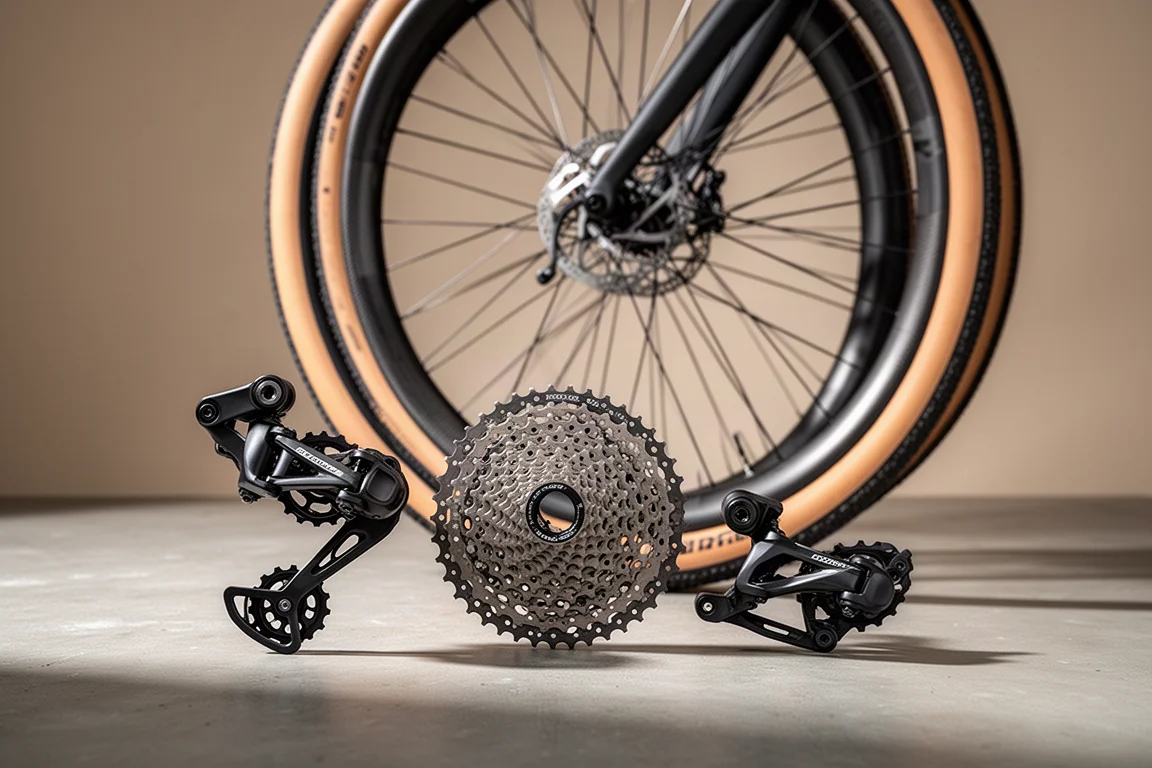
SRAM Red XPLR AXS is a 13-speed gravel groupset, and the Zipp 303 XPLR S is the wheelset that arrives alongside it. The detail that matters most for buyers is that the headline technology is not locked behind the complete groupset. The derailleur and cassette can be bought on their own, and both work with existing AXS components and an XDR freehub. This guide covers what each product brings, what the full build costs, and where the compromises sit.
SRAM Red XPLR AXS: The 13-Speed Gravel Groupset
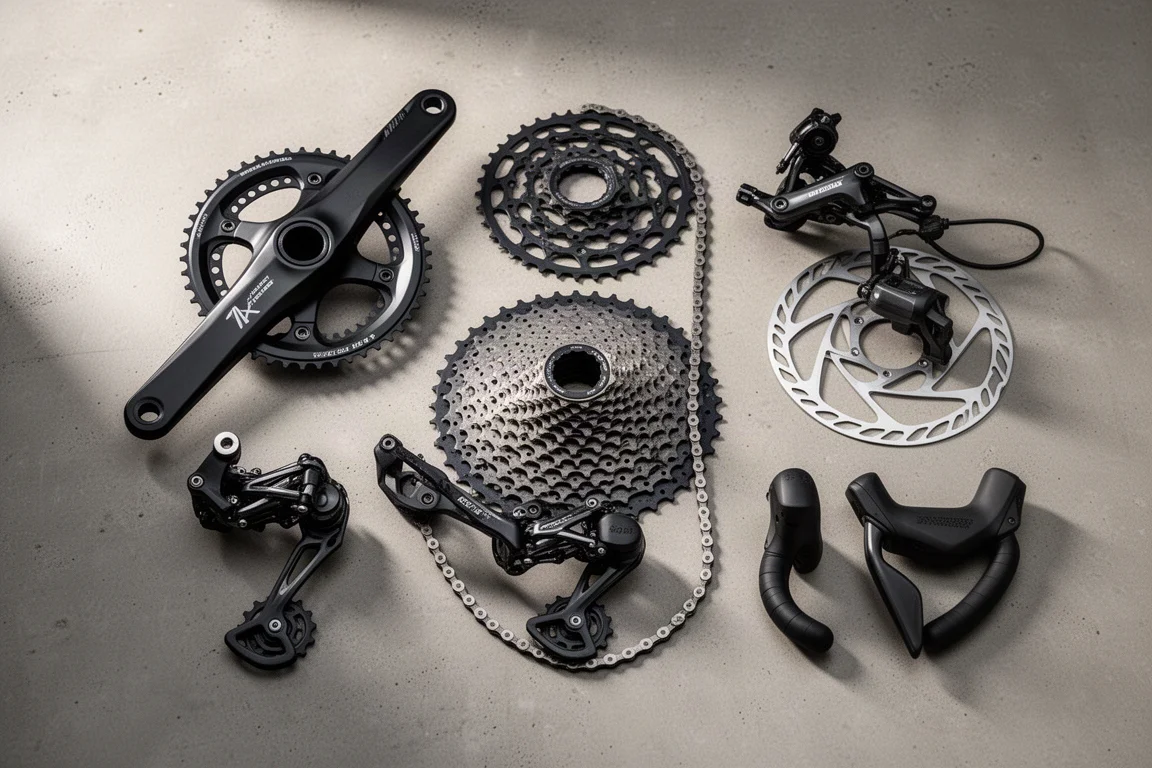
SRAM Red XPLR AXS adds a thirteenth cog without forcing a rebuild. The cassette mounts to an existing XDR freehub, and the system is designed around the current 12-speed flat-top chain, so new cranks and chainrings are not required. Because the components remain compatible with older AXS equipment, existing levers can stay on the bike too.

Shifting is the standout quality. Changes arrive quickly and accurately, and the drivetrain holds its composure when power is applied rather than easing off. Braking is equally assured, with single-finger control from the hoods and plenty of power in reserve. Extra buttons on the levers can be assigned to shift, which keeps hands on the hoods on loose, technical ground.
Full Mount Derailleur and Tool-Free Setup
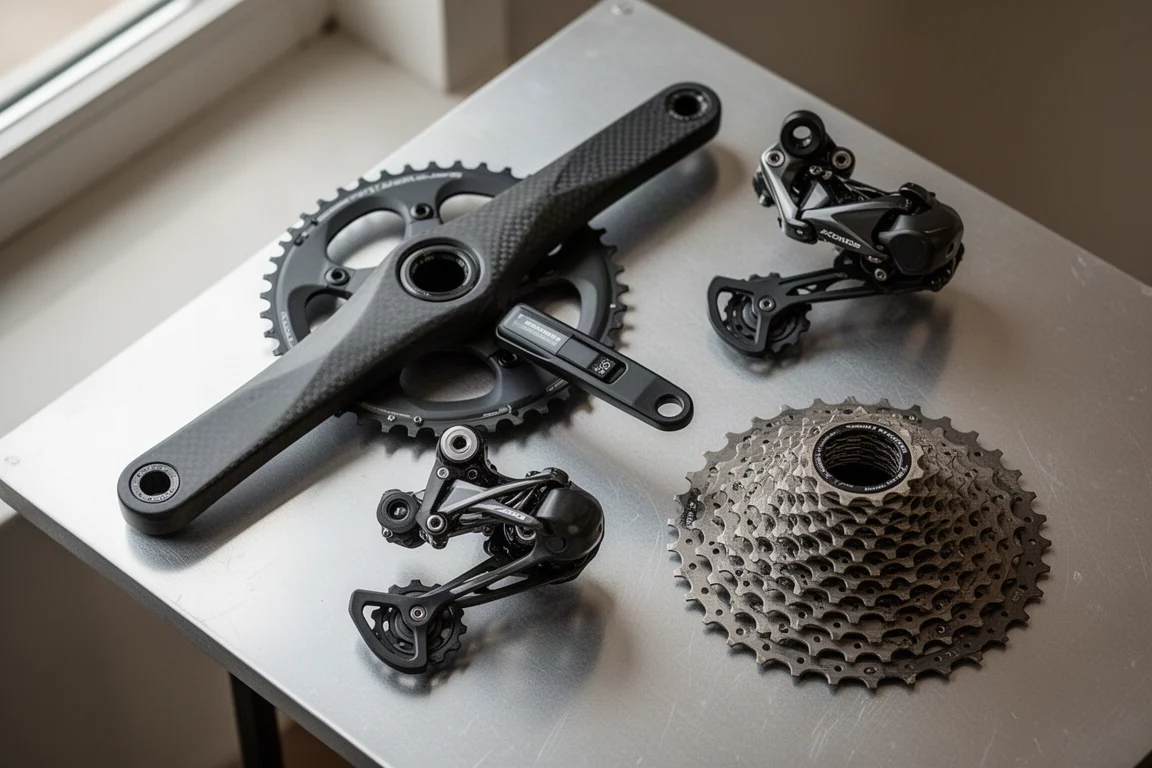
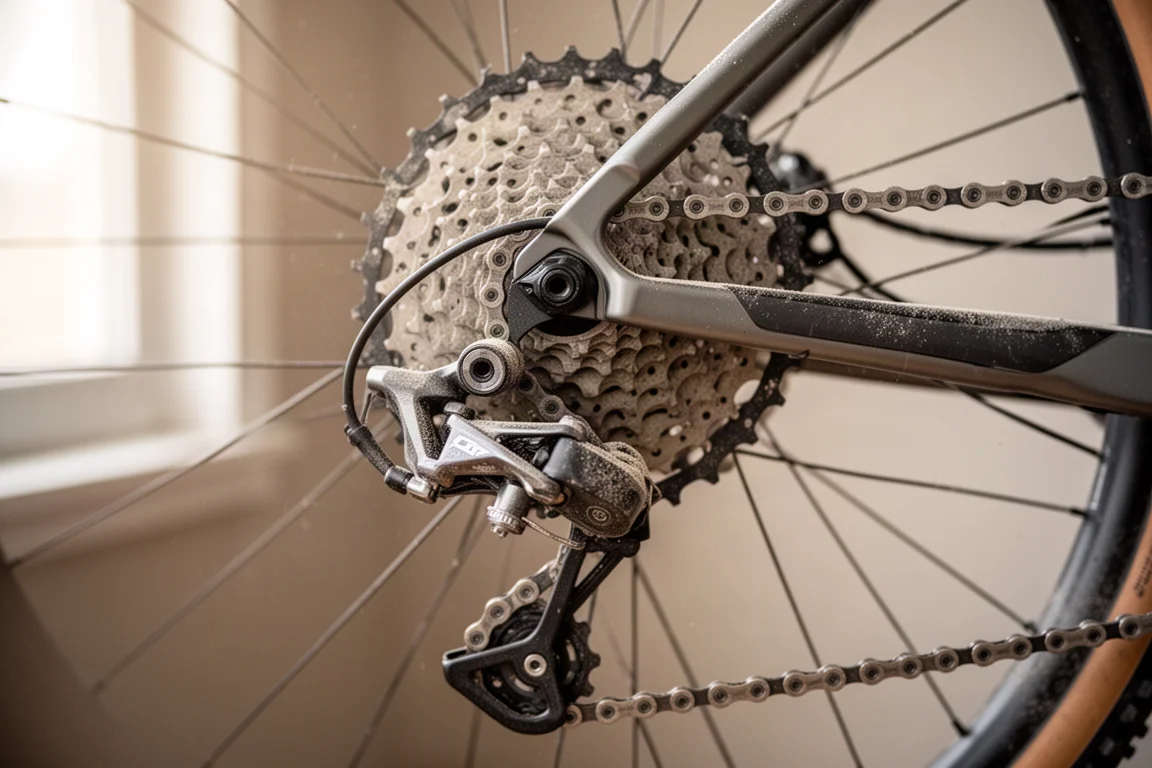
The rear derailleur moves to a full mount system that attaches at the rear axle. SRAM says this makes the derailleur more precise and more durable, and it contributes to significantly faster shifting. Four factors combine: the axle mount and UDH interface, the geometry of the new derailleur, a stiffer triangulated pulley wheel cage, and the smaller ramps on the cassette.
Setup is genuinely different. There are no limit screws and no B-tension screw. The derailleur is placed in the sixth cog, the gears are tuned, and the system works out the rest. Adjustments can be made tool-free through the AXS app, which makes installation approachable even for riders who are wary of working on their own bikes.
Two details are worth knowing before buying. The chainring uses a thread mount borrowed from mountain biking, which SRAM says reduces weight, increases stiffness and improves shift quality, but it needs a specific tool for chainring removal. The derailleur also inherits the magic pulley wheel from the Eagle mountain bike range, which uses a limited-slip mechanism to let the chain keep turning if a stick catches in the pulley.
SRAM Red XPLR AXS: Ride Feel and Trade-offs
Weight has come down meaningfully. The groupset is 218 g lighter than the outgoing 12-speed Red AXS XPLR, with a complete build weight of 2,488 g including the power meter. The largest savings come from the new chainset with power meter, which drops 116 g, while the cassette saves 85 g despite gaining a thirteenth cog. The chain, shifters, brakes and rotors are lighter as well, and the derailleur gains a little weight back in exchange for a frame that no longer needs a derailleur hanger.
The power meter crankset also returns to separate components. Previously the chainring and power meter were a single part, so wear, damage or a simple change of chainring size meant replacing both. Now they can be replaced independently, which is cheaper and less wasteful.
The trade-offs are worth weighing. Braking was noisy in wet conditions, which is a rough edge for a groupset at this level. A UDH-compatible frame is mandatory, and for many riders that means a frameset upgrade rather than a component swap. Only one cassette size is offered, which limits customization, though the gear steps themselves are well judged. The full groupset with the power meter option costs $3,890. SRAM positions Red at the top of its range, while Shimano has described its GRX Di2 gravel groupset as sitting at a lower tier.
Zipp 303 XPLR S: A Race-Ready Gravel Wheel
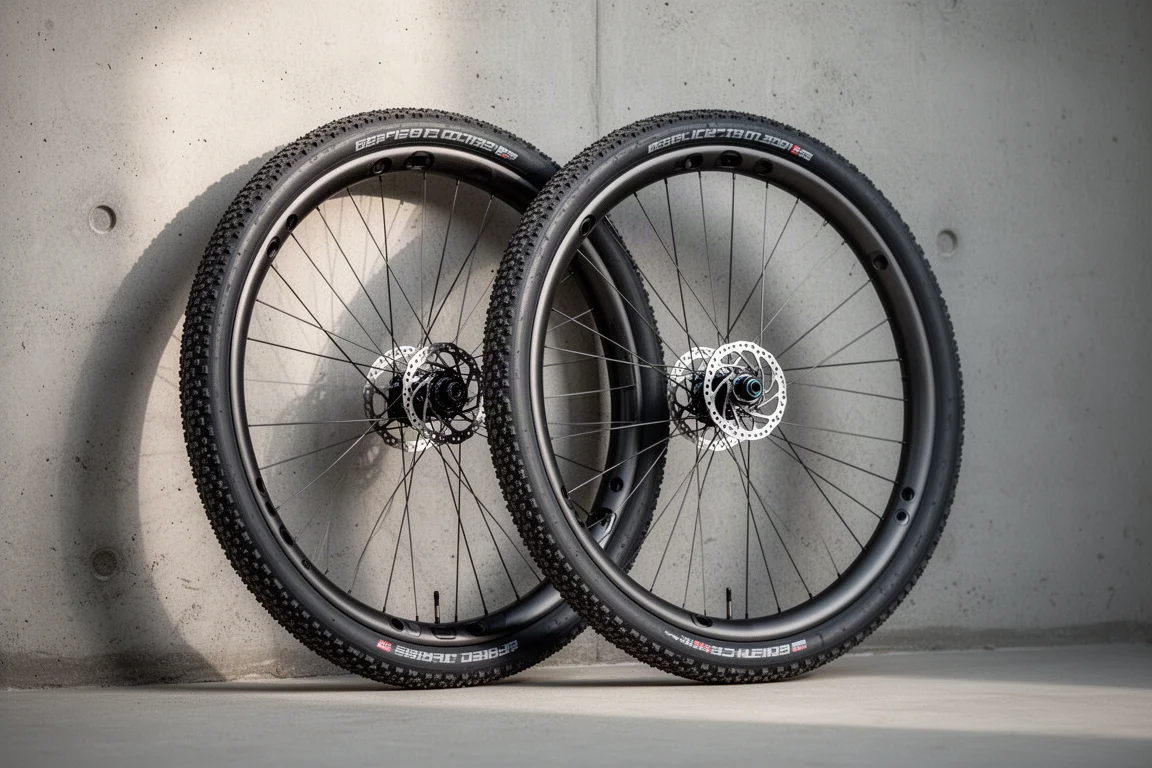
The Zipp 303 XPLR S is a gravel wheelset built for speed on loose surfaces. It is light, accelerates quickly, and the wide shape brings comfort as well as pace, which means it handles larger tires better than a narrower rim. Riders who have been running 303 Firecrest wheels on dirt will find this a more purpose-built option. In testing, tires were run at 27 PSI without the ride turning harsh or sluggish, and the wheels kept speed over rough ground.
Zipp 303 XPLR S: Tire Compatibility and Rim Width
Tire choice is the main caveat at launch. Only a limited range of compatible tires is available, and although Zipp says more are coming, the current line-up from the Zipp and Goodyear partnership covers dry and intermediate conditions only. After a wet summer, a mud-oriented option would have been welcome.
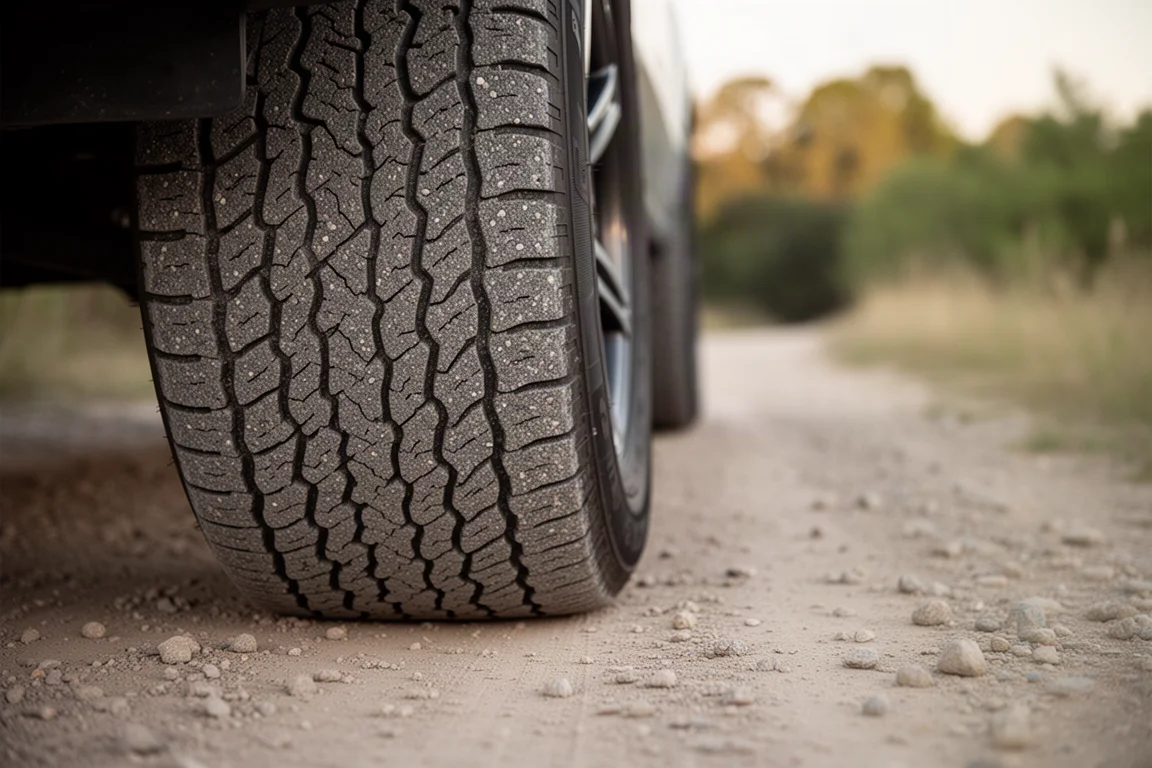
The rim measures 32 mm internally, which places it in a gray area when measured against some international safety standards, a question Zipp was asked about directly. It is a design that rewards riders willing to match it with tires built for the platform rather than whatever is already in the garage.
Buying Advice: Do You Need the Whole Groupset?
At $3,890 with the power meter option, the complete groupset is a serious commitment, and it is not the only route into the new technology. The derailleur and cassette can be bought separately to get the full mount design, the faster shifting and the 13-speed range. If you already run an AXS XPLR drivetrain, have the budget for it, and ride a frame with a UDH dropout, upgrading those two parts makes a lot of sense.
It is also worth considering timing. Full mount designs have a habit of moving down through a range once they appear at the top, and the same pattern followed when transmission technology moved from the Eagle AXS level down to GX. Riders who do not need the lightest possible build may prefer to wait for the trickle-down versions, while riders who want the current best shifting will find the derailleur and cassette a straightforward upgrade.
Conclusion
SRAM Red XPLR AXS and the Zipp 303 XPLR S make a strong pairing for gravel riders who want faster shifting, more range and a wider, more comfortable wheel. The groupset is lighter, tougher and simpler to set up than the version it replaces, and the modular approach means you can adopt the parts that matter without buying everything at once. The caveats are real: a UDH frame is required, the brakes were noisy in the wet, only one cassette size is available, and the wheel’s tire list was limited at launch. Riders who can live with those points will find the performance justifies the investment.
Further reading
Related Reviews
Gravel Bike Components
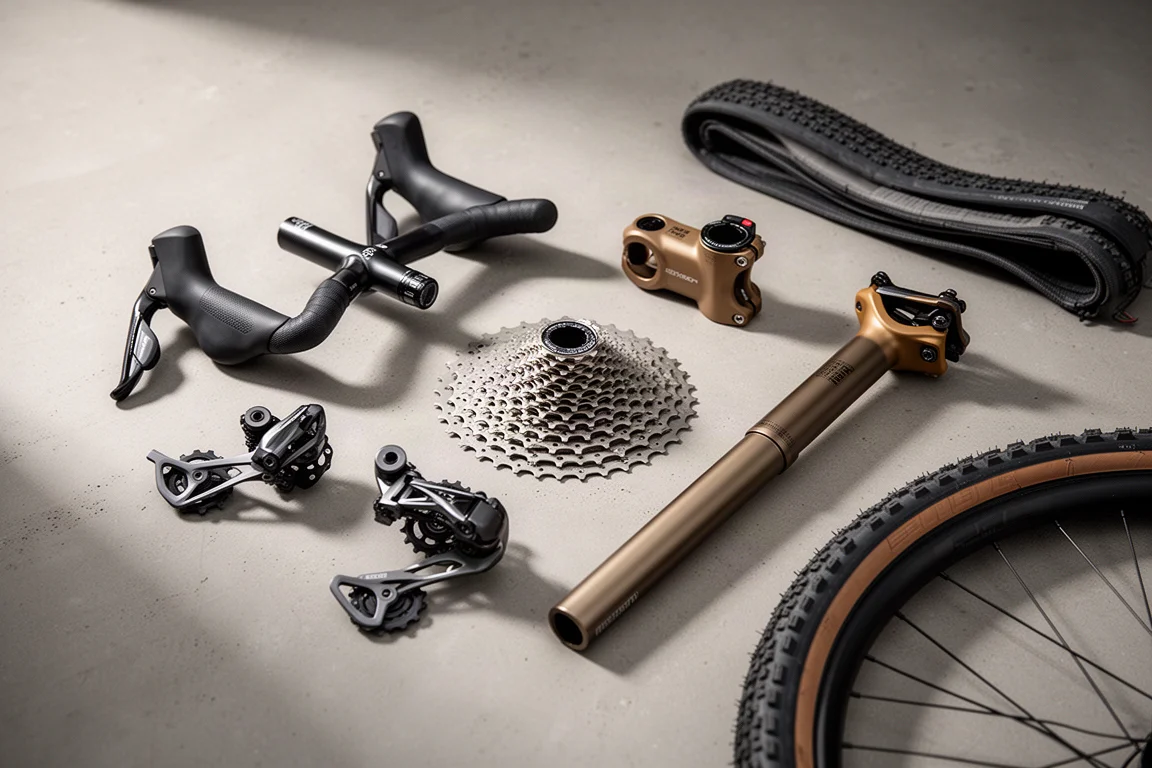
Gravel Upgrades Worth Considering: Shimano GRX Di2 12-Speed, Cane Creek eeSilk and Pirelli RS
A closer look at Shimano's 12-speed GRX Di2 groupset, the mechanical GRX alternative, Cane Creek's eeSilk suspension stem and seatpost, and the Pirelli RS gravel tire.
Gravel Bike Components
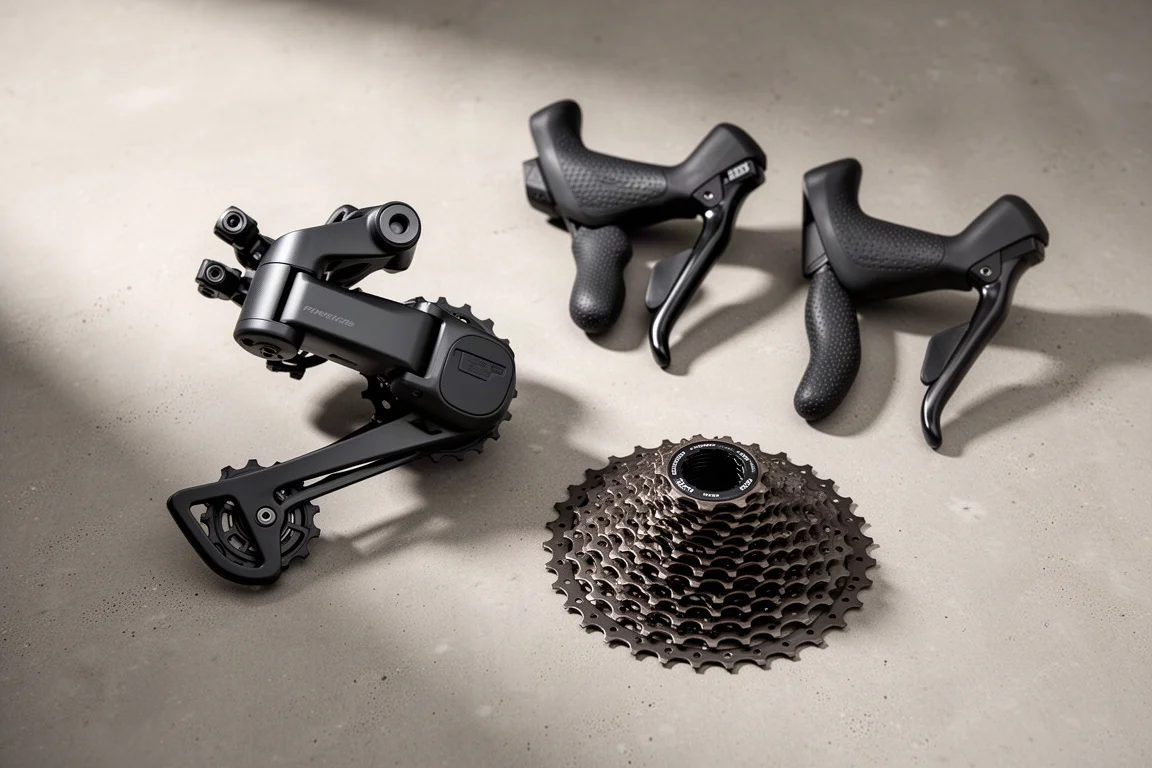
Shimano GRX Di2 Wireless Review: Fast Shifting, Real Trade-Offs
A wireless gravel groupset with quick shifting, a wide 510 percent range, and impressive battery life, plus the compatibility limits worth knowing first.
Gravel Bike Components
Shimano GRX RX 820 Review: The 12-Speed Mechanical Gravel Group Set With Real Range
A 12-speed mechanical gravel group set with a 10-51T cassette, quieter brakes and revised shifter clamps, plus the trade-offs to weigh before buying.