Road Bike Groupsets
SRAM Red AXS vs Shimano Dura-Ace Di2: Choosing a Top-Tier Road Groupset
A practical comparison of SRAM Red AXS and Shimano Dura-Ace Di2 covering shift speed, hood ergonomics, braking feel, gearing, compatibility and long-term value.
Introduction
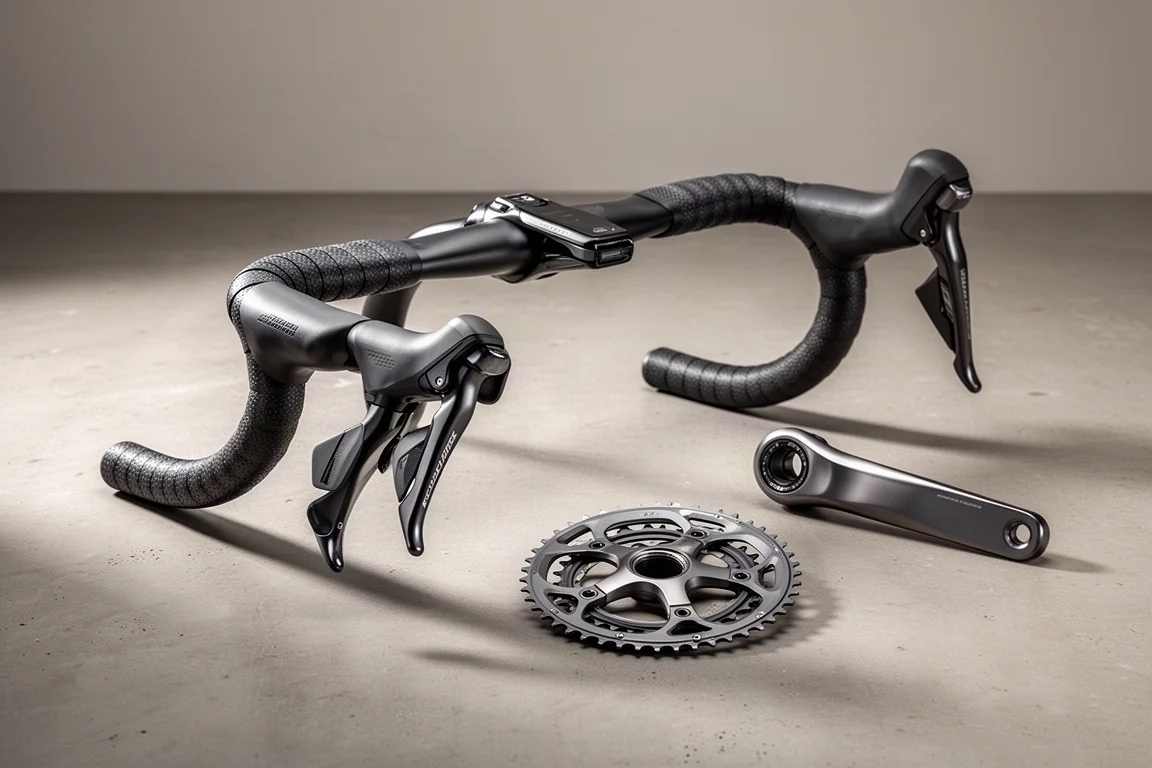
SRAM Red AXS and Shimano Dura-Ace Di2 sit at the very top of the road groupset market, and for anyone building a high-end bike the choice between them is rarely straightforward. After five weeks of regular riding on SRAM Red AXS, alongside time on Dura-Ace Di2, Ultegra Di2 and Rival AXS equipped bikes, a handful of clear differences stand out.
Rear shift speed is effectively identical between the two. Front shift speed, hood ergonomics, braking feel, gearing and upgrade paths are where the two groupsets genuinely diverge. This comparison walks through those differences so you can decide which one matches the way you ride.
How These Two Groupsets Compare
Rear shifting is a tie. Press the lever and the gear changes, with no delay and no hesitation on either system. Front shifting is where Shimano still holds an edge. Dura-Ace Di2 remains the benchmark for front shift speed, and the latest generation is very quick indeed, with a crisp, immediate response at the front derailleur.
SRAM has improved front shifting substantially over previous Red, Force and Rival generations. It is not slow, but when measured precisely it sits marginally behind Shimano. Out on the road, tapping through gears up and down rolling terrain, that gap is small enough that most riders will not notice it.

Reliability is another area where the two are closer than forum discussion often suggests. Dropped chains happen occasionally on both systems but they are rare, and five weeks of riding on the new SRAM group passed without a single dropped chain. Two years on a Rival AXS bike have been similarly trouble free. Every press of the lever produced a clean shift, with no fear of the chain coming off mid-climb.
SRAM Red AXS: Ergonomics, Gearing and Braking
The headline changes on SRAM Red AXS are the hoods and the brakes. Reach at the hood runs around 5 mm longer than Dura-Ace Di2, depending on where you measure from the base of the hood to the front of the lever. That can matter for bike fit. The longer reach was noticeable when paired with an 80 mm reach handlebar, and switching to a 75 mm reach bar brought the position from saddle to hoods back to something comfortable. It is worth factoring into a build or a bike fit at this level.
The payoff is more surface area for the hand, which suits how much time most riders spend on the hoods. Hood shape is a clear step forward as well. There is noticeably more space between the underside of the drop and the brake lever, so three fingers fit underneath comfortably and fingers are far less likely to be pinched when braking. The rubber hood material stays put, with no slack, twisting or movement even under firm gripping. Overall refinement is on the same level as Dura-Ace and Ultegra Di2.
Shimano’s hood knob remains slightly rounder and smoother, while SRAM’s is a touch more square, but the shape and feel in the hand now edge ahead. The space underneath the hood is a big part of that, since so many riders wrap fingers around the hood for security over long distances.
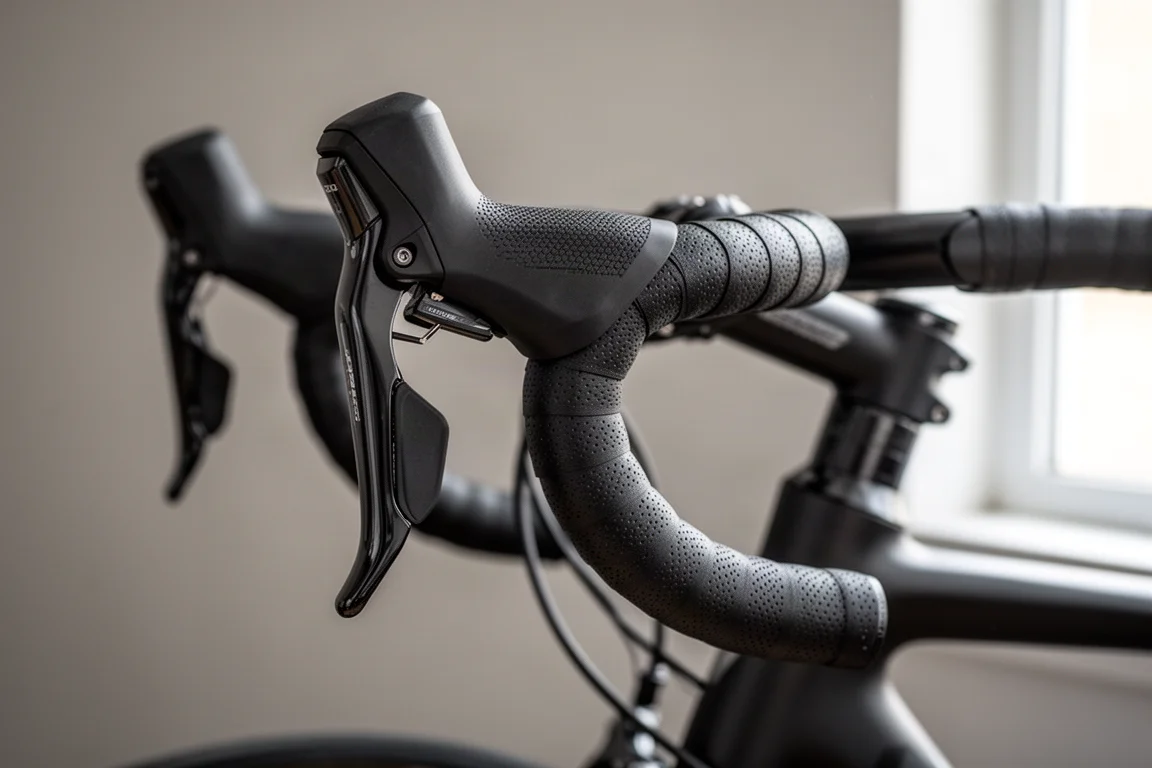
The bonus buttons are a genuinely useful addition. They are enabled from the factory and sit on the side of the hood rather than on the top, so a small movement of the thumb knuckle changes gear without moving the hands off the hoods. In an aero position that matters a great deal, because staying tucked is far more efficient than reaching down to the lever. The buttons can also be customized to change screens on a cycling computer, though their best use is shifting. They are not quite as tactile or as defined as the main lever paddle, which is one small area that could be refined further.
Wireless Blips remain worthwhile alongside the bonus buttons, particularly when climbing with hands resting on the tops of the bar. Because they are wireless, they can be positioned anywhere on the bar, and mounting them underneath the tops lets you shift with your thumbs without moving to the brake levers.
Braking feel is another strong point. Lever action is light, and stopping power is marginally above Shimano without much separating the two, but the feel and usability are clearly better. In wet conditions there was no squealing or whining, and no noise from grit trapped between pads and rotors. A proper bedding-in process, involving repeated braking to build heat and transfer pad material onto the rotors, is the main reason brakes stay quiet, and it is something bike shops should explain more clearly at handover.
Gearing is where SRAM offers a real-world advantage. The range is friendlier for regular riders, with lower climbing gears, while still offering large chainrings for stronger riders. The integrated power meter is a clear plus, although it is built into the cranks and chainrings, so replacing worn chainrings means replacing the power meter as well. In practice this is not an issue for most riders. Finishing is subjective, but the machined metal look reads as high-tech and modern.
Shimano Dura-Ace Di2: Shift Speed and Refinement
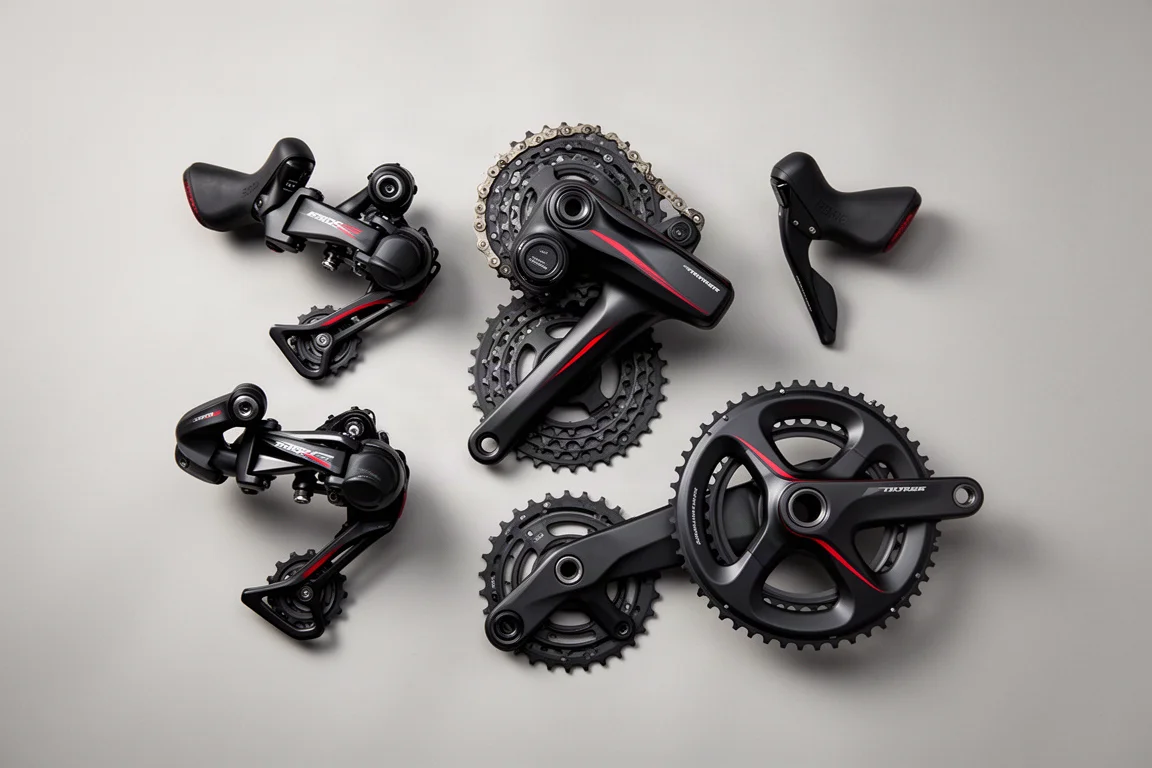
Dura-Ace Di2 remains the reference point for shift speed, particularly at the front. Press the button and the chain moves instantly, with none of the hesitation that older front derailleurs were known for. Rear shifting is equally immediate, so if outright shift speed is the priority, this is the groupset to choose. The platform also carries a strong long-term reliability record and is thoroughly familiar to shops and riders alike.
Ergonomics are polished and smooth. The hood has a rounder knob shape than SRAM’s, and the fit and finish of the rubber is excellent. The trade-off is space. There is noticeably less room between the brake lever and the handlebar, so fingers can feel crowded underneath the hood, and riders who like to wrap their fingers around the hood for security may notice the difference on longer rides. Overall smoothness is still a Shimano strength, even if the newer SRAM hood now feels more comfortable in the hand.
Power measurement is the other consideration. Shimano has not delivered an integrated power meter solution to match the competition, so riders who want built-in power data will need to look elsewhere. On looks, the stealth glossy black finish remains attractive, though it has been around for a long time and feels familiar rather than fresh.
Ownership, Compatibility and Long-Term Value
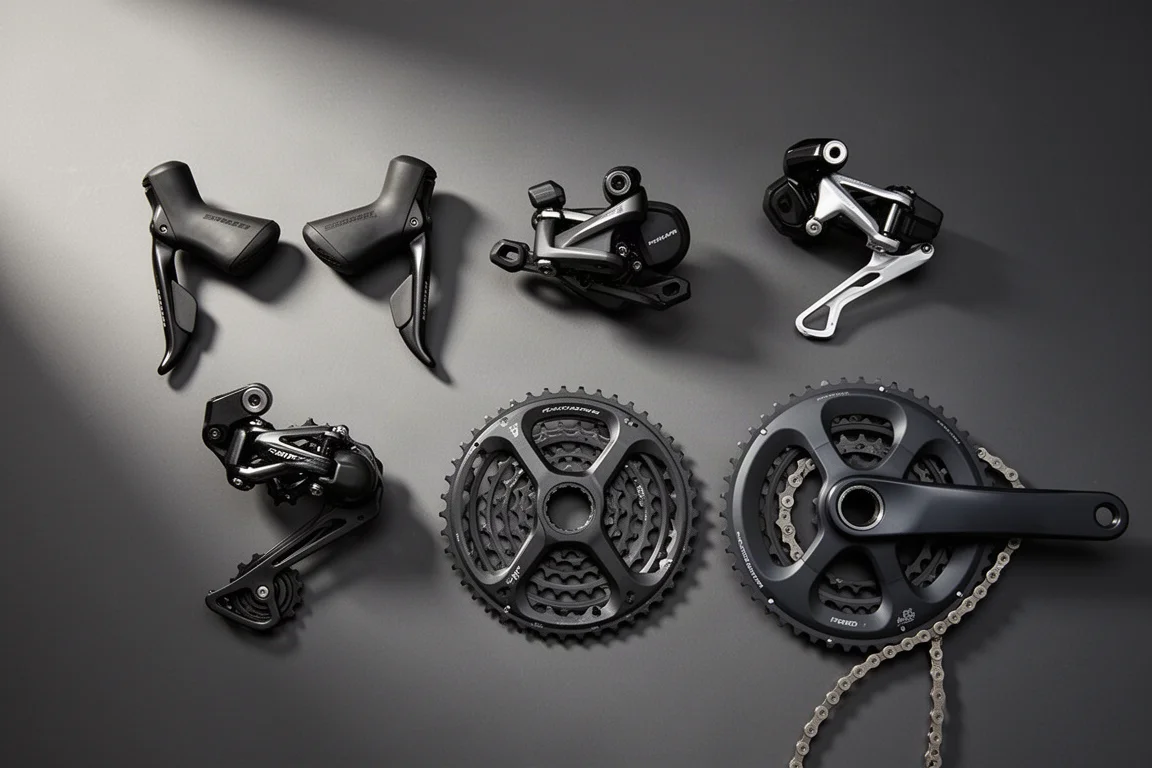
SRAM Red AXS is a 12-speed group, and it is fully backwards compatible with other 12-speed SRAM groupsets, including Rival, Force and previous-generation Red. That opens up a genuinely sensible upgrade path. The hoods and brakes carry most of the improvement, so buying the front end on its own and keeping the existing crankset, chain and rear derailleur refreshes a bike with the biggest gains for far less than a complete groupset. For riders who already own a compatible SRAM setup, that is a smart way to modernize without starting over.
Battery behavior is comparable to previous-generation Red and Rival, with no noticeable difference in runtime or performance. The batteries are removable and easy to charge, which makes runtime a non-issue in daily use. A smaller race-day battery could reduce weight at the cost of runtime, but the current arrangement works well. Riders thinking about a possible move to 13-speed should note that nothing has been confirmed, and compatibility between this 12-speed road group and any future gravel group is currently unknown.
Buying Advice: Which Groupset Fits Your Riding?
Choosing between SRAM Red AXS and Dura-Ace Di2 comes down to priorities rather than outright performance, because both are excellent on a modern road race bike and the margins between them are fine.

If gearing options, hood ergonomics and brake feel matter most, SRAM Red AXS is the stronger choice, and its backwards compatibility makes adoption easier to justify. If outright shift speed, front shifting precision and a long-standing reliability record matter most, Dura-Ace Di2 remains the pick. Riders who want built-in power data will find SRAM’s integrated approach appealing, while those who prefer a rounder hood and a familiar platform will feel at home on Shimano.
Conclusion
Both groupsets are phenomenal, and the differences are fine margins rather than deal-breakers. Rear shift speed is identical, front shift speed still favours Shimano, and SRAM now leads on ergonomics, braking feel and gearing range. Match the groupset to the riding you actually do, and either choice will feel like a genuine upgrade on a high-end road bike.
Further reading
Related Reviews
Road Bike Groupsets
Campagnolo Record 13 and Super Record 13 Review: Wireless 13-Speed, Two Ways
Campagnolo's new wireless 13-speed groupsets answer the criticism of the previous generation. Here is how Record 13 and Super Record 13 differ, and which one suits your riding.
Road Bike Groupsets
Campagnolo Record 13 vs Super Record 13: Which 13-Speed Wireless Groupset Is Worth It?
A practical look at Campagnolo's new 13-speed wireless groupsets, what separates Record 13 from Super Record 13, and which one suits your build.
Road Bike Groupsets
Campagnolo Super Record 13 Review: Wireless 2x13 With the Thumb Shifter Back
Campagnolo's first 2x13-speed wireless groupset brings back the thumb shifter, adds a wider gear range, and lands at a price that finally lines up with Shimano and SRAM.