Road Bike Groupsets
Campagnolo Record 13 and Super Record 13 Review: Wireless 13-Speed, Two Ways
Campagnolo's new wireless 13-speed groupsets answer the criticism of the previous generation. Here is how Record 13 and Super Record 13 differ, and which one suits your riding.
Introduction
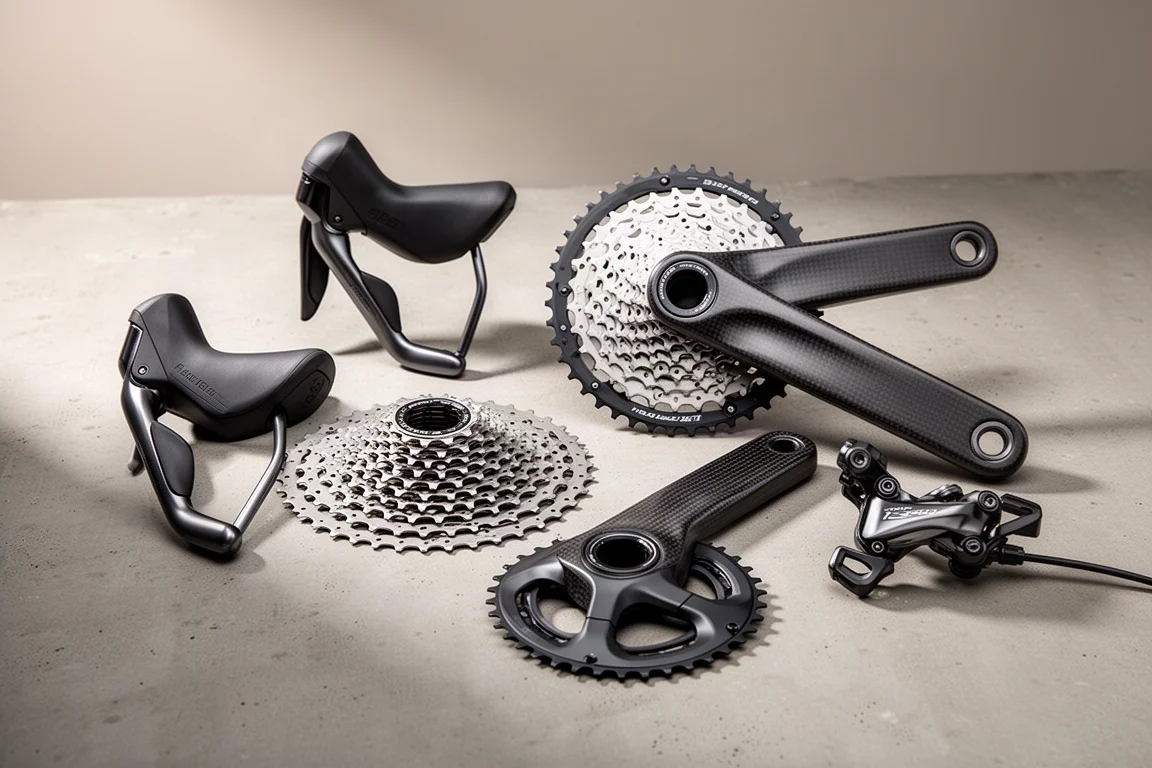
Campagnolo has a devoted following among road cyclists, and the reasons are easy to understand. The Italian brand built some of the most desirable components in the sport, with a look and a mechanical character that riders still talk about. Yet on a typical weekend group ride, most bikes are running SRAM or Shimano. Campagnolo’s new Record 13 and Super Record 13 are the brand’s response: a wireless 13-speed platform that tackles the main criticisms of the previous generation. This guide covers what the two groupsets share, where they differ, and which one makes more sense depending on how you ride.
What Campagnolo Changed With Record 13 and Super Record 13
A short look at the timeline explains why these groupsets matter. Shimano’s 1990 STI lever combined shifting and braking in a single unit, a clear convenience advantage over Campagnolo’s down tube shifters. Campagnolo’s Ergo Power arrived a couple of years later, but the momentum had already shifted. In 2009 Shimano introduced Di2 electronic shifting, and Campagnolo’s EPS followed in 2011 at a higher price. SRAM moved to fully wireless shifting with eTap in 2015. Campagnolo’s first wireless groupset did not appear until 2023 and drew a mixed response. The later Super Record S worked well but did not feel like a group set costing around £3,500, its oversized front mech rubbed against the rider’s leg, and riders missed the thumb shifters.

Record 13 and Super Record 13, launched a few months ago, bring the thumb shifters back and address the main complaints about the previous generation. Both are wireless, both use hydraulic disc brakes, both pair coin-cell batteries in the levers with removable batteries in the derailleurs and a claimed 750 km range, and both are made in Italy. Where they differ is weight, price, and the name on the side.
Campagnolo Record 13: Shifting Feel, Braking, and Value
Record 13 sits one level below the flagship, and its component weights come in at 431 g for the shift levers including coin batteries, 334 g for the 2x rear derailleur, 175 g for the front derailleur, 320 g for the brake calipers with hoses, 199 g for the disc rotors, 275 g for the 13-speed cassette, 231 g for the 13-speed chain, and 681 g for the carbon crank in a 45-29, 165 mm configuration. The rear derailleur accepts cassettes from 10 or 11 teeth up to 36 teeth, so there is room for a wide range without losing the close ratios that a 13-speed block provides.
Braking is the standout. The hydraulic disc brakes rank among the best available on a road bike, and they feel extremely powerful and confidence inspiring. Shifting is handled by buttons that press positively rather than feeling spongy, and because the effort required is small, riders with limited hand dexterity may find this system easier to live with than a mechanical lever. The shifter body has a shape and finish that feel genuinely premium in the hand.
Campagnolo Super Record 13: The Lighter Flagship
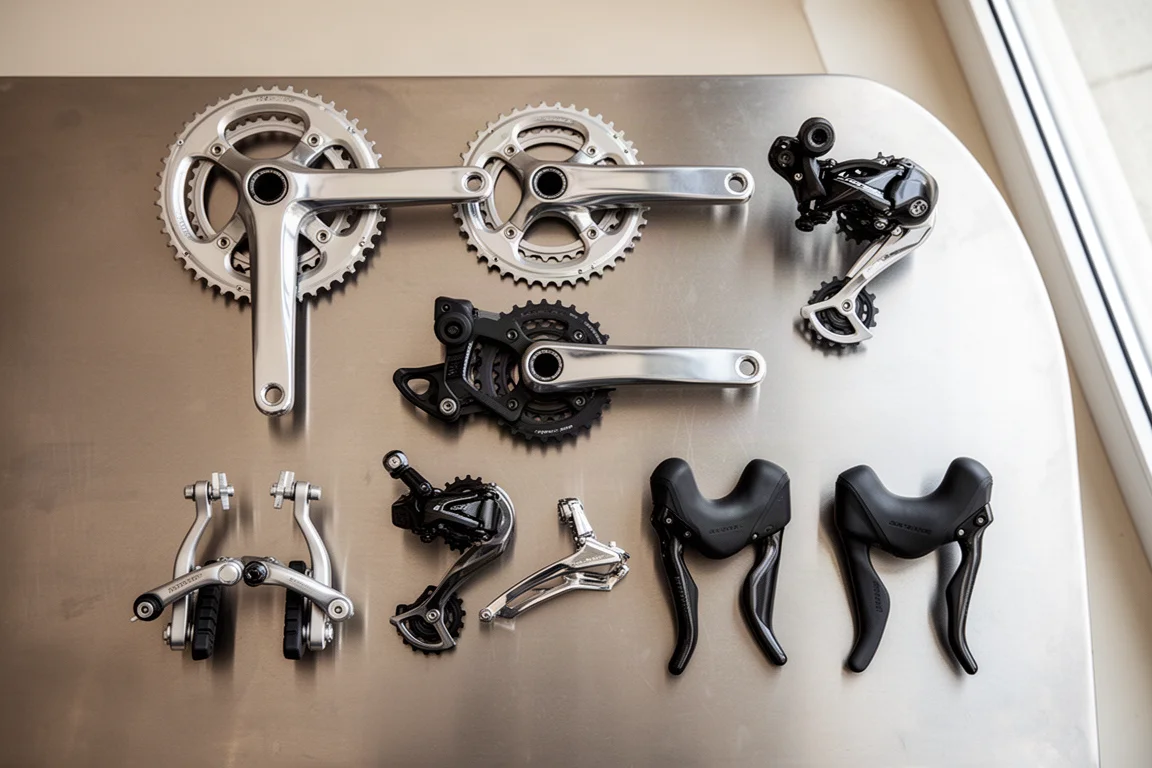
Super Record 13 shares the same speeds, functionality, and compatibility as Record 13. The difference is weight, with roughly 300 g separating the two groupsets depending on how each one is specced. Setups without a front derailleur change the maths, so the gap is not a fixed figure. In the UK, Super Record costs about £1,100 more than Record, which means you are paying for lower weight and the flagship badge.

In practice the two groupsets feel closely related, since the brake design and shifting logic are the same. Record looks every bit as premium as its more expensive sibling, and both are made in Italy. Riders chasing the lightest possible build will gravitate to Super Record, while everyone else gets the same function from Record for less.
Gearing, Cassettes, and Derailleur Choices
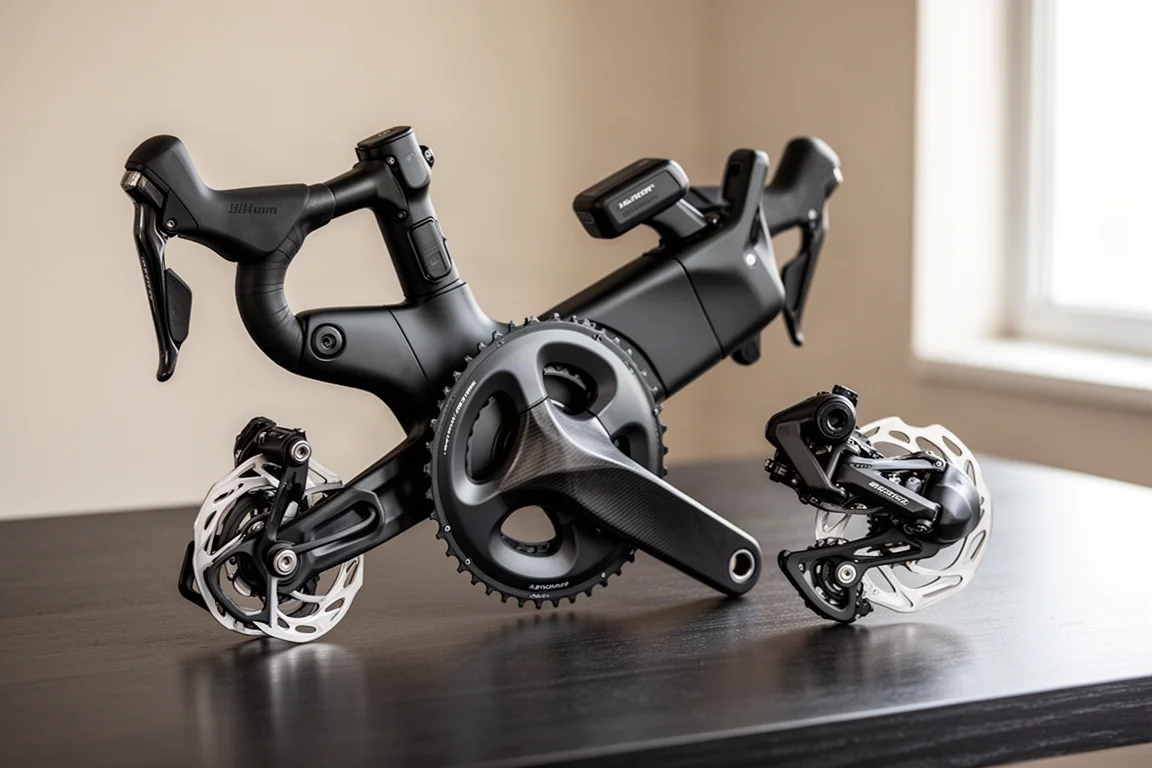
Thirteen sprockets at the back is the headline change, first introduced on the top-tier groupset in 2025. With 13 gears, even a wide-range cassette keeps the steps between ratios small, which makes for smooth transitions as you shift. For road use the Record cassette comes in 10-33 and 11-36, while 1x riders can run a 10-48 wide-range cassette, although that requires a different rear derailleur. Cranksets use the same chainrings as Super Record, with seven chainring sizes available, plus dedicated single chainring options for 1x setups.
There are three rear derailleurs. The road version for 2x setups is the lightest and has no clutch. A second option works with both 1x and 2x and adds what Campagnolo calls a nano clutch, aimed at all-road use. The clutch reduces chain slap and dropped chains, which have long been a weak point of 1x setups, and it is a medium cage unit limited to a 36-tooth cassette. The third is a wide-range gravel derailleur for 1x off-road riding, with a clutch and support for cassettes up to 48 teeth, similar in concept to a mullet drivetrain.
Crank lengths are limited to 165, 170, and 172.5 mm. Riders who have used 175 mm cranks for years may need to look elsewhere, and while the wider trend toward shorter cranks explains the range, more lengths would be welcome.
Shifter Setup and Button Customization
The thumb shifters return, but the out-of-the-box configuration mirrors old mechanical Campagnolo. That means riders who spend most of their time on the hoods have to rotate a thumb around to reach them. The small buttons on the inside of the hoods are programmed to perform the same job by default. The good news is that everything can be reprogrammed. A common approach is to set the system up more like SRAM: the right paddle shifts down the cassette, the left paddle shifts up, and the front derailleur moves to the harder-to-reach buttons. It works well once configured, though relying on a workaround at this price point is worth knowing about in advance.
The extra hood buttons can also be assigned to other tasks, such as changing pages on a cycling computer or controlling an external Bluetooth device. Riders who want more controls can add satellite shifters on a short wire, mounted anywhere on the handlebar and configured in the same way.
Batteries, Charging, and the Companion App
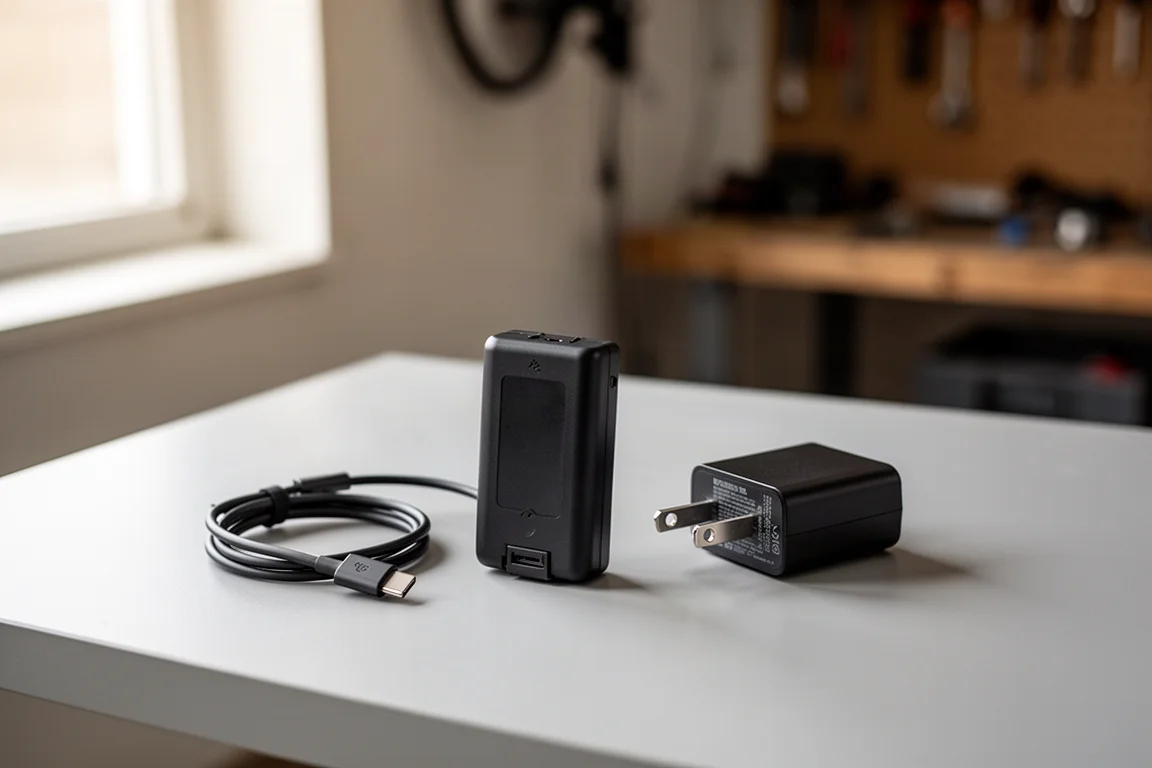
Each derailleur carries a removable battery with its own charging point, and charging uses a Campagnolo charger or cable with a USB-C connector at the plug end. Front and rear derailleurs use different batteries, which is a minor irritation for anyone hoping to carry a single spare. The trade-off is flexibility: batteries can be charged while fitted to the bike or removed and charged indoors, which is convenient for commuters who would rather not leave a bike in a lockup with a cable attached.
The companion app connects quickly, uses clear graphics, and makes shift configuration easy to understand. Software updates were less smooth. The app repeatedly reported that the rear derailleur still needed an update after several attempts, which suggests the electronic side of the platform is not yet as mature as SRAM’s or Shimano’s. It is the kind of issue that is usually straightforward to remedy later.
Fit, Compatibility, and Workshop Considerations
Upgrading to 13-speed involves more than a groupset purchase. Campagnolo’s 13-speed freehub body is slightly shorter than older versions so it can fit 13 sprockets and the small 10-tooth cog, so confirm your wheels are compatible before ordering. It is not a part most riders keep on hand, and a local shop may not have one in stock.
The bottom bracket bearings are installed on the crankset, and removing the crank is a simple job with a 10 mm Allen key. Campagnolo cups fit nearly every modern frame, including threaded framesets, so frame compatibility is rarely the obstacle. The bearings themselves are available from several manufacturers, not only Campagnolo. If you do your own maintenance, however, plan on Campagnolo-specific tools rather than a generic home kit. Cult bearings, which Super Record once included, are no longer part of any groupset and must be bought separately. Riders who already own the previous 12-speed wireless Super Record shifters have a useful amount of compatibility to work with, which makes a partial upgrade possible instead of a full replacement.
Which Groupset Makes Sense for You
UK pricing for the road version of Record 13 is £2,399. Campagnolo also offers aero road 1x and gravel-focused Record configurations, which swap in a dedicated 1x rear derailleur, a brake-only left shifter, and a dedicated 1x crankset with aero and standard chainring options, starting at £1,850. Power meter cranksets are available across the range. Super Record costs about £1,100 more. For context, SRAM Red sits around £4,358 and Shimano Dura-Ace around £3,500 at RRP, although variations across those ranges make direct comparisons rough.
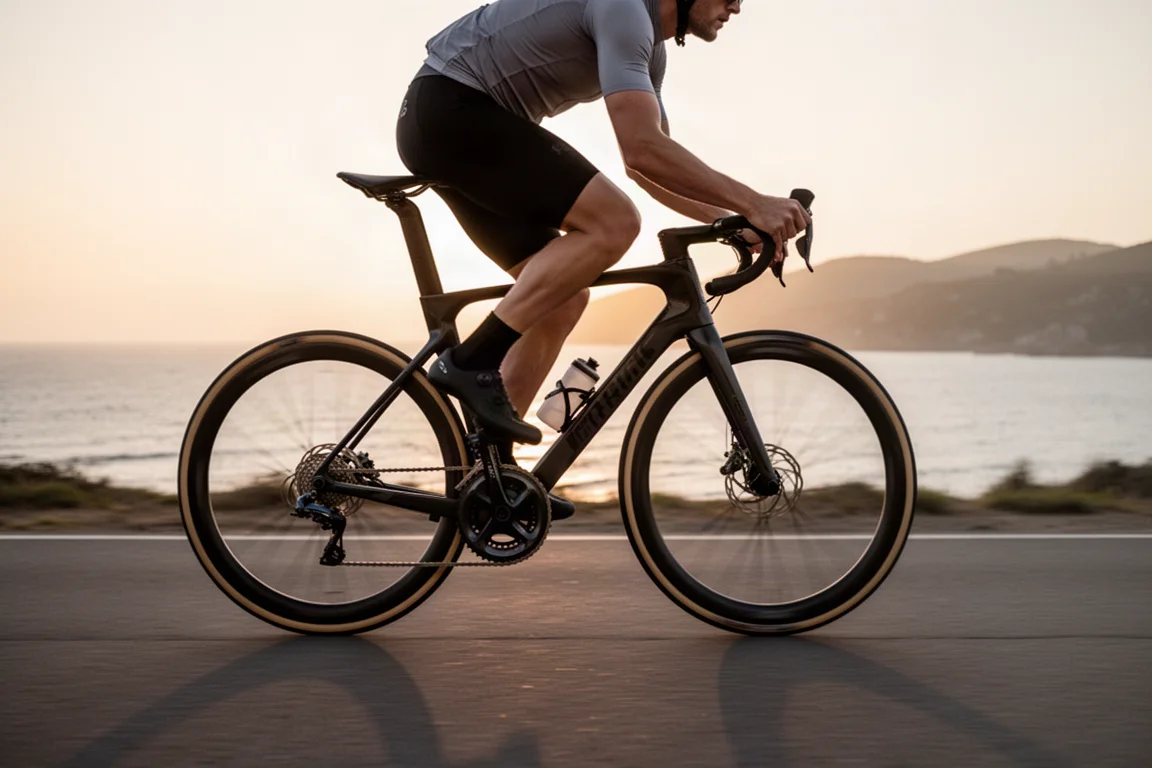
All three major manufacturers now build excellent top-end groupsets, so the choice comes down to ecosystem, ergonomics, and price rather than performance gaps. Campagnolo’s strong cards here are the look, the breadth of gearing, and the brake feel. As a 1x setup it is close to ideal, and as a 2x setup it is very good. The trade-offs are the thumb shifter reach, two different derailleur batteries, and a component list so broad that choosing chainrings and configurations can feel overwhelming. A little more choice in crank length and a little less in chainrings would help most riders decide faster.
Conclusion
Record 13 and Super Record 13 show Campagnolo responding to the criticism of its earlier electronic groupsets rather than repeating it. The hydraulic brakes, the positive button feel, the 13-speed range, and the finish quality make a strong case, and the Italian manufacturing will matter to some buyers. Super Record saves weight for a significant premium, while Record delivers the same speeds, compatibility, and function for less. If you have the right freehub, the budget, and an appetite for a drivetrain that looks and feels unlike anything else on the group ride, both are worth a serious look.
Further reading
Related Reviews
Road Bike Groupsets
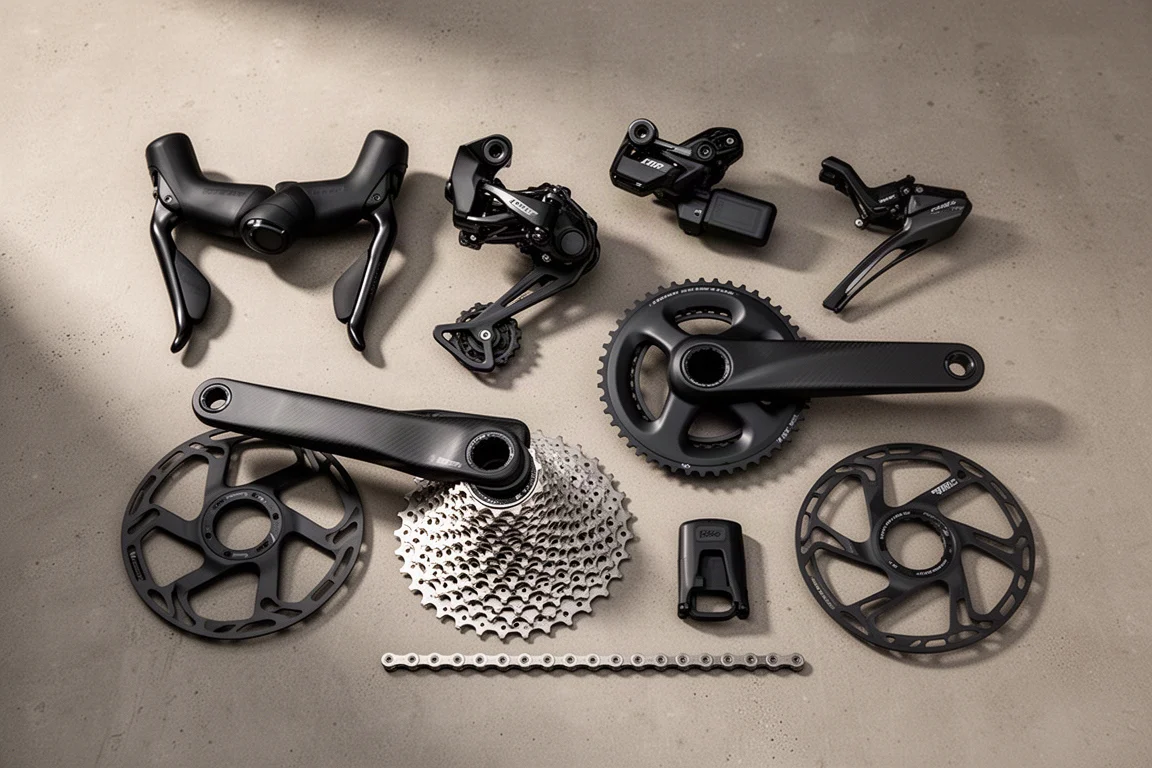
Campagnolo Record 13 vs Super Record 13: Which 13-Speed Wireless Groupset Is Worth It?
A practical look at Campagnolo's new 13-speed wireless groupsets, what separates Record 13 from Super Record 13, and which one suits your build.
Road Bike Groupsets
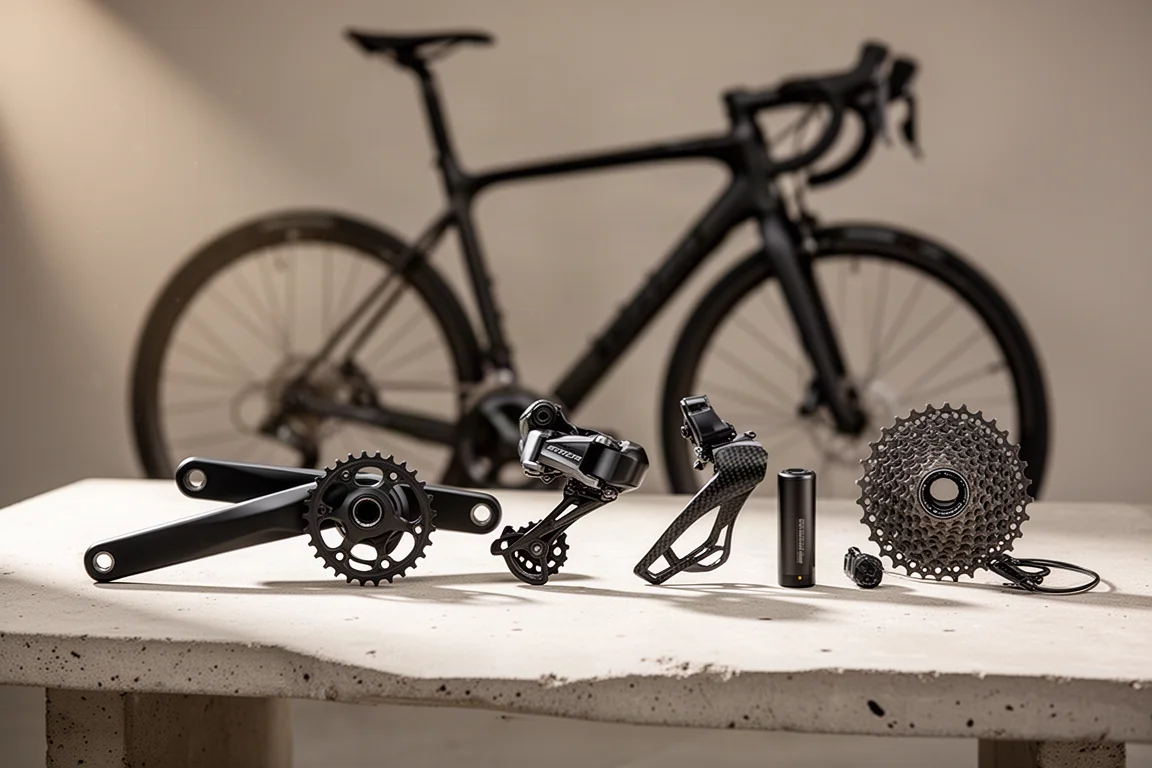
Campagnolo Super Record 13 Review: Wireless 2x13 With the Thumb Shifter Back
Campagnolo's first 2x13-speed wireless groupset brings back the thumb shifter, adds a wider gear range, and lands at a price that finally lines up with Shimano and SRAM.
Road Bike Groupsets
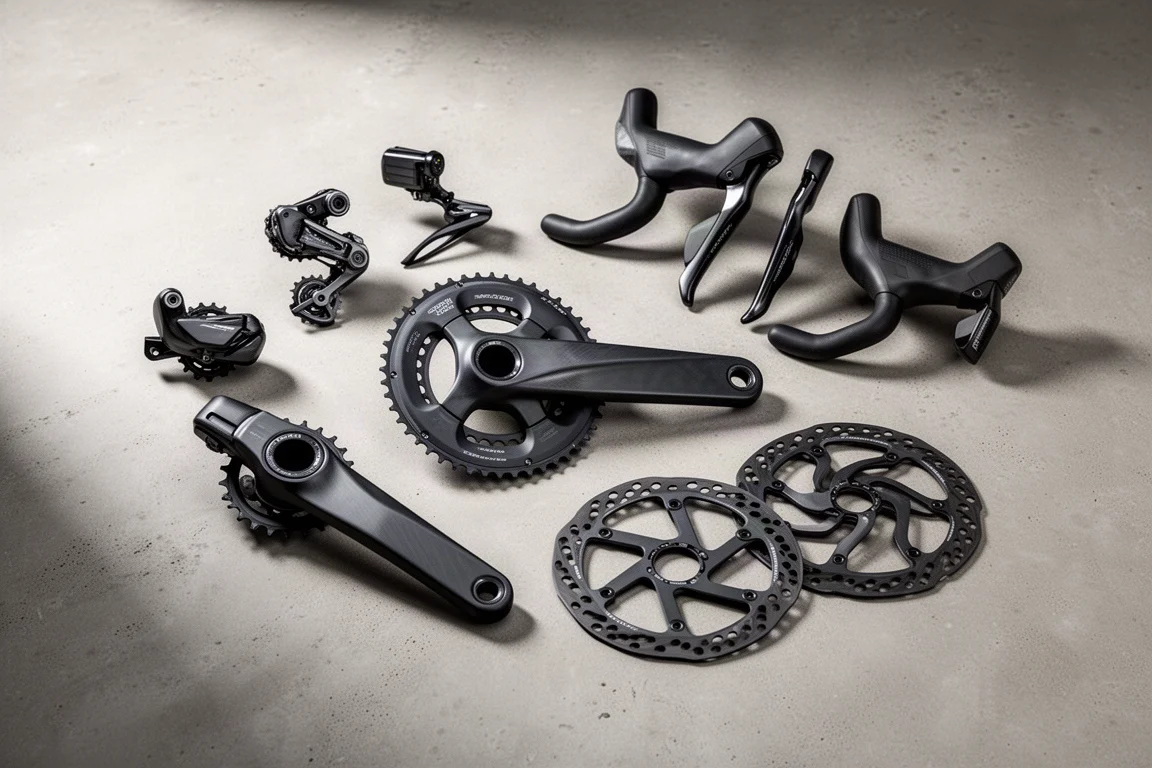
Campagnolo Super Record S Review: Wireless Performance at a Premium Price
A close look at the Campagnolo Super Record S wireless groupset, covering its shifting, customisation, braking, weight and the compatibility checks worth making before you buy.