Road Bike Groupsets
Campagnolo Super Record 13 Review: Wireless 2x13 With the Thumb Shifter Back
Campagnolo's first 2x13-speed wireless groupset brings back the thumb shifter, adds a wider gear range, and lands at a price that finally lines up with Shimano and SRAM.
Introduction
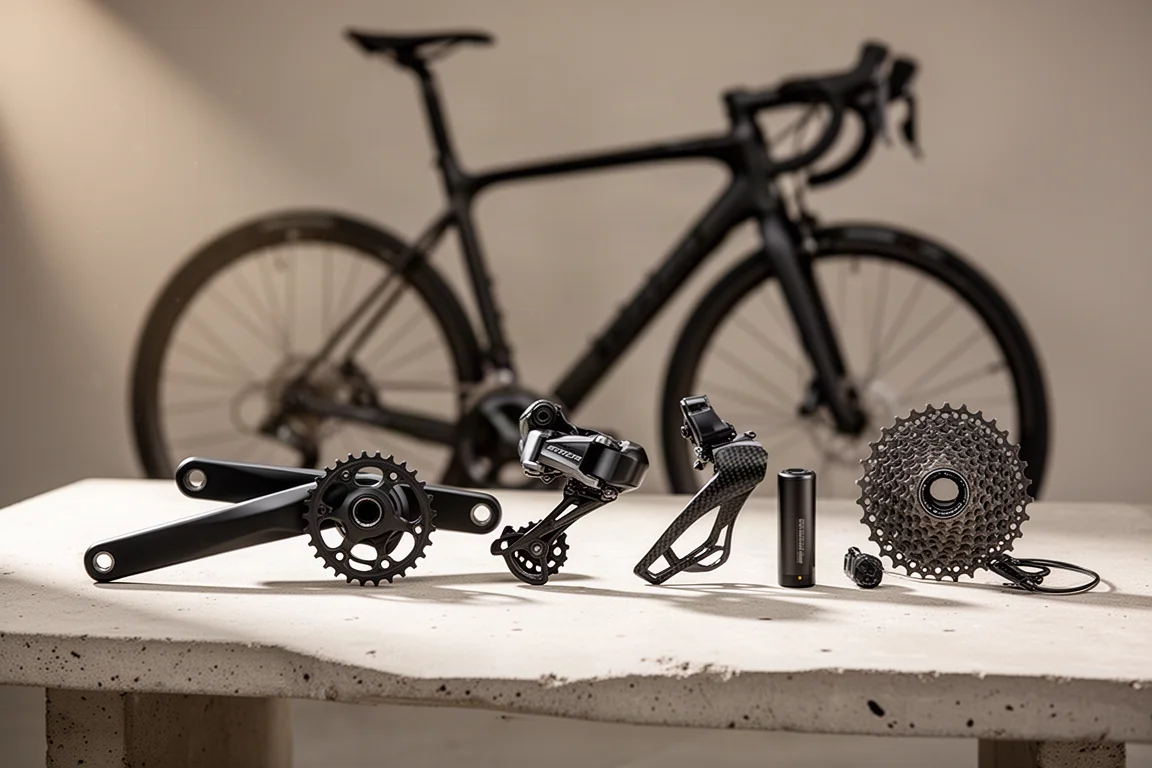
Campagnolo Super Record 13 is the world’s first 2x13-speed groupset, which means 26 gears from a fully wireless drivetrain. It builds on more than 50 years of Super Record history stretching back to 1973, and it arrives as a deliberate statement of intent from a brand that has spent the past decade losing ground to Shimano and SRAM.
The changes go well beyond one extra sprocket. Campagnolo has revamped the ergonomics, brought back the thumb shifter it dropped on its first wireless groupset less than two years ago, and delivered a package that is both lighter and cheaper than the 12-speed it replaces.

Being first with a new gear count has never guaranteed success on its own. Campagnolo was first to 10, then 11, then 12 speeds, and its market position still declined. It is no longer in the World Tour peloton, few bike brands spec its groupsets, and for most new riders the realistic choice is Shimano or SRAM. What this groupset offers instead is a genuinely different platform for riders who want something other than the two dominant options.
Who the Campagnolo Super Record 13 Is For
This is the company’s top tier flagship groupset, so the first filter is budget. It is aimed at riders building a serious disc-brake road bike who are willing to pay flagship money, and at existing Campagnolo owners who have been waiting for the Italian brand to make a convincing modern wireless case for itself.
It is also a broader proposition than previous flagship Campagnolo groupsets, which were shaped mainly around the needs of professional racers. The seven chainset options include a 45-29 combination intended for sporty cyclists, all-road bikes and gravel, which makes this one of the few top tier groupsets with a genuinely low-gear option. Riders who have embraced low gearing elsewhere will find a lot to like here.
There is one firm limitation. The groupset is disc brake only, and there is no rim brake option, so riders still running rim brakes are out of scope from the start.
Main Strengths and the New Ergonomics
The most talked about change is the return of the thumb shifter. After replacing it with two buttons on the first wireless groupset, Campagnolo has gone back to a thumb shifter combined with a paddle behind the brake lever. The new shifter is less of a protruding paddle and more of a raised bump that you press, and it sits naturally under the thumb. There is also an extra shift button built into the top of the hood, which can be assigned to additional gear shifts or to control a bike computer while riding on the hoods.
The hood shape has been reworked as well. It is longer and flatter with a broad hand area, and the rubber surface feels tactile and grippy. The overall impression is of a much more refined and considered interface than the previous wireless attempt.
The derailleurs follow the same thinking. The rear derailleur is an exoskeleton design with unnecessary material shaved away, a claimed 25 percent reduction in material, and a noticeably lower profile. It is compatible with direct mount and UDH dropouts, though it does not use UDH in the same way SRAM does. The front derailleur gains a carbon fibre outer cage, a new battery that is 10 g lighter than the old one, and the ability to handle every chainset option in the range.
In the hand, the new hoods feel good and the thumb shifter shape works well, which suggests Campagnolo has learned from the reaction to its first wireless layout. Whether the arrangement suits you better than Shimano or SRAM comes down to personal preference, because all three shifting layouts are quite different.
Gearing, Cassette Options and Compatibility
The reason for 13 speeds is not novelty. It allows a wider range cassette with smoother steps between sprockets. There are four new cassette options, including 10-29 and 10-33 ratios and a brand new 11-36 that competes directly with what Shimano and SRAM offer. That means real-world usable gear ranges rather than the race-focused options Campagnolo has concentrated on in the past.
The seven chainset options include the 45-29 for sporty, all-road and gravel use, plus race-ready combinations such as a 55-39. All four cassettes and all seven chainsets can be mixed and matched, and the same front derailleur works across the whole range, which makes configuring a bike far simpler than before.
Compatibility is a strong point. The cassettes fit a regular N3W freehub body, so the cassette is not wider than the old 12-speed version. The spacing is simply narrower, which means no new wheels are required to move to the new groupset. Campagnolo also has previous experience with 13-speed spacing from its 1x13 gravel groupset.
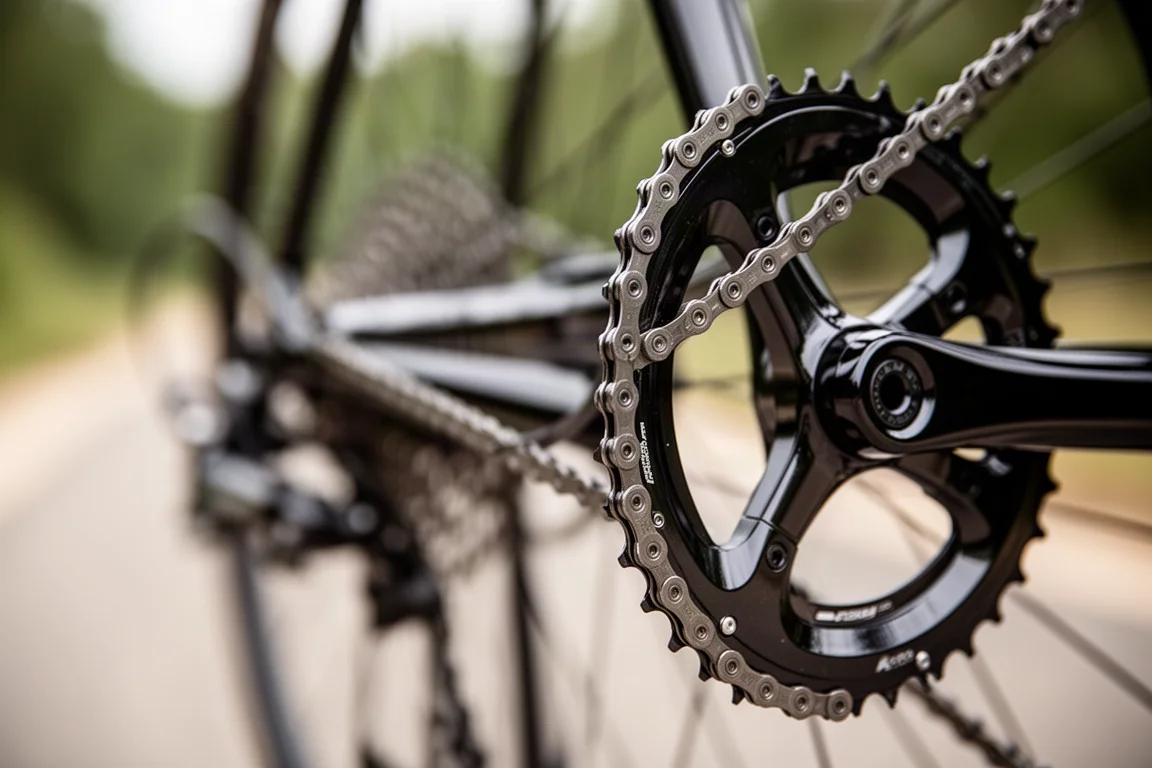
Campagnolo claims shifting speed has improved by an average of 2 seconds faster across the entire cassette in both directions compared with its old 12-speed groupset. The chain and cassette also get a new black chrome finish, which is claimed to reduce noise and help them last longer.
Weight, Battery Life and Braking
Weight has always been a Campagnolo preoccupation, and the new groupset is lighter than the one it replaces. The claimed figure is 2,445 g, which the company says makes it the lightest on the market, marginally ahead of SRAM Red AXS. The real number will depend on which cassette, chainring and power meter option you choose.
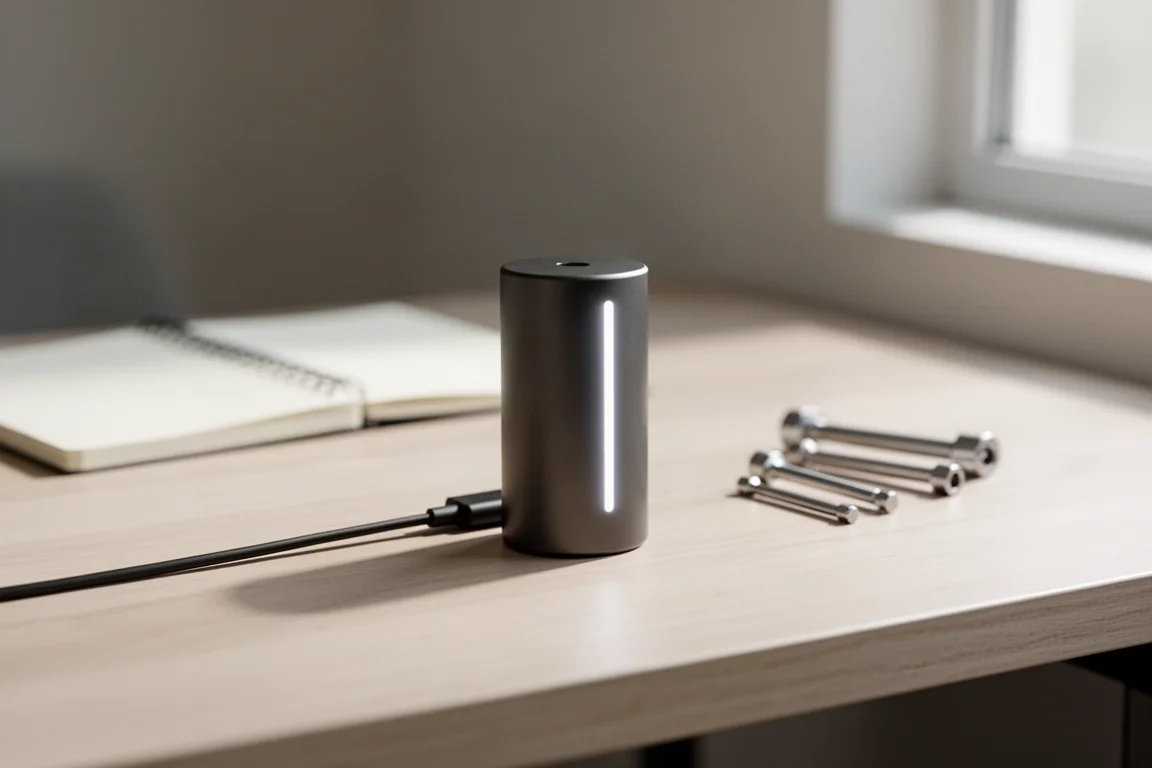
Battery run time is a claimed 750 km, which is less than the 1,000 km figure associated with Shimano Dura-Ace. The trade-off is flexibility: batteries can be charged on the bike in the same way as Shimano, or removed and charged indoors. A power meter option is also available and adds roughly €1,000 to the price of a groupset.
The braking package has been refined with lighter calipers, a new sintered brake pad option and floating disc brake calipers, a feature that has been offered by specialist brake manufacturers for years. Campagnolo brakes have a strong reputation for modulation, feel and power, and this generation continues that. The catch is that relatively few riders have spent time on a Campagnolo groupset, so the quality of the braking is often underappreciated.
It is worth remembering that the claimed weight advantage is marginal against the closest rival, and that the final figure depends heavily on the specification you order rather than on the groupset alone.
Things to Consider Before Buying
Pricing is the biggest practical consideration. Super Record 13 is the flagship, and it is priced at roughly £4,000 or near $5,000 without a power meter, or around €1,000 more with one. That is deliberately in line with SRAM Red AXS and Shimano Dura-Ace rather than above them, and it represents a 17 percent reduction over the old 12-speed groupset. For a brand that historically priced itself at a premium simply because it believed it was better, that repositioning is a meaningful shift.
The comparison is not entirely like for like, though. Shimano Dura-Ace has been on the market for close to five years and is heavily discounted if you shop around, with prices around £2,500 at times, while SRAM Red AXS remains closer to retail. So even at the new price, Super Record 13 is a serious outlay.
Two further points are worth weighing. First, rim brake riders have no path to this groupset at all. Second, because few bike brands spec Campagnolo groupsets, finding one built up in a shop can take effort, and a test ride may not be straightforward to arrange.
Buying Advice
If you already ride Campagnolo, or you simply want something different from Shimano and SRAM, Super Record 13 deserves a closer look and, if you can arrange it, a test ride. Shifting layouts differ meaningfully between the three brands, and the only reliable way to judge the hood shape and thumb shifter is to put your hands on them with an open mind.
For everyone else, the more important question is what comes next. Campagnolo would benefit from following this launch quickly with a cheaper Record or Chorus version, ideally within the next 12 months rather than in two years. Keep the same gear ratios and the same technology, swap carbon for metal, accept a little more weight and bring the price down substantially. That would open the platform to far more riders and give the brand a realistic route back into mainstream consideration.
The strongest case for buying now is straightforward. This groupset finally puts Campagnolo on a comparable footing in price and features while keeping the ergonomics and character that its loyal riders value. It is a genuine alternative rather than a heritage curiosity, and that alone makes it worth a test ride.
Conclusion
Super Record 13 is Campagnolo staking a claim on its own future. It is not just one more gear. It is a new platform that brings wireless shifting, improved ergonomics and a wider gear range to riders who want the Italian option, and it does so at a price that no longer asks for a blind premium.
Against that, Shimano and SRAM remain far ahead in market share, ecosystem maturity and the number of price points they cover, and no amount of elegance changes that overnight. The bigger test is whether a more affordable version follows soon. If it does, Campagnolo has a real path back into the conversation. If you are already a Campagnolo rider, or you want to be something other than the default choice, this is the groupset that finally makes the brand worth a serious look.
Product link
View more details for Campagnolo Super Record 13
This product is mentioned in the review. Check the specifications, options, and compatibility before buying.
View more details for Campagnolo Super Record 13Further reading
Related Reviews
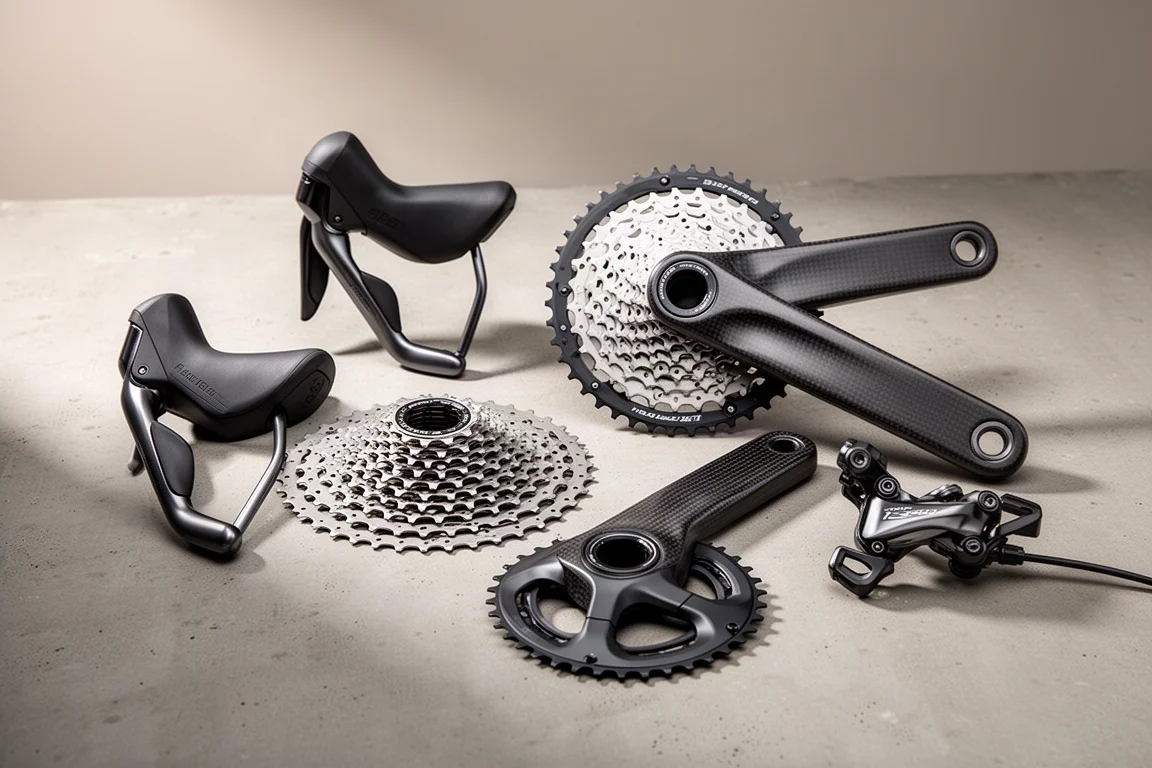
Road Bike Groupsets
Campagnolo Record 13 and Super Record 13 Review: Wireless 13-Speed, Two Ways
Campagnolo's new wireless 13-speed groupsets answer the criticism of the previous generation. Here is how Record 13 and Super Record 13 differ, and which one suits your riding.
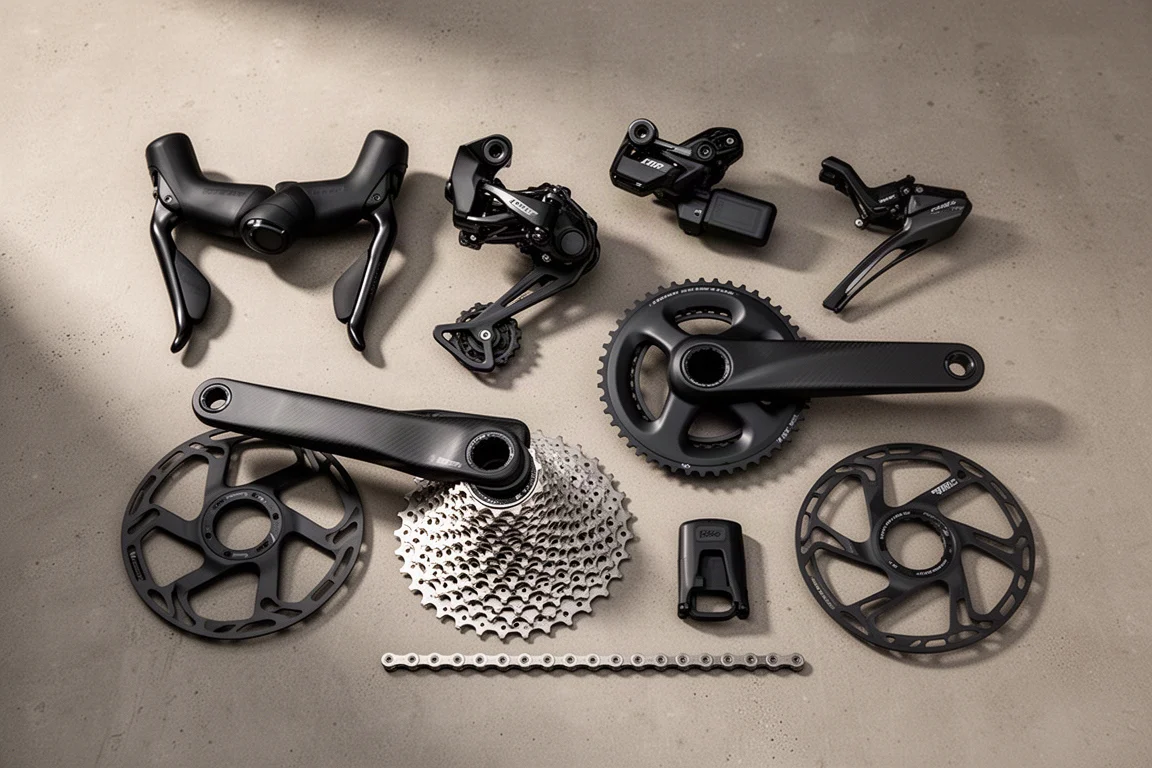
Road Bike Groupsets
Campagnolo Record 13 vs Super Record 13: Which 13-Speed Wireless Groupset Is Worth It?
A practical look at Campagnolo's new 13-speed wireless groupsets, what separates Record 13 from Super Record 13, and which one suits your build.
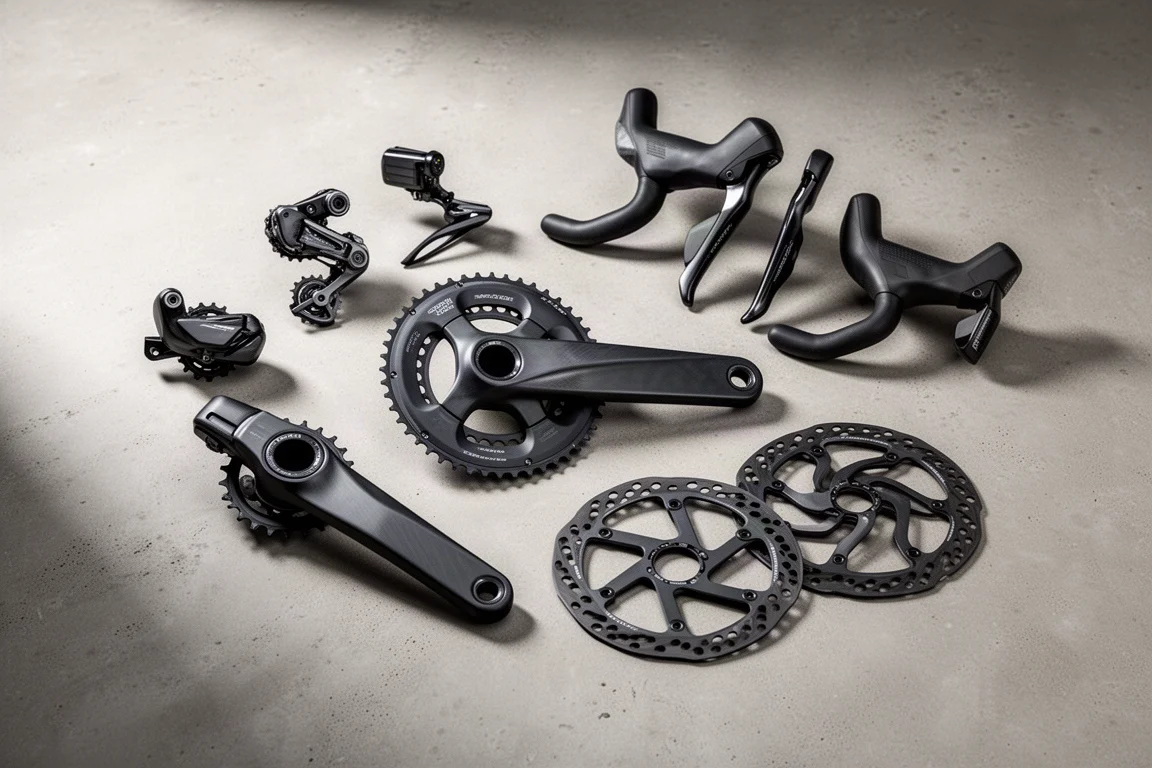
Road Bike Groupsets
Campagnolo Super Record S Review: Wireless Performance at a Premium Price
A close look at the Campagnolo Super Record S wireless groupset, covering its shifting, customisation, braking, weight and the compatibility checks worth making before you buy.