Road Bike Groupsets
SRAM Red AXS Review: A Race-First Groupset With Real Braking Gains
A closer look at the overhauled SRAM Red AXS groupset, covering the new lever shape, brake feel, drivetrain changes, weight claims and the pricing to plan for.
Introduction
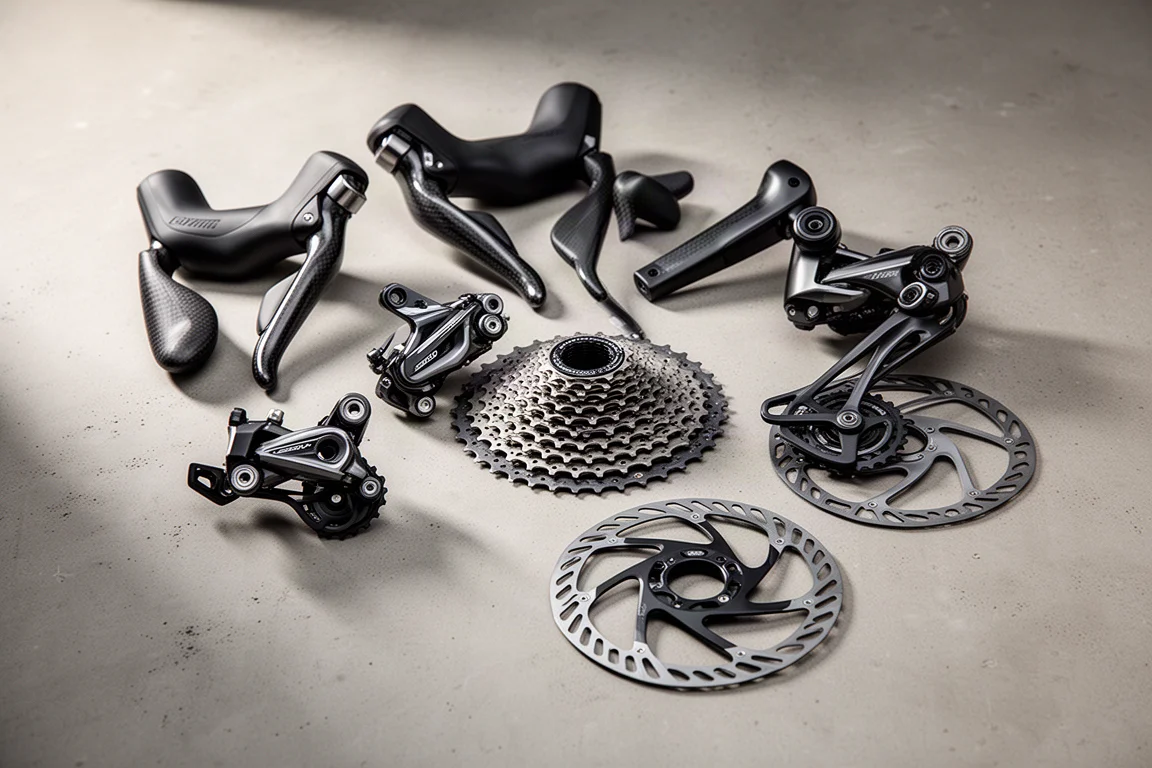
SRAM’s flagship road groupset has been rebuilt rather than refreshed. The latest Red AXS is a complete overhaul of the wireless shifting and hydraulic brake system, bringing a new lever shape, new brake calipers, new rotors, reduced weight, new ceramic pulleys and improved front shifting. It sits at the top of the brand’s road range, and it is priced accordingly: the core kit lands at around £3,000 without the crank or cassette, while a full groupset comes in at about £4,600. A head unit is bundled with the base kit.
That combination of price and purpose sets the tone for everything that follows.
What SRAM Red AXS Changes
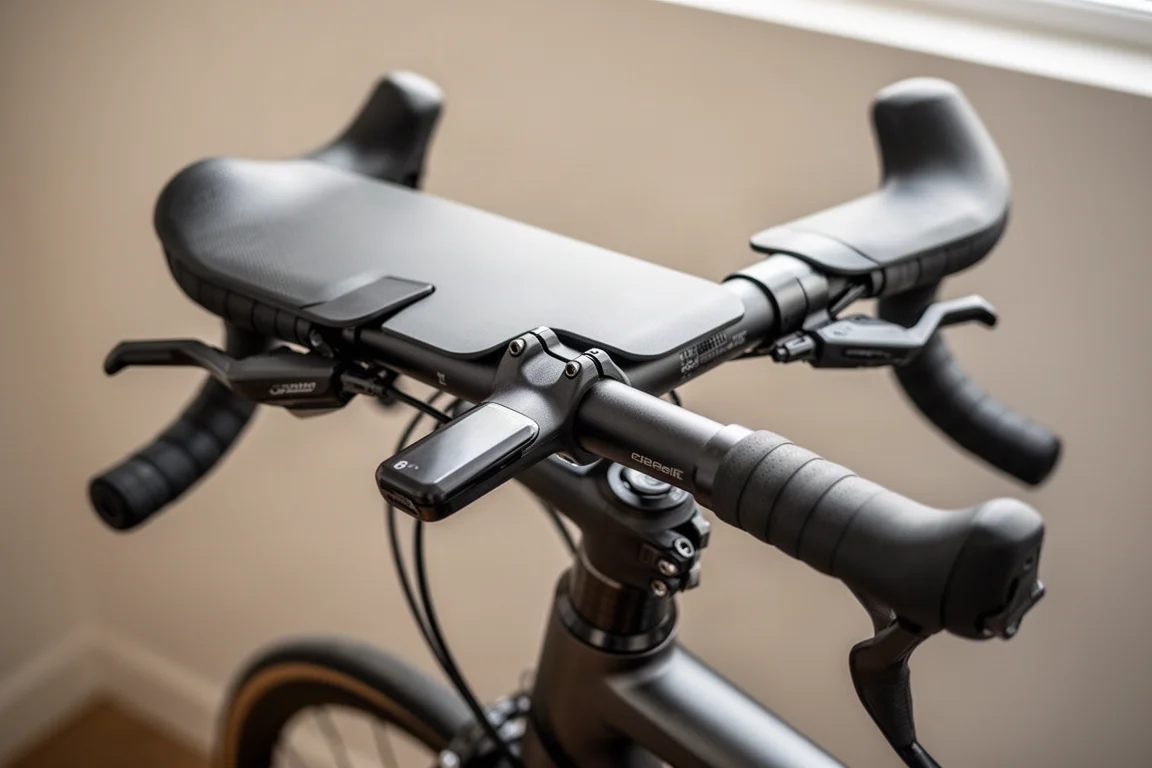
Nearly every contact point has been reworked. The levers are the most visible change: the hoods are 5 mm longer than the previous Red design, the shape is flatter along the top, and there are new programmable buttons on the hood tops. Inside, the pivot point has been moved and the primary piston relocated from the lever body into the hood itself, changes aimed squarely at brake feel.

The calipers have been stiffened and lightened, with 83 g shaved between the pair, and the rotors are new as well. At the back there is a single rear derailleur option covering 10-28 through 10-36 cassettes, fitted with a large ceramic pulley wheel and an orbit fluid damper that works like a clutch to keep the chain settled over rougher surfaces. The front derailleur gets a refined cage shape for faster, more accurate shifts.
SRAM quotes 2,496 g for a standard configuration: a 48/35 chainset with power meter, 172.5 mm cranks, a 10-28 cassette, 160 mm rotors with mounting brackets and hardware, fluid in the hoses and batteries included. That is a claimed 153 g saving over the previous Red. Weighing the parts individually came out at 2,451 g, roughly 45 g under the claim, which is close enough to treat the figure as honest.
Who This Groupset Is For
This is not a groupset aimed at everyday riders. It is built for two audiences: riders who want the most expensive, most visually striking equipment on their bike, and top-end racers. The shape, the shifting and the finish all point toward racing rather than all-day comfort.
That said, the technology has a habit of moving down the range over time, so the improvements here are worth paying attention to even if this exact groupset is out of reach.
Main Strengths: Ergonomics and Braking
The shifters feel markedly different from previous Red, Force and Rival designs the moment they come out of the box, and mounting them on a bar changes the impression again. The hoods are large enough to wrap a whole hand around, the top of the lever forms an easy flat line for an aero position, and the reach into the hoods is secure. For riders who like a long, flat, aggressive lever, this shape makes a strong case.
Braking is the headline claim: SRAM says the new design requires 80% less effort when braking from the hoods compared with the previous Red AXS. That is a big number, but the resistance that characterised older SRAM hydraulic levers does appear to be resolved, and one-finger braking from the hoods becomes genuinely usable. The calipers also look considerably sharper than before, with a glossier finish and machined detailing.
Main Strengths: Drivetrain and Shifting
The crankset is lighter than the previous version thanks to a new construction, saving about 29 g, and it is available with or without a power meter. The power meter version integrates the sensor with the chainrings, so when the rings wear out the unit has to go back for replacement. SRAM claims accuracy of plus or minus 1.5%, unaffected by temperature. Crank lengths now go down to 160 mm, and the aero chainring has been redesigned. Chainring combinations remain 50/37, 48/35 and 46/33.
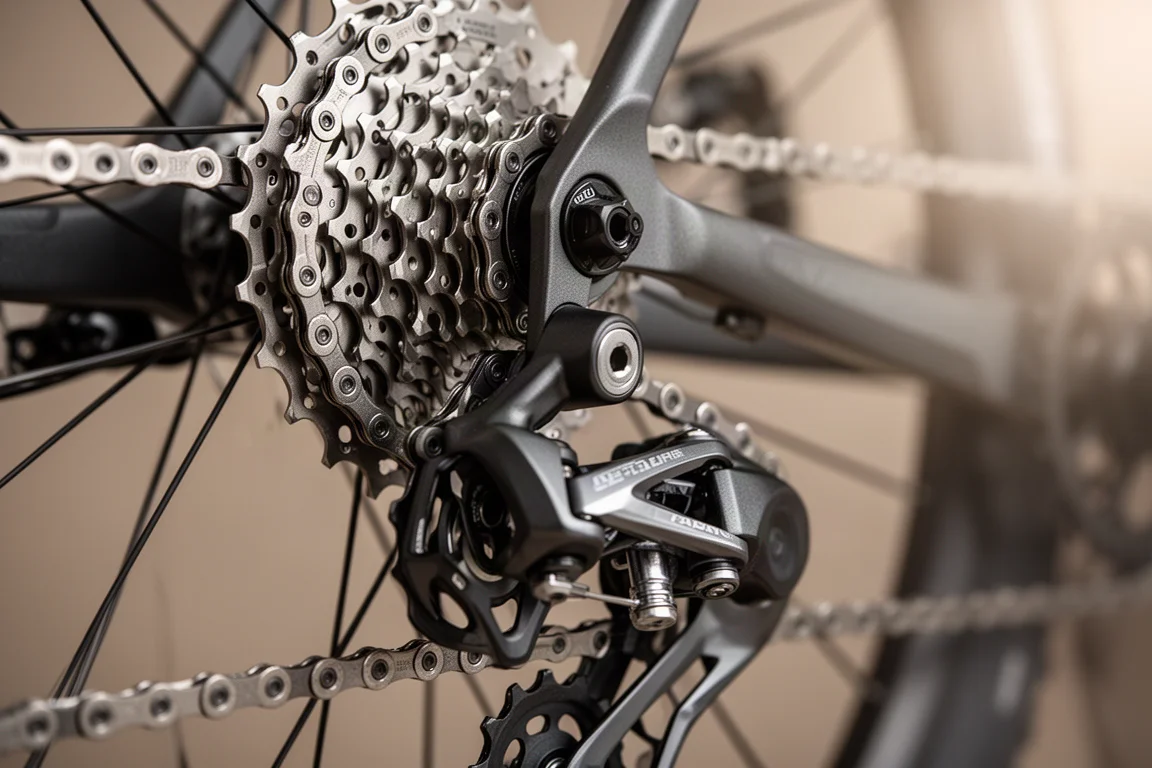
The cassette is a one-piece design, which makes installation quick once it is on the bike. Every option starts at 10 teeth and runs from 10-28 up to 10-36, with the larger cassette costing more and a rainbow finish costing more again. The same XDR freehub body is used, so anyone coming from an earlier SRAM groupset can keep their existing wheels. The chain is around 13 g lighter than the previous Red chain.
Rear shifting hardware looks and feels like a very high quality product, with a carbon jockey wheel cage and neatly machined parts. Front shifting is significantly improved over the old front derailleur, and the narrower gap between the cage arms is part of that, though the honest assessment is that it lands at the level the competition has been at rather than beyond it.
Things to Consider Before Buying
Price is the obvious one. The core kit at around £3,000 excludes the crank and cassette, and the full groupset runs to roughly £4,600 depending on cassette choice. For context, a comparable flagship groupset launched at £4,250, and the SRAM package includes a head unit.
Component pricing is worth checking carefully before committing. Cranksets are £700 without a power meter and £1,200 with one, at the same price whether you run 1x or 2x. Cassettes climb steeply in price, reaching as high as £470 for the most expensive version. Shifters are also sold separately at a substantial cost and do not include rotors, so building up a bike part by part adds up quickly.
There is also the question of compatibility and expectations. The shifters are backwards compatible with 12-speed SRAM drivetrains, so they can be paired with a lower-tier groupset if the ergonomics are what you are after. Front derailleur performance, while improved, should not be treated as chain-drop-proof. And the power meter’s integrated design means chainring wear carries a service implication rather than a simple parts swap.
Buying Advice
If the goal is a race-focused build with the sharpest lever feel and the most striking finish available, this groupset delivers on both counts, and the braking improvement is the change most riders will notice immediately. If the goal is value, the sensible move is to buy the shifters alone and pair them with an existing 12-speed drivetrain.
Longer-term impressions are still forming, since the assessment so far is based on a short ride rather than a full season of mileage. Riders weighing up a purchase should treat the ergonomic and braking gains as the strongest reasons to buy, and the component-by-component pricing as the strongest reason to plan carefully.
Conclusion
SRAM Red AXS is a genuine overhaul rather than a facelift: new levers, new calipers, new rotors, lighter components, ceramic pulleys and better front shifting. It is expensive, it is aimed at racers and showcase builds, and some of its cleverest details, such as the integrated power meter, add long-term ownership considerations. For riders who want the best lever feel and braking in the SRAM range, it makes a clear case. For everyone else, the shifters alone may be the smartest way in.
Product link
View more details for SRAM Red AXS
This product is mentioned in the review. Check the specifications, options, and compatibility before buying.
View more details for SRAM Red AXSFurther reading
Related Reviews
Road Bike Groupsets
Campagnolo Record 13 and Super Record 13 Review: Wireless 13-Speed, Two Ways
Campagnolo's new wireless 13-speed groupsets answer the criticism of the previous generation. Here is how Record 13 and Super Record 13 differ, and which one suits your riding.
Road Bike Groupsets
Campagnolo Record 13 vs Super Record 13: Which 13-Speed Wireless Groupset Is Worth It?
A practical look at Campagnolo's new 13-speed wireless groupsets, what separates Record 13 from Super Record 13, and which one suits your build.
Road Bike Groupsets
Campagnolo Super Record 13 Review: Wireless 2x13 With the Thumb Shifter Back
Campagnolo's first 2x13-speed wireless groupset brings back the thumb shifter, adds a wider gear range, and lands at a price that finally lines up with Shimano and SRAM.