Road Bike Groupsets
SRAM Force vs Shimano Ultegra R8100: Which Electronic Road Groupset Should You Choose?
A practical comparison of SRAM Force and Shimano Ultegra R8100 covering weight, price, charging, braking, shifting, ergonomics, gearing and power meter value.
Introduction
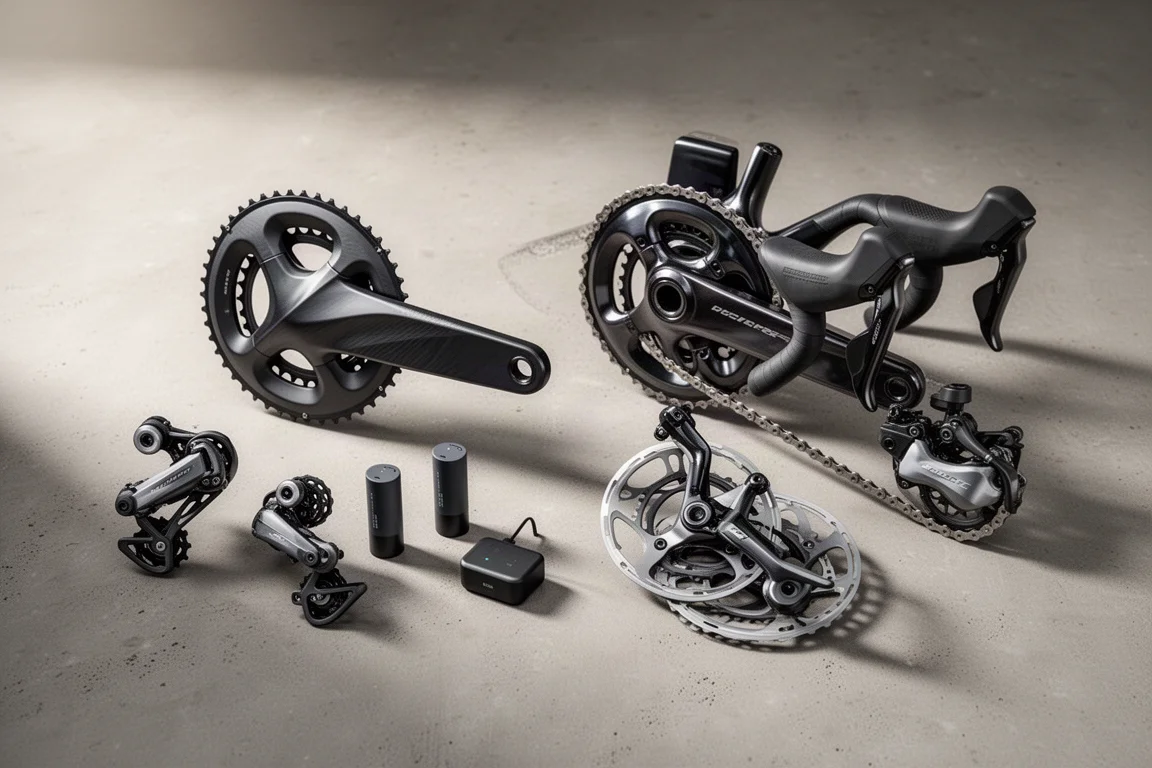
Two second-tier electronic road groupsets, refreshed within a short window of each other, now occupy very similar ground. SRAM’s updated Force arrives with a small but significant set of changes, while Shimano’s Ultegra R8100 has already established itself as the reference point for riders who want precise braking and comfortable controls.
Neither is a flagship groupset. Both are the sensible choice for a serious road build, and both ask you to accept a different set of compromises.
This comparison works through weight, price, charging, braking, shifting, ergonomics, gearing and power meter options, then finishes with a clear recommendation for each type of rider.
What We Compared
The evaluation focuses on the things that shape day-to-day ownership rather than headline specifications alone: claimed weight, groupset price and complete bike pricing, how each system is charged, braking power and modulation, shifting speed and feel, hood ergonomics, feature differences, gear range, and the long-term cost of running a power meter.

Some criteria produce a clear winner and others do not. Where the two systems are effectively level, this comparison says so rather than forcing a result.
SRAM Force: The Wireless Contender
SRAM Force is built around a fully wireless system, and the latest version is close to what many riders expected from the previous generation. SRAM claims 2,896 g for a like-for-like Force AXS build with a power meter, which is 133 g more than Shimano’s claimed 2,763 g for the equivalent Ultegra setup. Claimed weights can differ from measured ones, so that gap is small in real terms.
Price is the strongest argument for Force. A like-for-like groupset comes in at 1,751 pounds against 2,399 pounds for Ultegra, a difference of 648 pounds. Wearable parts cost more to replace over time, and complete bikes built with Force tend to be priced higher than comparable Ultegra builds, so the upfront saving is not the whole story.
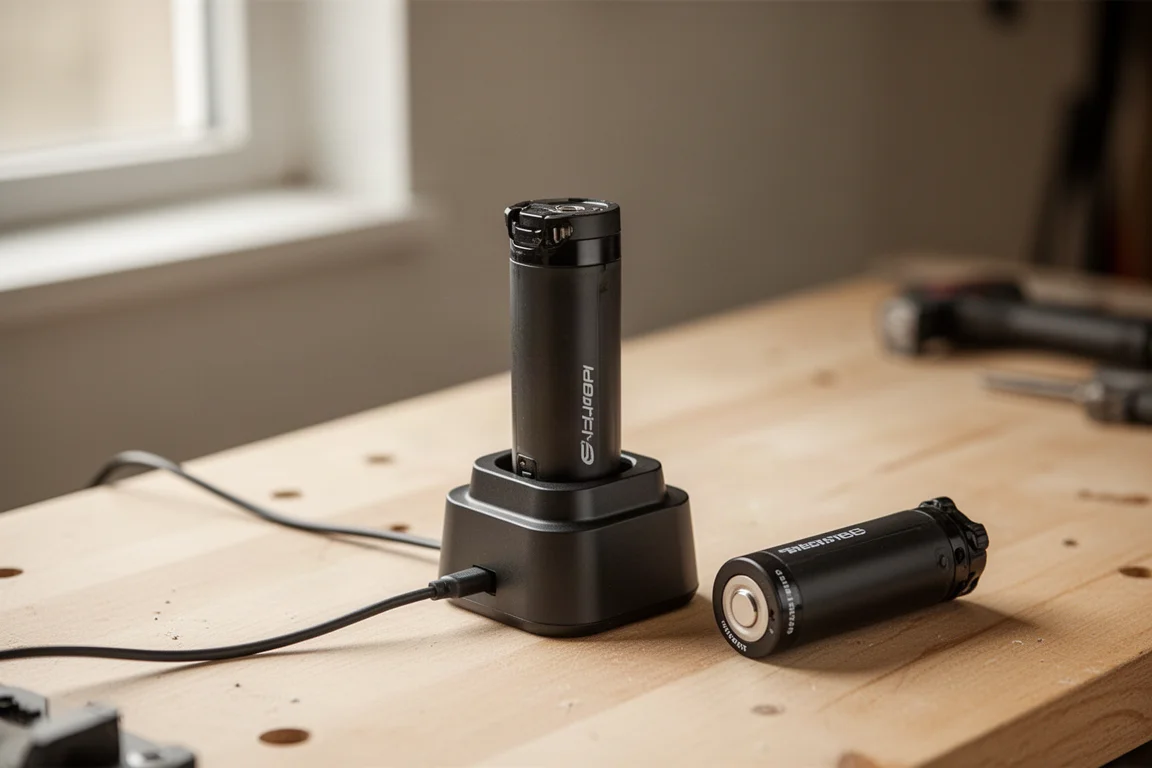
Charging is genuinely convenient. The derailleur batteries detach and slot into a charging dock, and SRAM offers a multi-battery charger so several batteries can be topped up together rather than one at a time.

Shimano Ultegra R8100: The Refined All-Rounder
Ultegra R8100 pairs electronic shifting with Servo Wave braking, the technology that gives this group its distinctive lever feel. Small inputs scrub off speed gradually, and a firmer pull delivers strong stopping power with a level of modulation that separates it from other groupsets in the Shimano range.
Ergonomics are the other strength. The hoods have a natural shape with good-sized shift paddles, generous space behind the brake levers, and buttons on top of the hoods so you can change gear while holding an aggressive position. Satellite shifters are available, though they are wired rather than wireless.
The trade-offs are practical rather than performance-related. Charging means bringing the bike to a power source and plugging a cable into the rear derailleur, and the groupset costs more upfront.
Weight and Price: How the Numbers Stack Up
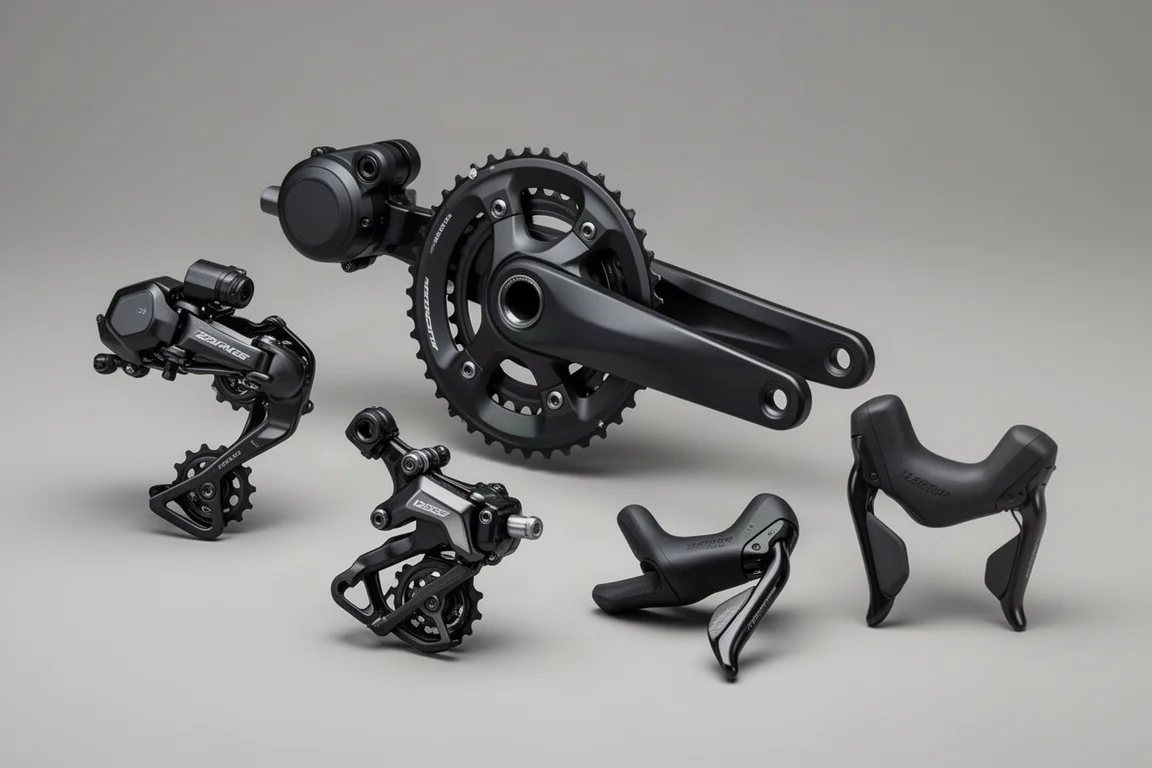
Weight gives Shimano a narrow lead on paper. The 133 g difference between the claimed figures is worth noting but easy to lose in the real world, where claimed and measured weights often diverge.
Groupset pricing swings the other way. Force undercuts Ultegra by 648 pounds in like-for-like specification, which is a substantial gap for anyone buying components separately. That advantage narrows once running costs are included, because replacing wearable parts costs more on the SRAM side.
Complete bike pricing changes the picture again. Force-built bikes tend to be more expensive than Ultegra equivalents in comparable carbon builds, so riders who buy a whole bike rather than a groupset may find the upfront saving disappears. There is no single winner here: SRAM is cheaper to buy and more expensive to maintain, while Shimano is the opposite.
Charging and Everyday Practicality
Both groupsets are electronic, so both need recharging, and this is where the systems diverge most clearly.
Force batteries pop off the derailleurs and into a charging block, and the newer docks charge faster than before. The multi-battery charger removes the need to charge one battery at a time, which is a real convenience for anyone with a busy schedule.
Ultegra requires the whole bike to be brought to a power source, with a cable plugged into the rear derailleur. It works perfectly well, but it is less convenient than carrying a battery to a socket.
Both systems have companion apps for updates, customisation, setup and maintenance, and each has its own learning curve. Since the software side is broadly comparable, charging convenience decides this one, and SRAM takes it.
Braking and Shifting Performance
Braking is a clear win for Shimano. Servo Wave braking allows tiny amounts of speed to be scrubbed off with very little input, and a slightly firmer pull brings serious stopping power. The modulation available at the levers is remarkable and stands apart from the rest of the Shimano range, where more force is needed for the same result. SRAM never claimed to update its braking technology for this generation of Force, and while the brakes are perfectly capable, they feel more conventional.
Shifting is closer. Both groupsets feel smooth and near silent as you work up and down the cassette, with fast engagement and no jolting. In a direct chain-movement test from the top of the block to the bottom, SRAM was slightly faster, but the margins involved are milliseconds. Front shifting is easier to separate: Shimano responds almost instantly when the button is pressed, while SRAM takes a few extra milliseconds to move the chain between rings, a difference you notice once you have ridden both. Taken together, shifting is a tie.
Ergonomics, Features and Gearing
The Ultegra hoods are the better shape in use. They feel natural, the shift paddles are well sized, and there is plenty of space behind the brake levers without limiting an aggressive tuck. Buttons on top of the hoods let you shift while holding your best position, which is a genuine advantage on long rides.
Force hoods are comfortable in the normal riding position, and cupping the reservoirs from the side also works well. What is missing is shifting from the tops, which is a limitation worth checking against your hand size and riding style.
On features, SRAM offers fully wireless blip shifters, with up to six blips, or three pairs, that can be mounted anywhere. Shimano’s satellite shifters are wired, which slightly limits placement. Both groupsets are straightforward to bleed, and Shimano’s bleed buckets make quick top-ups particularly easy.
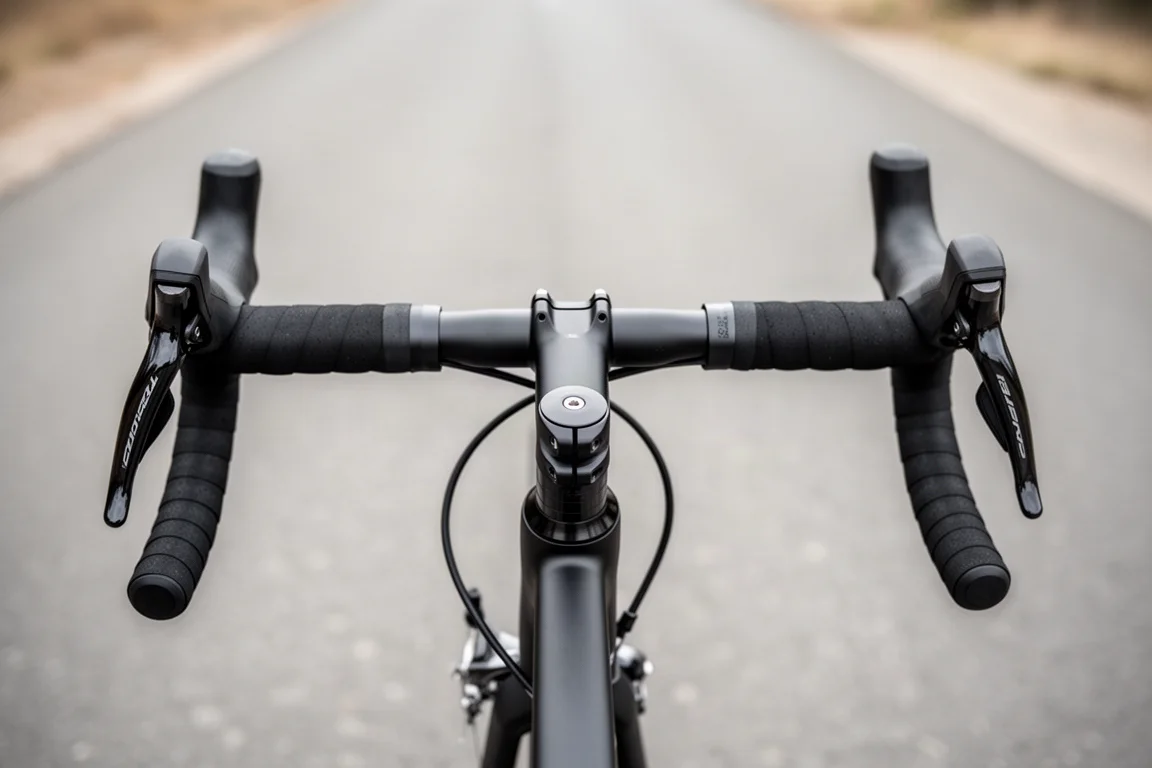
Shifting logic is simpler on SRAM: one button on one side shifts up at the rear, one button on the other side shifts down, and pressing both together changes the chainring. Shimano uses a pair of buttons on each shifter, with each shifter controlling one derailleur. That simplicity gives SRAM the win here.
Gearing range also favours SRAM. Comparing the easiest and hardest available ratios, SRAM covers a wider spread, with both a higher top gear and an easier climbing gear, and it offers one-by options as well. Shimano counters with smaller jumps between gears on its climbing setup, which means less jarring cadence changes. Overall, SRAM covers the broader range.
Power Meter Options and Long-Term Value
Force can be specified with a Quark power meter integrated into the chainrings. That integration saves weight and improves power efficiency, but it has a significant downside: when the chainrings wear out, the power meter goes with them and must be replaced as a unit. The alternative is a single-sided crank power meter upgrade paired with a standard chainring setup.
Shimano also offers a chainset-based power meter, and it delivers double-sided readings without forcing you to discard the electronics when the chainrings need replacing. It costs more to buy, but it represents better long-term value, and that is the difference that matters most for riders who keep a groupset for several seasons.
Buying Advice
Choose SRAM Force if wireless simplicity appeals, if you want to mount shift buttons wherever you like, if you want the widest available gear range with the option of a one-by setup, or if a lower groupset price matters more than long-term running costs. Just plan for pricier wear parts and, in many cases, a higher price on a complete bike.
Choose Shimano Ultegra R8100 if braking feel and modulation top your list, if hood ergonomics matter for long days in the saddle, if you value fast front shifts, or if you want lower running costs and a power meter that survives chainring replacement.

If you are buying a complete bike rather than a groupset, compare the specific builds carefully, because Force-equipped models tend to sit above their Ultegra counterparts even when the rest of the specification is closely matched.
Conclusion
These two groupsets run very close, and the gap narrowed considerably with the update to Force. The new Force is essentially what it should always have been: the changes were not numerous, but the ones that arrived were significant and brought it near to Ultegra.
Both have clear strengths. Shimano leads on braking, hood ergonomics and front shift speed, while SRAM leads on charging convenience, shifting simplicity, gear range and upfront groupset price. Your priorities decide the winner, and either choice will serve a committed road rider well.
Further reading
Related Reviews

Road Bike Groupsets
Campagnolo Record 13 and Super Record 13 Review: Wireless 13-Speed, Two Ways
Campagnolo's new wireless 13-speed groupsets answer the criticism of the previous generation. Here is how Record 13 and Super Record 13 differ, and which one suits your riding.
Road Bike Groupsets
Campagnolo Record 13 vs Super Record 13: Which 13-Speed Wireless Groupset Is Worth It?
A practical look at Campagnolo's new 13-speed wireless groupsets, what separates Record 13 from Super Record 13, and which one suits your build.

Road Bike Groupsets
Campagnolo Super Record 13 Review: Wireless 2x13 With the Thumb Shifter Back
Campagnolo's first 2x13-speed wireless groupset brings back the thumb shifter, adds a wider gear range, and lands at a price that finally lines up with Shimano and SRAM.