Bike Groupsets
SRAM Force and Rival AXS 2026: Four New Groupsets for Road and Gravel
SRAM's new Force and Rival AXS groupsets bring top-tier hood ergonomics, braking and shifting to lower price points. Here is how the four options compare.
Introduction
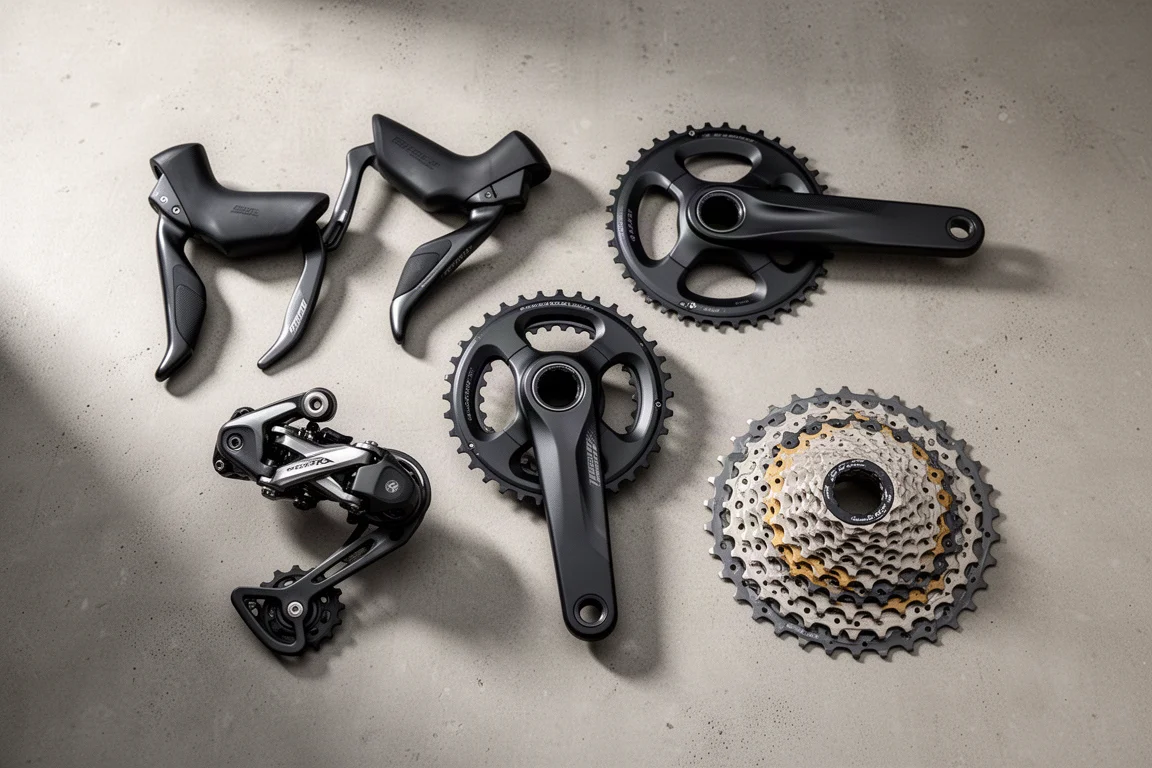
SRAM has expanded its electronic groupset range with four new options covering both road and gravel riding. The two-by road line-up gains SRAM Force AXS and SRAM Rival AXS, while the one-by thirteen-speed gravel line-up gains SRAM Force XPLR AXS and SRAM Rival XPLR AXS. All four arrived at the same time, and all four inherit technology that first appeared on the top-tier Red groupsets.
The headline is straightforward. Riders get shifting, braking and hood ergonomics that trace directly back to Red at considerably lower price points, with a modest weight penalty in exchange.
How These Groupsets Fit Together
SRAM positions the range as a good, better, best ladder: Rival at the base, Force in the middle and Red at the top. The new Force and Rival groupsets carry over the same key improvements introduced on Red, most visibly in the redesigned hoods and in the revised brake calipers and pistons. Visually, both Force and Rival closely resemble Red, so the differences sit mostly in materials and weight rather than appearance.
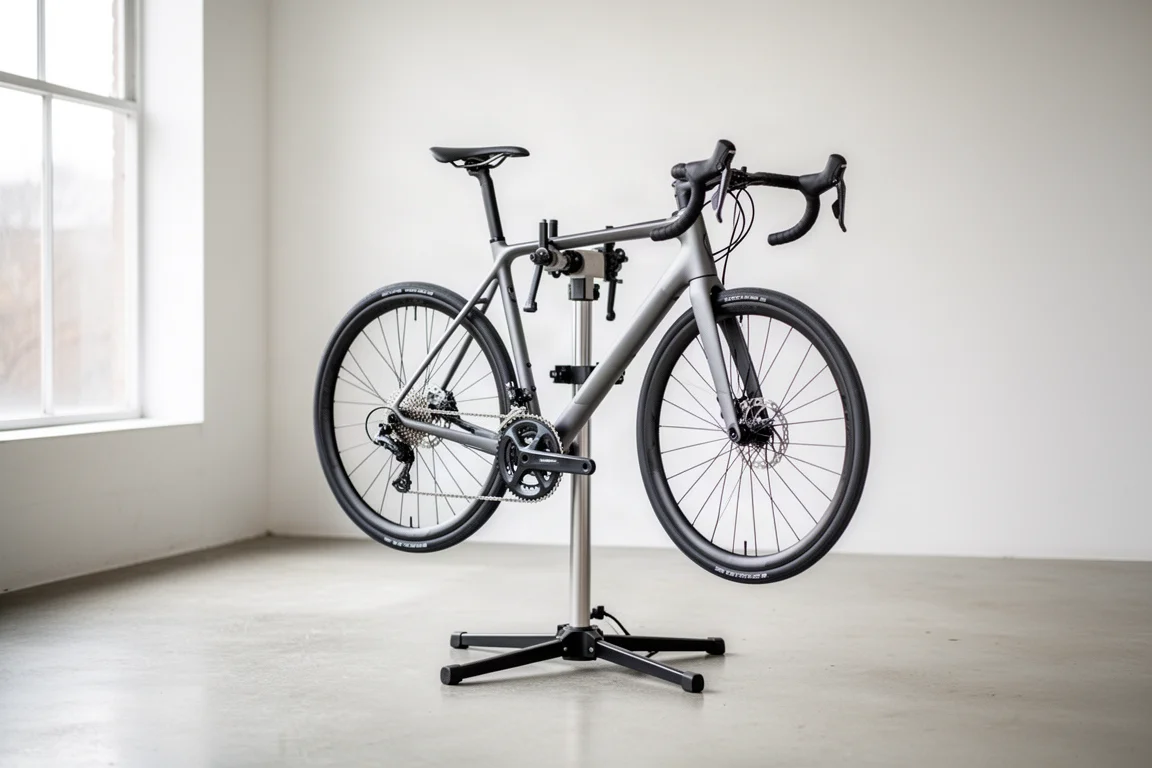
Every one of the four new groupsets is lighter than the version it replaces, even though each has been built to hit a lower price point using less expensive materials. A large part of that weight saving comes from the new chainset, which uses one-piece chainrings and a thread-mount interface that fixes the rings directly to the crank arm.
Two further points matter for anyone who already owns a SRAM bike. All four groupsets are backwards compatible with current SRAM Force and Rival 12-speed setups, so upgrading only the hoods and brakes is a valid route. And even before any discounts, SRAM’s official pricing undercuts Shimano’s official pricing.
SRAM Rival AXS: The Value Road Groupset
SRAM Rival AXS is the two-by road option and the most affordable way into the new generation. Rival originally launched four years ago as SRAM’s answer at this tier, and the new version keeps that role while gaining the improvements developed for Red.
The hoods are the standout feature. The shape is comfortable and secure in the hand, and the light lever action allows one-finger braking in a wide range of situations. That combination adds confidence on fast descents and in traffic, where braking effort and hand fatigue matter most. Shifting speed and gear ratios carry over from the previous generation, so the upgrade is about ergonomics, braking and weight rather than a change in drivetrain behaviour.
The one clear omission is the bonus buttons found on Force and Red. Rival does not have them, so the extra programmable shifting functions are unavailable at this tier. Riders who have never used bonus buttons are unlikely to miss them, but anyone stepping down from a higher groupset will notice.
SRAM Force AXS: Road Performance With Bonus Buttons
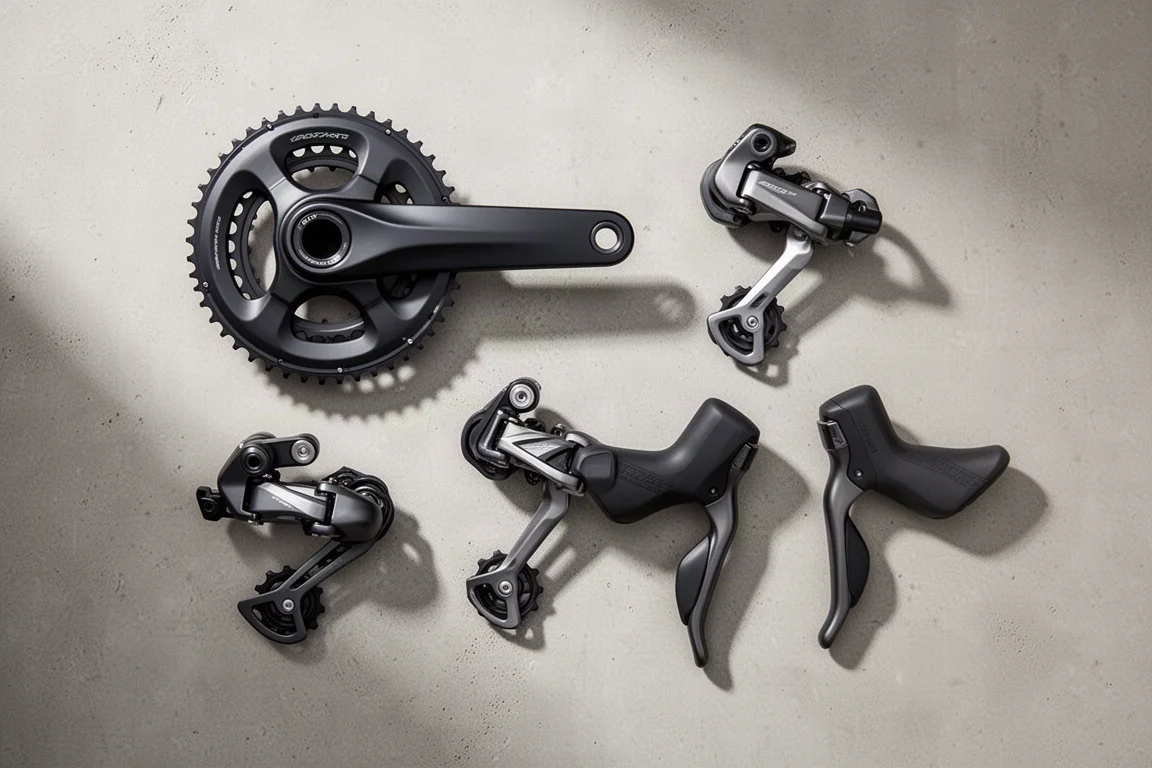
SRAM Force AXS sits in the middle of the range and adds the bonus buttons found on Red, which can be assigned extra shifting functions. Their placement on the side of the hoods makes them easy to reach without moving the hands.
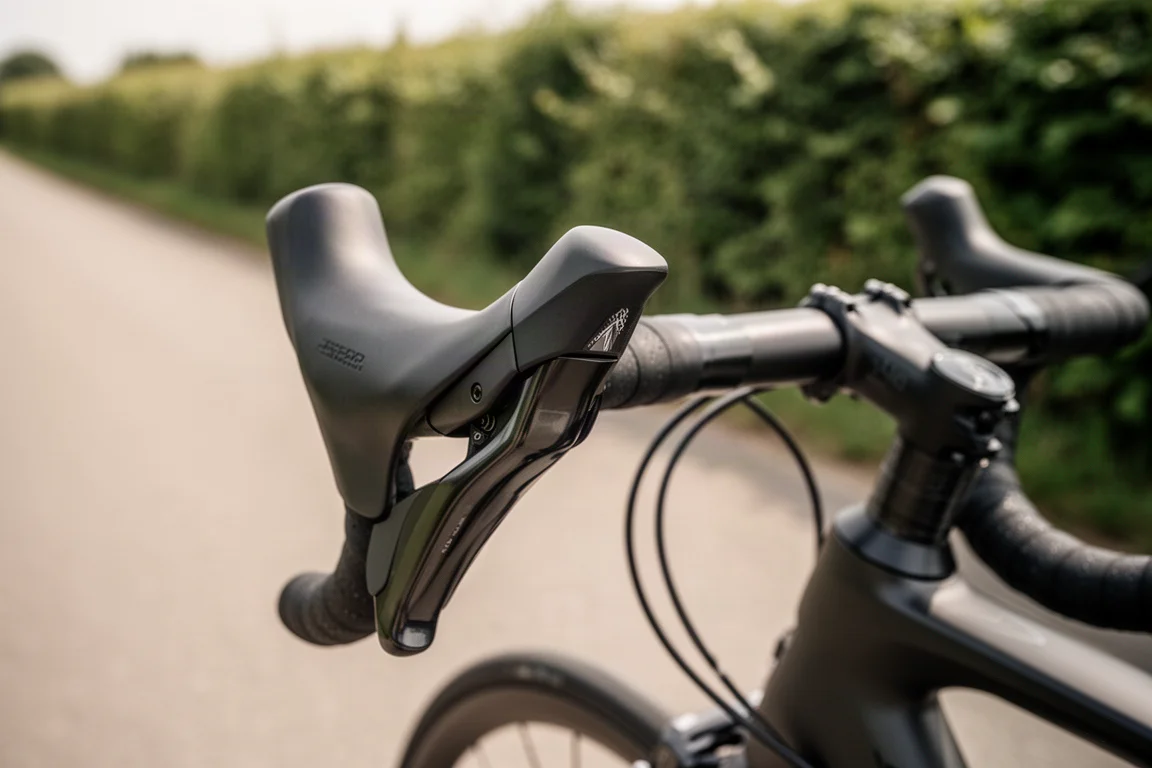
Force also gets a carbon fibre crank arm that is lighter and stiffer than the previous Force crank, which contributes to an overall weight reduction over the outgoing groupset. Together with the shared hood and brake architecture, that makes Force a genuine step up from Rival rather than a cosmetic one.
For riders weighing the two road options, the practical difference comes down to weight, materials and those bonus buttons. Hood feel, lever action and braking performance are consistent across the range.
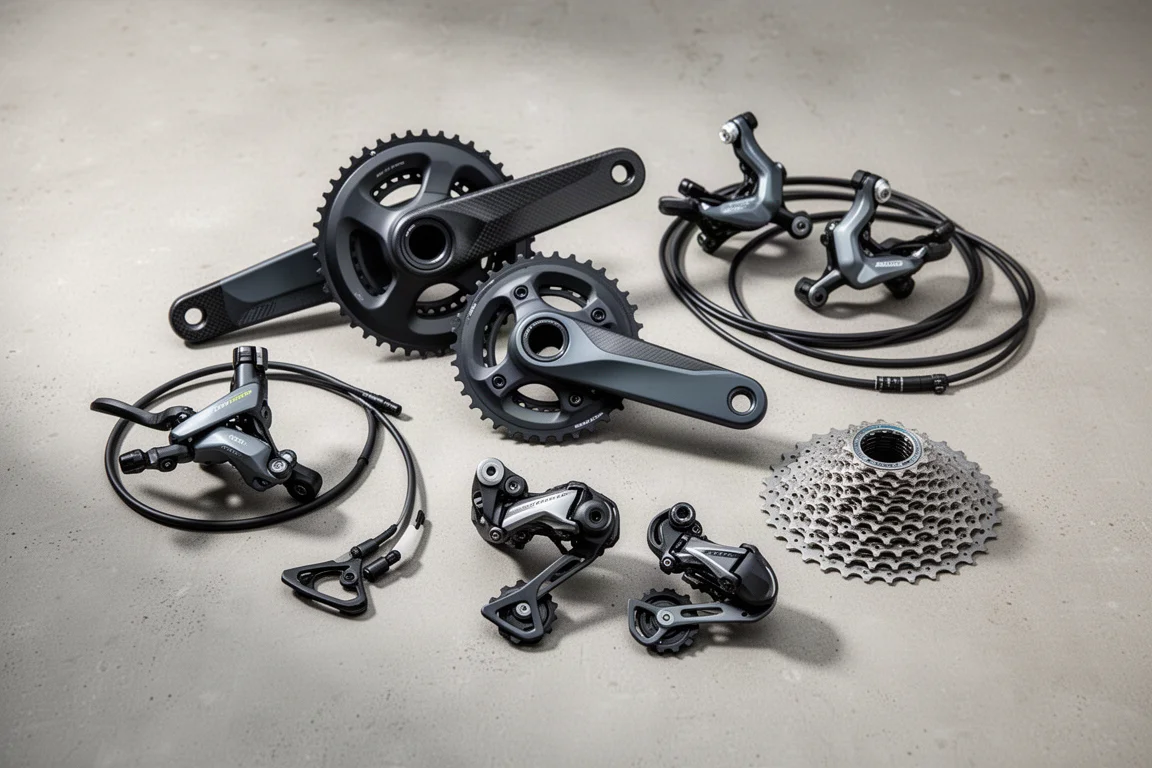
SRAM Rival XPLR AXS: One-By Gravel Simplicity
SRAM Rival XPLR AXS is the one-by thirteen-speed gravel groupset, and it shares its drivetrain architecture with the rest of the XPLR line. Spacing matches existing 12-speed setups, and the flat-top chain is the same as the 12-speed version.
The rear derailleur uses a full mount design borrowed from the mountain bike transmission world. It clamps onto the frame for a more secure and more durable interface, and the oversized housing gives the drivetrain a chunky, purposeful look.
XPLR is built around a 10-46 cassette, and there is only one cassette option in the line. That is deliberate, because setup is simplified: there is no B-screw to set, no high and low limit adjustment, and no indexing to fine-tune, since the derailleur knows its position in relation to the cassette. Riders who want taller gearing can move to an Eagle 10-52 cassette, a popular choice on gravel bikes. As with Rival AXS, there are no bonus buttons at this tier.
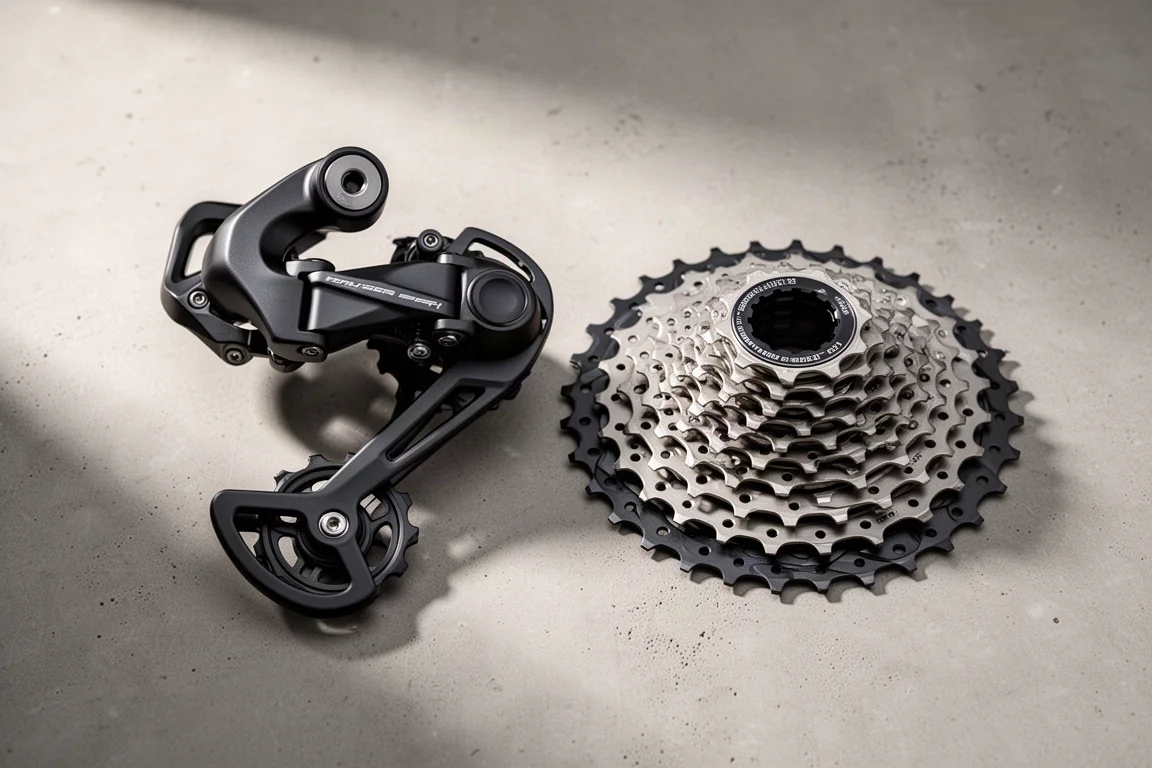
SRAM Force XPLR AXS: The Gravel Flagship Below Red
SRAM Force XPLR AXS takes the same one-by thirteen-speed gravel layout and adds the bonus buttons, along with lighter materials and a higher price. It is the closest thing to a Red-level gravel drivetrain without stepping up to the top tier.
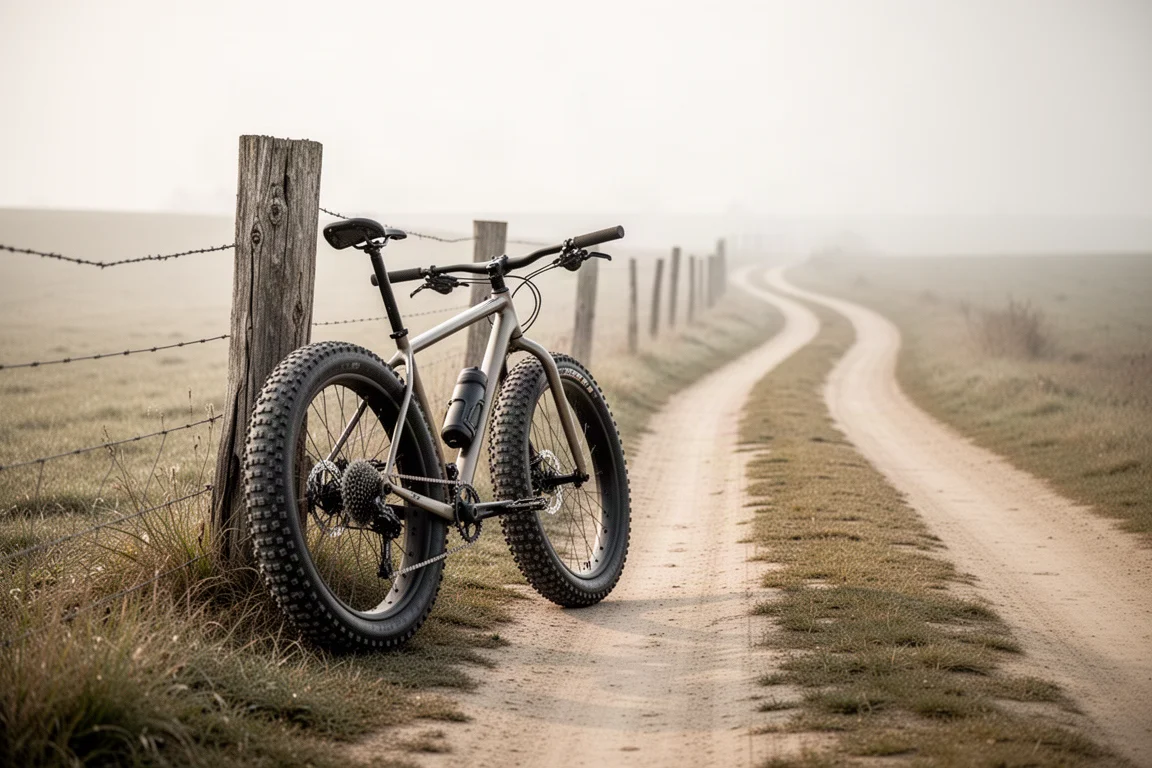
The cassette deserves a closer look. Moving from 12 to 13 sprockets would normally add weight, yet the XPLR cassette is lighter than the previous 12-speed version because it uses more aluminium sprockets. The earlier 12-speed Force cassette carried a single aluminium cog, while the new 13-speed version carries three.
That willingness to reduce weight at a lower price tier, rather than simply cutting cost, is what separates these groupsets from a straightforward trickle-down exercise. It also explains why Force and Rival feel much closer to Red than the price gap between them suggests.
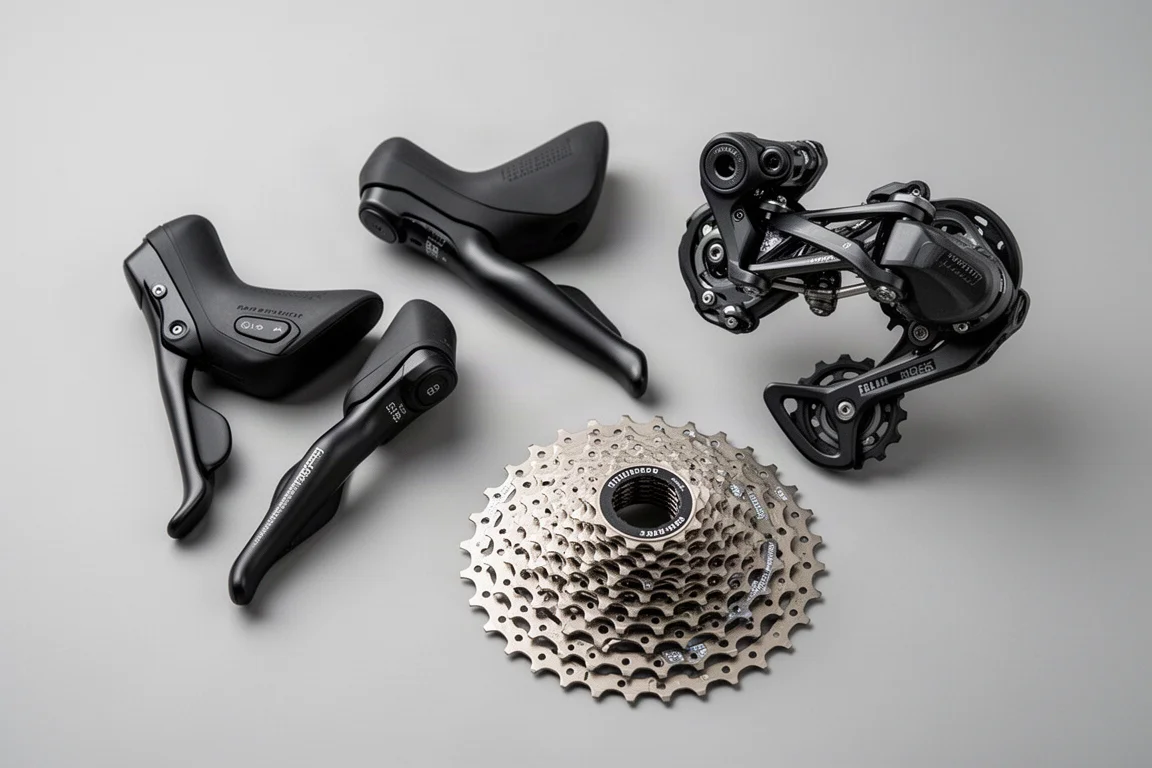
What the New Groupsets Share
All four groupsets benefit from technology first introduced on Red less than a year ago, and all four are available now. Several bike brands are expected to offer complete bikes with the new groupsets, so it is worth checking with local dealers and shops as stock arrives.
Hood ergonomics, braking performance and lever feel are consistent across the range, which means the experience of riding Rival and Force sits much closer to Red than the pricing suggests. The remaining differences are weight, materials and the presence or absence of bonus buttons. Riders who already own a SRAM Force or Rival 12-speed bike also have the option of upgrading only the hoods and brakes rather than replacing the whole groupset.
Buying Advice: Which Groupset Suits Your Riding
Choosing between the four comes down to two decisions: road or gravel, and how much the weight saving and bonus buttons are worth to you.
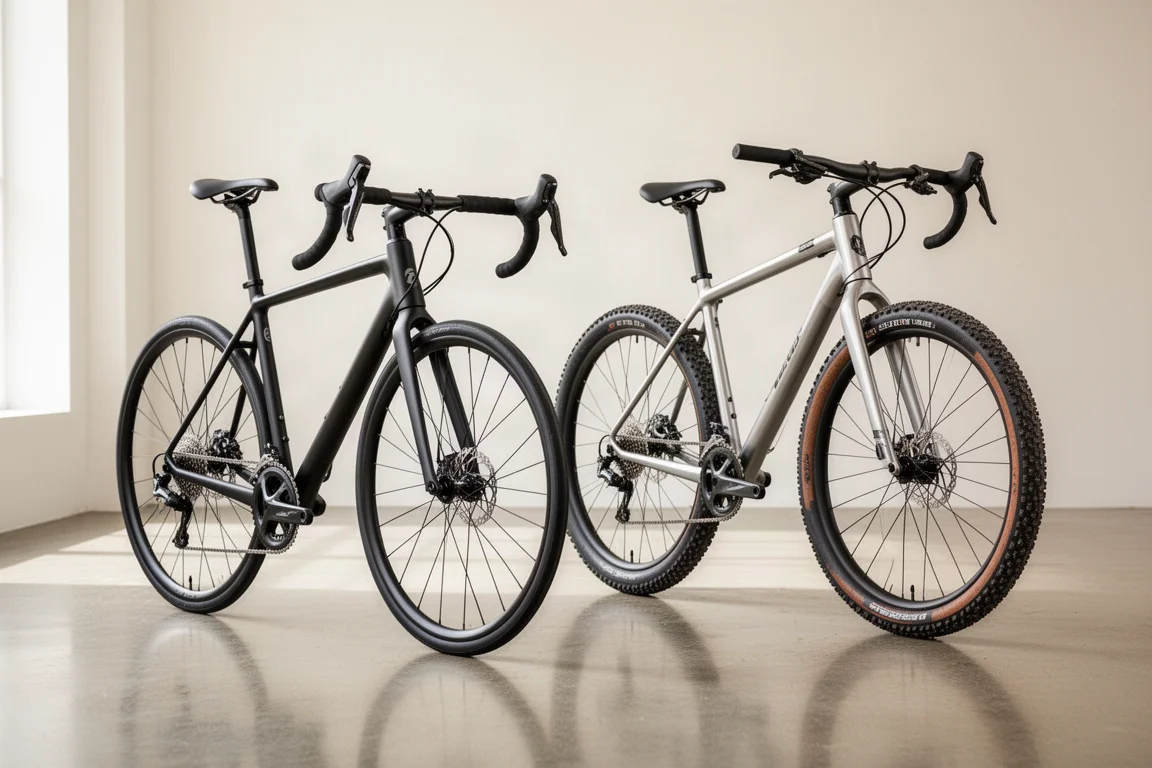
For road riders, Rival AXS is the sensible starting point if budget matters and the bonus buttons are not a priority. Force AXS makes more sense for riders who want the extra shift functions and the lighter carbon crank arm, and who are willing to pay more for them.
On the gravel side, Rival XPLR AXS delivers the same one-by thirteen-speed range and the same simplified setup at a lower price. Force XPLR AXS is the pick for riders who want the lightest gravel build below Red and value the bonus buttons. Because all four groupsets are backwards compatible with existing Force and Rival 12-speed setups, a partial upgrade is a practical middle path for anyone who already likes their current bike.
Conclusion
Four groupsets, two disciplines and one clear theme: SRAM has moved top-tier shifting, braking and hood comfort down the range while making each groupset lighter than the version it replaces. Rival delivers the essentials at the lowest price, Force adds bonus buttons and lighter components, and the XPLR versions bring the same approach to one-by gravel drivetrains. Whichever tier fits your budget, the gap to the top of the range is now much smaller than the price difference suggests.
Further reading
Related Reviews
Bike Groupsets
Best Value Road Bike Groupsets 2026: Shimano 105, SRAM Apex and Rival Compared
Affordable groupsets now deliver most of the performance of flagship tiers. Here is how Shimano 105, SRAM Apex and Rival AXS compare for real riders.
Bike Groupsets
Gravel Bike Groupsets Compared: Shimano GRX 400, SRAM Red Eagle XX1 Mullet, and SRAM Rival GX
A roughly £600 mechanical groupset, a roughly £3,500 electronic mullet build, and the roughly £1,500 middle ground, compared on two identical gravel bikes.
Bike Groupsets
LTWOO RX Groupset Review: A Complete 12-Speed Package With Two Real Compromises
A complete 12-speed groupset package with premium-feeling shifters and smooth road shifting, plus two limitations worth checking against your own frame.