Bike Groupsets
Best Value Road Bike Groupsets 2026: Shimano 105, SRAM Apex and Rival Compared
Affordable groupsets now deliver most of the performance of flagship tiers. Here is how Shimano 105, SRAM Apex and Rival AXS compare for real riders.
Introduction
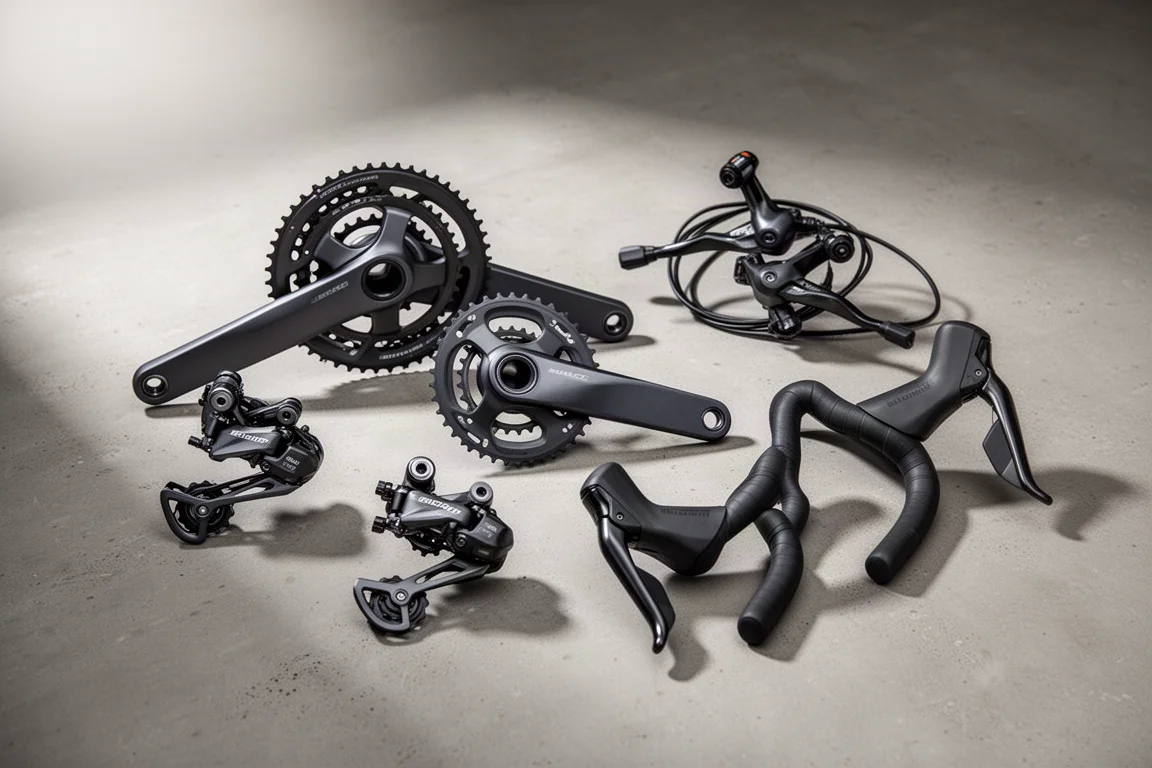
Groupset choice is one of the biggest decisions in a bike build, and it is also where prices climb fastest. Flagship drivetrains sit at the very top of the range, and there is no arguing with how light and refined they are. The more useful question for most riders is whether the tiers below them deliver enough.
Recent experience with the current generation of Shimano 105 and SRAM Apex suggests the answer is yes. Both have been ridden for months across a range of terrain, and both deliver performance that is genuinely close to the flagship tier. Riders who want the lightest possible build should still look upward. Riders who want excellent shifting and braking for a fraction of the outlay have real options.
This guide looks at five groupsets worth considering, what each one does well, and where the compromises actually sit.
How to Judge a Modern Groupset
Six things matter in practice: shift speed, braking power and modulation, hood ergonomics, long term reliability, gearing range, and weight. Everything else tends to be marketing.
Weight is the one area where affordable groupsets genuinely give ground. A cheaper drivetrain will typically be a little heavier, and the difference shows up on a scale. On the road, though, the gap is far less obvious than the price gap suggests. Shifting speed, braking feel and hood comfort are all much closer across tiers than most riders expect, and once the ride is underway the differences blur.
Maintenance is worth a thought too. Electronic systems remove cables, which means nothing to stretch, wear out or snap, and shifting stays consistent over time. Mechanical systems avoid batteries and companion apps entirely, which some riders prefer for simplicity.
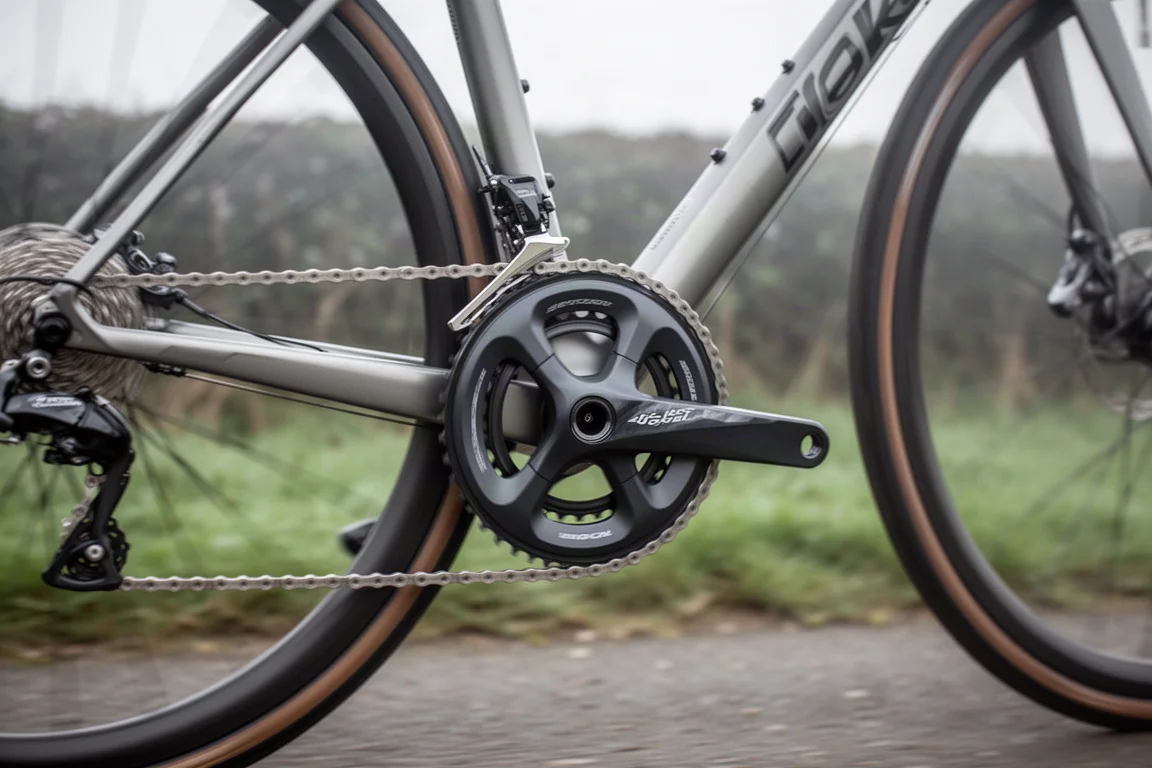
Gearing is the other practical consideration. A compact chainset with a wide ratio cassette covers steep gradients comfortably, while a single ring setup trades some range for simplicity and fewer parts.
Shimano 105 Di2: Electronic Shifting Without Flagship Money
Shimano 105 Di2 brings electronic shifting and hydraulic disc brakes to a much lower price than the two tiers above it. Ridden over several weeks on a carbon endurance road bike, it works extremely well.
Shift speed and braking performance are not quite a match for the more expensive groupsets, but the difference is small enough that it is hard to justify the extra spend unless saving weight is the goal. Weight is the clearest area where this groupset gives ground, and it looks a little chunkier than the tiers above. In every other respect, from hood ergonomics to shift accuracy and reliability, it performs at a level most riders will never find lacking. The front derailleur shifts as quickly and reliably as anyone could reasonably ask, and a compact chainset paired with an 11-36 cassette makes steep gradients manageable. One bike built around this groupset, weighing around 8.6 kg, was ridden up one of the toughest steep climbs without the rider needing to get off.
Pricing is where the argument becomes compelling. The groupset retails for just under £1,000 on its own, and complete carbon road bikes with electronic shifting and hydraulic disc brakes start at just over £2,000.
Shimano 105 Mechanical: The Value Benchmark
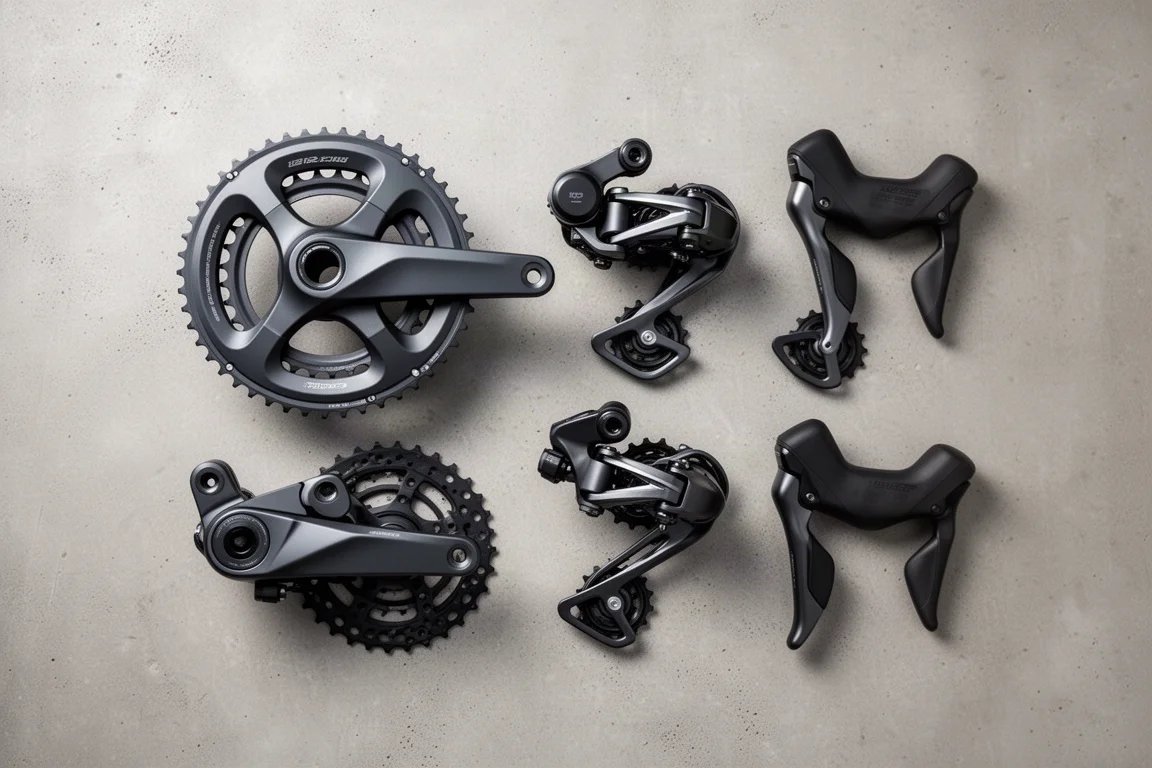
Mechanical 105 is the version that asks the fewest questions. It brings 12-speed gearing, hydraulic disc brakes and the same reliability and ergonomics as the electronic option, with no batteries to charge and no apps to manage. Ridden over several months on a rebuilt bike, it has been consistently satisfying with nothing to fault.
At around £500 for the groupset on its own it is a strong value proposition, and complete bikes fitted with it start at just over £1,500. Modern mechanical 105 is also a clear step beyond mid-tier groupsets from around 14 years ago. Today’s bikes pair it with better frames, wheels and tyres, and the drivetrain itself carries considerably more technology.
SRAM Apex AXS: One-by Simplicity for Gravel and All-Road
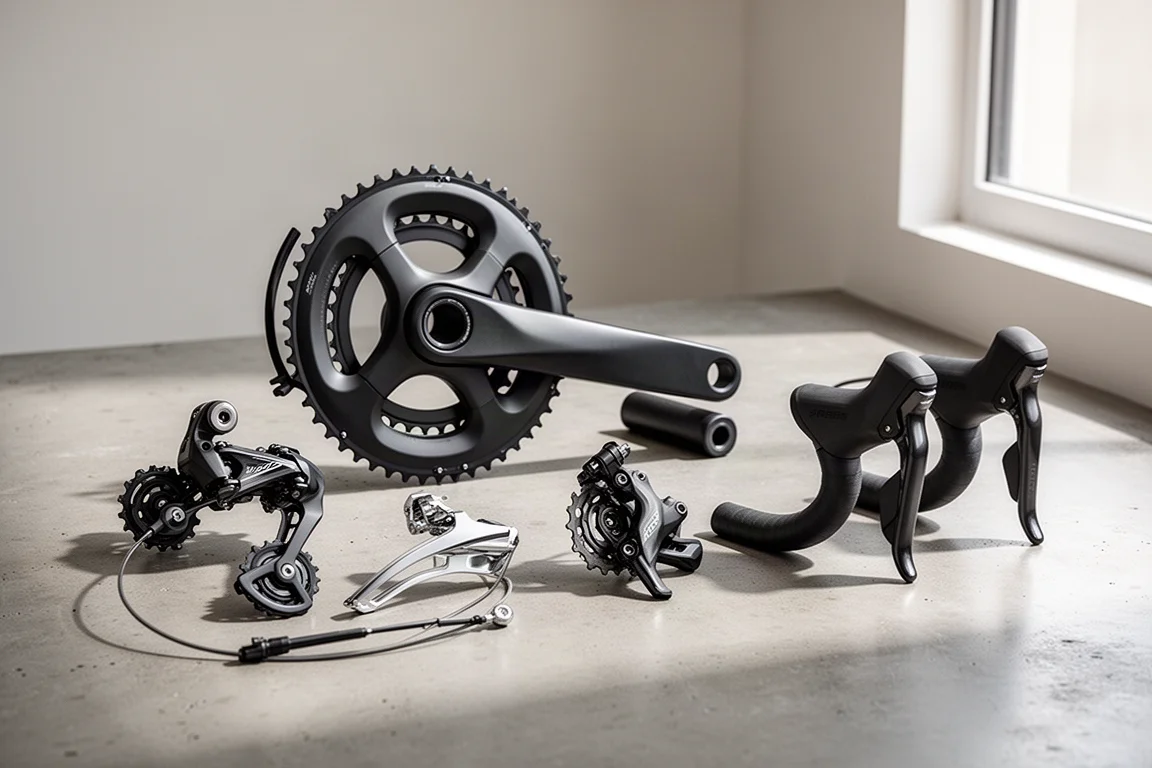
Apex is SRAM’s most affordable groupset and is offered in both mechanical and electronic versions. The electronic version has been in use for several months and shows how strong this tier has become.
Braking and shifting match the fast, easy feel of the more expensive SRAM tiers, and the ergonomics are perfectly acceptable. The hoods are shared with Force and Rival, so they are small, compact and comfortable, and braking is very powerful. Electronic shifting makes gear changes as simple as pressing a button, which is a genuine benefit on long days, off-road sections and bikepacking trips. There are also no cables to wear out or snap, and reliability has been very good. The gear range from the single ring setup has handled the hills without trouble.
The one real limitation is that Apex is only offered as a wide range one-by groupset with a single ring at the front, aimed primarily at gravel bikes. It can plausibly serve as an all-road option, and riders who want a two-by setup should look at Rival AXS instead.
SRAM Rival AXS: Wireless Two-by Reliability
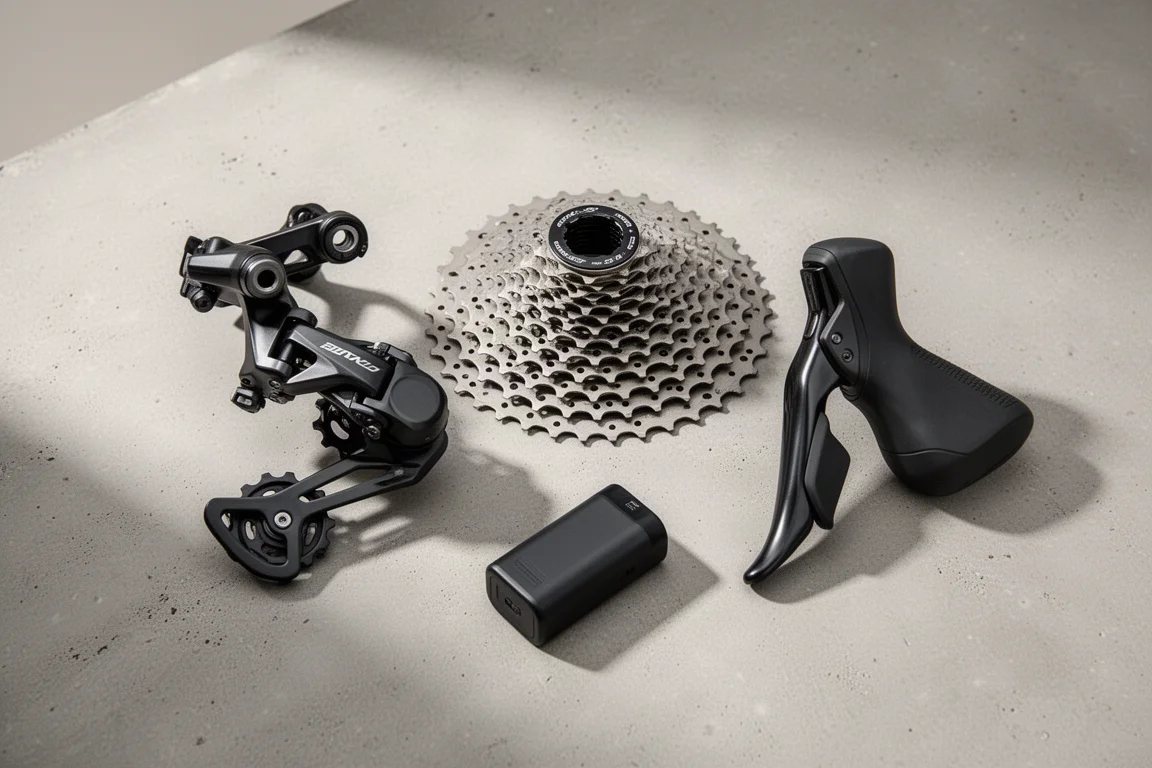
Rival AXS is the answer for riders who want wireless electronic shifting and a two-by drivetrain. It is available in both two-by and one-by versions and has been in use on a road bike for more than two years with complete reliability.
Performance sits at roughly 98 percent of the tiers above it, and weight is the only real drawback. On the road, that weight has not held anything back. Because Rival AXS has been on the market for a few years, groupset pricing has become very attainable, and complete bikes built around it are reasonably affordable.
For riders who want the flexibility of two chainrings, wireless shifting and long term dependability, this is one of the most straightforward recommendations in the current market.
MicroShift Sword: A New Affordable Option to Watch
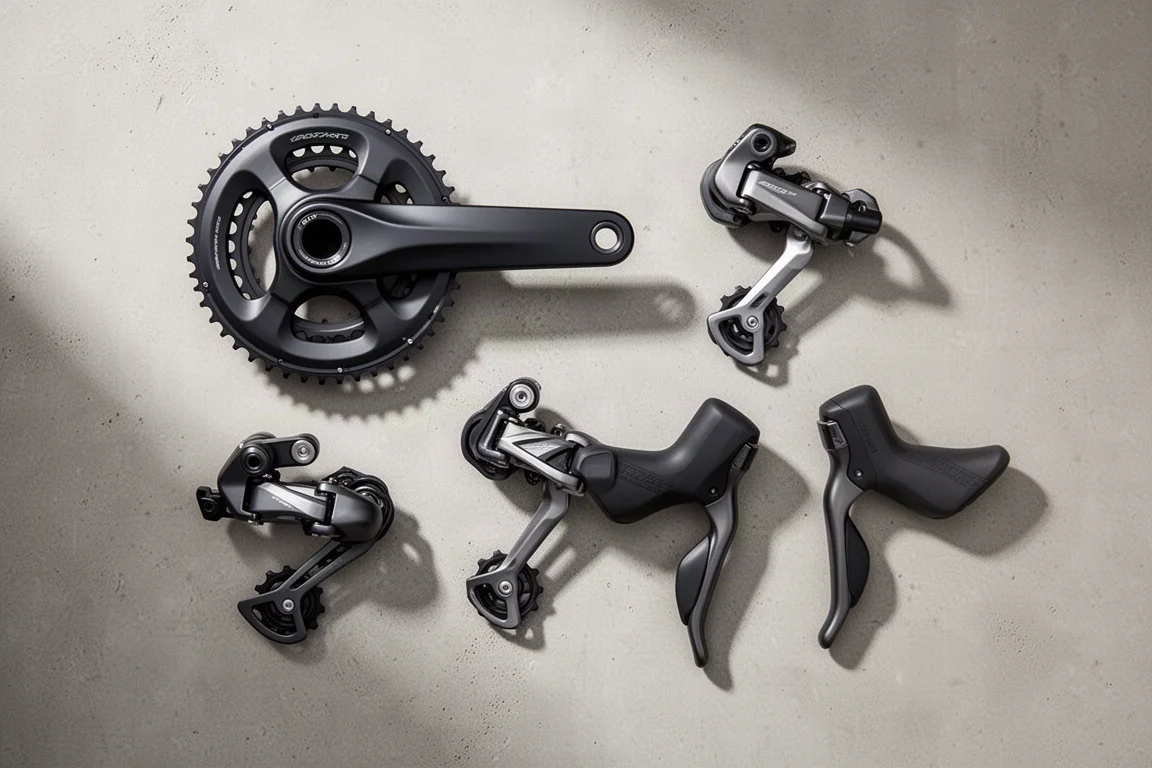
Beyond the two dominant players, newer and more affordable groupsets are gaining attention. MicroShift Sword is one of them, and a build using it is currently underway. Early impressions suggest it is a genuinely good option for riders who want a capable drivetrain at a lower cost.
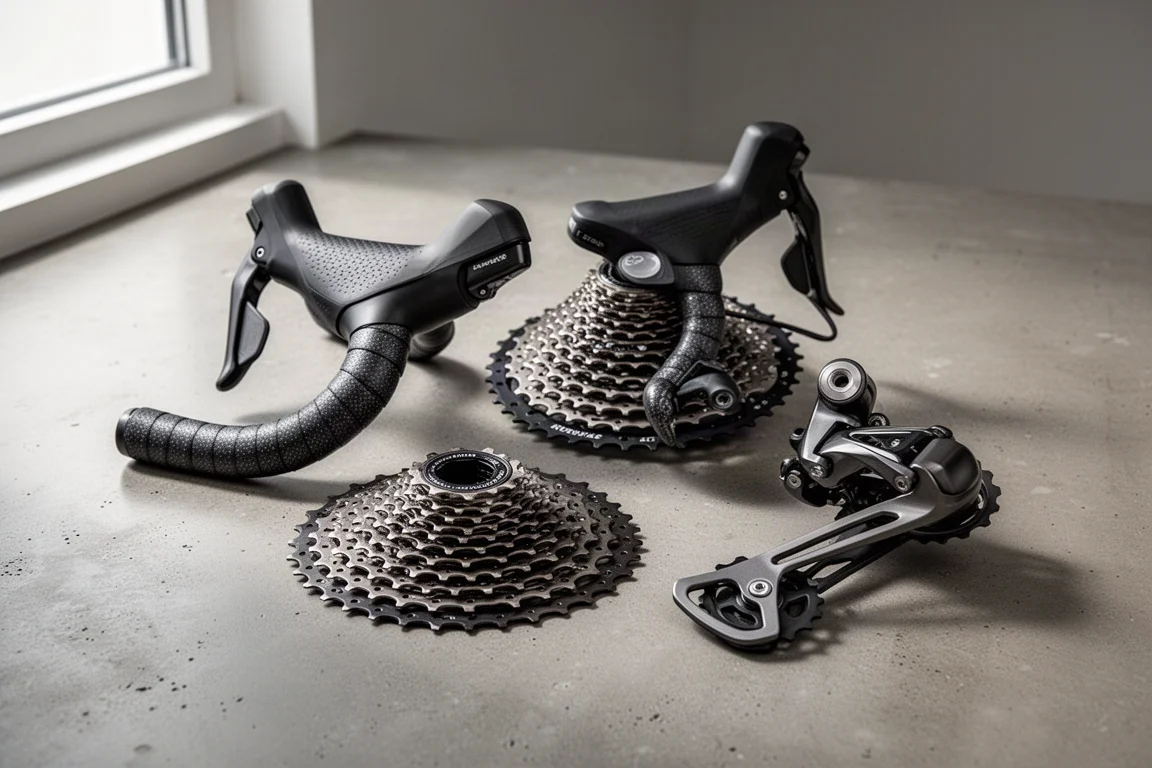
What to Weigh Before You Buy
Start with weight. If a lighter build is the priority, the flagship tiers still have a clear advantage, and that is the most honest reason to pay more. If performance, reliability and ergonomics matter more than the number on the scale, the affordable tiers cover almost everything.
Then match the drivetrain to the riding. A wide range one-by setup suits gravel and mixed surface riding, while a two-by setup gives more range and closer steps for road use. Electronic shifting removes cables and adds convenience. Mechanical shifting removes batteries and apps and keeps things simple.

Price is the final filter, and it is worth looking at complete bikes rather than groupsets alone. Electronic shifting and hydraulic disc brakes are now available on carbon road bikes at prices that would have been hard to imagine a decade ago, and mid-tier mechanical groupsets appear on well equipped bikes for less again.
Conclusion
There is no argument that flagship groupsets are lighter and more refined, and riders who want the very best and can afford it should buy them. For everyone else, the tiers below deliver the shifting speed, braking power, ergonomics and reliability that most riding actually demands.
Shimano 105 in both mechanical and electronic form, SRAM Apex AXS and SRAM Rival AXS all make a strong case, and MicroShift Sword is worth watching as another affordable option. Spending less no longer means settling for less in any meaningful way.
Further reading
Related Reviews
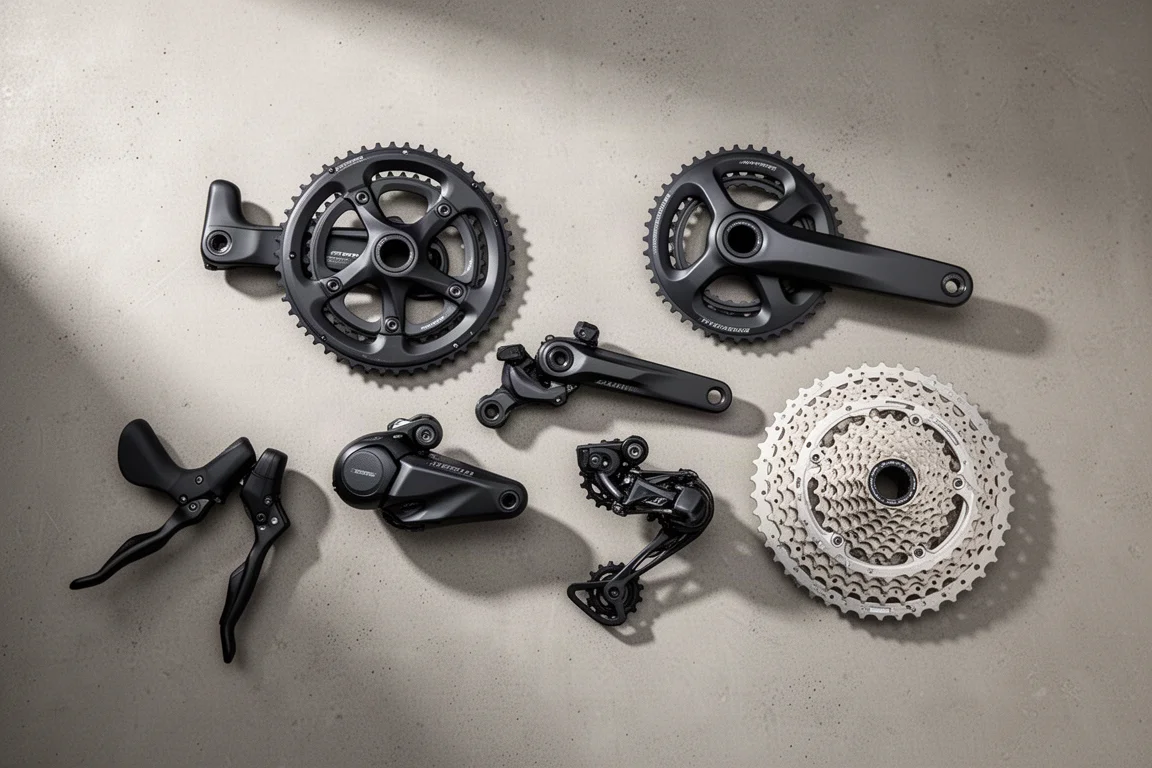
Bike Groupsets
Gravel Bike Groupsets Compared: Shimano GRX 400, SRAM Red Eagle XX1 Mullet, and SRAM Rival GX
A roughly £600 mechanical groupset, a roughly £3,500 electronic mullet build, and the roughly £1,500 middle ground, compared on two identical gravel bikes.
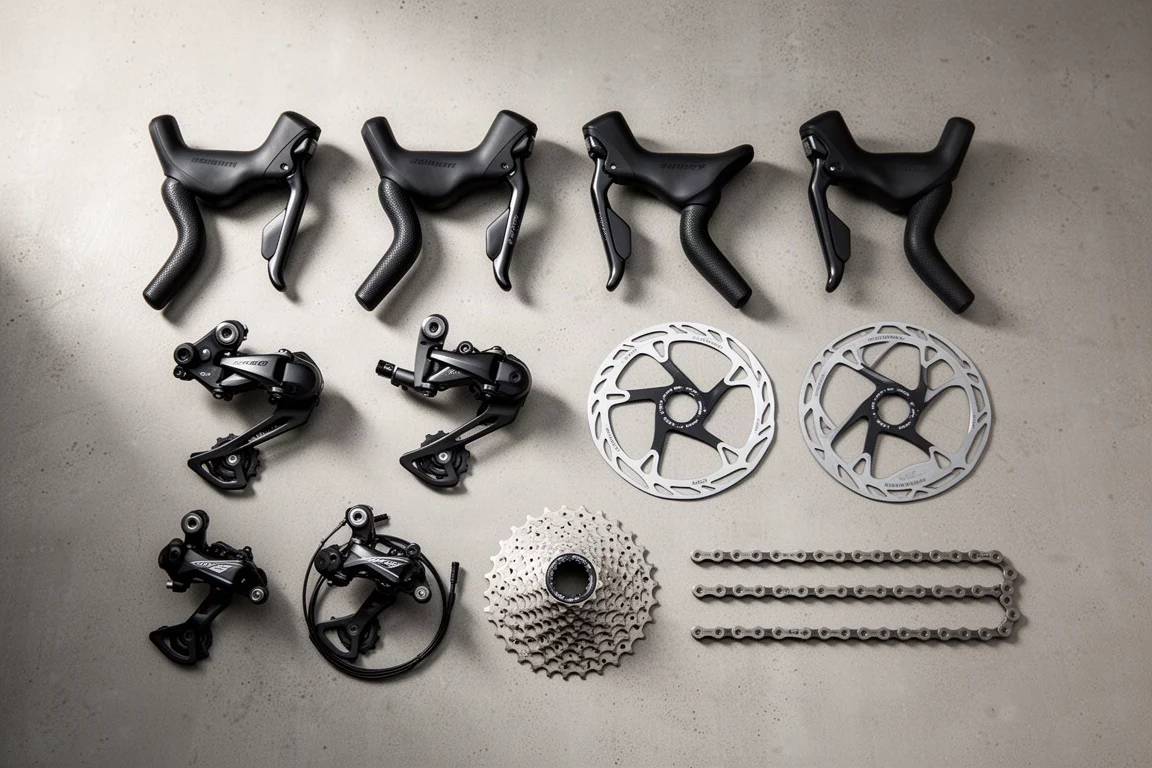
Bike Groupsets
LTWOO RX Groupset Review: A Complete 12-Speed Package With Two Real Compromises
A complete 12-speed groupset package with premium-feeling shifters and smooth road shifting, plus two limitations worth checking against your own frame.
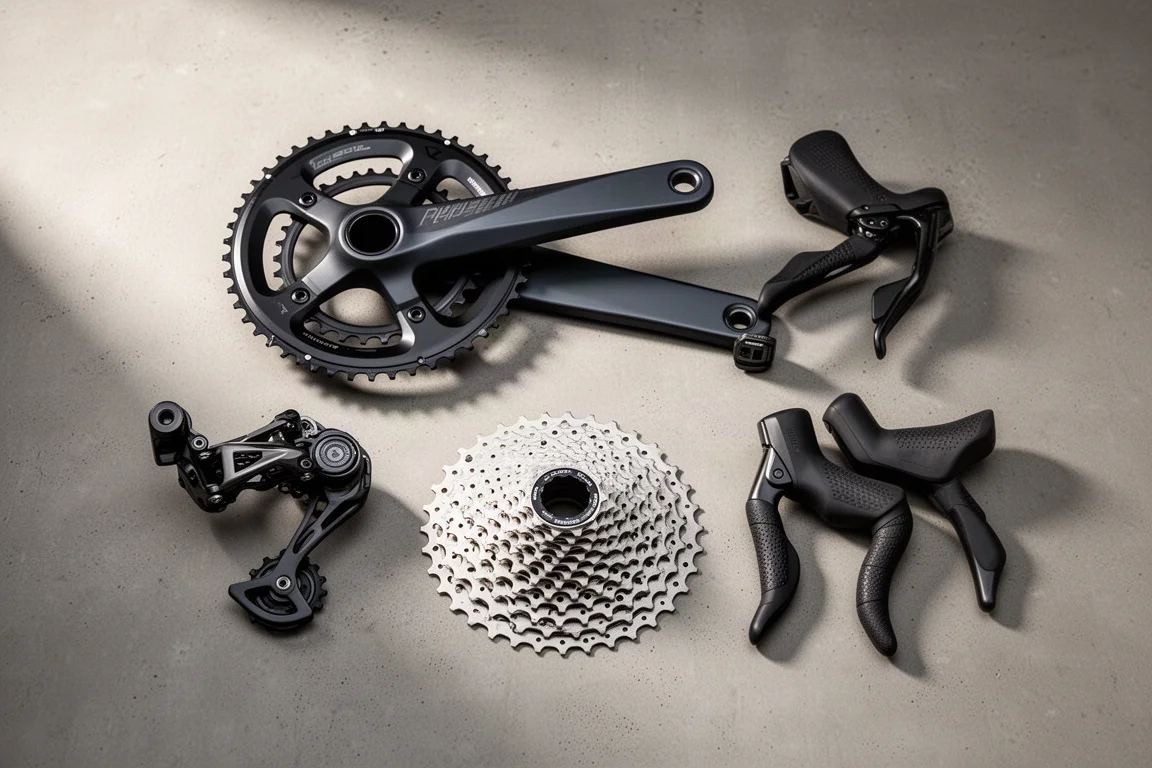
Bike Groupsets
Microshift Sword Review: Mechanical Simplicity for Gravel and Touring Bikes
A mechanical gravel groupset with very low gears, dependable shifting, and an accessible price, plus the trade-offs to weigh before you build.