Bike Groupsets
Gravel Bike Groupsets Compared: Shimano GRX 400, SRAM Red Eagle XX1 Mullet, and SRAM Rival GX
A roughly £600 mechanical groupset, a roughly £3,500 electronic mullet build, and the roughly £1,500 middle ground, compared on two identical gravel bikes.
Introduction
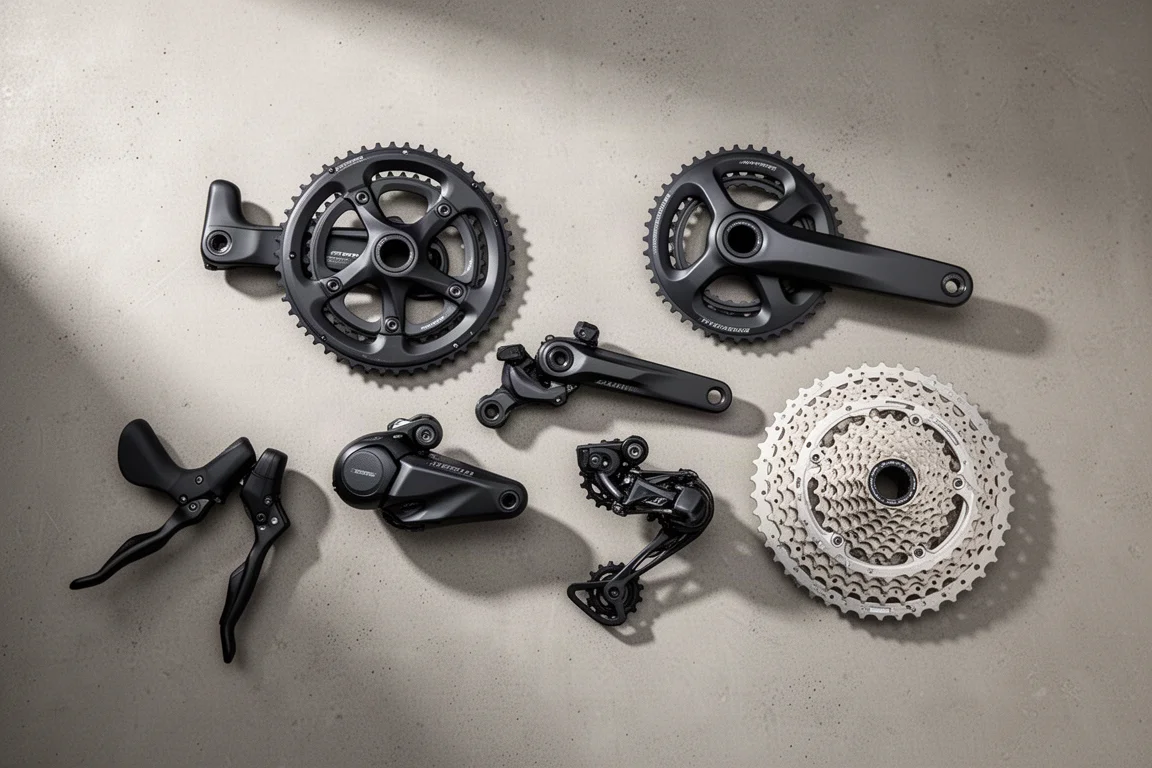
Two identical gravel bikes, one variable. The frames, saddles, seatposts, handlebars, and geometry are all the same. The only difference is the groupset: one bike runs Shimano GRX 400 at roughly £600, the other runs a SRAM Red Eagle XX1 mullet build at roughly £3,500. Building both bikes the same way means weight differences can be measured rather than guessed, and ride impressions are easier to trust because nothing else changes underneath.

That is a price gap of more than five times. The useful question is not which groupset is better in the abstract, but whether the extra money shows up anywhere a normal rider would actually feel it on a gravel ride.
What Actually Matters in a Groupset
Five things separate these builds. The first is weight: the GRX 400 bike came in at 8.66 kg and the SRAM Red build at 7.88 kg, a difference of well under a kilogram. The second is gearing, both range and the size of the jumps between sprockets. The third is shifter ergonomics, particularly how far the levers place your hands from the bar. The fourth is braking feel and stability under hard braking. The fifth is ownership cost, which covers both how easy a groupset is to work on and how much replacement parts cost over the life of the bike.
Shimano GRX 400: The Affordable Workhorse
GRX 400 is a 10-speed mechanical groupset with two chainrings at the front and hydraulic disc brakes, and it sits at roughly £600, though it can often be found online for less. On a light frame and finishing kit it produced an 8.66 kg build. For a groupset positioned at Tiagra level, the shifting felt genuinely well set up: clean, quick, and easy to live with.
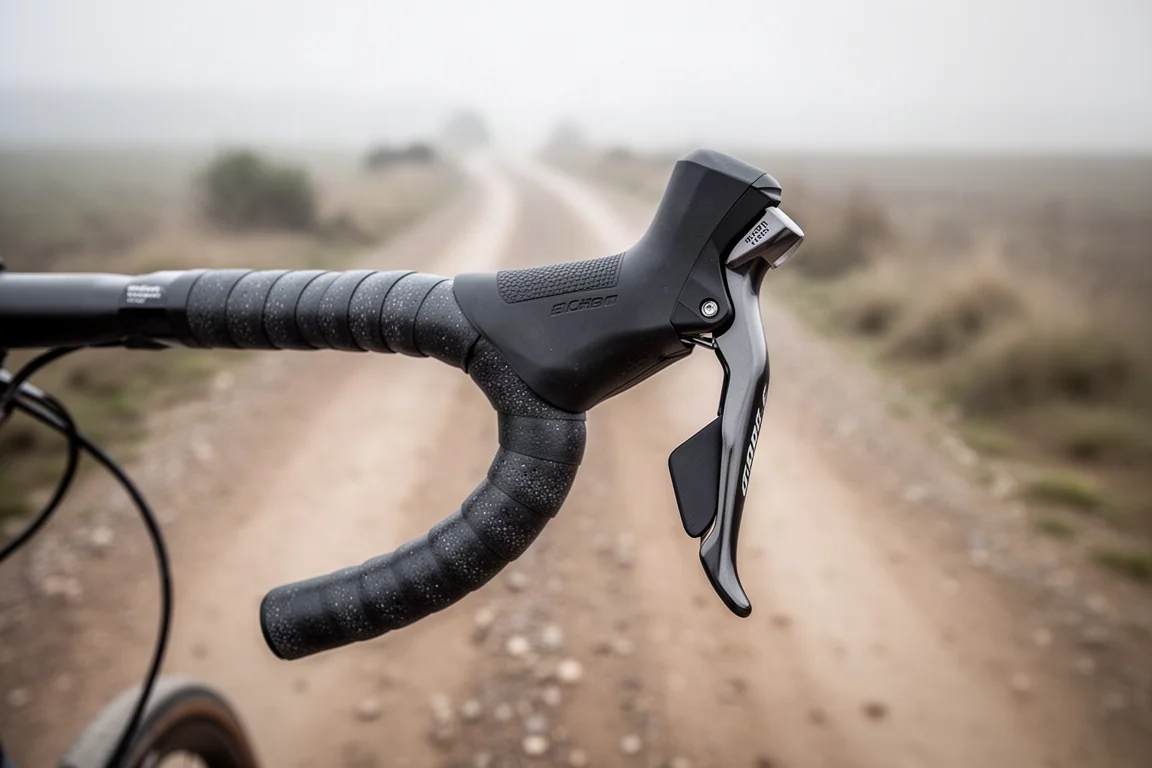
Gearing is where it makes a trade-off. With a 30-tooth chainring and a 34-tooth largest sprocket, the lowest gear is effectively one to one. Despite having two chainrings, the total range is actually narrower than the single-chainring bike, but the steps between gears are tighter, which suits riders who like to hold a steady cadence.
Braking is the strongest argument for this build. The Shimano hydraulic brakes modulated better, felt smoother at the lever, and kept the bike straight when the brakes were applied hard, and they did this on a groupset costing a fraction of the alternative. One rotor made some noise during testing, which was put down to dirt rather than the brake itself.
View more details for Shimano GRX 400
SRAM Red Eagle XX1 Mullet: Premium Electronic Shifting
At roughly £3,500, the SRAM Red Eagle XX1 mullet build is electronic and wireless, with hydraulic brakes and a ceramic bottom bracket. It is 12-speed, single chainring at the front, and it brought the complete bike down to 7.88 kg.
The gearing philosophy is different. A 46-tooth chainring paired with a 52-tooth largest sprocket gives more total range than the Shimano build, but with larger jumps between sprockets. Riders at the limit of their fitness tend to notice those gaps, and the extra range is most welcome on steep, loose terrain rather than on flatter gravel roads.
Shifting itself feels premium and requires almost no effort, which is a real benefit with cold hands. The shifters are also more compact. Measuring from where the lever meets the bar to where your hand sits gives roughly 8 cm on the SRAM setup against about 9 cm on the Shimano one, so the SRAM build places your hands about a centimetre closer. That matters more than it sounds, because reducing reach is one of the hardest fit adjustments to make: stem length changes affect handling, whereas saddle position has plenty of range.
The wireless design has practical benefits beyond feel. With no cables to route internally, removing and refitting parts becomes straightforward, a wireless dropper post can be added, and the function of the shifter buttons can be changed through an app. The counterweight is ownership cost. A replacement cassette runs around £450, with the newest version nearer £600, a chain around £100, and rotors around £100 each. If the electronics fail, there is no mechanical fallback.
SRAM Rival GX: The Middle Ground
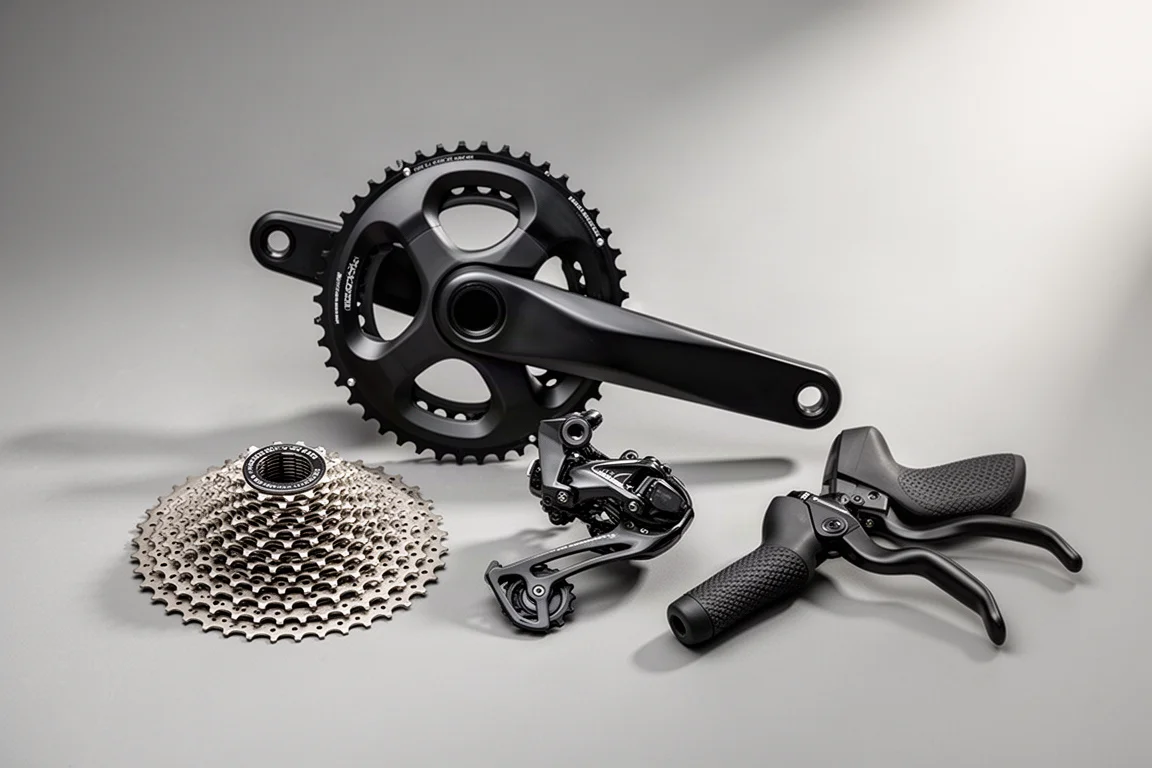
Rival GX is a mullet-style groupset that delivers the same ratios and the same functionality as the premium build, in a heavier package at around £1,500 instead of £3,500. What you give up is the ceramic bottom bracket, the more premium finish on the shifters, and some weight.

That combination is the most interesting proposition of the three. It keeps the wide-range mullet gearing and the electronic feel while cutting the price by more than half, and it stays comfortably below the cost of the flagship build without dropping back to the tightest budget option. For riders who want the mullet layout and the shifting experience but cannot justify a car-sized outlay, this is the sensible landing point.
Where the Sweet Spot Really Sits
Start with the number that gets quoted most often: weight. A difference of less than a kilogram between the two complete bikes is not what wins a ride. If a groupset is the only reason you would win an uphill gravel race, you were not going to win it in the first place.
Speed count matters less than expected too. Moving from 10 to 12 gears is not the dividing line for most riders. The more noticeable factor is single versus double chainrings and the terrain you ride. On predominantly road-style riding with a single chainring and a large cassette, the gaps between gears become obvious. On gravel and looser surfaces, they rarely do. There are genuine advantages to a single chainring as well: less to maintain, less to clean, and fewer parts to go wrong.
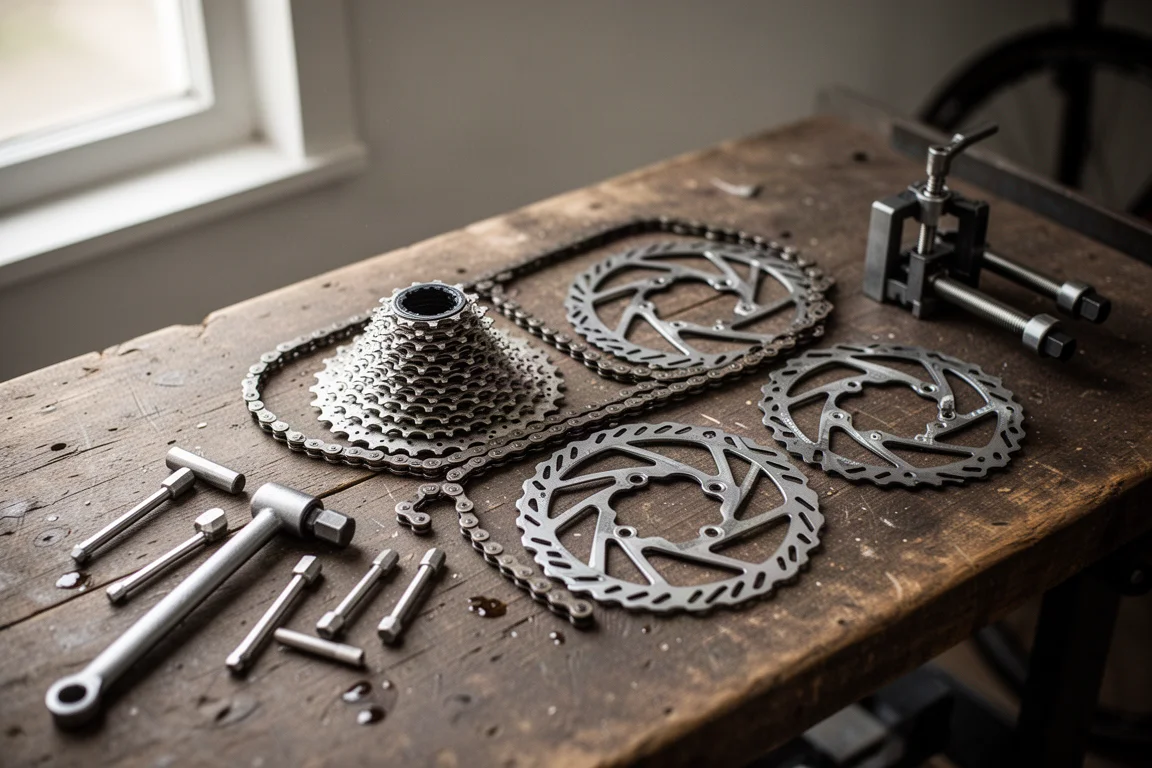
Then there is the long-term bill. A 10-speed chain costs around £25, and a replacement cassette around £25 to £30. On the premium build, those same consumables run into the hundreds, and rotors are a significant cost on their own. Easier maintenance on a wireless system is real, but so is the fact that it costs more to maintain. That balance is worth weighing before committing.
The realistic conclusion is that GRX 400 is excellent value and does everything a gravel rider needs: it shifts well, it brakes better than its price suggests, replacement parts are cheap, and with basic mechanical knowledge it will last a long time. The premium electronic mullet build feels better and looks better, but that is a luxury purchase rather than a performance requirement. The mid-range mullet groupset is where most riders will find the best balance, since it borrows the ratios and the functionality of the flagship option at a much lower price. If you are planning upgrades, the groupset is one of the last places your money needs to go, because a well-chosen bike already feels good without it.
Conclusion
The price ladder here runs from roughly £600 to roughly £3,500, and the ride quality does not scale with it. If budget is the priority, GRX 400 delivers strong braking, tidy shifting, and inexpensive ownership. If you want the mullet gearing and the electronic experience without the flagship price, the mid-range option is the sweet spot. The top-tier build is genuinely lovely, and it is also the one most riders do not need.
Further reading
Related Reviews
Bike Groupsets
Best Value Road Bike Groupsets 2026: Shimano 105, SRAM Apex and Rival Compared
Affordable groupsets now deliver most of the performance of flagship tiers. Here is how Shimano 105, SRAM Apex and Rival AXS compare for real riders.
Bike Groupsets
LTWOO RX Groupset Review: A Complete 12-Speed Package With Two Real Compromises
A complete 12-speed groupset package with premium-feeling shifters and smooth road shifting, plus two limitations worth checking against your own frame.
Bike Groupsets
Microshift Sword Review: Mechanical Simplicity for Gravel and Touring Bikes
A mechanical gravel groupset with very low gears, dependable shifting, and an accessible price, plus the trade-offs to weigh before you build.