Road Bike Groupsets
SRAM Force AXS vs Shimano Ultegra R8100: Which Road Groupset Fits You?
SRAM Force AXS and Shimano Ultegra R8100 compared on weight, price, braking, shifting, ergonomics, gearing range and power meter options.
Introduction
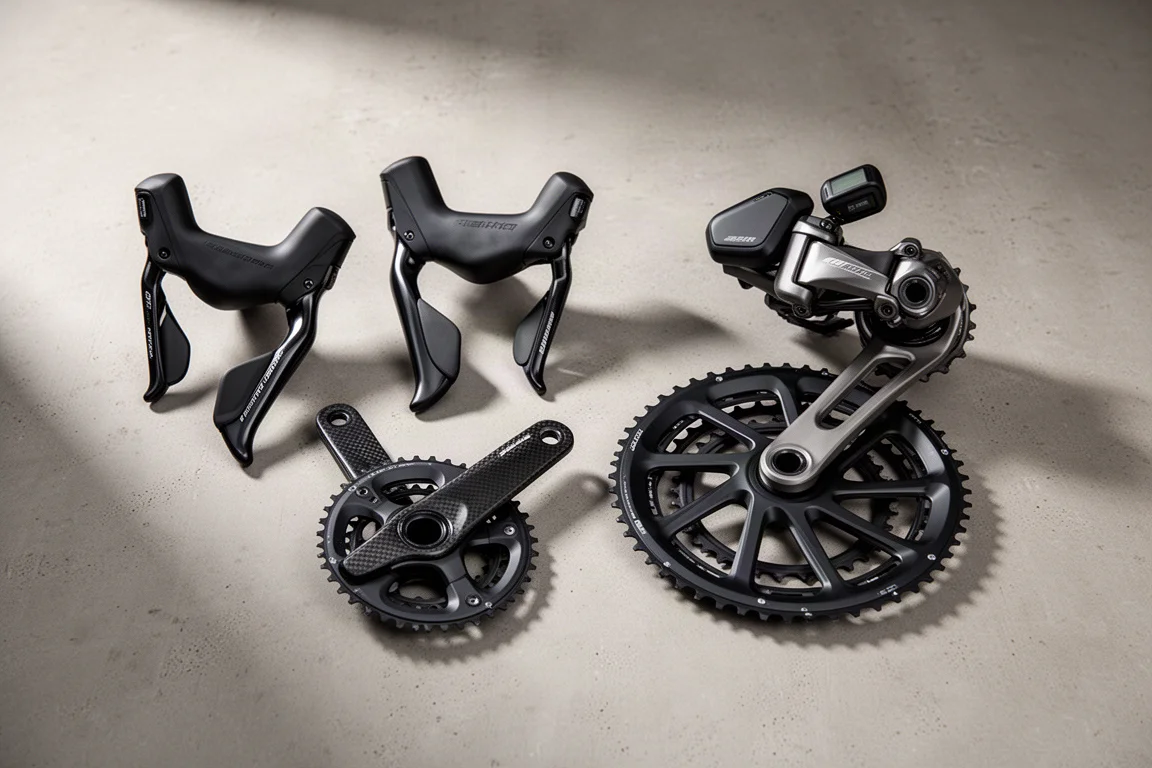
SRAM’s updated Force groupset is the brand’s second-tier road groupset, and the obvious question is how it stands up against its closest equivalent rival, Shimano Ultegra R8100, which was itself updated not long ago. Both are electronic, both sit in the same part of the road market, and both have clear strengths.
This comparison works through claimed weight, price, braking, shift speed, ergonomics, charging, gearing range and power meter options, then pulls everything together into practical buying advice.
How These Two Groupsets Compare
Judging one groupset against another comes down to a mix of measurable numbers and personal preference. Claimed weight, purchase price, running costs, braking power, shift speed and feel, hood ergonomics, charging routines, gearing range and power meter options all matter, but they do not all matter equally to every rider.
Some categories produce a clear winner. Others, such as shift speed on the cassette, are so close that the difference is hard to measure in real riding. That is worth keeping in mind before treating any single number as decisive.
The sections below work through each area in turn. If you already know which factors matter most to you, you can move straight to the parts that apply to how you ride.
SRAM Force AXS: What the Update Brings
SRAM’s updated Force AXS is the brand’s second-tier road groupset, and the changes it received were significant without being extensive. The result sits much closer to its closest rival than the previous version did.
Charging is the clearest practical advantage. The derailleur batteries detach and slot into a charging block, the new docks charge faster than before, and a multi-battery charger means you no longer have to charge one battery at a time. SRAM also offers up to six fully wireless Blips, or three pairs, which can be placed anywhere on the bars because no cables are involved.
Shifting logic is deliberately simple: one button on one side shifts up at the rear, one button on the other side shifts down, and pressing both together changes the front chainring. The learning curve takes a minute or two. Gearing is another strength, with a wider spread from easiest to hardest ratios than the equivalent Shimano setup, plus 1x options for riders who want them.
Shimano Ultegra R8100: Braking, Shifting, and Ergonomics
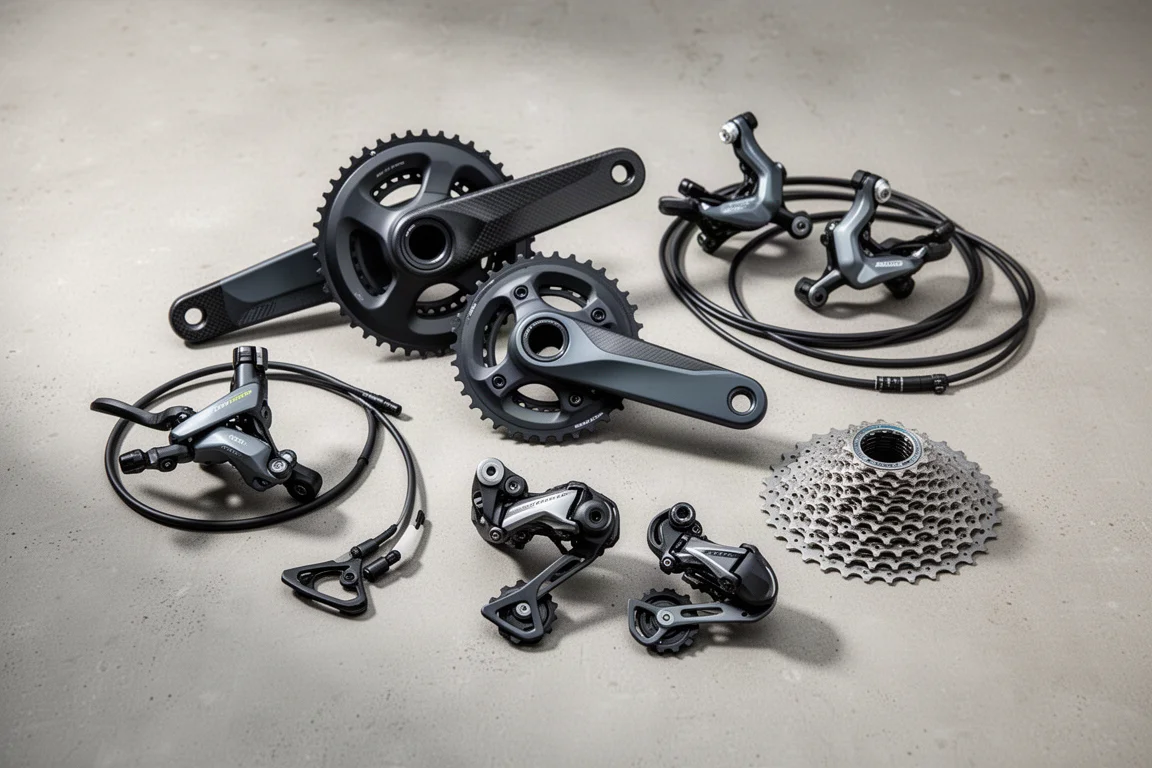
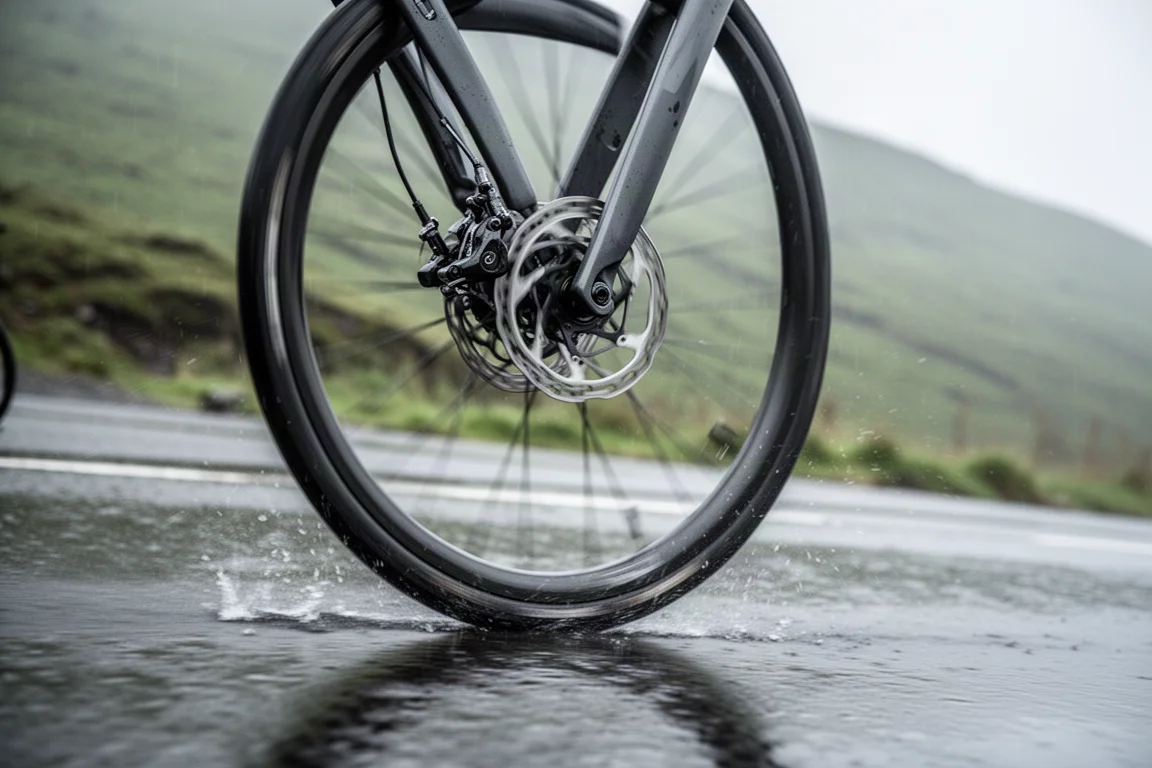
Ultegra R8100’s headline feature is its Servo Wave braking technology. It provides a lot of control at the lever: small inputs scrub off small amounts of speed, and only a little extra effort produces really strong stopping power. That modulation goes beyond what other Shimano groupsets deliver, where more lever force is needed for the same result. SRAM’s brakes feel more conventional, and no braking technology update was claimed for this Force iteration.
Front derailleur shifts also favour Shimano. There is a noticeable gap on SRAM between pressing the paddle, hearing the motor move and feeling the cadence change in your legs; on Shimano that gap is close to zero. Down the cassette, SRAM was marginally quicker, which is why shift speed overall comes out close to a draw.
Ergonomics tip the balance further toward Shimano. The Ultegra hoods have a natural shape, generously sized shift paddles and enough space behind the brake levers that you can still tuck into an aggressive position. Buttons on top of the hoods let you change gear without moving your hands, and the tops stay comfortable to hold. The Force hoods are comfortable in the normal position and fine to cup from the side, but they lack shift buttons on top and cannot be cupped from the tops.
Weight and Price Compared
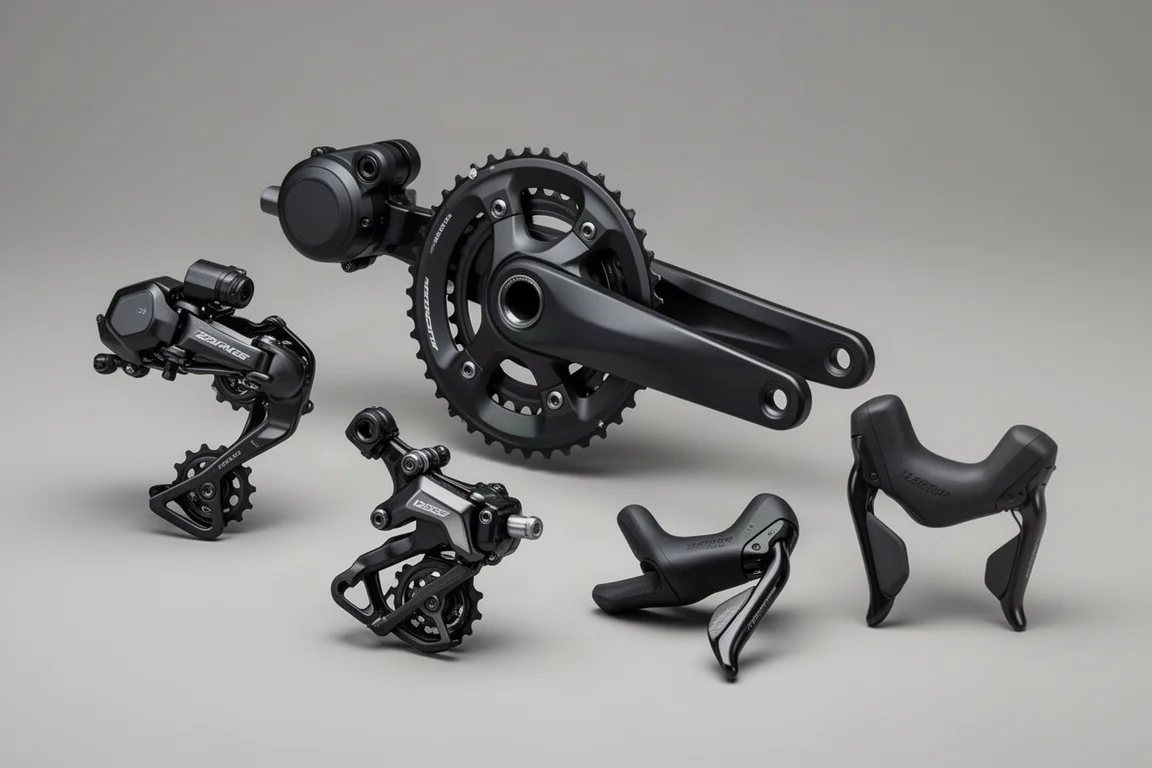
On claimed weight, Shimano has the edge. Ultegra R8100 in a groupset configuration with a power meter is claimed at 2,763 g, while a like-for-like SRAM Force AXS groupset with a power meter is claimed at 2,896 g, a difference of 133 g. Claimed figures and real-world weights can diverge, so treat that gap as a guide rather than a guarantee.
Purchase price tells a different story. In comparable specifications, the Ultegra R8100 groupset is listed at around £2,399 against around £1,751 for SRAM Force AXS, a difference of roughly £648 in SRAM’s favour. Running costs narrow that gap, because wearable parts cost more to replace on the SRAM groupset.
Complete bikes complicate things further. Most riders buy a bike rather than a groupset, and where comparable models exist, Force builds have tended to list higher than their Ultegra equivalents, with gaps of a few hundred pounds in the examples available. How you plan to acquire the groupset therefore matters as much as the sticker price.
Gearing Range: Where SRAM Spreads Wider
Comparing the easiest and hardest possible ratios from each brand, SRAM covers a wider spread. Pair the largest cassette sprockets with the smallest chainrings for a climbing setup, or the tightest cassette blocks with the biggest chainrings for a race setup, and SRAM delivers both a higher top gear and an easier climbing gear. The option of 1x drivetrains adds further flexibility.
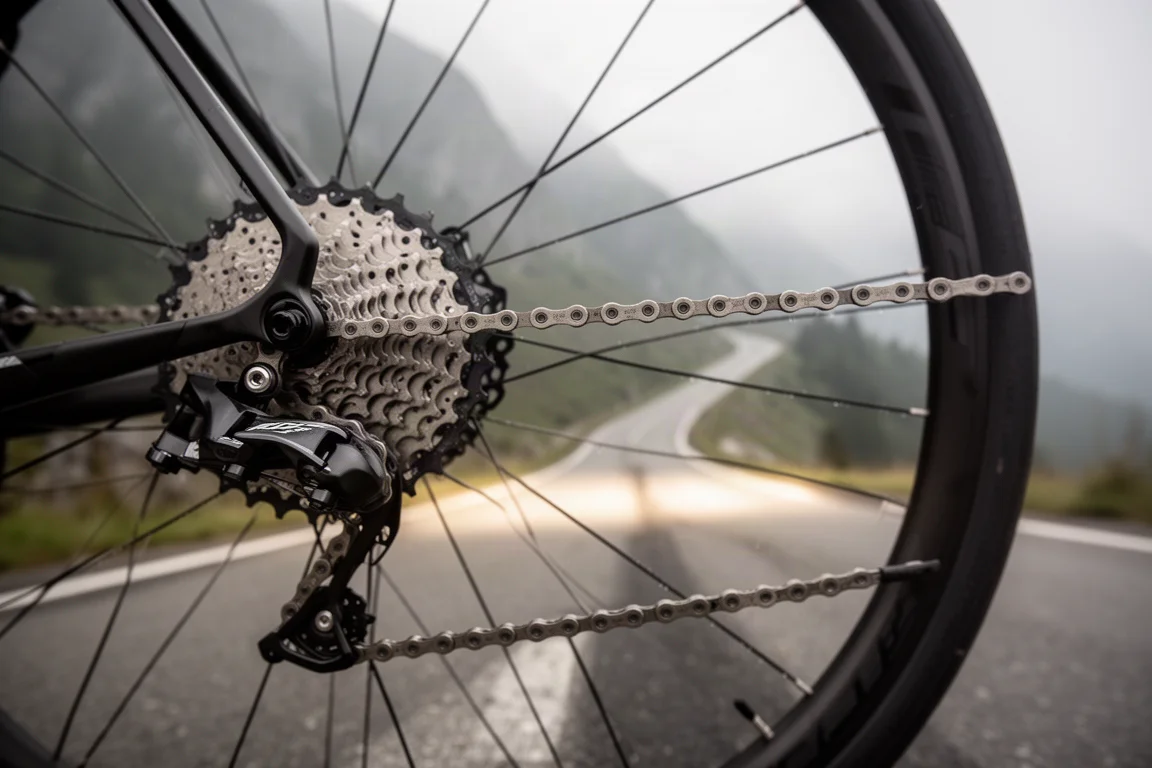
Shimano’s counter-argument is cadence. Its climbing setups do not match SRAM’s sheer range, but the jumps between individual gears are slightly smaller, so changes in cadence are less jarring when you shift. If you value a tight, predictable rhythm over maximum spread, that matters.
Power Meter Options and Long-Term Value
Both groupsets can be bought in a power meter configuration, but they take different approaches. SRAM’s Quark power meter is integrated into the chainrings, which helps reduce weight and improve power efficiency, yet it means the power meter is discarded and replaced along with the chainrings when they wear out. SRAM also offers a single-sided crank-based power meter upgrade, which lets you keep a normal chainring setup.
Shimano’s chainset-based power meter provides double-sided readings and does not have to be thrown away when the chainrings need replacing. It costs more to buy, but it represents better long-term value.
Buying Advice
Choose SRAM Force AXS if wireless convenience, easy battery charging, a wider gear range, simple one-button-per-side shifting and a lower groupset price matter most to you. Choose Shimano Ultegra R8100 if braking power and modulation, hood ergonomics with top-mounted shift buttons, faster front shifts and a more durable power meter investment are the priorities.
It is also worth thinking about how you will buy. If you are purchasing a complete bike, compare the builds available rather than the groupsets in isolation, since Force builds have tended to cost more in the examples available. If you are buying a groupset on its own and maintain your own bike, the off-bike SRAM charging routine is a genuine day-to-day advantage.
Conclusion
The gap between these two groupsets is narrow. The Force update did not bring a long list of changes, but the ones it brought were significant and moved it much closer to Ultegra. SRAM wins on charging practicality, control simplicity, gearing range and groupset price, while Shimano wins on braking performance, ergonomics, front shift response and long-term power meter value. Decide which of those lists matches how you ride, and the choice becomes straightforward.
Further reading
Related Reviews
Road Bike Groupsets
Campagnolo Record 13 and Super Record 13 Review: Wireless 13-Speed, Two Ways
Campagnolo's new wireless 13-speed groupsets answer the criticism of the previous generation. Here is how Record 13 and Super Record 13 differ, and which one suits your riding.
Road Bike Groupsets
Campagnolo Record 13 vs Super Record 13: Which 13-Speed Wireless Groupset Is Worth It?
A practical look at Campagnolo's new 13-speed wireless groupsets, what separates Record 13 from Super Record 13, and which one suits your build.
Road Bike Groupsets
Campagnolo Super Record 13 Review: Wireless 2x13 With the Thumb Shifter Back
Campagnolo's first 2x13-speed wireless groupset brings back the thumb shifter, adds a wider gear range, and lands at a price that finally lines up with Shimano and SRAM.