Road Bike Groupsets
SRAM Force AXS Second Generation Review: Wireless Shifting Gets Sharper
A closer look at the second-generation SRAM Force AXS groupset, including new levers, one-piece chainrings, an integrated power meter, gearing options, and what the unchanged pricing means for buyers.
Introduction
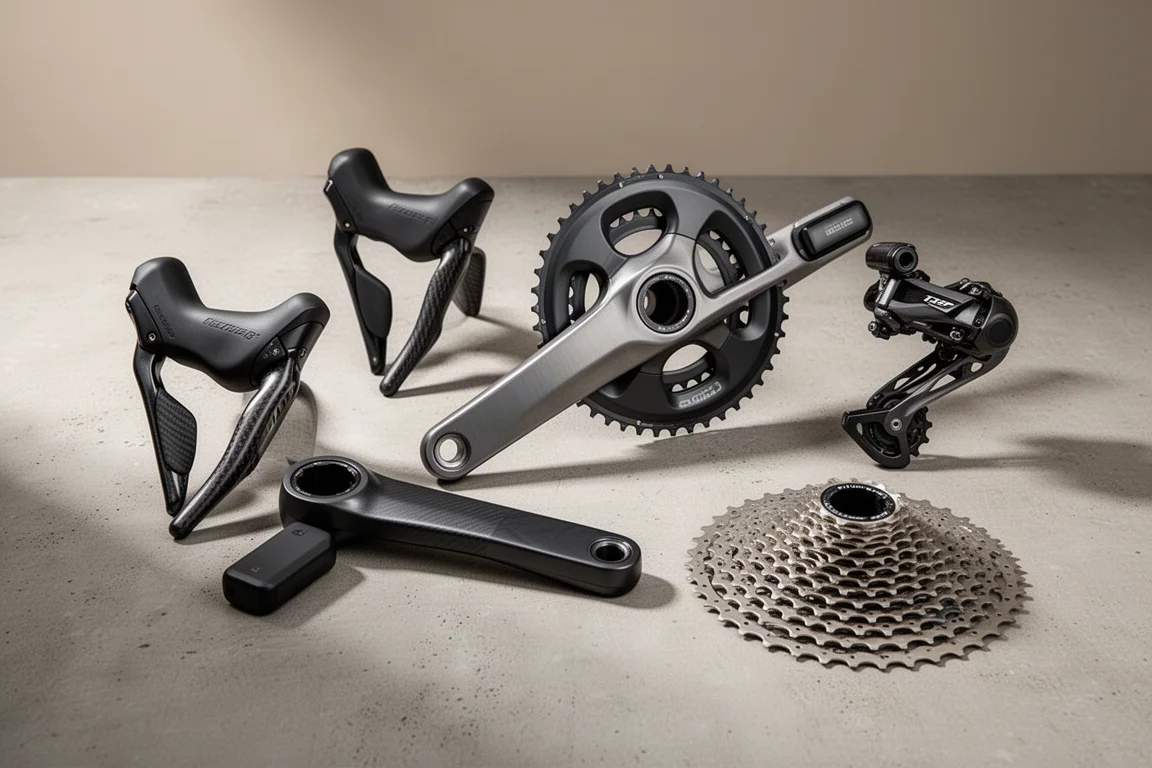
The second generation of SRAM Force AXS takes the platform fully wireless and rebuilds the most important touch points: the levers, the chainrings, and the power meter. The result is a 12-speed groupset that keeps Force’s long-standing role as a workhorse of the gravel scene while pushing much closer to the brand’s top-tier offering in both feel and finish.
Visually, this generation is a clear departure from what came before. The flagship look is a colour SRAM calls unicorn gray, finished with laser foil decals, and the styling is confident enough that it changes how a bike reads at a glance. Underneath that, the performance story is more of an evolution, which is not a bad thing at all given how well the wireless platform has matured since it first appeared in 2015.
Who This Groupset Is For
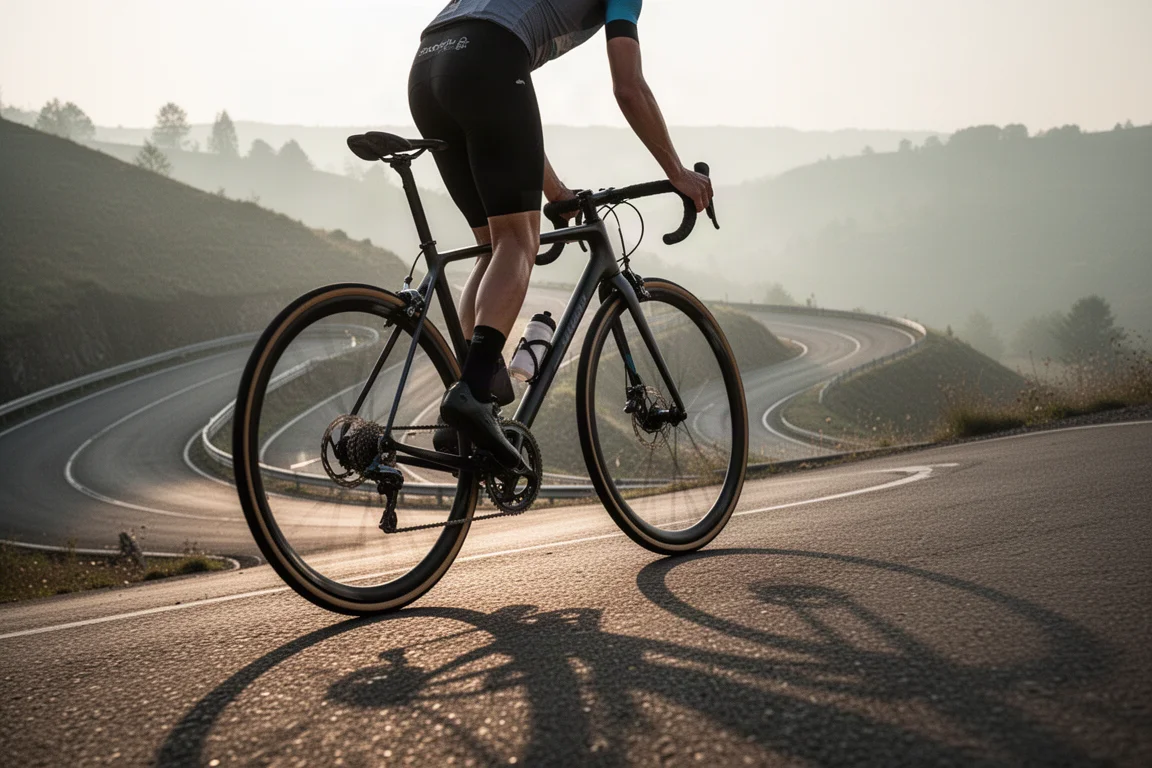
This generation is aimed squarely at performance-oriented road riders, and at riders who care just as much about how a bike looks as how it shifts. Force has long been a staple of gravel builds, and that remains true here, particularly given the range of wide-ratio options available.
It also makes sense for anyone who wants wireless shifting, a clean cockpit, and the option of factory-fitted power without stepping up to the most expensive tier. The lever body redesign and the simplified chainring design both point to a groupset that is meant to feel good in the hand as well as on the stopwatch.
Main Strengths
The headline number is a modest one. Moving to single-piece machined aluminium chainrings accounts for most of the total weight reduction across the whole groupset, with a saving of 94 grams on the 2x power meter option and 104 grams on the 1x power meter option. Those are small figures, but they come alongside genuinely useful changes in stiffness and shift quality rather than weight loss alone.
Durability is another part of the pitch. SRAM states that its 12-speed groupsets should last 50 percent longer than its 11-speed equivalents, and the flat top chain is cited as a key reason. That claim sits alongside the company’s position on chainring wear, which we will come back to below.
Interestingly, this generation of Force includes features that are not yet available at the tier above it, which makes it a more compelling proposition than a simple trickle-down usually suggests.
Refined Levers and Wireless Remotes
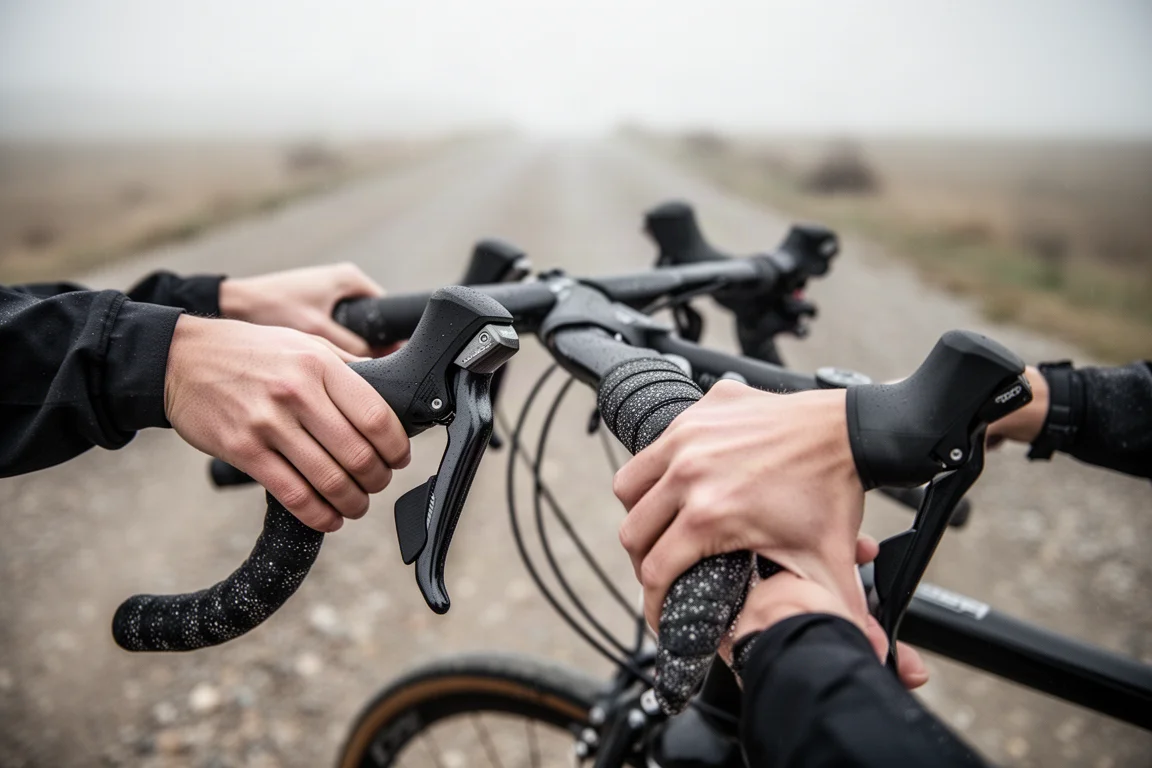
The lever body is newly designed and adopts the smaller diameter first seen on SRAM’s lower-tier groupset. It is a change that reads well aesthetically, and a smaller diameter body is a genuinely pleasant thing to hold on long rides. The shifter paddles have also been reshaped to give more clearance for your fingers when you are braking.
The ports that previously accepted wired remote shifters have disappeared from the inside of the lever, because the remote shifters are now fully wireless as well. In practice this opens up more mounting possibilities, since a remote no longer needs a cable route back to the lever.
The front derailleur cage has been redesigned too, now following the shape first introduced lower down the range. The intent is a further improvement in front shifting performance, and combined with the stiffer one-piece chainrings it addresses the area where earlier Force groupsets gave away the most ground to the top tier.
One-Piece Chainrings and Integrated Power Meter
The new 2x chainrings are strikingly similar to those used at the top of the range, just finished in a stealthier look. They are machined from a single piece of aluminium, which adds stiffness, improves shifting performance, and trims weight.
On the power meter option, the power meter itself is built directly into the chainrings. SRAM says this improves accuracy, and crucially the accuracy over time. That integration is also the reason the power meter option is likely to become far more common on complete bikes: by SRAM’s reckoning, roughly 45 percent of bikes sold with a 2x Force build will have the power meter fitted.
Compatibility and Gearing Options
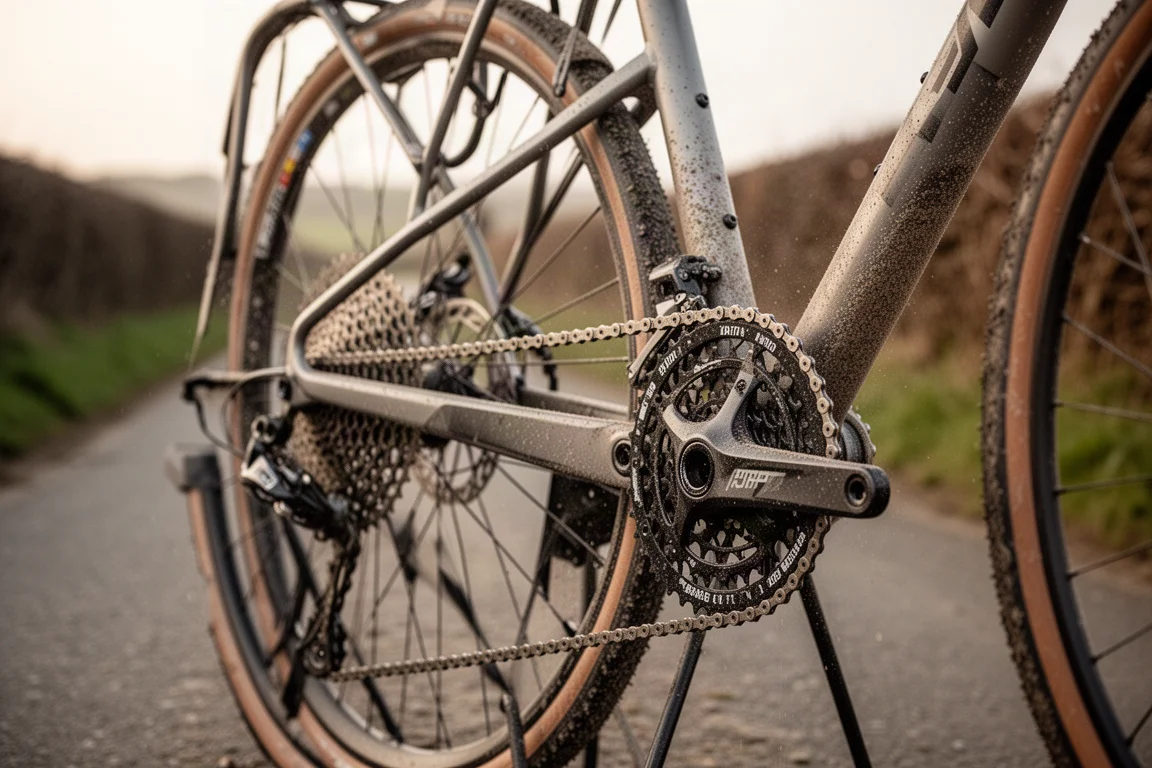
The AXS platform continues to offer an unusually broad spread of setup variations. The rear derailleur includes a built-in chain management system, so the same groupset can be run 1x with a single front ring or 2x as tested here, and both configurations benefit from reduced chain slap and improved chain control. That is a large part of why the platform is so popular on gravel.
For mixed-surface riding there is a 10-44 wide-ratio cassette in the Explore range, which requires the Force Explore rear derailleur. If you need even more range, the system remains compatible with SRAM’s mountain bike Eagle components, so an Eagle AXS rear derailleur and cassette unlock a 10-52 option.
There is also a new 50-37 chainring combination for performance-oriented road riders, previously offered only at the top tier. For anyone unfamiliar with the sizing, the rings look small because the cassette uses a 10-tooth sprocket at the back, so 50-37 is roughly equivalent to 53-39. The 10-26 cassette option has been retired, apparently because demand simply was not there.
Two further details are worth noting. A 52-39 chainring option is available aftermarket at the top tier for riders with the legs, or more accurately the flat roads, to use it. And an anodised rainbow finish on the cassette and chain, previously reserved for sponsored riders, is now available to buy.
If you like digging into your own data, ride diagnostics can be uploaded to SRAM’s AXS web platform, where a range of gearing and usage statistics can be unlocked. It is a genuinely useful tool for anyone who wants to understand which ratios they actually spend their time in.
Things to Consider Before Buying
The one-piece chainring design carries a practical consequence: if a single ring wears out, you cannot replace it on its own, and both rings must be replaced together. This drew attention when the design first appeared at the top tier, and it is worth understanding before you commit. SRAM’s response is that the issue affects very few riders in practice, citing a figure of around 0.7 percent of top-tier rings having been replaced for premature wear, and pointing to the broader durability of its 12-speed groupsets.
Because the power meter is built into the chainrings on that option, the power meter is part of the same assembly. That is good news for accuracy, but it does mean the chainring and power meter are not independently serviceable components.
It is also worth setting expectations on weight. The gains here are real but measured in tens of grams, not hundreds, so this is not a groupset to buy purely on the scales. The more tangible improvements are in lever feel, front shifting, and finish.
Buying Advice
The most welcome news is the pricing. The new Force AXS costs the same as the previous generation, which stands out in a market where cyclists have grown accustomed to paying a premium on top of general inflation.
Aftermarket, a complete 2x groupset with a power meter is priced at 2,640 US dollars, with the non-power-meter version roughly 500 pounds or euros less. A 1x setup with a power meter is 2,142 US dollars, and the simplest 1x configuration without a power meter is 1,832 US dollars. As always, complete groupset pricing is an imperfect guide, since relatively few riders buy a full groupset on its own.
For a clearer sense of what this means in practice, Canyon has said that road models built around this groupset, including the power meter, will be available to order in the coming weeks at around the 6,000 pound or 6,300 euro mark.

If you are weighing up whether to move to this generation, the case is strongest for riders who want the improved lever ergonomics, the stiffer one-piece chainrings, and the option of an integrated power meter without paying top-tier money. Riders who already own the previous generation and are happy with it will find the performance difference incremental rather than transformative, and the unchanged pricing means there is no urgency created by a price rise.
For new builds, the broad gearing compatibility is a real long-term advantage. Being able to move between 1x and 2x, or to reach for wider mountain bike cassettes for loaded or mixed-surface riding, means the groupset can follow your riding rather than the other way around.
Conclusion
The second-generation SRAM Force AXS is a careful refinement rather than a reinvention. The wireless platform was already mature, and this version sharpens the details that matter most in daily use: a slimmer, more comfortable lever body, better finger clearance at the paddles, stiffer one-piece chainrings, and a power meter that is built into the rings for improved accuracy over time.
The aesthetic overhaul, and the availability of finishes and options that were previously reserved for the top tier, give it a personality of its own. Combined with unchanged pricing and a flexible 12-speed ecosystem that spans road and gravel, it is an easy groupset to recommend to riders building a performance-oriented bike who want wireless shifting and the option of factory power without reaching the very top of the range.
Product link
View more details for SRAM Force AXS
This product is mentioned in the review. Check the specifications, options, and compatibility before buying.
View more details for SRAM Force AXSFurther reading
Related Reviews
Road Bike Groupsets
Campagnolo Record 13 and Super Record 13 Review: Wireless 13-Speed, Two Ways
Campagnolo's new wireless 13-speed groupsets answer the criticism of the previous generation. Here is how Record 13 and Super Record 13 differ, and which one suits your riding.
Road Bike Groupsets
Campagnolo Record 13 vs Super Record 13: Which 13-Speed Wireless Groupset Is Worth It?
A practical look at Campagnolo's new 13-speed wireless groupsets, what separates Record 13 from Super Record 13, and which one suits your build.
Road Bike Groupsets
Campagnolo Super Record 13 Review: Wireless 2x13 With the Thumb Shifter Back
Campagnolo's first 2x13-speed wireless groupset brings back the thumb shifter, adds a wider gear range, and lands at a price that finally lines up with Shimano and SRAM.