Road Bike Groupsets
SRAM Force AXS Review: A Facelift Groupset With a Costly Chainset Trade-Off
SRAM's second-tier wireless road groupset brings Red-inspired one-piece chainrings, reshaped hoods and strong rear shifting, alongside noticeably higher long-term running costs.
Introduction
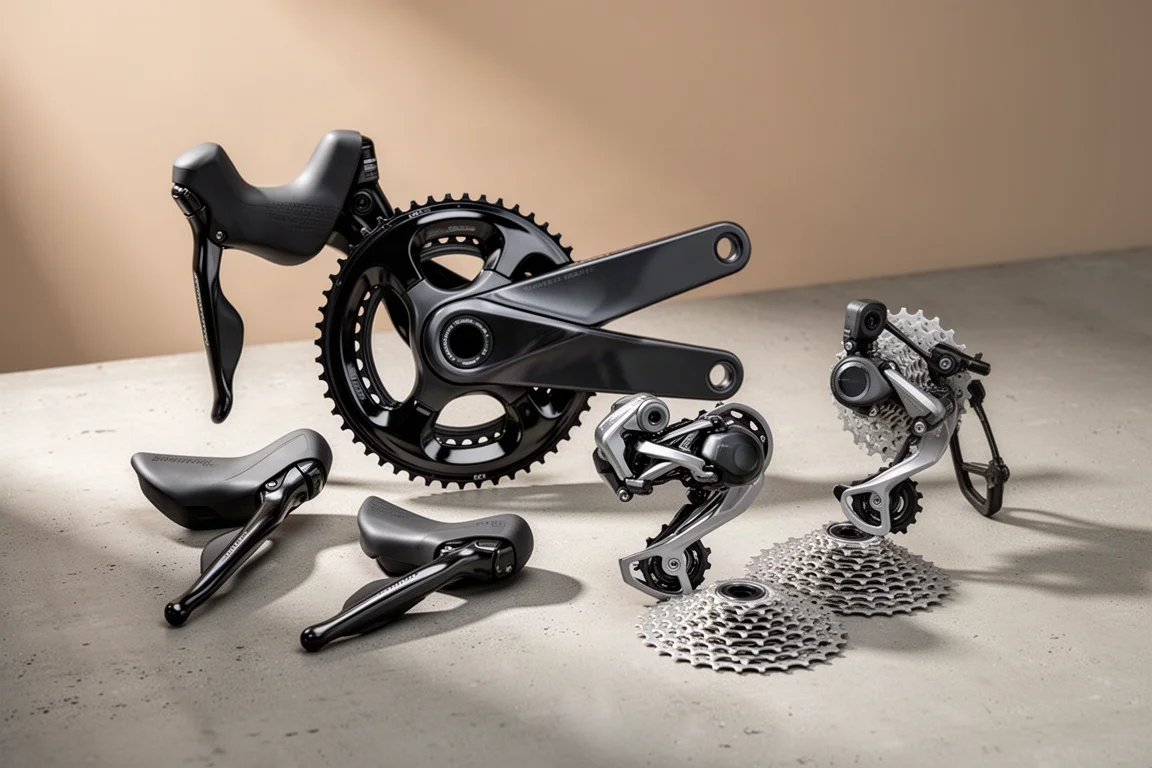
SRAM has refreshed the second tier of its road lineup, and the new Force AXS is a 12-speed wireless groupset that borrows more from the range-topping Red line than ever before. The most obvious change is the chainset: new one-piece chainrings with a glossy black finish that echo the design language of Red with a little less shine. The groupset is also around 100 grams lighter than the previous generation, with reshaped lever hoods, larger shift paddles and a scattering of silver, rainbow-tinted decals across most components.
Those are appealing headline changes, but the more important story is about what the redesign costs an owner over the life of the groupset. This review covers what has genuinely improved, where the practical compromises sit, and who should consider it.
Who This Groupset Is For
This is a groupset for riders who want Red-level performance without paying range-topping money. Because Force sits one tier below Red but now shares much of its chainset concept, it lands squarely with riders shopping for a complete bike at the upper end of the mid-range, and with anyone who wants a wireless, 12-speed setup with a clean, modern finish.

It is worth being clear about the upgrade case. Replacing the groupset on a bike you already own rarely makes sense here, particularly when the alternative on the table is Shimano 105 Di2. The picture is different for anyone choosing a new bike, because the groupset shapes both the ride feel and the long-term running costs that come with ownership.
Main Strengths: Ergonomics and the New Chainset
The lever hoods are longer, which opens up more space for fingers behind the brake lever, and the shift paddles are noticeably larger, with small textured details that make them easier to find without looking down. The tops of the hoods have been slimmed down using the same design already seen on SRAM’s third-tier Rival group, a rare case of technology moving up the range rather than trickling down.
The shrunken hydraulic reservoirs help here too. They make the tops of the hoods easier to hold when riding aggressively, and the extra room behind the levers feels comfortable in a normal riding position, which should suit riders with larger hands in particular.
Wireless Blips add another layer of flexibility. Force AXS can pair with up to six Blip shifters, in effect three pairs, all wireless and programmable through the SRAM app. Because there is no cable, they can be mounted wherever is useful, and a pair placed either side of the stem in the climbing position makes working up and down the cassette easy and smooth. Pressing both at once can be programmed to switch chainrings.
The new chainset is the biggest visual and structural step forward. The one-piece rings carry over the concept from Red, and they account for most of the weight reduction across the whole groupset.
Shifting and Braking Performance
Rear shifting is the standout. It is smooth, crisp and quiet, and it holds up when shifting under load on a climb. Braking is powerful and reassuring, and the brakes have lost nothing in the transition to the new design.
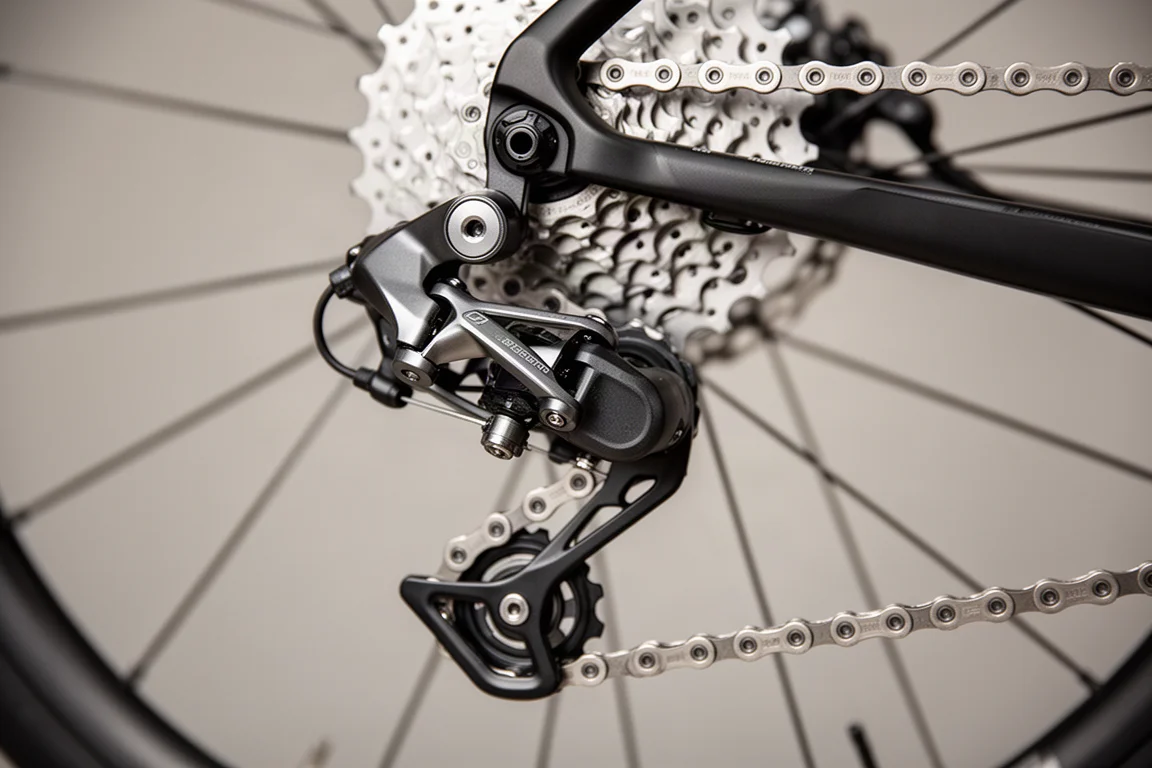
Durability showed up in an unexpected way on the road: after a crash on an oil-covered corner that landed on the drive side, the rear derailleur took the impact and continued shifting as cleanly as it did before.
The Blips are faultless in use, and the larger paddles with their textured surfaces are easy to locate without hunting for them. The one place the groupset gives ground is the front derailleur. Shifts are not as quick as Shimano’s, and they reward a more deliberate approach. It never hesitated or struggled under load, and there were no dropped chains or rough noises, but the speed simply is not there.
Weight and Drivetrain Options
The groupset is around 100 grams lighter than the previous version, though the exact figure depends on the configuration. Most of that saving comes from the new integrated chainrings.
Gearing is refreshingly simple. A single rear derailleur covers every cassette size up to 36 teeth, so there is no need to match a derailleur to a cassette choice. Riders who need more range can look at the separate XPLR rear derailleur, which is intended for 1x drivetrains only and extends capacity up to 40 teeth.
Chainset Wear and Power Meter Replacement
The one-piece chainrings are where the redesign becomes expensive. Chainrings are a wear item, and because the two rings are a single unit, replacing one means replacing both, even if only one has reached the end of its life. That is the same approach SRAM has used on Red for some time, and it is frustrating when one ring still has usable life left in it.
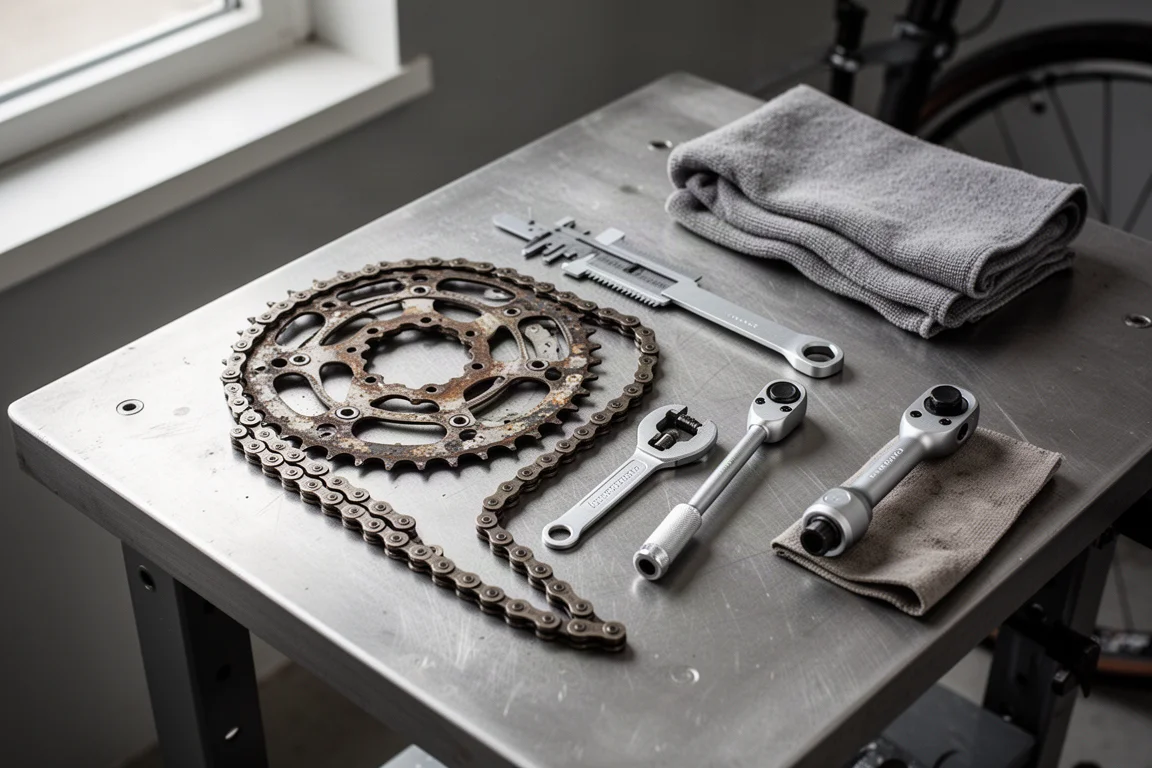
The power meter version raises the stakes further. The power meter is built into the rings, which SRAM says maximises weight savings and power accuracy, and it means a chainring replacement also means buying a new power meter and discarding the old one. SRAM says the rings are built for extreme longevity and should last a long time with proper care, and it recommends replacing the chain at 0.8 millimetres of wear. That is a small margin, so owners should expect to go through a significant number of chains.
The combination adds up to a lot of material being thrown away, and a recycling scheme covering both power meters and rings would have been a welcome addition. It also pushes servicing costs above what owners of Shimano Ultegra and comparable groupsets are used to.
Things to Consider Before Buying
The shrunken reservoirs improve grip on the tops but reduce the number of comfortable hand positions. When riding aggressively, the shape encourages one specific hold on the hoods, and the alternatives are less comfortable. Shimano Ultegra hoods do not impose the same limit.
There are also no shifter buttons on the tops of the reservoirs, so fine gear adjustments are not possible from the most aerodynamic position. Front shifting remains the weakest part of the package: usable and reliable, but slower than the Shimano equivalent.
Pricing is the most striking part of the story. A 2x groupset without a power meter lists at 1,751 pounds in the UK and 2,115 dollars in the USA. Shimano 105 Di2, a tier below, is 1,730 pounds in the UK and 1,890 dollars in the USA. In the UK that puts Force AXS just 21 pounds above Shimano’s third-tier groupset, while the US gap widens to around 200 dollars.
Most riders do not buy groupsets on their own. They choose a bike and take the groupset that comes fitted, so the more relevant question is whether bike brands will price Force AXS models close to 105 Di2 models. They probably will not, because doing so would complicate their own pricing.
Buying Advice
Force AXS makes most sense as part of a complete bike. If the frame and the fit are right and this is the groupset that comes fitted, the ergonomics, the wireless Blips, the rear shifting and the braking are all genuinely good, and the lighter chainset is a real improvement in both feel and appearance.

Buyers choosing between this and Shimano 105 Di2 should look past the sticker price and consider the cost of ownership. Chainring replacement, power meter replacement and a steady supply of chains add up, and the front derailleur does not deliver the same shift speed. Anyone who prioritises low running costs and fast front shifts has a clear alternative.
Upgrading an existing bike to Force AXS is hard to justify unless the other option under consideration is 105 Di2. The purchase price looks competitive; the ownership picture is less so.
Conclusion
The new Force AXS is a facelift rather than a reinvention. It addresses some long-standing complaints, most notably around hood ergonomics and the appearance of the chainset, and it inherits genuine performance from the Red line, including smooth and quiet rear shifting, powerful brakes and wireless Blip flexibility. It also asks owners to accept a chainring and power meter replacement cycle that most riders in this price bracket will not expect, and its front shifting still trails Shimano.
As part of a new bike it is a pleasure to ride. As a standalone upgrade, the maths is harder to justify.
Product link
View more details for SRAM Force AXS
This product is mentioned in the review. Check the specifications, options, and compatibility before buying.
View more details for SRAM Force AXSFurther reading
Related Reviews
Road Bike Groupsets
Campagnolo Record 13 and Super Record 13 Review: Wireless 13-Speed, Two Ways
Campagnolo's new wireless 13-speed groupsets answer the criticism of the previous generation. Here is how Record 13 and Super Record 13 differ, and which one suits your riding.
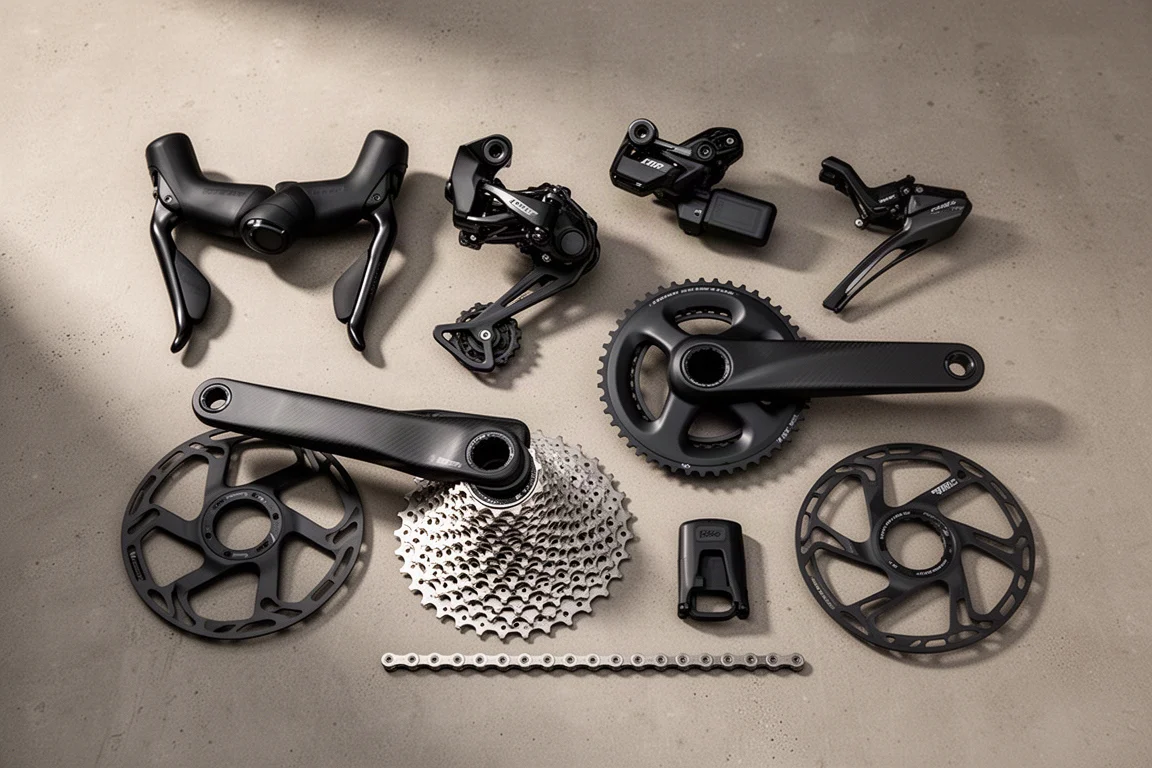
Road Bike Groupsets
Campagnolo Record 13 vs Super Record 13: Which 13-Speed Wireless Groupset Is Worth It?
A practical look at Campagnolo's new 13-speed wireless groupsets, what separates Record 13 from Super Record 13, and which one suits your build.
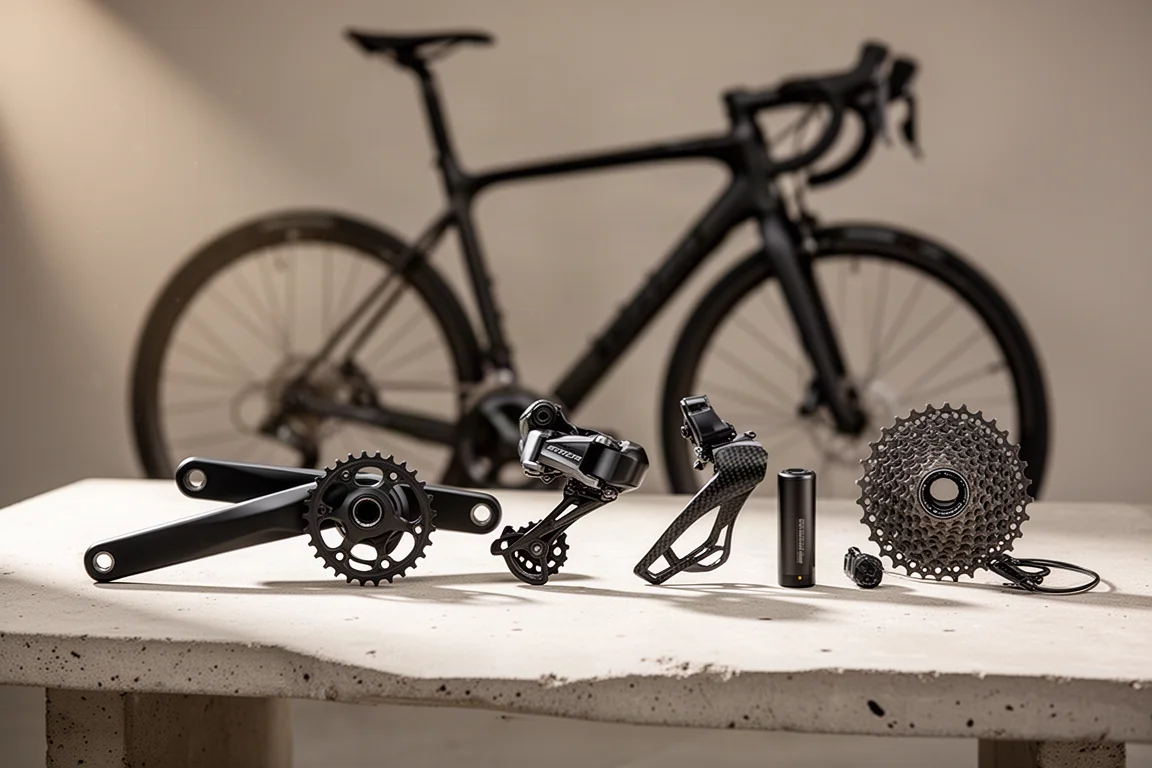
Road Bike Groupsets
Campagnolo Super Record 13 Review: Wireless 2x13 With the Thumb Shifter Back
Campagnolo's first 2x13-speed wireless groupset brings back the thumb shifter, adds a wider gear range, and lands at a price that finally lines up with Shimano and SRAM.