Cycling Drivetrains
SRAM Force 1 and SRAM Force XPLR: How One-By Drivetrains Came of Age
A practical look at SRAM Force 1 and SRAM Force XPLR, how one-by drivetrains moved from an 11-speed compromise to a 13-speed wireless system, and which riders should consider each.
Introduction
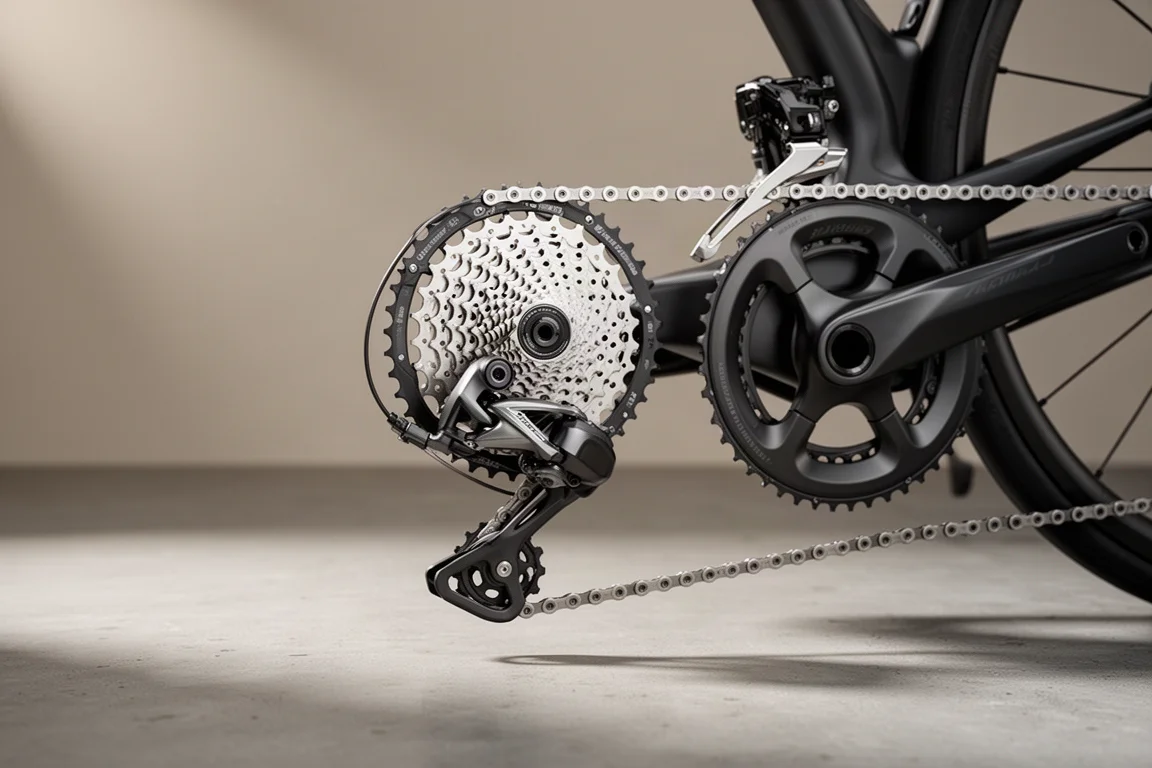
One-by drivetrains have moved from a bold experiment to a routine sight in professional road racing, and two SRAM groupsets sit at opposite ends of that journey. SRAM Force 1 was the 11-speed mechanical system that carried a professional team through an entire race season with no front derailleur and no way to fit one. SRAM Force XPLR is the 13-speed wireless system that now appears on gravel bikes and road bikes alike, with gear steps tight enough that a single chainring feels like a normal choice rather than a compromise.
This guide looks at what each groupset offers, where the trade-offs still sit, and which riders are likely to get the most out of a one-by setup.
Why One-By Was Hard to Race in 2018
The case for a single chainring has always been straightforward: fewer parts, less weight, a cleaner chainline, and no front shift to think about. On the road in 2018, that argument met reality. With eleven sprockets on the cassette, the gaps between gears were wide. Holding a comfortable cadence at race pace often meant sitting between two gears with no good option, and the problem grew worse on steep climbs, where a wider range cassette introduced even bigger steps.
Mechanical actuation compounded it. Shifts took longer than the electronic systems rivals were using, and the moments that matter in a race are exactly the ones where speed counts: following an attack, holding a wheel, or dropping from a big gear to an easier one as the road ramps up. With one chainring, that last move means shifting across the whole cassette instead of dropping to a smaller ring at the front. Chain retention was not always perfect either.
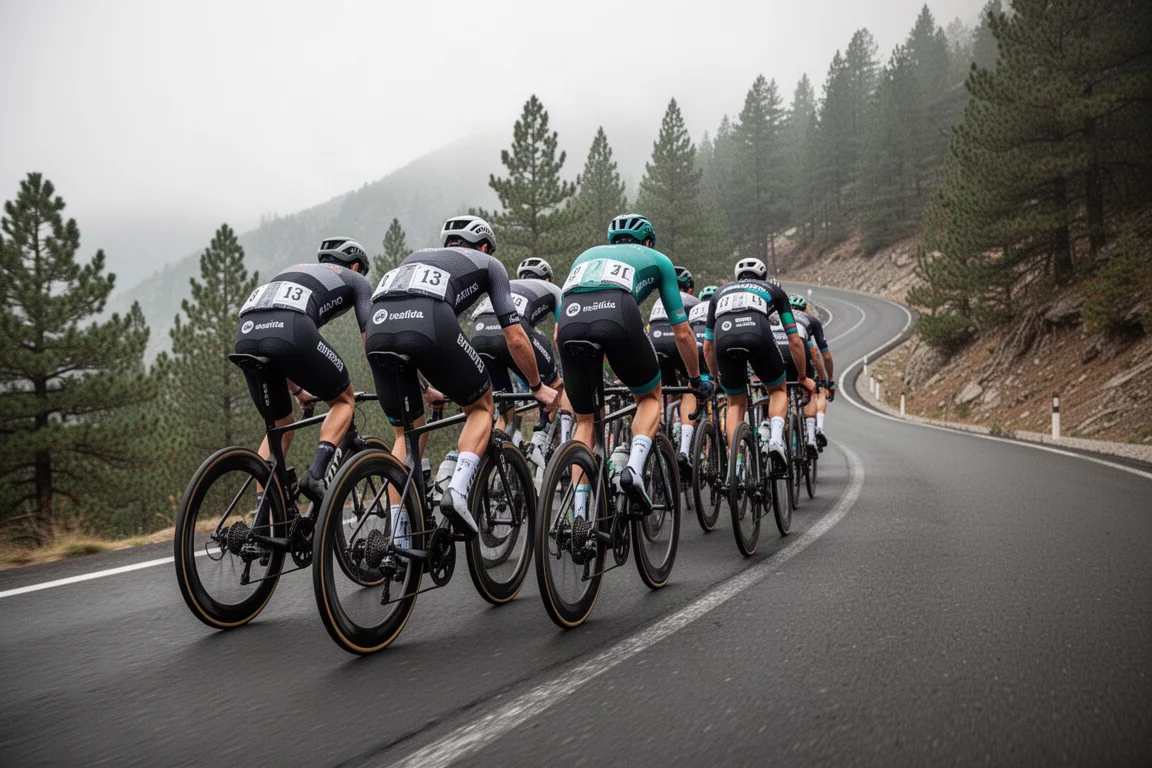
The setup still delivered results. Aqua Blue Sport committed to one-by for a full racing season, and a national championship title was won on the same bike with the same gearing. The conclusion at the time was not that one-by was a bad idea, only that it was not finished.
SRAM Force 1: The 11-Speed Mechanical Generation
SRAM Force 1 is the groupset that defined that first chapter. It pairs a single 44-tooth chainring with an 11-speed cassette, and in the 9-32 configuration used at the time it produced a range roughly comparable to a 54-39 double chainset with an 11-28 cassette at the rear. Further cassette options arrived later in that season.
The appeal is simplicity. There is no front derailleur to adjust or to drop a chain from, no cross-chaining to think about, and fewer components to maintain. The trade-off is gear spacing: eleven speeds spread across a wide range leave noticeable jumps, and a mechanical shift does not arrive as quickly as an electronic one.
For riders who value a straightforward drivetrain and do not need the tightest possible cadence steps, that balance still makes sense, particularly on gravel and mixed-surface rides where absolute shift speed matters less than reliability.
SRAM Force XPLR: 13-Speed Wireless One-By
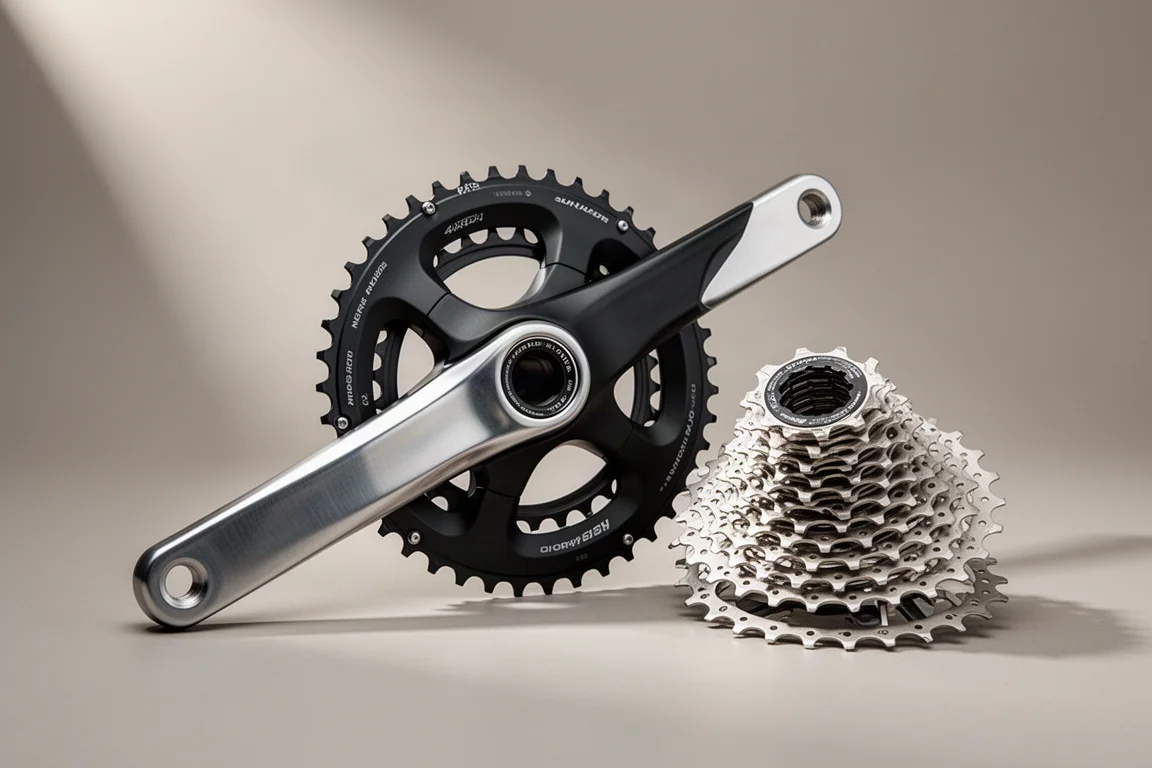
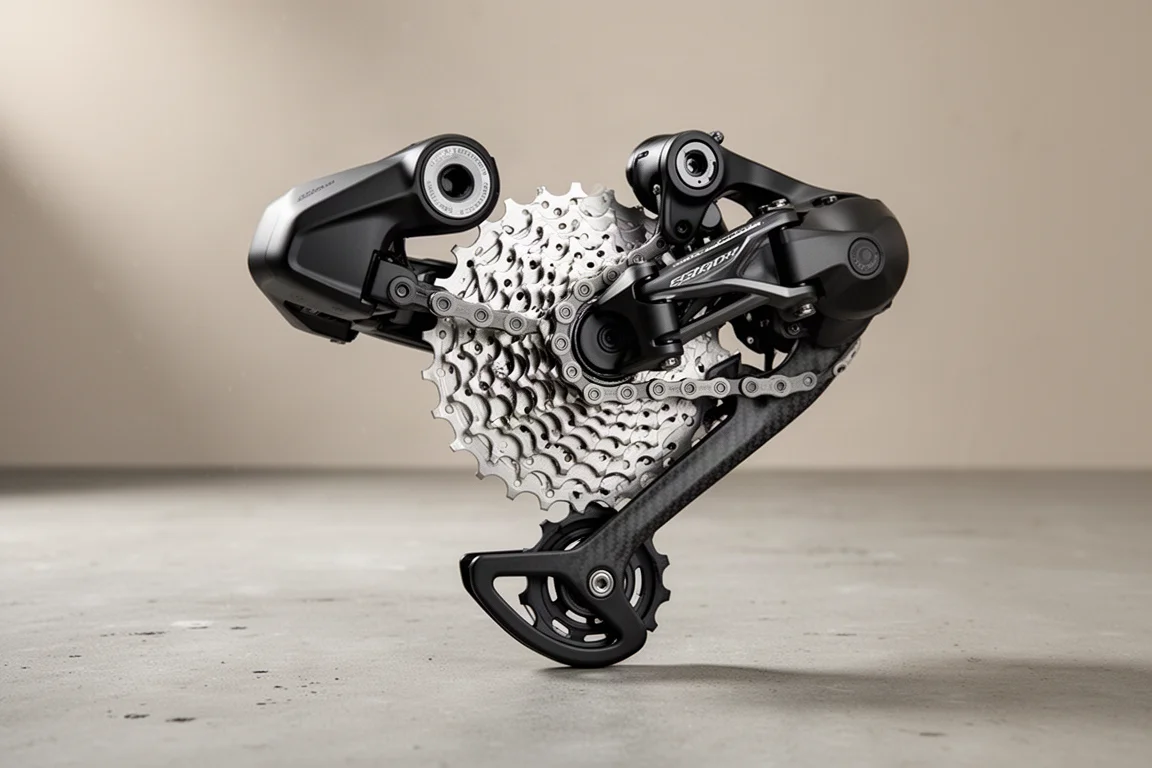
SRAM Force XPLR represents the other end of the timeline. It is a 13-speed, wireless electronic one-by groupset, and it has been ridden on the road as well as on gravel, fitted to a gravel frameset to see how the system behaves outside its intended terrain. The rear derailleur has been refined over the years, and the clutch now holds the chain firmly in position, a long way from the chain drops that affected early one-by setups.
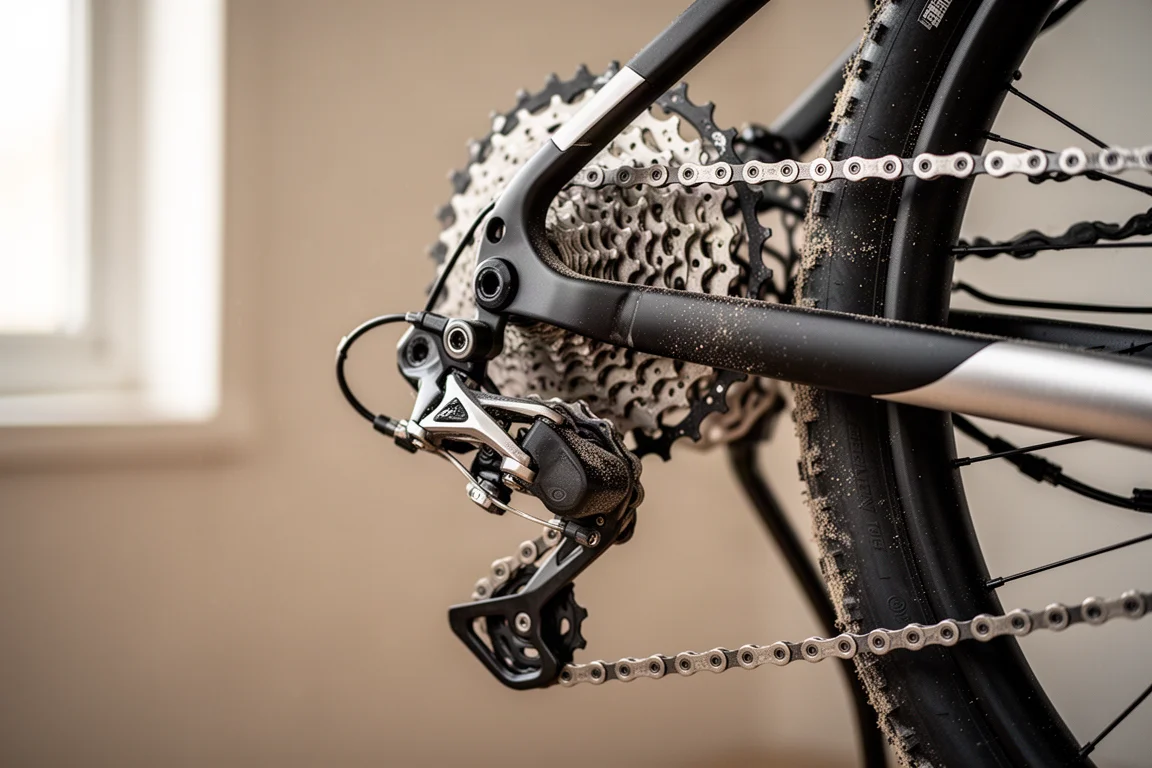
In use, the difference is obvious. Gear changes are very fast, the jumps between gears are far less pronounced than they were on eleven-speed one-by, and the system still offers a wide overall range. Thirteen speeds is the point at which one-by stops feeling like a compromise next to a two-by setup, and the simplicity that made the concept appealing in the first place is finally the thing you notice most.
What Changed: Electronic Shifting, Clutches, and Compatibility
The arguments in favour of one-by have not changed: a modest aerodynamic advantage, slightly lower weight, a more efficient drivetrain, and simpler shifting. What changed is the engineering behind them.
Top one-by drivetrains from both SRAM and Shimano are now electronic and wireless rather than mechanical. In SRAM’s case, one-by shifting is even faster than its two-by setup, while Shimano’s electronic shifting remains very quick. Road shifters are also compatible with gravel and mountain bike groupsets, which gives riders far more freedom to build a bike around mixed surfaces.
Rear derailleur design has moved on as well. Clutch mechanisms now keep the chain firmly in place, which addresses one of the more practical frustrations of early single-chainring systems.
One-By in the Pro Peloton in 2026
Adoption in the professional peloton keeps growing. Jonas Vingegaard and Wout van Aert have both used one-by in recent seasons, and in 2026 more riders are joining them. Tom Pidcock was seen running a 54-tooth chainring with a 10-36 cassette, and Uno-X used one-by widely through the classics.
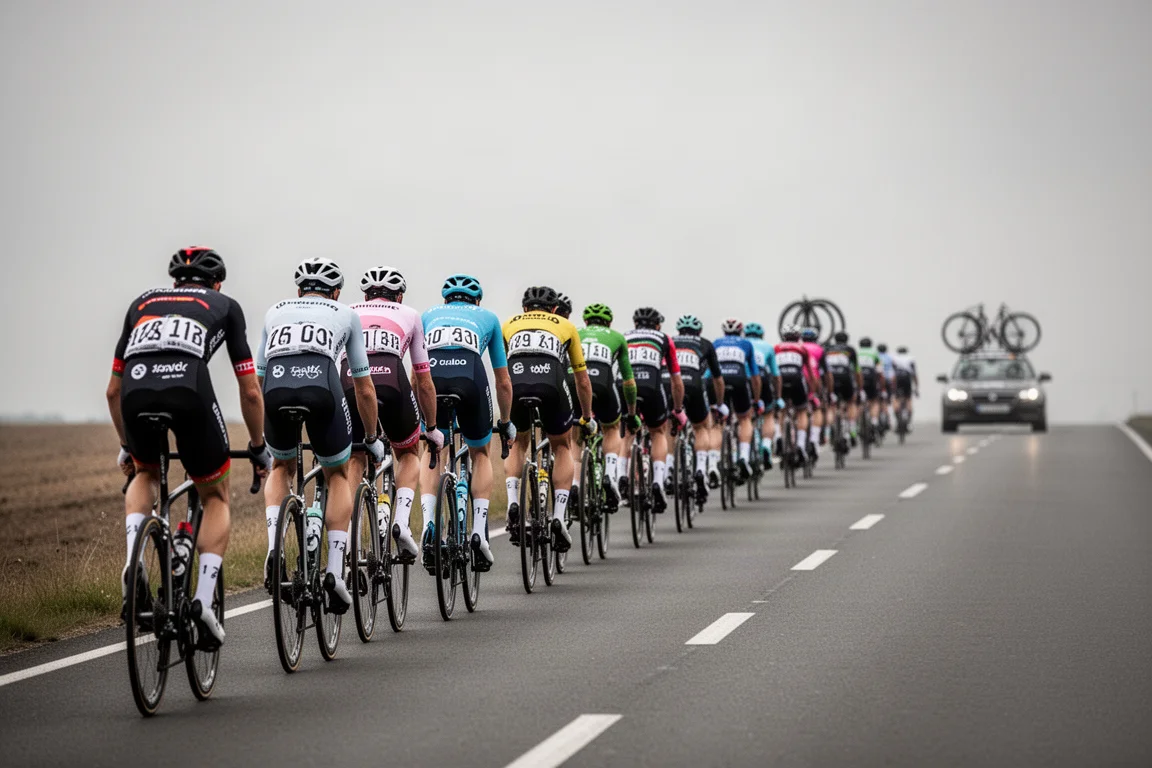
That a single chainring no longer raises eyebrows at the top level is the clearest sign the technology has matured. What once looked like a gamble is now simply one option among several, chosen for the terrain and the race rather than as a statement.
Tire Clearance and Frame Considerations
Wider tires are becoming the norm, and one-by has an indirect advantage here. Without a front derailleur, some framesets can accept a slightly wider tire without it fouling a front mech, which matters on rough surfaces. Tire widths in the region of 35mm are increasingly discussed for the toughest courses, and a one-by frame often has more room to accommodate them.
That is worth checking before buying, since clearance depends on the frame rather than the groupset itself. A drivetrain that supports a wider tire is only useful if the bike around it can too.
Buying Advice: Is One-By Right for You?
If simplicity is what you are after, one-by is now a genuinely strong choice. Thirteen speeds have closed the cadence gap that made eleven-speed one-by awkward at race pace, and electronic shifting has removed the delay that made mechanical one-by feel slow.
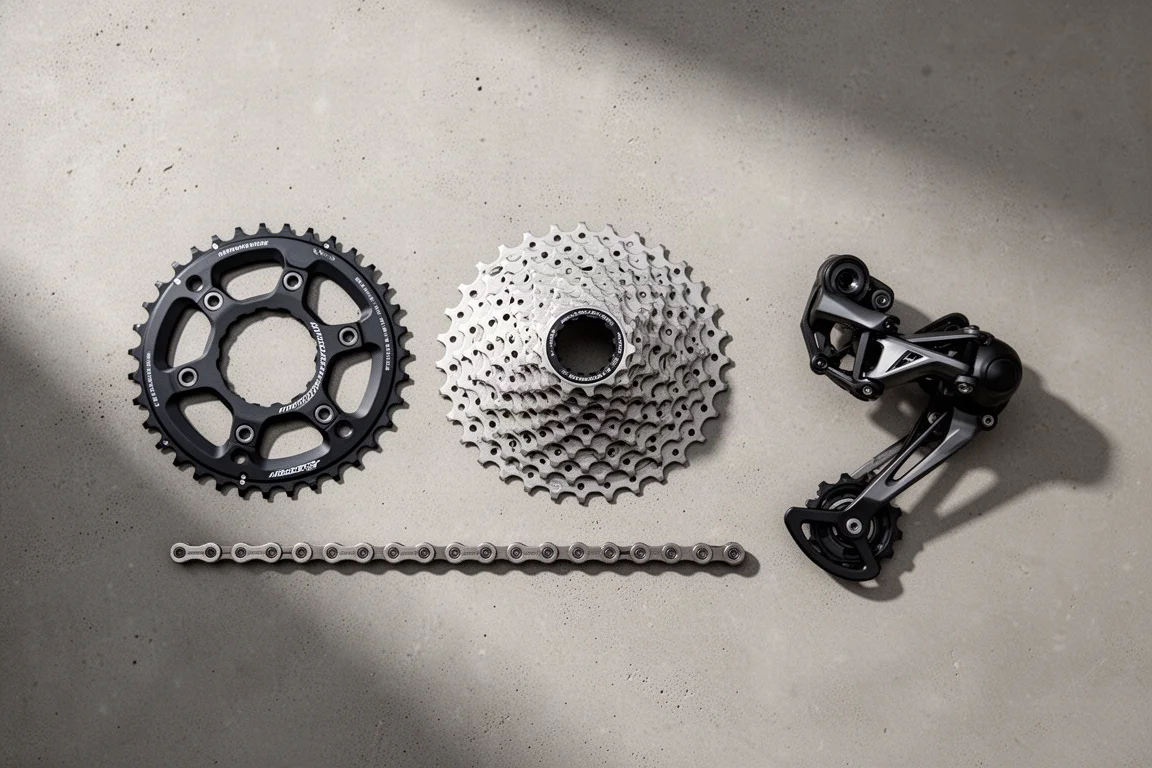
A few things are still worth weighing. Riders who race and rely on very fine cadence adjustments may still prefer a two-by setup for its tighter spacing. Riders who split their time between road, gravel and rougher surfaces get more from one-by, especially given the cross-compatibility between road, gravel and mountain bike components.
Mechanical eleven-speed one-by remains a simpler and more accessible route into single-chainring riding, and it suits casual and gravel use where shift speed matters less than low maintenance.
Conclusion
The two groupsets tell the same story from different points on the timeline. SRAM Force 1 showed that one-by could survive a full professional season, but not without compromises in gear spacing, shift speed and chain retention. SRAM Force XPLR shows what happens when those compromises are engineered out: fast shifts, tighter steps, dependable chain retention, and a level of simplicity that makes the bike easier to live with.
For most riders, the question is no longer whether one-by is ready. It is whether the tightest possible gear spacing matters more than a drivetrain that is simpler to run, and for a growing number of riders the answer is now the second one.
Further reading
Related Reviews

Road Bikes
10 New Road Bikes Worth Watching: Aero, Titanium, Steel and Endurance Standouts
A practical roundup of 10 new road bikes, from aero flagships chasing single-watt gains to titanium, steel and endurance platforms built for real roads.

Saltwater Aquarium Setup
10 Questions About Cycling a Saltwater Aquarium: What You Need to Know
Essential questions and answers for cycling a reef tank or saltwater aquarium, from biome building to light management and bacterial supplements.
Cycling Components
A 20,000-Mile Budget Race Bike Build: Five Parts Worth Knowing
A rim brake race bike assembled from low-cost components and ridden for 20,000 miles. Here is what delivered real speed, what caused problems, and what to weigh before copying the formula.