Gravel Bike Components
SRAM Apex AXS Review: Wireless 1x12 Gravel Shifting on a Titanium Adventure Bike
SRAM's most affordable electronic groupset meets a titanium gravel frameset: what worked over 177 km of dusty gravel, and what to weigh before buying.
Introduction
SRAM’s fourth-tier electronic groupset is the company’s most affordable electronic option yet, and it is built around a 1x12 wireless layout with no front derailleur and no double chainring alternative. It is designed primarily for gravel and adventure bikes, although SRAM positions it as usable on road and endurance machines too. The real-world test came over 177 kilometers of dry, dusty Finnish gravel aboard a titanium gravel adventure bike, which makes for a useful pairing: a value-focused drivetrain on a frameset that sells on durability rather than low weight.
Why SRAM Apex AXS Stands Out
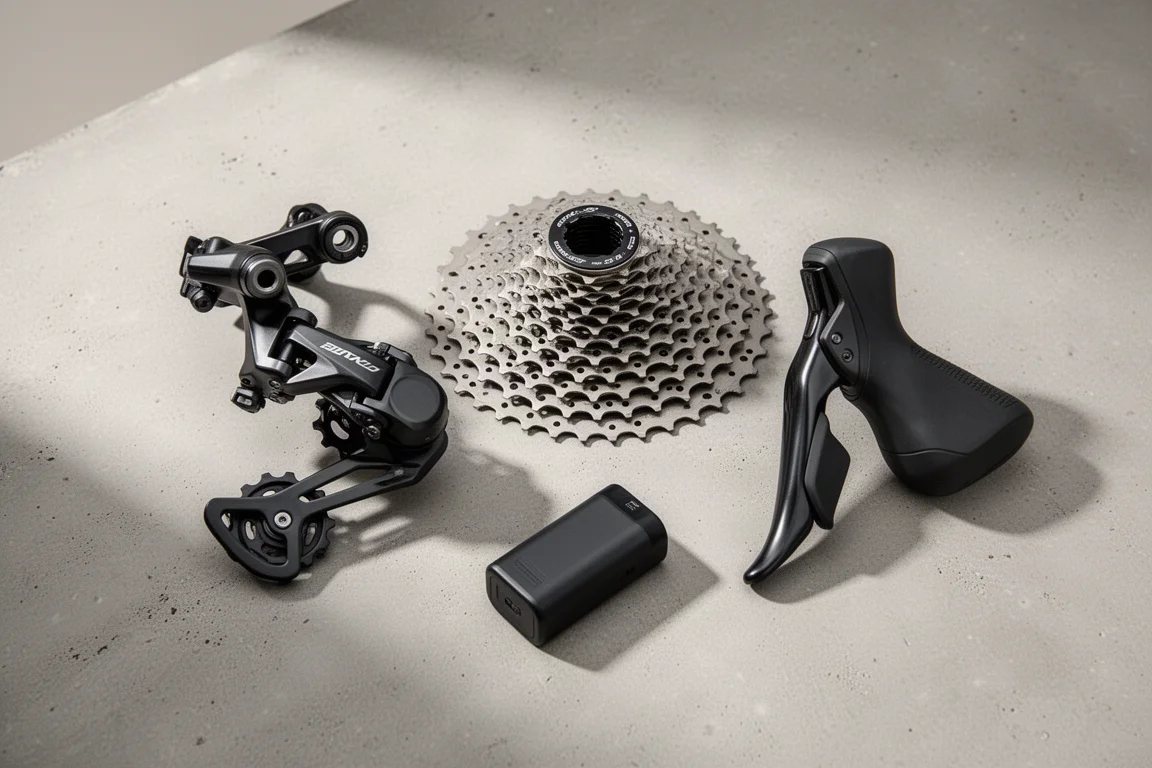
The headline point is simple. Wireless electronic shifting has moved down the range, and Apex AXS is where it becomes genuinely attainable. It shares the same removable battery design, the same ergonomic hood shape used on Force and Rival, and the same app-based customization, so the differences between this groupset and its more expensive siblings come down to materials and weight rather than how it actually works.
That matters for buyers, because the shifting experience is not a stripped-back version of a premium product. It is the premium wireless platform in a heavier and more affordable package.

The groupset weighed just over 3,000 grams as ridden, which is honest but not light. Riders who count grams will notice, but on a gravel or adventure bike loaded with bags and bottles, the drivetrain is rarely the deciding factor in how the bike feels.
Living With Apex AXS: Shifting, Braking, and Reliability
Across a full day of dusty gravel, shifting stayed fast, quiet, and precise, and the groupset made no noise even when covered in grit. Nothing came loose, nothing needed attention, and braking proved very powerful. The hoods come from the higher-tier Rival design, so the shape and hand position will feel familiar to anyone who has ridden SRAM’s more expensive groupsets.
The feature that stood out most was the pair of blips on the handlebars. These remote shift buttons sit on top of the bars, letting riders change gear while their hands rest on the tops instead of reaching down to the levers. On rolling terrain, where hands naturally stay high, that is a genuine comfort improvement rather than a gimmick.
Sonder Camino Ti: The Titanium Gravel Platform
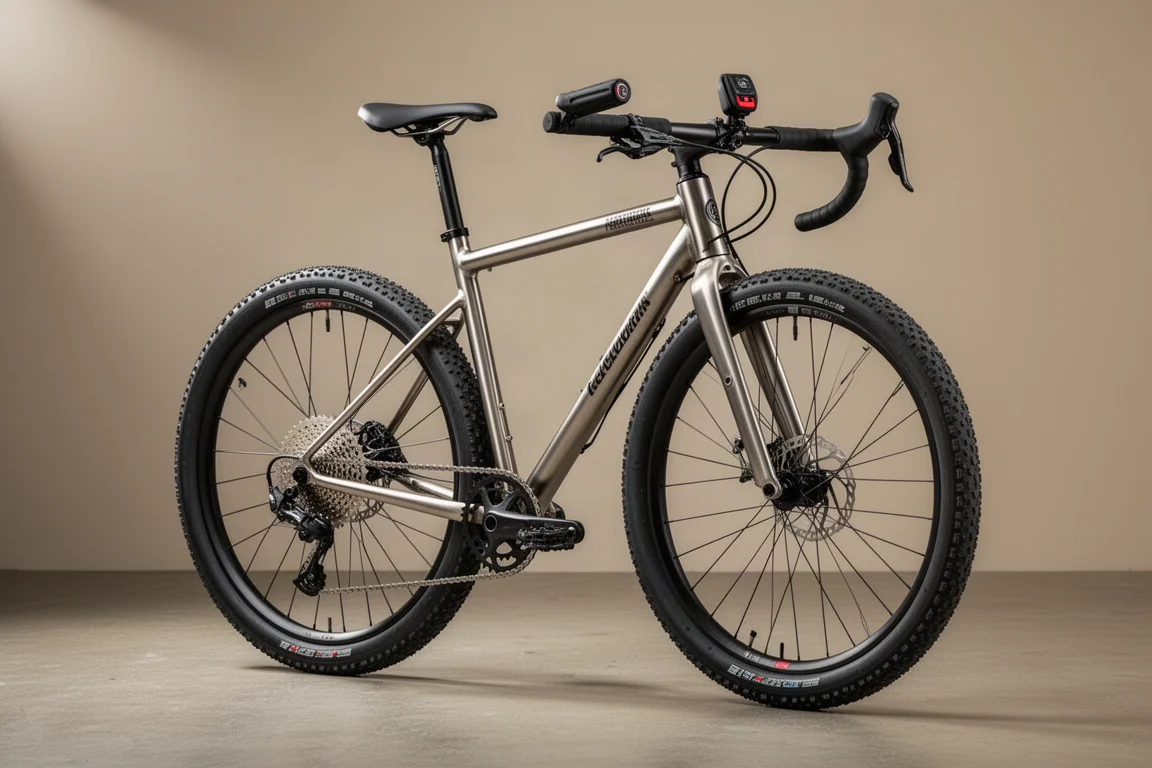
The Camino Ti is a titanium gravel and adventure bike, offered alongside an aluminium version. Titanium framesets start from £1,900, and the Shimano and SRAM builds are competitively priced, so there is a lot of bike on offer for the money on paper.
The frameset covers the practical details well: generous tyre clearance, extra mounts for bags and bottles on both the fork and the frame, a threaded bottom bracket, sensible cable routing, and a round seat post. Titanium also suits bikepacking specifically, since there is no paint to scratch when bags are strapped on, and the finish stays durable over time.
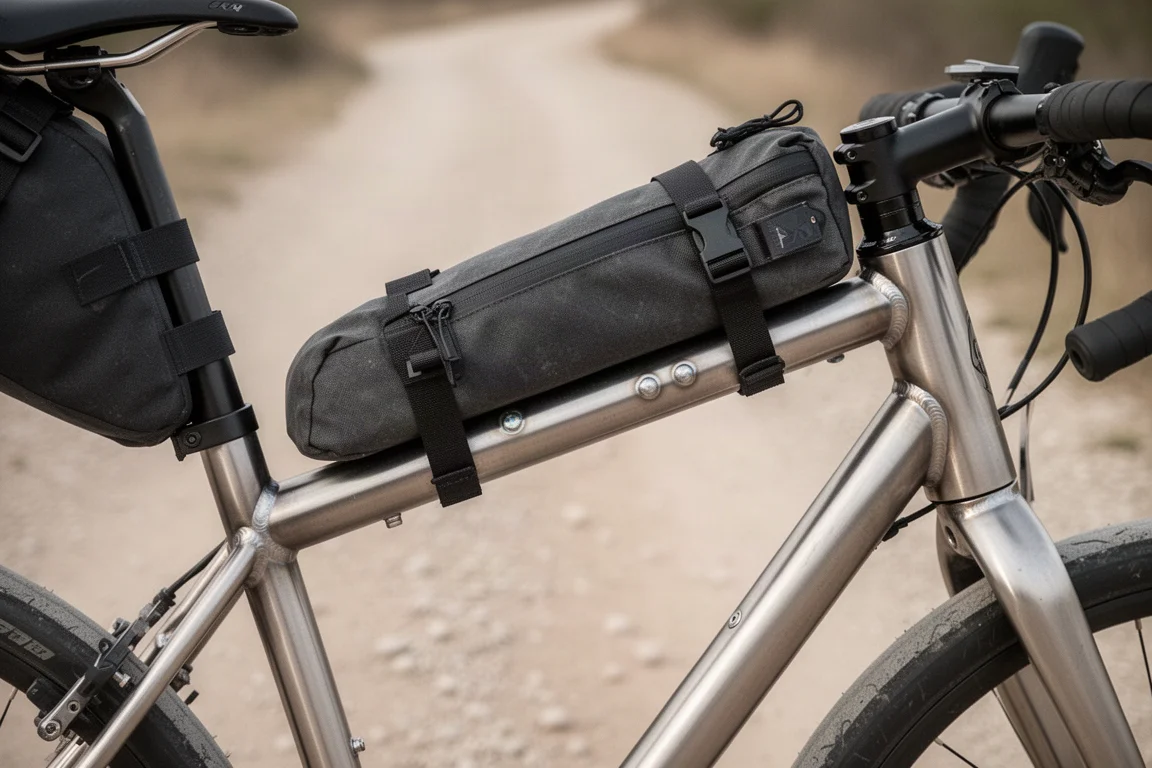
For riders who want a frameset they can load up, ride hard, and keep for years, that combination of mounts, clearance, and finish is more relevant than a few hundred grams of weight saving.
Fit, Geometry, and Ride Quality
Weight was the first thing that stood out on the Camino Ti. The bike arrived on the heavy side, and the stock wheels were the most likely cause, since fitting a lighter set transformed the feel considerably.
Ride quality was the bigger surprise. Titanium has a reputation for a smooth, almost floating ride, and that is often true of more expensive titanium frames. This one did not follow the script. On the smooth gravel of Finland it felt fine, but on rougher local tracks full of roots and rocks it rode hard, and occasionally harsh. The material alone does not create ride quality: tube dimensions, internal butting, profiling, and the way the frame is joined all play a part.
Geometry is built around short stems across the size range, which gives quick steering, and with the inline seat post the fit felt slightly cramped. Fitting a longer stem improved comfort, and a setback seat post would likely be a further improvement on long days. The lively steering is a deliberate part of the design, and it is more agile than most gravel bikes of recent years, which will appeal to some riders and feel nervous to others.

Gearing Options and Hub Compatibility
Apex AXS is a 1x12 system, and the widest option pairs an 11-50 cassette with an Eagle rear derailleur in what SRAM calls a mullet setup. Every sprocket was used across the course, and the 50-tooth gear earned its place on the steeper climbs late in the ride, when tired legs needed the easiest ratio available. There is also an 11-44 option for riders who do not need that much range.
On XDR hubs, riders can instead choose 10-50, 10-44, or 10-36 cassettes. The 11-tooth versions matter for a different reason: they keep the groupset compatible with Shimano HG hubs, which are far more widely available and cheaper to replace at this price point.

For anyone weighing up drivetrain choices, the message is that range no longer requires a front derailleur. A 1x12 setup with a wide cassette covers the terrain most gravel and adventure riders actually ride, and it removes the chain management that comes with a double. A mechanical 1x12 version using SRAM’s DoubleTap shifters is also part of the plan, which keeps the platform accessible for riders who prefer cables.
Price and Value
Apex AXS starts at just over £1,200, and the mullet setup ridden here comes in at just over £1,300. That is a competitive figure for electronic shifting, and it looks even stronger against what other brands offer at their lower price points.
Most buyers will not purchase a groupset on its own. They will buy a complete bike built around it, and that is where the value calculation shifts. The Camino Ti frameset starts from £1,900, and its Shimano and SRAM builds are priced keenly, so the combination of a titanium frame and a wireless 1x12 drivetrain lands in a bracket that would have been unrealistic only a few years ago.
Buying Advice: Which Product Suits Which Rider
If the goal is a low-maintenance drivetrain with wide range and wireless shifting at the lowest sensible price, Apex AXS makes the stronger case. Riders who already use SRAM’s higher-tier groupsets will find little functional reason to spend more, unless weight is a genuine priority for them.
If the goal is a frameset for bikepacking and long-distance gravel riding, the Camino Ti offers the mounts, clearance, and durable titanium finish to support that, provided the geometry and ride feel suit. Testing a size in person is worthwhile, since the short-stem fit and lively steering are characteristics riders will either enjoy or want to tune.

Both products reward a clear-eyed look at priorities. A lighter wheelset will do more for the Camino Ti than any component upgrade, and the groupset’s extra weight is unlikely to be the limiting factor on a loaded gravel bike. Buyers comparing complete bikes should also check the cassette and hub combination fitted, since the 10-tooth options require an XDR hub while the 11-tooth versions work with the more widely available Shimano HG hubs.
Conclusion
SRAM Apex AXS does what it sets out to do: it brings wireless 1x12 shifting to a much lower price without cutting the experience down. Shifting was fast, quiet, and reliable over 177 kilometers of dusty gravel, the gearing range covered every climb the route offered, and the bar-top blips were the most enjoyable part of the package. The Camino Ti is a more mixed proposition, with a durable titanium frameset and thoughtful mounts on one side, and heavier weight and a firmer ride than titanium’s reputation promises on the other.
For most riders shopping for a gravel or adventure bike in the next year, the drivetrain is the easier recommendation, and the frameset deserves a test ride before committing.
Further reading
Related Reviews
Gravel Bike Components
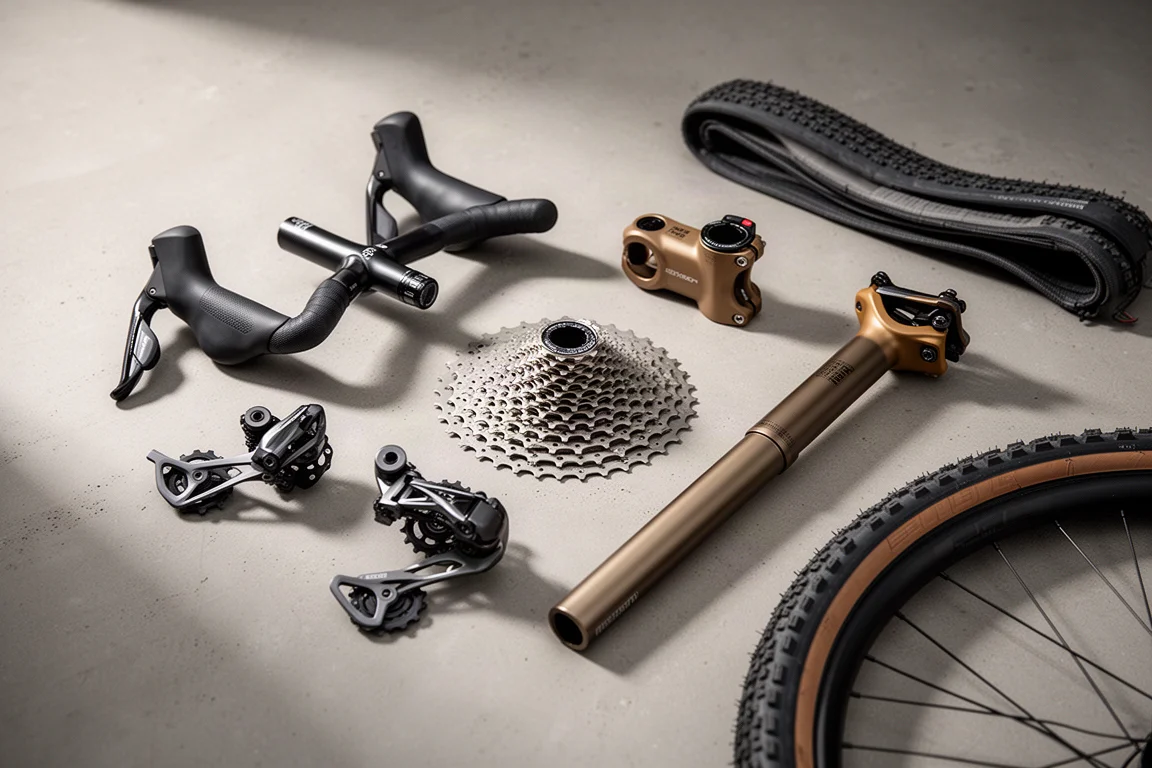
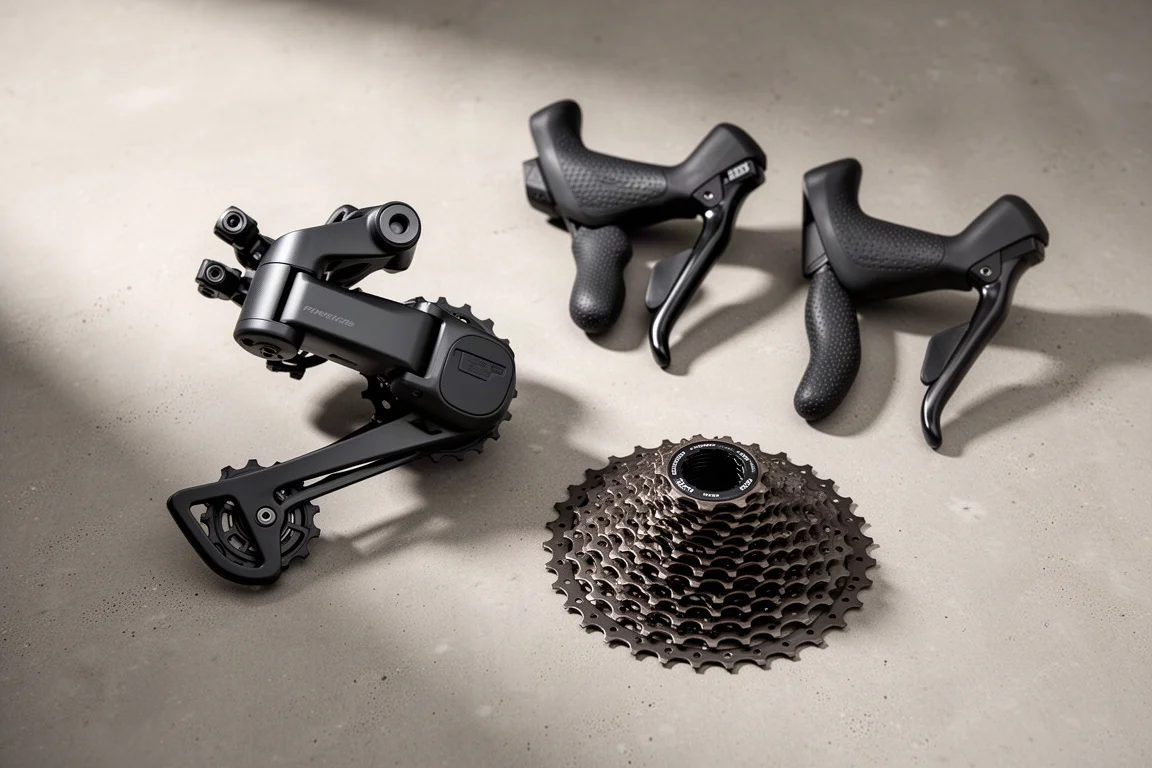
Gravel Upgrades Worth Considering: Shimano GRX Di2 12-Speed, Cane Creek eeSilk and Pirelli RS
A closer look at Shimano's 12-speed GRX Di2 groupset, the mechanical GRX alternative, Cane Creek's eeSilk suspension stem and seatpost, and the Pirelli RS gravel tire.
Gravel Bike Components
Shimano GRX Di2 Wireless Review: Fast Shifting, Real Trade-Offs
A wireless gravel groupset with quick shifting, a wide 510 percent range, and impressive battery life, plus the compatibility limits worth knowing first.
Gravel Bike Components
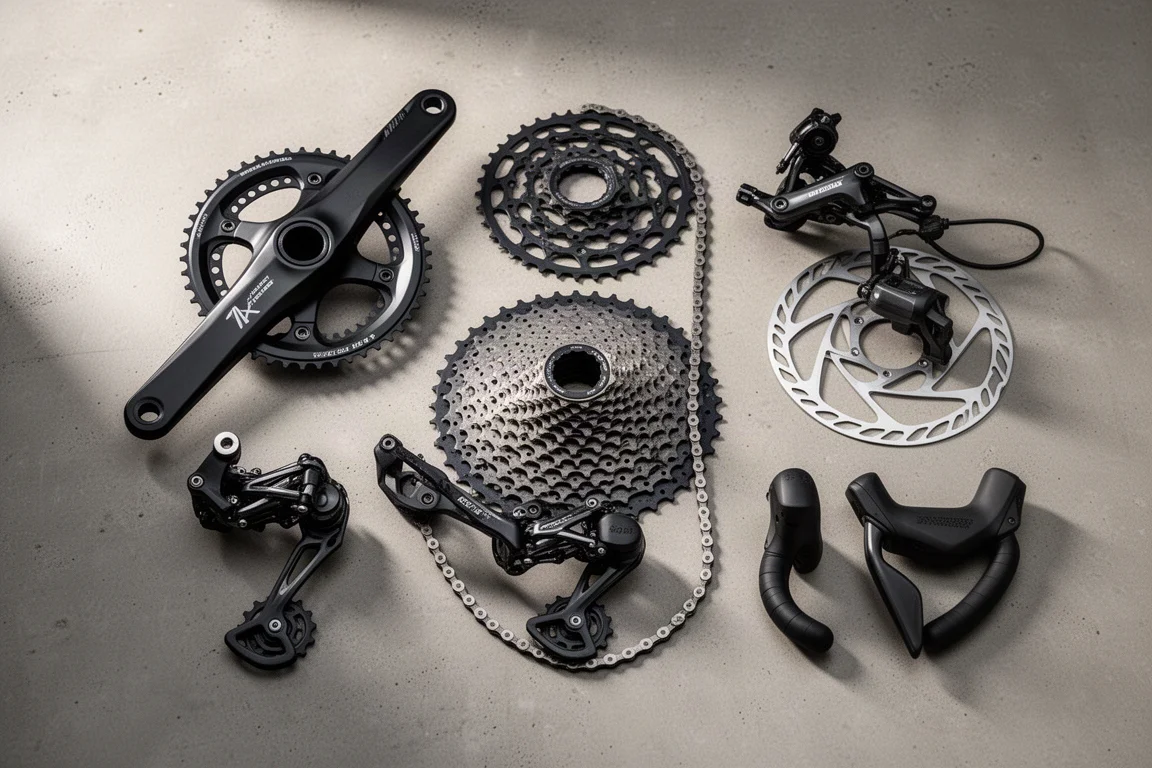
Shimano GRX RX 820 Review: The 12-Speed Mechanical Gravel Group Set With Real Range
A 12-speed mechanical gravel group set with a 10-51T cassette, quieter brakes and revised shifter clamps, plus the trade-offs to weigh before buying.