Wearables
Sports Watch Year in Review 2024: 20 Releases Worth Knowing About
From the Garmin Lily 2 to the COROS Pace Pro, here is how the biggest smartwatch and sports watch releases of 2024 stack up.
Introduction
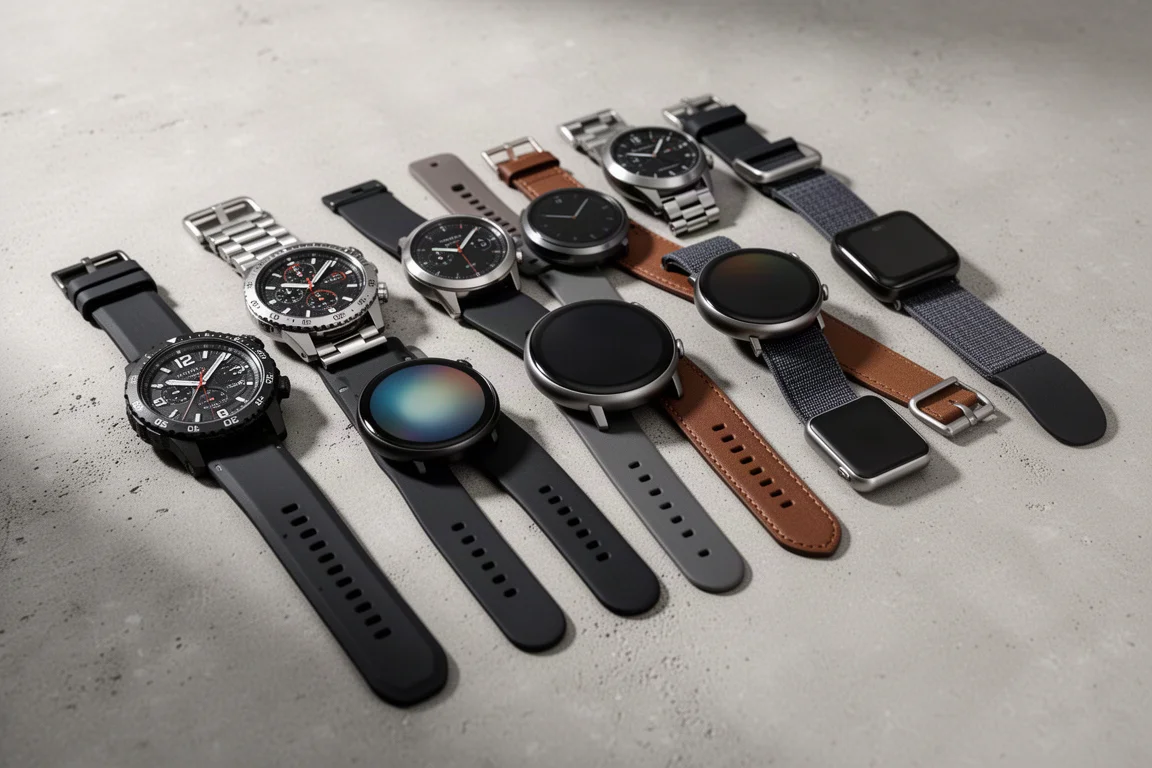
2024 was a busy year for sports watches and smartwatches. This roundup walks through the major releases in rough chronological order, from the compact Garmin Lily 2 in January to the COROS Pace Pro closing out the year. For each watch, you will find what it does well, where it falls short, and who it actually makes sense for.
Early 2024: Garmin Lily 2 and HRM-Fit
Garmin Lily 2
The Lily 2 is Garmin’s follow-up to its small, fashion-forward hybrid smartwatch, and it fixed several of the original’s pain points. It now takes a standard, swappable band, the case feels more refined, and the full Garmin sleep tracking suite carries over from the company’s high-end units. Many people even wear it at night for sleep tracking while using a larger sports watch during the day, since data syncs across Garmin devices.
The trade-offs are real, though: there is no onboard GPS, so you need your phone for outdoor activities, and the sport profile list is noticeably simplified compared with Garmin’s sports-focused watches. It is a lovely daily wearable first and a training tool second.
Garmin HRM-Fit
The HRM-Fit is Garmin’s women-specific heart rate monitor that clips onto the bottom of a sports bra, solving the awkwardness of juggling a traditional chest strap with sports-bra-ready gear. It carries over the feature set of Garmin’s high-end Pro heart rate straps, and accuracy is solid.
The sticking point is price. It costs considerably more than a standard chest strap, and optical armbands from other brands deliver comparable accuracy for roughly half the cost. Feedback from wearers has been genuinely mixed: some testers found it merely fine, while others absolutely love the convenience of snapping it on and going. Whether it is worth it comes down largely to the individual.
View more details for Garmin HRM Fit
Value and Mid-Range Standouts
Garmin Forerunner 165
The Forerunner 165 brings an AMOLED display to Garmin’s entry-level running line, inheriting a lot from the very capable Forerunner 265. You get open water swimming, a full set of sport profiles, HRV status, blood oxygenation, and a simple recovery hours-to-next-workout readout. What you lose compared with the 265 is the deeper training analysis: training load and training readiness are absent.
The waters between the 165 and 265 have gotten muddy, but the price story settles it. The 165 has been seen on sale around $149 to $199, which makes it an exceptional way into the Garmin ecosystem for runners who do not need the advanced training metrics.

Suunto Race S
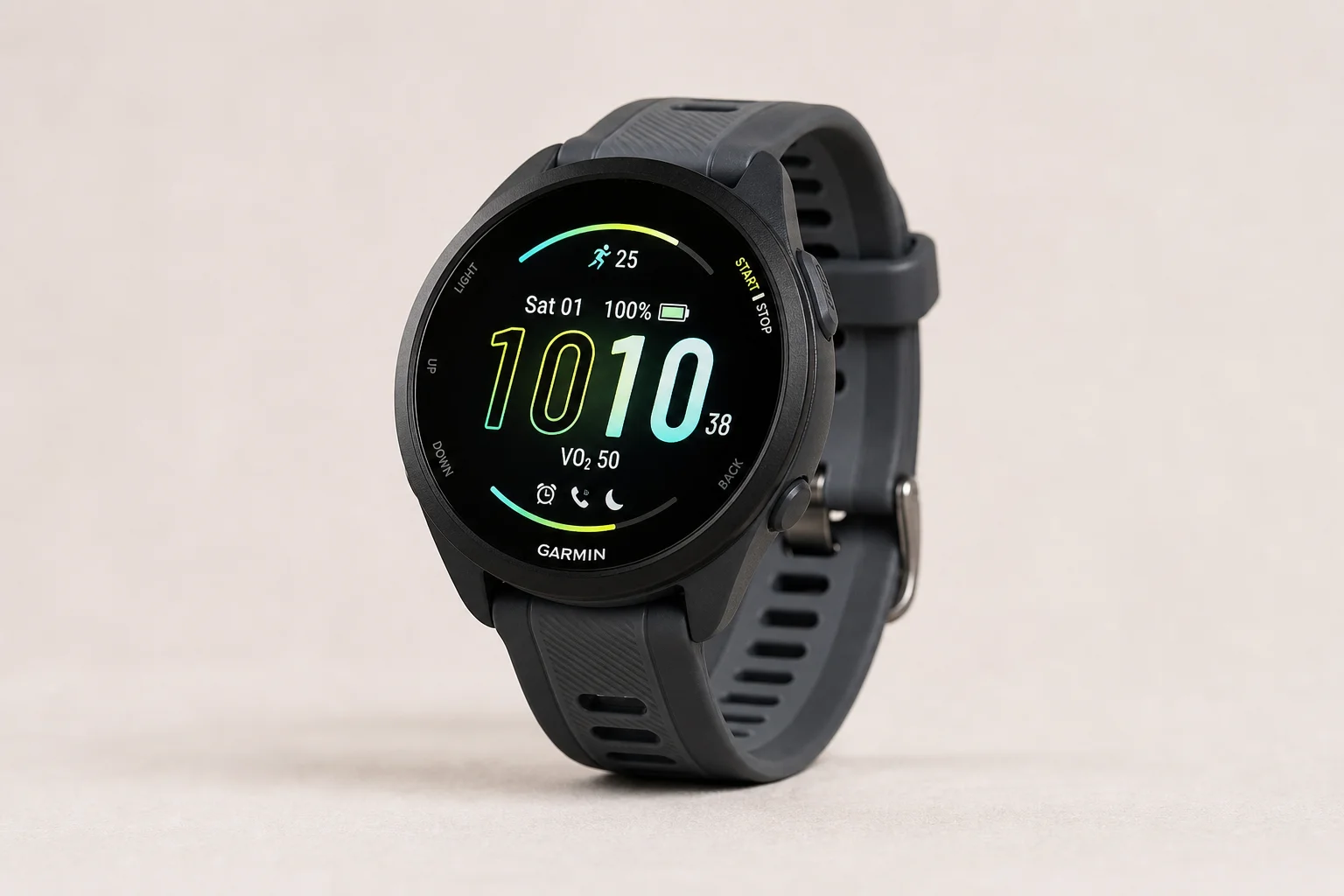
The Suunto Race S is the smaller sibling of the original Race, and it punches well above its roughly $349 price. You get offline maps, an AMOLED display, a new UI, better processor speed, and GPS accuracy that ranks among the best we have seen, with heart rate accuracy that is substantially improved over the original Race and other recent Suunto watches.
The main frustration is Suunto’s reliance on add-on apps. Features like its climbing function work well, and are better than what COROS or Polar offer, but they occupy limited slots rather than being built in. Sensor pairing is also fussy, handling one sensor type at a time. Those quirks aside, this is a genuinely great small watch.
Amazfit T-Rex 3
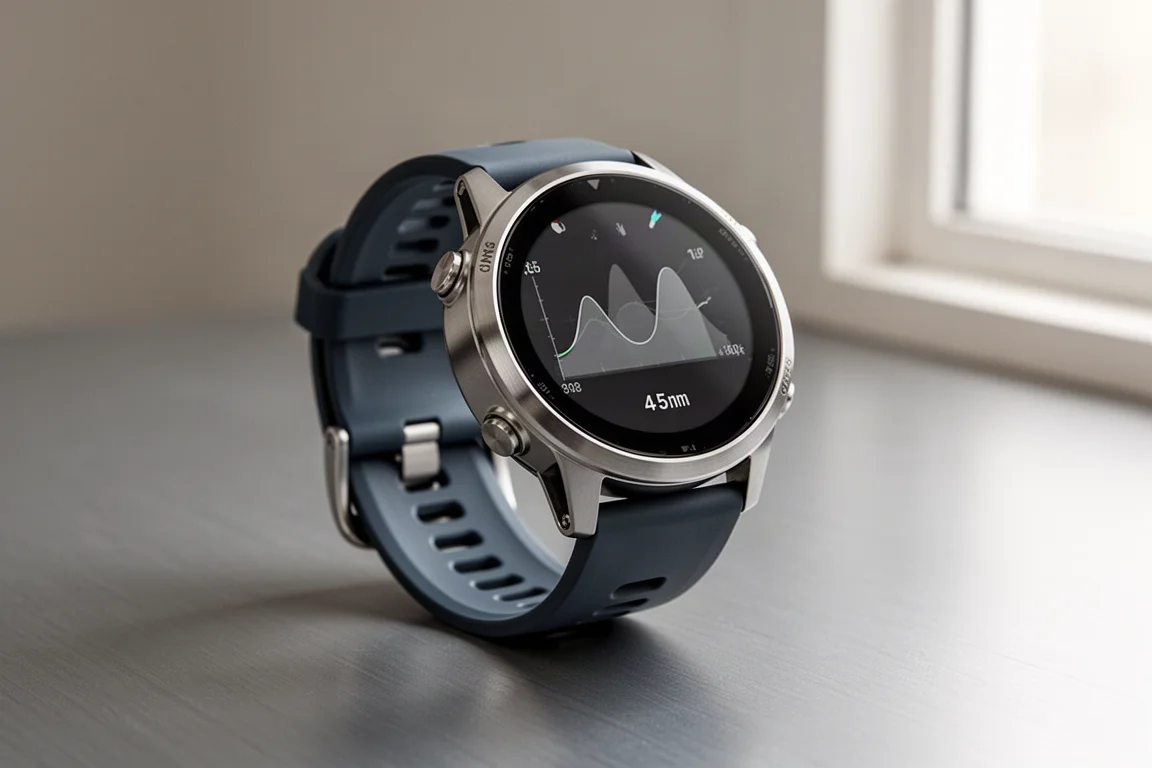
The Amazfit T-Rex 3 offers a frankly enormous feature list for the money: training readiness, offline maps with labels and an efficient section-based downloader, freediving capabilities, route imports, and external sensor support that even extends to power meters and smart trainers. Battery life is excellent for an AMOLED watch, easily stretching to about a week.
Refinement is where it stumbles. Navigation is clunky, with files that have to be imported and routes that cannot be changed mid-workout, map orientation is fixed, power meter data does not transfer to Strava, and readiness and sleep scores feel compressed, barely reacting even to bad nights. There were also early units that failed to record sleep data at all. Amazfit historically has not fixed software issues for existing owners, so buy this for the feature value, not the polish. Brands like Polar, COROS, and Suunto should be watching this company closely.
View more details for Amazfit T-Rex 3
Garmin Lily 2 Active
The Lily 2 Active could very well have been called the Lily 3, because it is the Lily most people actually wanted. It adds real buttons, a slightly larger case, the standard Garmin charger, longer battery life, built-in GPS, and a much longer sport profile list that you can manage directly on the watch instead of through the phone app.
This is the version that crosses the bridge between stylish daily wearable and genuine sports watch, meaning many buyers will no longer need a second device. For anyone torn between the Lily 2 and this one, the Active is the better deal in almost every respect.
Polar’s Year: Power Without Progress
Polar Grit X2 Pro
The Grit X2 Pro is essentially a Vantage V3 in a more durable case with a sapphire lens, plus a slightly improved optical sensor algorithm and a tweaked antenna design that nudges GPS accuracy up. The titanium version with its leather band is one of the best-looking watch setups of the year.
The problem is price. Polar raised it by about $150 over the Vantage V3, itself already considered overpriced, while the software feature set and even the battery stayed identical. For an outdoor adventure watch, longer battery life really should have been part of the deal, and reviewers and buyers alike largely agreed the price was not justified.
View more details for Polar Grit X2 Pro
Polar Vantage M3
The Vantage M3 flips the Grit X2 Pro equation: the same software feature set as the V3 and Grit X2 Pro in a smaller, lighter case, at a far more reasonable $399. It is the Polar release that hits closest to its proper price point, and optical accuracy is better than the heavier Grit X2 Pro, as is typical for lighter watches.
The bigger issue is the pace of progress. It arrived almost exactly a year after the Vantage V3 with essentially no new sport features, and the promised early-2025 feature drop is a list of minor additions. Polar’s single-software-platform strategy across its three watches is smart, but it only pays off if new features arrive at a much faster cadence.
View more details for Polar Vantage M3
Sennheiser Momentum Sport
The Sennheiser Momentum Sport earbuds are an unusual bonus entry: high-quality earbuds with an optical heart rate sensor built into clear ear tips, broadcasting from the ear canal and integrating directly with the Polar Flow app. Sound quality is genuinely top-tier, arguably the best of any earbuds we have used.
The heart rate sensor, however, is fragile in practice. Indoor cycling readings were spot on, but virtually any movement threw the readings off considerably, and once the heart rate feature is discounted, the case for choosing these over ecosystem-native alternatives weakens considerably. At the $330 launch price it was a hard pitch; at the roughly $200 street price, the sound quality alone starts to make sense, particularly if you are not tied to another ecosystem.
View more details for Sennheiser Momentum Sport
COROS: Steady and Rising
COROS Vertix 2S
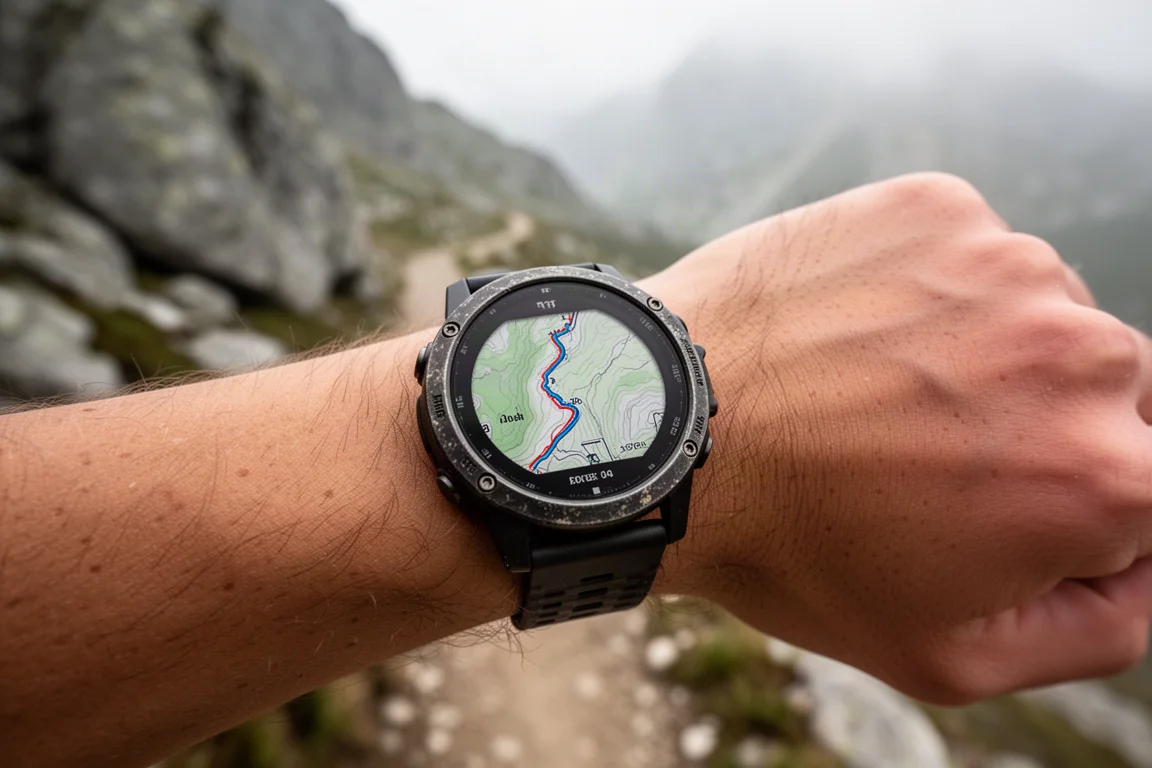
The Vertix 2S is a modest “S” update to the Vertix 2, with a new optical heart rate sensor, revised GNSS antenna, and new colorways. That sounds minor, but it mattered: the budget Pace 3 had been embarrassing the far more expensive Vertix 2 on GPS accuracy, and the 2S brings the flagship back in line, with clear improvements in both heart rate and GPS accuracy.
This is not a watch for Vertix 2 owners to upgrade to. It exists to give buyers a current-dated flagship, which is a pattern across the whole industry. If your old COROS is several years old and you want a premium option, this is a sensible landing spot.
View more details for Coros Vertix 2S
COROS Pace Pro
The COROS Pace Pro is the company’s first AMOLED watch, and it is one of the strongest releases of the year. It combines the tremendous value of the Pace line with offline maps, and the map panning and browsing experience is among the fastest on the market, even if map detail does not match Garmin’s flagship level. It is also the first COROS watch with acceptable-to-good open water swim tracking, which previous models never managed. GPS and heart rate accuracy were good across the board, and battery life is strong.
At $349 it is a big jump from the Pace 3’s budget territory, but the maps and display justify it, and it completely undercuts the aging Apex series, which now has almost no reason to exist. The comparison with the Garmin Forerunner 265 is interesting: the 265 lacks maps but executes training load and recovery features better, so the choice depends on what you value.
View more details for COROS Pace Pro
Samsung Galaxy Watch 7 and Galaxy Watch Ultra
Samsung Galaxy Watch 7
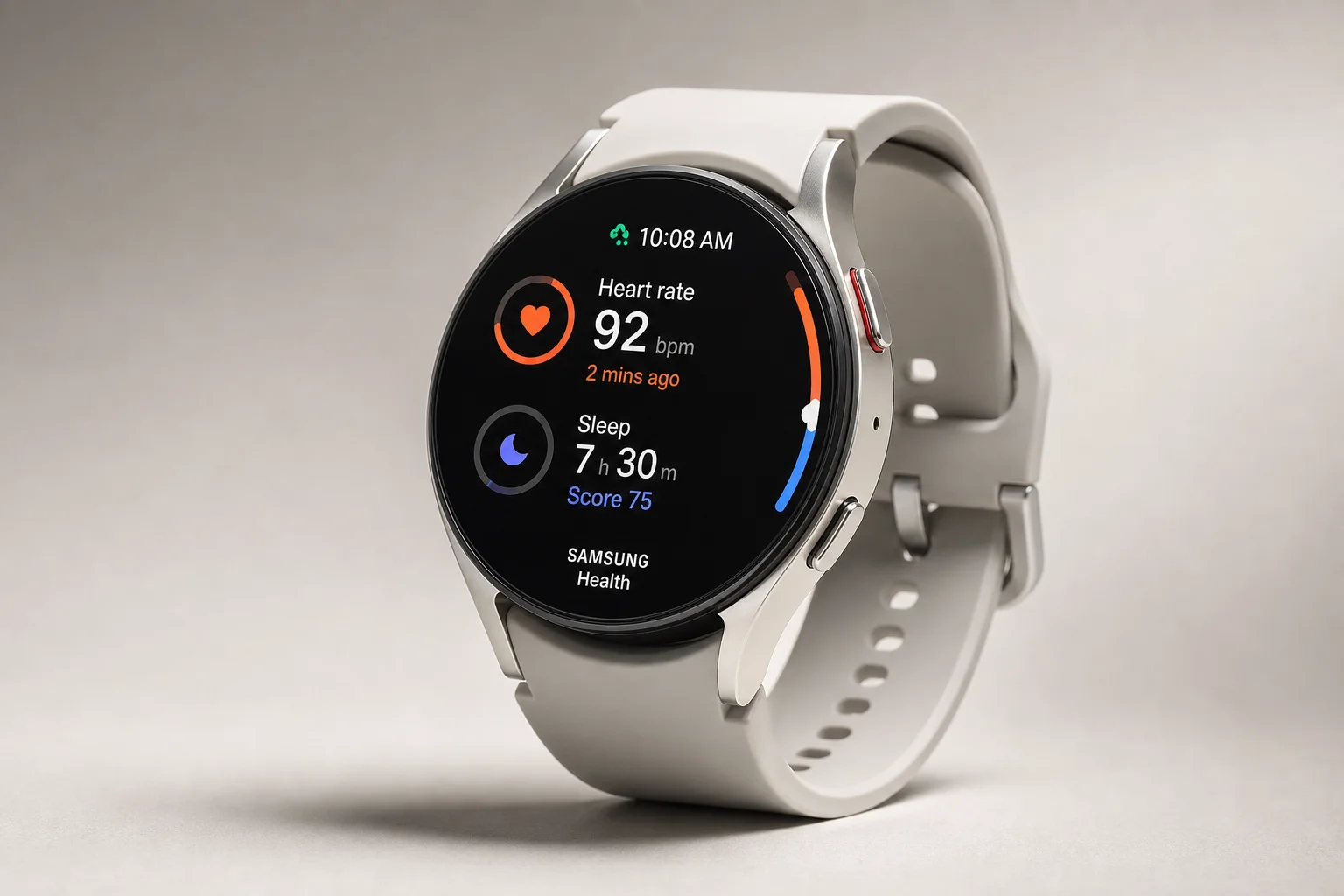
The Galaxy Watch 7 is a gorgeous watch, with thoughtful band accents that really nail the design. It adds dual-frequency GNSS, improved heart rate accuracy, slightly longer battery life, and new FTP detection for cycling. Heart rate accuracy is genuinely respectable now, and the battery handled a nine to ten hour mountain ride without trouble.
The FTP feature, though, is the worst-implemented Samsung watch feature in a long time: it requires pairing a power meter to your phone, using the phone app, and hoping the connection holds, which it does not for more than 10 or 15 minutes. Samsung still does not support external sensors on the watch itself, which is a strange gap for a watch promising cycling power features.
Samsung Galaxy Watch Ultra
The Galaxy Watch Ultra is big, heavy, and unapologetically aimed at the outdoor adventure crowd. The case design is its own thing, though the orange accents and the three band styles are near-identical copies of another company’s offerings, which is worth noting. Under the hood, it delivers: this is by far the most accurate Samsung watch tested to date, with GPS and heart rate that finally stick the landing, and battery life that held up through days in the mountains.
It undercuts its obvious Apple rival on price while including cellular connectivity, and its navigation handles imported route files better than Apple’s, though the whole experience remains clunky. Samsung still checks boxes without refining them, but this is the first Samsung watch we can genuinely recommend on accuracy alone.
View more details for Samsung Galaxy Watch Ultra
Suunto Ocean
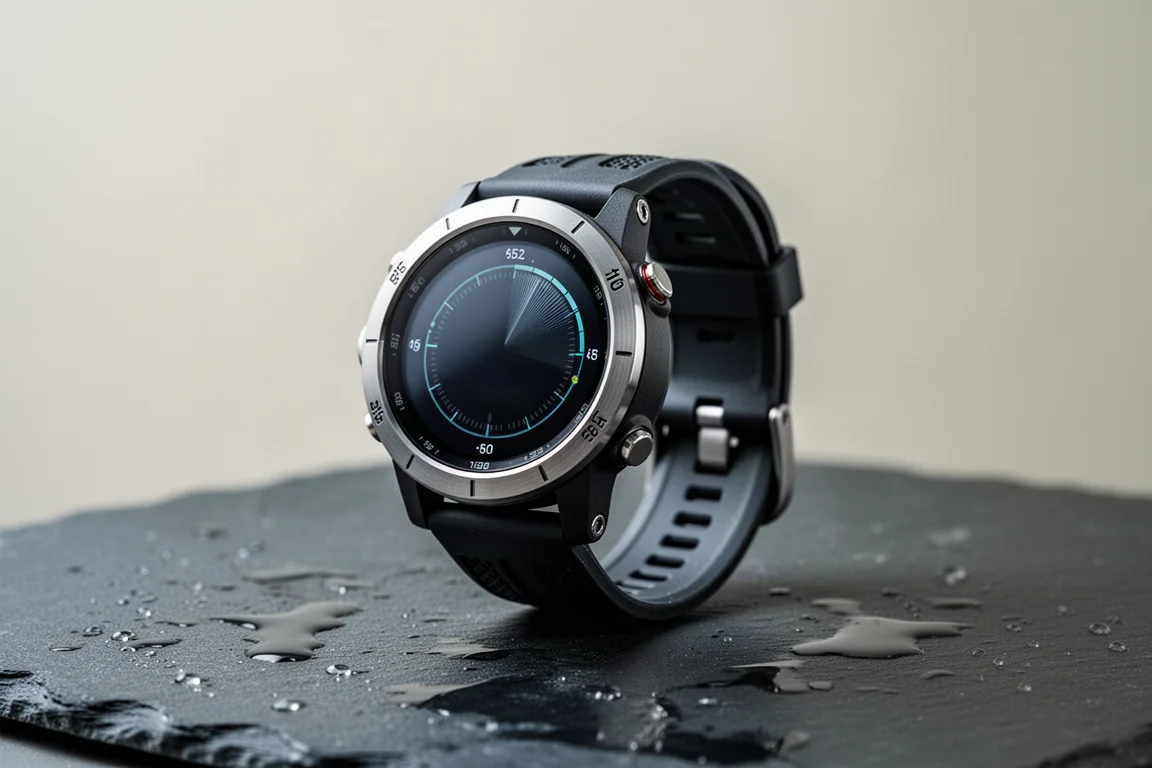
The Suunto Ocean merges Suunto’s sports watch and dive computer lines into one AMOLED device, effectively combining the Race and Vertical into a dive-capable watch. Suunto has a long dive computer heritage, and this is the first time the two halves have landed this well together.
At $899 it undercuts Garmin’s descent-capable options while offering features they lack: air integration via the Suunto Pod, a 60-meter tracking depth versus the 40 meters on Garmin and Apple rivals, and a genuinely cool 3D underwater dive profile built from entry and exit points. Frequent divers will value the air integration; occasional vacation divers will not miss it. Either way, this is a competitive, well-priced release.
Google Pixel Watch 3
The Pixel Watch 3 finally comes in a larger size alongside the smaller model, and it is one of the most comfortable watches on the wrist, with beautifully curved lines. Battery life improved thanks to hardware and Wear OS efficiency gains.
The software is the real story. Cardio load and target load arrived on any heart-rate-driven activity, even incidental exertion like sprinting for a bus, which captures real-world fatigue most platforms ignore. Readiness scoring now factors in more inputs including HRV, and Google gutted its paywall in a good way: the daily readiness score is free for existing Fitbit users too, removing the “you need Premium for that” conversation almost entirely. Running efficiency metrics were added as well, though frustratingly they cannot be exported off the Fitbit platform for cross-checking. The remaining question is design: Google delivers on software but still lacks a bigger, more distinctive, more rugged option to compete with the Ultra-style watches people gravitate toward.
View more details for Google Pixel Watch 3
Garmin’s Big Autumn Releases
Garmin Fenix 8
The Fenix 8 merges the Fenix and Epix lines into one AMOLED-and-solar lineup, with a completely redesigned leak-proof case that adds recreational diving down to 40 meters, plus a microphone and speaker carried over from the Venu series for calls, voice assistants, and voice notes. No cellular, though: you still need your phone nearby.
The controversy is the price. Garmin raised it substantially over the Fenix 7 Pro and Epix Pro generations while adding, at core, only diving and speaker features that exist on much cheaper Garmin watches, and no new marquee sports features. Most current Fenix owners do not dive and do not care about talking to their watch. The small solar version was also killed off, leaving only 47mm and 51mm cases, which stung loyal small-MIP-screen fans. A strong watch, priced for features most of its audience did not ask for.
View more details for Garmin Fenix 8
Garmin Enduro 3
The Enduro 3 is effectively a Fenix 7X Pro with the new UI and a genuinely enormous battery, in a light, comfortable case. The new solar ring is fully black and blends into the case, looking far better than the old red accent, and the new solar technology is substantially more efficient.
The headline is the price drop: down to $899, roughly $300 below the comparable Fenix 8 solar. If you do not care about the speaker, microphone, or diving, and you prefer a memory-pixel display, the Enduro 3 is the Fenix 8 most people actually wanted, with better battery life to boot. It has earned a passionate fanbase for exactly those reasons.
Garmin Fenix E
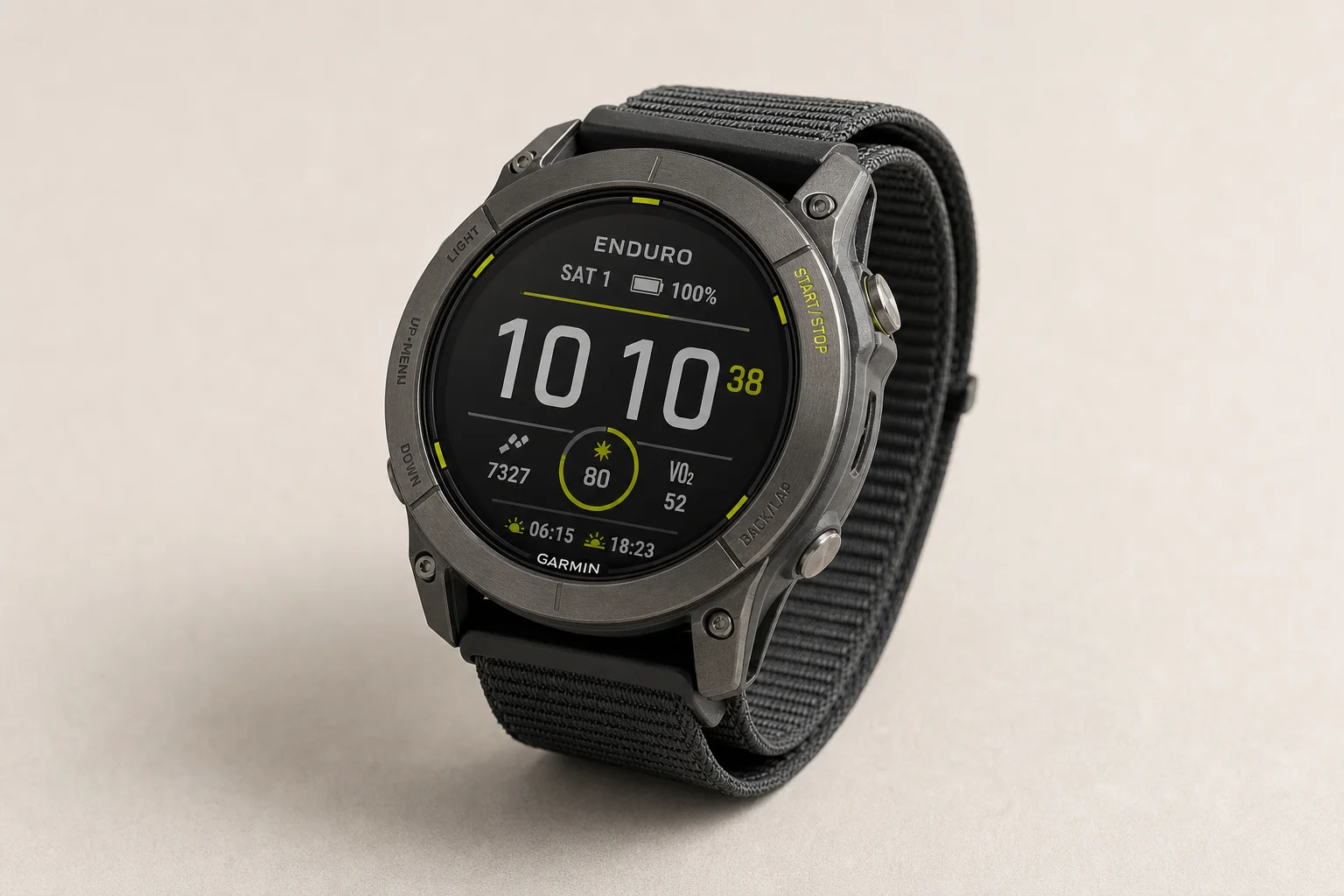
The Fenix E is the odd one out: essentially a several-year-old Epix Gen 2 with the new UI, lacking even the newer sensor that brings ECG to the Fenix 7 Pro and 8. It exists, it seems, as a “cheaper Fenix” to fill a retail request, but the math does not work.
Garmin has been selling Epix Gen 2 units with sapphire, titanium, and multiband at holiday prices around $399 to $449, roughly half the Fenix E’s price. Paying several hundred dollars more for a new UI that many people do not prefer makes no sense. If you want this tier of watch, buy an Epix Gen 2 on sale instead.
Apple Watch: Ultra 2 in Black and Series 10
Apple Watch Ultra 2 in Black
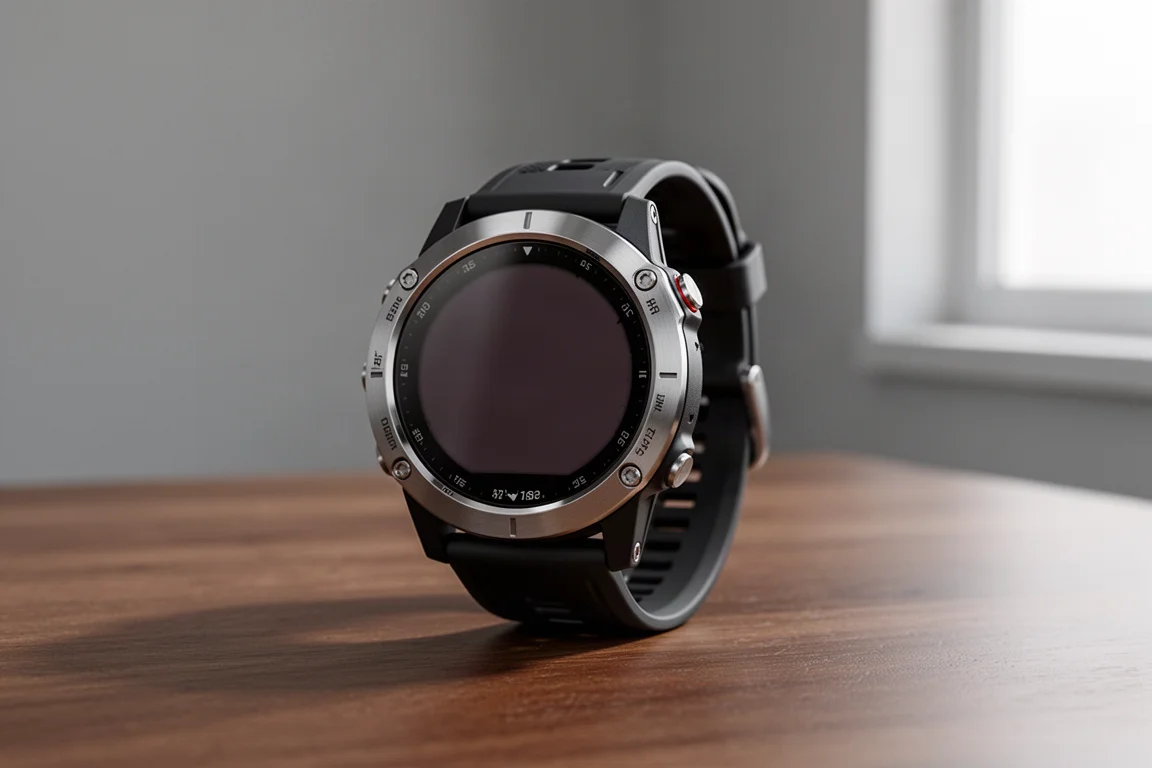
The black Ultra 2 is last year’s Ultra 2 in a new diamond-like carbon PVD coating that is supposed to be highly scratch resistant, and in months of hard use, including ultra trail hikes, pool and ocean swimming, and regular rock contact, no scratches have appeared. The coating genuinely holds up.
The bigger story is watchOS 11. Training load arrived, with Apple’s distinctive approach: you rate each workout’s effort on a 1-to-10 scale, which is multiplied by duration. That is actually valuable for long, low-heart-rate activities like a 10-to-12 hour hike, which other platforms score the same as a moderate 5K run. The frustrations are the missing raw load number for long-term comparison, and navigation that still cannot import third-party routes, with route creation locked to Apple Maps, which failed badly on trails outside its enhanced-mapping regions. A Vitals app rounds out the update, though it omits HRV.
Apple Watch Series 10
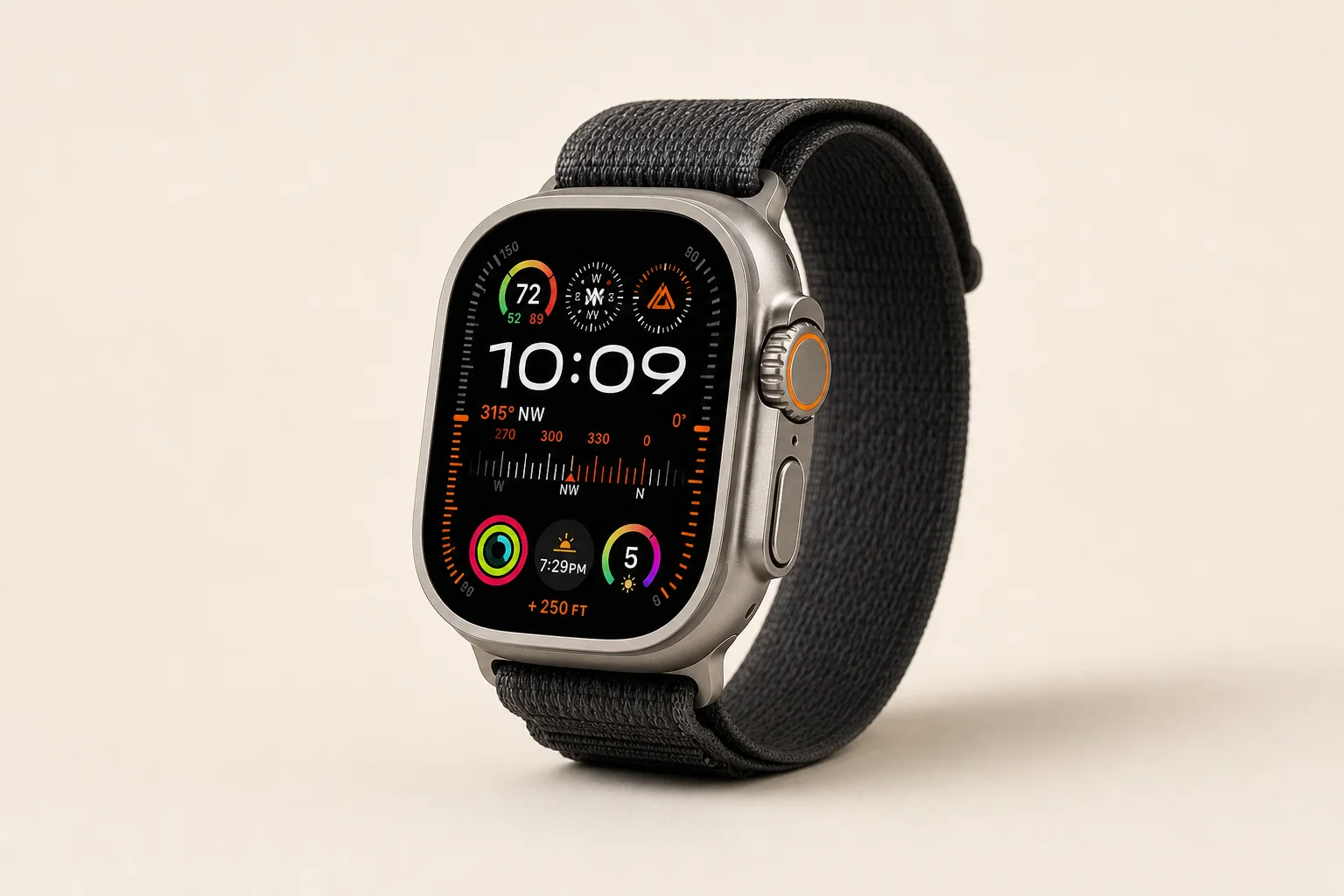
The Series 10 grows both sizes, with the larger version claiming the largest Apple Watch display ever by surface area, and the case gets roughly 10 to 15 percent thinner, which genuinely improves wearability. The new wide-angle display is noticeably more readable at off angles, most useful when glancing down at your wrist.
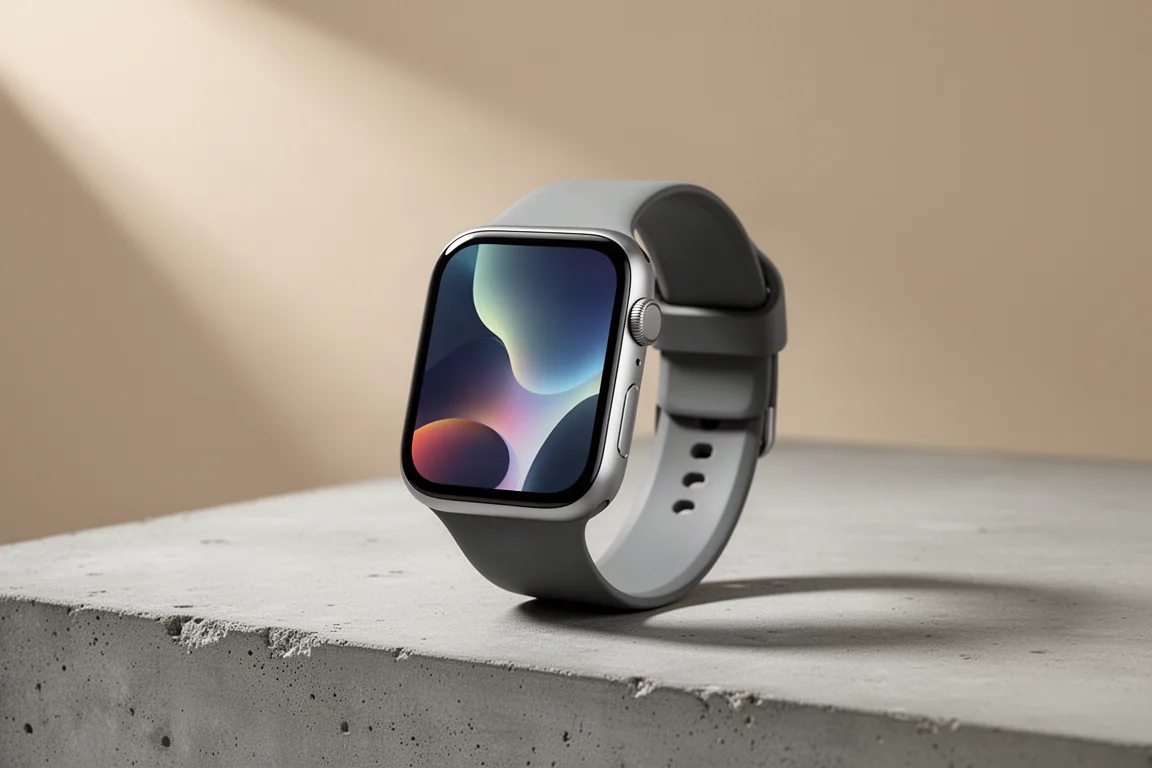
This is classic Apple: incremental hardware, free software updates across older models, and a product aimed at people on Series 4 through 7 rather than Series 9 owners, who should not upgrade. If you are coming from a Series 6 or older, this is a massive jump and an easy recommendation.
Wrapping Up: Standout Picks and What to Expect in 2025
Looking across the year, a few patterns stand out. Annual “S” refreshes like the Vertix 2S are becoming the norm as the technology matures, and price-value pressure is coming from below, with Amazfit and COROS forcing established brands to justify their pricing. Polar needs to dramatically accelerate its software cadence, Google needs a bigger and more distinctive Pixel Watch, and everyone’s mapping and navigation experiences look like the easiest area for gains in 2025.
The two big open questions for next year: will Garmin finally bring LTE connectivity back to a premium sports watch, a feature buyers would likely have accepted on the Fenix 8’s price point, and will Apple double battery life, the single thing every Apple Watch user asks for? An AMOLED Vertix from COROS also seems almost inevitable given how well the Pace Pro landed. For buyers right now, the value picks of the year remain the Suunto Race S, the COROS Pace Pro, the Garmin Enduro 3, and the surprisingly complete Amazfit T-Rex 3.
Conclusion
2024 rewarded buyers who matched a watch to their actual needs rather than the biggest spec sheet. Small and stylish wearables got genuinely capable with the Lily 2 Active, mid-range runners were spoiled by the Forerunner 165 and Pace Pro, and the premium tier delivered on accuracy, with Samsung’s Ultra and Suunto’s Ocean proving newcomers can compete at the top. Check each pick against how you actually train, and the right choice this year is easier to spot than ever.
Further reading
Related Reviews
Wearables
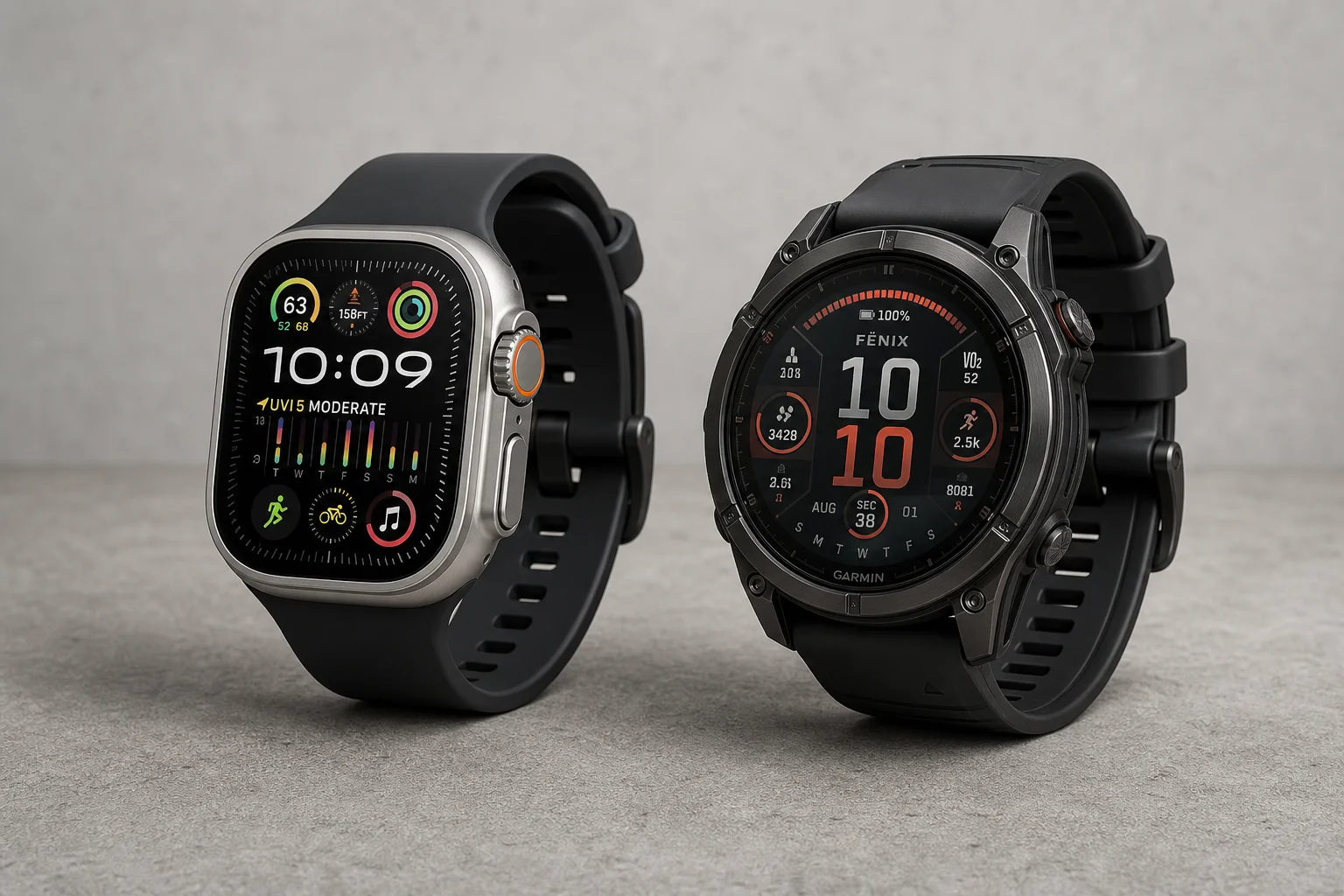
Apple Watch Ultra 3 vs Garmin: Which Training Watch Wins for Athletes
A practical head-to-head comparison of the Apple Watch Ultra 3 and Garmin for serious training, covering GPS accuracy, data tracking, usability, and recovery metrics.
Wearables
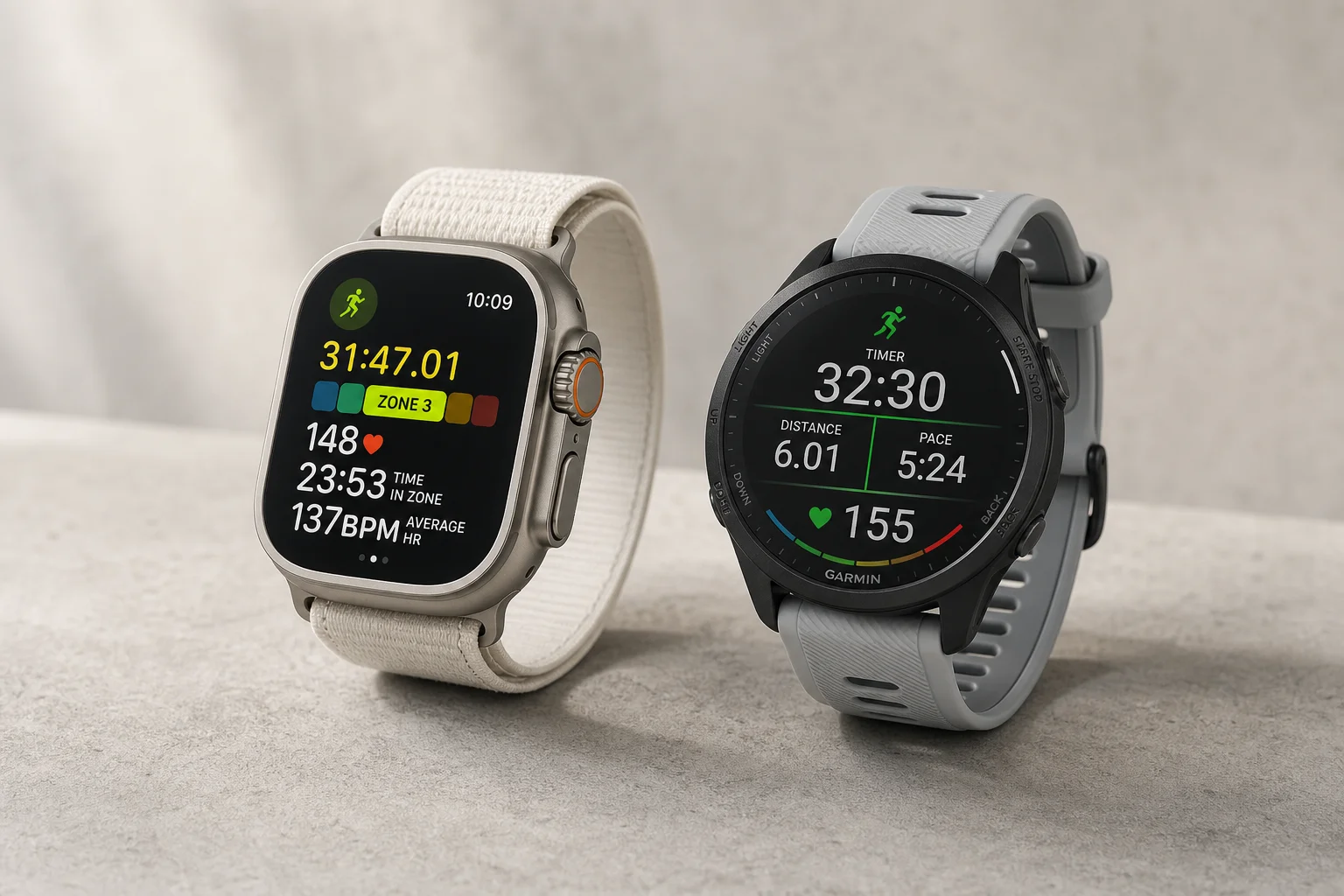
Apple Watch vs Garmin for Running: A Year of Training Compared
After a year training for marathons with both devices, here's what actually matters when choosing a running watch.
Wearables
Apple Watch Ultra 3 vs Garmin Fenix 8 Pro: Satellite Messaging Compared
A practical comparison of satellite messaging on the Apple Watch Ultra 3 and the Garmin Fenix 8 Pro, covering connection methods, messaging workflows, coverage, and running costs.