Road Bikes
Specialized Tarmac SL9 Review: Faster Aero, Same Frame Weight, Same Race Focus
The Specialized Tarmac SL9 trims drag, keeps frame weight at 687 g, and preserves the predictable handling that made the Tarmac a benchmark race bike.
Introduction
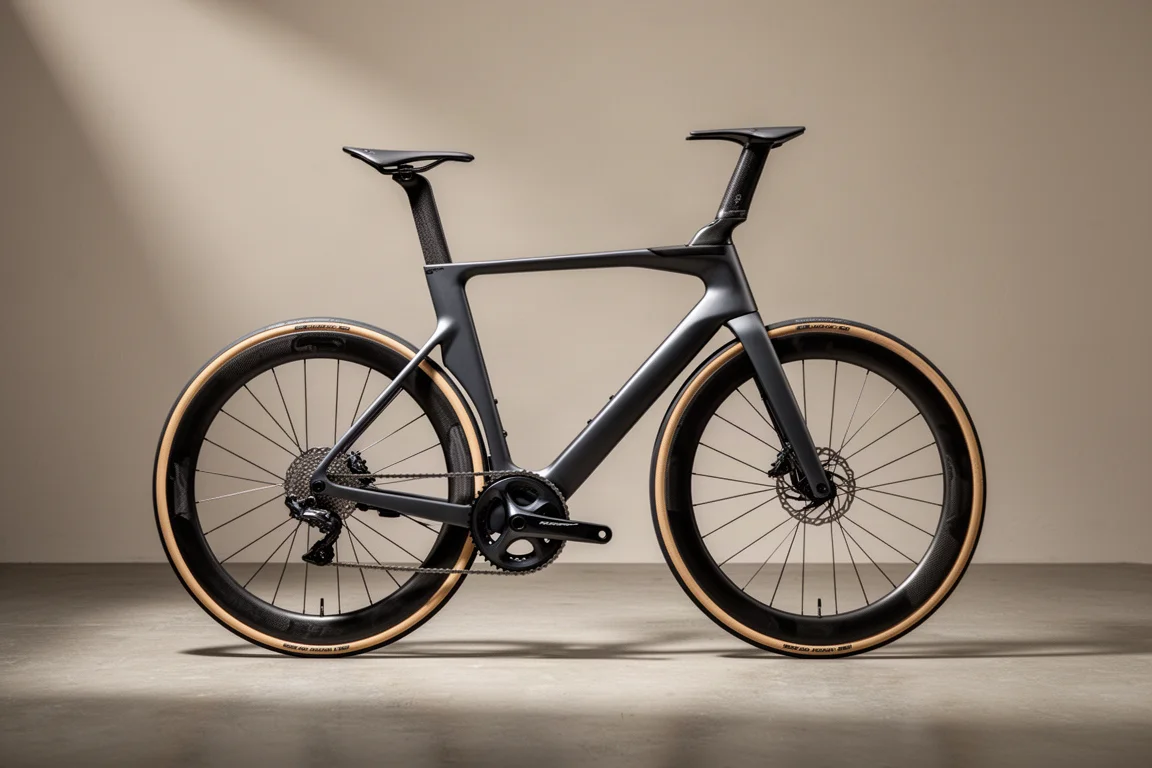
The Specialized Tarmac SL9 arrives as one of the most anticipated road bike launches of the year, and it does so with a silhouette that looks very close to the outgoing model. The changes sit under the surface. Specialized claims the new frame produces 4 watts less drag than the SL8 while keeping frame weight essentially unchanged at 687 g, and in simulated 100 km race testing the company says the SL9 is faster than key rivals from Factor, Cervélo and Colnago.
Those are bold numbers for a bike that does not look radically different in profile. Every tube shape, every profile and every surface has been refined in the pursuit of more aerodynamic performance, so the familiarity is a design outcome rather than a carry-over.
Who This Bike Is For
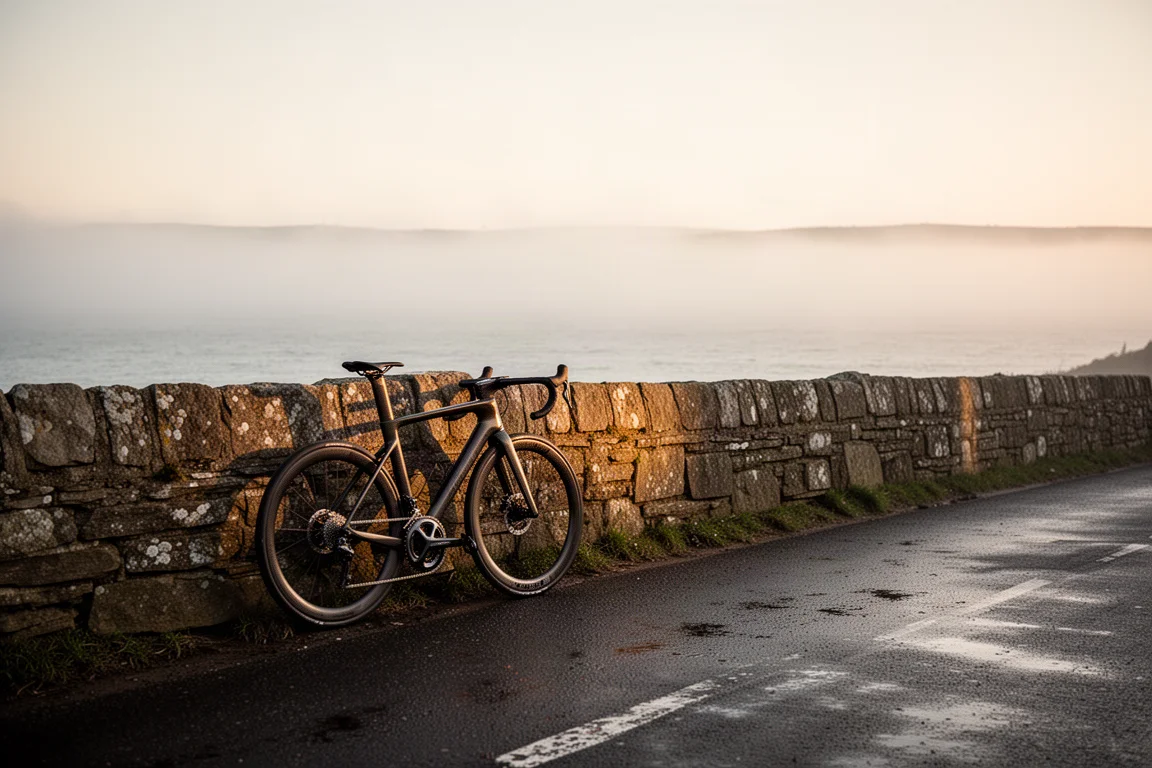
The Tarmac has always been aimed at riders who want aerodynamic speed and low weight in the same frame, and the SL9 stays squarely in that lane. Racers chasing criteriums and road races, strong group riders and anyone who values a fast bike that still climbs well will find the same appeal here.
Build potential matters too. With a 687 g plain frame weight, complete builds around 6.5 kg are realistic, which keeps the Tarmac among the lightest platforms offering this level of aero performance. If you want a single bike that covers fast flats, long climbs and everything in between, this is the brief Specialized is answering.
Main Strengths
The SL9 is a targeted evolution rather than a redesign. The front end, the seat tube and the frame details have all been reworked, while the geometry and ride character stay deliberately consistent with the outgoing model.
Refined Aerodynamics
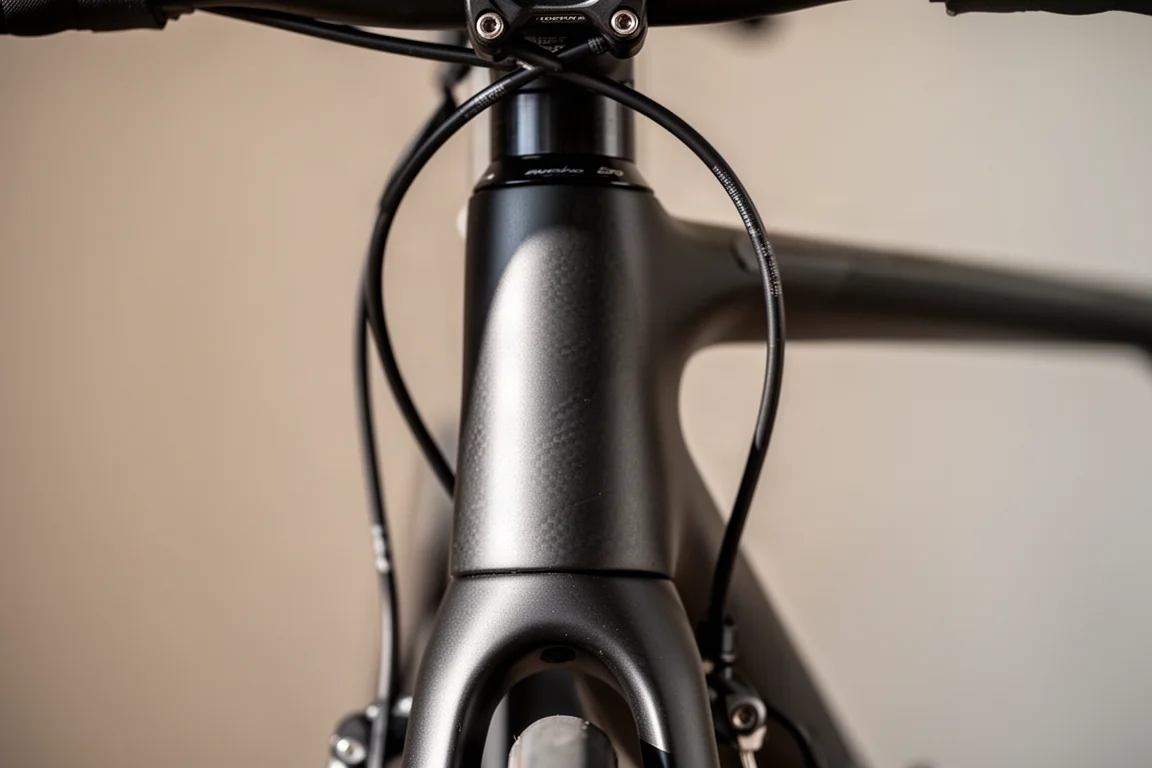
The front of the bike carries the biggest changes. The speed sniffer that first appeared on the previous generation is now slimmer, with 2 mm removed from each side, contributing to a 10 percent reduction in frontal surface area. That was made possible by a new offset steerer tube, which also let Specialized route both brake hoses on one side of the steerer instead of one on each side.
The fork blades are deeper in profile and wider in stance for improved airflow, and the junction where the fork crown meets the down tube has been reshaped. That junction change also created room for a steering lock inside the head tube, which prevents the bar from turning far enough for the fork crown to strike the down tube. Steering locks are common on mountain bikes but rare on road bikes, so it is a notable addition.
Frame Weight and Build Potential
Despite the aero work, the frame weight is effectively unchanged. Specialized quotes 687 g for the new frame against 685 g for the old one, a difference small enough to ignore in practice. Combined with the claimed drag reduction, that is the core of the pitch: more speed without adding mass.
The result is a platform that can be built into a genuinely light race bike. Complete builds in the region of 6.5 kg are achievable, which is uncommon for a frame with this aerodynamic profile. For riders who race uphill finishes as often as they sprint, that combination is the main draw.
The New Seat Tube and Wind Fin
The seat tube is the most visually distinctive change. It now hugs the profile of the rear wheel, with a wind fin shaped around how the airflow behaves in that region. The seat post keeps its previous profile but uses a slimmer, deeper section in one area to recover additional aerodynamic gains.
The thinking behind it came from pro rider feedback. Specialized found that in breakaway situations, riders competing for race wins were often running a single bottle on the down tube rather than two. The rear end was then developed around that scenario. Specialized also chose not to pursue aero-shaped bottles and cages, favouring round bottles that work with neutral support and the simplicity of standard cages. It is a deliberate trade-off, built around how the bike is actually raced.
Handling and Ride Feel
In terms of geometry, handling and compliance, the SL9 behaves consistently with the model it replaces. The bike remains predictable through corners, calm at high speed and eager to climb, with the same responsiveness that has made the Tarmac a benchmark.
That consistency is intentional. Specialized did not push the geometry into more aggressive territory, leaving that style of design to other platforms. For existing Tarmac riders and anyone shopping for a race bike with familiar, confidence-inspiring manners, keeping the geometry stable is a sensible decision.
Frame Details and Compatibility
At the rear, the dropouts now use the UDH standard, which brings T-Type transmission compatibility. The frame can be run as a 1x or 2x setup, so the front derailleur can be removed if you prefer a single-ring drivetrain. The bottom bracket remains a 68 mm threaded unit, which keeps servicing straightforward.
Cockpit options have expanded. The handlebar shape is unchanged apart from a refined 37 cm option with new flare drops, and there is now a narrow 36 cm width available, along with more stem lengths and bar widths than before. S-Works buyers can have the handlebar swapped to suit their fit through their local retailer rather than through online point of sale, and stock bikes below S-Works use Retül fit data to set sensible handlebar widths, crank lengths and similar fit details.
Things to Consider Before Buying
The 4 watt claim is the headline, and it is not something you can validate on the open road. That kind of gain only shows up in controlled testing, so treat the figure as a claim to be verified rather than a sensation you will feel on your first ride. Independent wind tunnel testing is the way to check it.
Pricing is the other obvious consideration. The Tarmac sits at the top of the market, and there are brands offering stronger value for the same money, including Canyon, Giant, Rose and Cube. That has not stopped the Tarmac from being hugely popular, and the SL9 is likely to sell well, but it is worth being honest about what you are paying for.
Development of the frame spanned roughly three years, which explains the polish, but it also means the SL9 is an evolution of a well-established platform rather than a leap into new territory. If you already own the previous generation, the case for upgrading rests almost entirely on the aerodynamic gains and the updated frame details.

Buying Advice
Start with fit, not the spec sheet. The expanded handlebar widths, including the new 36 cm option, plus the wider range of stem lengths, mean there is a good chance of dialling in your position properly. If you are buying an S-Works build, plan the handlebar swap with your local retailer as part of the purchase rather than expecting it to be handled online.
Think about drivetrain direction before you commit. The UDH dropouts and the option to run 1x or 2x give you genuine flexibility, so decide whether you want a front derailleur in your life or prefer the simplicity of a single ring. The threaded bottom bracket is a small but welcome detail for anyone who does their own maintenance.
If the top-end build is more than you want to spend, waiting for a lower-spec model with Shimano 105 or Ultegra is a reasonable strategy, since the frame itself carries most of the performance story.
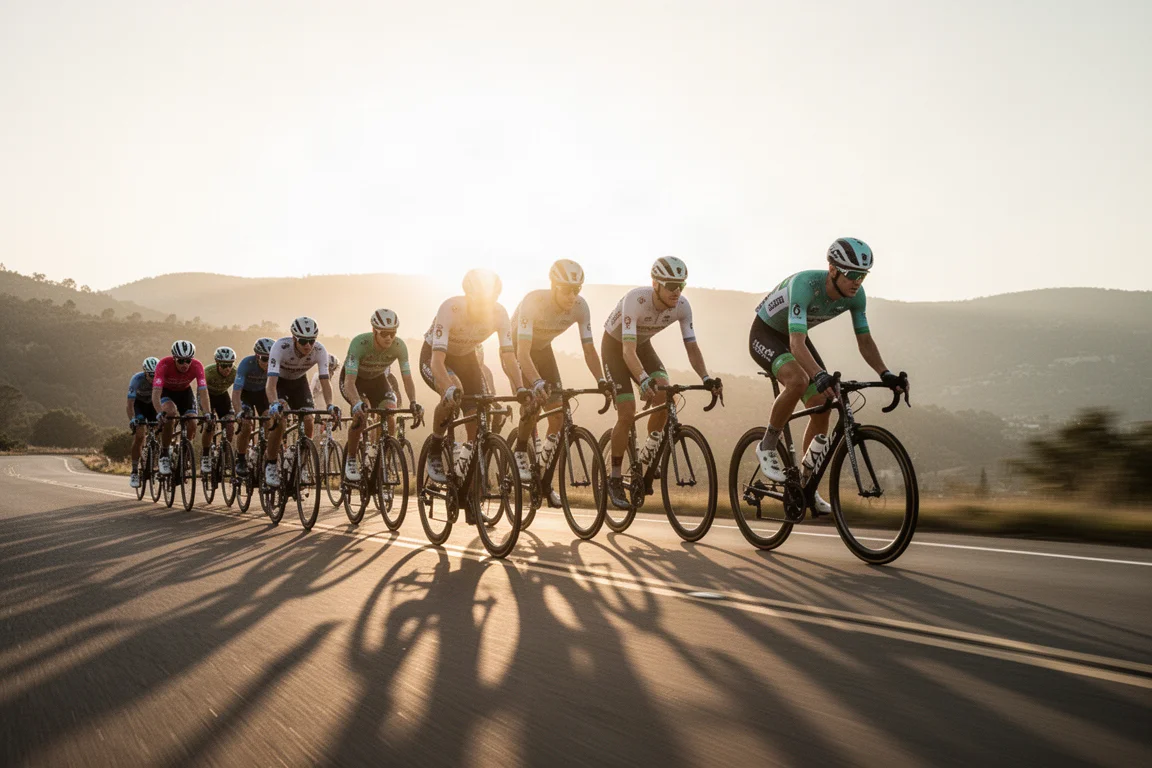
Weigh the aerodynamic claims against your own riding. If you race, the marginal gains and the aero frame details make a coherent package. If you ride for fitness and enjoyment, the predictable handling and low weight will matter more to you than the wind tunnel numbers, and both of those traits are exactly what the SL9 delivers.
Conclusion
The Specialized Tarmac SL9 is a careful, well-aimed update. It trims frontal area, reshapes the seat tube around how pro riders actually race, adds useful frame details like UDH dropouts and a steering lock, and keeps frame weight the same. In exchange, the geometry and handling stay familiar, which is precisely what most Tarmac buyers want.
The reservations are real. The aero gains need independent verification, and the pricing is high relative to several competitors. Even so, the combination of low weight, aerodynamic refinement and predictable race handling keeps the Tarmac where it has been for years: a benchmark race bike that is very easy to recommend to the right rider.
Product link
View more details for Specialized Tarmac SL9
This product is mentioned in the review. Check the specifications, options, and compatibility before buying.
View more details for Specialized Tarmac SL9Further reading
Related Reviews
Road Bikes
10 New Road Bikes Worth Watching: Aero, Titanium, Steel and Endurance Standouts
A practical roundup of 10 new road bikes, from aero flagships chasing single-watt gains to titanium, steel and endurance platforms built for real roads.
Road Bikes
2026 Tour de France Road Bikes: Six Race Machines Worth a Closer Look
Six race bikes from the 2026 Tour de France grid, reviewed for paint, silhouette, wheels and the specification details that matter to buyers.
Road Bikes
3T Strada Italia Review: A Radical Aero Road Bike That Rides Smooth
A made in Italy carbon aero road bike with a deep head tube, wide tire clearance and a genuinely comfortable ride. Here is what to know before buying.