Road Bikes
Specialized Tarmac SL8 Range vs Giant TCR Advanced Pro: Race Bike Roundup
A four-bike roundup covering the Specialized Tarmac SL8 Pro, S-Works Tarmac SL8, Tarmac SL8 Expert, and Giant TCR Advanced Pro, with the strengths and trade-offs that matter before you buy.
Introduction
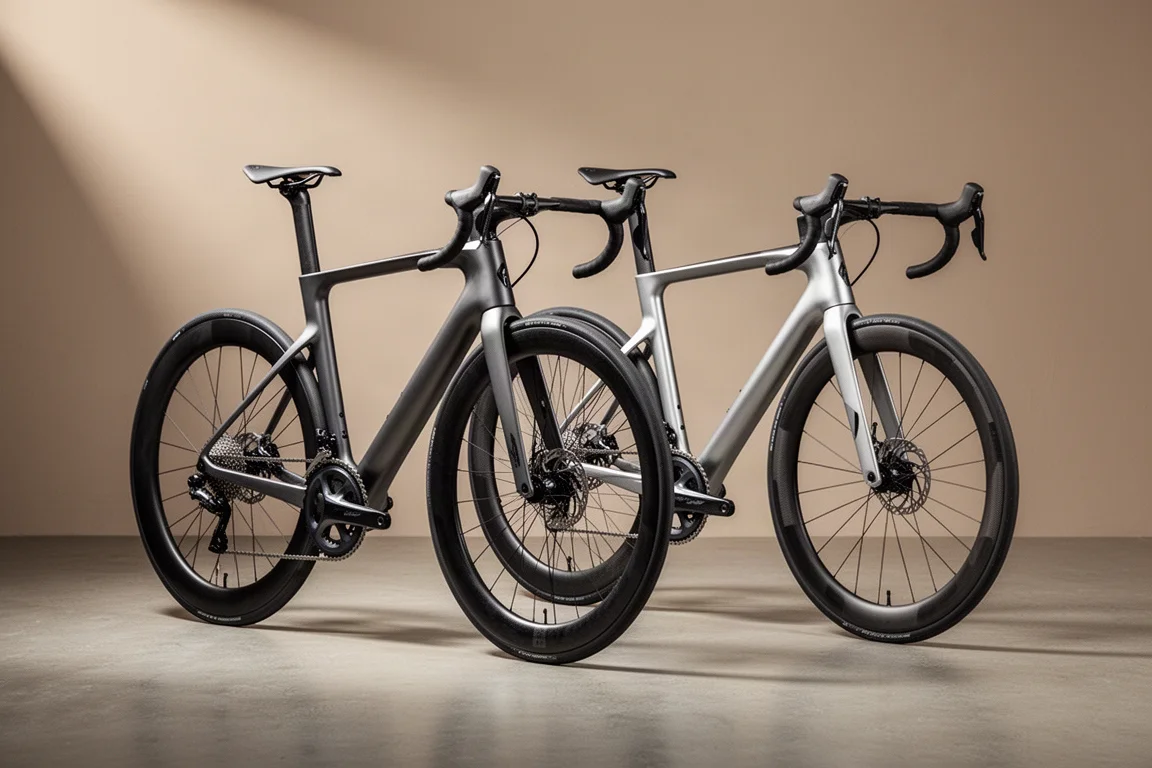
The Specialized Tarmac SL8 arrived with a reputation as one of the fastest and lightest race bikes on the market, and it has stayed on a lot of shortlists since. The question is whether that performance carries down to the more affordable, non S-Works builds, or whether the magic only lives in the range-topping model.
This roundup looks at four bikes that share the same racing intent but sit at very different price points: the Specialized Tarmac SL8 Pro, the Specialized S-Works Tarmac SL8, the Specialized Tarmac SL8 Expert, and the Giant TCR Advanced Pro. Each one has a clear role, and the differences between them matter more than the badge on the down tube.
How These Race Bikes Compare
All four bikes are built around the same broad goal of going fast on tarmac without giving up too much on the climbs. The Tarmac platform pairs aero tube shapes with a light frame, while the Giant TCR takes a different route, favouring low weight, ride quality and value over outright aero advantage.
The builds also differ in ways you will feel on the road. Wheels, handlebars, tyres and groupsets vary between models, and those choices shape comfort, weight, and how easy the bike is to live with.

When comparing them, it helps to separate the frame from the finishing kit. The frame determines the character of the ride, while the components decide whether the bike feels dialled in from the first ride or needs a few changes.
Specialized Tarmac SL8 Pro: The Value Sweet Spot
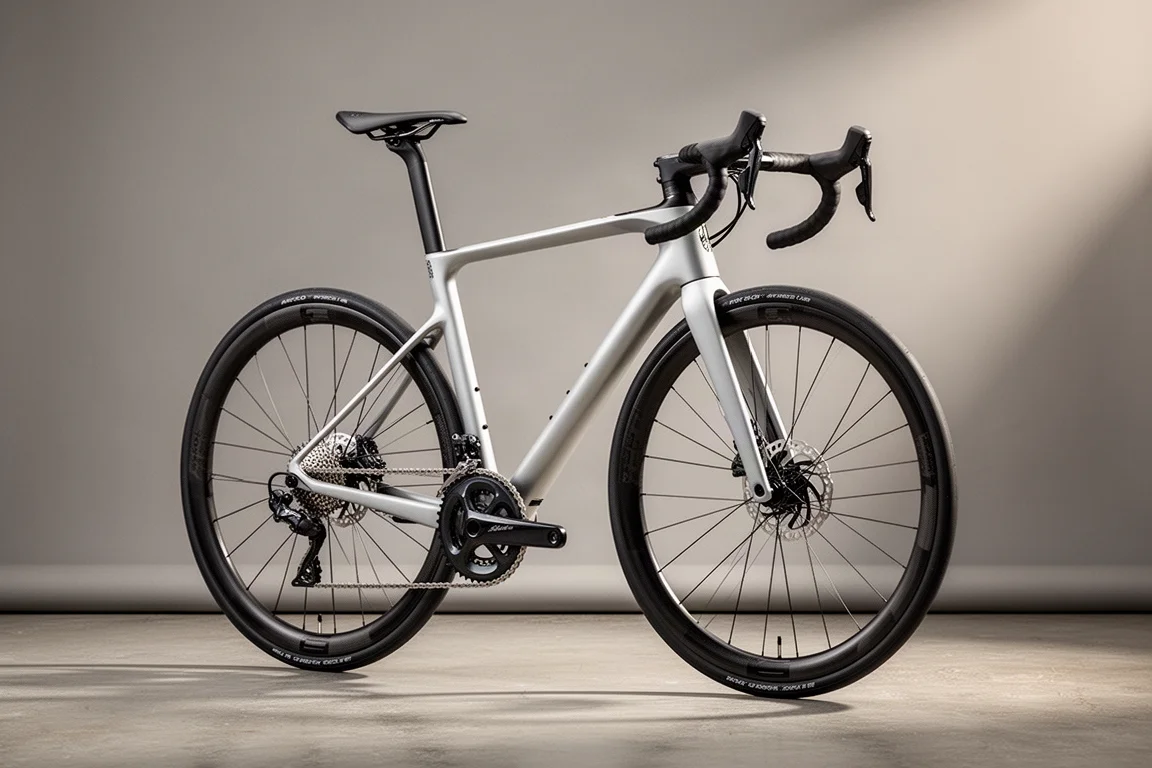
The Tarmac SL8 Pro is the cheapest non S-Works Tarmac you can buy, and it keeps most of what makes the platform special. The frame uses a lower grade carbon fibre to keep the price down, which adds around 100 grams, yet it still comes in under 800 grams. That remains very light for a race frame.
Tube shapes are unchanged, including the nose cone at the front. The one-piece carbon handlebar is the same as the S-Works version, and the 3D printed power saddle uses metal rails instead of carbon. The Roval wheels share the same rims as the higher model but use cheaper spokes and hubs, adding a small weight penalty. The drivetrain is Shimano Ultegra Di2 with a left-sided power meter, a few hundred grams heavier than Dura-Ace.
On the scales, a 56 cm build with Ultegra Di2 weighed 7.28 kg without pedals or bottle cages, using the computer mount it came with. That is around 600 grams more than the S-Works, and a large part of the price difference.
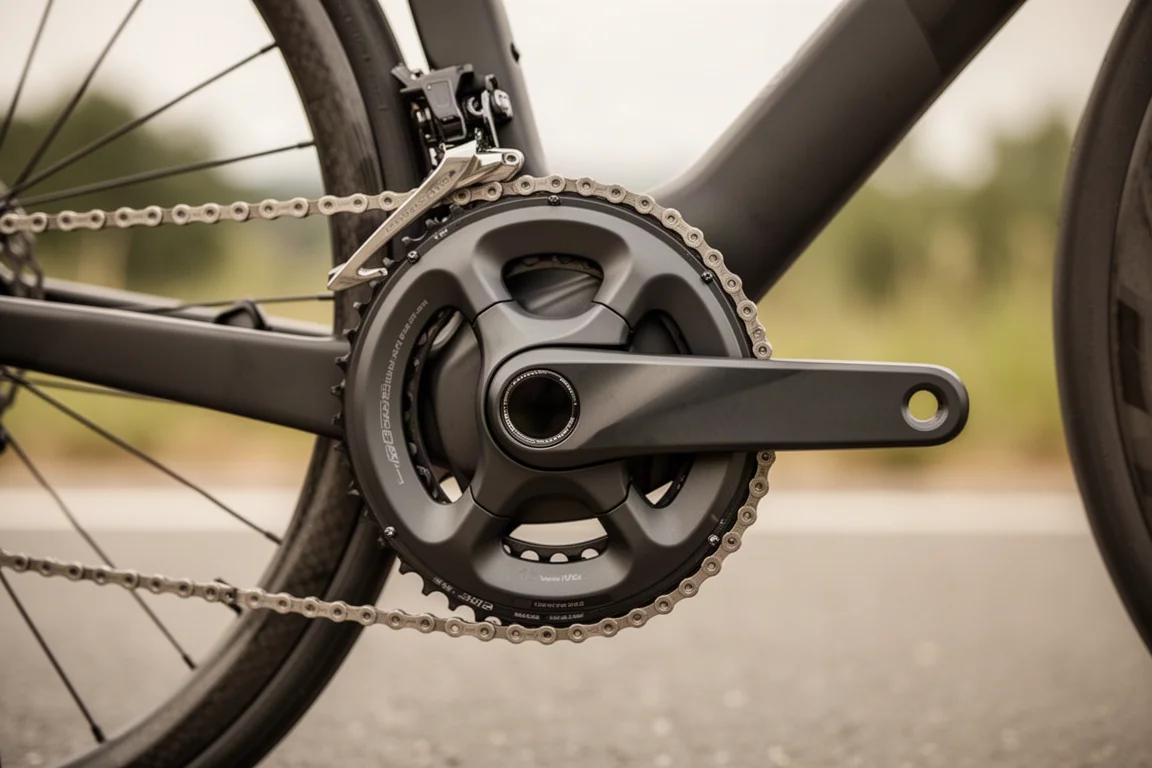
Out on the road, the Pro delivers the same speed and the same good sensations as the S-Works. Without riding both back to back, the difference is hard to detect. It climbs well, feels stiff through the bottom bracket and rear end when you are out of the saddle, and still picks up aero benefits on shallower climbs where gradients sit around 6 to 8 percent.
Specialized S-Works Tarmac SL8: The Range Topper
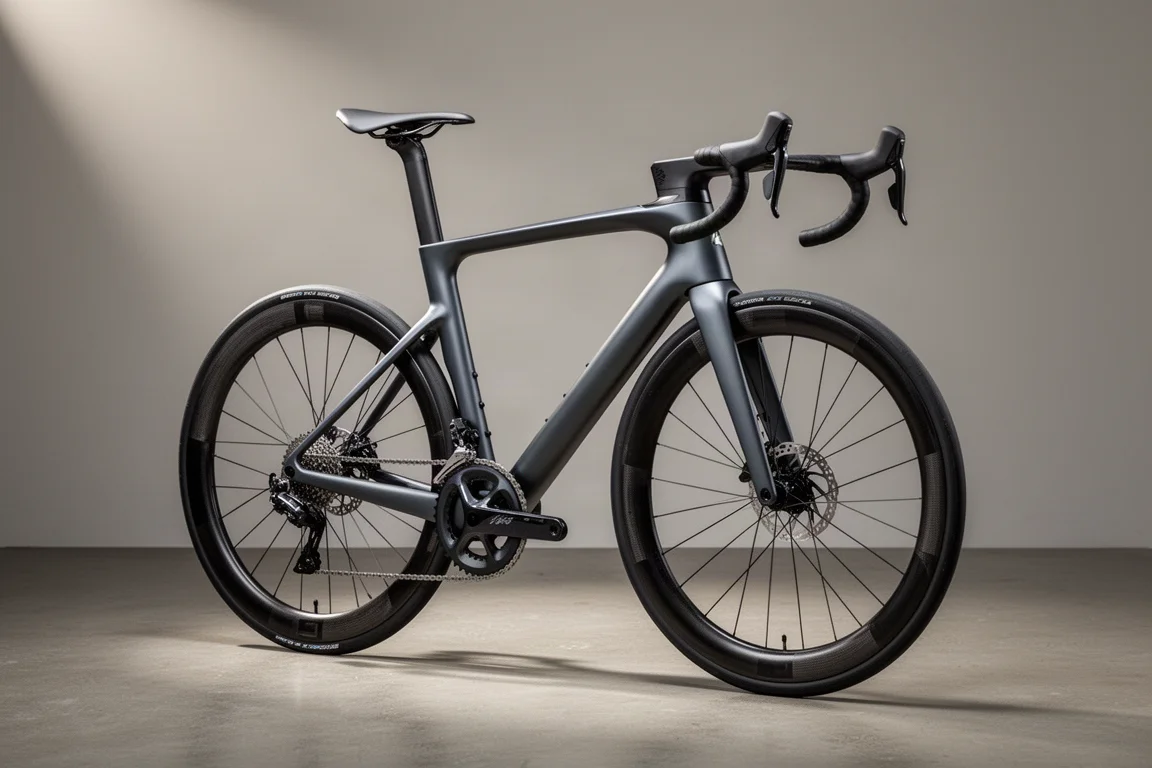
The S-Works Tarmac SL8 is the range-topping build, and it remains the lightest and most expensive way into the platform. It weighs around 6.6 to 6.7 kg, which makes it a notably lighter bike than the Pro.
That weight advantage is real, but it comes at a substantial premium. The S-Works uses higher grade carbon, a carbon-railed saddle and lighter finishing kit throughout. For riders chasing every gram, those choices matter. For everyone else, the question is whether the extra cost translates into a noticeably faster ride in everyday conditions.
The S-Works also carries the branding that many riders want on the down tube. It is a desirable bike, and there is nothing wrong with choosing it for that reason. Just be aware that the performance gap to the Pro is smaller than the price gap suggests.
Specialized Tarmac SL8 Expert: The Smart Build
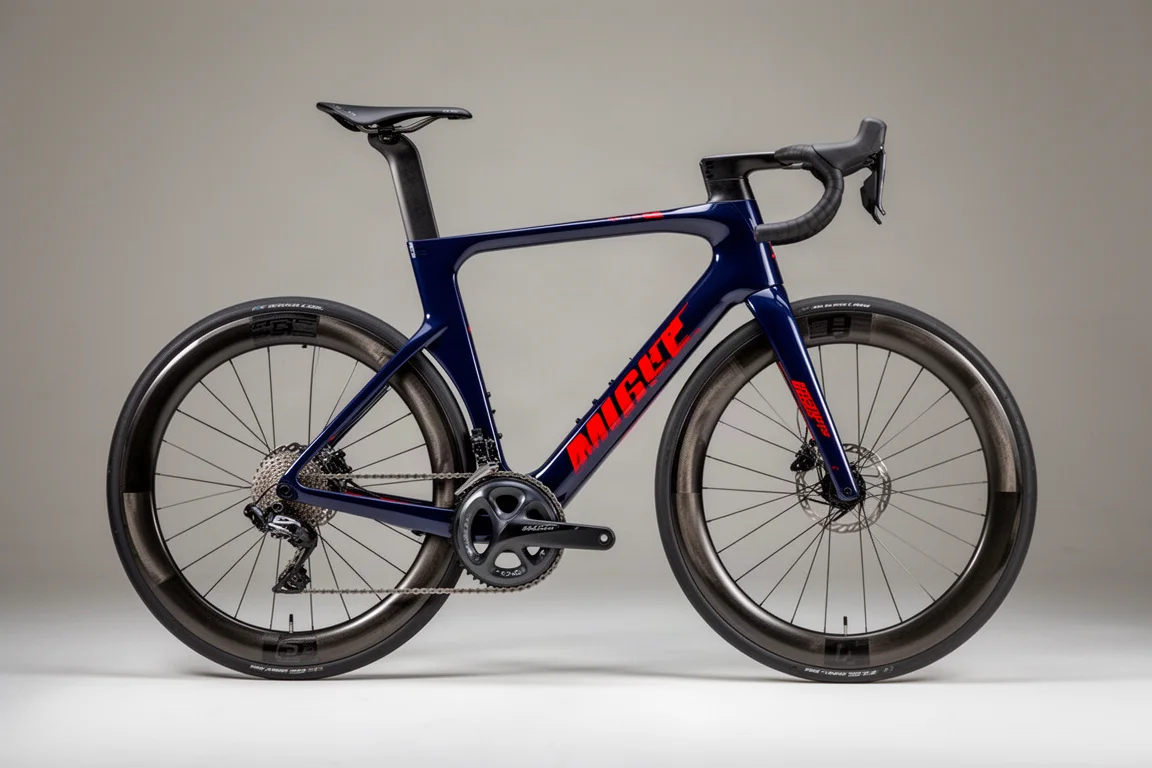
The Tarmac SL8 Expert sits below the Pro at around £6,000, and it uses the same frame and the same Di2 groupset. The differences are in the finishing kit: cheaper C38 wheels and a two-piece handlebar and stem rather than the one-piece carbon cockpit.
That combination makes the Expert an interesting proposition. The one-piece handlebar on the Pro is too wide for an aero race bike, and it is also short. On a 56 cm frame it should be narrower than 42 cm, ideally 40 or 38 cm, and some brands now spec 37 cm bars across the size range.
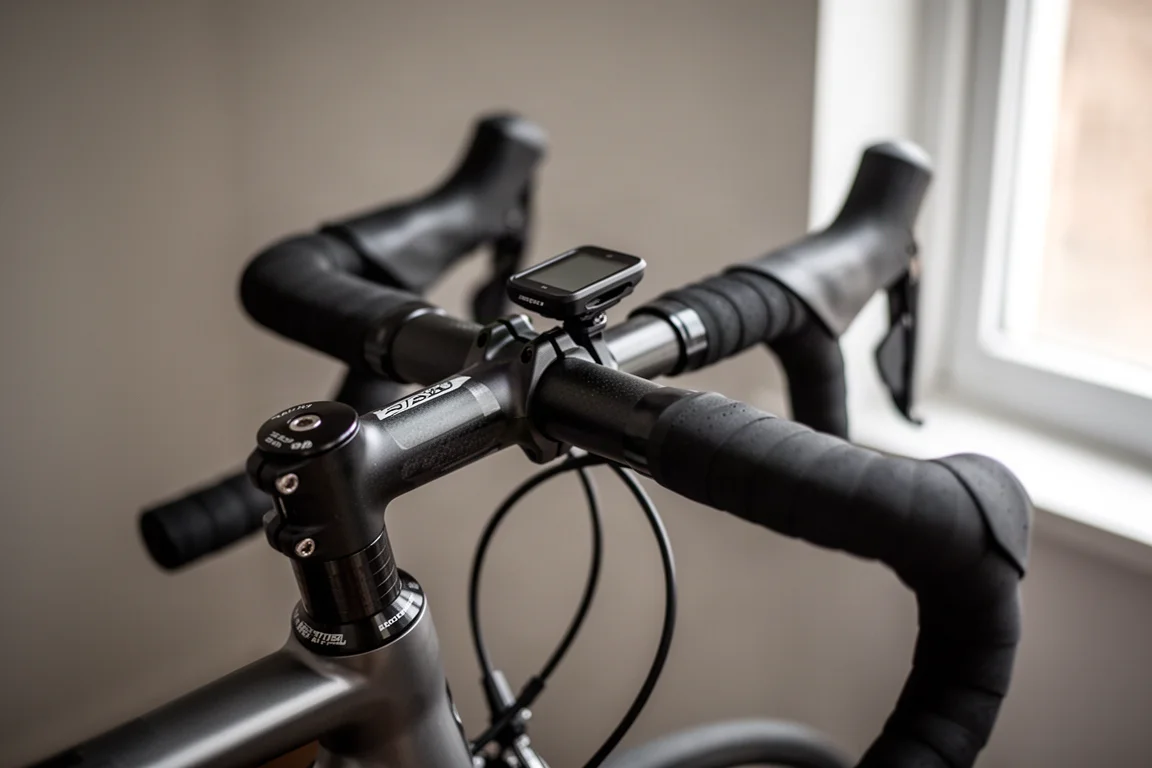
Buying the Expert and putting the savings towards a handlebar in the right dimensions, and possibly a wheel upgrade, can produce a better-fitting and faster bike than the Pro as it comes. The frame underneath is the same, so the potential is there.
Giant TCR Advanced Pro: The Climbing Alternative
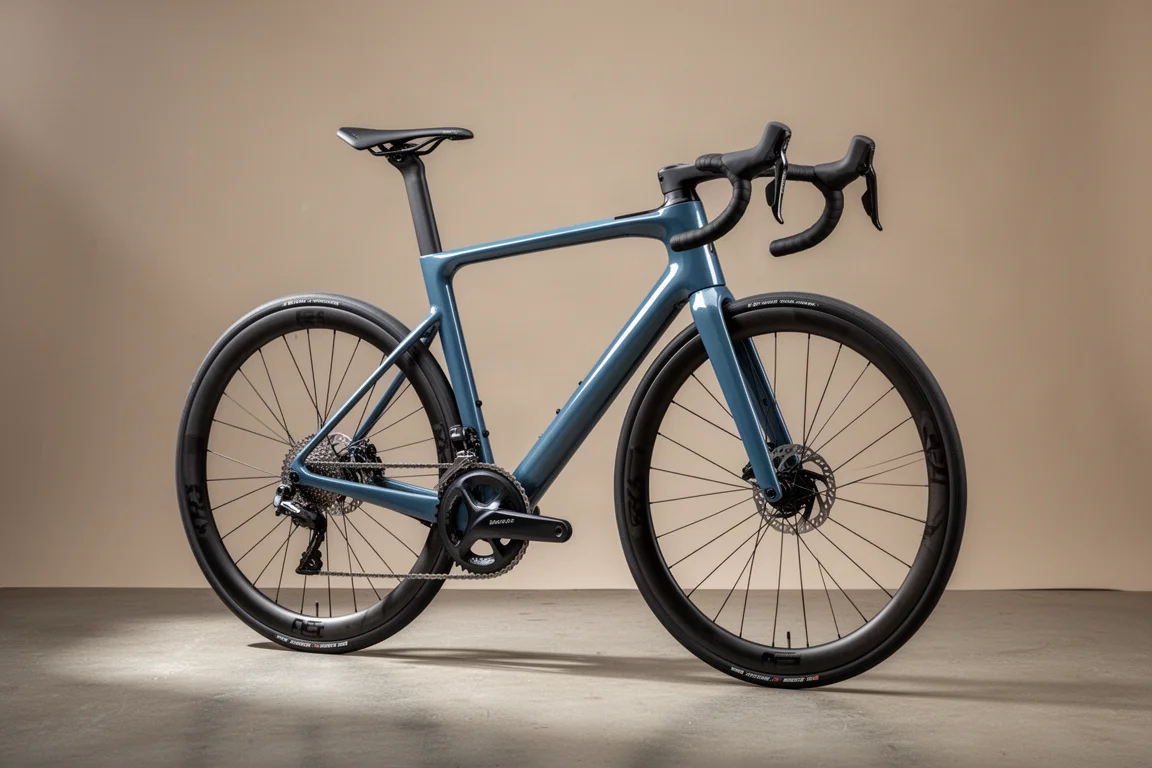
The Giant TCR Advanced Pro is the tenth generation of a long-running race bike, and the mid-range Pro model has always been the sweet spot in the range. It uses a slightly heavier but still lightweight frame and a regular seat post, and it offers strong value for the money.
On the scales, the TCR Advanced Pro matches the Tarmac SL8 Pro at around 7.3 kg. Given that the Giant costs less, that is a strong result. It also comes ready to ride with no changes or upgrades required, which is not something every race bike can claim.
Aero is where the TCR gives ground. Aero testing has put it around 9 watts behind a Tarmac at 45 km/h, and that gap is noticeable at high speed. On a general loop with hills and descents, the difference is more marginal, and in the real world the TCR is not slow.
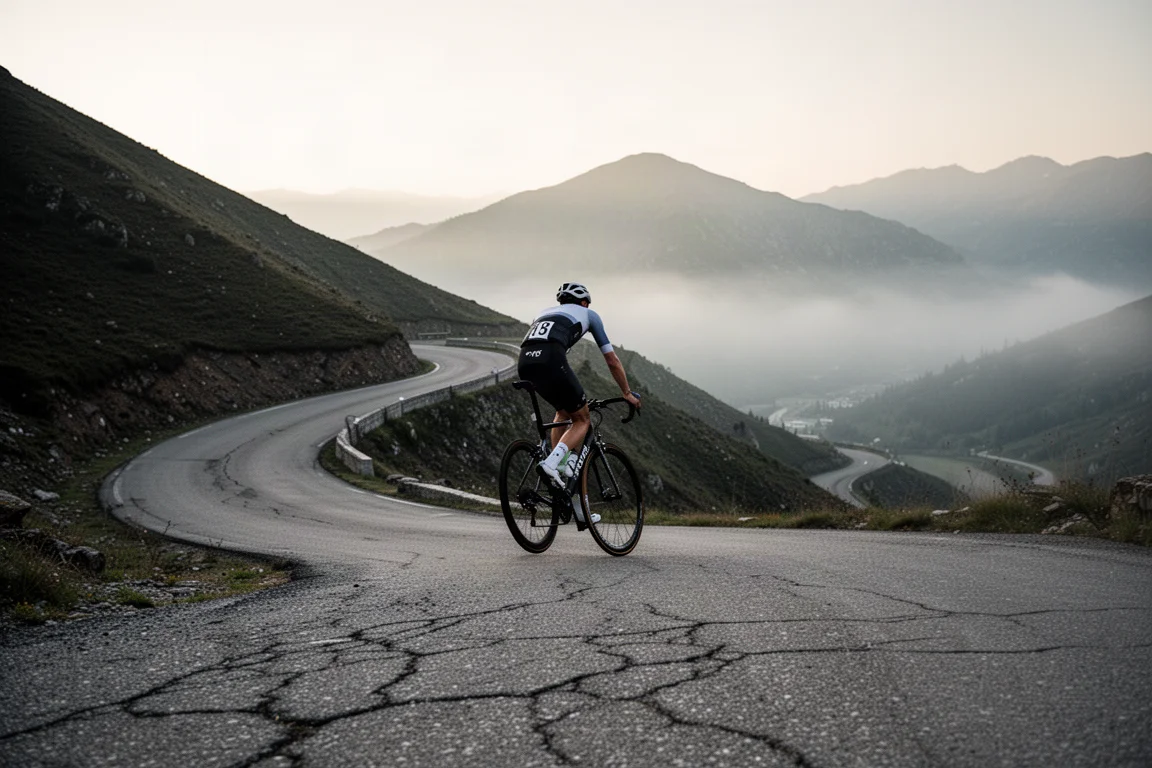
Where the TCR stands out is climbing. Even at the same weight, it feels more enjoyable on hills, and its stiff wheels give it a direct, efficient feel when sprinting or climbing out of the saddle. Times may end up similar, but the sensation is different.
Buying Advice
Choosing between these bikes comes down to what you actually want from a race bike. If you race, ride fast in groups, or simply enjoy holding speed on the flat, the Tarmac SL8 platform is the sharper tool. The Pro and the Expert both deliver the same frame character as the S-Works, and the S-Works mainly buys you lower weight and the top-tier badge.
If climbing is the priority and aero matters less, the Giant TCR Advanced Pro is a compelling alternative. It matches the Tarmac on weight at a lower price, rides well, and needs nothing out of the box. Its value is strong even against the cheaper Tarmac SL8 Expert.
There are a few practical points to weigh. The Tarmac handlebar is too wide on the Pro, and the wheels and tyres are narrow by modern standards, with 21 mm internal rims and 26 mm tyres, which can cost comfort. The tyres are also very hard to remove from the rims, though the hooked rim design means there is no hookless safety concern, and a tyre is unlikely to come off in a high-speed blowout.
If you already own a recent TCR, the changes on the tenth generation are not compelling enough to justify an upgrade on their own. A bit less weight and neater internal routing are nice, but they are refinements rather than a transformation.
Conclusion
The Tarmac SL8 remains an exceptional race bike, and the Pro build shows that you do not need the S-Works version to enjoy what the platform offers. It is fast, light and rewarding to ride, and it still stands as one of the bikes to beat.
That said, it is not perfect. The wide handlebar and the narrow wheels and tyres are worth planning around, and the Expert trim gives you the same frame with more freedom to choose your own finishing kit.
The Giant TCR Advanced Pro is the better value pick, particularly for riders who love climbing and are not chasing every watt of aero advantage. Whichever of these four you choose, you are getting a genuinely fast road bike. The right answer depends on whether your priority is speed on the flat, enjoyment on the climbs, or the best combination of performance and price.
Further reading
Related Reviews

Road Bikes
10 New Road Bikes Worth Watching: Aero, Titanium, Steel and Endurance Standouts
A practical roundup of 10 new road bikes, from aero flagships chasing single-watt gains to titanium, steel and endurance platforms built for real roads.
Road Bikes
2026 Tour de France Road Bikes: Six Race Machines Worth a Closer Look
Six race bikes from the 2026 Tour de France grid, reviewed for paint, silhouette, wheels and the specification details that matter to buyers.
Road Bikes
3T Strada Italia Review: A Radical Aero Road Bike That Rides Smooth
A made in Italy carbon aero road bike with a deep head tube, wide tire clearance and a genuinely comfortable ride. Here is what to know before buying.