Road Bikes
Specialized Tarmac SL8 Review: Lighter, Stiffer, and Built to Race
A close look at the Specialized Tarmac SL8, from its Aethos-inspired layup and new head tube to its claimed weight, stiffness, and real-world ride character.
Introduction
The Specialized Tarmac SL8 arrived as one of the most anticipated road bikes of 2024, breaking cover at the World Championships after a run of leaks and an earlier outing at the Tour de France. It replaces the Tarmac SL7, a bike that already carried a reputation as a do-everything road race machine, and it does so with a mix of carried-over thinking and genuinely new front-end design.
The headline numbers are bold. Specialized claims the SL8 is 16.6 seconds faster than the SL7 over 40 km, 15 percent lighter, 6 percent more compliant at the saddle, and 33 percent better in stiffness to weight. This review unpacks what those claims mean, how the bike is put together, and what it feels like out on the road.
Who the Specialized Tarmac SL8 Is For
This is a road race bike first. It is built for riders who want a fast, purposeful machine for racing, hard group rides, and chasing personal bests on familiar climbs and descents. The geometry is identical to the Tarmac SL7, so anyone who already gets along with that fit will feel at home immediately.
Specialized also positions it as a platform for riders who like to build and tune. The frame uses a threaded bottom bracket, keeps tire clearance at 32 mm, and is compatible with the SL7 stem, which opens up handlebar and fit options beyond the stock cockpit.
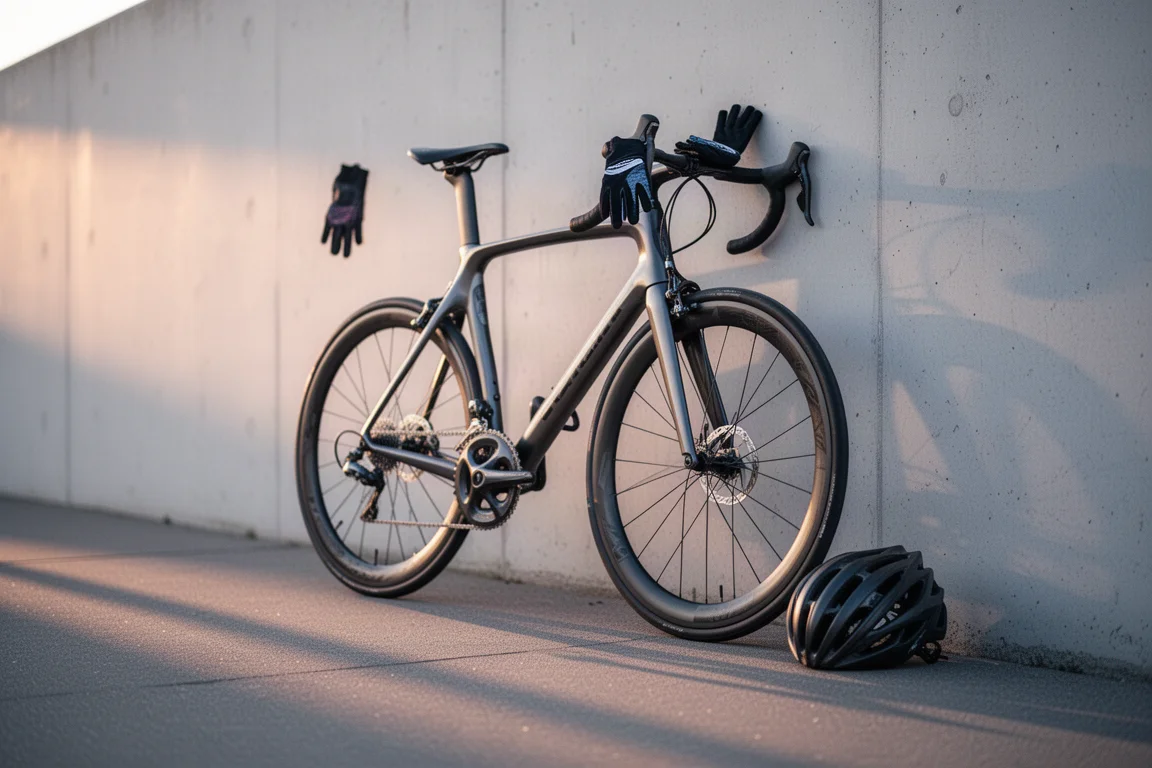
It is not aimed at riders whose priority is long-distance comfort on broken surfaces. The Tarmac SL8 is a race bike with a clear purpose, and the ride character reflects that.
Frame Design and Aerodynamics
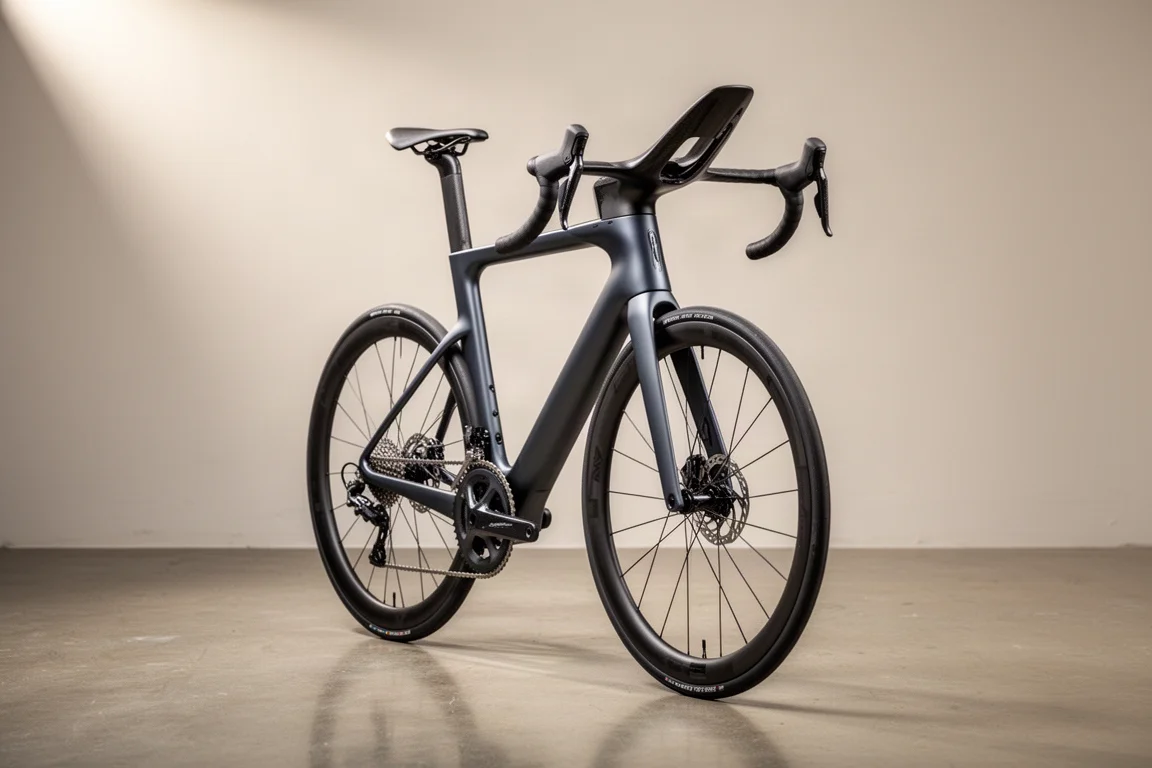
The most interesting part of the SL8 story is how it was developed. Specialized took the carbon layup strategy used on the ultra-light Aethos and applied it to the Tarmac shape. The result is a frame that reads as a split personality: the rear half carries a distinctly Aethos feel, while the front half is unmistakably next-generation Tarmac.
That split is clearest on the down tube. The lower half is more circular and thinner, while the upper half swells outward and becomes noticeably more oversized. The seatstays have slimmed down considerably compared with the SL7 and are more circular in profile. The seat tube is only slightly narrower than before, but the seatpost and seat tube together are narrower than the rear wheel.
The biggest departure is at the head tube. It is deeper, with more in common with the Shiv time trial bike than anything else in the range, and the extra depth comes from a cover added to the front of the head tube rather than a larger fairing at the rear. Specialized says this allows a narrower, pointier front end that is claimed to be far more aerodynamic. The new Roval Rapide carbon cockpit is said to save 4 watts compared with the previous cockpit on the SL7. The overall silhouette is not far from the SL7, just more refined, and the frame looks notably better balanced in person than early leaked images suggested.
Specialized’s own press material makes a pointed argument about aerodynamics. Deep airfoil down tubes and seat tubes may look aero, the company says, but because of the dirty air they sit in they create vanishingly small aero gains while affecting weight and ride quality significantly. The result may be slightly more aero in the wind tunnel but slower in the real world. It is a claim that is hard to verify without data, but it explains why the SL8 chases a lighter, stiffer package rather than pure tube depth.
Main Strengths: Stiffness and Ride Feel
The stiffness is the standout quality. The bottom bracket feels rock solid no matter how hard you push on the pedals out of the saddle on a climb, and the head tube and bars mirror that feeling when you pull hard on them. Everything that goes in comes back out.
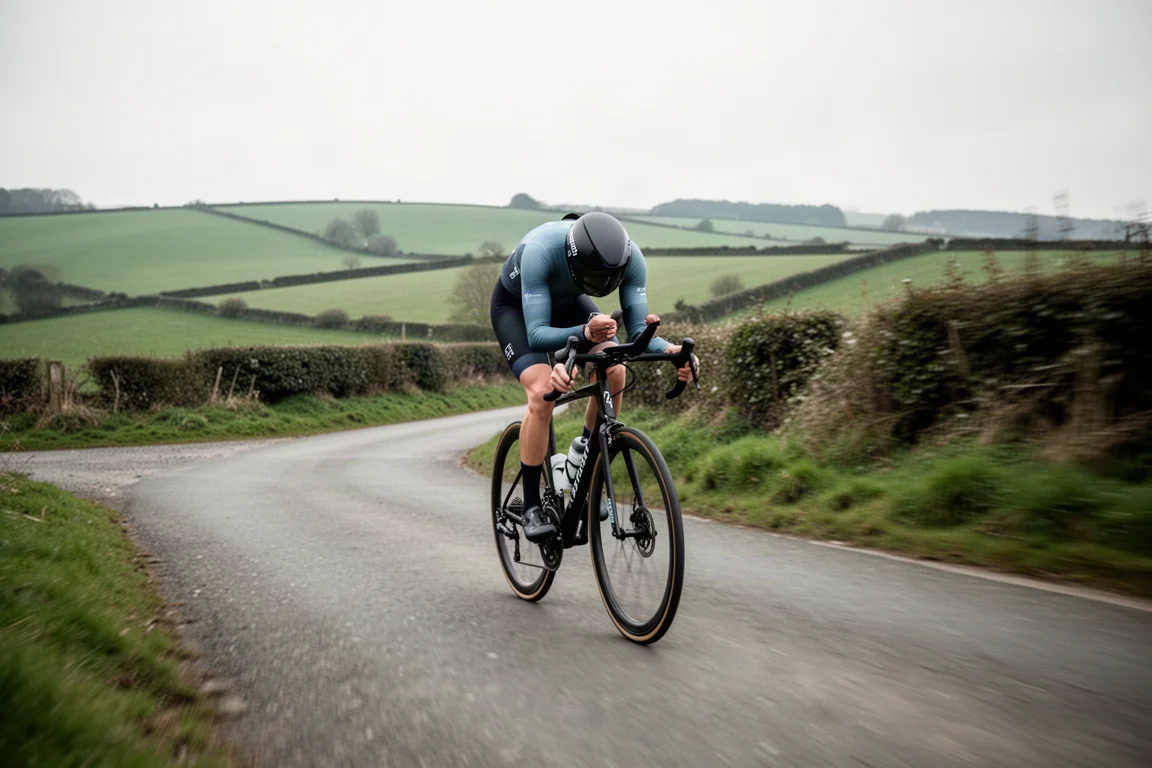
The ride feel is exactly what you would expect from a road race bike. It is not jittery or unsettled, but it is communicative: you know when you pass over a stone. It is a bike that wants to go fast, and it is not built to smooth out rough roads. Part of that impression came from riding on 26c tires without the chance to adjust pressure, so there is room to tune the character with wider rubber and careful pressure settings.
Handling on descents felt slightly quicker to steer than expected, and a stem around 10 mm longer would likely have settled it. Bike fit and riding style are personal, so this is a matter of preference rather than a flaw, but it is worth thinking about when choosing a size and cockpit setup.
Weight, Compliance, and Claimed Performance
Specialized claims the SL8 frame weighs 685 g, compared with 800 g for the SL7 and 585 g for the Aethos. Those figures are for a 56 cm painted frame with no hardware attached.
On complete builds the picture is more measured. A top S-Works SL8 with a full Dura-Ace groupset, a power meter, and a complete Roval wheels and finishing kit is claimed at 6.6 kg, while a comparable SL7 build with the previous generation Roval wheels, cockpit, and Dura-Ace was claimed at 6.7 kg. It is an excellent weight for a top-end race bike, though the step forward is smaller than the frame figure alone suggests.
There is also obvious headroom for owners who want to chase lower numbers. Moving to a tubeless setup could save roughly 100 g, and a carbon THM chainset would compound that. Expect custom builds to hover around the 6 kg mark, with frame size and paint playing a significant part.
The other claimed gains, 6 percent more compliance at the saddle and a 33 percent improvement in stiffness to weight, are effectively impossible to verify outside a lab. The seatpost and seat tube are narrower than the rear wheel, and the frame is built around an electronic groupset, which keeps the front end clean.
Frameset Details and Compatibility
The smaller details matter for anyone planning a build. The SL8 is electronic groupsets only. The bottom bracket is threaded. Tire clearance stays at 32 mm, unchanged from the SL7.
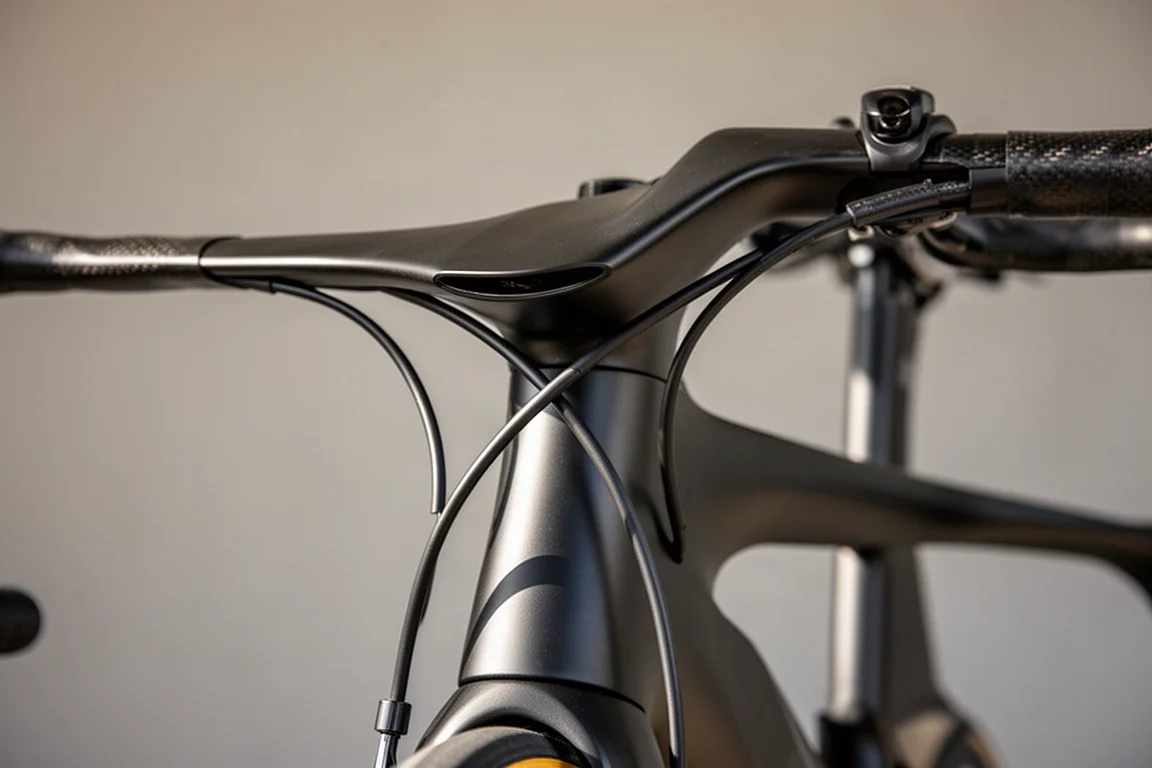
A frameset does not include the Roval Rapide bars. The front derailleur hanger can be removed and replaced with a cover for a clean 1x setup. The frame is compatible with the SL7 stem, so a standard 31.8 mm handlebar can be used, and the non-S-Works builds ship with the SL7 stem rather than the Roval Rapide cockpit. The weight gap between the S-Works 12r carbon frame and the Pro level 10r carbon frame is roughly 100 g.
Things to Consider Before Buying
The claimed 16.6 second gain over 40 km deserves context. When the SL7 launched, its improvement over the SL6 was claimed at 45 seconds over the same distance. The SL8 also inherits the SL7’s role as the single do-it-all race bike in the range, following the retirement of the Venge, and Specialized claims the SL8 is faster than that last generation Venge. Taken together, it is reasonable to read the SL8 as a refinement of a proven platform rather than a complete reinvention.
Fit and cockpit choices are the other area to think through carefully. Steering felt quicker than expected on descents, and stem length is an inexpensive way to change that. Riders who value compliance should plan on 28c tires and dialled-in pressures rather than expecting the frame to soften rough tarmac.
Pricing had not been confirmed at launch, so budget planning should account for the fact that this sits at the top of the range. The expected lineup includes two S-Works builds, one with SRAM Red AXS and one with Shimano Dura-Ace Di2, Pro level builds with Force AXS and Ultegra Di2, and Expert models with SRAM Rival AXS.
Buying Advice
The Tarmac SL8 makes the most sense for riders who already know they want a fast road race bike and who value stiffness and low weight over comfort features. If you race, ride hard in groups, and enjoy a bike that feels direct under power, this is a coherent and well-resolved machine.
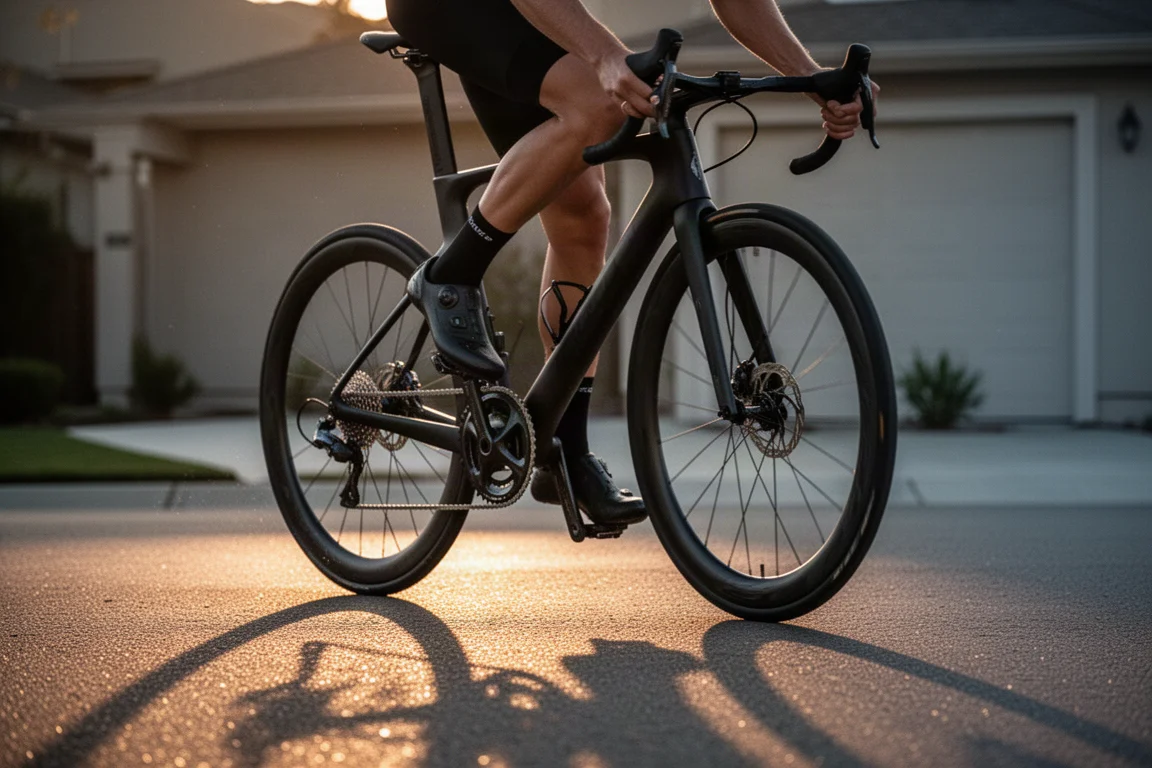
If your riding is mostly long days on mixed surfaces, or if comfort comes first, the SL8 will not be the easiest bike to live with. Riders who already own an SL7 and are happy with it have little reason to rush, given the shared geometry and the modest change in complete-build weight. Riders moving up from an older platform, or building a frameset with their own components, will find far more to like.
Conclusion
The SL8 brings together elements of the Aethos, a great deal of SL7 heritage, and a handful of genuinely new ideas that are distinctly its own. The stiffness is superb, the weight is competitive at the top of the market, and the front-end design is a real step in a different direction. It is a bike that a broad range of road cyclists, from amateurs to professionals, will enjoy riding.
Product link
View more details for Specialized Tarmac SL8
This product is mentioned in the review. Check the specifications, options, and compatibility before buying.
View more details for Specialized Tarmac SL8Further reading
Related Reviews

Road Bikes
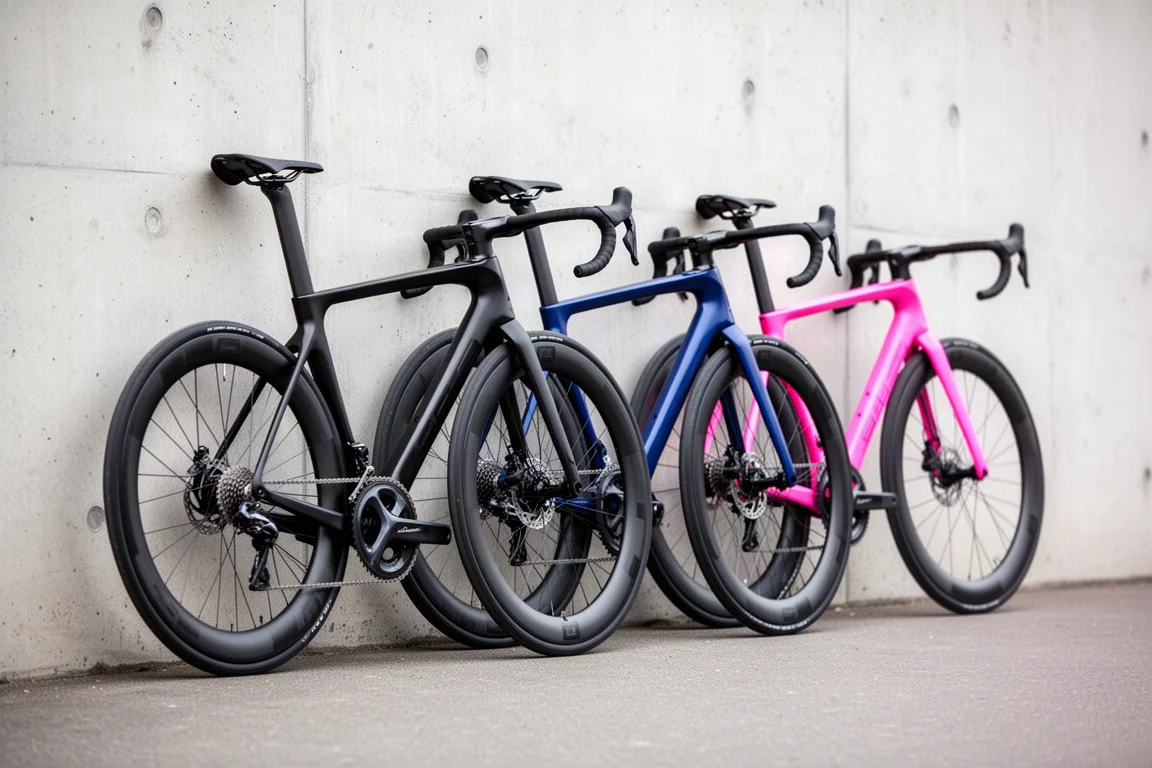
10 New Road Bikes Worth Watching: Aero, Titanium, Steel and Endurance Standouts
A practical roundup of 10 new road bikes, from aero flagships chasing single-watt gains to titanium, steel and endurance platforms built for real roads.
Road Bikes
2026 Tour de France Road Bikes: Six Race Machines Worth a Closer Look
Six race bikes from the 2026 Tour de France grid, reviewed for paint, silhouette, wheels and the specification details that matter to buyers.
Road Bikes
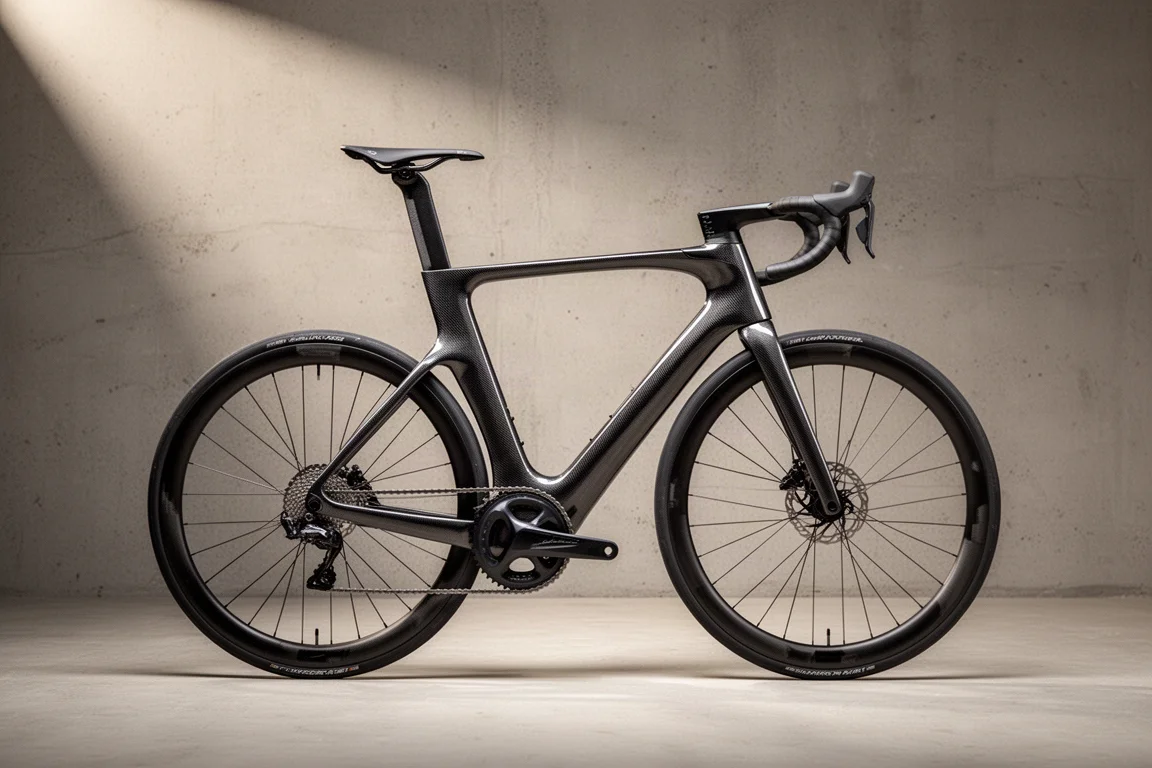
3T Strada Italia Review: A Radical Aero Road Bike That Rides Smooth
A made in Italy carbon aero road bike with a deep head tube, wide tire clearance and a genuinely comfortable ride. Here is what to know before buying.