Road Bikes
Specialized Tarmac SL8 Pro Review: Six Months on a Lightweight Aero All-Rounder
The Tarmac SL8 Pro blends low weight, real-world comfort and lively climbing manners. Here is what six months of riding revealed, and where it falls short.
Introduction
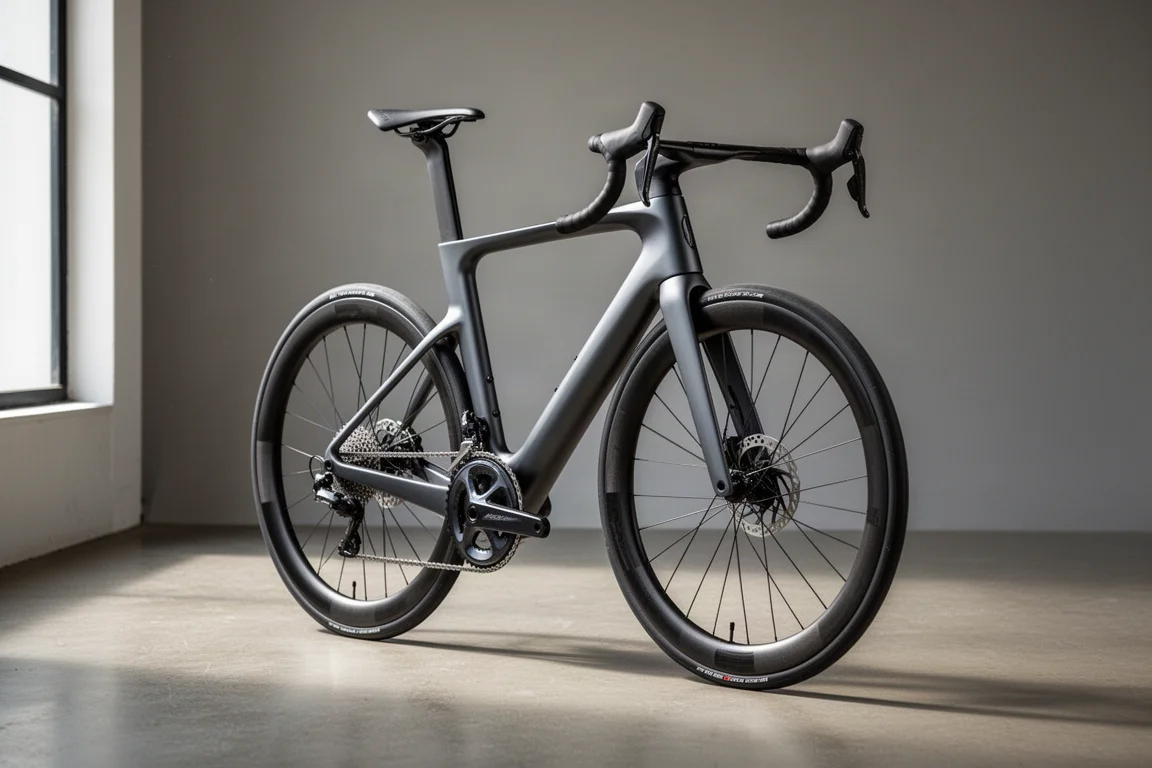
The Specialized Tarmac SL8 Pro sits in the middle of the Tarmac range, and on the road it is a genuinely difficult bike to fault. Six months of riding in every kind of weather produced no mechanical complaints and no maintenance beyond charging the groupset and checking tyre pressure. What stands out is how much it gets right at once: outright speed, low weight, comfort and confident handling.
The criticisms are narrower in scope. Price is the obvious one, followed by a handlebar that is not sized to the rider and tyre fitment that is unusually tight. Together they make the SL8 Pro easy to enjoy and harder to justify at full retail.
Who the Tarmac SL8 Pro Is For
This is a bike for riders who want a single machine to cover everything. Specialized merged its Venge aero platform and its lightweight Tarmac into one aero all-rounder, and the SL8 is the second generation of that idea. It is quick on the flats without giving up climbing response or everyday comfort, which makes it a strong fit for fast group rides, long solo days and hilly routes alike.

Riders who prioritise maximum aerodynamic speed may find faster options, and anyone shopping primarily on value will find cheaper ways into a lightweight aero race bike. For non-professional enthusiasts who want race-bike pace with enough comfort to ride 100 miles over rough roads, though, the SL8 Pro lands in a very appealing place.
Main Strengths: Speed, Climbing Feel and Comfort
Speed is the headline. On flat roads the Tarmac is rapid and makes you feel fast everywhere, and it performs well in independent aero testing. In benchmark testing it is not quite as quick as a BMC Teammachine R or a Canyon Aeroad, but it keeps company with other bikes chasing the same balance of low weight and aerodynamics. It is quick downhill as well, which matters more than the numbers suggest.
Weight is the second pillar. At 7.2 kg this mid-range build is only around 200 g heavier than top-of-the-range Canyon Aeroad CFR and Cannondale SuperSix EVO builds that use flagship groupsets and sit near 7 kg. That says a great deal about how light the frameset is.
The climbing manners are what make the bike memorable. Low weight, stiffness, steep angles and a short wheelbase combine into a whippy, responsive feel that dances uphill and invites an attack on the next gradient. It is not necessarily faster in terms of times, but it is exhilarating, and it is more enjoyable on a climb than a Madone or an Aeroad, sharing something of the spirit of a Giant TCR Advanced.
Comfort rounds the package out. There is enough of it to ride 100 miles over poor road surfaces without being beaten up, and the Tarmac is a more rounded, more comfortable bike than the sharper Teammachine R.
Six Months of Real-World Ownership
Long-term durability has been excellent. Everything on the bike works exactly as it did when it arrived. The gears have needed no indexing, the brakes still feel the same with plenty of pad material remaining, and the bearings, bottom bracket, hubs and headset all spin smoothly. The only recurring tasks are charging the groupset and inflating the tyres.
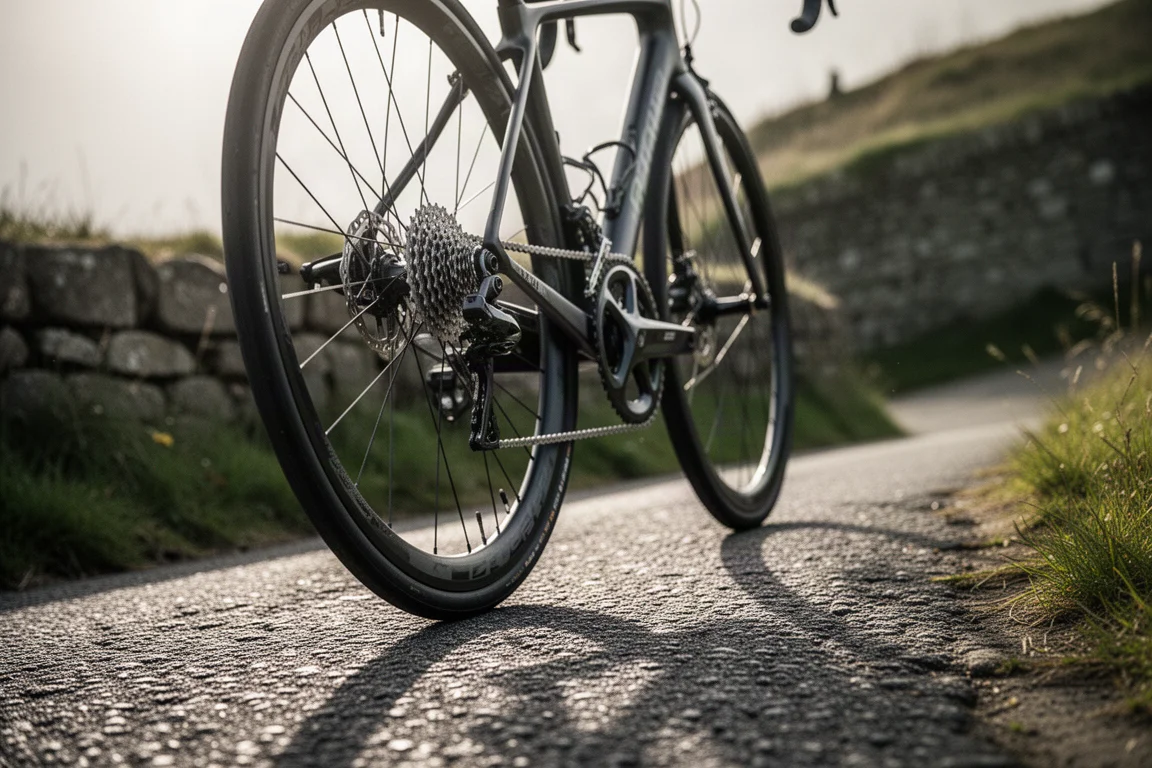
Tyre fitment is the one genuine annoyance. The bike arrived with inner tubes, which were swapped for a tubeless setup, and the tyres are extremely tight on the rims. Breaking the bead by hand takes real effort before a tyre lever will fit. That tightness is reassuring at speed, since a tyre is very unlikely to roll off the rim, but it is a real concern if a puncture ever needs fixing at the roadside. Fortunately, six months of riding produced no punctures at all. The stock wheels and tyres were also swapped periodically for a familiar control wheelset with 30 mm tyres for comparison purposes.
How It Compares With the Alternatives
The closest rival is the Cannondale SuperSix EVO at the same money, which does without a carbon handlebar and stem. It is heavier and not as smooth, but noticeably stiffer and probably a touch more aerodynamic, which may make it faster. The Trek Madone SLR 7 undercuts the Tarmac by £1,000, fits a narrower handlebar, and is also a little stiffer, with IsoFlow helping comfort at the saddle, though its looks divide opinion more than the Tarmac’s.
The BMC Teammachine R costs more at £8,500 and is faster on flat roads, but it is a racier and more compromised bike: narrower tyre clearance, a harder ride, less smoothness and, in practice, less easy to live with. The Van Rysel RCR Pro is the value story at £5,000, nearly half the price, with availability the main drawback. A new Scott Addict RC also looks like strong value with an Ultegra Di2 build, though it has not been ridden here.
Things to Consider Before Buying
The handlebar is the most frustrating detail. On a size 56 frame it measures 42 cm, and there is no way to specify handlebar width or stem length when ordering. Unless a local dealer is willing to help, swapping the bar is awkward. Narrower bars are more aerodynamic and therefore faster, so a wide bar holds the bike back from the speed it could otherwise achieve. On a bike costing over £8,000 that is hard to accept. BMC and Trek fit narrow handlebars across their race bikes regardless of frame size, though several other brands share the same limitation.
Price is the other consideration. Just over £8,000 places the Pro firmly in premium territory, and the build also uses narrower tyres and a limited colour selection, both of which slightly hold it back. The tight tyre fitment described above is worth knowing about before a first puncture.
Buying Advice: Which Tarmac Trim Makes Sense
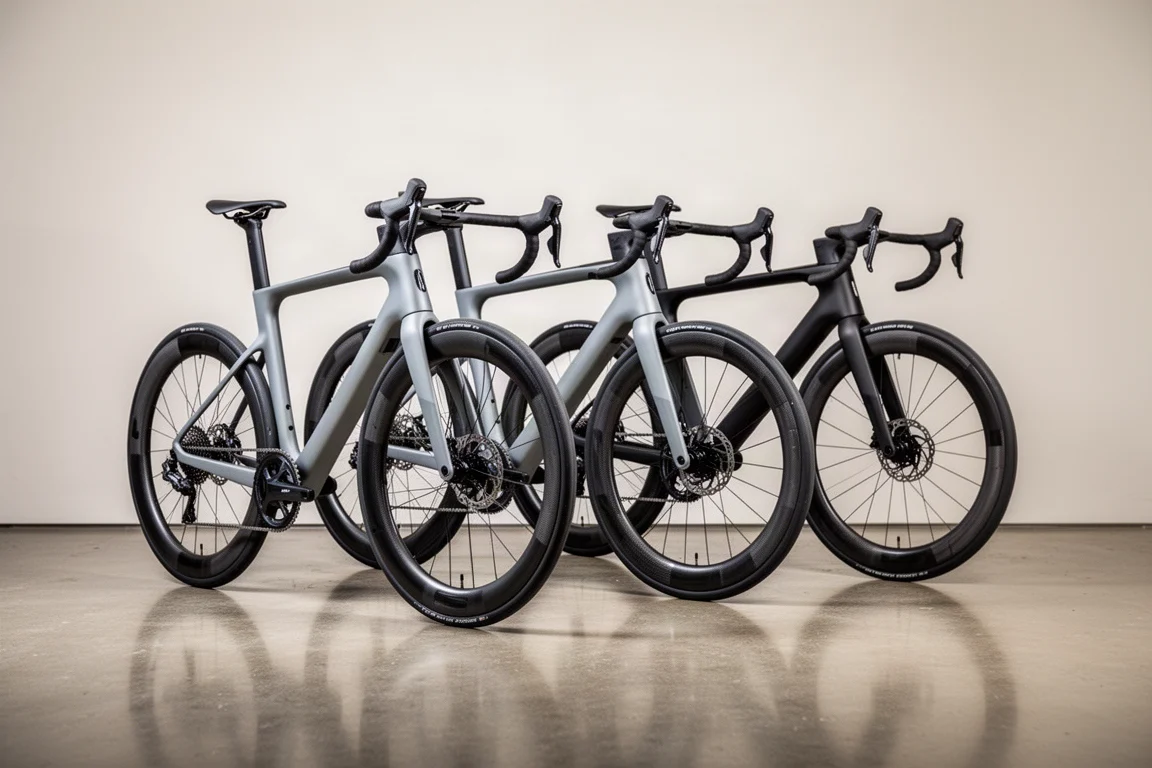
The range is simple: the S-Works at the top for £12,000, the Expert as the entry point, and the Pro in the middle. All three share the same frame design, tube shapes and aerodynamic performance. The S-Works uses a fancier carbon fibre layup for a lighter frame and a complete build of around 6.7 kg. The Pro keeps the same carbon handlebar and the same carbon rims as the S-Works but uses lower-grade DT Swiss hubs and a 3D-printed saddle with metal rails instead of carbon rails. That saves £4,000 and adds only around half a kilogram, taking the build to 7.2 kg. The contact points and tyres are identical, and the two bikes ride almost the same.
The Expert costs £2,000 less than the Pro and uses the same frame and groupset, still with carbon wheels but a two-piece handlebar and stem. For riders who need a bar that fits properly, that is arguably the smarter route: buy the Expert and put the savings into a narrower handlebar and wider tyres.
Should You Buy the Tarmac SL8 Pro?
For all-round performance, day-to-day speed, ride quality and looks, the SL8 Pro delivers almost everything you could want from a modern race bike, and it does so without demanding much in the way of maintenance.
The case against comes down to money. Just over £8,000 is a serious outlay, and the handlebar sizing and tight tyre fitment are details that should be straightforward on a bike at this level. The Pro is a superb machine, but the Expert trim makes more financial sense for most riders, and the value on offer elsewhere is hard to ignore.
Conclusion
The Specialized Tarmac SL8 Pro is a supremely capable lightweight aero road bike. It is fast on the flats, lively on the climbs, comfortable over long distances and completely untroubled after six months of hard use. Its weak points are specific rather than fundamental: a wide handlebar that cannot be specified at purchase, very tight tyre fitment, narrow stock tyres, limited colour options and a premium price.
Riders who want one bike that does everything well, and who can budget for a handlebar swap if needed, will be very happy. Riders who weigh value more heavily have several credible alternatives, including a cheaper Tarmac in the same range.
Product link
View more details for Specialized Tarmac SL8 Pro
This product is mentioned in the review. Check the specifications, options, and compatibility before buying.
View more details for Specialized Tarmac SL8 ProFurther reading
Related Reviews

Road Bikes
10 New Road Bikes Worth Watching: Aero, Titanium, Steel and Endurance Standouts
A practical roundup of 10 new road bikes, from aero flagships chasing single-watt gains to titanium, steel and endurance platforms built for real roads.
Road Bikes
2026 Tour de France Road Bikes: Six Race Machines Worth a Closer Look
Six race bikes from the 2026 Tour de France grid, reviewed for paint, silhouette, wheels and the specification details that matter to buyers.
Road Bikes
3T Strada Italia Review: A Radical Aero Road Bike That Rides Smooth
A made in Italy carbon aero road bike with a deep head tube, wide tire clearance and a genuinely comfortable ride. Here is what to know before buying.