Road Bikes
Specialized Tarmac SL4 vs Tarmac SL8: How Big Is the Gap Between a £400 Classic and an £8,250 Race Bike?
A secondhand £400 Tarmac SL4 with a carbon wheel upgrade takes on the £8,250 Tarmac SL8, and the real-world gap is smaller than the price difference suggests.
Introduction
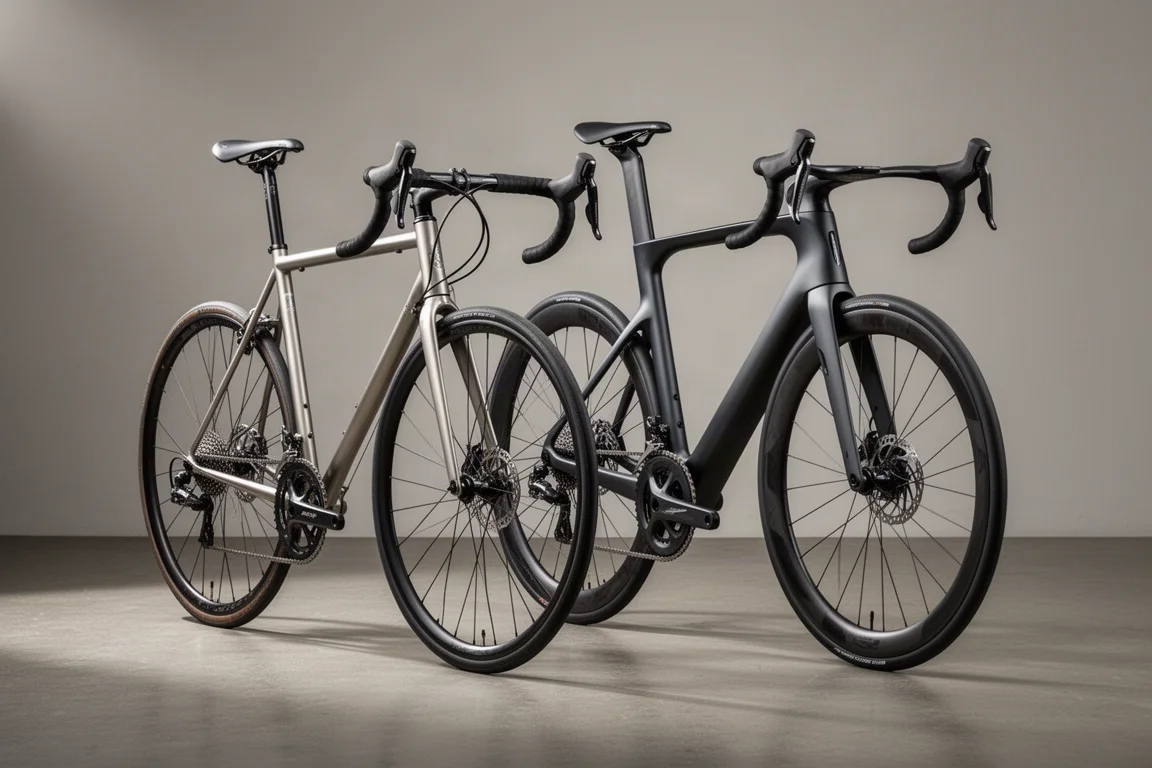
Two road bikes carry the same model name on the down tube, yet they sit a decade apart in design and several thousand pounds apart in price. One is a ten-year-old carbon race frame picked up secondhand for £400 and refreshed with a handful of new parts. The other is the current aero race bike from the same line, priced at £8,250.
The obvious answer is that the newer bike is faster. The more useful question is how much of that gap a rider actually feels on the road, and how far a well-chosen upgrade can close it.
What Ten Years of Tarmac Development Changed
The older bike belongs to an era when low weight was the main goal for a race frame. It uses rim brakes, mechanical shifting, external cables and a two-piece cockpit with a round handlebar. The newer bike comes from an aerodynamic era: deeper tube profiles, hydraulic disc brakes and an integrated one-piece cockpit.
Strip away the paint and the two machines share remarkably little. The name on the down tube is close to the only visual link between them.

That difference in philosophy matters more than a spec sheet suggests. Weight, tube shape, braking hardware and cockpit design all changed, and each of those changes feeds into how a bike feels once a rider starts pushing on the pedals.
Specialized Tarmac SL4: A Ten-Year-Old Race Bike That Still Delivers
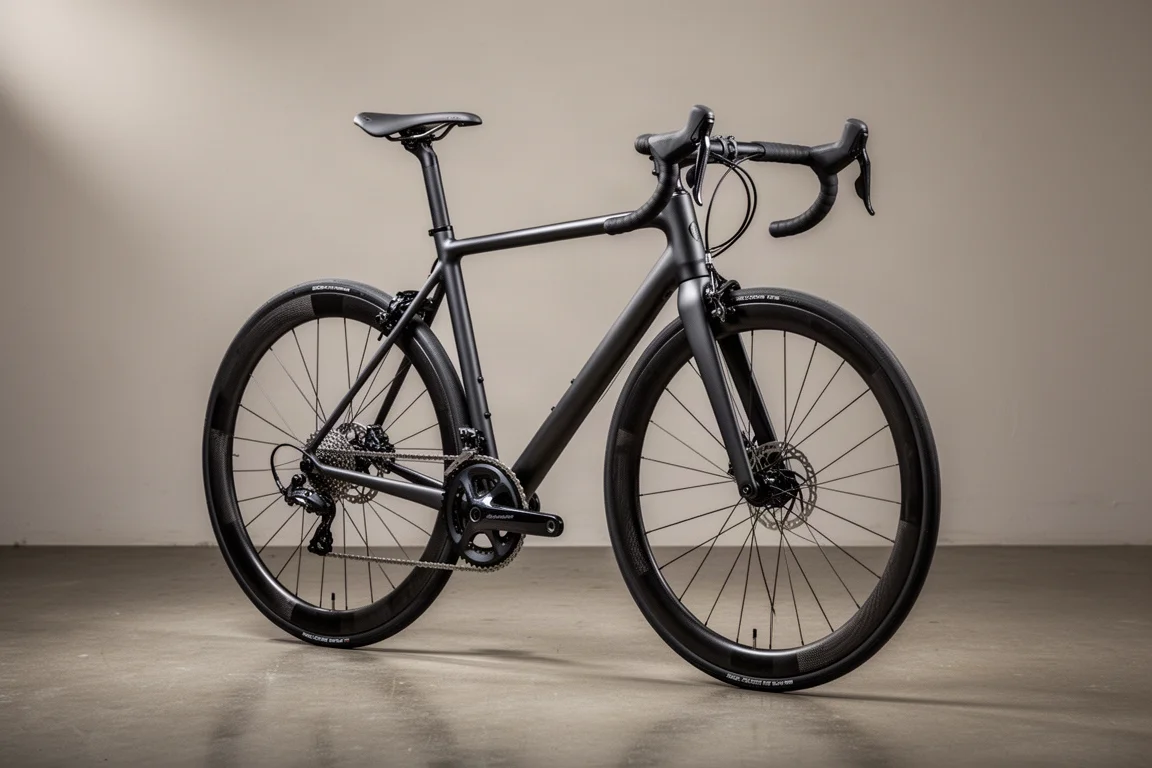
This example was bought secondhand for around £400 and arrived rough around the edges. A refresh covered a new cassette, chain, crankset, saddle and stem, and the biggest change was a set of 50mm-deep carbon wheels bought separately for under £400. On the road, that combination transforms the bike: the heavy alloy wheels it came with held it back far more than the frame did.
Fully built, it weighs 7.6 kg (16.75 lb). It runs 26mm tires at the same pressures as the newer bike for a fair comparison, and the frame also accepts 28mm rubber. Geometry is close to the modern bike, with similar stack and reach and comparable head tube and seat tube angles, so it changes direction quickly and steers lightly.
Specialized Tarmac SL8: The Modern Aerodynamic Benchmark
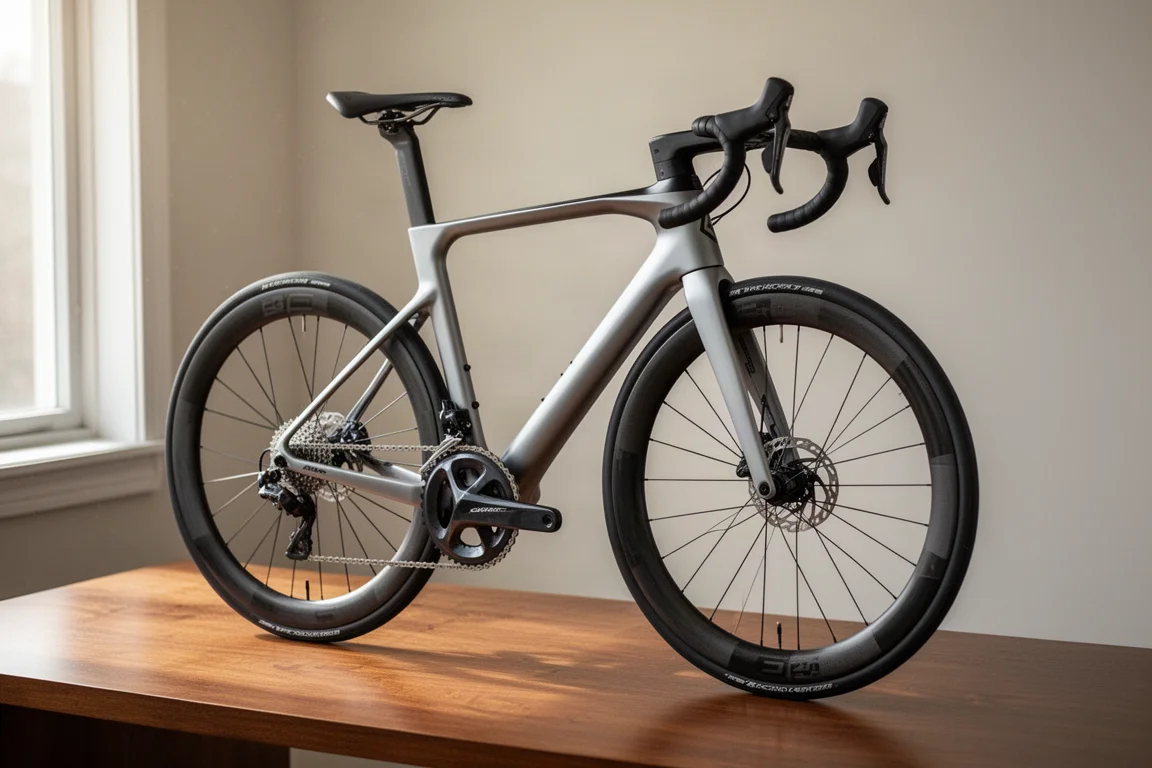
The 2025 bike costs £8,250 and weighs 7.3 kg (16.18 lb). It uses hydraulic disc brakes and an integrated cockpit, and its 42cm handlebar width is wider than the narrow aero trend suggests, with replacement options that are neither cheap nor simple.
On the road it feels quick immediately. It builds speed easily, holds high speed with less effort showing on the power meter, and has a more explosive character when sprinting. It is also slightly smoother over rough surfaces and noticeably stiffer under hard efforts.
Weight, Speed, and Braking: How the Numbers Compare
Both bikes were run on the same rolling course with corners, climbs, descents and mixed surfaces, at an average of 220 W, on the same morning, with identical tires and pressures.
The weight difference is small: 300 g, roughly 0.66 lb, in favour of the newer bike. The timed result was closer than the price gap implies, at 21 minutes 33 seconds for the SL8 against 22 minutes 47 seconds for the SL4.
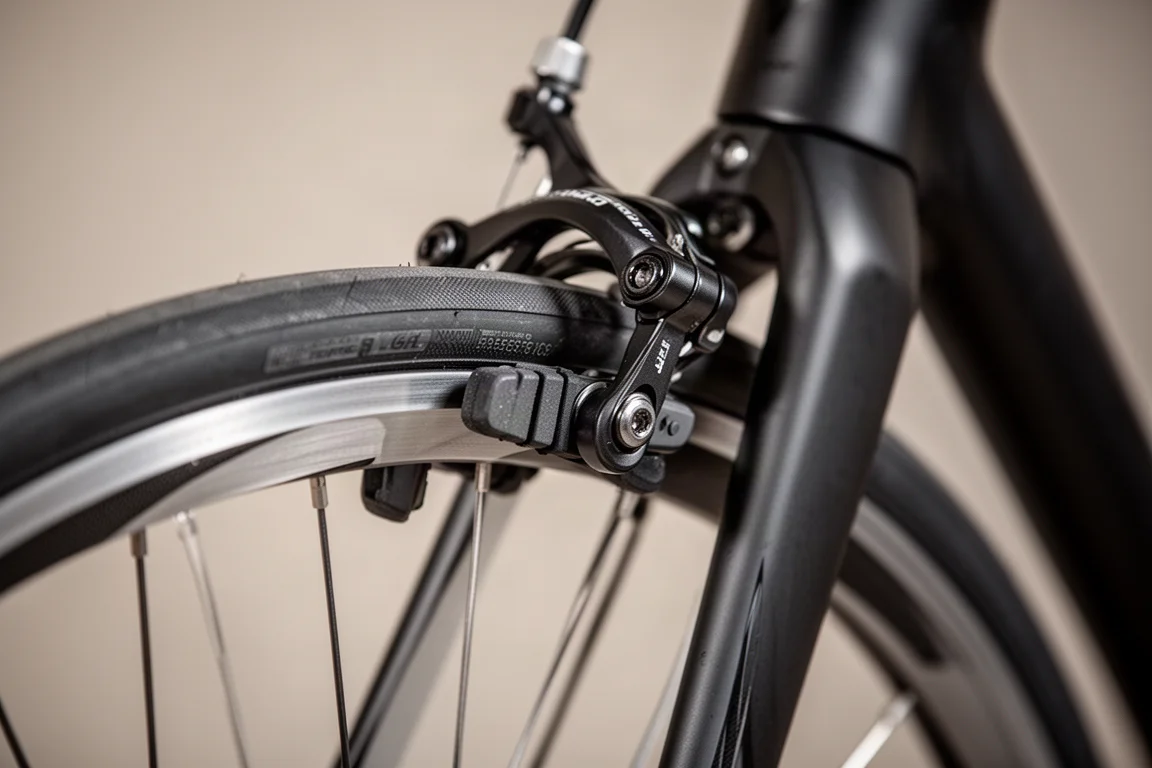
Braking is where the two separate completely. Hydraulic disc brakes pull the modern bike up far more decisively, while the rim brakes on the older bike slow it more gradually and with more noise. If stopping power matters to you, this is the single biggest difference between the two.
Comfort, Handling, and Ride Quality
With the same tires and pressures, comfort on both bikes is very good. The newer frame is a touch smoother, but the older one is far from harsh, even on poor road surfaces.
Handling is close to a draw. The shared geometry means both corner in a very similar way, and both feel stable and predictable. The SL8 is the sharper of the two and responds faster to input, but the older bike is not left behind.
Stiffness is a narrower win for the modern frame. The SL4 is still a genuinely stiff carbon race bike that leaps forward when you stamp on the power. The SL8 is a step ahead when sprinting hard or closing a gap, but the margin is small.
Upgrades That Close the Gap
The most instructive part of this comparison is what a set of carbon wheels did for the older bike. Swapping the original heavy alloy wheels for 50mm-deep carbon rims brought it much closer to the modern bike in the way it accelerates and holds speed, and it no longer feels like a ten-year-old machine.
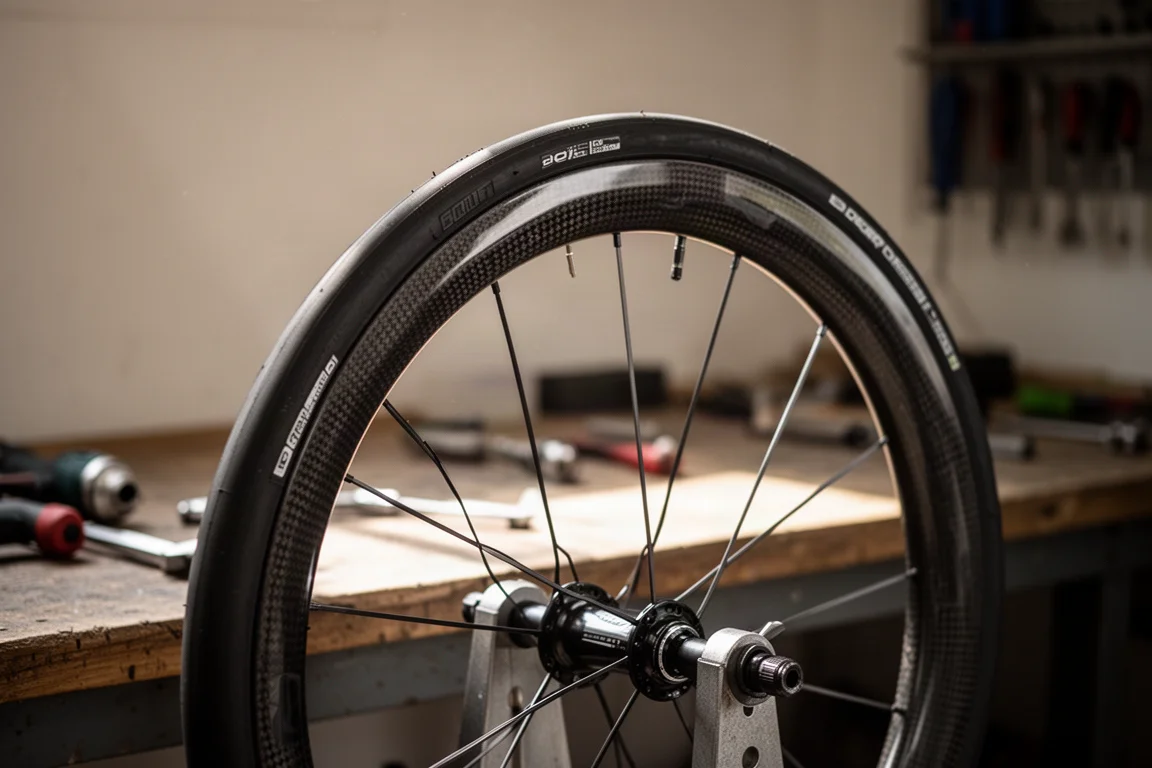
External cables still create drag, and there is no one-piece cockpit, but the two-piece round handlebar setup has its own appeal: it is easy to adjust and easy to live with. For riders on a budget, wheels are the upgrade that delivers the most noticeable change for the money.
Practical Considerations for Each Bike
The modern bike’s integrated cockpit is sleek, but the 42cm bar width cannot be changed easily or cheaply, which is worth weighing before buying. The older bike is more conventional in that respect and simpler to adjust at home.
Rim brakes remain the older bike’s weak point, and that is a hardware limit rather than something a component swap can fix. On the plus side, the SL4 frame accepts 28mm tires, so there is room to trade a little speed for comfort if the roads you ride are rough.
Which Tarmac Should You Buy?
If outright speed, braking performance and stiffness are the priorities, the SL8 is the clear answer, and it wins on every measurable front. It is the faster bike, and it feels faster.
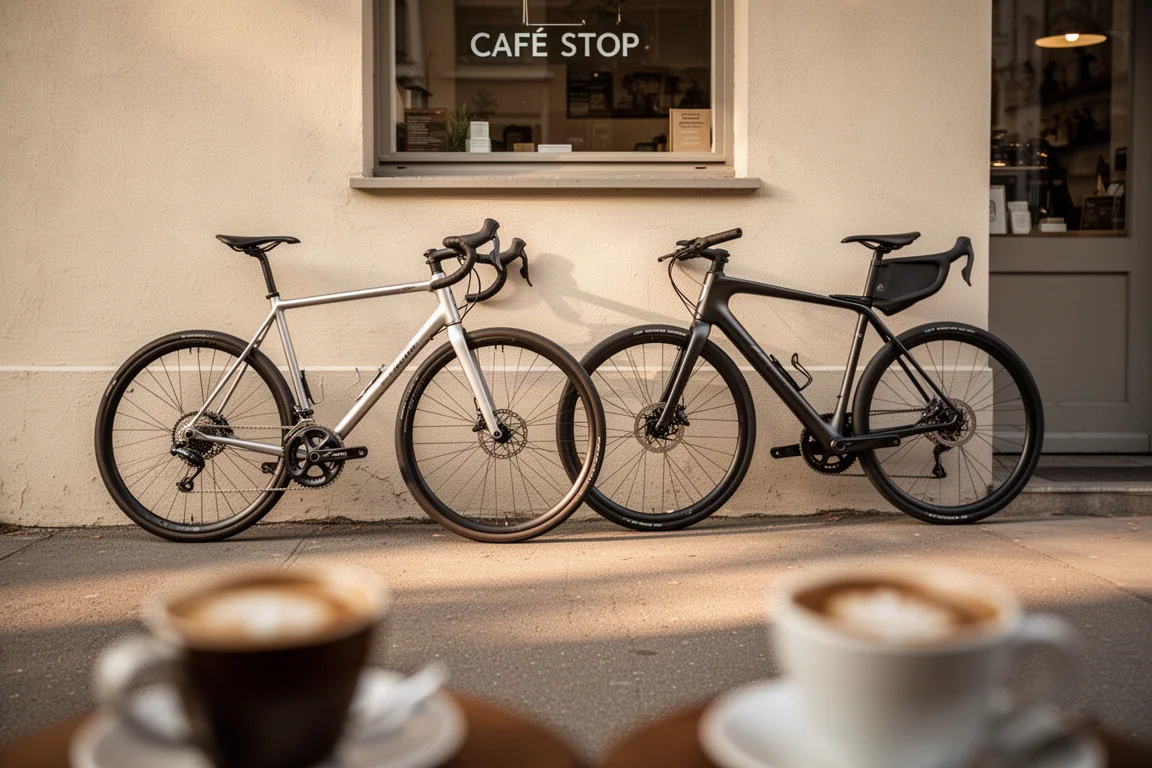
If value matters more, the SL4 makes a strong case. A secondhand frame with a careful refresh and a carbon wheel upgrade delivers most of the riding experience for a fraction of the price, and it remains a genuinely enjoyable race bike for riders who are not chasing marginal gains. It is also, by many standards, the better looking of the two, with its curved top tube and deep down tube.
Conclusion
The newer, more expensive bike is faster, stops better and is stiffer, and that should surprise no one. What is more interesting is how small the gaps are everywhere else. With a carbon wheel upgrade, a ten-year-old Tarmac still rides well, handles sharply and feels quick, which is a useful reminder that you do not always need a new bike to go fast.
Further reading
Related Reviews

Road Bikes
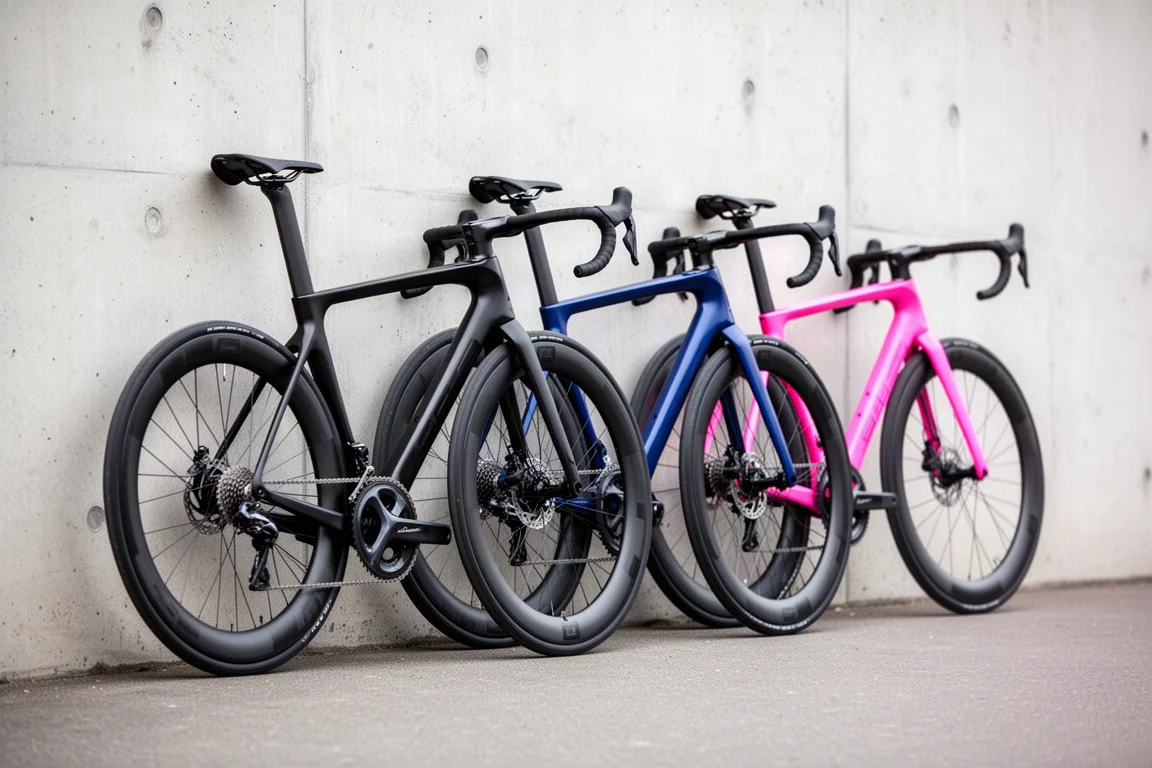
10 New Road Bikes Worth Watching: Aero, Titanium, Steel and Endurance Standouts
A practical roundup of 10 new road bikes, from aero flagships chasing single-watt gains to titanium, steel and endurance platforms built for real roads.
Road Bikes
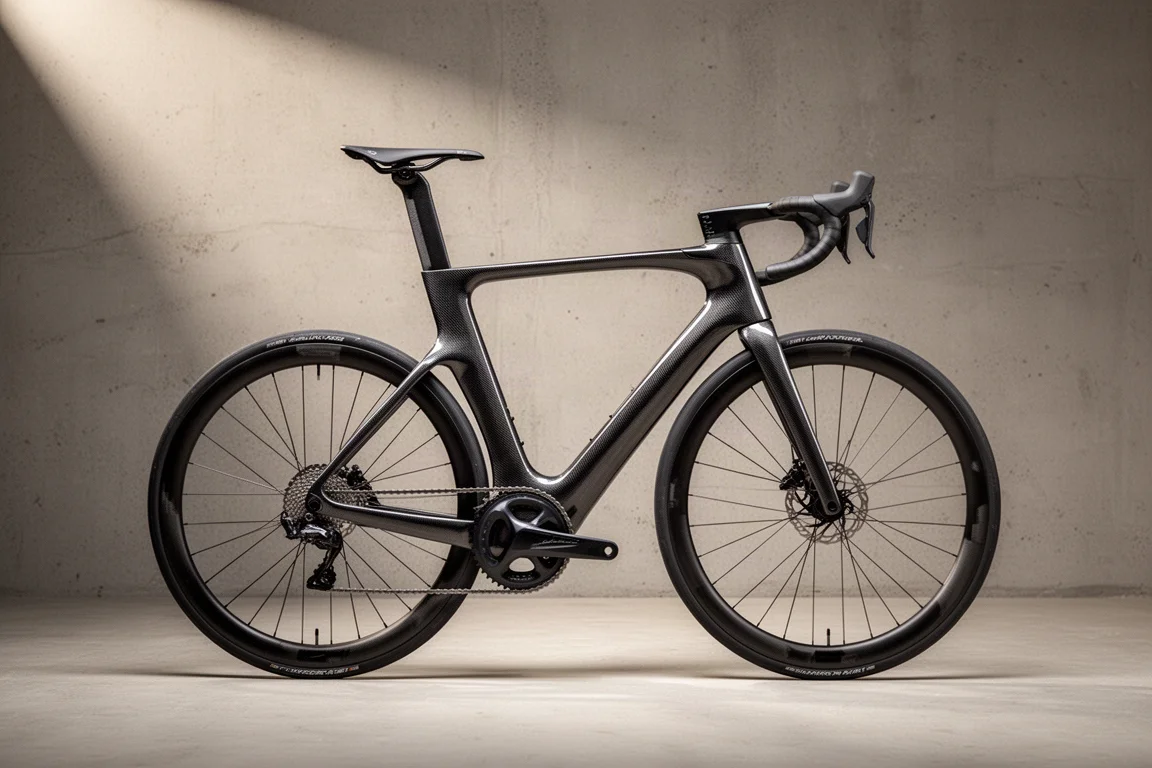
2026 Tour de France Road Bikes: Six Race Machines Worth a Closer Look
Six race bikes from the 2026 Tour de France grid, reviewed for paint, silhouette, wheels and the specification details that matter to buyers.
Road Bikes
3T Strada Italia Review: A Radical Aero Road Bike That Rides Smooth
A made in Italy carbon aero road bike with a deep head tube, wide tire clearance and a genuinely comfortable ride. Here is what to know before buying.