Road Bikes
Specialized Tarmac SL4 Comp Review: Secondhand Carbon Speed on a Budget
A secondhand Specialized Tarmac SL4 Comp for around £400 shows how much carbon road bike performance a small budget can still buy, and what to check first.
Introduction
New road bikes have become significantly more expensive, and even mid-range models now cost far more than they did a few years ago. The secondhand market offers another route to a light, fast bike, and this example shows how much performance a modest budget can still buy.
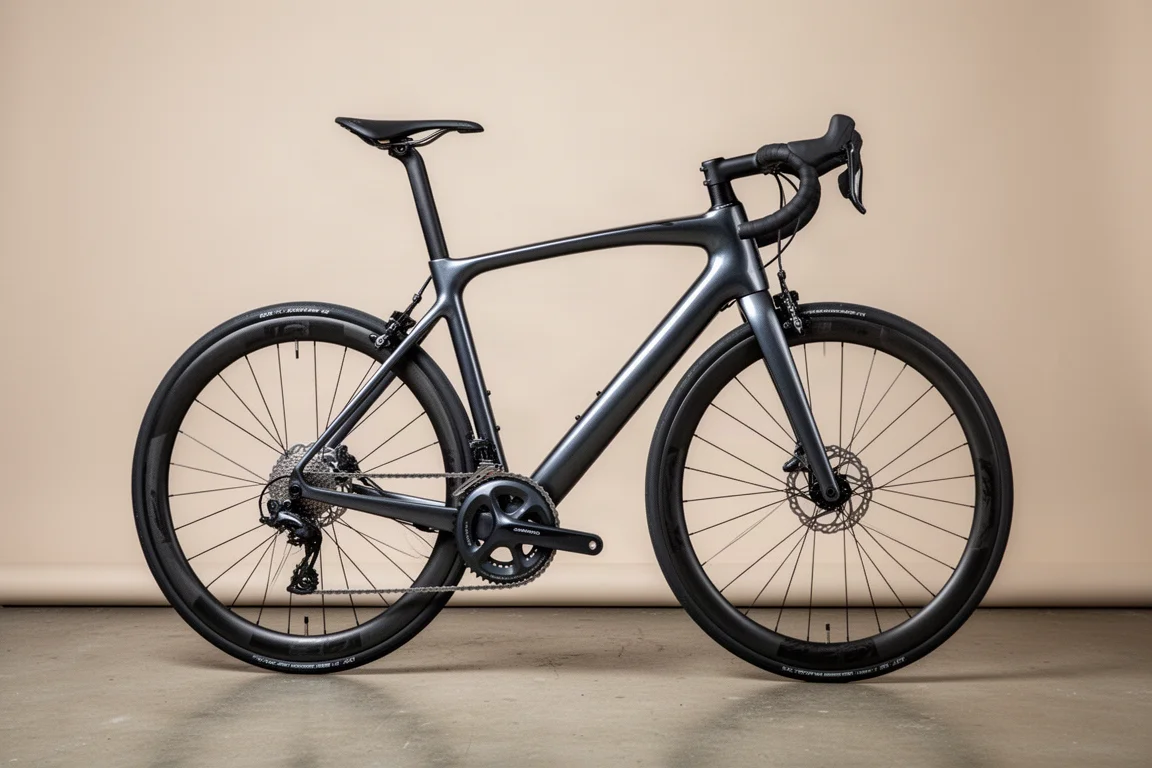
The bike here is a Specialized Tarmac SL4 Comp, bought secondhand for around £400. The Tarmac is one of the most recognised race platforms in the world, with a long record in professional racing, but this generation is old enough that prices have dropped a long way. It has a carbon frame, a Shimano Ultegra 11-speed mechanical groupset and rim brakes, and it weighed just under 8 kg without pedals.
This article looks at how the SL4 Comp rides, where it still feels competitive, and what to check before buying a used example.
Who This Bike Is For
The SL4 Comp makes sense for riders who want the feel of a light carbon race bike without spending new-bike money, and who are comfortable buying secondhand. It suits riders who do not mind rim brakes, narrow tires and externally routed cables, and who are happy to do a little maintenance themselves or pay a shop to sort out worn parts.
It also works well as a first race bike, a training bike, or a project frame that can be improved over time with better wheels and tires. Because the frame is stiff and the geometry is proven, the platform has room to grow with a few targeted upgrades.
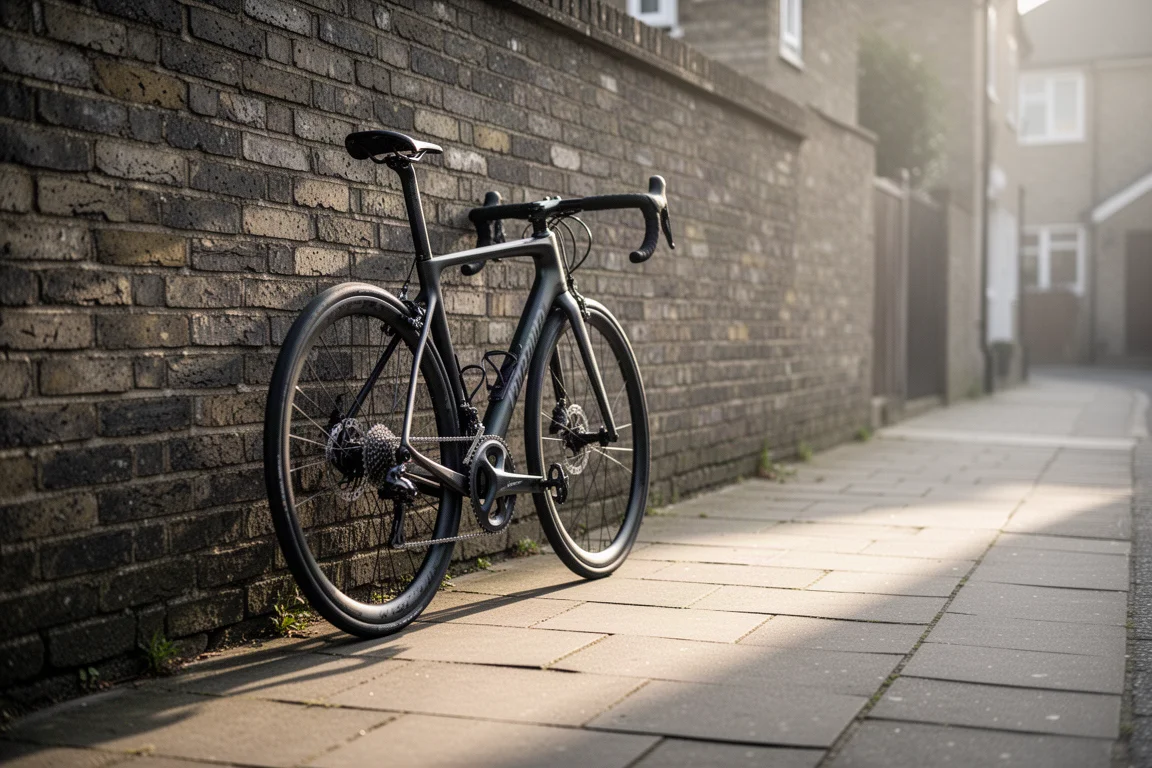
It is a poor fit for riders who want disc brakes, an integrated cockpit, aero tube shapes, or clearance for wider tires. Anyone looking for a bike that needs nothing beyond a quick clean should also be cautious, because a used example of this age almost always needs some consumables replaced.
Frame and Design Notes
The SL4 Comp was launched in 2015, and it uses the fourth-generation Tarmac frame that first appeared in 2011. That makes the design old, but the shape has aged better than the date suggests. The rear stays run conventionally up to the top tube rather than dropping, and the frame keeps the swooping curved top tube that defined the Tarmac for many years.
Up front there is a heavily tapered head tube, feeding into a large oversized down tube that is not aerodynamic in the slightest but suggests plenty of stiffness. The seat tube tapers and stays round at the top before squaring off into the bottom bracket, which is a BB30 unit paired with a Praxis chainset.
The details are traditional throughout: a 27.2 mm round seatpost held by an external seat clamp, a conventional handlebar and stem, and semi-internal routing for the rear brake through the top tube with the remaining cables running externally. The example here had a noticeable gouge on the top tube that could be touched up with a little paint, while the rest of the frame was clean.
Ride Performance and Handling
On the road the geometry feels right almost immediately. The size 56 frame uses the same stack and reach Specialized applied across many years of this model, and the steering is light and quick, with the whole bike feeling easy to move around. The frame is clearly stiff through the bottom bracket, and there was no flex in that area even on steeper sections of a climb.
Against a modern road bike, the numbers tell a more modest story. Flat speed came in at around 5 out of 10, with much of the shortfall coming from the budget wheels rather than the frame. Climbing scored about 6.5 out of 10, held back by wheel flex under hard efforts and by a tall stack of spacers under the stem. Descending scored about 6 out of 10, with a lot of feedback through the contact points.
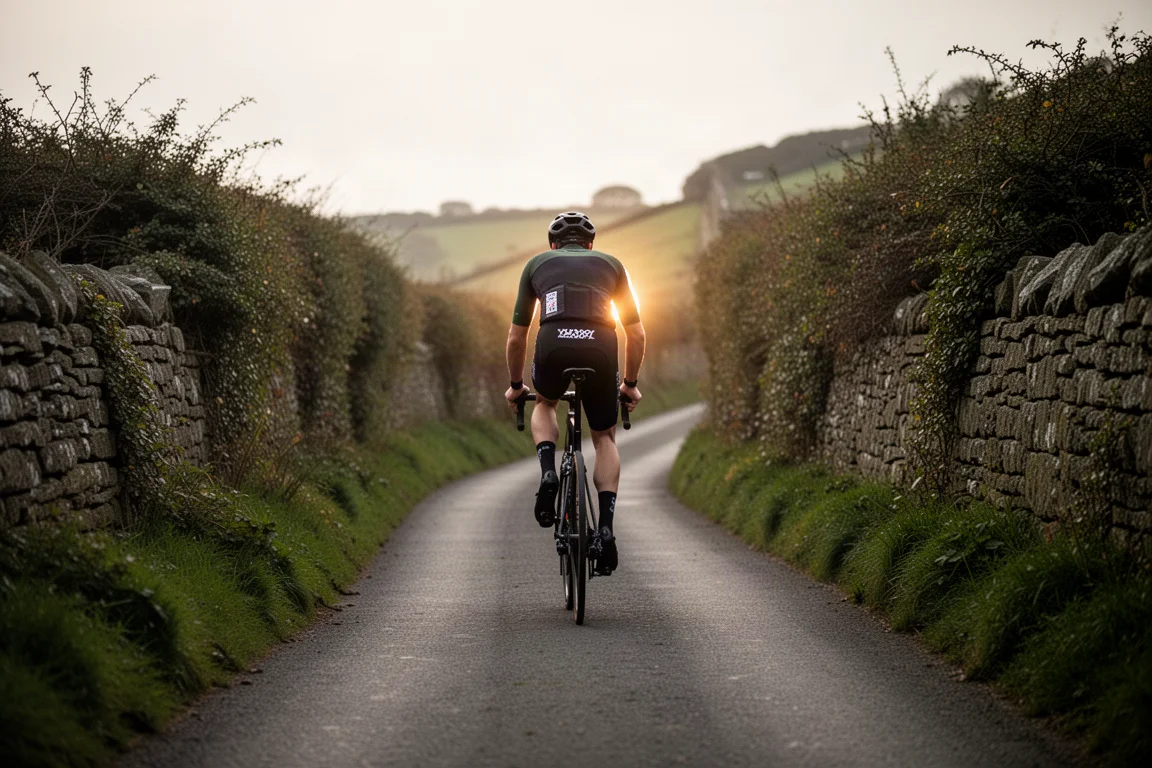
Comfort is acceptable rather than impressive. The 23 mm tires fitted to this generation transmit far more of the road surface than modern wider rubber, and that is the clearest reminder of the bike’s age. The gearing is another reminder, with a 52/36 semi-compact chainset and an 11-28 cassette that leaves little room on steep gradients.
Drivetrain, Wheels, and Brakes
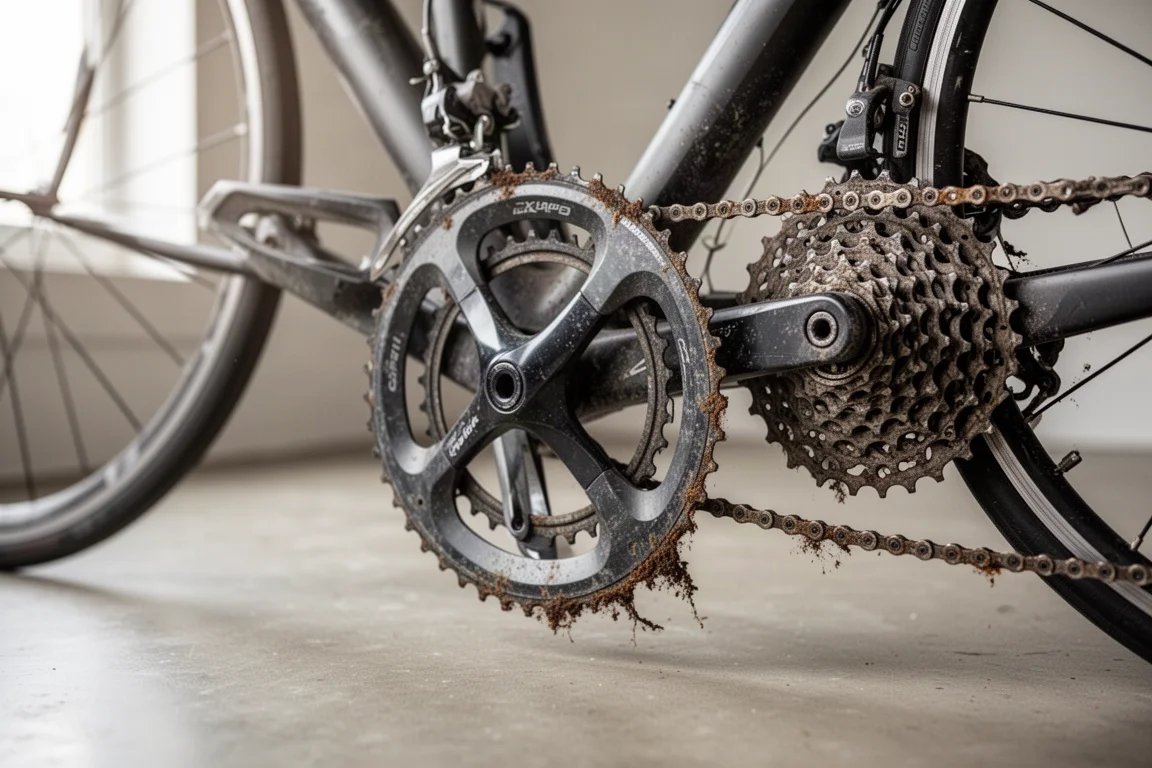
The groupset is Shimano Ultegra 11-speed mechanical, which was a strong specification when the bike was new and still shifts reliably when it is set up properly. This example needed attention: the chain felt grindy and showed rust, the inner chainring had visible wear, and there was some crunching noise under load that could come from the chain, the cassette or the bottom bracket. The gears themselves worked up and down the cassette, and the front derailleur needed trimming.
The wheels are Fulcrum Racing models with visible grime, and the tires were the weakest part of the build. The 23 mm Specialized Turbo Pro tires were cracked across the surface and needed to be replaced before any serious riding. The rims showed a slight concave wear pattern and plenty of brake dirt, and the calipers were caked in grime, though they still worked.
Braking performance was functional with reasonable modulation at the bite point, and there was still life left in the pads. The front brake did produce an alarming squeal under hard braking, which points to setup and rim condition rather than a fundamental problem.
Main Strengths
The headline strength is weight. Just under 8 kg without pedals is impressive for a bike at this price, and the frame carries a good part of that. Stiffness at the bottom bracket and the quick, confident steering make it feel like a proper race bike rather than a compromise.
The value is the other major strength. A complete carbon road bike with an Ultegra groupset for around £400 leaves plenty of budget for tires, wheels and servicing while staying far below the cost of a new performance road bike. Few modern entry points offer this much usable speed for the money.
Upgrade potential matters too. The frame is the part worth keeping, and better tires, a lighter wheelset and a tidier cockpit would address most of the weaknesses without changing the character of the bike. The ride is genuinely enjoyable on its own terms, and the mechanical parts respond well to simple maintenance.
Things to Consider Before Buying
Rim brakes and 23 mm tires date the bike in ways you will feel on every ride. There is no aero shaping and no cable integration, so it will not match a current race bike on flat roads or in crosswinds, and the narrow tires limit comfort and grip compared with modern rubber.
Wear items are the biggest practical risk. Tires, chain, cassette, chainrings and brake pads may all need replacing, and a drivetrain noise can mean a shop visit. Rims on a rim-brake bike wear over time, so check for a concave braking surface before committing.
Frame condition deserves a careful look, including any gouges or scratches that could hide deeper damage. Fit is worth checking as well, since this example had far too many spacers under the stem, and availability depends entirely on what appears on the used market at the time.
Buying Advice
Set a realistic total budget rather than focusing only on the purchase price. Around £500 including a set of new tires and a few replacement parts is a reasonable target for a bike like this, and it still leaves a very large gap to the cost of a new performance road bike.
When inspecting a used example, prioritise the frame. Look for cracks, deep gouges and signs of crash damage, then check drivetrain wear, rim wear and brake function. Confirm that the quick releases are properly tightened, that the gears shift across the full cassette, and that the wheels are true.
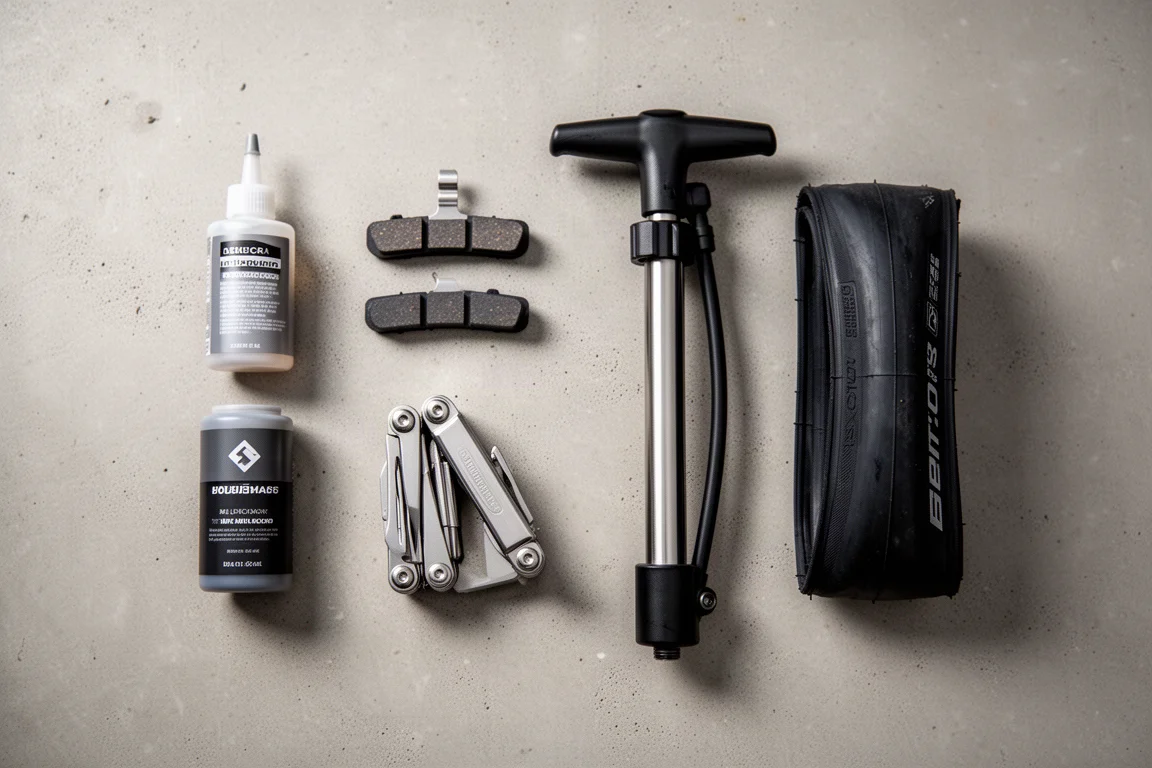
If the frame is sound, the rest is straightforward. A set of quality tires is the first upgrade, followed by a lighter wheelset, and deep-section carbon wheels would make the biggest difference to speed. A cleaner cockpit would finish the build, and the total would still sit far below new-bike pricing. Buying through used marketplaces rewards patience, so compare several listings and ask about service history before agreeing on a price.
Conclusion
The Tarmac SL4 Comp shows how much road bike you can still buy for a small amount of money if you are willing to shop secondhand. It is light, stiff, sharp to steer and genuinely enjoyable to ride, and the frame has enough quality to justify a few sensible upgrades.
Its limits are clear. Rim brakes, narrow tires, budget wheels and older gearing keep it behind a modern race bike, and a used example will almost certainly need new consumables. For riders who want performance on a tight budget and are prepared to spend a little time and care on setup, this generation of Tarmac remains an excellent value proposition.
Product link
View more details for Specialized Tarmac SL4 Comp
This product is mentioned in the review. Check the specifications, options, and compatibility before buying.
View more details for Specialized Tarmac SL4 CompFurther reading
Related Reviews
Road Bikes
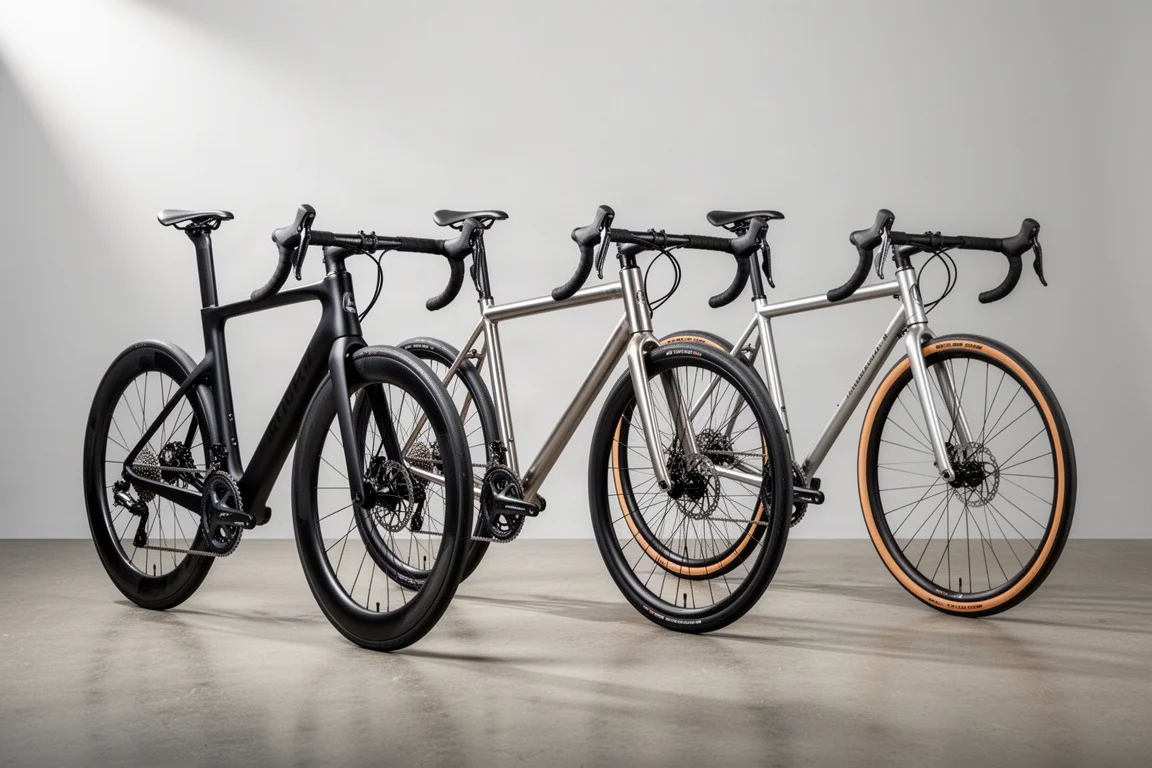
10 New Road Bikes Worth Watching: Aero, Titanium, Steel and Endurance Standouts
A practical roundup of 10 new road bikes, from aero flagships chasing single-watt gains to titanium, steel and endurance platforms built for real roads.
Road Bikes
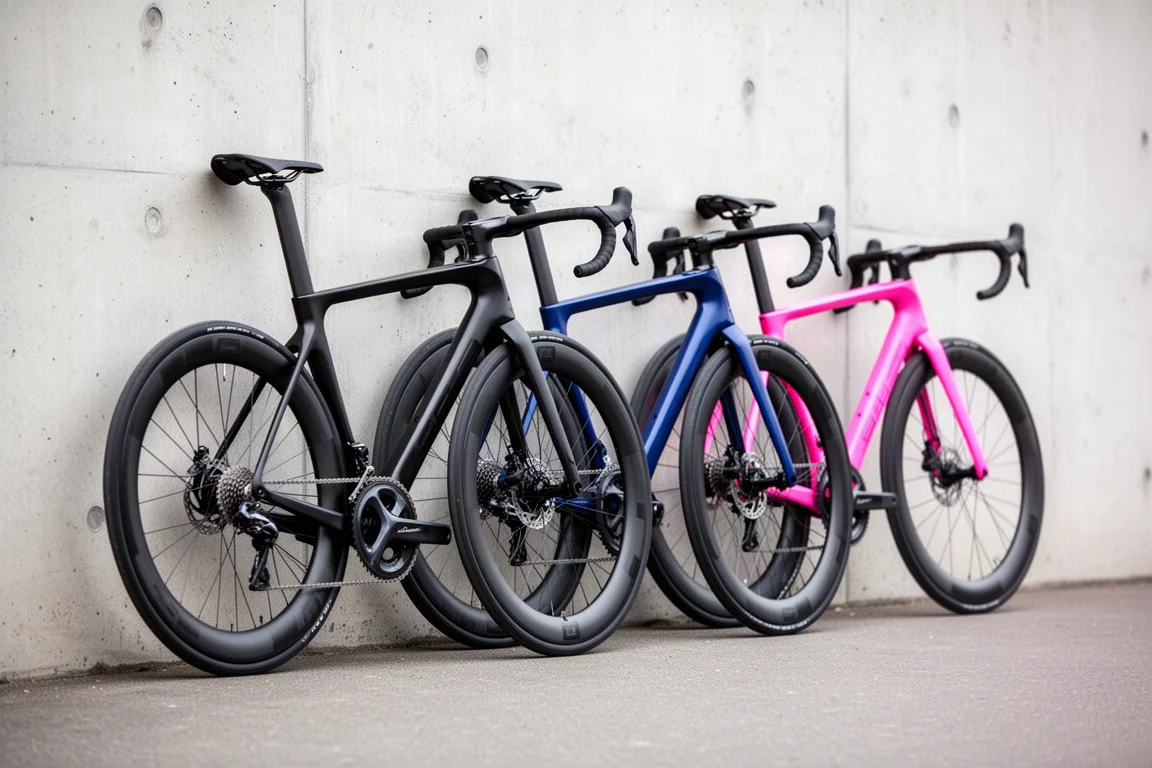
2026 Tour de France Road Bikes: Six Race Machines Worth a Closer Look
Six race bikes from the 2026 Tour de France grid, reviewed for paint, silhouette, wheels and the specification details that matter to buyers.
Road Bikes
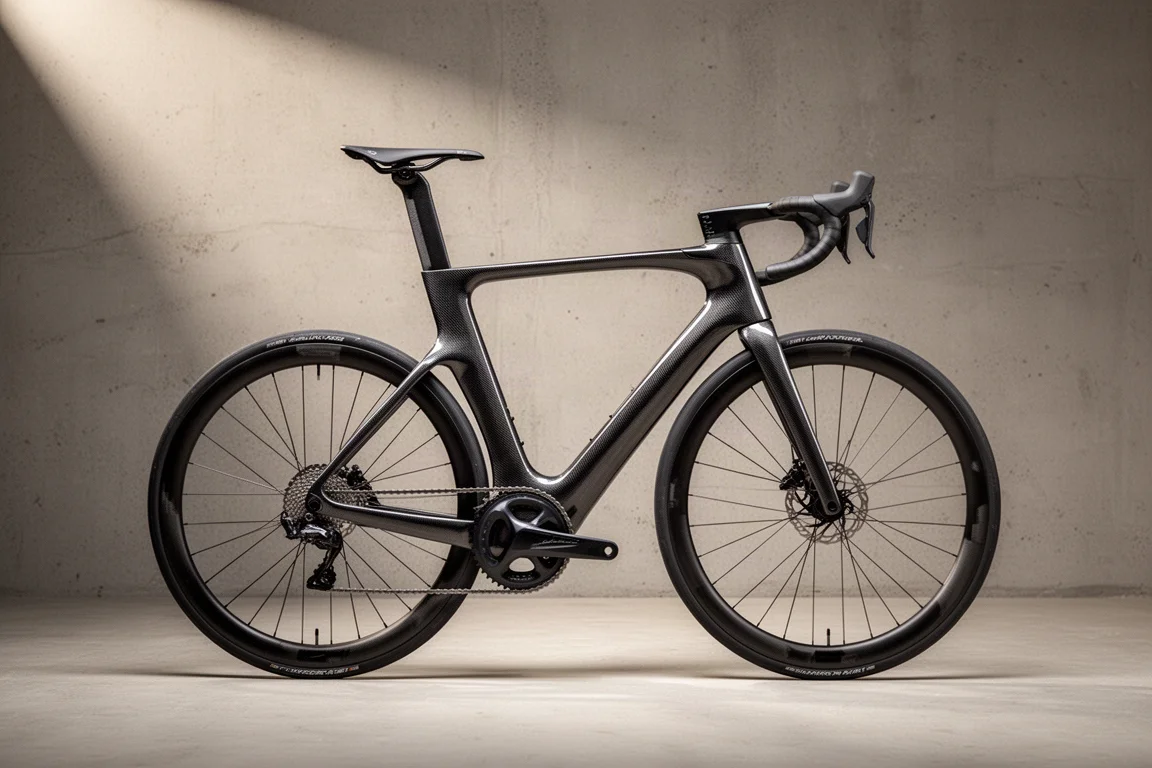
3T Strada Italia Review: A Radical Aero Road Bike That Rides Smooth
A made in Italy carbon aero road bike with a deep head tube, wide tire clearance and a genuinely comfortable ride. Here is what to know before buying.