Road Bikes
Specialized S-Works Tarmac SL8 vs Elves Vanyar Pro Disc: Does Spending More Buy Real Speed?
A top-tier carbon racer meets a value-focused road bike with a similar feature list. Here is where the extra money shows up, and where it does not.
Introduction
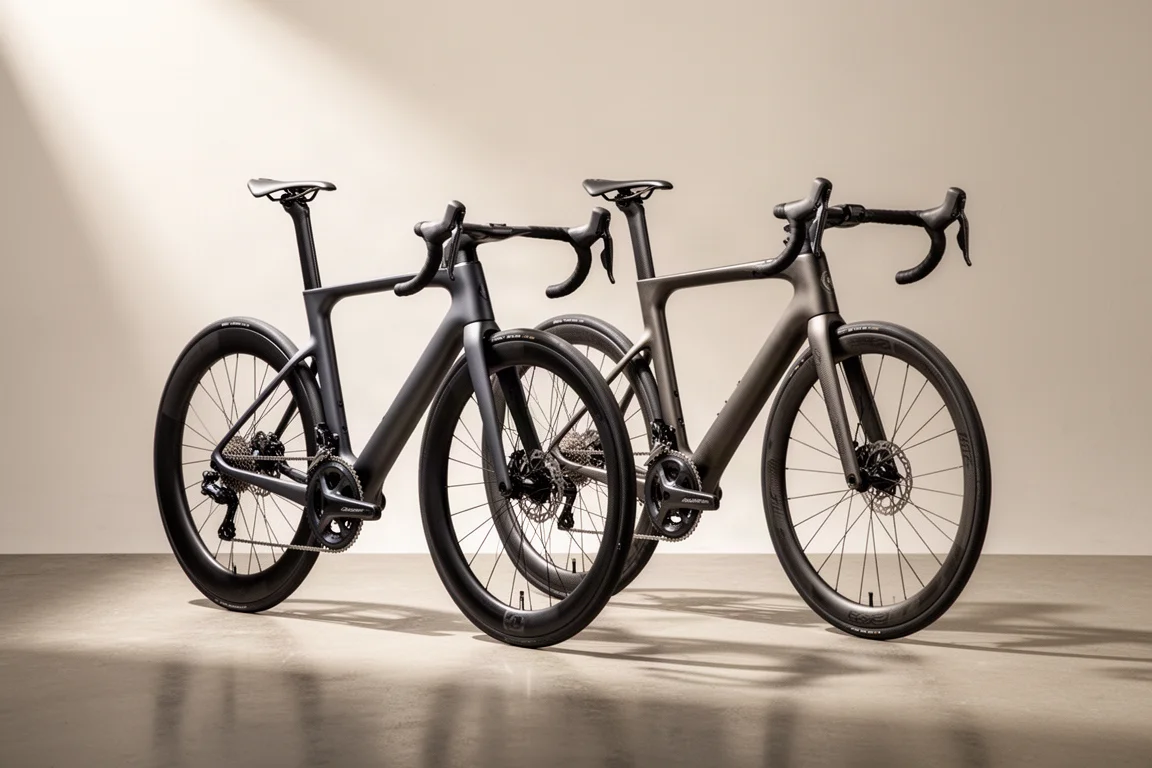
Two road bikes with almost identical feature lists sit at opposite ends of the price scale. The Specialized S-Works Tarmac SL8 is a top-of-the-line carbon racer, and the Elves Vanyar Pro Disc is a value-focused machine that claims most of the same hardware for a fraction of the money. The question worth answering is simple: does the expensive bike actually make you faster, and if it does, is the difference worth paying for?
To find out, both bikes were put through two timed tests, a climb and a flat aero run, followed by a close look at the builds themselves.
What We Compared
The comparison used two straightforward tests. The first was a 1.5 km climb ridden at 300 watts on both bikes, chosen because climbing is where weight matters most and the Elves is the heavier of the two. The second was a 2 km flat stretch ridden at 250 watts, where aerodynamic efficiency dominates.
Both tests involved a single run on each bike, so the results are not statistically significant and should be read as an indication rather than a controlled measurement. Rider position was set as close as possible between the two bikes, though wheel differences remained, and factors such as rolling resistance, bearings and frame-to-wheel interaction all influence real-world speed.
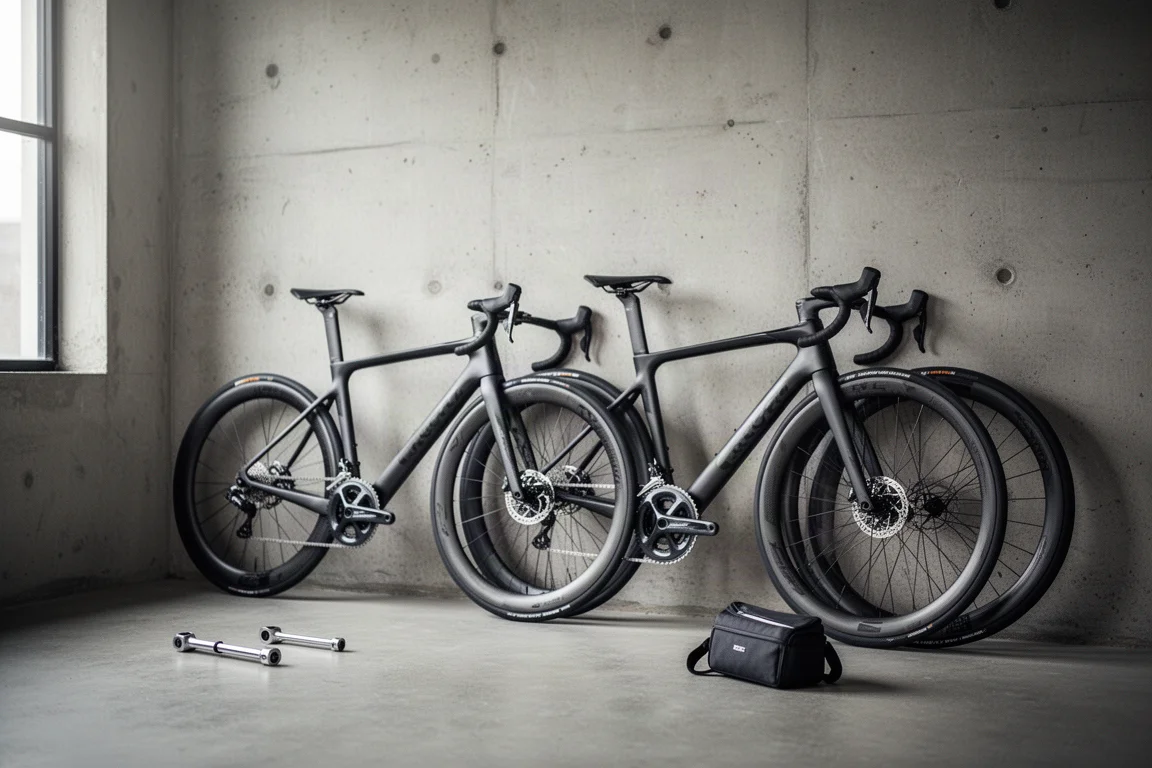
That caveat matters, because a few seconds either way is well within the range of ordinary day-to-day variation. Even so, the pattern across both tests was consistent enough to be interesting.
Specialized S-Works Tarmac SL8
The S-Works Tarmac SL8 is built around a full carbon frame and fork with a fully integrated front end, carbon tubeless-ready wheels and hydraulic disc brakes. It runs a SRAM Red electronic groupset, which is the lighter of the two drivetrains in this comparison.
Its wheels are Roval Rapide CLX II, noticeably deeper and wider than the rims on the Elves, which suits all-round speed. The one-piece Roval cockpit has a clean, elegant profile, and the S-Works Power saddle uses a carbon base and carbon rails, with a 3D printed upper version available at extra cost.
Specialized is a large company with the resources to develop this platform in the wind tunnel, and the frame reflects that. In both tests it was the faster bike, and it also felt a little more comfortable on the road.
Elves Vanyar Pro Disc
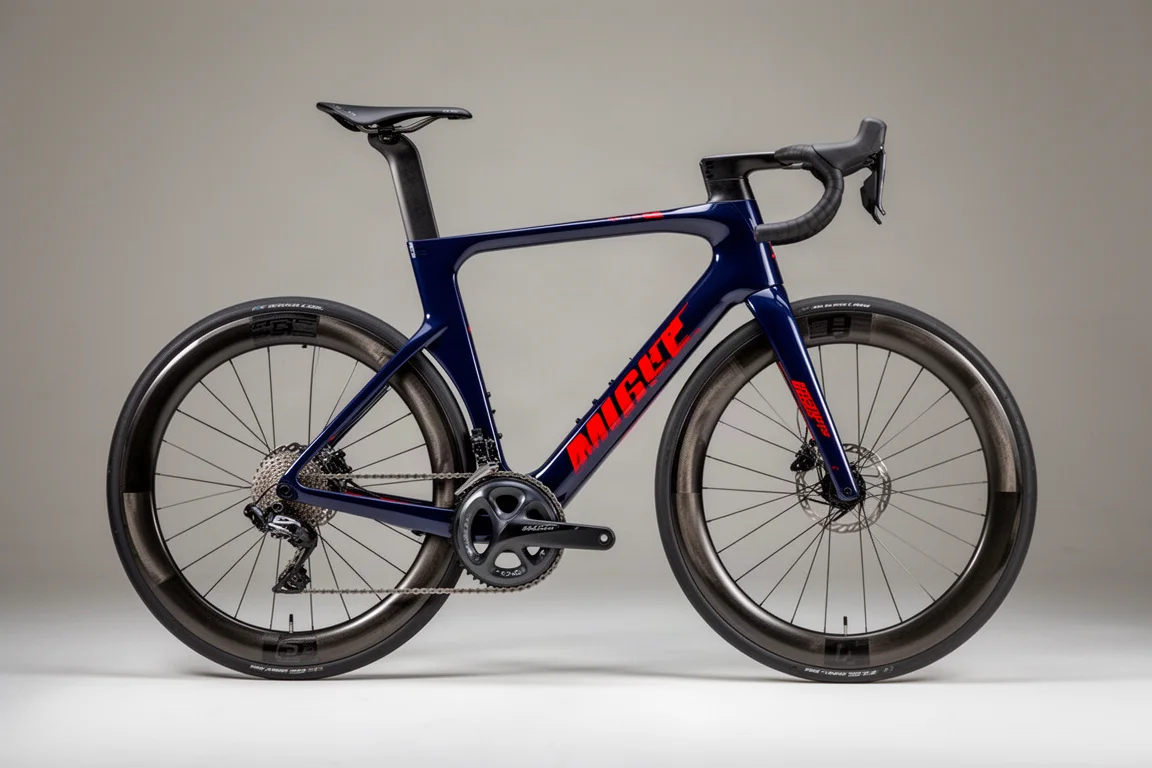
The Elves Vanyar Pro Disc matches the Tarmac on the headline specification sheet: full carbon frame and fork, a fully integrated front end, carbon tubeless-ready wheels, an electronic groupset and hydraulic disc brakes.
The differences show up in the details. It uses Shimano Ultegra Di2, which is heavier than SRAM Red, and its Orome Valor TH30 wheels are shallower, which makes them feel more at home on climbs than on flat, fast roads. The one-piece cockpit has a chunkier stem than the Roval unit on the Tarmac.
The saddle is a genuine highlight. It uses a 3D printed upper with a carbon base and carbon rails and costs a fraction of the equivalent S-Works option. Elves also offers free custom painting, which is unusual at this price and a real draw if you are tired of all-black bikes. The Elves is the slightly heavier bike of the two.
Climbing Test Results
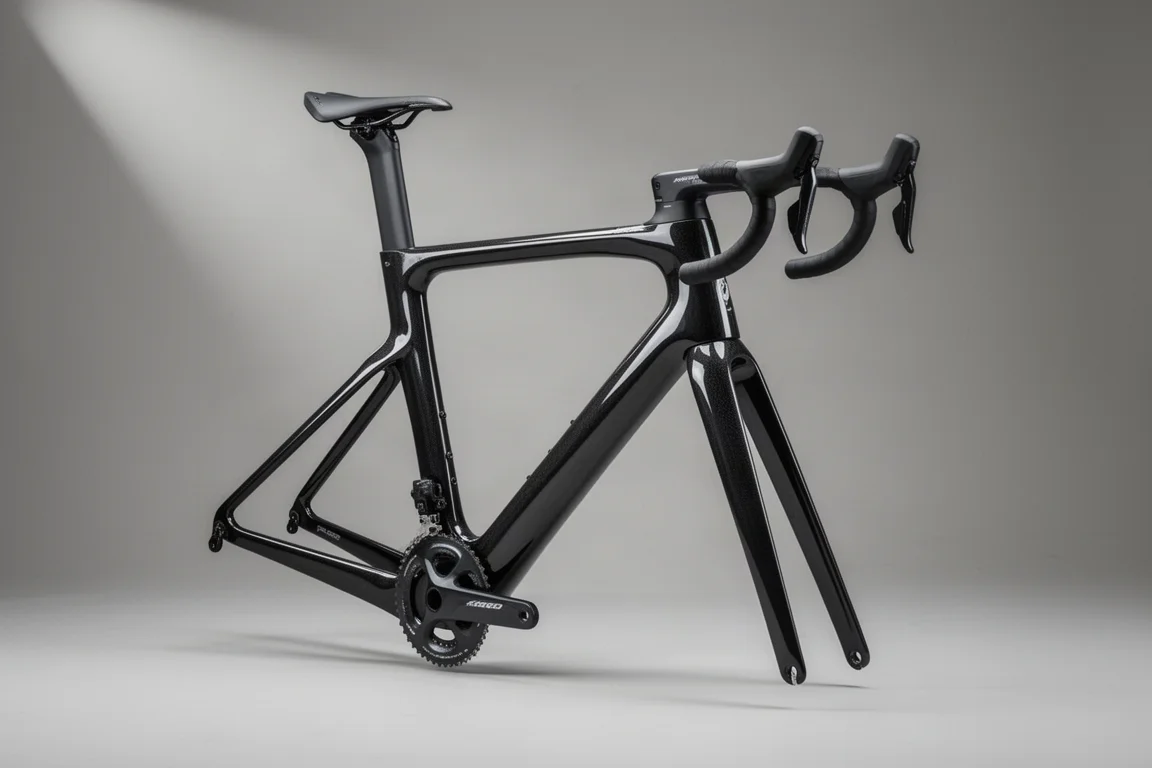
On the 1.5 km climb at 300 watts, the Elves completed the effort in 4 minutes 51 seconds. The S-Works Tarmac SL8 was 9 seconds quicker over the same distance.

There are two sensible ways to read that. The first is that the Elves is only a little slower, which is excellent news if you are not chasing seconds and would rather keep the money. The second is that if those seconds matter, whether to win a race or hit a personal goal, the more expensive bike does deliver them. The gap is real, but it is small, and it comes at a very large price difference.
Aerodynamic Differences
The flat test covered 2 km at 250 watts. Average speeds between the two bikes were extremely close, and the Tarmac SL8 came out 2 seconds faster. In the saddle, that difference was not really perceptible.
The explanation sits in how each bike was developed. Elves is a relatively small brand without the budget for extensive wind tunnel time or supercomputer CFD simulation, and the Vanyar Pro Disc had none of that in its design phase. Specialized is a much larger company, and the Tarmac SL8 was shaped around wind tunnel work from the start.
It is worth remembering that aerodynamics is only part of the picture. Rolling resistance, bearing quality, frame and wheel interaction and how well the bike fits the rider all influence the final number, which is why a 2 second gap over 2 km should not be treated as a definitive verdict on either frame.
Build and Component Choices
Look past the matching feature lists and the component choices tell you where the money went. The Shimano Ultegra Di2 groupset on the Elves is heavier than the SRAM Red on the Tarmac, but SRAM Red costs considerably more and does not save a dramatic amount of weight, which makes Ultegra Di2 the more pragmatic pick for most riders.
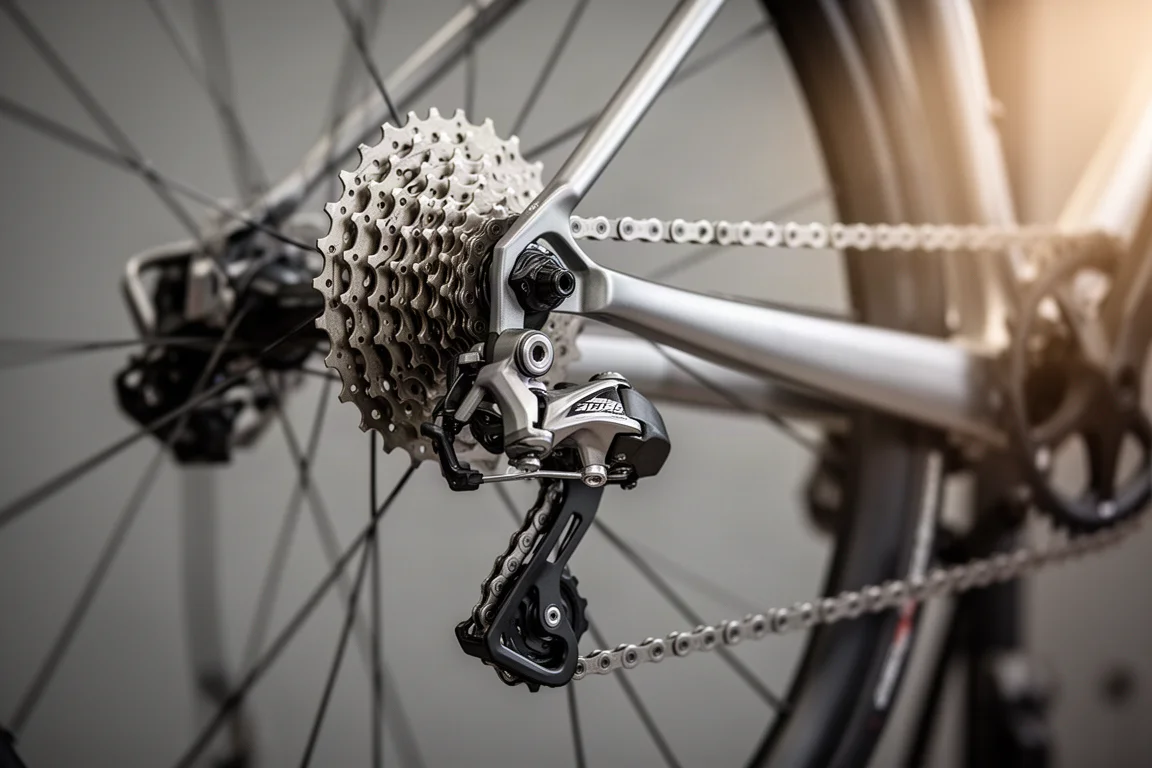
Wheel choice splits the two bikes along different priorities. The deeper, wider Roval Rapide CLX II wheels on the Tarmac favour all-round speed, while the shallower Orome Valor TH30 wheels on the Elves feel more comfortable and more at home on hilly terrain.
Cockpits are another point of divergence. Both bikes use one-piece designs, but the Roval system on the Tarmac looks more refined, while the Elves stem reads as slightly heavier visually. On saddles, the Elves deserves credit: its 3D printed upper with a carbon base and carbon rails is a strong component at a modest cost, whereas the S-Works Power saddle with a carbon base and rails sits at a much higher price, and the 3D printed version climbs higher still.
Value for Money and Buying Advice
Value is the hard part of any super bike comparison, and it is impossible to avoid here. For recreational riders who simply enjoy riding, the Elves represents far better value. A full carbon frame, disc brakes, tubeless-ready wheels and a cable-free front end at roughly a quarter of the price of the S-Works build covers a lot of ground.
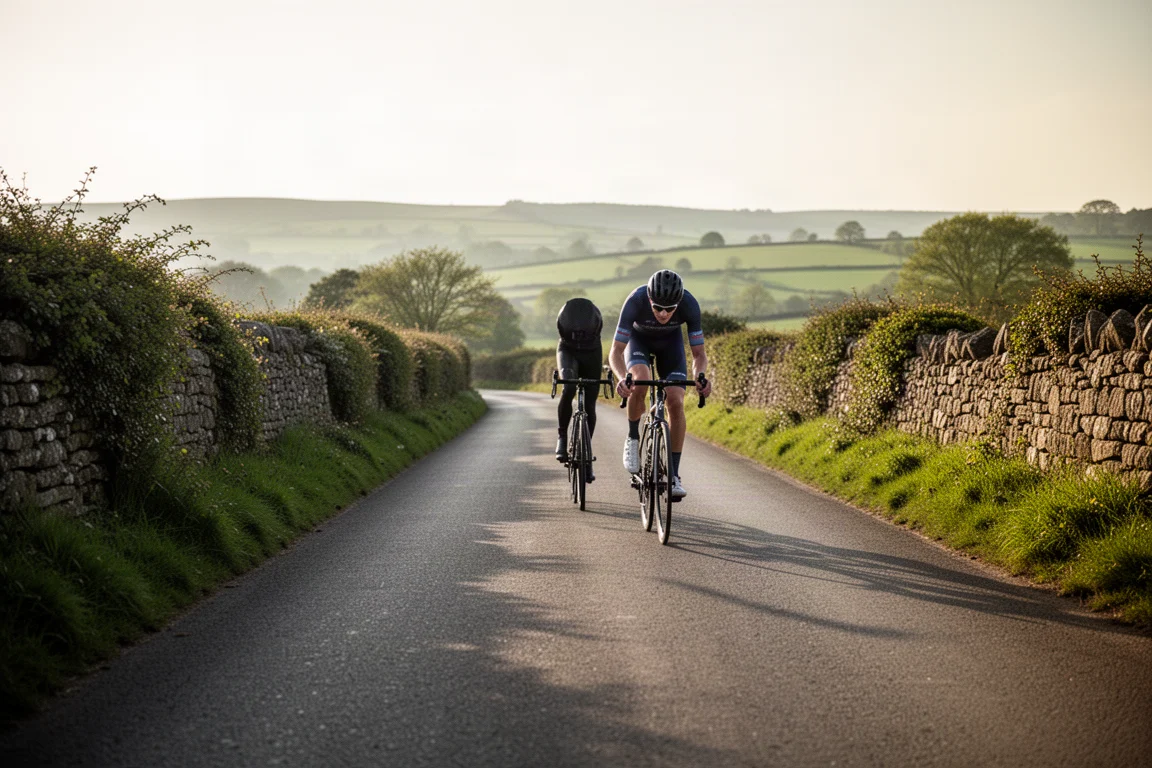
The Tarmac SL8 is faster, and it felt slightly more comfortable, but those differences come at a very large premium. Diminishing returns are the whole story of this comparison: the first few thousand pounds buy most of the performance, and everything beyond that buys progressively smaller gains.
If going as fast as possible is the goal and the budget is there, the S-Works Tarmac SL8 will help, and it is a legitimate way to buy speed. For everyone else, the Elves is the more sensible purchase. It is also worth looking at a cheaper Tarmac SL8 build such as the Expert model before committing, since it keeps the same frame platform without the top-tier price.
Conclusion
Both bikes are genuinely good, and both look sharp. The difference is that one delivers nearly all of the modern road bike experience for a fraction of the cost, while the other delivers a handful of extra seconds for a very large sum. Decide which of those two things you actually need, and the choice becomes straightforward.
Further reading
Related Reviews

Road Bikes
10 New Road Bikes Worth Watching: Aero, Titanium, Steel and Endurance Standouts
A practical roundup of 10 new road bikes, from aero flagships chasing single-watt gains to titanium, steel and endurance platforms built for real roads.
Road Bikes
2026 Tour de France Road Bikes: Six Race Machines Worth a Closer Look
Six race bikes from the 2026 Tour de France grid, reviewed for paint, silhouette, wheels and the specification details that matter to buyers.
Road Bikes
3T Strada Italia Review: A Radical Aero Road Bike That Rides Smooth
A made in Italy carbon aero road bike with a deep head tube, wide tire clearance and a genuinely comfortable ride. Here is what to know before buying.