Road Bikes
Specialized S-Works Tarmac SL8 Review: A Lightweight Aero Race Bike That Delivers
A long-term ride impression of the Specialized S-Works Tarmac SL8, covering its low weight, aero performance, comfort on rough roads, and the price question buyers need to weigh up.
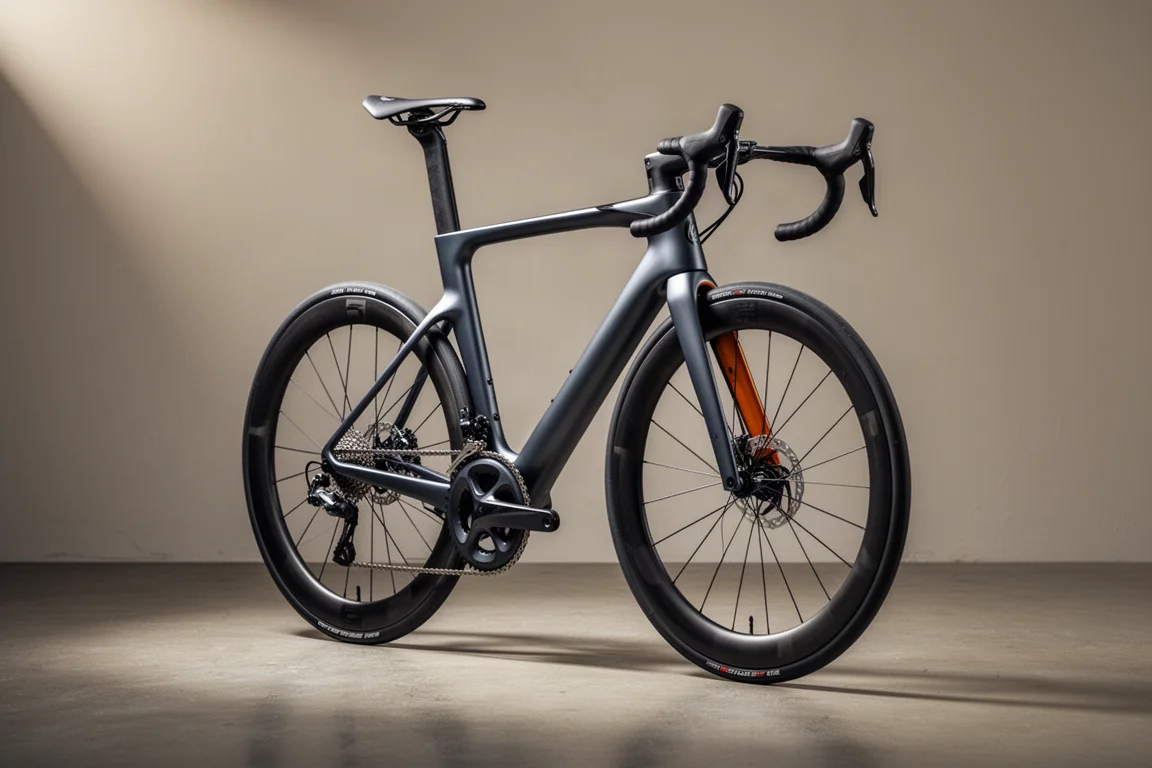
Introduction
The Tarmac has been part of the road racing landscape for a long time. Early versions chased low weight, which is where the SL tag came from, and the line later moved toward aerodynamics with the SL6 and SL7. When the Venge was retired, Specialized consolidated its aero and lightweight race development into a single platform, and the S-Works Tarmac SL8 is where that work has landed.
The headline claim is straightforward: a bike light enough to climb with dedicated climbing machines while still holding its own against pure aero race bikes. That combination is usually where compromises appear, so it is worth looking at what the SL8 actually does on real roads, across smooth tarmac, broken surfaces, long steady climbs and short punchy efforts.
Who this bike is for
This is a race bike first. It suits riders who want one machine that performs everywhere: fast group rides, long climbs, rough back roads and race days. Because the weight is low and the ride is smooth for a race bike, it also appeals to riders who love climbing and want that immediacy without accepting a harsh ride in return.
If you race seriously and every gram matters, the case is fairly simple. A bike this light removes a handicap that heavier aero bikes carry on climbs without giving much away in straight-line speed.
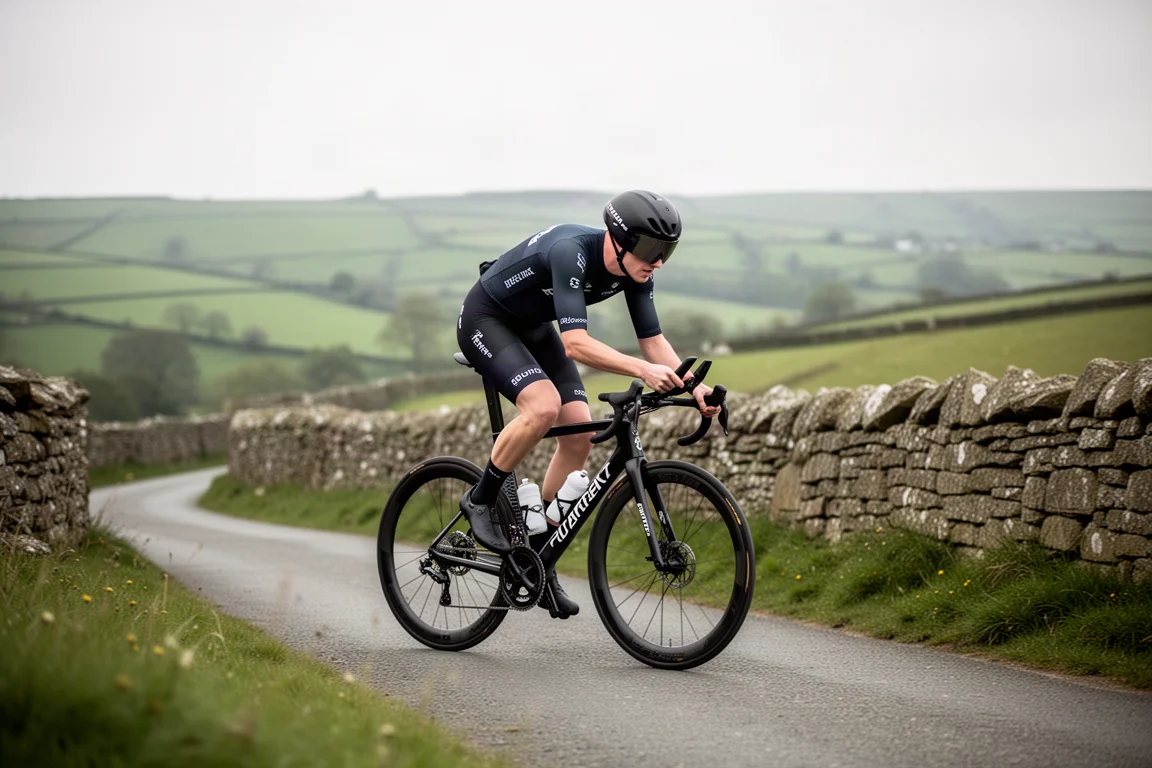
Riders who split their time between smooth tarmac and broken surfaces will also find the SL8 easier to live with than many race bikes. It is not an endurance bike, but it does not punish you the way some stiff aero frames do over a long day.
Main strengths
Three things stand out: aerodynamics, weight, and the way the bike behaves under power.
Aerodynamics and Weight
Wind tunnel testing published by the German magazine Tour puts the SL8 at 209 watts at 45 km/h. That is a high speed, but it is a race bike built for riders who genuinely go that fast. More notable is the margin: the SL8 gives away only a few watts to the Cannondale SuperSix Evo, the Canyon Aeroad and the Trek Madone SLR. Being nearly as aero as those bikes while weighing substantially less is the core of the argument for the SL8.
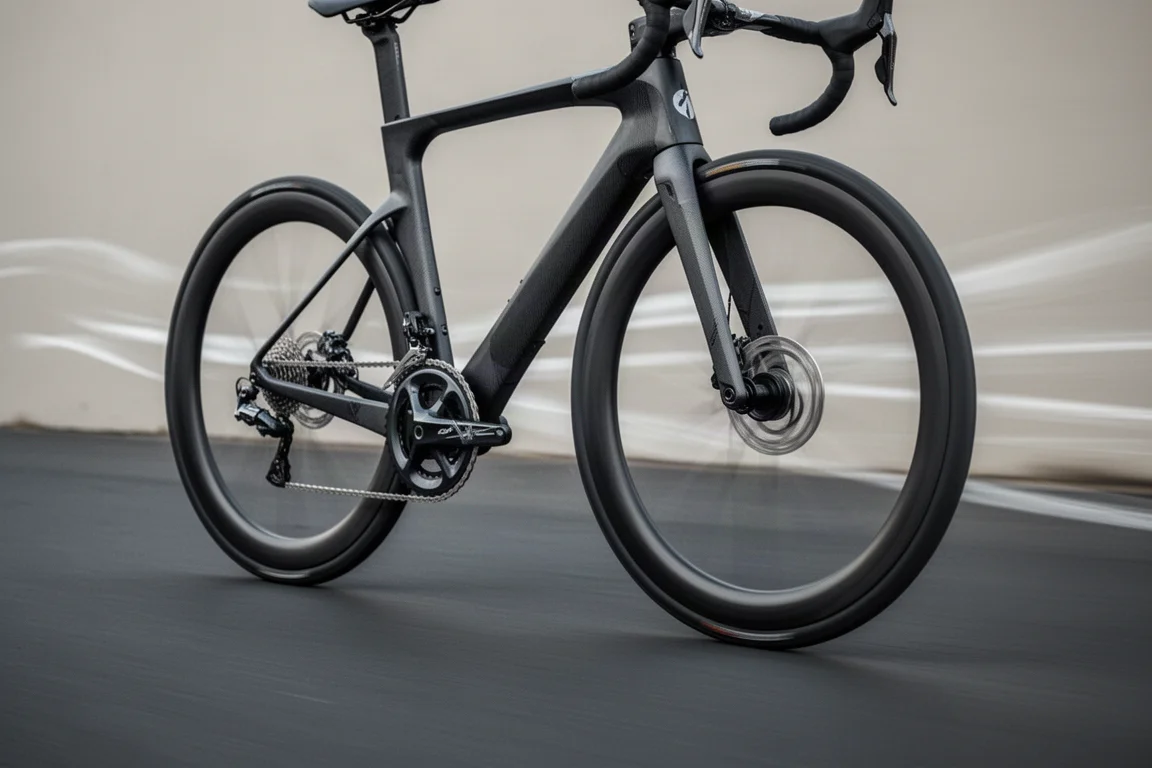
On the scales, the bike came in at 6.5 kg, and lifting it makes that number believable. That low mass is what gives the bike its sense of urgency on the road, and it is the reason the frame feels so reactive the moment you press on the pedals.
Climbing and Stiffness
Climbing is where the low weight is most obvious. It feels like pushing less mass up the road, and the effort required on a steady gradient is noticeably lower than on heavier race bikes. Out of the saddle there is no detectable flex, and the frame feels composed under hard, short efforts.
The comparison to other top race bikes is close. The Trek Madone may have a slight edge in raw stiffness, and the Cannondale SuperSix Evo feels a touch snappier at full sprinting effort, but the differences are small. Climbing performance is stronger than on the Factor O2 VAM, a dedicated lightweight climbing bike.
Comfort and Ride Quality
Race bikes are usually something you tolerate on rough roads. The SL8 is not. On broken surfaces it stays smooth through both the handlebar and the saddle, and the compliance built into the rear of the frame is clearly doing work. Coming off endurance bikes, the gap in comfort is surprisingly small.
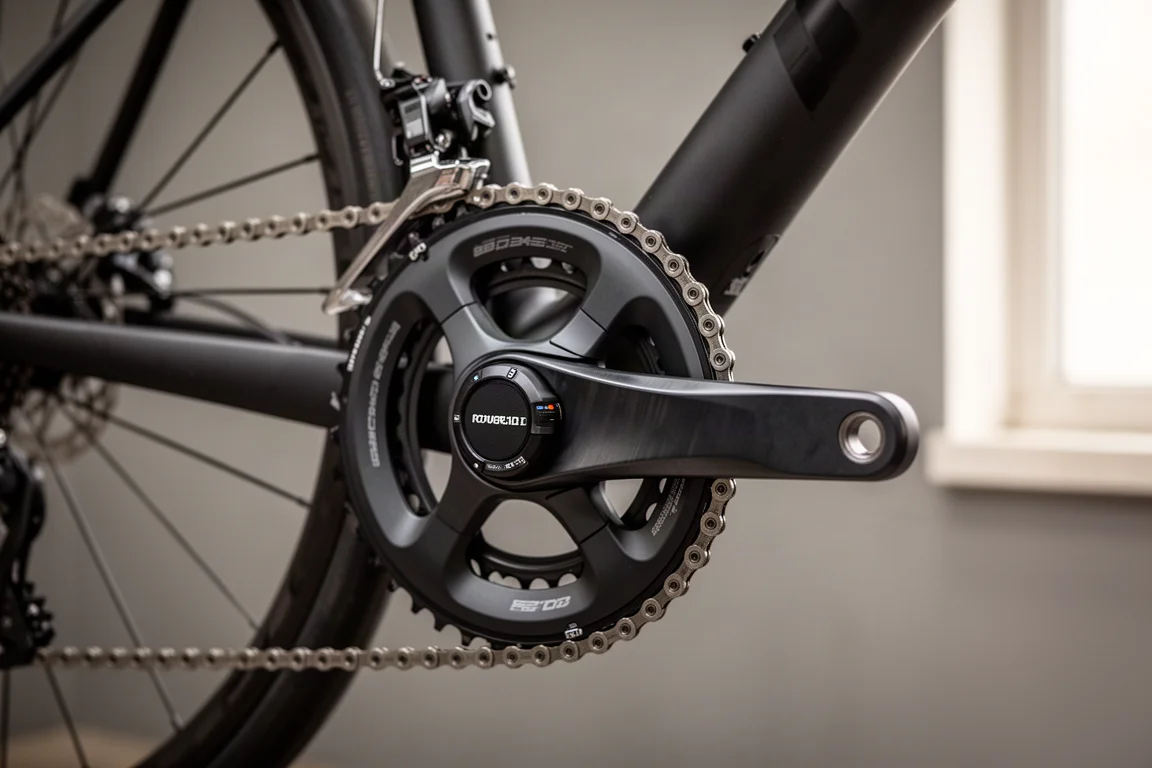
The bike ships with 26 mm tubeless tires that measure closer to 27 mm in practice. Run at low pressure, they are supple, fast rolling and confident in mixed conditions. A wider 28 mm tire would add a little more smoothness, but it is not necessary to enjoy the ride.
Things to consider before buying
The price is the obvious sticking point. The Tarmac range starts at around £6,000, and the top of the range S-Works model covered here is £12,000. That is a serious amount of money for a bicycle, and it is hard to justify purely on performance when other brands offer comparable specifications for less.
Tire wear is a smaller but real consideration. Supple, lightweight race tires roll beautifully but wear quickly, so budget for replacements if you ride a lot of miles.
The handlebar is another detail worth checking. It is an integrated design, so changing the width means speaking to a Specialized dealer rather than simply swapping a stem. Riders who are happy with the stock width will not mind, but those who want something narrower or wider should plan ahead.
Buying advice
If the budget is there and you want a race bike that performs at the highest level across climbs, fast flats and rough roads, the S-Works Tarmac SL8 is hard to argue against on performance grounds alone.
For riders who want the same platform for less, there are two sensible routes. A frameset build lets you choose your own components and bring the cost down while customising the fit and equipment to your taste. Alternatively, the mid-range Ultegra Di2 model is worth investigating to see whether the extra weight costs any of the character that makes the top model so appealing.
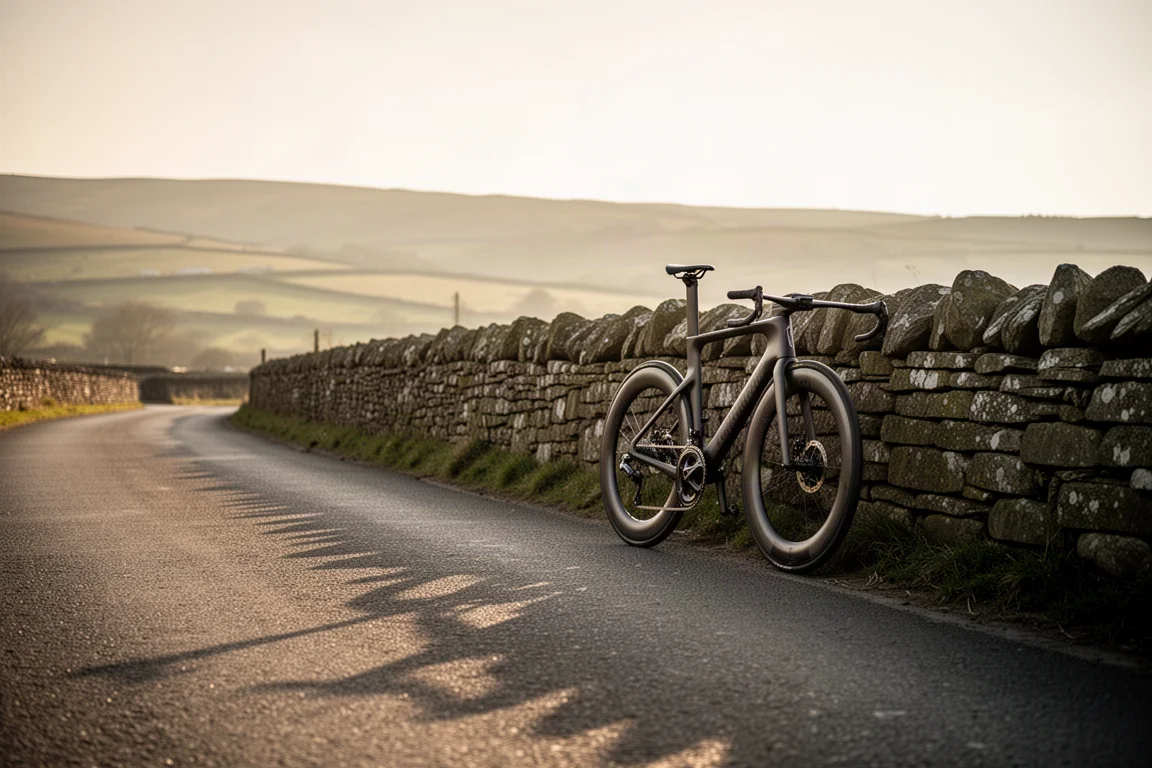
Either way, the smart approach is to decide what you actually need from the bike, then match the build to that need rather than defaulting to the most expensive option on the price list.
Conclusion
The S-Works Tarmac SL8 delivers on its promise. It is a genuinely light race bike that keeps the aerodynamic performance of a modern aero platform while adding comfort, stiffness and handling that hold up over long rides. For riders who race, or who simply want the best race bike experience available, it is a compelling choice. The price is the one clear drawback, and it is a significant one, but the performance itself is not in question.
Product link
View more details for Specialized S-Works Tarmac SL8
This product is mentioned in the review. Check the specifications, options, and compatibility before buying.
View more details for Specialized S-Works Tarmac SL8Further reading
Related Reviews
Road Bikes
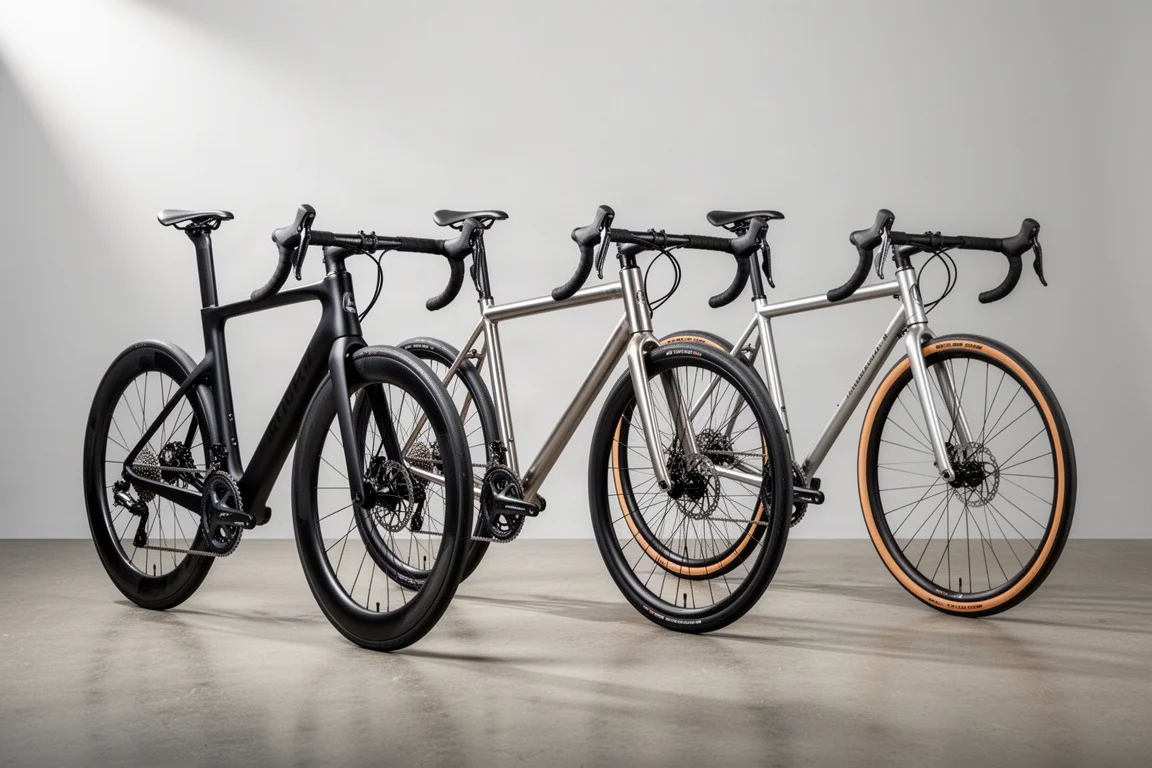
10 New Road Bikes Worth Watching: Aero, Titanium, Steel and Endurance Standouts
A practical roundup of 10 new road bikes, from aero flagships chasing single-watt gains to titanium, steel and endurance platforms built for real roads.
Road Bikes
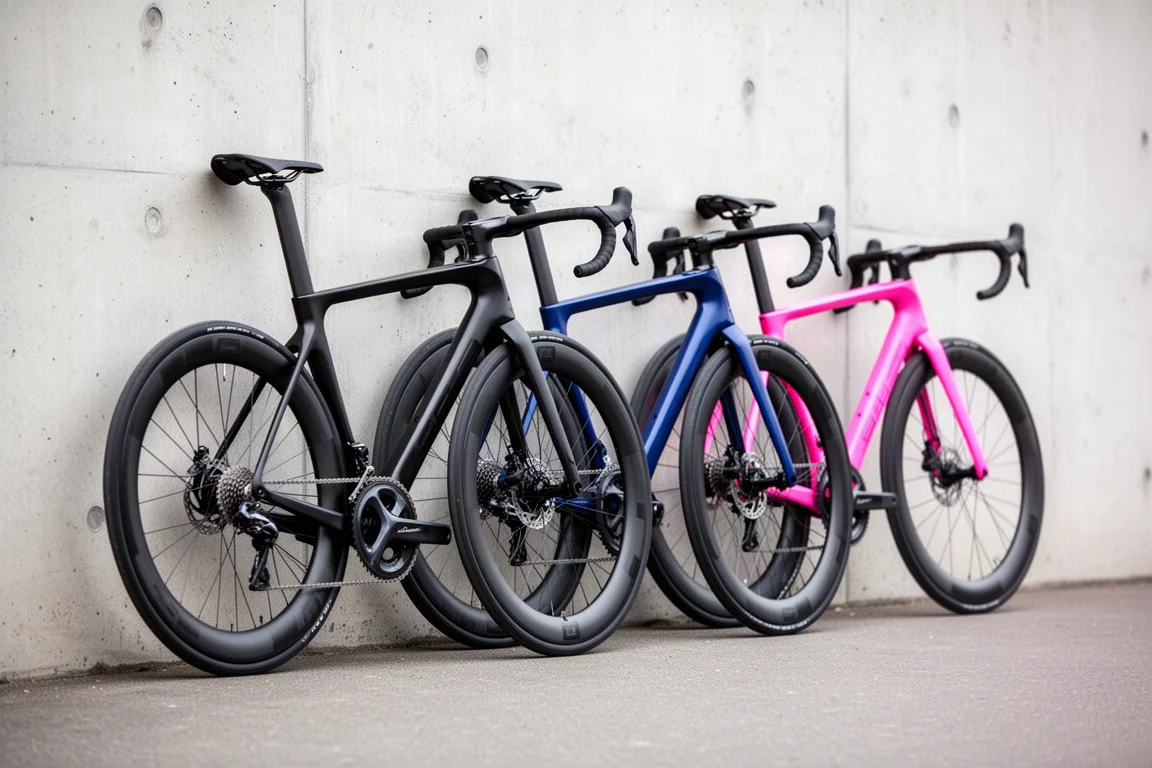
2026 Tour de France Road Bikes: Six Race Machines Worth a Closer Look
Six race bikes from the 2026 Tour de France grid, reviewed for paint, silhouette, wheels and the specification details that matter to buyers.
Road Bikes
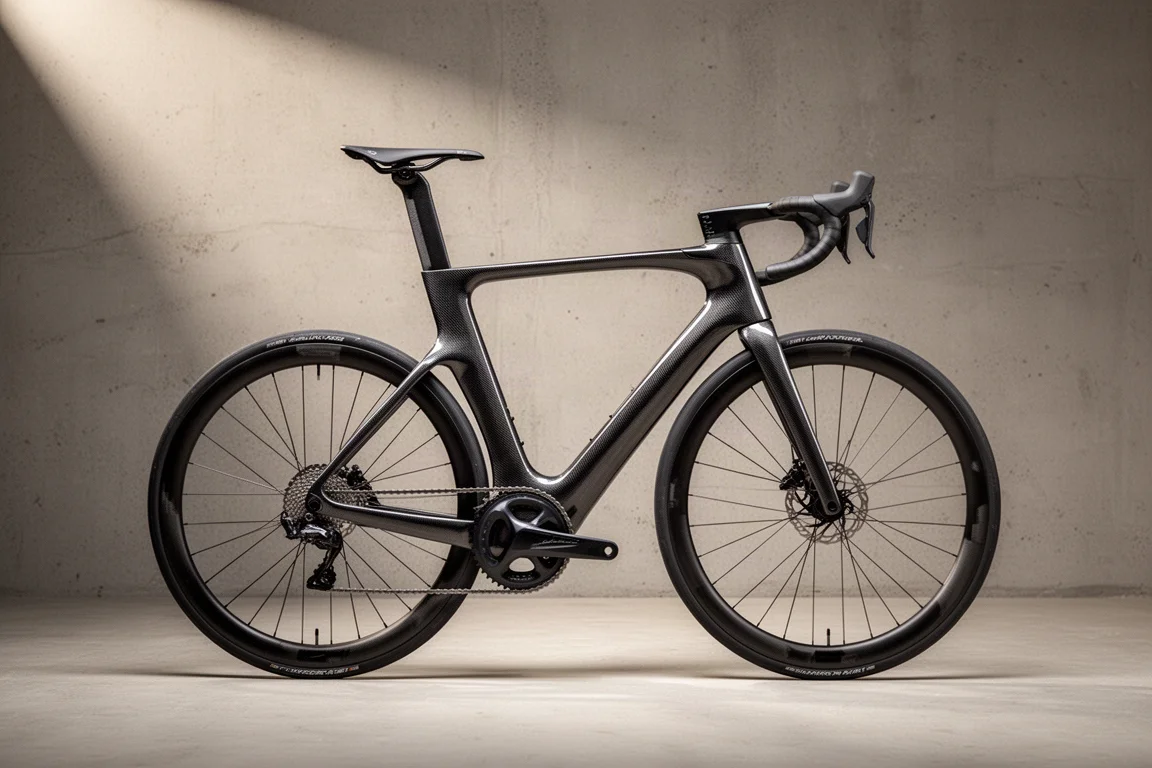
3T Strada Italia Review: A Radical Aero Road Bike That Rides Smooth
A made in Italy carbon aero road bike with a deep head tube, wide tire clearance and a genuinely comfortable ride. Here is what to know before buying.