Road Bikes
Specialized S-Works Tarmac SL7 vs SL8 vs Venge: What Real-World Riding Reveals
A practical comparison of the Specialized S-Works Tarmac SL7, the Tarmac SL8 and the Venge, based on back-to-back testing on a climb, rolling mixed-surface roads and fast dual carriageway.
Introduction
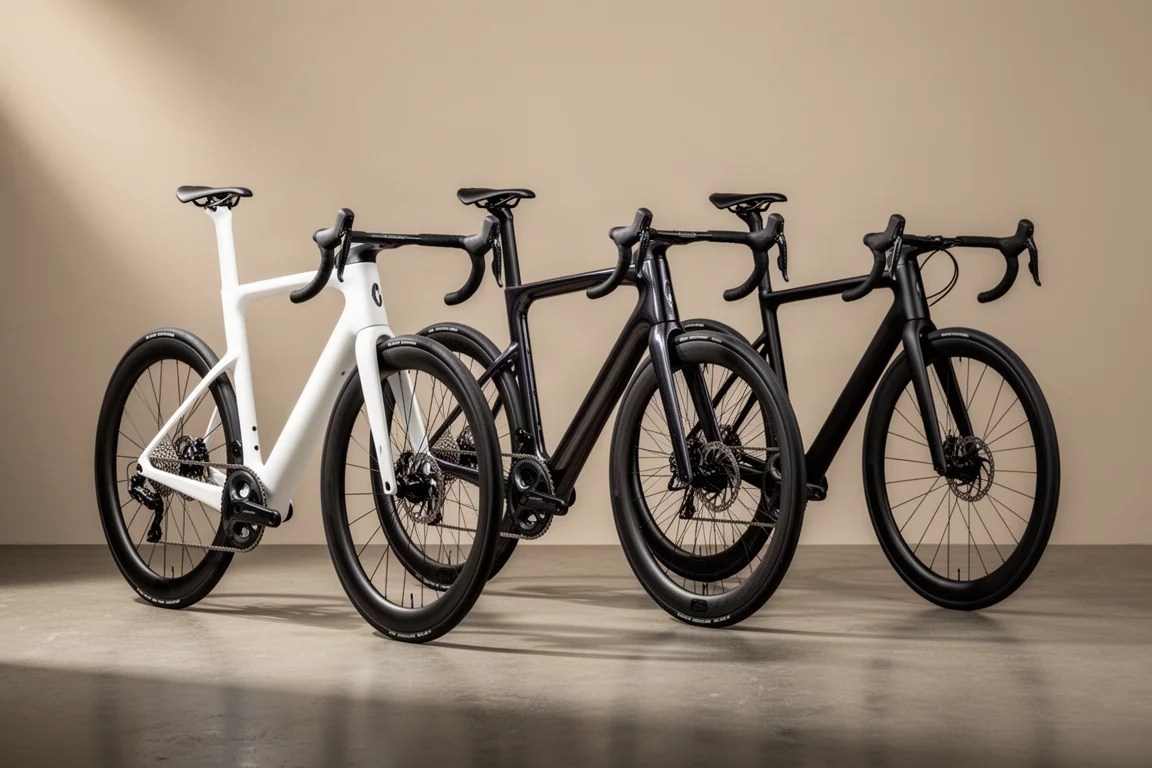
The Tarmac SL8 is the eighth generation of Specialized’s road platform, so the obvious question for anyone shopping at this level is simple: what does it actually add over the SL7, and where does the Venge still fit? To answer that, all three bikes were taken out on the same roads and put through a deliberately straightforward back-to-back test.
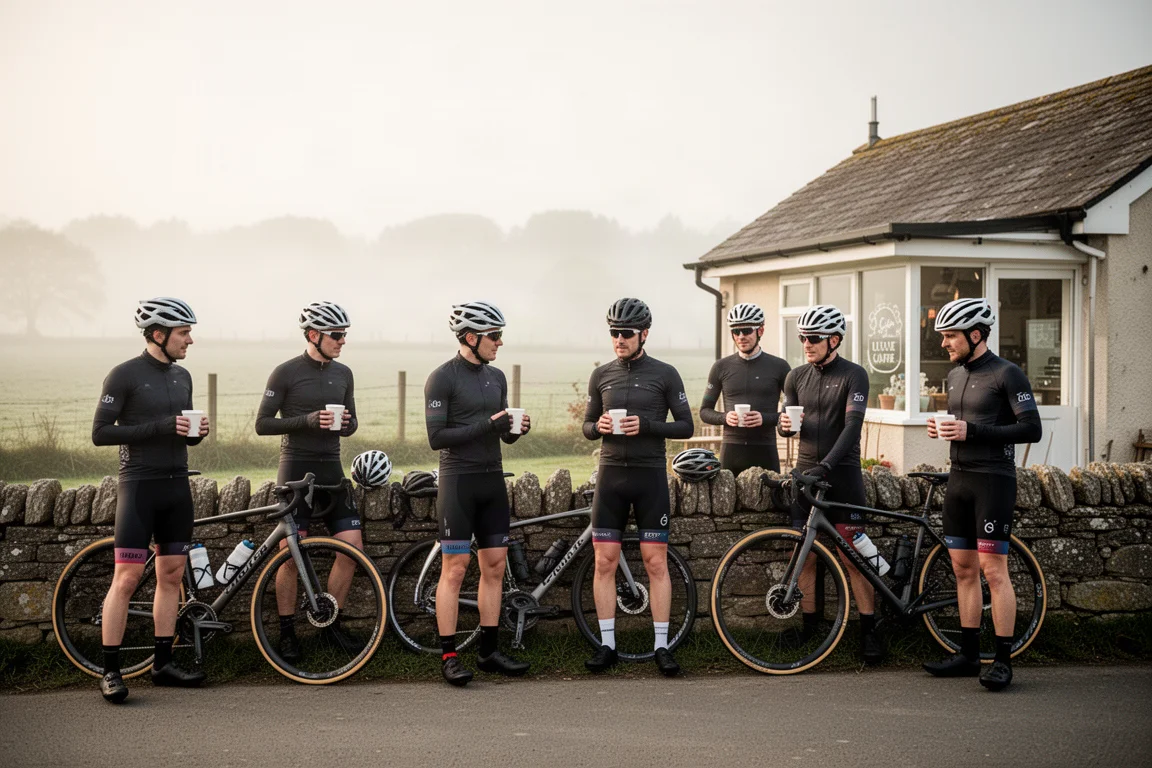
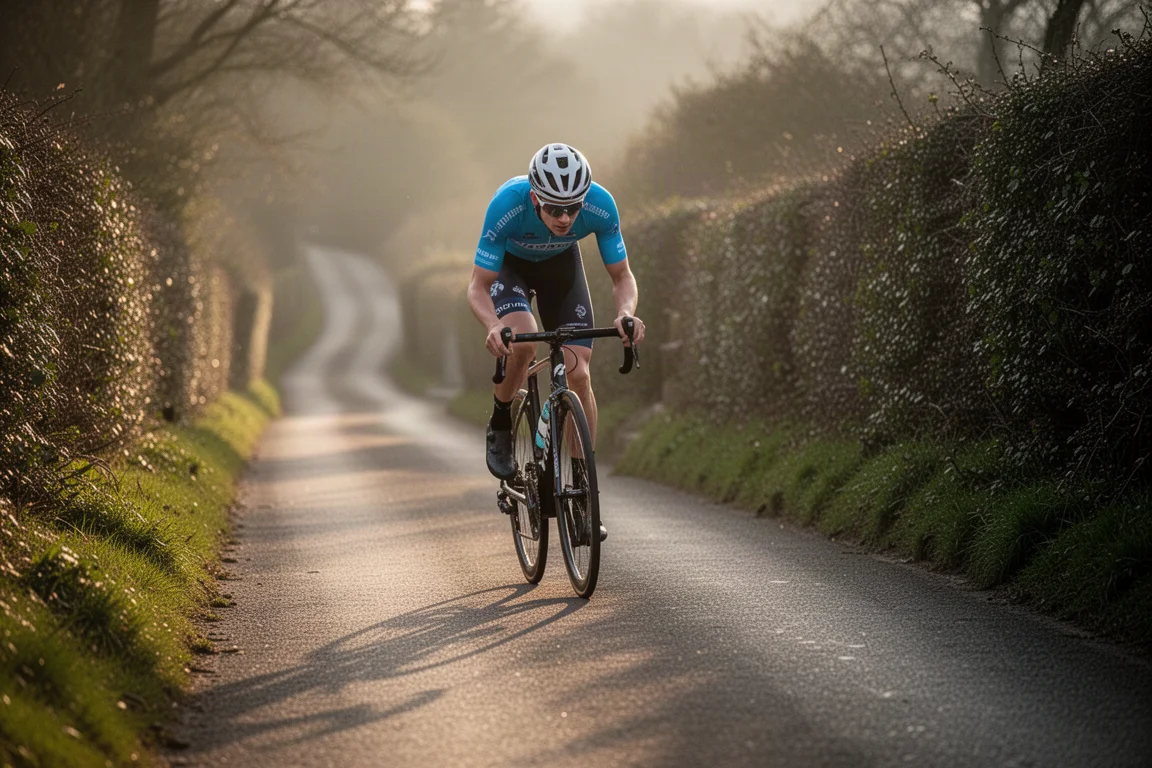
The loop mixed an 800-metre climb, a couple of kilometres of rolling and bumpy mixed surface, and 5 kilometres of dual carriageway. Everything was run on heart rate and power rather than outright pace, on a stretch of road that has been ridden more than 700 times, so the comparison stays as repeatable as a real-world test can be. All three bikes were set up as closely as possible, with matching wheel and tire setups.
What the SL7 and SL8 Share
The SL8 is an iteration rather than a reinvention. Frame shape has not changed dramatically, the dropped seat stays remain, and the geometry is identical between the two generations. That means fit and handling character carry over almost directly.
Specialized quoted a 6 percent improvement in compliance at the saddle for the SL8, though on early rides the difference in comfort between the two bikes was not something a very experienced rider could actually feel. The SL8 still comes across as responsive without the dead, over-stiff feel that sometimes goes with that word.
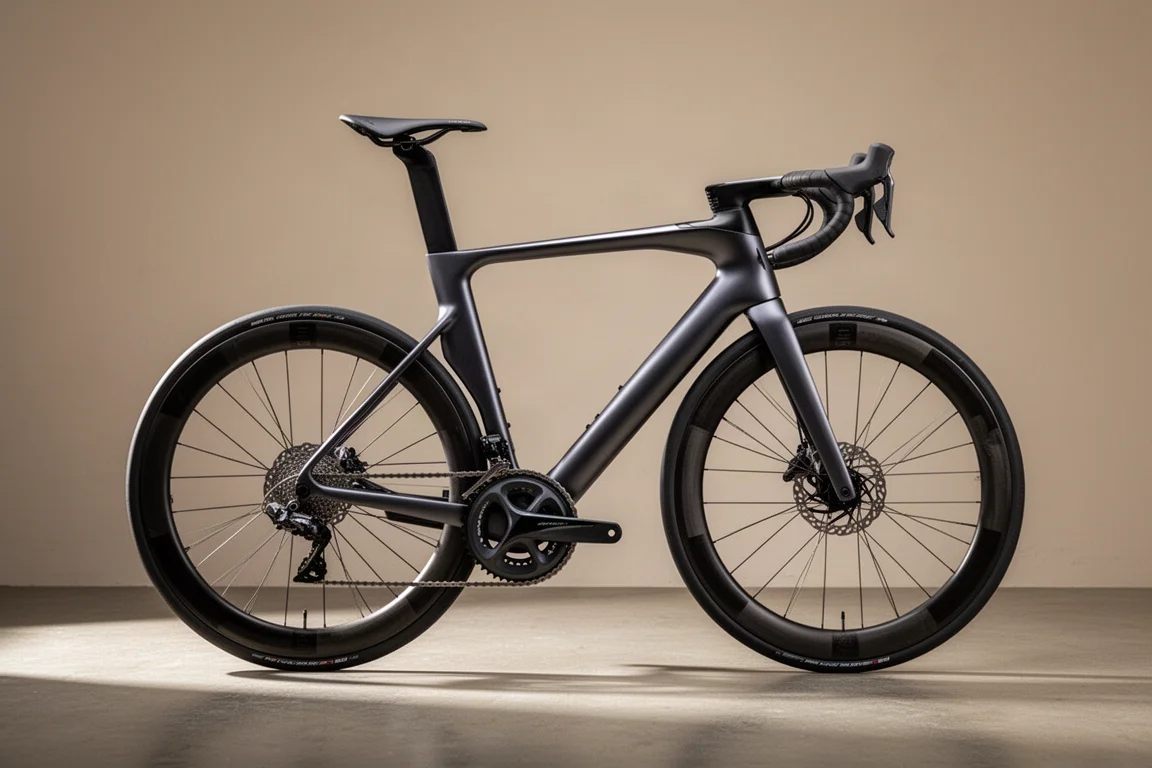
Where the two diverge is at the front. The SL7 fork is more circular and narrower, while the SL8 fork is flatter and longer, with a chunkier head tube that borrows clearly from the Venge. The aero work has been concentrated at the front of the bike.
The weight and pricing picture is worth knowing too. The SL8 is cheaper than the SL7 in certain builds, and the claimed gap between the top-end SL7 and SL8 is around 120 grams. The lower-grade 10r carbon SL8 is only about 100 grams heavier than the S-Works version, so riders who want S-Works SL7 weight can look at the cheaper SL8 variant and build it up to a matching spec.
Specialized S-Works Tarmac SL7
The SL7 is the bike that made the strongest case for itself over long distances. It climbs well, and in the test it averaged 20.4 km/h on the 800-metre climb against 19.9 km/h for the Venge. Its maximum speed was 65 km/h, and it finished the rolling loop within one to two seconds of the Venge, a gap that is negligible in real-world terms.
Just as importantly, the SL7 is easy to live with. It handles long days, training camps and 25-hour weeks without leaving the rider battered, which is not something that could be said of every aero bike in this group.
One caveat on the numbers: the SL7 used here was running a ceramic bottom bracket, ceramic jockey wheels and a waxed chain, while the SL8 was tested completely stock. That makes the SL8’s result the more surprising of the two.
Specialized S-Works Tarmac SL8
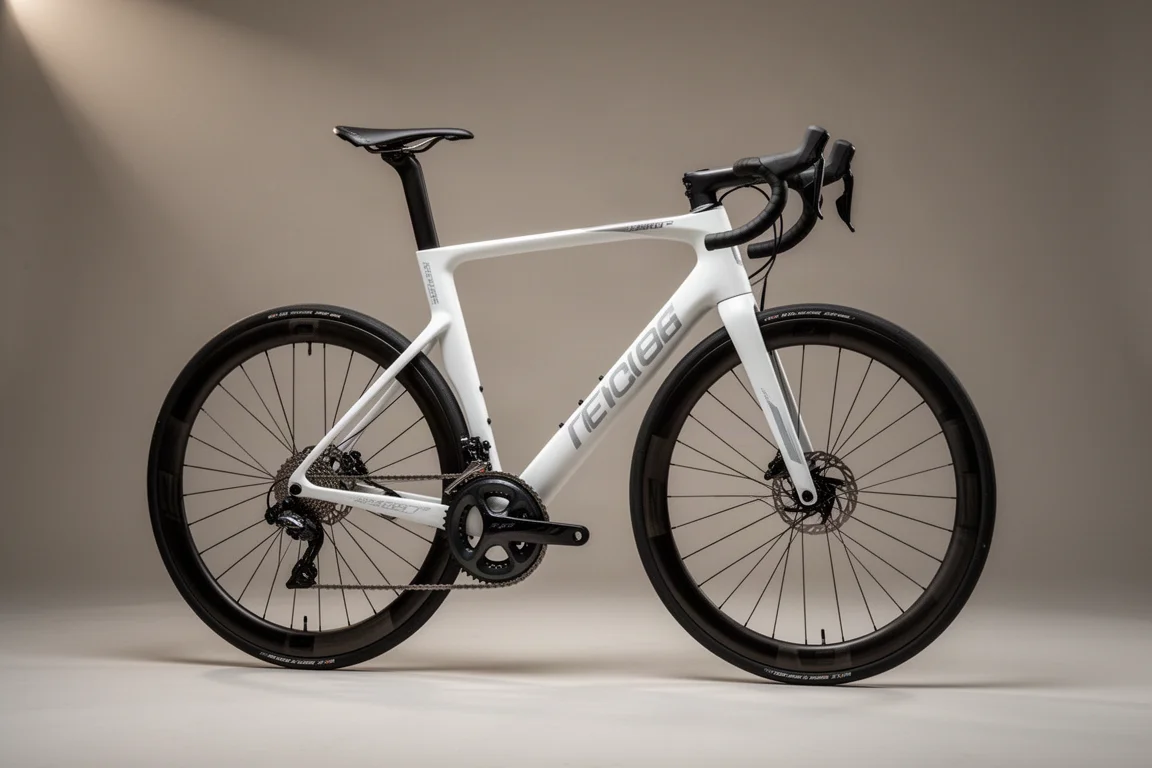
The SL8 was ridden straight out of the box with no changes at all: standard bottom bracket, factory-greased chain, no oversized pulley wheel system, 35 millimetres of stack against 15 millimetres on the SL7, and wider bars. Despite that taller, wider setup, it was the quickest of the three.
On the same climb it averaged 20.6 km/h, ahead of both the SL7 and the Venge. It was 7 seconds faster over the 10-minute test section, and extrapolated across a longer effort that works out to roughly 21 seconds over half an hour. Its maximum speed was 69 km/h, quicker than the Venge and nearly 4 km/h faster than the SL7. It also felt planted and stable at close to 70 km/h in a cross-tailwind.
The ride feel is where the SL8 makes its strongest impression. It comes across as both more comfortable and more responsive than the SL7, and it feels intuitive rather than demanding. Aesthetically, the frameset divides opinion on its own, with a bulbous head tube and a very slim rear that looks unbalanced in isolation, but the complete bike looks excellent, particularly in the pearlescent matte white monochrome finish. The shift away from deep foil tubes towards rounder profiles is a big part of that.
Specialized Venge
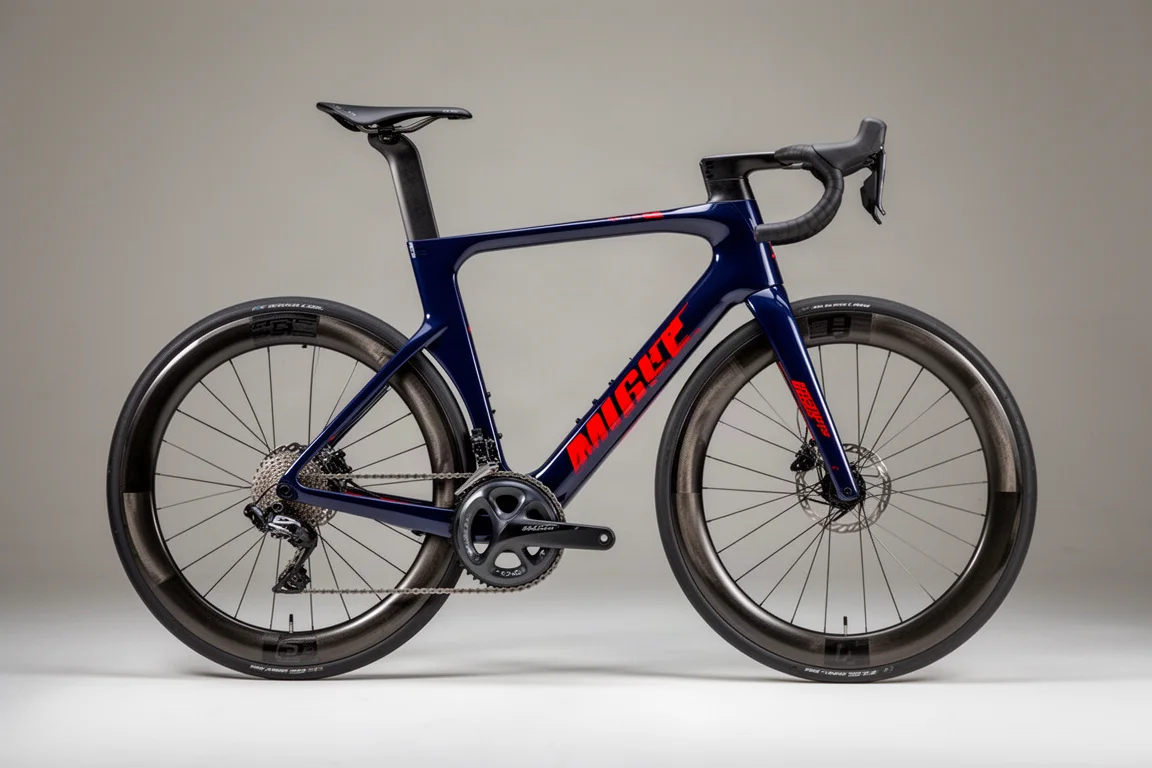
The Venge is still the specialist of the group. It came into its own above 50 km/h, exactly the territory of dual carriageways and long, flat, fast roads, and it felt stable and secure at speed. In the test it climbed at 19.9 km/h, completed the rolling loop in 10 minutes 8 seconds and hit a maximum of 66 km/h, the fastest of the day, helped by a tailwind that favours a full aero bike.
The trade-off is comfort. The Venge has always been a harsh ride with essentially no comfort built in. It won a lot of races, but it is not an easy bike to get on with, and it leaves a rider feeling tired in a way the SL7 does not.
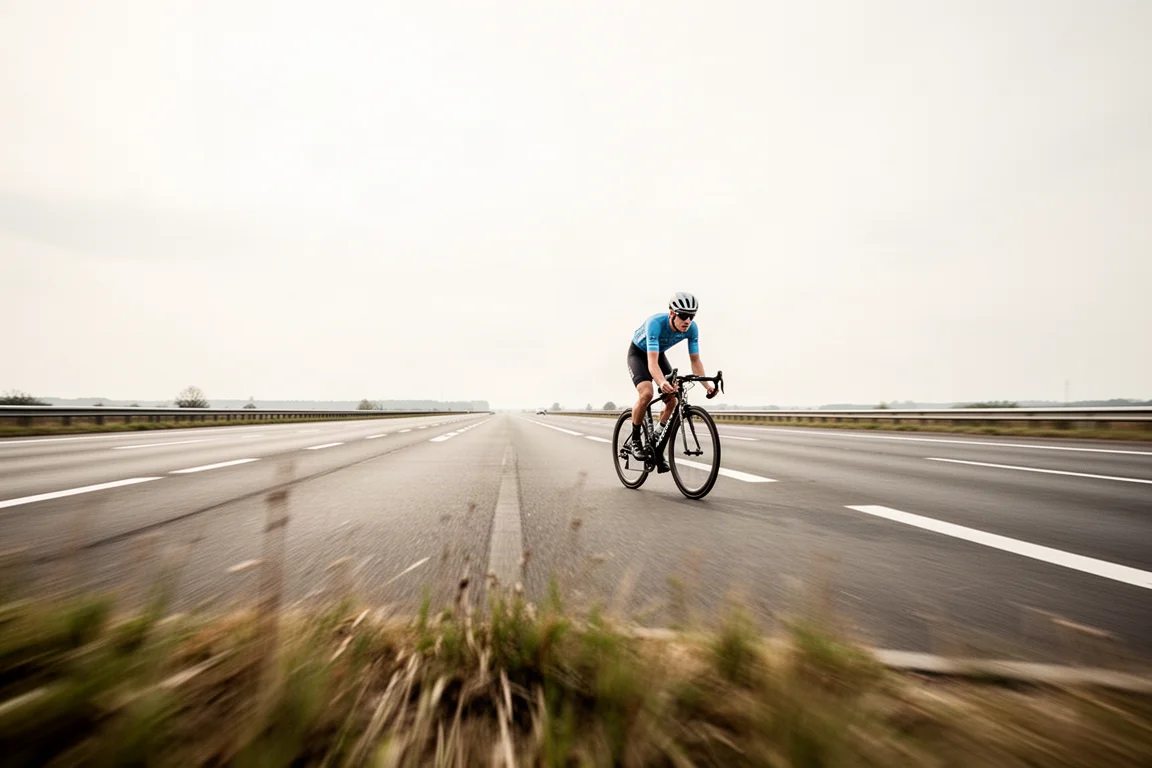
Its influence is still visible across the range. The SL8’s flatter fork and chunky head tube are clearly reminiscent of the Venge, so the current Tarmac carries a good deal of that bike’s front-end thinking.
What the Real-World Numbers Mean
A short car park style test is never going to be laboratory-grade, but it does answer a question that wind tunnel figures cannot: how a bike behaves under a real rider on real tarmac. Wind tunnel data is finite and heavily controlled, and it does not account for road texture, fatigue, or how an individual actually holds the bars and turns the pedals.
That is why the published figures for the SL8 should be treated as a guideline rather than a benchmark. In practice, the numbers that come out of that kind of marketing data tend to understate how good the bike feels on the road. The same was true of the SL7 when it launched, where real-road testing suggested it was faster than the published material implied. Real-world riding, and the rider’s own feel for the bike, remain the most useful reference points.
Buying Advice
For most riders, the decision comes down to what kind of road they actually ride.
If outright speed on rolling terrain and climbs matters most, the SL8 is the quickest option here, and it manages that while feeling more comfortable than the SL7. If value is the priority, the 10r carbon SL8 sits only around 100 grams above the S-Works version, and the SL8 is cheaper than the SL7 in certain builds, so a lower-grade frame built to a matching spec is a sensible route to a very light bike.
If long days, training camps and high weekly volume are the norm, the SL7 remains an outstanding all-rounder and is still the more familiar, dialled-in platform for many riders. The Venge only really makes sense if your riding is dominated by high-speed, flat, fast roads and you accept the comfort penalty.
Whatever the numbers say, the sensible final step is to ride the bike. Tire pressures and tire widths change the feel considerably, and personal position matters far more than a few seconds on a test segment. A demo ride and some time spent adjusting the setup will tell you more than any published figure.
Conclusion
The SL8 is the fastest of the three in real-world testing and also the most comfortable and responsive to ride, which is a difficult combination to pull off. The SL7 remains a superb, easy-to-live-with race bike that gives away very little in everyday conditions, and the lower-grade SL8 is the smart route to near S-Works weight. The Venge is the pure aero specialist, thrilling above 50 km/h but uncompromising everywhere else.
Further reading
Related Reviews

Road Bikes
10 New Road Bikes Worth Watching: Aero, Titanium, Steel and Endurance Standouts
A practical roundup of 10 new road bikes, from aero flagships chasing single-watt gains to titanium, steel and endurance platforms built for real roads.
Road Bikes
2026 Tour de France Road Bikes: Six Race Machines Worth a Closer Look
Six race bikes from the 2026 Tour de France grid, reviewed for paint, silhouette, wheels and the specification details that matter to buyers.
Road Bikes
3T Strada Italia Review: A Radical Aero Road Bike That Rides Smooth
A made in Italy carbon aero road bike with a deep head tube, wide tire clearance and a genuinely comfortable ride. Here is what to know before buying.