Endurance Road Bikes
Specialized Roubaix SL8 Review: Tunable Comfort for Endurance Riders
A closer look at the Specialized Roubaix SL8, from the tunable Future Shock 3.0 and new 18 mm AfterShock to 40 mm tire clearance and a lighter, more aero frame.
Introduction
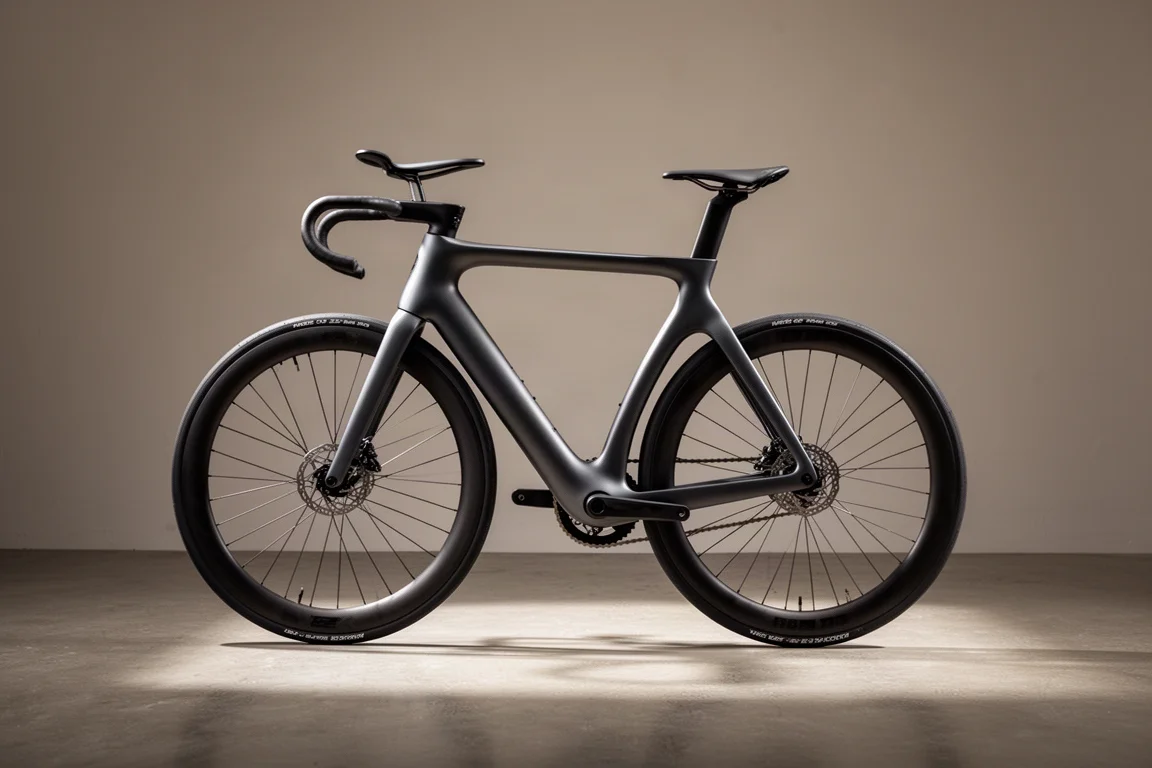
Endurance road bikes are meant to make long rides easier without making them dull, and the Specialized Roubaix SL8 leans firmly into that idea. Arriving shortly after the Tarmac SL8, it pairs a revised Future Shock 3.0 at the front with an all-new AfterShock system at the rear, which lets the seatpost flex by up to 18 mm.
Specialized has also widened tire clearance from 33 mm to 40 mm, trimmed frame weight through a new carbon layup, and reshaped the leading edges of the frame for a claimed 4-watt aerodynamic gain. For an endurance platform refresh, that is a wide set of changes, and ride quality sits at the centre of all of them.
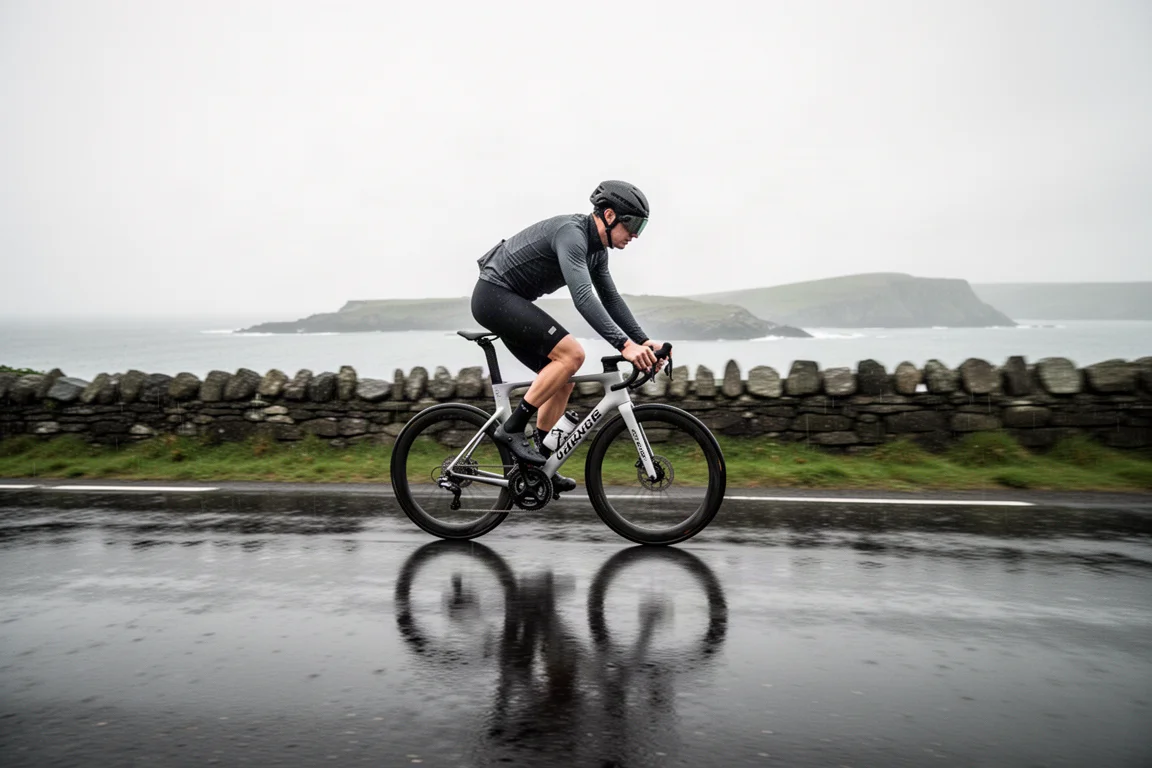
First rides covered rolling terrain, extended climbs and descents, plus a mix of smooth tarmac and cobbles. The cobbles were not the harshest surface you will ever meet, but they were enough to show what the new suspension hardware does, and the smoothness is the first thing that registers.
Who the Specialized Roubaix SL8 Is For
This is a bike for riders who put comfort and control ahead of outright race stiffness. If long days in the saddle, rough chip-seal lanes and changeable surfaces matter more than the last few watts of sprinting response, the Roubaix SL8 is built around exactly that priority.
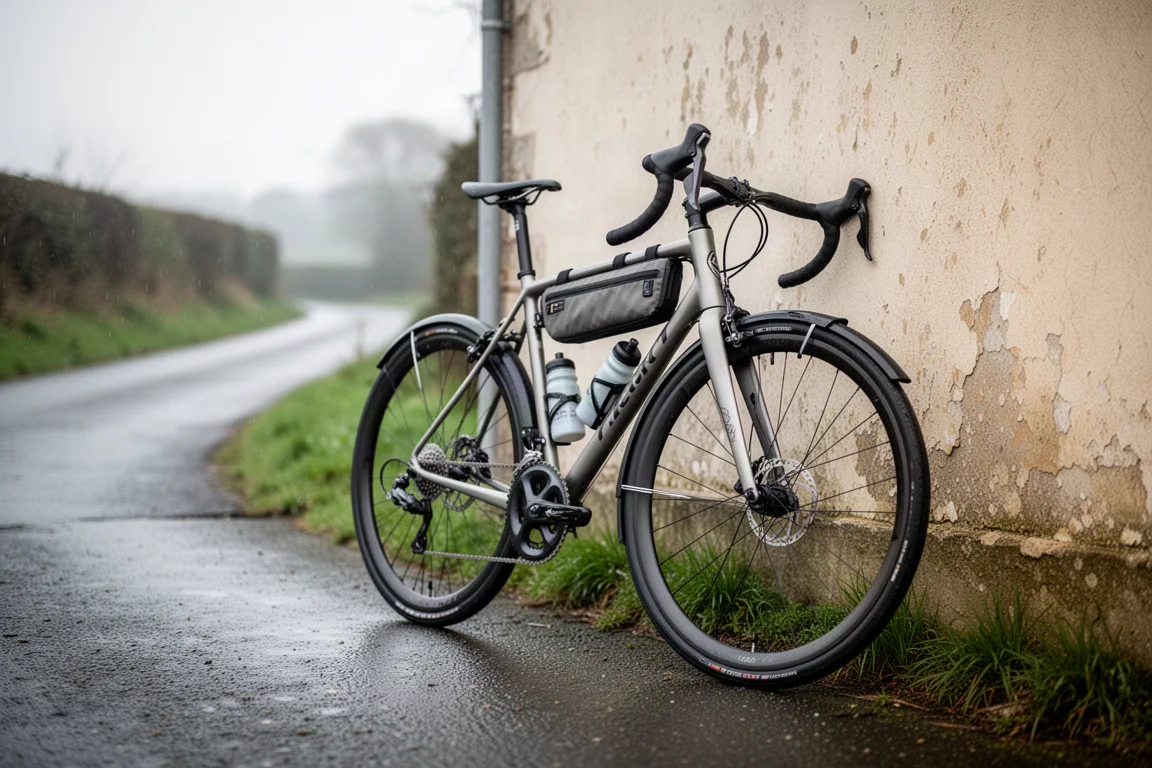
It also suits riders who use one bike all year. The frame carries three bottle cage mounts, bolts for a top tube bag and mudguard mounts tucked discreetly near the axles, which makes it a practical choice for wet-weather training and commuting as well as weekend distance rides.
The 40 mm tire clearance widens the brief further. Riders who split their time between tarmac and light gravel, or who simply want wider rubber for comfort and grip, will find plenty of room to work with. Riders who want a pure race bike, or who prefer the simplest possible front end, are likely to be better served elsewhere.
Main Strengths
The strengths of this bike sit in three places: how it manages rough surfaces, how practical the frame is to live with, and how much lighter and faster Specialized has made it.
Future Shock 3.0 Brings Tunable Front Compliance
The headline change at the front is tunability. Where earlier versions of the Future Shock gave riders a fixed feel, the new system lets you choose between soft, medium and firm springs, and up to five preload washers can be added on top of that. Specialized describes the range as running from a cushioned, sofa-like ride for rough and buzzy roads all the way to a firm race bike feel.
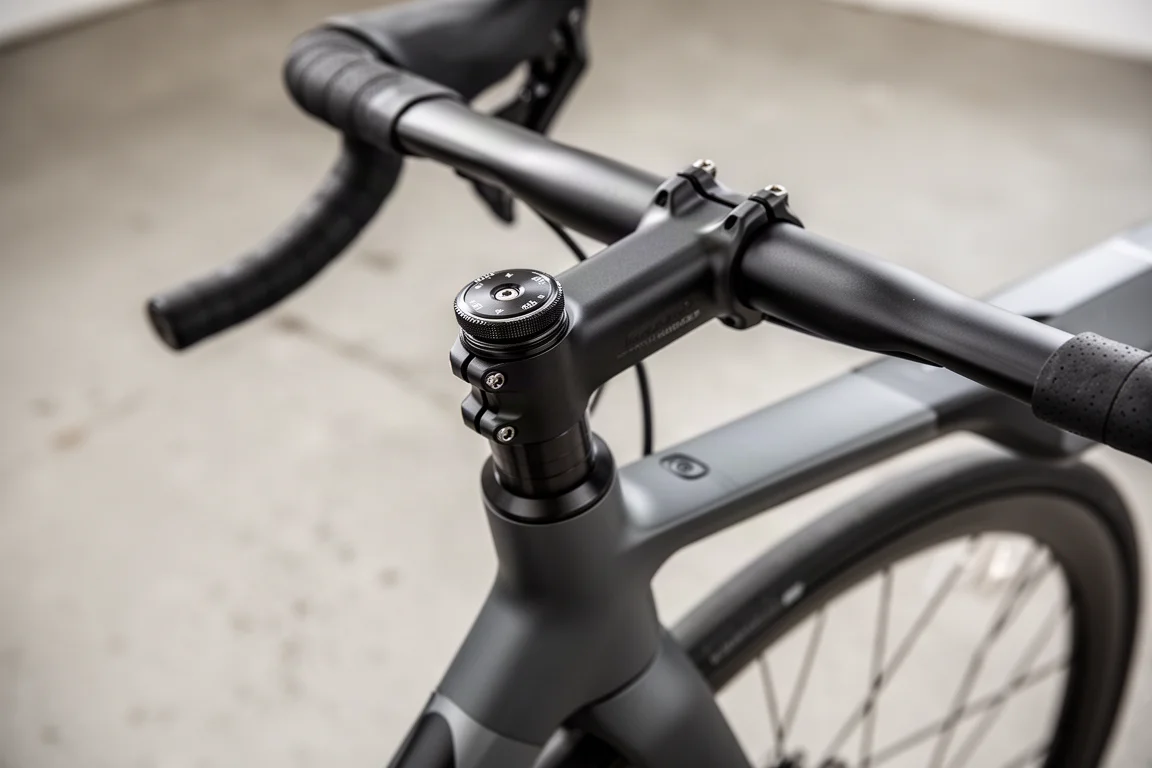
On the S-Works and Pro models, the adjustment dial sits at the top of the steerer tube in the position usually reserved for a top cap, and it offers five settings that move the damper from fully open to fully closed. Firming the system mid-ride is a twist of that dial, and it does not remove the suspension action, it only stiffens it.
Specialized also claims this generation is the most durable yet, with a thicker boot and additional seals to keep muck and grime out of the system. Riders who have worried about maintenance on a suspension front end should find that reassuring, and Specialized says that if you can change a stem, you can dial this in.
AfterShock Adds Rear Flex at the Seatpost
The bigger news sits at the back of the bike. AfterShock uses a seatpost clamp positioned 65 mm lower than on a traditional road bike, which allows the Pave seatpost to deflect backwards along a path opposite to that of the rear axle. When you hit a bump, the saddle moves backwards in an arc similar to the arrangement on the Diverge STR, though with less overall movement.
The system has a maximum flexion range of 18 mm. Specialized notes that going beyond that figure would have required a damper, so the design deliberately stops short of a fully suspended feel. The comfort claim attached to it is specific: a 53 percent reduction in initial impact forces at the bar when hitting a 22 mm bump at 32 km/h, measured against the Cannondale Synapse, Trek Domane and Canyon Endurace.
On the road, that combination of front and rear compliance is what defines the ride. With the front unit in its softest setting, the bike damps hits from the road surface impressively, yet it stays relatively firm under hard efforts out of the saddle and steers with an intuitive, predictable feel. Earlier versions of the front system could leave the front end feeling bouncy, and the refinement here is clear on both smooth tarmac and wet cobbled descents.
Tire Clearance, Mounts, and Practical Standards
Tire clearance has grown from 33 mm to 40 mm, which puts the Roubaix SL8 close to gravel-adjacent territory. Whether that is a genuine benefit or an unnecessary blurring of categories depends on how you ride, but there is no arguing with the flexibility it adds for mixed-surface days and for riders who want a wider, more comfortable tire.
The mounting points are generous: three bottle cage mounts, bolts for a top tube bag, and mudguard mounts that are hidden neatly near the axles so the frame still looks clean when they are unused. For anyone riding through winter, that last detail is a real advantage.
The standards are sensible too. There is a 68 mm BSA threaded bottom bracket, 12x142 mm and 12x100 mm axles, and a fork designed for 160 mm and 180 mm rotors for riders who want more braking power.
Aero Gains and a Lighter Frame
Specialized applied lessons from the Tarmac SL8 to the leading edges of the Roubaix SL8, claiming a 4-watt saving by optimising the areas of the frame that meet clean air. The changes include a deeper down tube, reshaped head tube and lower seat stays. The brake hoses remain exposed, since Specialized says there is no space to route them internally through the Future Shock.
In context, Specialized claims those aero gains add up to 17.7 seconds over a 100-mile ride at an average of 3 watts per kilogram of rider power, or 11 seconds over 100 km.
Weight has come down as well. The new layup draws on knowledge from the Aethos project, and Specialized says a better understanding of how shapes carry load made some stiffness layers redundant, allowing material to be removed around the down tube, head tube, seat tube, seat cluster and bottom bracket. The claimed frame saving is 50 grams. The S-Works model uses Specialized’s highest 12r carbon grade, while the other models get 10r carbon. Specialized claims a 56 cm S-Works build weighs 7.3 kg and describes it as the lightest in its class.
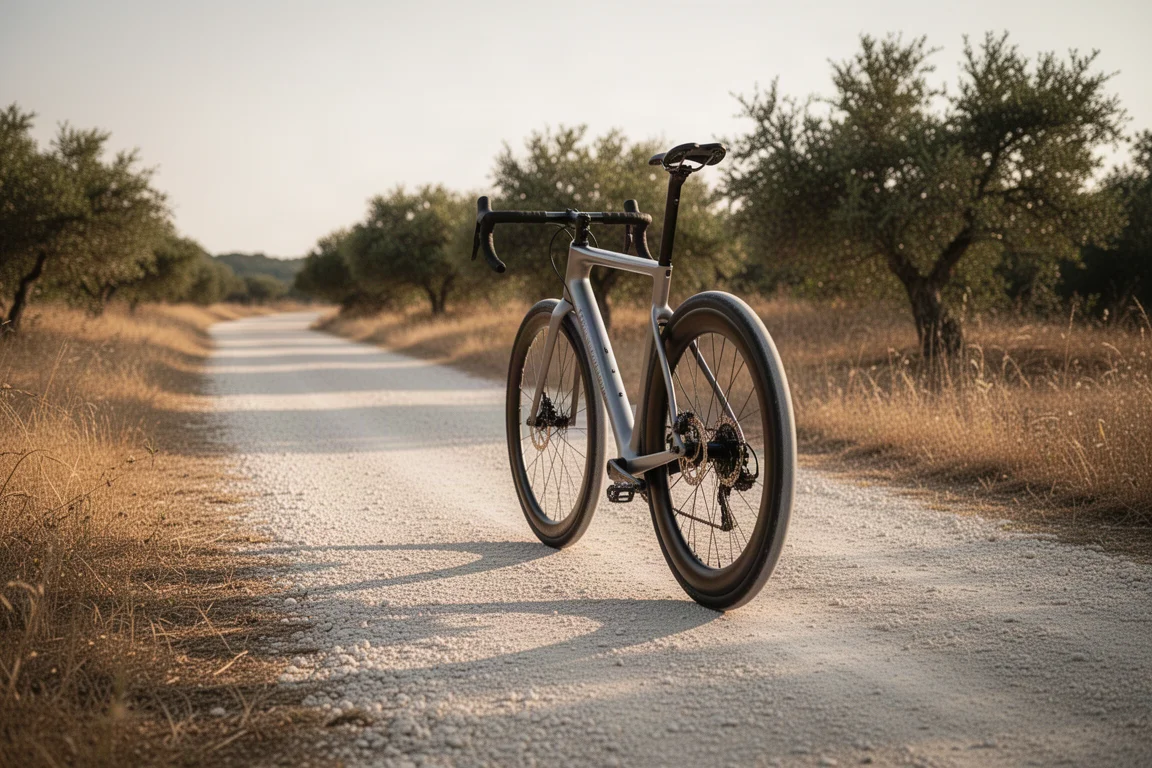
The result, according to Specialized, is a bike that is more comfortable than its endurance rivals while also being lighter and more aero than the model it replaces. On the road, the S-Works frameset and wheels felt stiff in all the key areas, and in its firmest setting the bike can be thrown around with a response that is reminiscent of a mild-mannered race bike.
Things to Consider Before Buying
The tuning range deserves honest scrutiny. Across a first ride, the softest and firmest settings were the ones that mattered most, with the firmest preferred on smooth tarmac within about five minutes of riding. That raises a fair question about whether the full spread of springs, preload washers and five damper positions is more adjustability than most riders will ever use.
The damper dial is also reserved for the S-Works and Pro models, so buyers of other builds get a different level of control at the front. It is worth checking which version you are considering before committing.
Some details are simply a matter of preference. The brake hoses are not hidden from the wind, the comfort figures come from one very specific test case involving a 22 mm bump at 32 km/h, and the 40 mm tire clearance will feel like a welcome bonus to some riders and an unnecessary overlap with gravel bikes to others.
It is also worth remembering that a first ride, however varied, cannot answer questions about long-term durability or how the suspension hardware holds up over a full season of wet roads. The thicker boot and extra seals are a promising sign, but they are a design claim rather than a proven track record.
Buying Advice
Buy the Roubaix SL8 if comfort, control and year-round practicality are the qualities you value most. Riders who spend long hours on broken surfaces, who want to run mudguards through winter, or who want one bike that handles tarmac and light gravel will find a lot to like here, and the 40 mm clearance plus the mounting points make that flexibility real rather than theoretical.
If you rarely leave smooth roads, or if you want the sharpest possible race feel and the simplest front end, a dedicated race platform is the more logical choice. The same applies if you dislike the idea of tuning suspension hardware at all.
Model choice matters more than usual. The S-Works and Pro builds bring the adjustable damper dial, the 12r carbon grade and the lowest claimed weight, while the other models use 10r carbon and a different front-end arrangement. Work out which level of adjustment you actually want before deciding, and consider how the bike was set up in testing: 32 mm S-Works Mondo tires on carbon wheels, with the firmest setting preferred on smooth tarmac and the softest reserved for rough surfaces.
In practice, the most useful approach is to match the bike to the surfaces you ride most often. If your local roads are rough, the softer settings and wider tires make a clear difference. If they are smooth, the firmer settings keep the handling sharp while still taking the edge off. Either way, the frame’s practical details, from the threaded bottom bracket to the hidden mudguard mounts, make it an easy bike to own rather than one that demands special treatment.
Conclusion
The Specialized Roubaix SL8 makes a convincing case for itself as an endurance bike that has moved forward on several fronts at once. The tunable Future Shock 3.0 and the new AfterShock deliver a genuinely smooth ride without dulling the handling, and the lighter, more aero frame plus 40 mm tire clearance and generous mounts make it a practical year-round machine.
The reservations are equally clear. The level of adjustment may be more than many riders need, the most capable front-end dial is limited to the top builds, and the comfort claims rest on a narrow test scenario. For riders who want a fast, comfortable bike that copes with rough roads and mixed surfaces, though, this is a well-rounded option worth serious consideration.
Product link
View more details for Specialized Roubaix SL8
This product is mentioned in the review. Check the specifications, options, and compatibility before buying.
View more details for Specialized Roubaix SL8Further reading
Related Reviews
Endurance Road Bikes
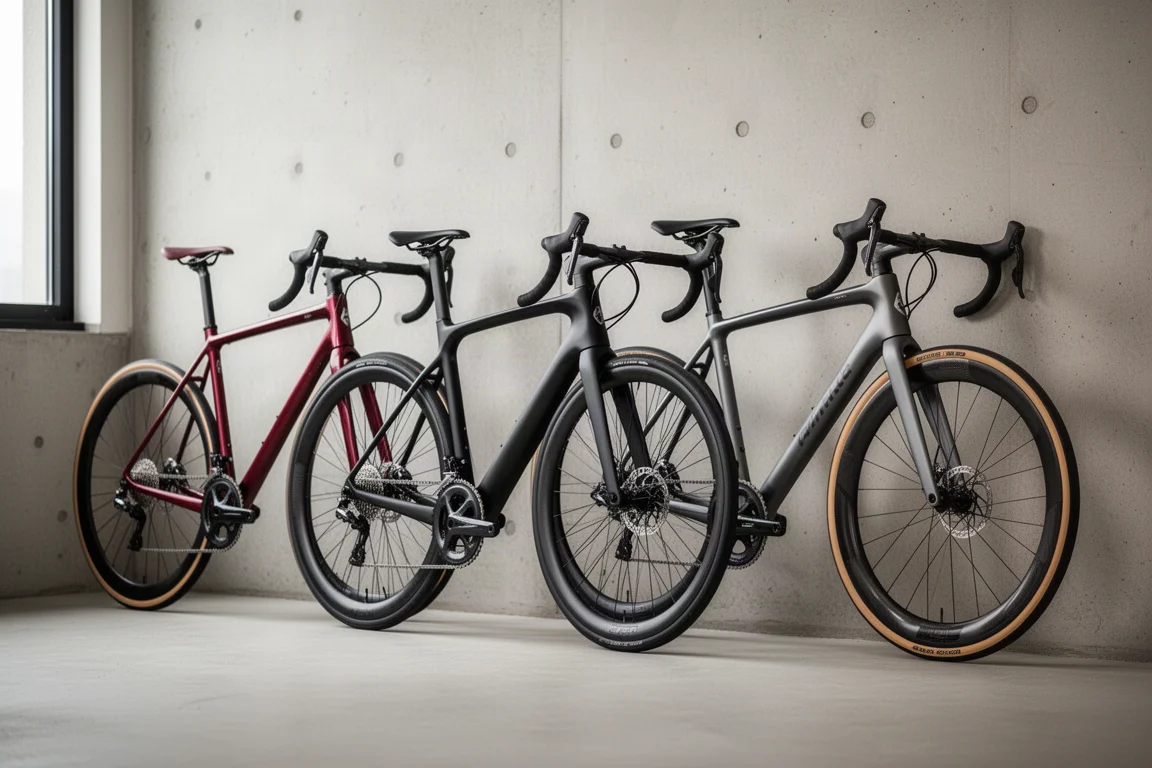
Best Endurance Bikes Compared: Merida Scultura Endurance, Cervélo Caledonia and Vitus Venon Evo RS Aero
Three endurance road bikes tested on long, wet road loops: relaxed classic comfort, sporty road pace, and an all-road machine with genuine gravel room.
Endurance Road Bikes
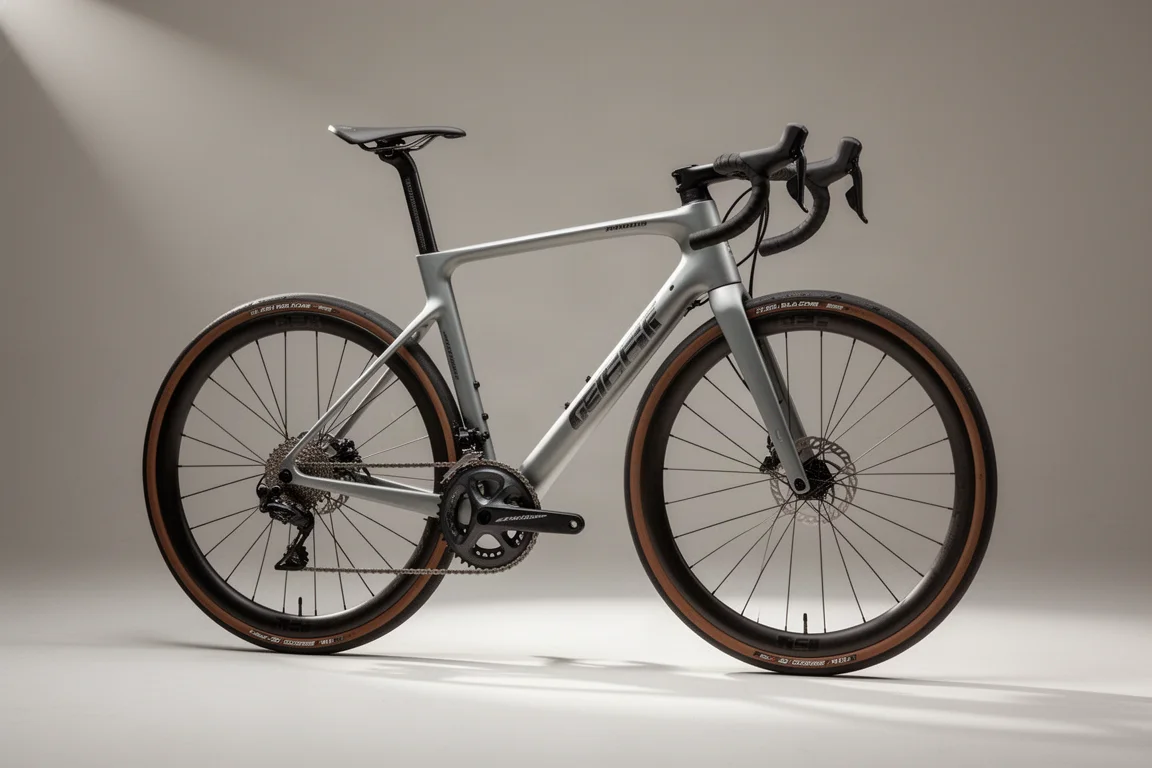
Best Endurance Road Bikes: Eight Comfort-Focused Picks for Speed and Stability
Eight endurance road bikes compared on fit, comfort features, tire clearance, storage and value, from the smoothest carbon options to steel and titanium alternatives.
Endurance Road Bikes
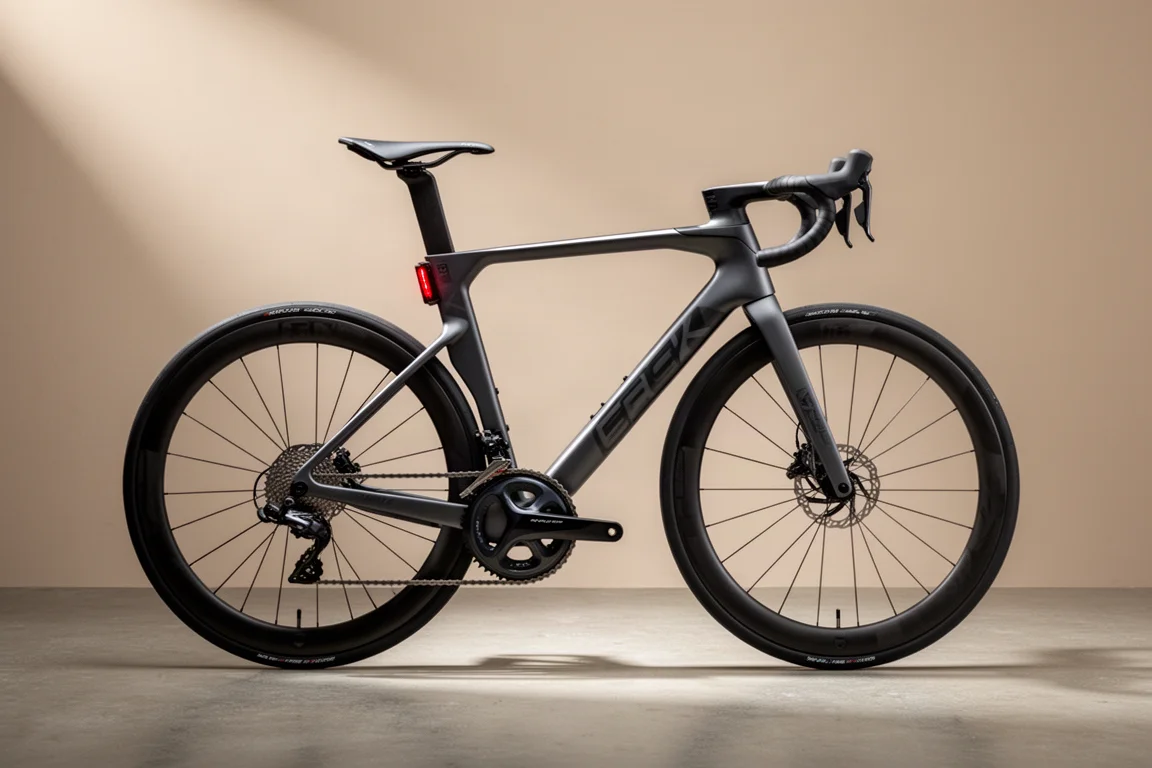
BMC Roadmachine Review: An Endurance Road Bike Built Around 40mm Tires
A closer look at the updated BMC Roadmachine, from its 40mm tire clearance and down tube storage to the trade-offs of its integrated rear light.