Electric Bikes
Specialized Creo 2 Review: A Lighter Frame, a Quieter Motor, and More All-Road Capability
The Specialized Creo 2 pairs a lighter carbon frame with a more powerful, quieter SL 1.2 motor, wider tire clearance, and Future Shock 3.0 for road and gravel riders.
Introduction
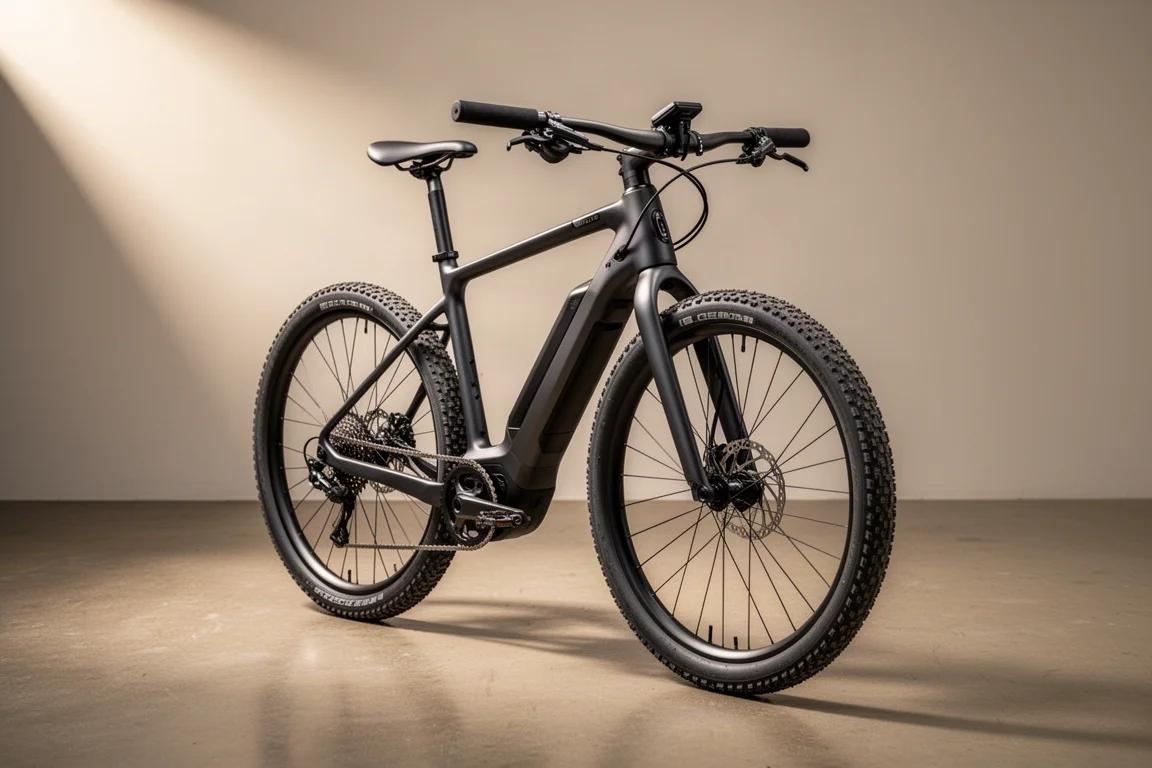
The Specialized Creo 2 is a lightweight carbon electric bike built for road and gravel riding, and it arrives with a substantially reworked motor, a lighter frame, and a new generation of front suspension. The headline change is the SL 1.2 motor. Specialized quotes 33 percent more power, roughly 40 percent more torque, and a 40 percent reduction in noise compared with the previous unit.
The frame sheds around 120 grams over the previous generation and now weighs a claimed 1,280 grams. The Q factor narrows by 12 millimeters through a revised crank setup, which brings the pedal stance closer to that of a conventional road bike.

Those figures matter because they target the two persistent criticisms of e-bikes in this category: excess weight and audible motor noise. The Creo 2 keeps the drop-bar, all-road character of the original while making assistance feel less like a bolt-on system and more like part of the bike.
Who This Bike Is For
This is a bike for riders who want to unlock routes that would otherwise be out of reach. Steep concrete climbs, loose forest tracks, and long mixed-surface days all become more manageable, and the motor supplies enough support to keep a ride enjoyable rather than punishing.
It also makes sense for riders who already train seriously. Assistance can be tuned for recovery spins or structured interval work, letting a rider control effort level rather than simply reacting to terrain. On flowing trails the support feels natural and unobtrusive, and on rough ground the front suspension softens impacts that a heavier electric bike usually amplifies.
The dropper post fitted across the range adds confidence on descents, whether the surface is pavement or gravel, and it is a genuine advantage for riders who want to explore beyond their usual limits.
Motor Performance and Power
The SL 1.2 motor produces 320 watts and peak torque of up to 50 newton meters, with no weight gain over the previous motor. It runs noticeably quieter, and the narrower Q factor comes from revised crank hardware that brings the pedals closer together.
Control is handled by buttons on the handlebar and a compact display and control unit on the top tube. That display shows rider power and gradient, which is genuinely useful on the steepest pitches where a gradient well above 20 percent changes how you pace the climb. Turbo mode paired with an easy gear is enough to dispatch gradients that would be a serious effort on an unassisted bike.
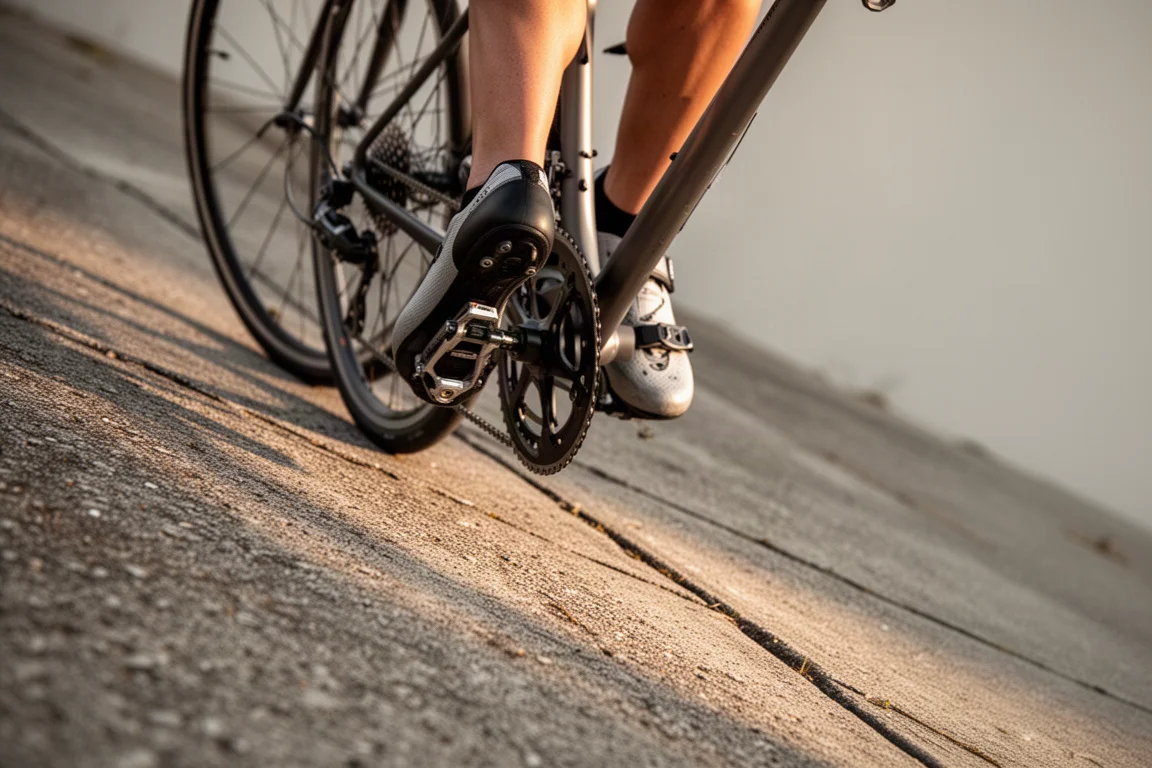
On steep gradients the extra torque is the difference between grinding and spinning, and on less extreme terrain the assistance stays subtle enough that the bike still feels like a bicycle. That balance is the strongest argument for this motor over a more aggressive system.
Frame, Future Shock, and Ride Comfort
Every bike in the range comes with Future Shock 3.0, which brings more durability and more adjustability than the version it replaces. It matters more here than on a conventional road bike, because the larger down tube needed to house the battery makes electric bikes inherently stiffer, and that stiffness translates directly into a harsher ride over rough surfaces.
The system works at the handlebar, removing vibration and impacts before they reach your hands. On the rough, loose trails the bike is designed for, that difference is easy to feel over the course of a long day.
The lighter frame also plays a role. A claimed 1,280 grams is low for an electric bike, and it keeps the Creo 2 feeling responsive rather than ponderous when the motor is not doing the heavy lifting.
Tire Clearance, Mounts, and Everyday Versatility
Tire clearance is generous, with room for up to a 29 by 2.2 tire. Bikes ship with 47c tires, which already take the edge off road vibration and add grip and ride quality. Fitting a mudguard alongside a 47c tire is possible, so the bike works as an all-weather commuter or winter trainer as well as a weekend explorer.
Mounting options extend the usefulness further. There is fitment for a rear rack and a front rack, plus anything cages on the fork, which turns the Creo 2 into a viable light touring or bikepacking platform without any aftermarket improvisation.
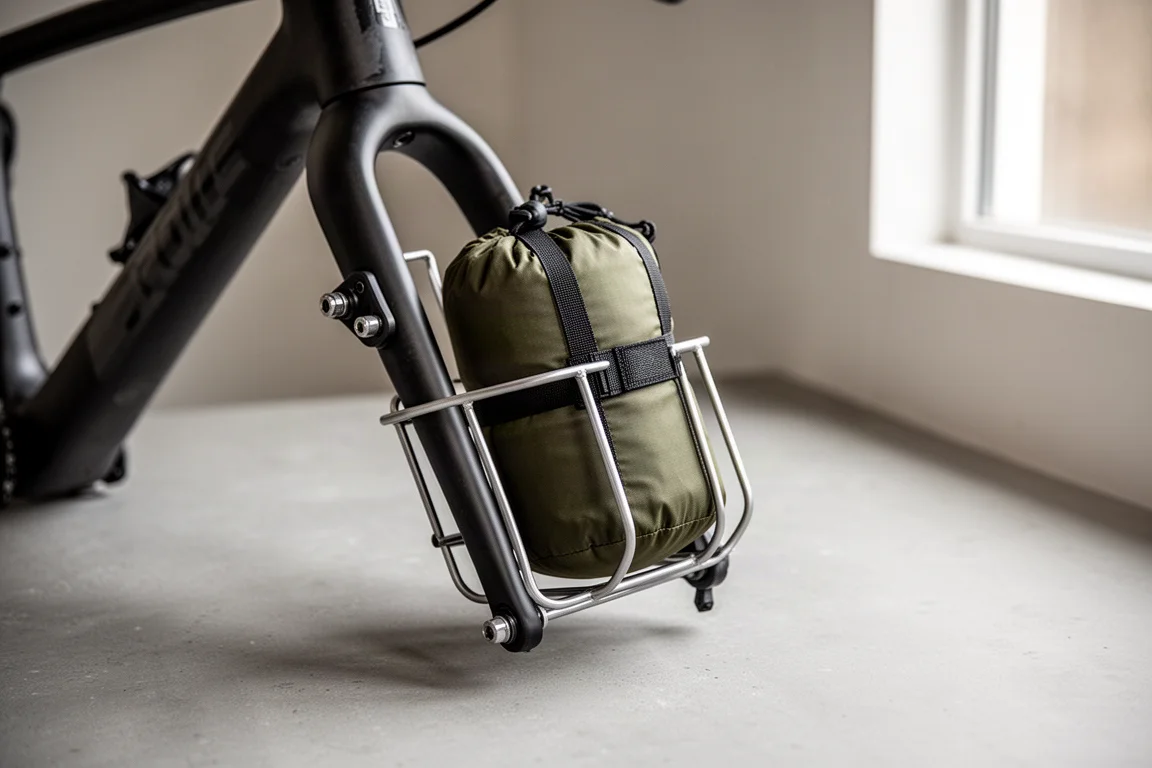
Motor assistance levels are governed by local regulation rather than by the bike itself, so whichever tire size or load you run, the system delivers the assistance level permitted where you ride. All bikes come with a dropper post, which is a sensible inclusion given how much of this bike’s appeal lies off paved surfaces.
Things to Consider Before Buying
The dropper post is a strong choice for technical descents, but it is a trade-off. Riders who mainly want comfort in the saddle may prefer a more compliant carbon seatpost, and the stock saddle is on the firm side.
Real-world range is the biggest open question. A single day of riding on unfamiliar terrain is not enough to establish how far the battery will take you across different assist levels, loads, and gradients, so it is worth setting expectations accordingly until longer-term figures are available.
Regional assistance limits are also worth checking before you buy. Cut-off speeds are lower in the UK and Europe than in the United States, where riders get a notably higher ceiling. Riding off-road mitigates the difference to a degree, but it is a real consideration if your riding is mostly on tarmac.
Buying Advice
The Creo 2 makes the most sense for riders who split their time between pavement and gravel and want one bike that handles both without compromise. The combination of a light carbon frame, a quieter motor with more usable torque, and Future Shock 3.0 addresses the three areas that most often let down electric all-road bikes.
If your priority is technical descending, the dropper post and wide tire clearance are the features to focus on. If your priority is long, comfortable days in the saddle, budget for a saddle and seatpost change. And if you ride mainly in a region with a low assistance ceiling, take that into account before comparing it with anything sold in a higher-limit market.

Servicing is the other practical angle. A motor, battery, and suspension system add complexity that a conventional gravel bike does not have, so it is worth confirming local support before committing. Riders who already have a relationship with a dealer that stocks and services this platform will get more out of the bike over time.
Conclusion
The Specialized Creo 2 is a genuinely appealing package. More power, more torque, less noise, a narrower Q factor, and a lighter frame all move in the same direction, and Future Shock 3.0 plus wide tire clearance make the bike far more capable off pavement than its drop bars might suggest.
It is not a finished verdict. Range in real-world conditions remains unproven over a single ride, and the dropper post and firm saddle will not suit every rider. But as a bike for exploring further than you would on an unassisted machine, on road and off it, the Creo 2 makes a compelling case.
Product link
View more details for Specialized Creo 2
This product is mentioned in the review. Check the specifications, options, and compatibility before buying.
View more details for Specialized Creo 2Further reading
Related Reviews
Electric Bikes
Best Cargo E-Bikes for Family Use: Three Practical Options for Car-Free Living
Three electric cargo bikes designed for families and everyday transportation, each with distinct strengths for replacing car trips and building community.

Electric Bikes
Best Electric Bikes 2026: The Most Exciting Launches From CES
From lightweight e-motos to compact city commuters, these are the most interesting electric bikes unveiled at CES 2026.
Electric Bikes
Best Electric Bikes 2026: Seven E-Bikes Worth a Closer Look
A practical look at seven electric bikes spanning endurance road, gravel, cargo and experimental designs, with the real strengths and trade-offs of each.