Road Bikes
Specialized Allez Review: The Most Affordable Specialized Road Bike
A close look at the Specialized Allez, the brand's cheapest road bike, covering the frame, ride quality, Shimano Claris build, braking feel, and what to weigh before buying.
Introduction
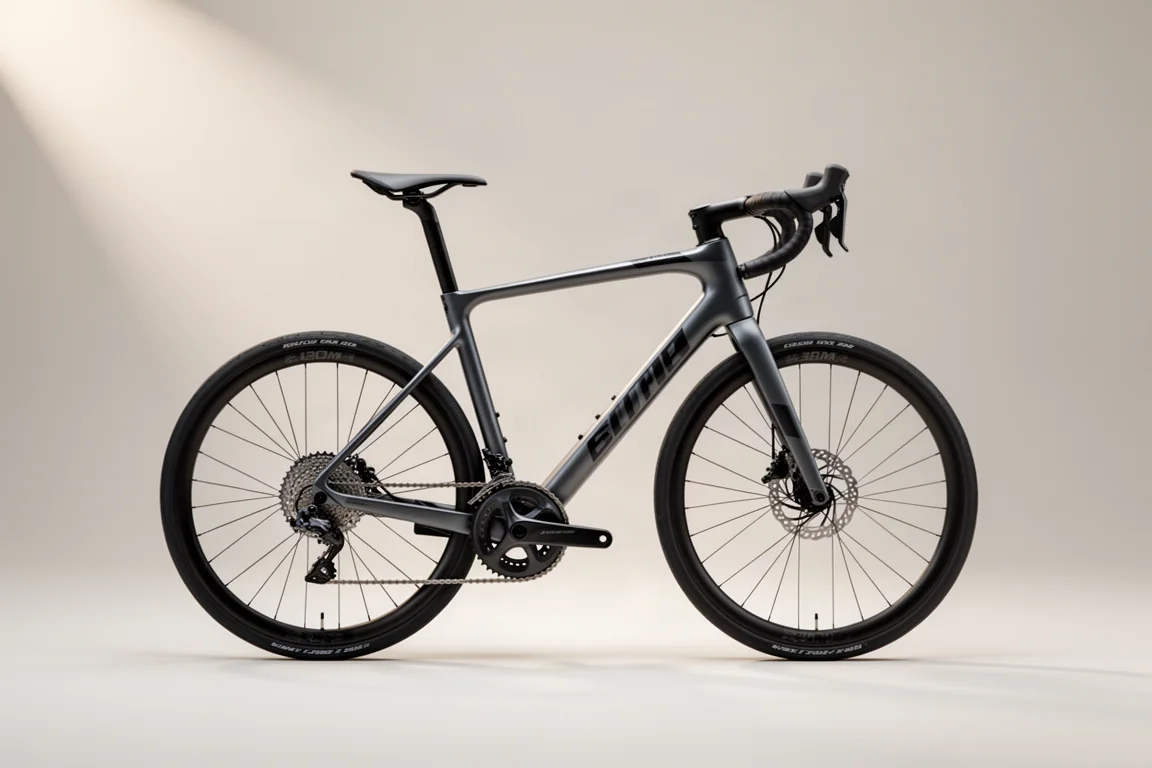
The Specialized Allez is the most affordable road bike the company makes, and the current version is disc brake only. That makes it a useful reference point for anyone shopping around the £1,000 mark, because the frame underneath is built to be upgraded rather than replaced.
The build pairs an aluminium frame with a full carbon fork, including a carbon steerer. There are rack mounts and mudguard mounts, plus thru-axles front and rear, so the bike is as ready for commuting and winter miles as it is for weekend rides. Our reference build was a size 52, fitted with Tektro mechanical disc brakes with 160mm rotors front and rear, a Shimano Claris 8-speed drivetrain with a 50/34 chainset and an 11-32 cassette, Specialized Axis Sport Disc wheels, 30mm Specialized Road Sport tires, and an alloy finishing kit with a 90mm stem and 40cm bars. On the scale it came in at 10.34kg without bottle cages, pedals, or an out-front computer mount.
Specialized positions the Allez as premium alloy performance road rather than entry level, and that is a fair description of the frame. The claimed frame weight is 1,375g, which is light for aluminium and the main reason the platform makes sense as a long-term purchase: the frame and fork are the parts worth keeping, and everything else can be swapped as budget allows.
Who the Allez Is For
This is a bike for riders who want a first proper road bike with a frame worth building on. Because the frame is disc brake and thru-axle, it accepts modern wheelsets and does not lock you into older standards, which matters if you plan to upgrade components over the next few seasons rather than replace the whole bike.
It also suits riders who want one bike for mixed duty. The frame carries rack and mudguard mounts, and although it ships with 30mm tires, there is clearance for up to 35mm, so rougher surfaces and wet-weather commuting are realistic rather than an afterthought.
Geometry is worth noting here. In size 52 the bike still behaves like a genuine small instead of creeping up into what many brands now label a medium. That makes it a straightforward fit for smaller riders, and it is one of the reasons this platform has a following among bike fitters.
Frame, Fork, and Geometry
The frame is aluminium with a full carbon fork that includes the steerer, which is unusual at this price and a genuine point in the bike’s favour. Thru-axles front and rear, flat-mount disc brakes, rack mounts, and mudguard mounts round out a chassis that is more versatile than its race-adjacent looks suggest.
Tire clearance is a practical strength. The bike arrives with 30mm tires, and the frame accepts up to 35mm, which opens the door to gravel-adjacent lanes and towpaths without changing bikes. A standard 700c inner tube makes a sensible spare.
The finish deserves a mention too. This is a single-colour paint job, and it is one of the most appealing finishes the Allez has carried, which is a small thing that matters more than most spec sheets admit.
Ride Quality and Handling
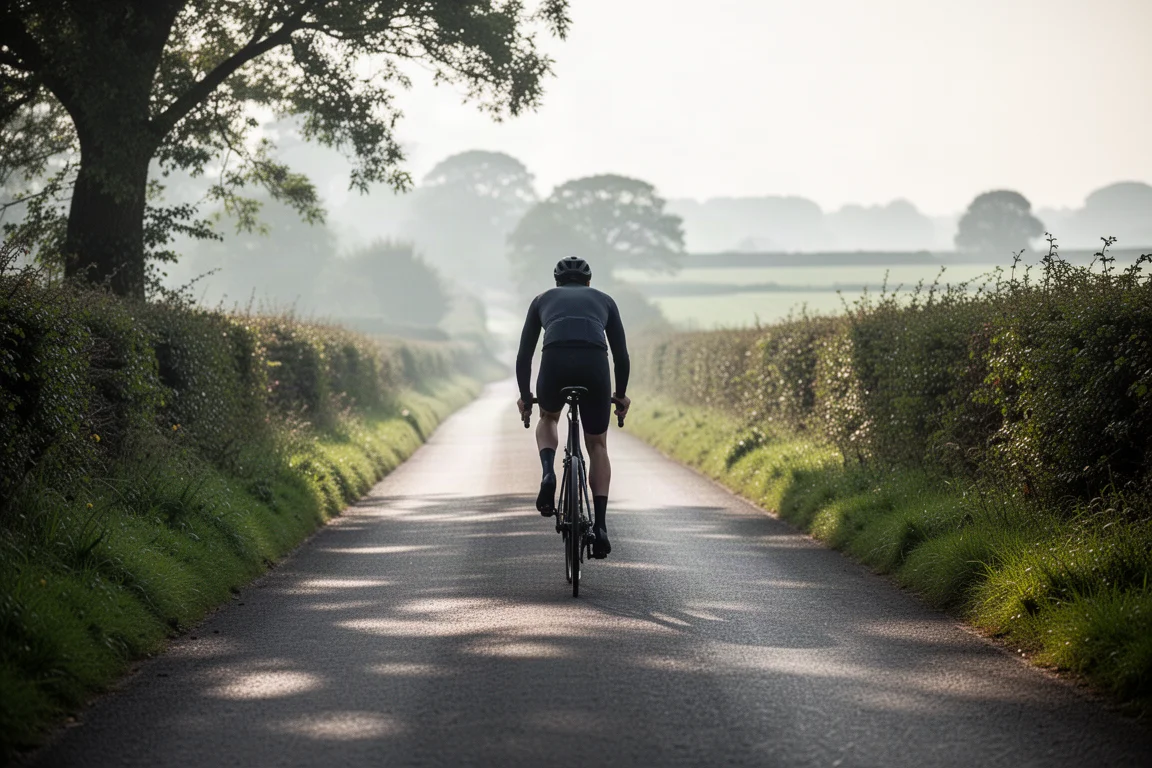
On the road, the Allez does not feel heavy when the gradient points upward. It climbs well, uses its gears sensibly, and holds speed without demanding constant effort. Push harder and the frame feels stiff and responds the way a performance-leaning alloy bike should.
That is the notable part. Many riders will see a number starting with 10 on the scale and assume the worst, but the ride quality does not match that assumption. It feels composed, direct, and more capable than its weight suggests.
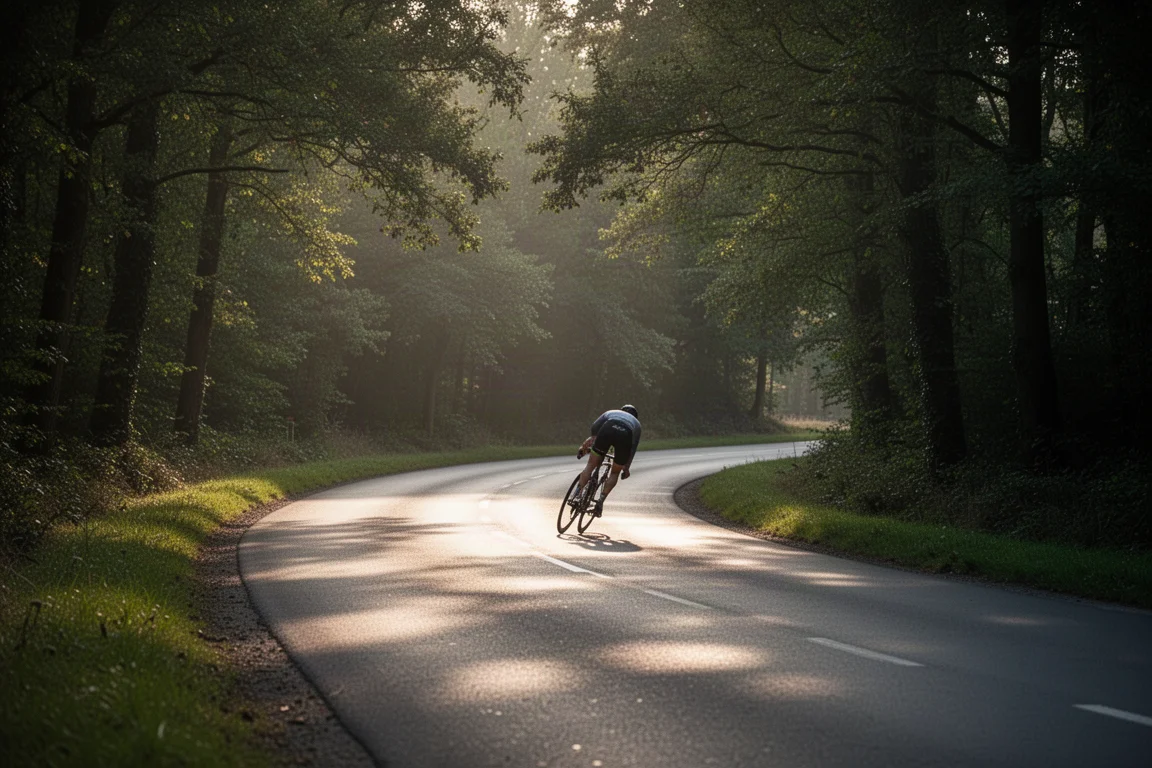
Handling is predictable in poor conditions as well. The bike tracks steadily through wet corners, and the 30mm tires contribute real comfort on rough tarmac without dulling the steering.
Drivetrain, Wheels, and Tires
The Shimano Claris 8-speed groupset is a strong point at this price. The levers include reach adjustment, the brake and gear controls are easy to reach from the hoods, and the cabling runs neatly under the bar tape. Shifting is smooth enough for everyday riding, and replacement parts are inexpensive.
There are limits. The rear derailleur is the short-cage version and only accepts up to a 32-tooth sprocket, which is why the cassette stops there. Riders who want a one-to-one climbing gear will need to change the cassette, and possibly the derailleur with it. It is also worth knowing that Claris is effectively being phased out in favour of a newer Shimano groupset, which should eventually address some of the shifting and braking feel discussed below.
The wheels are Specialized Axis Sport Disc, and they are not officially tubeless ready. That is a real omission when several brands offer tubeless-ready wheelsets on cheaper bikes. In practice the wheels held up well: they stayed true, spoke tensions remained consistent on both sides, and the hubs ran smoothly.
The 30mm Specialized Road Sport tires are a pleasant surprise. They feel grippy and safe rather than nervous, and the extra volume allows slightly lower pressures for comfort. The saddle is a wide 155mm model with a pressure relief channel and enough padding to be comfortable without bib shorts. Finishing kit is alloy throughout, with 40cm bars, a 90mm stem, and 170mm cranks. On the smaller frame sizes a 38cm bar and 165mm cranks would suit more riders, so the spec is a step in the right direction rather than the finished article.
Braking and Shifting
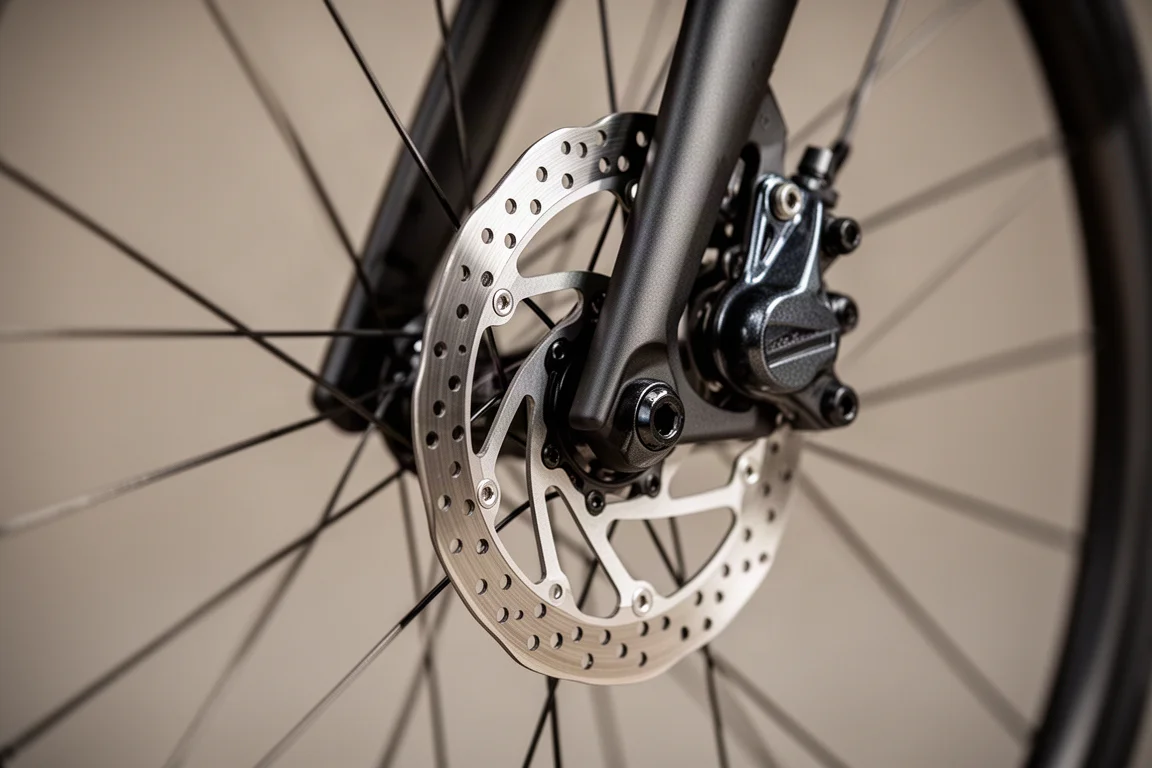
Braking is the area to think about hardest. The Tektro mechanical disc brakes with 160mm rotors need a firm pull at the lever before they bite, and the lever pivot point sits low on the Claris unit, so power from the hoods feels weaker than from the drops. Riders with larger hands will manage fine; others may find it harder to get a confident purchase.
Once the pads engage, the brakes do their job, and they held up to hard use in wet weather. The lever pairing appears to be the weak link rather than the calipers themselves, since the same style of caliper has performed noticeably better when matched with levers that use a higher pivot point. Hydraulic disc brakes are not part of this build, and that remains the clearest upgrade path if braking feel matters most to you.
Shifting itself stays consistent in the wet, and the Claris lever layout keeps both brake and gear controls within easy reach. The main compromise is effort at the brake lever rather than the quality of the gear changes.
How It Compares at This Price
At £1,000 the Allez faces stiff competition. The Cube Attain Race offers a better specification for roughly the same money, with a 10-speed Tiagra drivetrain. The Triban RC520 costs less and comes with Shimano 105, though its frame is fairly basic by comparison and its price has risen since launch. The Trek Domane AL 2 offers a rim brake option, rides very well, and is arguably the better-looking bike. Each of these is worth a look before committing, and the right answer depends on whether you value the frame, the drivetrain, or the overall finish most.
Things to Consider Before Buying
The wheels are not tubeless ready, which is disappointing at this price and rules out one of the most useful modern upgrades without a wheel change.
Braking requires more lever effort than most riders expect, particularly from the hoods, and the mechanical calipers paired with these levers are the least impressive part of the build.
The cassette tops out at 32 teeth because of the short-cage rear derailleur, so anyone wanting a one-to-one climbing gear will need to change components.
Contact point sizing is close but not ideal on smaller frames. A 38cm bar and 165mm cranks would suit more riders than the 40cm bar and 170mm cranks fitted here.
Finally, the price. At £1,000 the Allez sits against better-specced rivals, and it would be a much easier recommendation if it cost a couple of hundred pounds less.
Buying Advice
Buy the Allez if the frame and geometry are what matter to you. The aluminium chassis with its carbon fork, thru-axles, and 35mm tire clearance is a genuinely good foundation, and the parts that would need changing over time are exactly the parts that are cheap and simple to swap.
If you want the strongest specification per pound, the Cube Attain Race is the more sensible buy. If you prefer rim brakes and a sharper look, the Trek Domane AL 2 is worth trying. If budget is the deciding factor, the Triban RC520 undercuts the Allez while offering a higher-tier groupset.
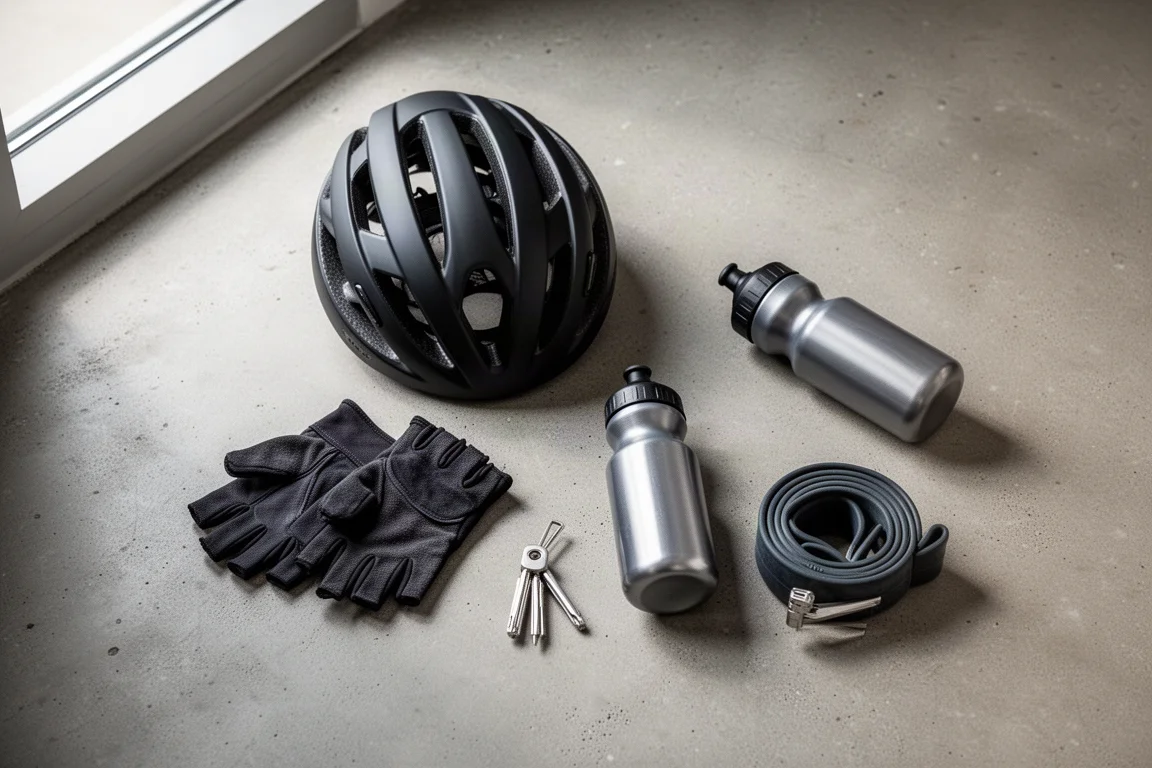
Whichever way you go, budget for two things if you choose the Allez: a wider-range cassette for easier climbing, and eventually a lever or brake upgrade if the lever effort bothers you. Both are straightforward changes on a frame that will happily accept them.
Conclusion
The Specialized Allez is a proper road bike with a frame that deserves better components than it ships with. It rides well, climbs better than its 10.34kg build weight suggests, and leaves very little that a rider would want to change immediately, which is rare at this price point. The compromises are clear and fixable: wheels that are not tubeless ready, mechanical disc brakes that ask a lot of your hands, and a cassette range that stops short of the easiest climbing gears. It is a good bike, and with a small price adjustment or a slightly stronger specification it would be an easy one to recommend without hesitation.
Product link
View more details for Specialized Allez
This product is mentioned in the review. Check the specifications, options, and compatibility before buying.
View more details for Specialized AllezFurther reading
Related Reviews
Road Bikes
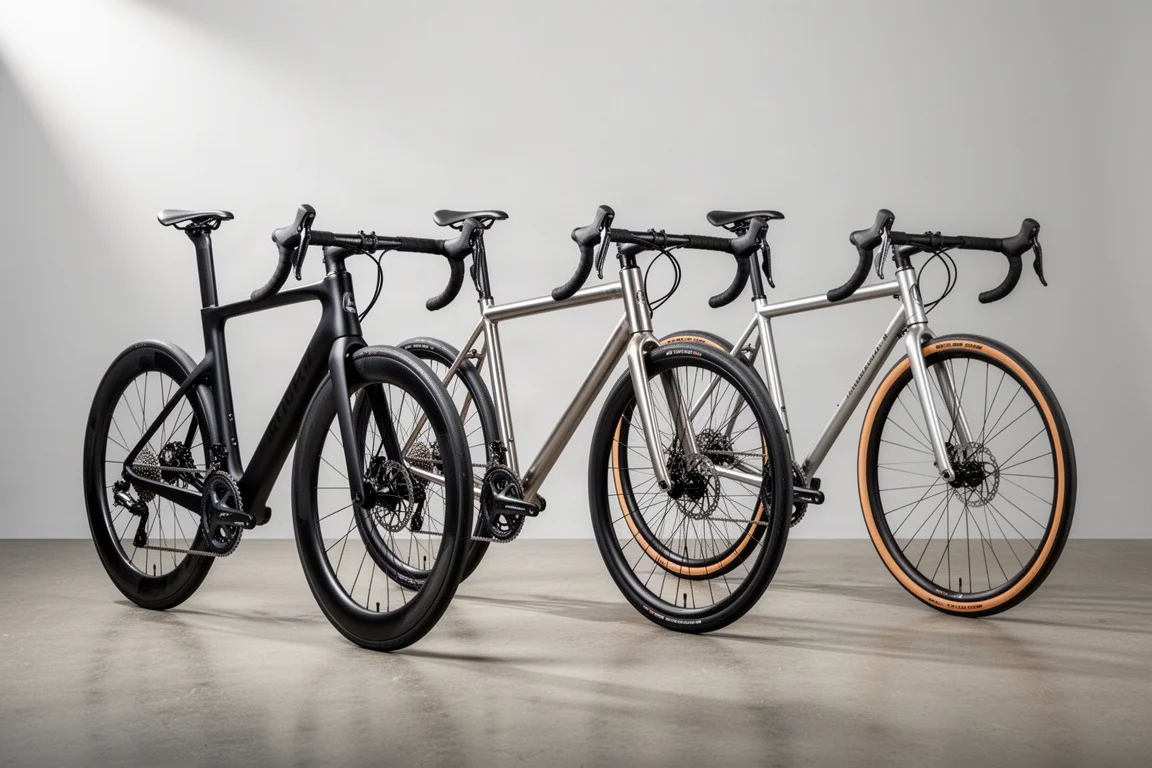
10 New Road Bikes Worth Watching: Aero, Titanium, Steel and Endurance Standouts
A practical roundup of 10 new road bikes, from aero flagships chasing single-watt gains to titanium, steel and endurance platforms built for real roads.
Road Bikes
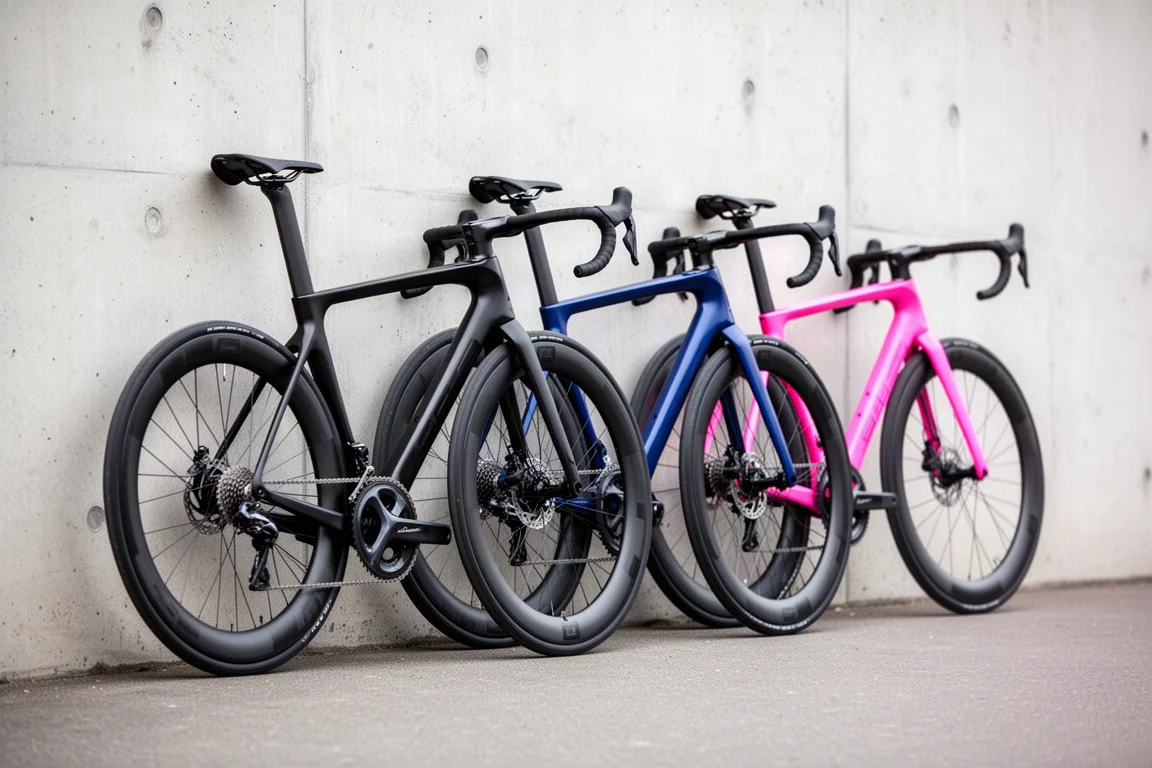
2026 Tour de France Road Bikes: Six Race Machines Worth a Closer Look
Six race bikes from the 2026 Tour de France grid, reviewed for paint, silhouette, wheels and the specification details that matter to buyers.
Road Bikes
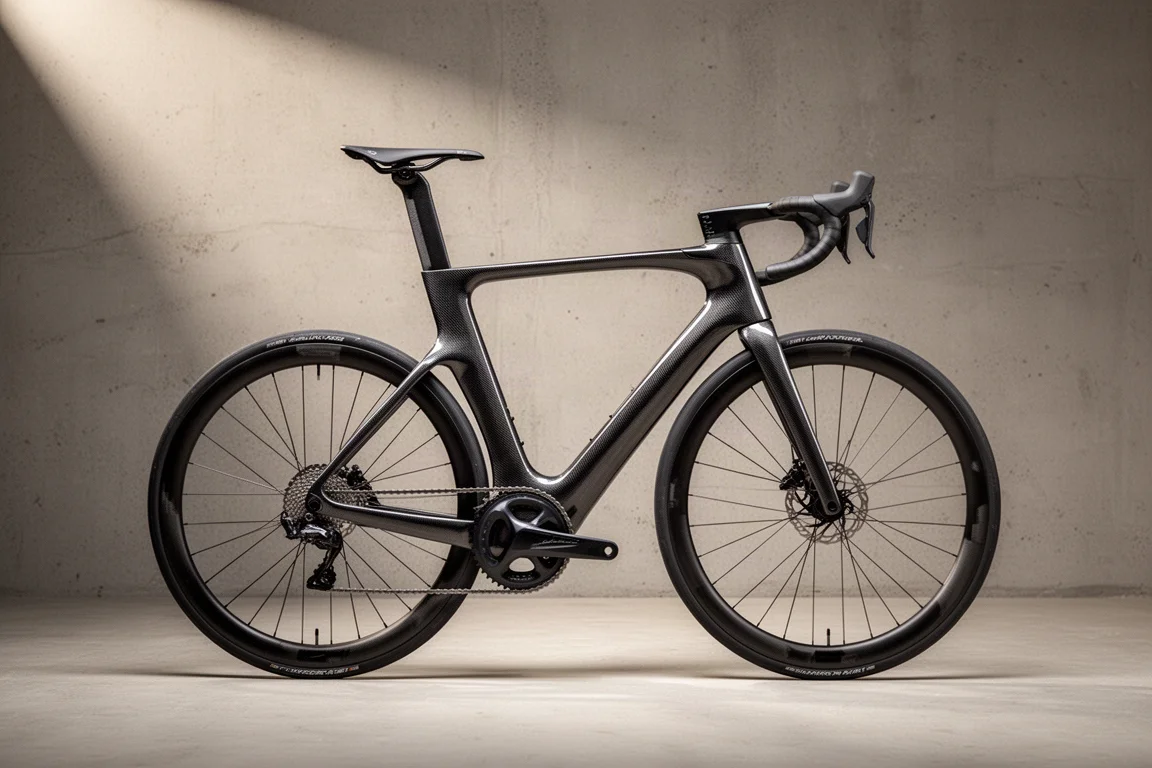
3T Strada Italia Review: A Radical Aero Road Bike That Rides Smooth
A made in Italy carbon aero road bike with a deep head tube, wide tire clearance and a genuinely comfortable ride. Here is what to know before buying.