Road Bikes
Specialized Allez Review: What Happens When You Spend Big on an Entry-Level Road Bike
Specialized's cheapest road bike gets a no-expense-spared build. Here is what the Specialized Allez does well, where it falls short, and whether premium upgrades are worth the money.
Introduction
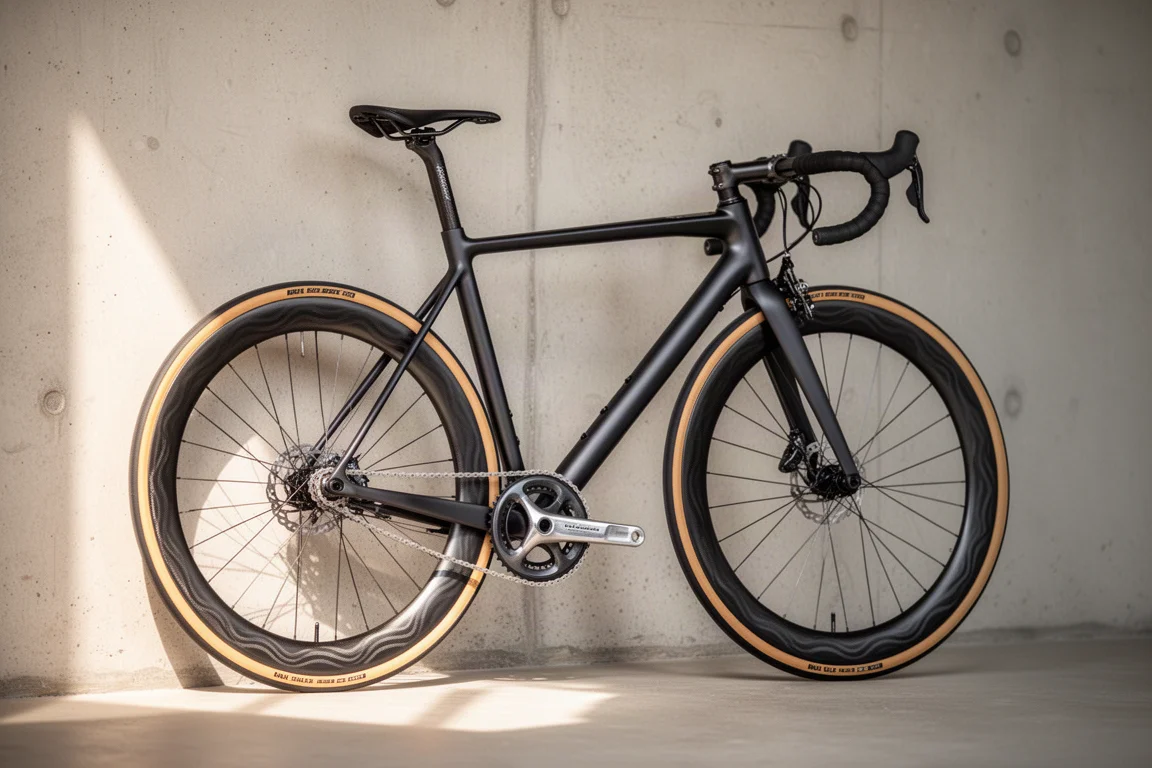
The Specialized Allez is the cheapest road bike Specialized makes, and it is an entry-level machine in almost every respect apart from the price. The example used for this build was bought for £1,000 at a local bike shop, which is a lot to spend on a first road bike, though not unusual for the category. That starting point makes the Allez a genuinely interesting test bed: what happens when premium components are bolted onto a budget frameset?
This build answers the question in two stages. The first round of upgrades used sensible, mid-priced parts and changed the way the bike rode. The second round went to the opposite extreme, with a component list that added up to about £13,582. Most of those parts were loaned for testing and returned afterwards, with only the frame kept.
Who the Specialized Allez Is For
The Allez is aimed at riders who want a road bike from a major brand at the entry point of the range. It suits someone buying a first road bike who wants a machine that can be improved over time, and it also works for riders who already know they will swap parts as they go.
It is not the bike for a rider who wants top-tier equipment straight out of the shop. Everything about it sits at the entry level, from the groupset to the finishing kit, and the price sits slightly above what the specification alone would suggest.
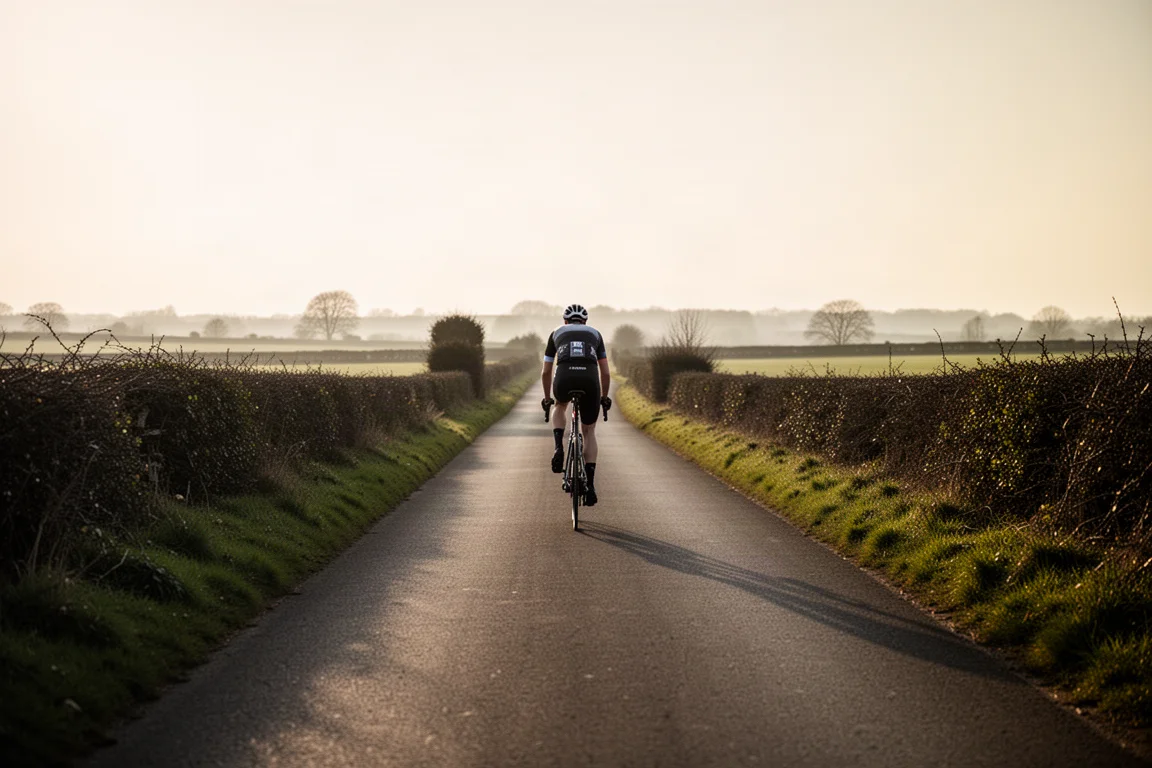
Where the Allez does make sense is as a long-term platform. It can absorb upgrades gradually, and riders who enjoy tinkering will get considerably more out of it than riders who simply want to ride a bike as delivered. The frame is also the part that cannot easily be bought on its own, which makes starting with a complete bike the practical route.
Main Strengths
The clearest strength of the Allez is how well it responds to sensible upgrades. A first round of parts costing around £2,000, of which £1,300 went on a Shimano Ultegra wheelset, made the bike ride extremely well. The result felt like a much more expensive machine, and the frame did not hold the build back.
Wireless groupsets are another point in its favour. Because a wireless system does not need internal wiring, it can be fitted to almost any frame, and the Allez is no exception. Riders who want modern electronic shifting without replacing the whole bike have a realistic route here.
On the road, the upgraded build is fun, exciting and full of energy. Nothing about the ride feels like a compromise, and the ride quality is one of the genuine highlights of the whole project.
What the Premium Parts Build Changed
The second round of upgrades was deliberately excessive. The wheelset alone, a Princeton CarbonWorks Wake 6560 set with Tactic hubs, costs £4,900, and the hubs by themselves cost more than £1,000. The rims use a wavy profile aimed at aerodynamic performance.
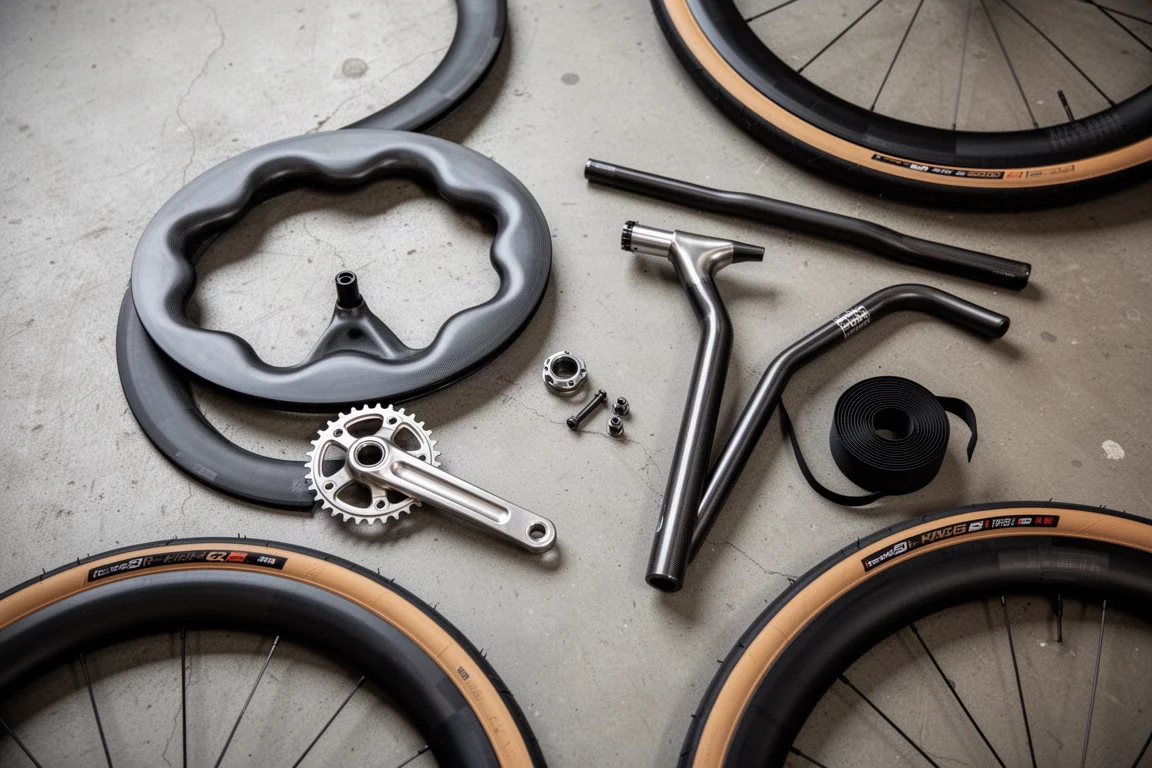
The drivetrain was just as costly. A SRAM Red groupset priced at around £3,000 brought wireless shifting and integrated power measurement, and it was paired with 5Dev titanium cranks at £1,100 and a titanium bottom bracket at £500. That bottom bracket uses Enduro XD15 bearings and comes with a lifetime warranty and no servicing requirement. The original plan paired the cranks with a Dura-Ace chainring spider, but the frame has no routing holes and is therefore not compatible with a wired electronic groupset, so chainrings with a built-in power meter were used instead.
Contact points and finishing kit accounted for another large share of the bill: a Fizik Argo Adaptive saddle at £260, an ENVE SES Aero Road stem at £330 with shims that allow the angle to be adjusted, an ENVE Compact Road integrated handlebar at £440 with internal routing options, an ENVE inline seat post at £330, and ENVE bar tape at £35 with integrated bar ends. Tyres and tubes added a Vittoria Corsa Pro set at £180 in a 28 mm width with cotton sidewalls, plus Revoloop TPU inner tubes at £48.
Small details added up too. Two lightweight bottle cages cost £140, and the bolts to fit them are sold separately for £40.
Weight and Ride Feel After the Upgrade
The finished build came in at 8.75 kg on the scales. On the road it feels premium and noticeably better than the earlier, more modest version of the same bike.
The most unusual part of the specification is the 155 mm crank length. It takes some adjustment because the legs work in a different way, but it also allows a much more aerodynamic position, with the legs no longer getting in the way. The brake levers are worth noting as well: they are over a centimetre longer than the previous generation, so riders who already find a long reach uncomfortable should think carefully before choosing them.
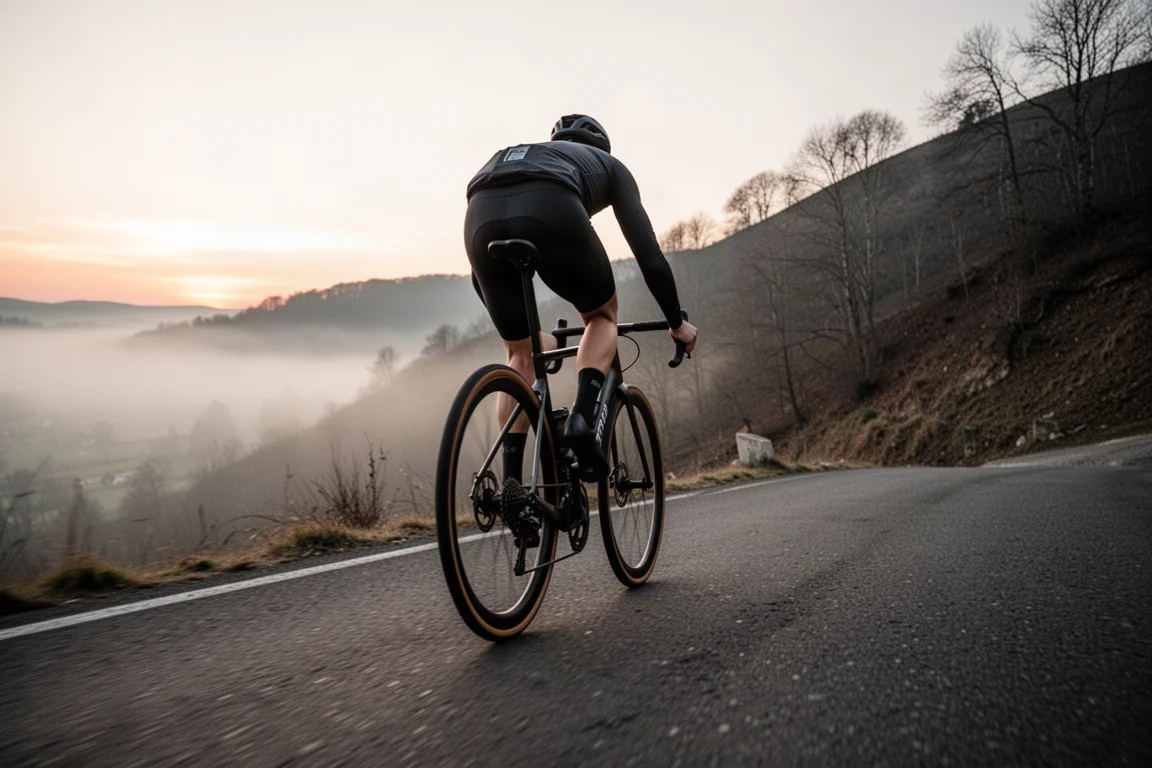
What stands out most is that the bike still feels light and eager rather than heavy or overbuilt. The ride is fast, lively and genuinely enjoyable, and the weight saving is easy to feel on climbs even if the exact figure matters less than the sensation.
Things to Consider Before Buying
The most important warning concerns the headset. On the example bike, the headset bearing collapsed after roughly five rides, leaving the steering notchy and unable to turn properly. That is a safety concern rather than ordinary wear, and it is worth checking carefully.
The frame has no routing holes, so a wired electronic groupset will not fit. A wireless groupset is the practical route for anyone who wants electronic shifting on this bike.
Expect diminishing returns from upgrades. The first £2,000 of parts made a large difference. Adding roughly £10,000 on top of that made the bike only a little better. Changing one part in isolation is unlikely to be noticeable at all, because the gain comes from altering everything at once.
Inner tubes deserve care. TPU tubes must match the tyre size exactly, and if the size is even slightly out the tube develops small holes and flats. Replacements cost £24 each. They are very light, but they are not the fastest option: latex and tubeless are quicker, while butyl is slower. They are also harder to find.
Finally, the Allez frame is not sold separately, so a build at this level effectively starts from the cost of a complete bike.
Buying Advice
Buy the Allez for the frame and the ride, not for the specification. At £1,000 it is priced at the top of what the entry level usually asks, so it makes most sense for riders who value the platform and who intend to improve the bike over time.
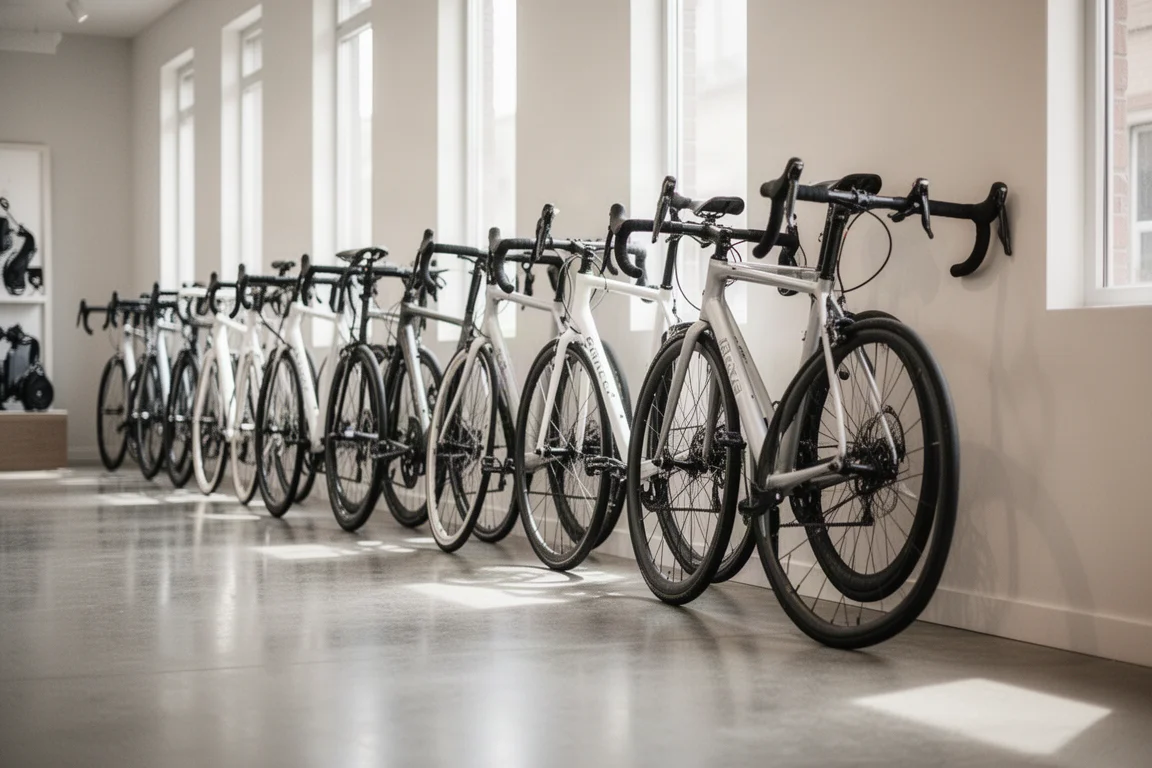
Upgrade in order of impact. Wheels and tyres come first, because that is where the biggest change in ride quality comes from, followed by contact points such as the saddle, bars and seat post. A wireless groupset is the easiest drivetrain route on this frame. Do not expect any single component to transform the bike, and do not expect the sum of very expensive parts to justify its cost. The honest conclusion from this build is that around £10,000 of additional components delivered a small improvement over a sensible £2,000 upgrade.
Conclusion
As it comes out of the shop, the Allez is a good bike at a price that is slightly too high. With a considered round of mid-priced upgrades it becomes excellent, and that is where the value lies. Pushed to the extreme with premium components it becomes a very fast, very enjoyable machine that weighs 8.75 kg and feels genuinely special, but it is not worth the money. Diminishing returns arrive quickly once an entry-level frame is loaded with top-tier parts.
Product link
View more details for Specialized Allez
This product is mentioned in the review. Check the specifications, options, and compatibility before buying.
View more details for Specialized AllezFurther reading
Related Reviews

Road Bikes
10 New Road Bikes Worth Watching: Aero, Titanium, Steel and Endurance Standouts
A practical roundup of 10 new road bikes, from aero flagships chasing single-watt gains to titanium, steel and endurance platforms built for real roads.
Road Bikes
2026 Tour de France Road Bikes: Six Race Machines Worth a Closer Look
Six race bikes from the 2026 Tour de France grid, reviewed for paint, silhouette, wheels and the specification details that matter to buyers.
Road Bikes
3T Strada Italia Review: A Radical Aero Road Bike That Rides Smooth
A made in Italy carbon aero road bike with a deep head tube, wide tire clearance and a genuinely comfortable ride. Here is what to know before buying.