Road Bikes
Specialized Aethos 2 Review: A Lighter, More Rider-Friendly Road Bike
The Aethos 2 keeps the low weight and adds geometry that more riders can actually use, plus a threaded bottom bracket and simpler hose routing.
Introduction
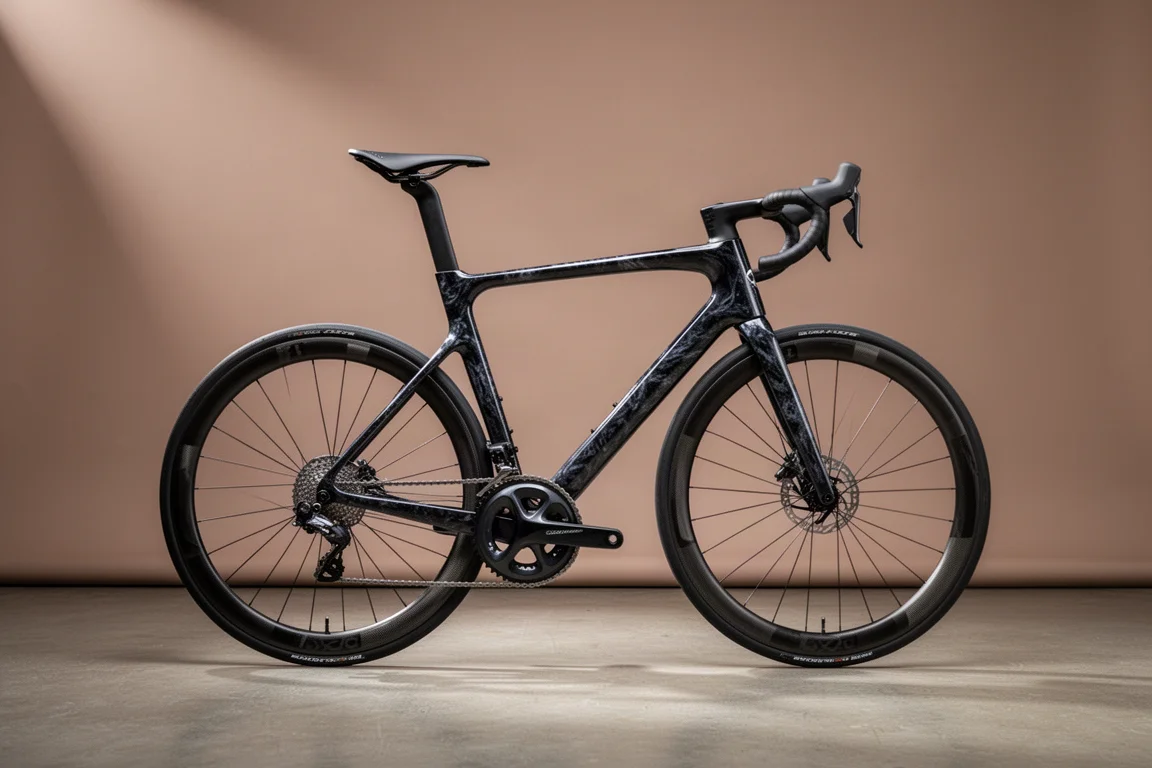
The Specialized Aethos 2 is the second generation of a bike with a complicated reputation. The original Aethos was presented as a machine for everyday riders, yet its geometry was effectively the same as the Tarmac SL7, a purpose-built race bike. That contradiction is the reason the first version never quite landed with the audience it was aimed at.
The Aethos 2 keeps the low weight and the classic round-tube silhouette, but the numbers underneath have moved in a direction that matters far more than the marketing language. The head angle is half a degree slacker, the seat angle is one degree steeper, reach drops by 4 mm and stack rises by 15 mm. Individually those figures look small. Together they shift the contact points closer to the rider.

That combination is the whole story of this bike. Reach is the horizontal distance from the centre of the bottom bracket to the middle of the head tube, and 4 mm on its own is not much. Slacken the head angle and steepen the seat angle at the same time, however, and the rider ends up sitting in a noticeably more natural position without any loss of front-end composure.
Who This Bike Is For
The Aethos 2 makes the most sense for experienced riders who want a light, quick-handling road bike and are willing to accept a fixed front-end setup in exchange for it. It is not a racing platform, and the top build is light enough that it sits outside the weight limit that governs road racing, which is worth knowing if you intend to pin on a number.
Rider weight matters here more than it does on most road bikes. Very light frames reward lighter riders, and a bike this light can start to feel nervous under a heavier rider, particularly at speed and through fast corners. Riders in the 90 to 95 kg range are likely to find the position too long, too low and too aggressive for comfortable long-distance use.
Main Strengths
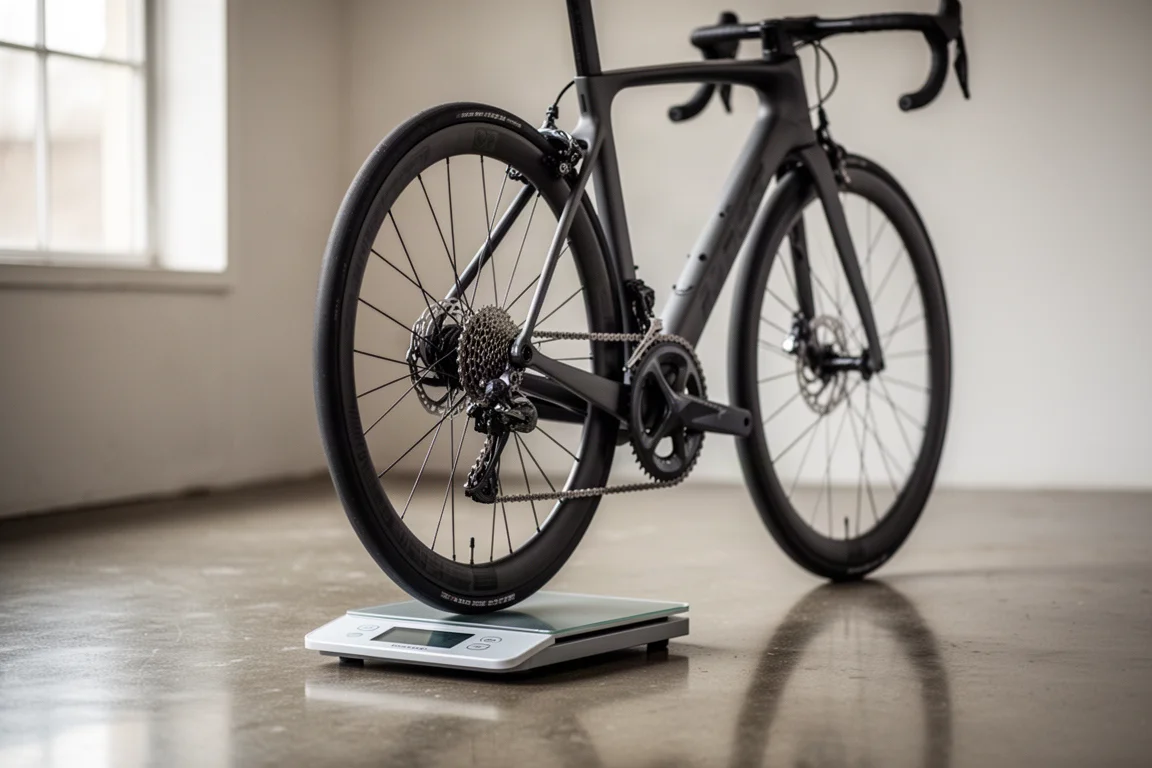
Low weight is the headline. The range-topping build is claimed at 5.9 kg, and the size 56 example measured here came in at 6.24 kg on the scales. That is heavier than the claim, as is normal when a manufacturer quotes a smaller frame size, but the bike still feels remarkably light when lifted and climbs with the ease you would expect from a machine in this bracket.
The ride quality is the other strength. The revised geometry delivers a more upright, more sustainable position than the previous generation, which means more riders can actually use the bike as intended rather than fighting it. It is a genuinely appealing package rather than a spec sheet exercise.
Value is better than it used to be as well. At around £11,500 for the S-Works SRAM Red build, the Aethos 2 is expensive, but the groupset alone accounts for close to half of that figure, and comparable flagship road bikes have historically been priced higher.
Geometry and Fit: What Actually Changed
Compared with the previous generation, the Aethos 2 runs a head angle half a degree slacker and a seat angle a full degree steeper. The steeper seat angle moves the saddle forward relative to the bottom bracket, which in turn tends to encourage a more rearward interaction with the saddle and can reduce saddle discomfort over long rides.
Stack grows by 15 mm, from 565 mm to 580 mm on the size in question. In practice that is 15 mm less spacer stack, or simply 15 mm more likely to fit a normal rider out of the box. Combined with the reduced reach, the Aethos 2 is a meaningfully more accommodating bike than the version it replaces.
It is not geometry taken to the limit. A rider who wants a shorter, taller position still may want to go further, but for a mass-produced frame this is a clear and welcome step in the right direction.
The Build and Components
This is the top of the range S-Works SRAM Red version. It runs Alpinist wheels with carbon spokes and low-profile carbon rims, a SRAM Red transmission, a one-piece carbon Roval cockpit and a 3D-printed mirror saddle.
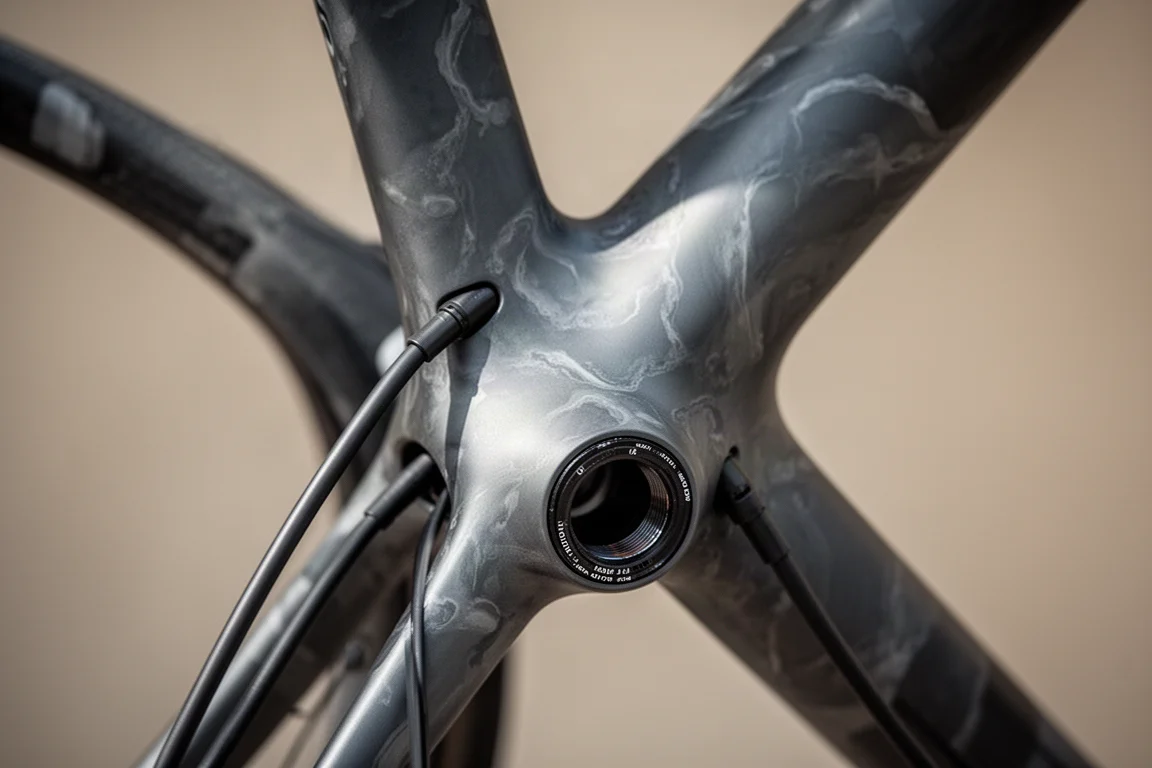
Two details stand out in daily use. The first is the threaded BSA bottom bracket, which is a welcome return to a standard that is simple to service and free of the creaking that press-fit designs can develop. The second is the brake hose routing: the hoses run down the front of the frame rather than being fully internal, which makes them noticeably easier to work with. The finish is also a strong point, with a subtle marbled effect in the paint that reads well in daylight.
Things to Consider Before Buying
The saddle is the most obvious weak point. It is listed at 143 mm, but it feels considerably wider in use, and it is the one component that most riders will want to change.
The one-piece cockpit is the second consideration. It looks clean and it is stiff, but it cannot be adjusted, which means the bar position you buy is the bar position you keep. That is a normal trade-off on this type of bike, and it is the reason a proper fit check before purchase matters more here than on a bike with a conventional stem and bar.
Price and rider weight are the remaining points to weigh up. At around £11,500 this is a serious purchase, and the lighter the frame gets, the more a very light bike can feel unsettled at high speed under a heavier rider. Ultra-light road bikes have historically traded some high-speed stability for climbing performance, and that trade-off is worth testing on a demo ride rather than assuming.
Buying Advice
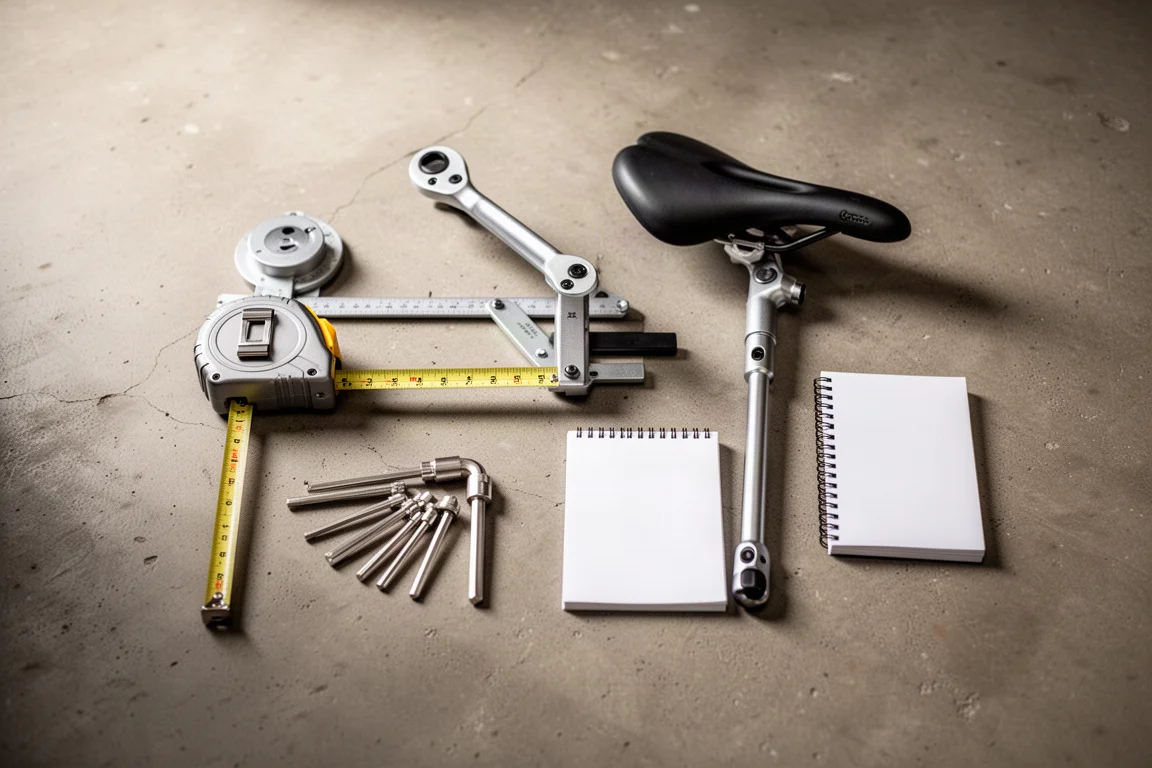
Buy the Aethos 2 if you are a lighter, experienced rider who values low weight, a comfortable but still quick position, and a build that is genuinely easy to live with. Size it carefully. The reduced reach and added stack mean many riders will fit their usual size comfortably, but anyone between sizes should lean towards the frame that puts the bars where they want them without a stack of spacers.
If you are a heavier rider, or if you want a bike that doubles as a race platform, this is probably not the right machine. For everyone else, the Aethos 2 is a much more convincing proposition than the first generation, and it deserves a place on the shortlist for anyone shopping at this level.
Conclusion
The Specialized Aethos 2 fixes the contradiction at the heart of the original. It keeps the low weight, adds a threaded bottom bracket and easier hose routing, and moves the geometry towards a position that more riders can actually use. The saddle and the fixed cockpit are worth planning around, and the price is high, but as a package it is a significant improvement and a bike that many riders will genuinely enjoy.
Product link
View more details for Specialized Aethos 2
This product is mentioned in the review. Check the specifications, options, and compatibility before buying.
View more details for Specialized Aethos 2Further reading
Related Reviews

Road Bikes
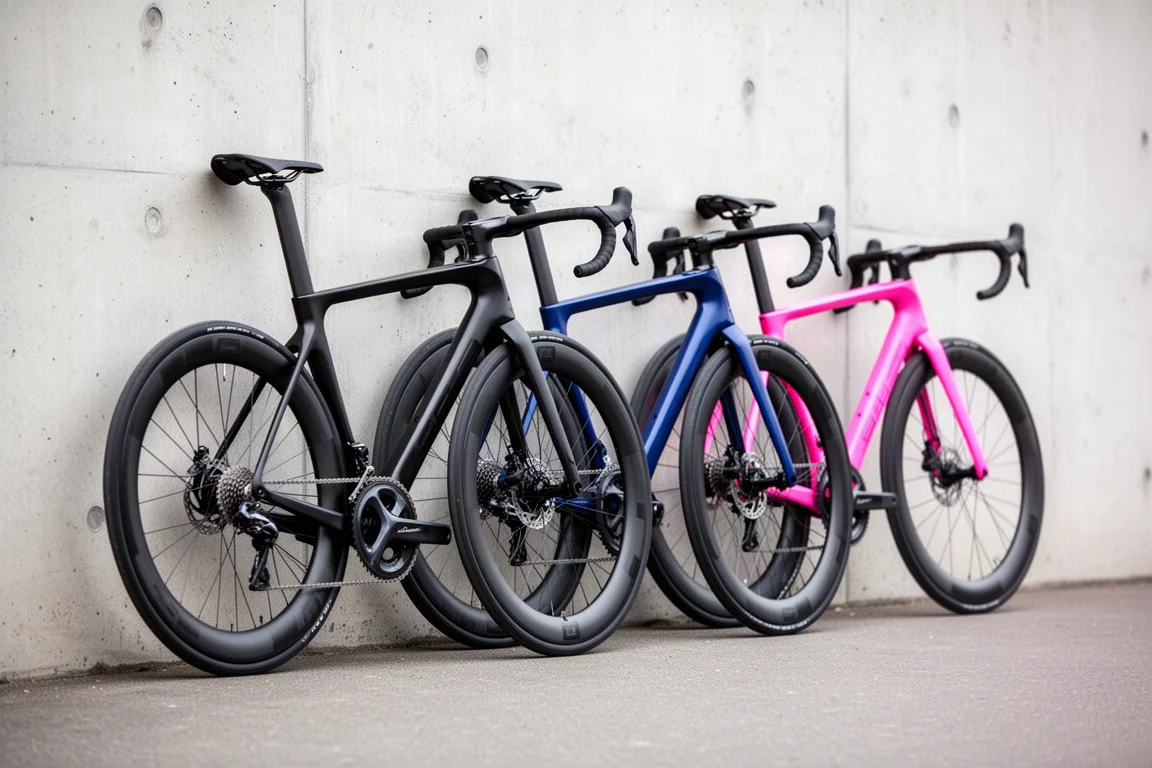
10 New Road Bikes Worth Watching: Aero, Titanium, Steel and Endurance Standouts
A practical roundup of 10 new road bikes, from aero flagships chasing single-watt gains to titanium, steel and endurance platforms built for real roads.
Road Bikes
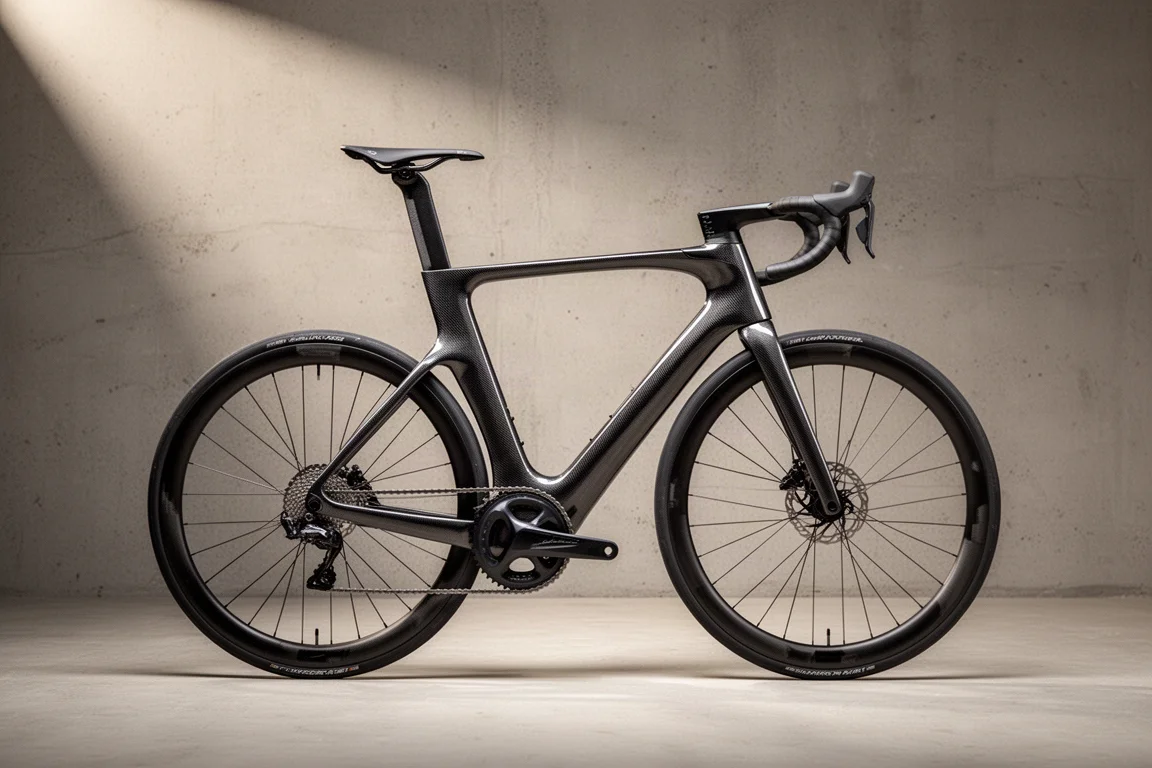
2026 Tour de France Road Bikes: Six Race Machines Worth a Closer Look
Six race bikes from the 2026 Tour de France grid, reviewed for paint, silhouette, wheels and the specification details that matter to buyers.
Road Bikes
3T Strada Italia Review: A Radical Aero Road Bike That Rides Smooth
A made in Italy carbon aero road bike with a deep head tube, wide tire clearance and a genuinely comfortable ride. Here is what to know before buying.