Speakers
Sound Artist 10-Inch Horn Speaker Review: Big, Sensitive, and Hard to Predict
A 10-inch horn-loaded speaker with high sensitivity and a genuinely large sound stage, but a tonal balance that shifts from track to track.
Introduction
The Sound Artist 10-inch horn speaker is a large, high-sensitivity two-way design that sells for around $880 before shipping. It is imported from China, and delivery typically takes 30 to 45 days by sea. The appeal is easy to understand: a 10-inch woofer, a horn-style high-frequency section, and a listed sensitivity of 91 dB, all for less than most horn-loaded designs of a comparable size.
Those numbers suggest a room-filling speaker that almost any amplifier can drive. The reality is more complicated. Across a broad range of recordings, this speaker swings between genuinely impressive and difficult to enjoy, and the swings are not easy to predict from the music itself.
This review covers what the design does well, where it becomes unpredictable, and who is most likely to be happy with it.
What the Sound Artist 10-Inch Horn Speaker Is
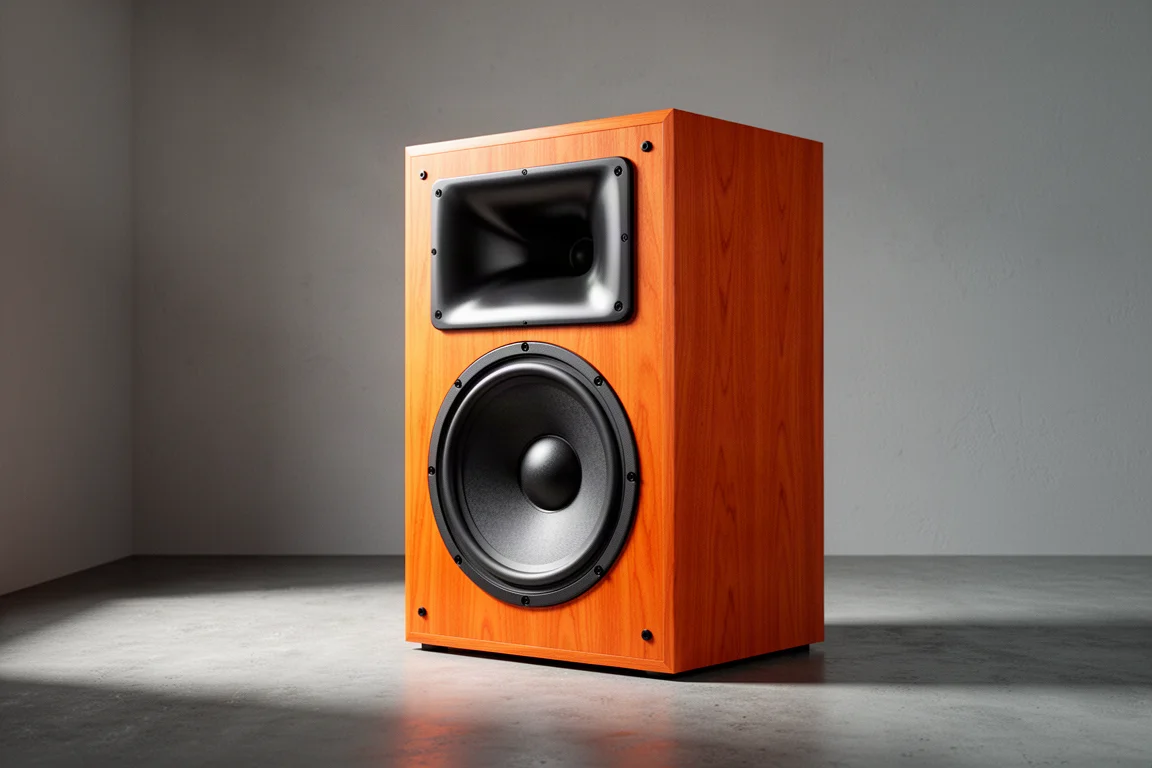
Structurally, this is a two-way speaker built around a 10-inch woofer and a horn-shaped high-frequency guide. The horn behaves more like a waveguide than a true compression-driver horn, based on the visible driver arrangement, so the horn label describes the loading approach rather than a classic studio monitor topology.
The cabinet is rear-ported, and the published specification claims extension down to 28 Hz. In listening, that figure does not hold up. The speaker produces a quick, punchy low end, but it does not reach anywhere near that depth.
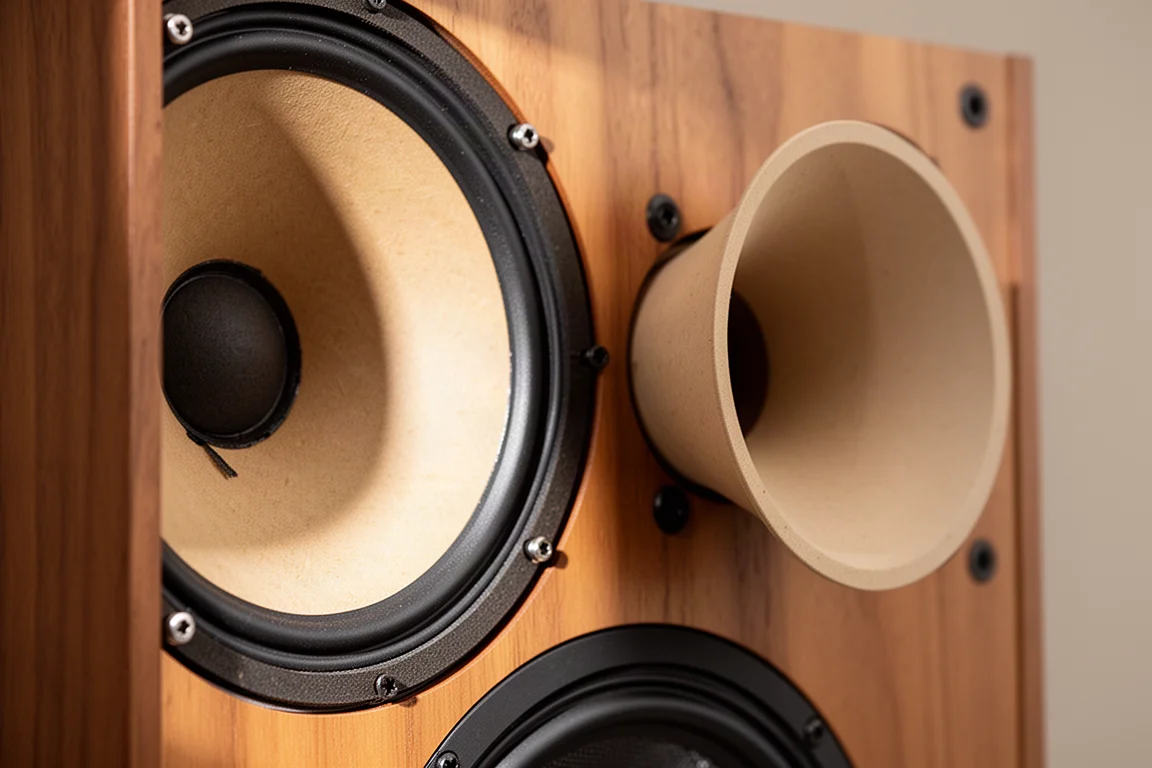
Driver information for the 10-inch model is thin. The 8-inch version in the same family lists a titanium tweeter and an 8-inch paper woofer, while the 10-inch listing does not specify its driver materials, so buyers who want to know exactly what sits behind the baffle will not find that answer in the published specs. Sensitivity is listed at 91 dB, a high figure for a cabinet of this size and one that points to easy amplification.
Who This Speaker Is For
This is a speaker for listeners who already know they enjoy the energetic, wide-open presentation that horn-style designs can produce, and who treat placement and amplifier matching as part of the hobby rather than a chore. It also suits anyone who likes trying unusual designs from smaller brands and is comfortable waiting a month or more for delivery.
It is not a safe choice as a single main system. Listeners who want a predictable, neutral speaker that behaves consistently across rock, jazz, electronic music, and rough recordings will find this design frustrating, because its character changes noticeably from one track to the next.
Main Strengths: Scale, Sensitivity, and Horn Character
When the speaker is on form, the sound stage is large and the top end is smooth rather than sharp. There is a sense of scale and openness that is uncommon at this price, and the presentation stays clean instead of turning brittle.
Mid and upper bass are quick. Percussion and bass guitar lines keep their timing, and the speaker never sounds slow or bloated in that region, even though it does not extend deep.
The 91 dB listed sensitivity also means amplification is rarely a constraint. The speaker was driven with several different amplifiers during testing, including moderate and higher-powered designs, and it produced usable volume with all of them.
For listeners who mostly play well-recorded acoustic and vocal material at moderate levels, those strengths are the reason to consider this speaker at all.
Where the Sound Falls Short
Consistency is the central problem. One track can sound open, relaxed, and surprisingly refined, and the next can sound noticeably bright, including recordings that are not bright in the first place. That unpredictability makes it hard to plan a listening session around the speaker, and it makes the design feel less like a faithful window into a recording and more like a wild card. A well-known alternative at around $650, the Klipsch RP-600M, is a smaller and brighter speaker, but it stays consistent in character and is easier to position, which makes the higher price of the Sound Artist harder to justify on sound alone.
Bass is the second compromise. Despite the 10-inch driver and the rear port, output is concentrated in the mid and upper bass. Genuine low-frequency extension is limited, and turning the volume up to extract more low end becomes uncomfortable quickly, given the high sensitivity and the forward top end.
None of this means the speaker is faulty. It means the design is highly dependent on the recording, the placement, and the volume level, and it rarely behaves the same way twice.
Placement and Amplifier Pairing
Placement changes this speaker’s character more than most designs. Aiming the cabinets outward into the room, rather than directly at the listening position, tames the high-frequency energy considerably and produces a more comfortable balance. Pointing them straight at the listener makes the top end aggressive very quickly, which is worth remembering if the speaker is going into a small room.
Amplifier matching matters less than placement, given the 91 dB listed sensitivity. The speaker worked with every amplifier it was paired with, but no amplifier resolved the underlying inconsistency in tonal balance.
There also appeared to be a mild break-in effect. The speaker sounded slightly more refined after extended use, though it is just as likely that the change reflected the listener adjusting to the high-frequency character rather than the driver itself loosening up.
Finish, Looks, and Living With It
The cabinet finish will divide people. In product photos the veneer reads as a mild, warm orange tone, but in person it appears more saturated, closer to a bright plastic orange than a natural wood finish. Buyers who care about how a speaker sits in a living space should look at owner photos, or see it in person, before ordering.
Size is the other practical consideration. This is a large cabinet, and it needs space around it to sound its best, particularly behind and to the sides.
Buying Advice
At around $880 before shipping, this is not an impulse purchase, and the 30 to 45 day import window means returns and exchanges are rarely simple. The case for buying rests on curiosity. If you already enjoy horn-style presentation and want to explore a big, sensitive, reasonably affordable design, this speaker delivers moments that justify the experiment.
If you need one dependable speaker for everyday listening, the money is better spent on a smaller and more consistent design, even if it gives up some of the scale this cabinet can produce.
Two details are worth confirming before ordering: the driver materials for the 10-inch version, which are not published, and whether the finish shown in product photos matches what actually arrives.
Conclusion
The Sound Artist 10-inch horn speaker is an interesting, high-sensitivity design with real strengths: a large sound stage, quick mid bass, and an easy load for almost any amplifier. It is also inconsistent in a way that is hard to plan around, and it does not deliver the deep bass that its driver size and published specifications suggest.
For an experienced listener who enjoys experimenting and is willing to work with placement, it can be a fun addition to a collection. As a primary speaker for a wide range of music, it is difficult to recommend over more predictable options.
Product link
View more details for Sound Artist 10-Inch Horn Speaker
This product is mentioned in the review. Check the specifications, options, and compatibility before buying.
View more details for Sound Artist 10-Inch Horn SpeakerFurther reading
Related Reviews
Speakers
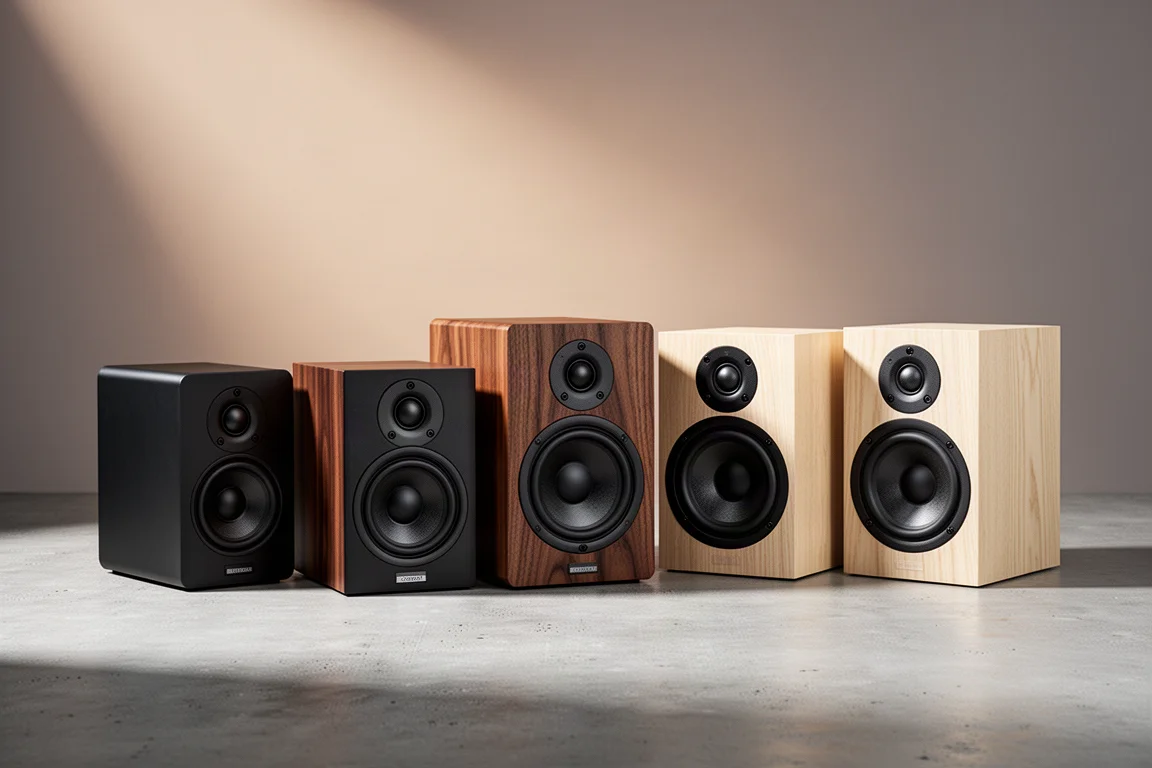
13 Under-the-Radar Speakers Still Worth Buying
Thirteen speakers that quietly stayed in production while newer models took the spotlight, from budget bookshelf pairs to a full-size tower.
Speakers
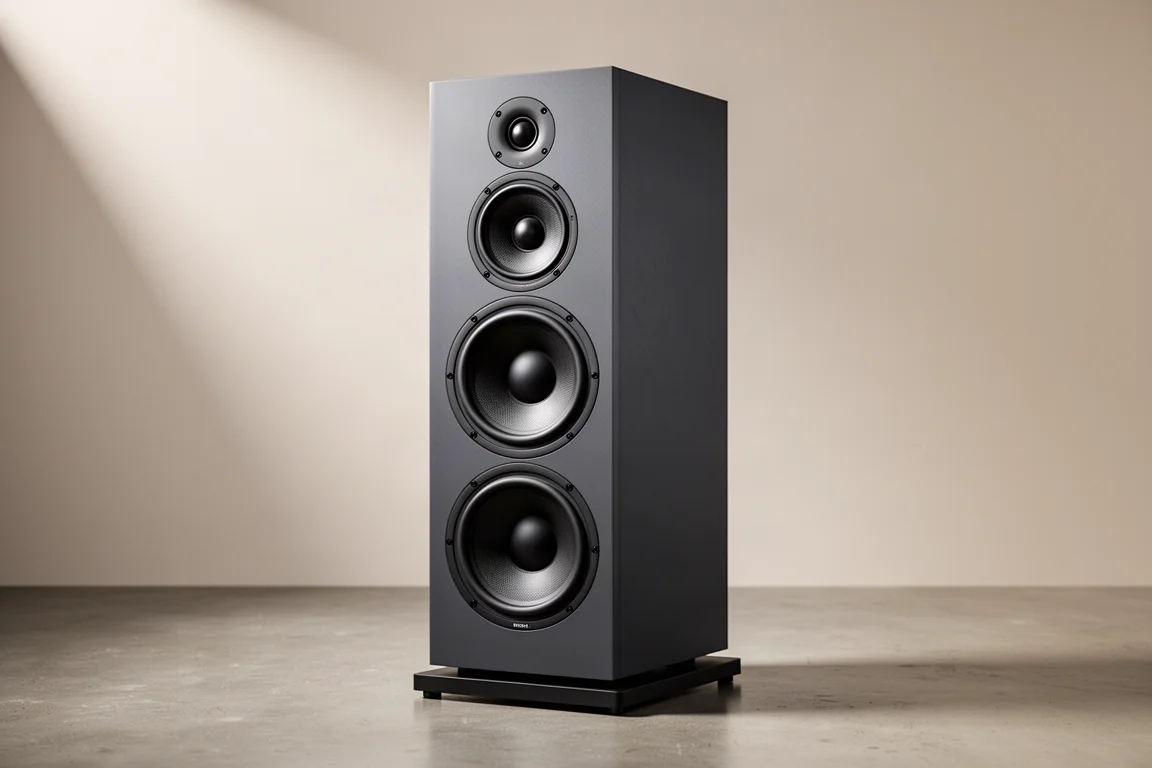
Arendal 1528 Monitor 8 Review: A Three-Way Standmount With Serious Dynamic Headroom
A three-way standmount speaker with extremely low distortion, high output capability, and deep bass for its size, plus the setup details worth knowing before buying.
Speakers
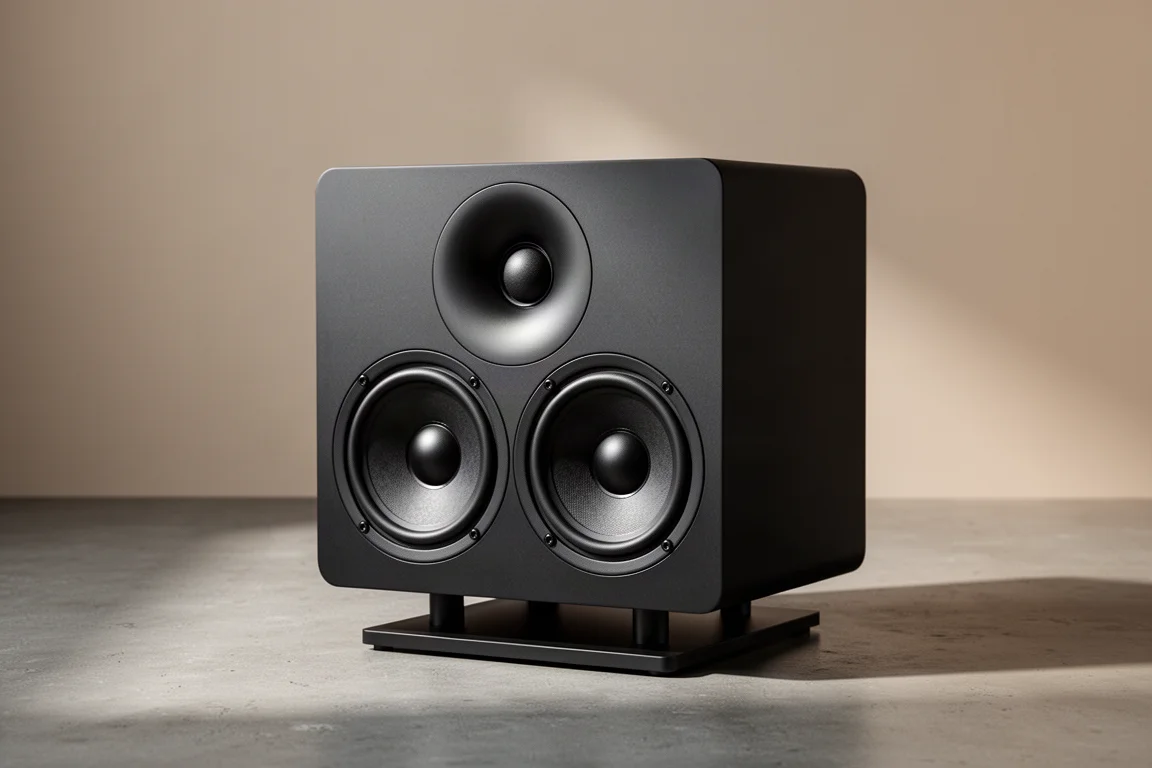
Arendal 1723 Monitor S Review: A Compact Monitor With Serious Ambition
A close look at the Arendal 1723 Monitor S, a compact MTM monitor with a waveguide-loaded tweeter, an HDF cabinet, and flexible ported or sealed operation for music and home theater.