Camping Lanterns
SOTO ST260 Review: A Butane Lantern, Stove, and Tent Heater in One
A long-term look at the SOTO ST260, sold as the Shinfuji regulator lantern, covering light and heat output, fuel efficiency, mantle care, and the safety habits that matter in a tent.
Introduction
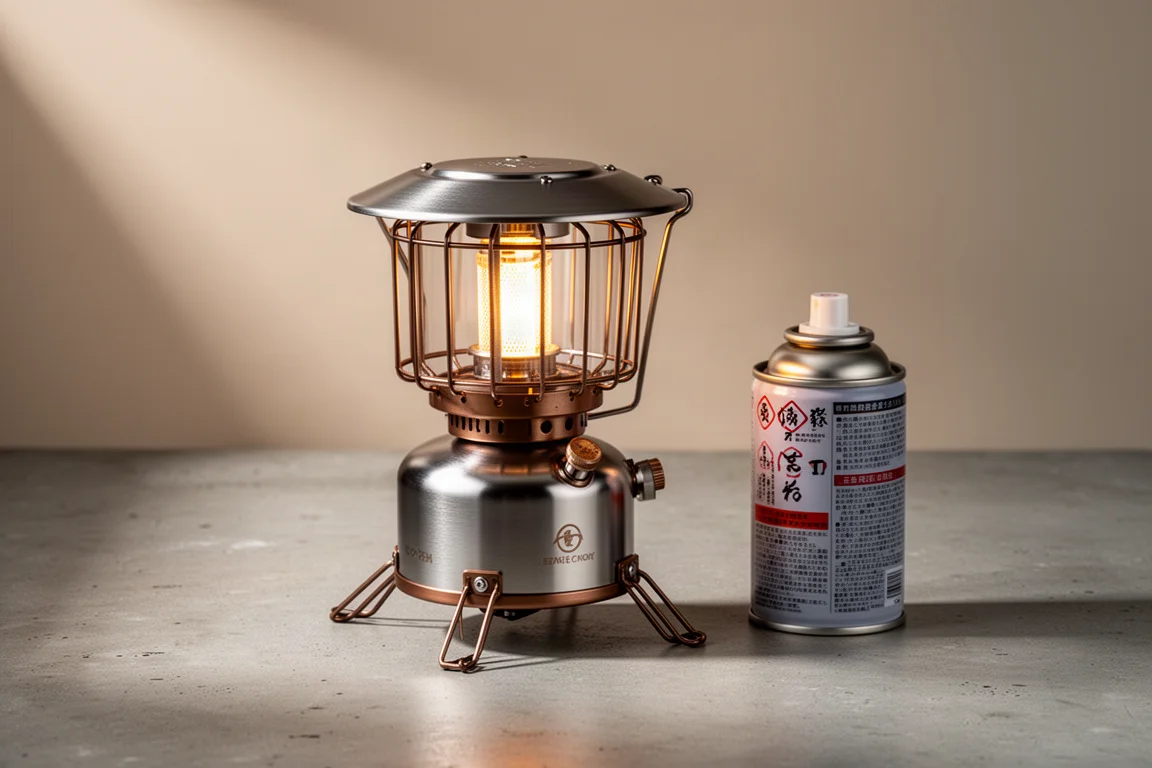
The SOTO ST260 is a small butane appliance that covers three jobs at once. It works as a lantern, it can boil a small pot of water, and it can take the edge off the cold inside a small tent. The unit comes from the Japanese company SOTO, and its parent company Shinfuji is the name it is listed under in the United States, so shoppers searching for the Shinfuji regulator lantern are looking at the same product.
It is not a new design, and that works in its favour. Long term owners report the same pattern across multiple seasons: it starts reliably, it sips fuel, and it keeps performing in conditions where simpler canister appliances begin to fade. This review covers what the lantern does well, where it stops short, and who gets the most out of owning one.
Who This Lantern Is For
This is a product for cold weather camping in a small space. It suits campers who sleep in a two person, four season tent with a fabric inner wall, because that kind of inner holds warmth while still allowing ventilation. In a tent with large mesh panels, most of the heat escapes and the benefit drops sharply.
The same logic applies to floor space. A two person tent leaves enough room to place the lantern on one side and a sleeping bag on the other, which keeps a safe distance between the hot unit and anything that could melt. Smaller shelters can work, but the margin for error narrows quickly.
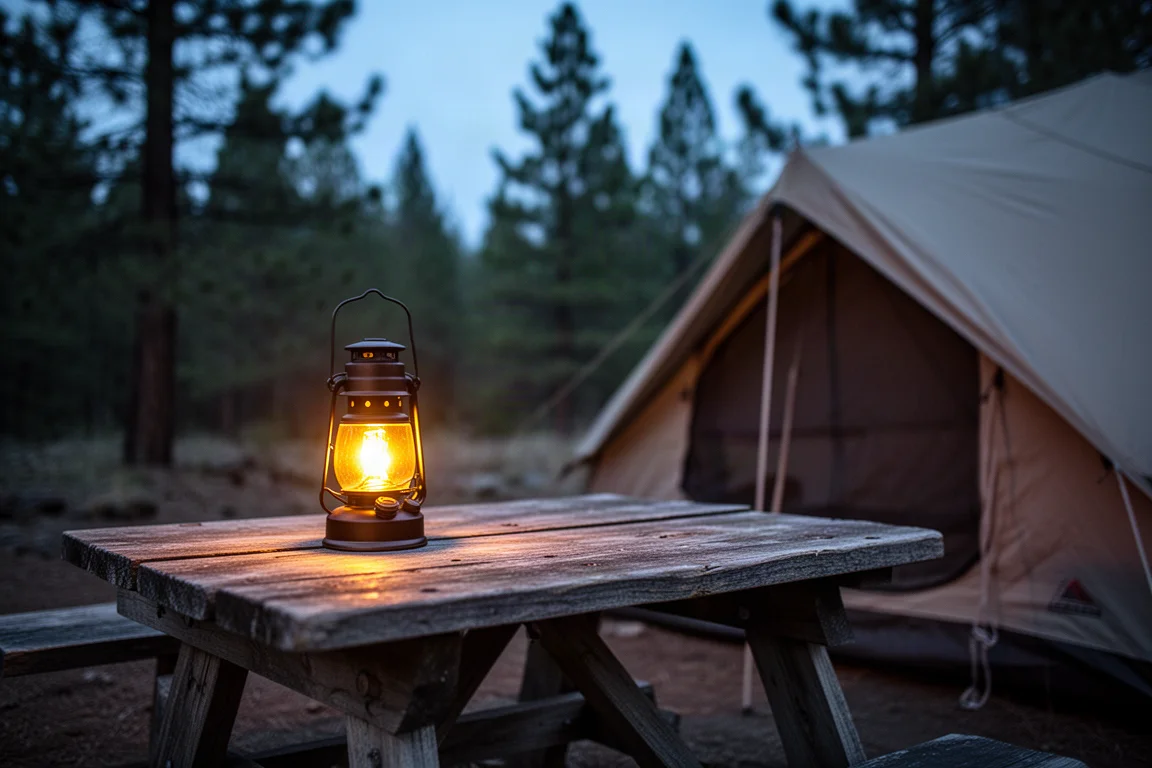
Backpackers also have a reason to look at it. The lantern weighs around 9.5 oz including the storage bag, so it adds little to a pack even with a canister or two of fuel along for the trip. It is one of the rare pieces of camp gear that covers light, small scale cooking, and warmth without demanding a heavy carry.
What Makes It Stand Out: Lantern, Stove, and Heater
The build is mostly stainless steel with some bronze detailing, and it measures roughly 5 in tall, 3.5 in wide, and 4.25 in deep before a canister is attached. The canister screws onto the connection point and tightens down, locking the two parts together firmly. Locking legs spread out at the base and give the unit a stable footprint on a table or a tent floor.
Controls are simple. There is an adjuster for output and an electronic igniter, plus a regulator that keeps performance consistent when temperatures drop or when the canister is running low. A cage surrounds the mantle at the top and protects it, and that cage pops off so the mantle can be replaced. The flat surface on top doubles as a small platform for a cup or a 750 ml pot.
Main Strengths
Light output is roughly equal to an 80 watt bulb, which is enough for two or three people sitting around it, and the quality of that light is warm rather than harsh. The heat side is where the lantern surprises people. On a low setting it is barely audible while still putting out meaningful warmth, and even turned up it stays quiet.
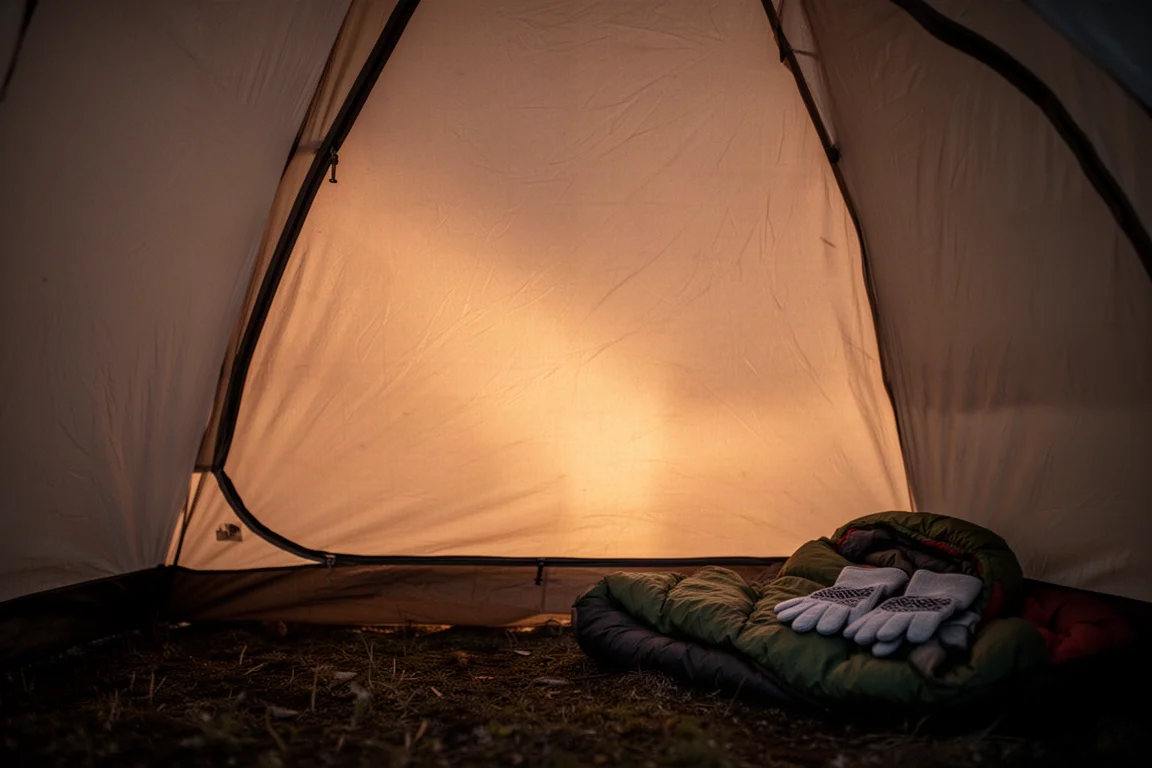
Fuel efficiency is a strong point. At the highest setting the lantern runs about three hours, and on a lower setting it stretches to roughly six. Two canisters can carry a camper through a night, with light available before turning in. Butane itself is inexpensive in the United States, where a dozen cans often sell for under $30.
Cold Weather Performance and Fuel Efficiency
The regulator is the feature that separates this lantern from simpler butane appliances. Cold canisters and low fuel normally cause output to sag, but the regulator holds a steady level, so light and heat stay predictable through a cold evening.
Used inside a tent, the lantern has been run with good ventilation and a carbon monoxide monitor in place, and it has not set the monitor off. That is not a reason to skip precautions. Ventilation is mandatory with any flame based heater or stove, and a CO monitor is a sensible addition for anyone who plans to use one in an enclosed space.
Things to Consider Before Buying
It is worth being honest about what this is not. It is not a full size heater, and it is not a cooking stove for real meals. As a stove it handles small jobs such as boiling water for coffee or a freeze dried meal, and the top surface supports a 750 ml pot with water in it. Anything heavier or more elaborate sits outside what the platform is designed to hold.
Heat management deserves attention. The unit gets hot enough to melt tent fabric and sleeping bags on contact, and it will burn skin. Placing it too close to a wall or a bag is the most common way to damage gear, which is why a two person tent with a clear gap on every side is the setup that works best.
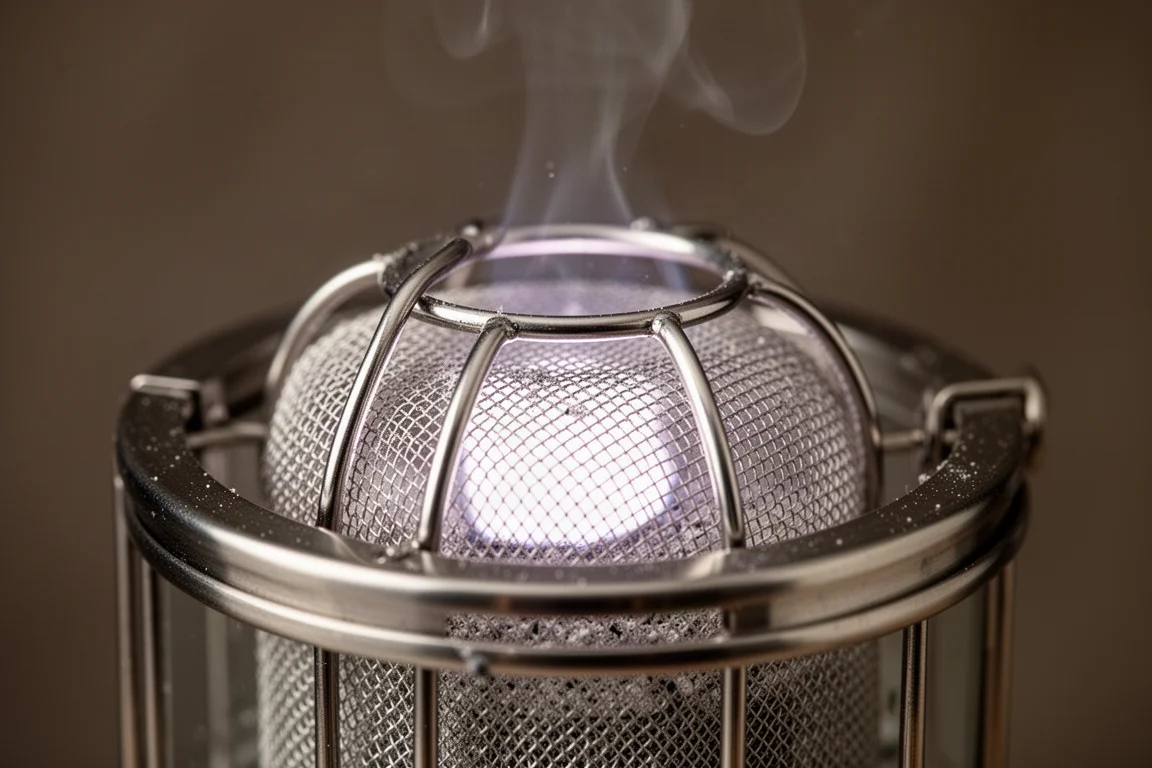
Mantles are consumables. A mantle looks like a small mesh bag and acts as a wick; it burns off its fabric coating the first time it is lit and then produces the light. Expect one to last somewhere between six months and a year depending on how often the lantern is used and how gently it is handled, since the mantle turns brittle and ash like over time. SOTO mantles work with the electronic igniter. Third party options such as Coleman mantles can fit, but some run slightly small, hug the inner post too tightly, and stop the igniter from sparking, which means lighting the lantern with a flame instead.
Finally, this is an imported product, and shipping to the United States takes roughly two weeks. The finish also shows its age: the chrome plating on top can wear away over years of use and may show light rust, though it does not affect how the lantern performs.
Buying Advice
The lantern ships with the unit itself, three mantles, and a storage bag. Buyers should expect that same package, keeping in mind that minor changes can happen over the life of a product. Pricing has moved since it became easy to find in the United States. It sold for around $75 several years ago and now lists around $114, a modest increase for a product with no direct equivalent at this size.
For cold weather trips in a small tent, the value case is straightforward. A warm tent at the end of a long day is worth a great deal, and this is a small, light, fuel efficient way to get there. It is a comfort item rather than a necessity, and not everyone will carry it on every trip. Campers who try it once on a genuinely cold night tend to bring it along on the next one.
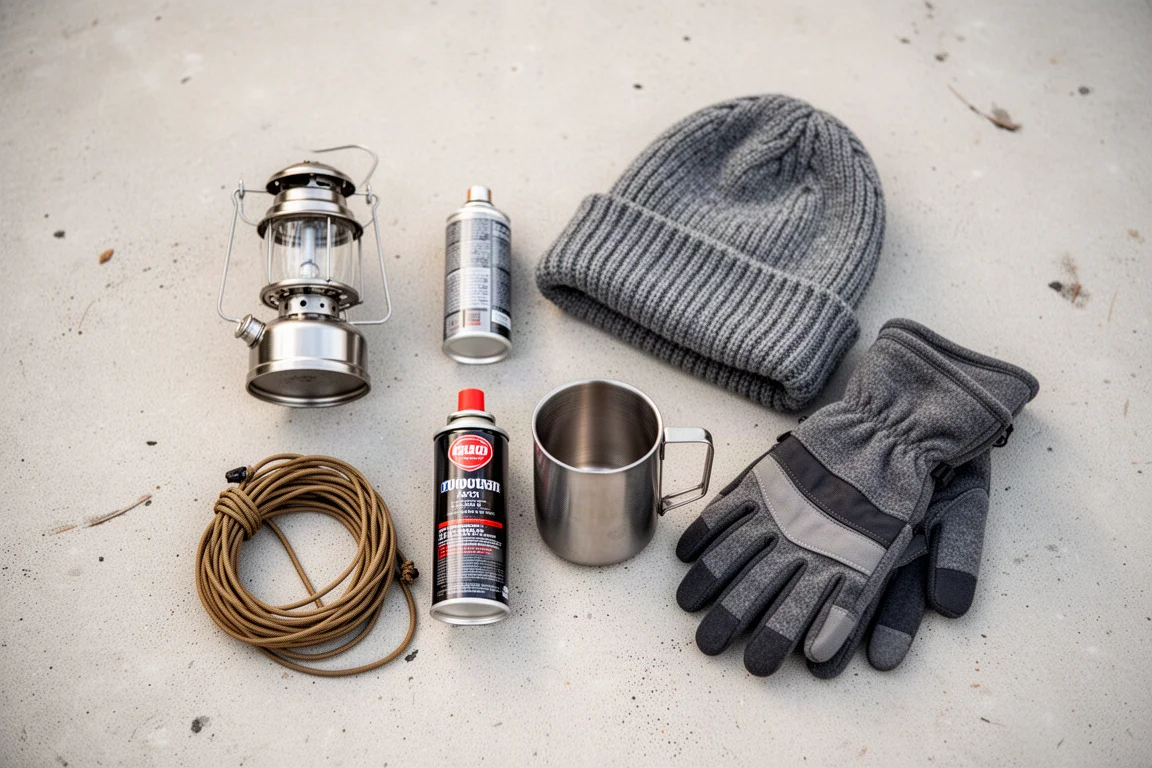
Safety belongs in the buying decision, not just the packing list. Ventilation, a carbon monoxide monitor, and generous clearance from tent walls and sleeping bags are the three habits that make this lantern reasonable to use indoors. Handled that way, it is a capable little lantern, water boiler, and tent warmer in one package.
Conclusion
The SOTO ST260 earns its following because it does several jobs competently in a package that weighs less than a full water bottle. It is not the brightest lantern, the most powerful stove, or a substitute for a proper heater, and it does not need to be. For campers in a two person, four season tent who want light, a hot drink, and a warmer sleeping space, it delivers all three with excellent fuel economy and a build that has held up over years of use.
Product link
View more details for SOTO ST260 (Shinfuji Regulator Lantern)
This product is mentioned in the review. Check the specifications, options, and compatibility before buying.
View more details for SOTO ST260 (Shinfuji Regulator Lantern)Further reading
Related Reviews
Camping Lanterns
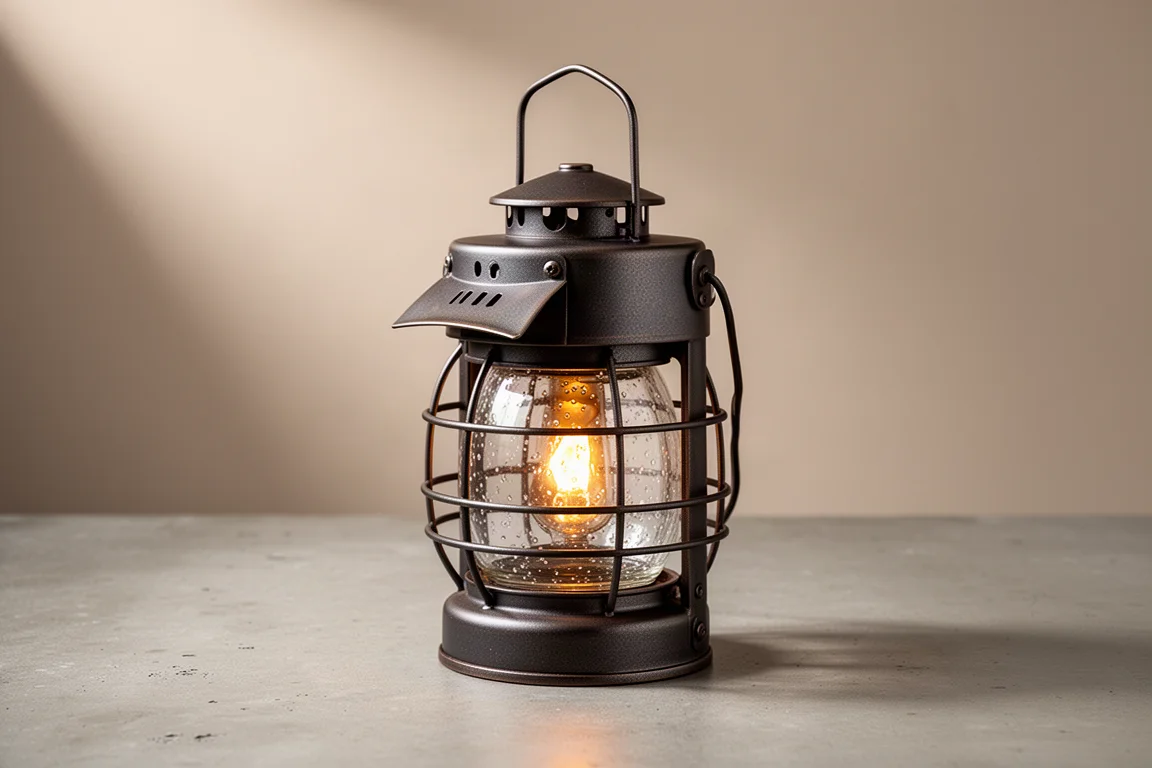
Barebones Railroad Lantern Review: A Vintage-Style Lantern That Beats Its Own Specs
A detailed look at the Barebones Railroad Lantern, covering measured brightness and runtime, charging behavior, weather resistance, and what to know before buying.
Camping Lanterns
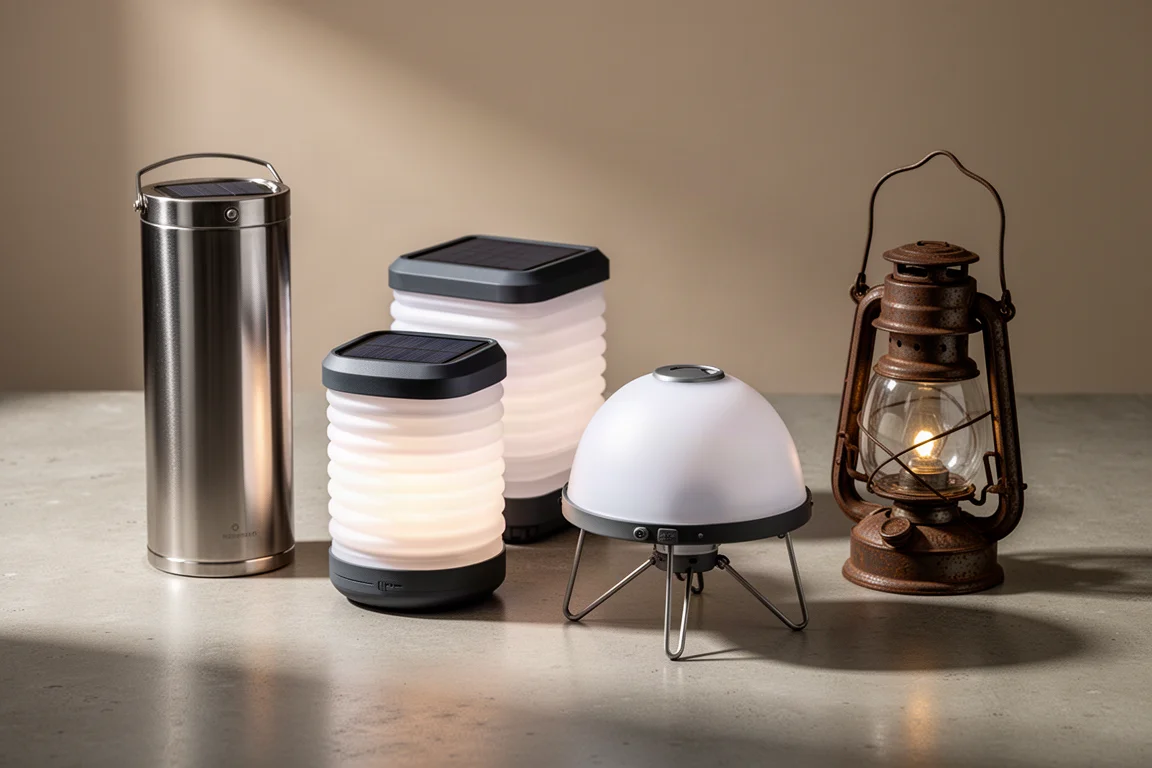
Best Rechargeable LED Camping Lanterns 2026: 12 Lanterns Compared
Twelve rechargeable LED camping lanterns measured for brightness, run time, features, ease of use, durability, and portability, with clear picks for every kind of camper.
Camping Lanterns
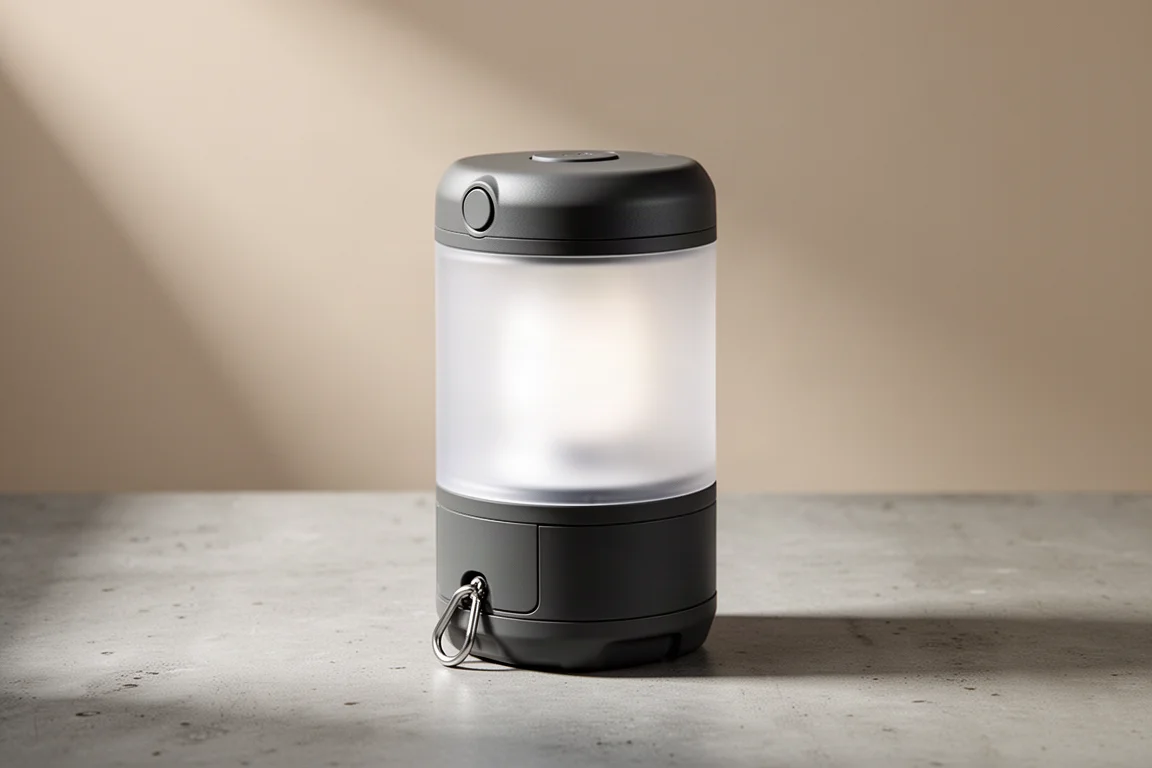
BioLite AlpenGlow 500 Review: A Versatile Rechargeable Camping Lantern
A rechargeable camping lantern with thirteen lighting modes, a 6,400 mAh power bank, and long measured runtimes, plus the warranty and safety trade-offs worth weighing first.