Camping Lanterns
Barebones Railroad Lantern Review: A Vintage-Style Lantern That Beats Its Own Specs
A detailed look at the Barebones Railroad Lantern, covering measured brightness and runtime, charging behavior, weather resistance, and what to know before buying.
Introduction
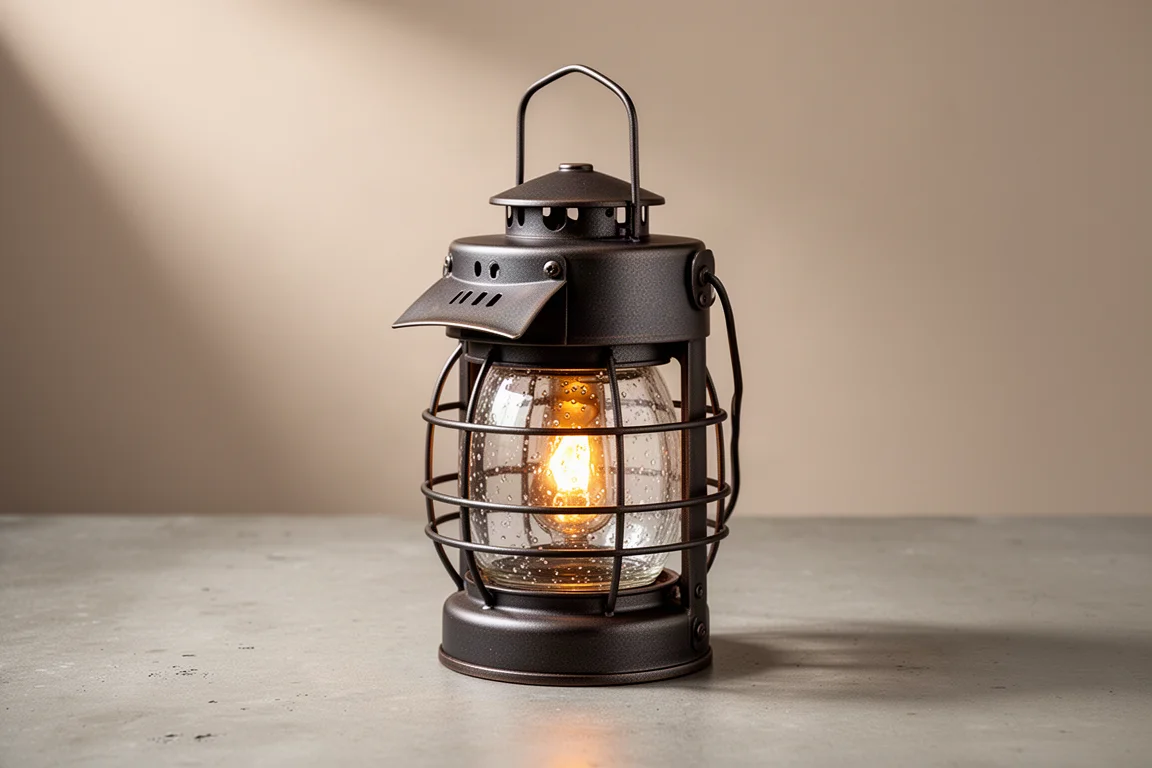
The Barebones Railroad Lantern takes the silhouette of a classic railroad lantern, the kind once carried along rail lines, and rebuilds it around a rechargeable LED module. The result is a lantern that looks like a heritage piece but behaves like a modern one, with a single dimmer key, a 4,400 mAh battery, USB-C charging, and a warm 3,000 Kelvin light.
That combination is unusual. Most rechargeable lanterns rely on plastic housings and sealed-in batteries, while most vintage-styled lanterns are limited in output. This one sits between the two camps and does it convincingly.
The sections below cover the design, the measured brightness and runtime figures, charging behavior, weather resistance, and the trade-offs worth knowing about before you buy.
Who This Product Is For
The Railroad Lantern makes the most sense for car campers and tent campers who want a lantern that lights a large space and looks good doing it. Measured output reached about 382 lumens at the top end with a lighting area of roughly 232 square feet, which is enough to cover a tent as large as a 14-person model.
It also suits anyone who dislikes sealed, disposable electronics. The battery is replaceable, and on units marked with the replaceable-globe symbol, the glass globe can be swapped out as well.
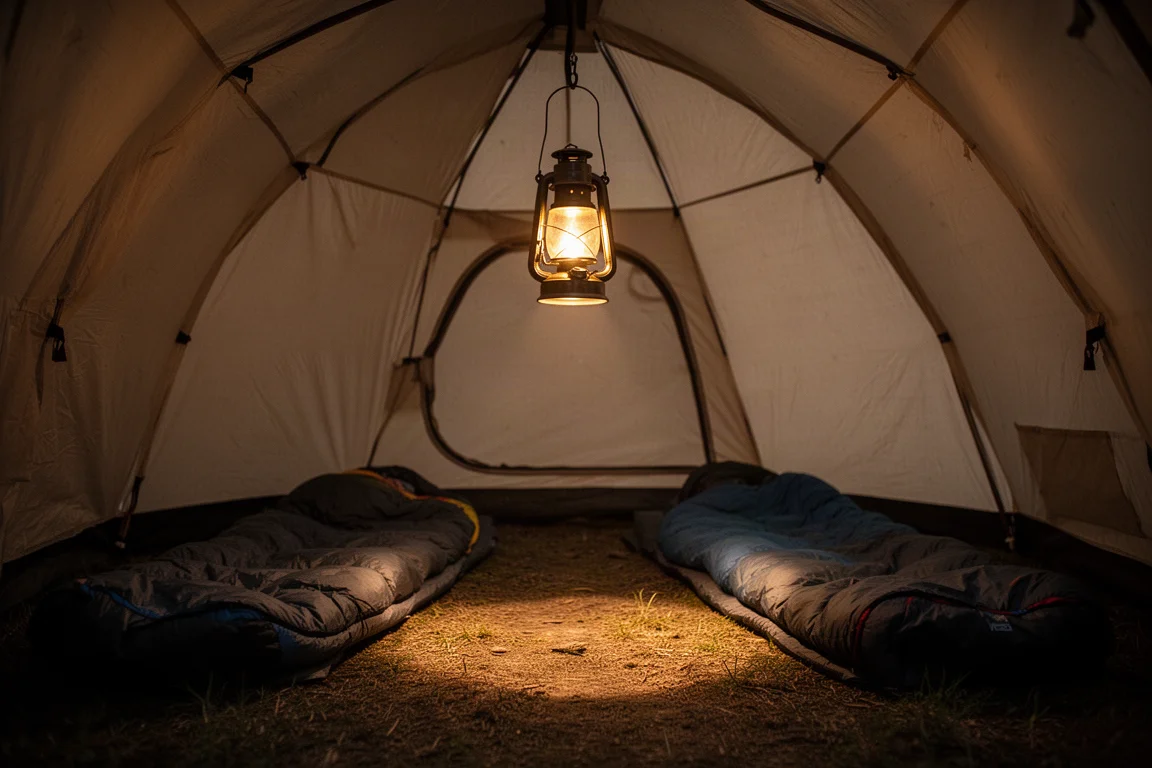
It is a less natural fit for ultralight backpackers. At roughly 30 ounces (852 grams), the lantern is heavy, and its packed footprint of about 6.5 by 6.5 inches (16.5 by 16.5 cm) takes up real space in a pack. The dimmest setting, which measured at effectively zero lumens, works best as a night light rather than a reading light, so campers who want a very low, usable glow should plan on a mid setting instead.
Design and Build Quality
The lantern is built around a steel frame with an outer cage that protects the glass globe. The seeded glass has a subtle texture that softens the light and gives the lantern much of its character. A single handle sits at the top with a small grip that fits a hand comfortably. The handle is thin enough to hook a carabiner through, which makes it easy to hang from a tent loop or a branch, though a carabiner is not included.
Weight comes in at almost exactly 30 ounces (852 grams), and the lantern stands about 9.25 inches (23.5 cm) tall. It is a substantial object rather than a featherweight one.
Build quality holds up in practice. A drop from hand height left the lantern working with no cracks in the glass globe, which the outer cage clearly helps with. The globe itself is user-replaceable on units that carry the replaceable-globe symbol on the base. Replacement means unscrewing the top screw cap and rubber gasket, removing the metal hood, unscrewing the hex nut from the center rod, lifting off the water shroud, carefully unplugging the wiring connector and tucking it into the center rod, then lifting out the fragile LED module to free the globe. The first disassembly is the hardest part because of glue on the hex nut, and reassembly is simply the reverse. If the base does not carry the symbol, the globe is not user-replaceable and customer support is the right route.
Barebones backs the lantern with a two-year limited warranty.
Light Output and Measured Runtime
The published figures for this lantern list 35 lumens on low and 200 lumens on high, with runtimes of 3.5 hours at the brightest setting and over 100 hours at the dimmest. Measured results diverged from those numbers in a way that favors the buyer.
At the brightest setting, a light meter recorded about 382 lumens, nearly double the published high figure. At the dimmest setting, the reading was zero lumens, well below the published low figure. The practical effect is a far wider brightness range than the specifications suggest, spanning close to 400 lumens from the lowest to the highest setting.
Runtime results followed the same pattern. The brightest setting ran for about 5 hours and 15 minutes, roughly 50 percent longer than the published 3.5 hours. The dimmest setting ran for 522 hours in a continuous test, far beyond the published figure of over 100 hours. A 4,400 mAh battery explains much of that endurance at near-zero output.
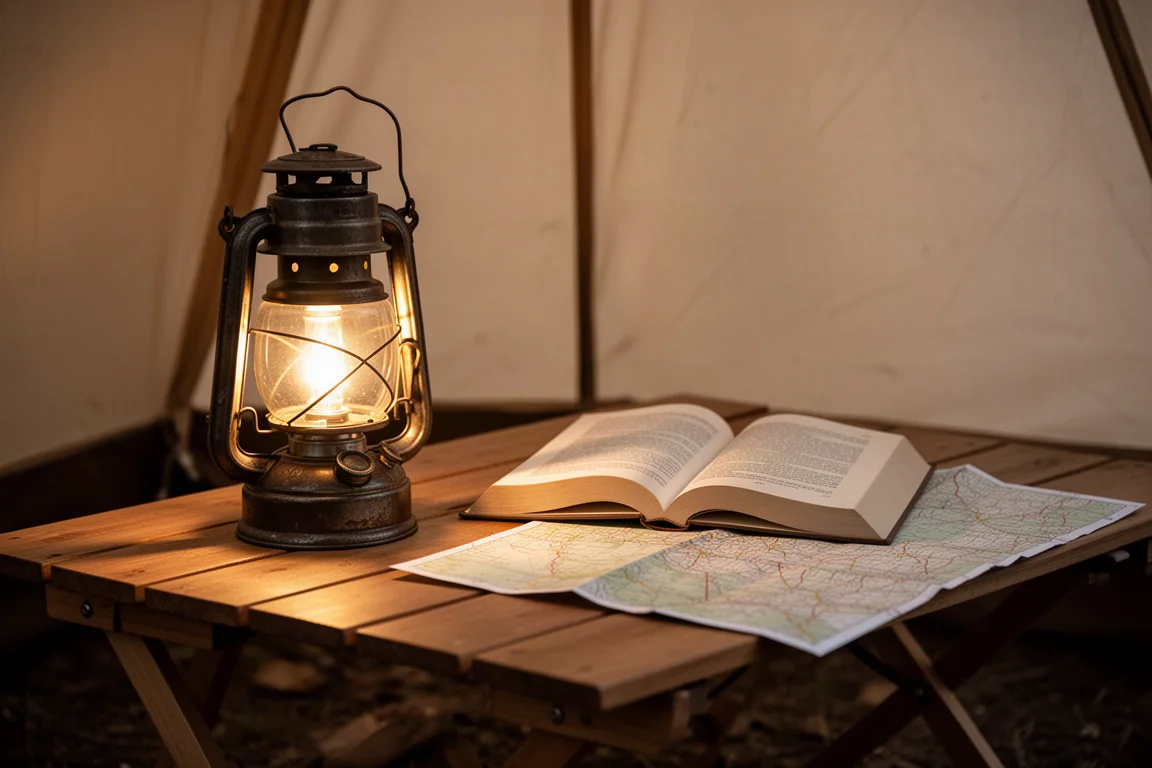
Measured throw reached about 10 footsteps, or roughly 8.6 feet (2.6 meters), producing a lighting area of about 232 square feet. In a six-person tent, the brightest setting lit the entire floor and spilled light outside the tent. The dimmest setting covered very little of the tent and was not enough to read by, while a setting between the two extremes kept most of the tent lit, made pages readable, and stayed comfortable rather than glaring. The light itself is warm at 3,000 Kelvin and very soft at low output. At full brightness it is intense up close, and the minimally frosted globe does not diffuse it as much as some users might prefer.
Charging and Battery Indicators
Charging runs through a USB-C input hidden behind a small black flap on the back of the lantern. The included USB to USB-C cable is a standard, non-proprietary cable, so a spare will work just as well.
A full charge takes almost eight hours. The indicator lights step up during charging: at about 1.5 hours the second light begins blinking, at three hours the third light joins, at 4.5 hours the fourth light blinks, and at roughly 7 hours and 45 minutes all lights hold solid green to signal a full charge.
Four battery indicator lights sit at the back and stay on while the battery is in use, stepping down from four to three to two to one as capacity falls, then blinking when the battery is flat. Assuming each light represents roughly 25 percent, the indicator proved reasonably accurate during the brightest-setting runtime test but less so while charging and during the dimmest-setting test, where capacity dropped quickly once the first light went out. Given the 522-hour result on that mode, the inaccuracy is a minor annoyance rather than a real problem.
The battery is replaceable, which is rare among rechargeable lanterns and extends the useful life of the product considerably. There is no USB output port, so the lantern cannot be used to charge a phone or another device.
Weather Resistance and Durability
The lantern carries no IP rating, and the hardware supports that omission. The black seal around the USB-C port is small, the battery housing is not tightly sealed, and the steel components are described as water and rust resistant rather than waterproof.
A rain test of 15 to 30 minutes confirmed the limits. Water worked past the rear seal, entered around the rims of the battery housing and into the body of the lantern, passed through the small vent holes in the metal hood, collected on the water shroud beneath the hood, and appeared as droplets in the wiring area and under the seat of the globe. The lantern kept working throughout.
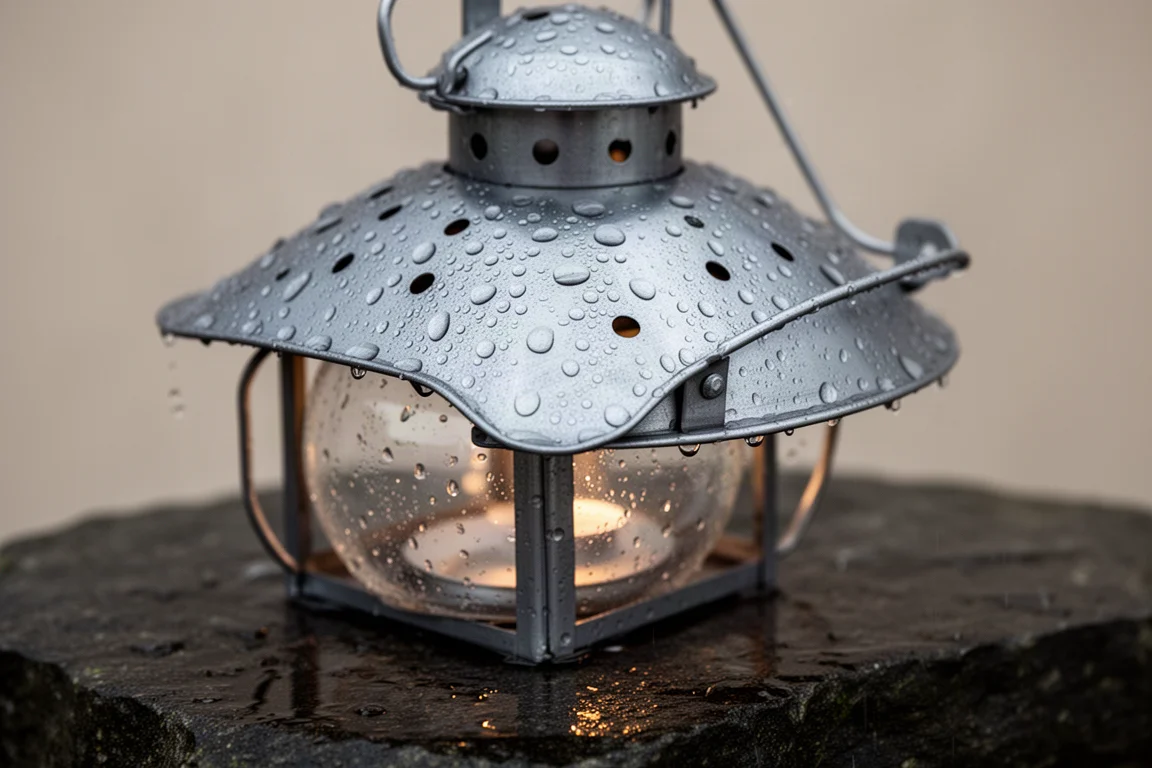
The practical takeaway is maintenance rather than avoidance. If the lantern gets wet, dismantling it to let the components dry is the right move, since extended exposure to moisture may cause rust. Handled that way, the steel frame and the protected glass globe should hold up over a long service life.
Things to Consider Before Buying
Charging time is the most obvious compromise. Nearly eight hours to full is slow, and there is no way to top up other devices from the battery.
Weather sealing is the second. Without an IP rating, this is a fair-weather and sheltered-use lantern. It will survive an accidental soaking, but it should not be left out in the rain.
Weight and size are worth weighing against how you camp. At 30 ounces and roughly 6.5 inches across, it suits car camping, tent camping, and hanging in a shelter, but not a lightweight backpacking kit.
Two smaller points round out the list. The dimmer key protrudes from the front, which makes it easy to find in the dark, but it is small and looks a little delicate compared with the rest of the build. The battery indicator lights are also less precise on the lowest output setting than on the highest.
Buying Advice
The Barebones Railroad Lantern is a strong buy for campers who want a large, warm, characterful light source for a tent or a campsite, and who value being able to replace the battery and the glass globe instead of retiring the whole lantern.
It rewards a little planning. Charge it fully before a trip, since a full charge takes the better part of a day. Pack a carabiner if you intend to hang it. Keep it out of sustained rain, and dry it thoroughly if it gets caught in a downpour.
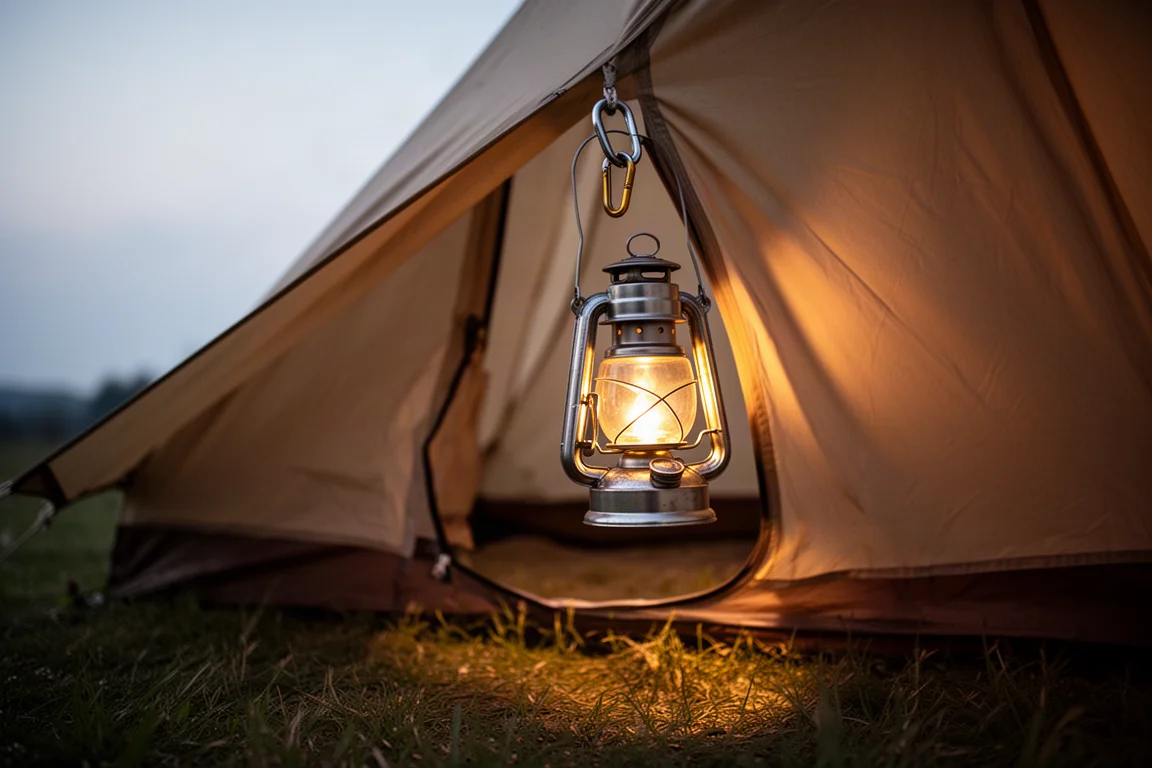
Campers who want a lantern to read by should plan on the middle of the brightness range rather than the lowest setting, and those who need to charge a phone from the same battery will want a separate power bank, because this lantern only takes power in.
Conclusion
The Railroad Lantern delivers more than its published specifications promise. Measured output reached about 382 lumens at the top end, the brightest setting ran for over five hours, the dimmest setting lasted 522 hours, and the lighting area of about 232 square feet covers tents up to a 14-person size. Add a replaceable battery, a replaceable glass globe, a warm 3,000 Kelvin light, and a genuinely attractive vintage design, and the case is easy to make.
The compromises are real but manageable: slow charging, no USB output, no IP rating, and considerable weight. If those fit your style of camping, this is one of the most satisfying vintage-style lanterns available.
Product link
View more details for Barebones Railroad Lantern
This product is mentioned in the review. Check the specifications, options, and compatibility before buying.
View more details for Barebones Railroad LanternFurther reading
Related Reviews
Camping Lanterns
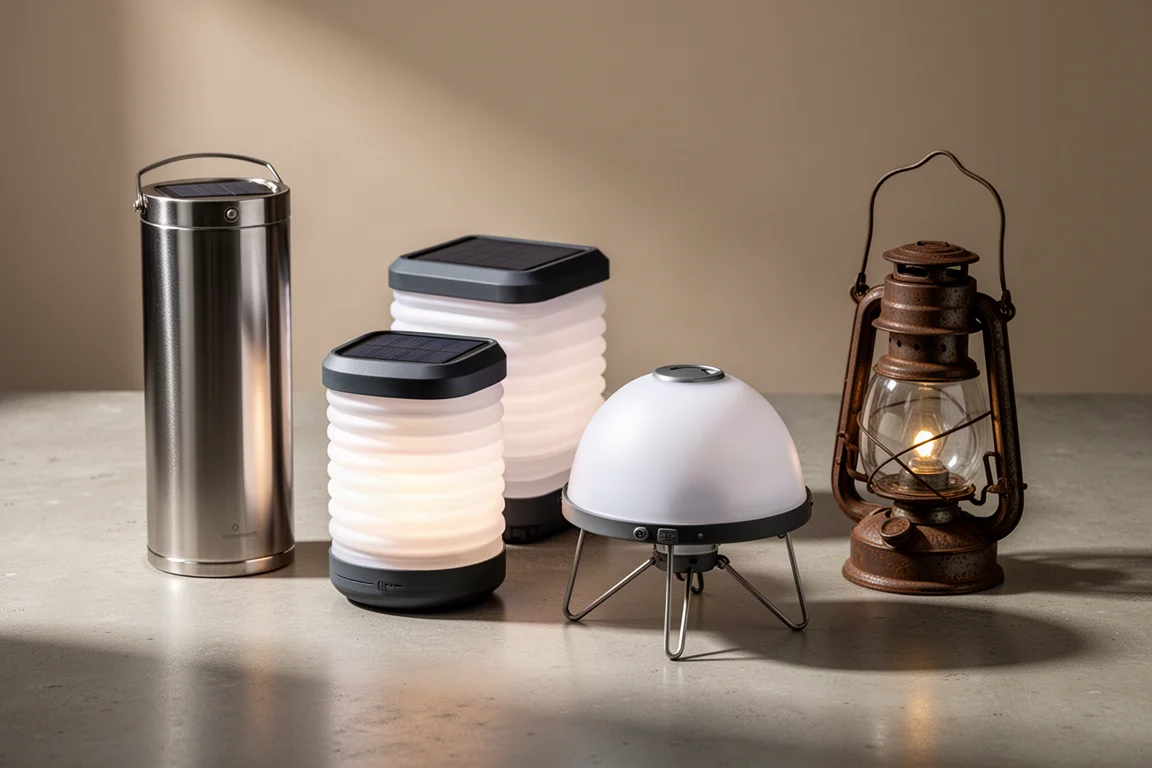
Best Rechargeable LED Camping Lanterns 2026: 12 Lanterns Compared
Twelve rechargeable LED camping lanterns measured for brightness, run time, features, ease of use, durability, and portability, with clear picks for every kind of camper.
Camping Lanterns
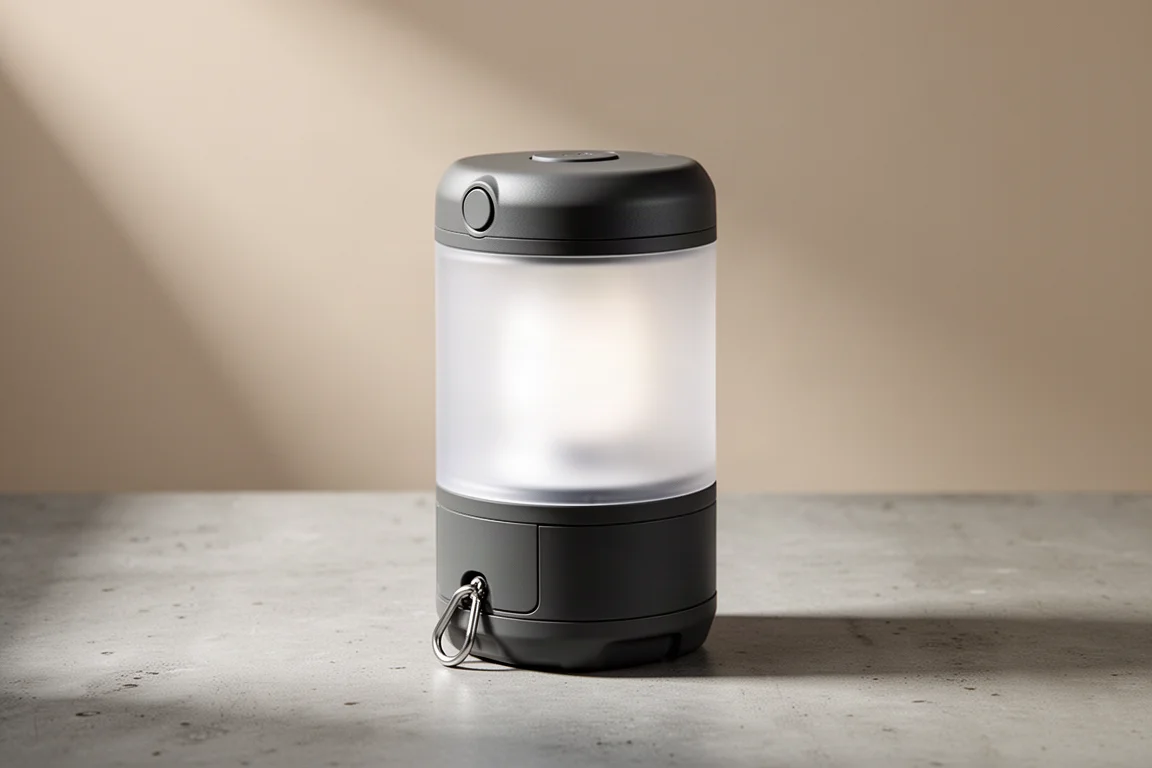
BioLite AlpenGlow 500 Review: A Versatile Rechargeable Camping Lantern
A rechargeable camping lantern with thirteen lighting modes, a 6,400 mAh power bank, and long measured runtimes, plus the warranty and safety trade-offs worth weighing first.
Camping Lanterns
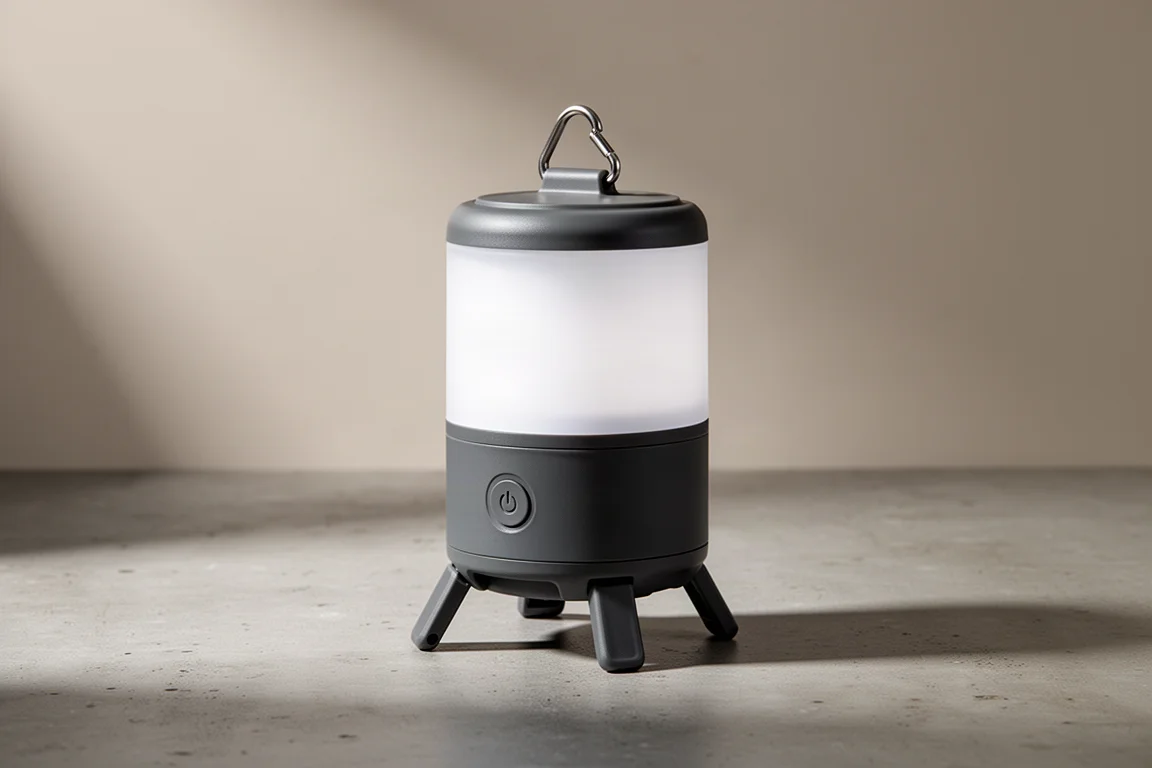
Black Diamond Apollo Review: A Reliable Camping Lantern With Two Power Sources
A long-term look at the Black Diamond Apollo, covering measured light output, run time, build quality, and the trade-offs worth knowing before you buy.