Camping Lanterns
Best Rechargeable LED Camping Lanterns 2026: 12 Lanterns Compared
Twelve rechargeable LED camping lanterns measured for brightness, run time, features, ease of use, durability, and portability, with clear picks for every kind of camper.
Introduction
A rechargeable LED lantern is one of those purchases that quietly decides how pleasant a trip feels after dark. Get it right and you have light for cooking, reading, cards, and midnight trips to the tent. Get it wrong and you are squinting at a glaring hotspot, hunting for a charging cable, or watching the battery die two hours into the evening.
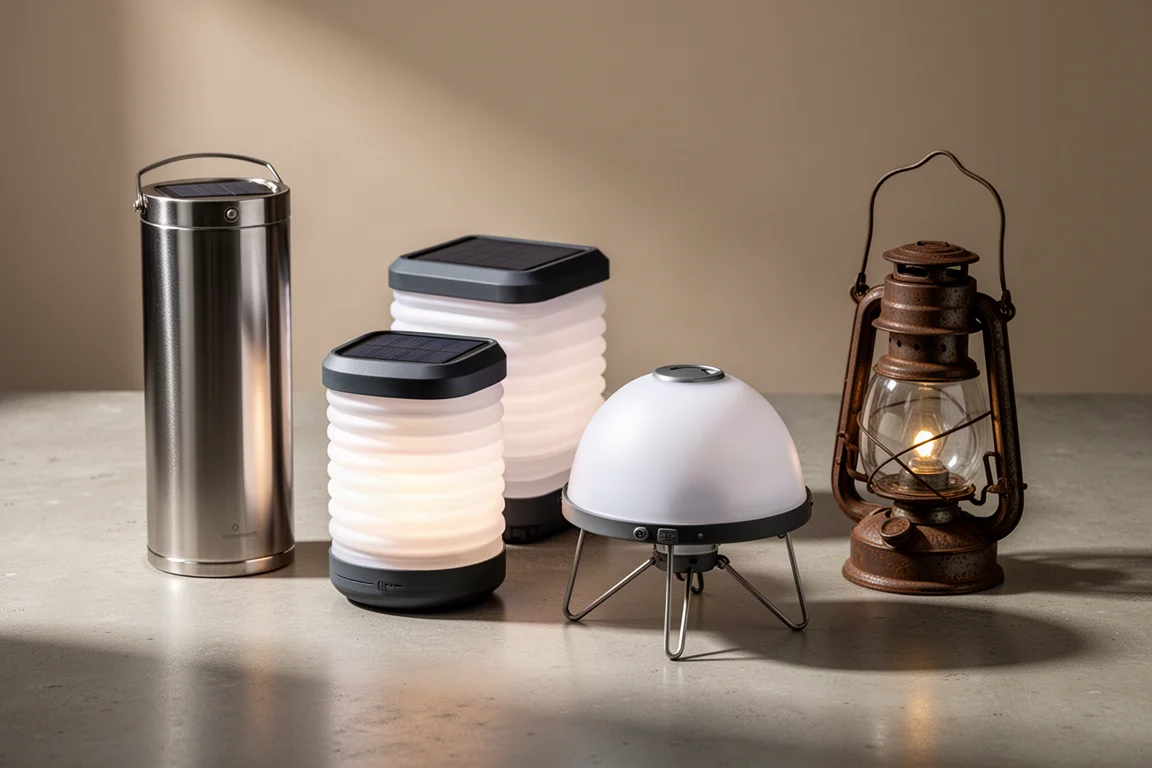
Twelve rechargeable lanterns were compared side by side, from compact solar models that pack down to nothing to a vintage style railroad lantern with a glass globe. Prices in the group ranged from about $40 up to the most expensive model tested, and every unit was charged, run, dunked, dropped, and timed.
All twelve charge over USB, four are solar models, and only one can accept external batteries. The headline results: the Ledlenser ML6 scored highest overall at 8.3 out of 10, the BioLite AlpenGlow 500 finished just 0.1 points behind it, the LuminAID PackLite Titan was the clear leader among solar lanterns, and the Coleman Rugged finished last with no category scoring in the green.
How These Lanterns Were Evaluated
Brightness was checked three ways: measured lumen output at the maximum and minimum settings, how easily brightness could be adjusted, and how much ground each lantern actually lit. Output was measured with a lux meter pointed directly at the light source, and lighting area was calculated by backing the meter away from each lantern until it read zero and converting that distance into a coverage figure.
Official figures were not always reliable. The Goal Zero Lighthouse 600 is rated at 600 lumens but measured close to 1,000 lumens at maximum, while other lanterns fell short of their claimed numbers. A wide spread between the brightest and dimmest settings scored best, because a lantern that reaches a genuinely bright maximum and still dims to a usable night light covers far more situations.
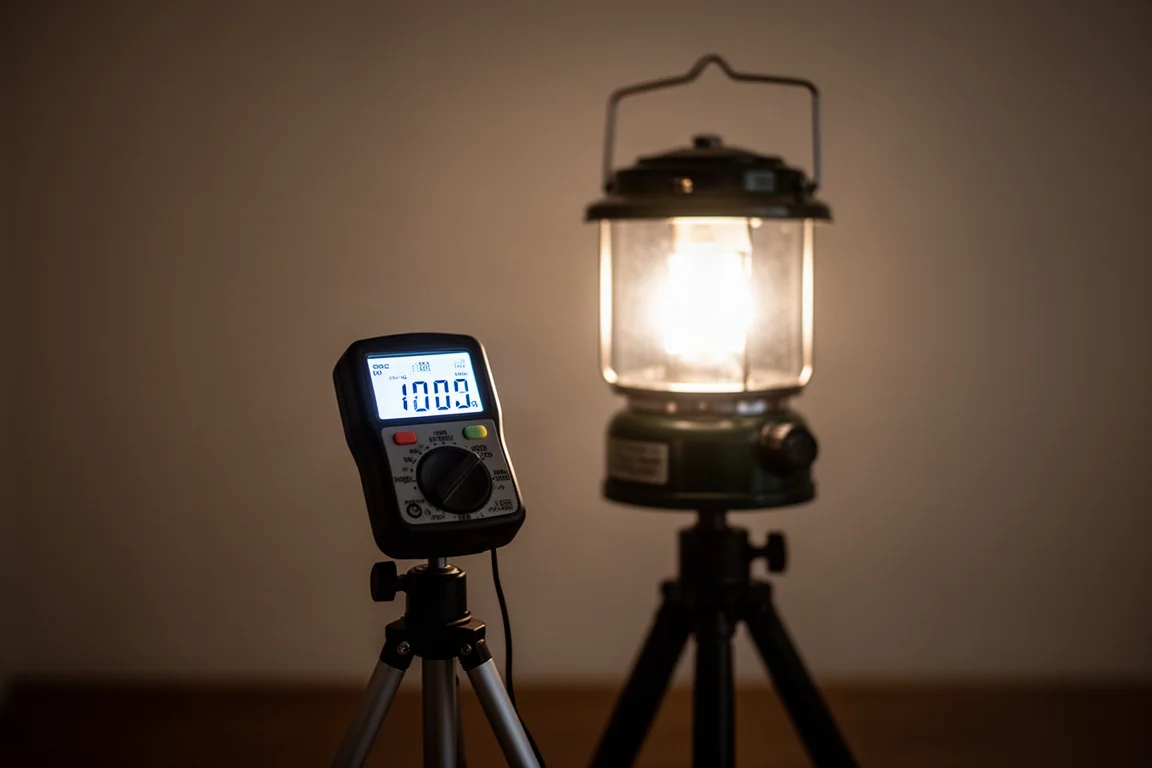
Run time was timed with a stopwatch after a full charge. Maximum run time was recorded on the dimmest setting, minimum run time on the brightest. The spread is dramatic: dimmest run times ran into the hundreds of hours, while full brightness typically lasted between three and five hours.
Lighting features covered color options, emergency modes, and extras such as directional lighting, candle flicker, and glow-in-the-dark elements. Only three lanterns offer more than one color, and seven include either a strobe or an SOS mode.
Ease of use covered power sources, the ability to charge a phone, battery level indicators, handles and hooks, magnetic bases, stand-up legs, and tripod threads. Charge-out performance was measured by topping each lantern up and then recording how much of a charge it delivered to a phone. Capacity alone did not decide the outcome, because some lanterns leave usable light in reserve while others run completely flat.
Durability combined IP ratings, drop testing, and warranty length. Four solar lanterns carry an IP67 rating and survived a 30 minute submersion. One lantern is rated IP66 against powerful water jets, and several IPX4 models handled heavy rain, though water collected around their ports without getting inside. Some lanterns have no rating at all and let water in during a rain test.
Portability came down to weight and packed size. Most of the group packed down small enough to disappear into a daypack, while the three largest models were noticeably bulkier.
In the overall scoring, brightness, light features, and durability were weighted more heavily than run time, ease of use, and portability.
Ledlenser ML6: Best Overall Pick
With 8.3 out of 10 and a green result in every test category, the ML6 was the most complete lantern in the group, and very few models managed that consistency. Its 720 lumen boost mode is the second brightest output measured here, and it dims continuously down to zero lumens, which makes it usable as a night light without any preset steps in between.
A red light mode is included, and the ML6 is the only lantern tested with a glow-in-the-dark ring, so it can be located in a dark tent without switching anything on. Emergency modes are unusually thorough: a white strobe, a slower blink, an SOS pattern, and a breathe mode. The magnetic base is the strongest of the group, there is a tripod thread underneath, and the ML6 is the only lantern here with a removable 18650 lithium-ion battery, so the cell can be swapped rather than the whole lantern when capacity fades.
It is rated IP66 and carries the longest warranty in the group by a wide margin. Spread across that warranty period, the purchase price works out to roughly $13 per year.
BioLite AlpenGlow 500: The Most Feature-Rich Lantern
The AlpenGlow 500 finished just 0.1 points behind the ML6 and earned a perfect score in the features category. Its one real weakness is a one year warranty, which pulled down its durability result and is worth knowing before you commit.
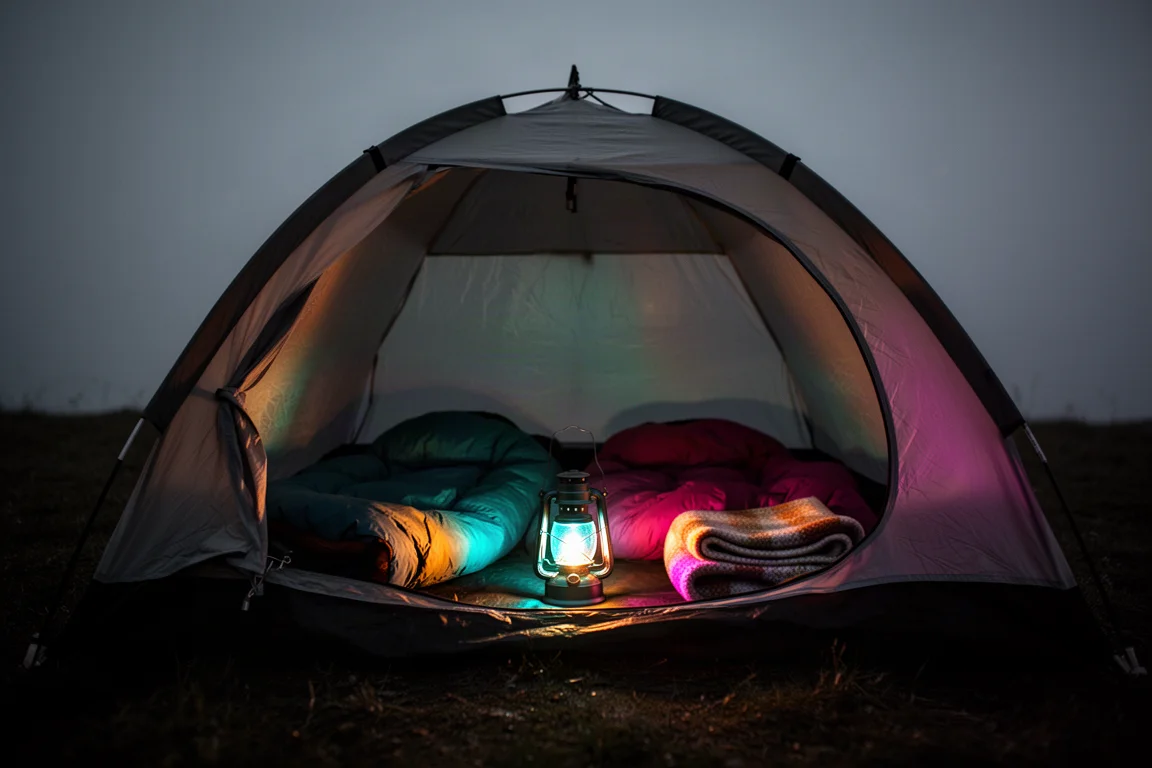
Lighting options are extensive: cool white, warm white, a single color mode, and a multi-color mode that covers the full spectrum and lets you hold a button to land on any hue you want. A shake gesture activates directional lighting on the cool mode, the warm mode includes a candle flicker, and the lantern can cycle automatically through both the single color and multi-color modes. There is even a fireworks mode.
What it does not have is a strobe or SOS mode, so it suits relaxed car camping better than emergency preparedness. It also has the largest battery capacity in the group at 6,400 mAh and a weather rating of IPX4, which handles rain but not powerful jets of water.
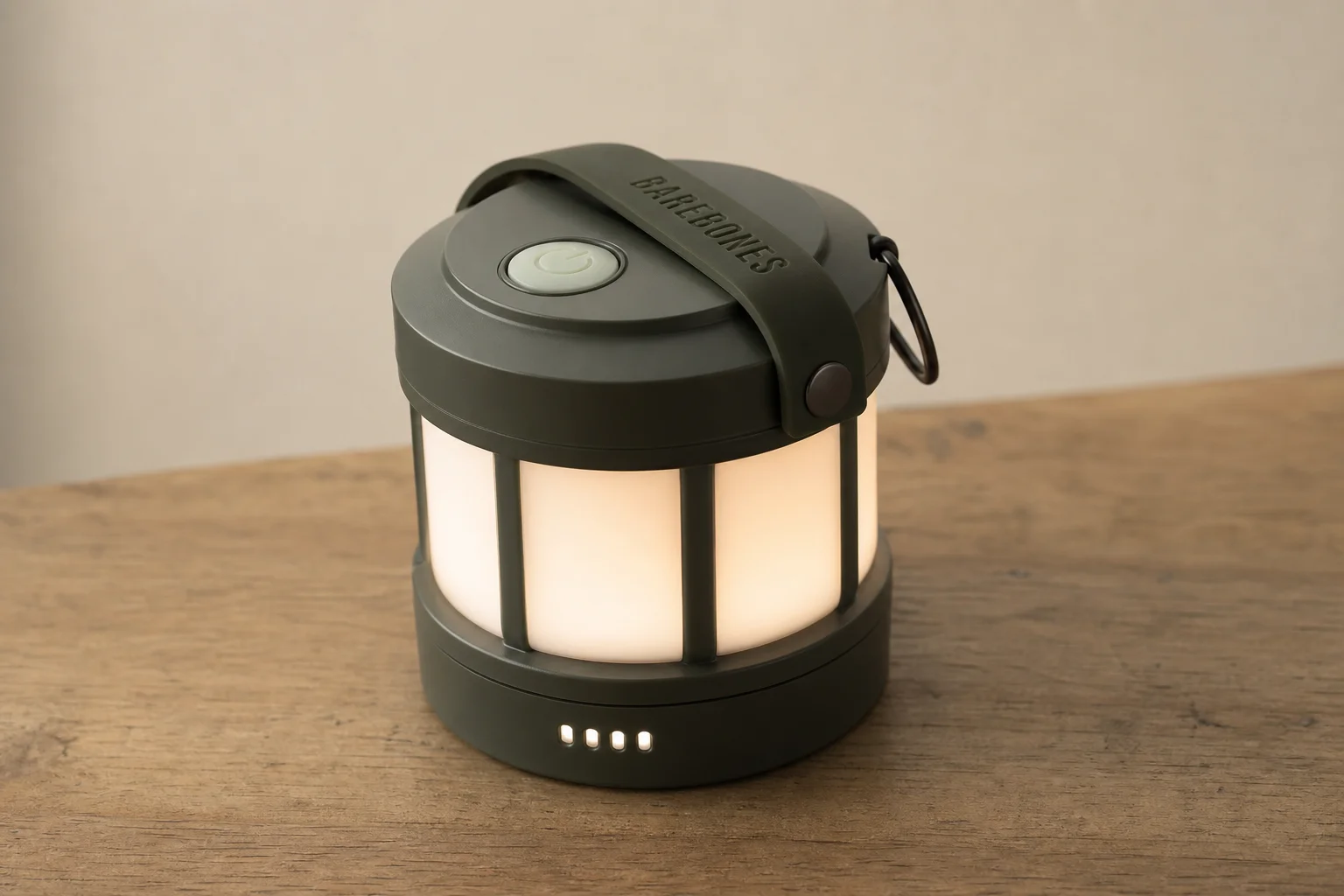
LuminAID PackLite Titan: Best Solar Lantern
At 7.9 out of 10, the Titan was the clear winner among the four solar lanterns and finished well ahead of the rest of that group. It reaches 316 lumens at maximum and dims to a 1 lumen minimum, which delivered a run time of 250 hours on the lowest setting, roughly five times what the other solar lanterns managed. Its lighting area was nearly double that of any other lantern tested, and it offers two colors, white and red.
Inflation is the standout convenience. A twist brings the lantern up in two to three seconds, while the other solar models need to be inflated by breath and take ten to fifteen seconds. The 4 by 4 inch solar panel is about 30 percent larger than the Base Light, 66 percent larger than the PackLite Max, and 90 percent larger than the Luci Pro. In a solar charging test it ran at 191 lumens and still lasted two and a half hours.
The trade-offs are price and weight. At $80 it is the most expensive solar lantern here and the heaviest, and its port cap is slightly looser, making it more prone to leakage when submerged.
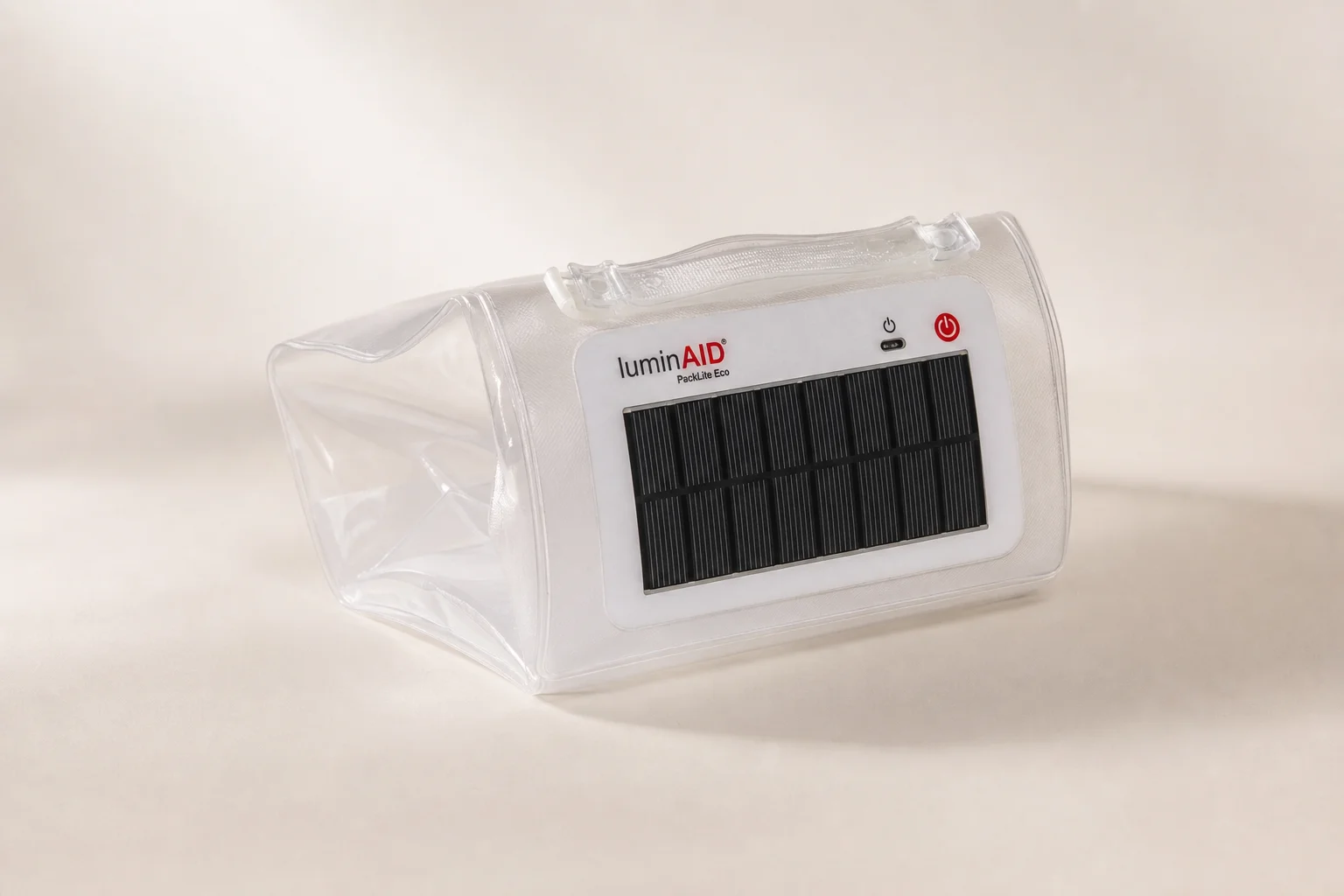
Mpowerd Base Light: The Runner-Up Solar Lantern
The Base Light is the runner-up among the solar lanterns and a sensible choice for anyone who does not want to pay the Titan’s $80 price. It is 1.7 ounces lighter than the Titan, matches it with a 4,000 mAh battery, and is more watertight: in submersion testing the Titan’s port cap let a little water past while the Base Light stayed completely sealed.
The compromise is brightness control. Instead of continuous dimming, it offers three fixed levels at 330, 172, and 21 lumens, with nothing in between. It carries an IP67 rating, and a full charge delivered roughly 1.2 phone charges in testing.
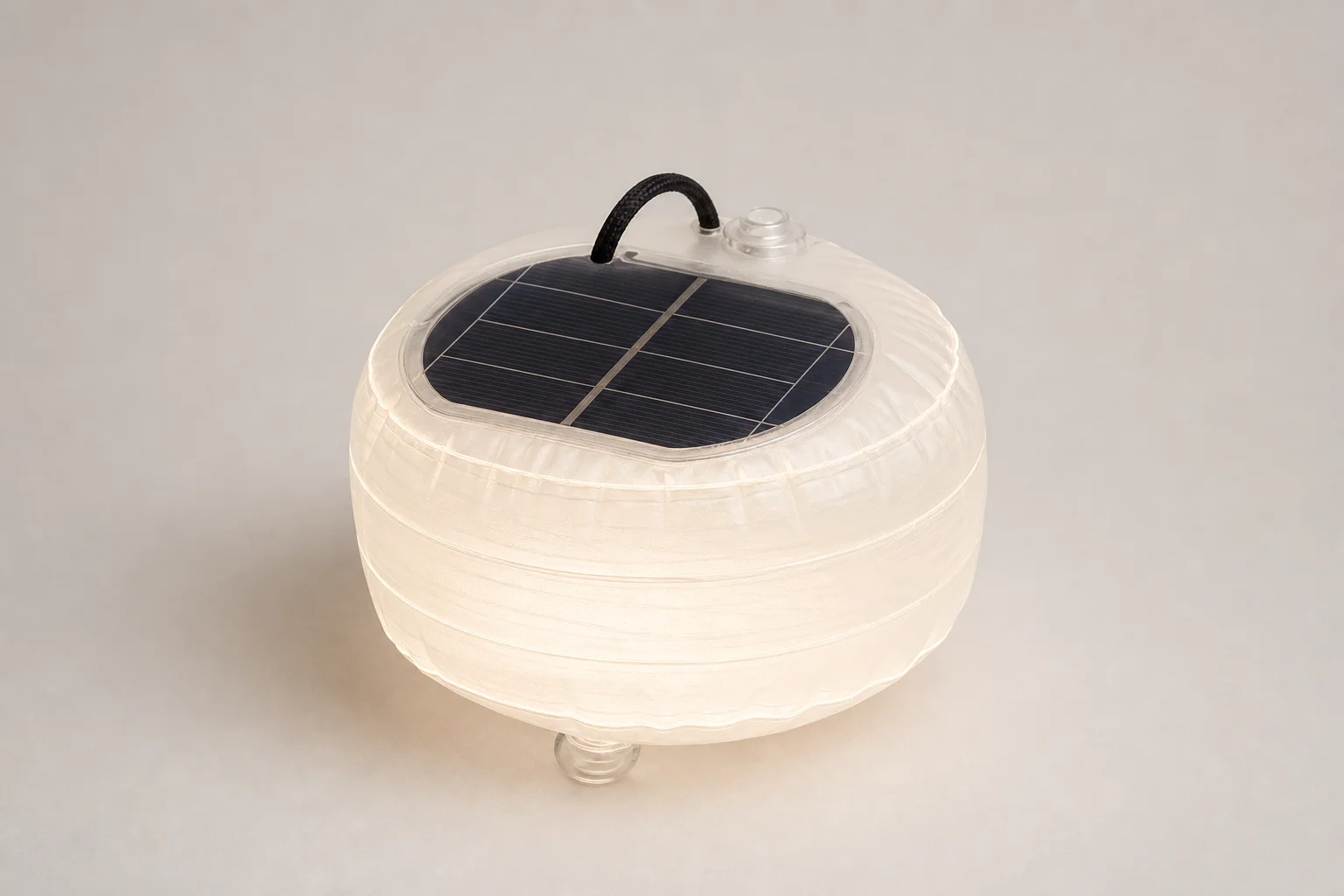
Goal Zero Lighthouse 600: The Brightest Lantern Tested
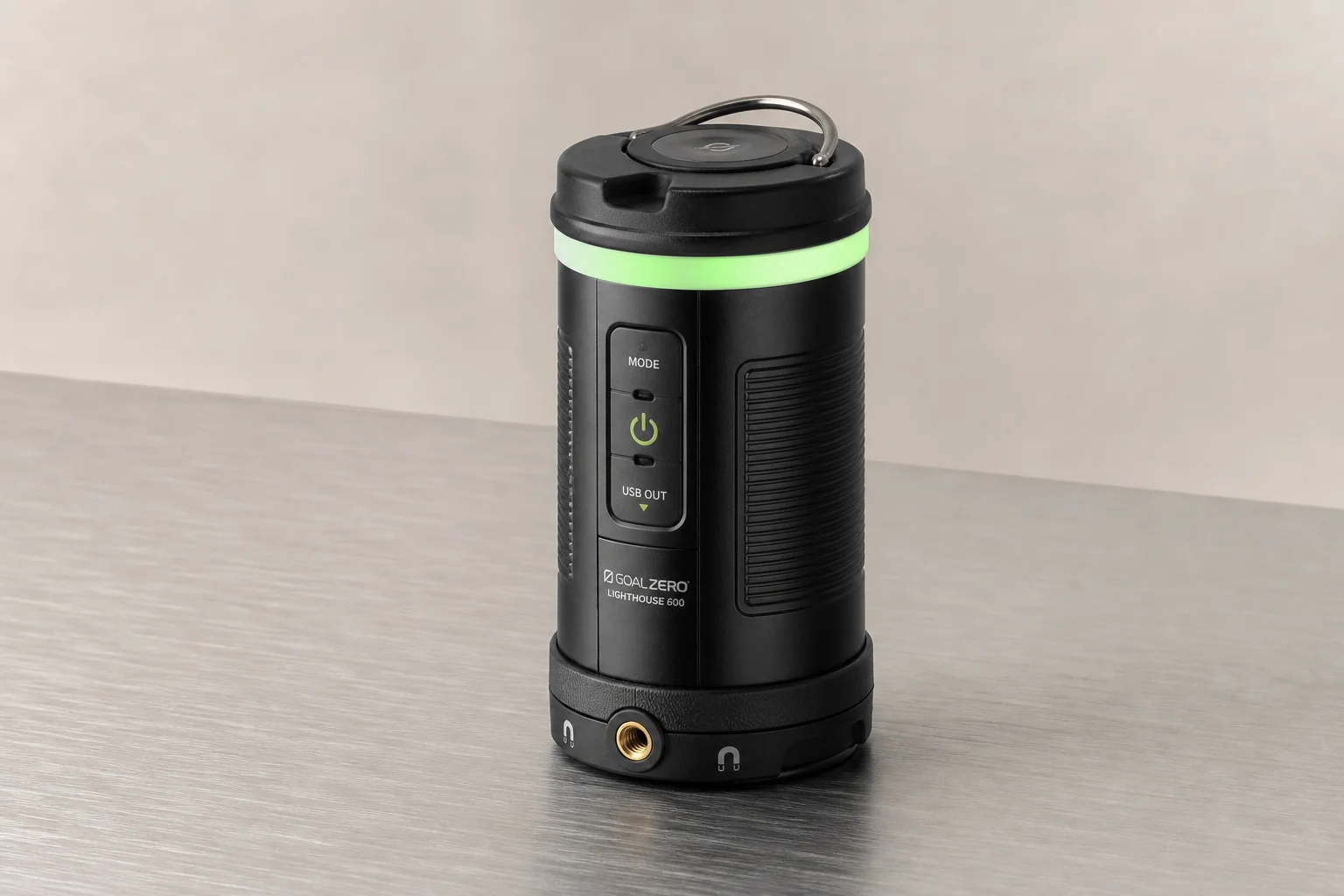
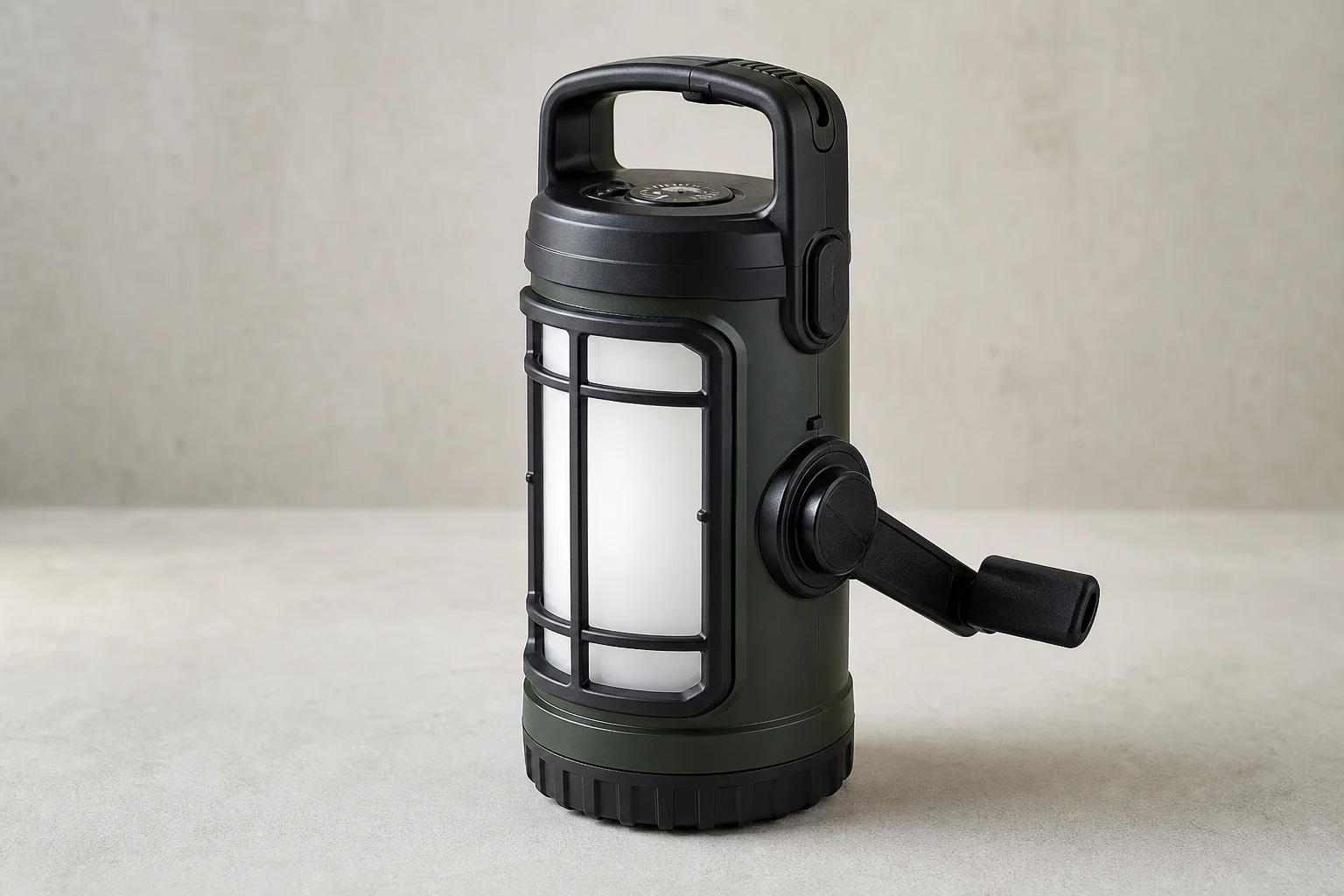
Brightness is the reason to consider the Lighthouse 600. It earned a perfect score in that category and measured close to 1,000 lumens at maximum, well above its 600 lumen rating. At that setting the shine radius reached 13.3 feet for a lighting area of about 556 square feet, enough to light a large campsite rather than just a tent interior. It also dims down to 2 lumens when you want something soft.
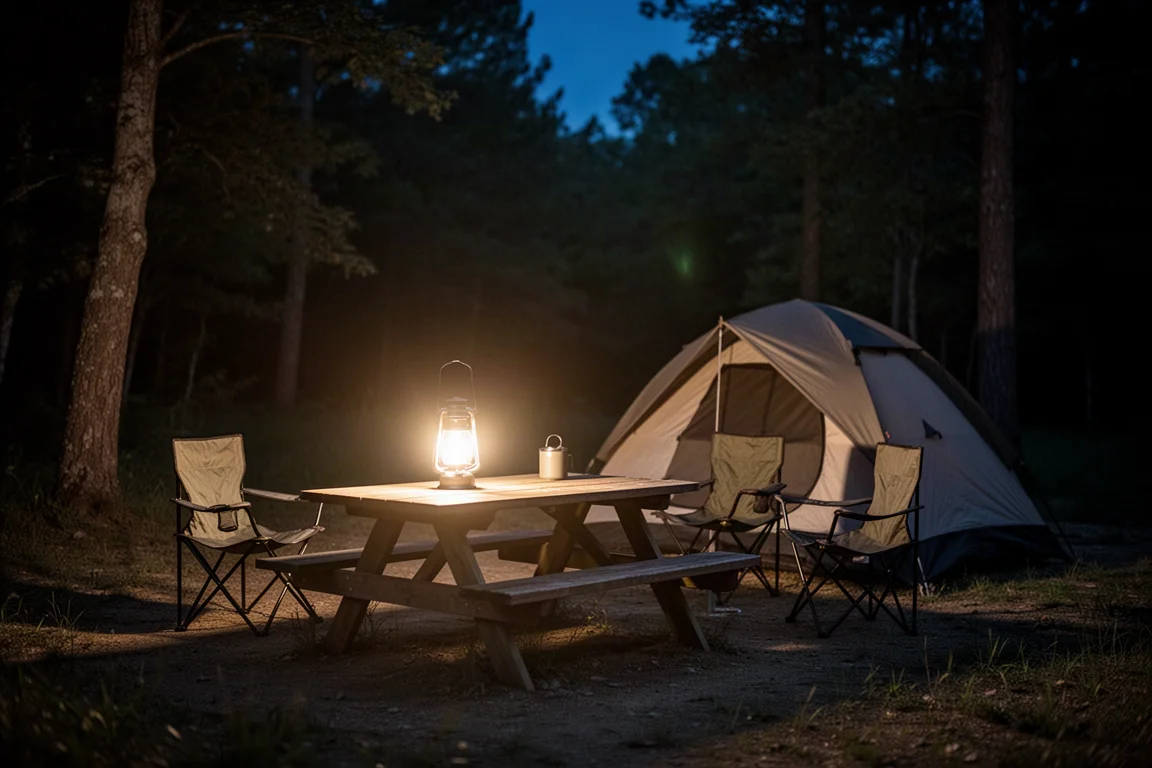
Run time at full brightness is only about two and a half hours, and the rest of its results were average rather than outstanding. One feature is unique in this group: a dynamo hand crank, intended to provide around ten minutes of low-power light from a minute of cranking.
If you need maximum light output rather than all-round balance, this is the lantern to pick.
Black Diamond Apollo: A Long-Serving Honorable Mention
The Apollo earns an honorable mention for longevity rather than test scores. After roughly four years of regular use and plenty of drops, it still works, and the only function that has stopped is phone charging. A single front button provides continuous press-and-hold dimming, one of the better adjustment systems in the group, and it can accept external batteries in addition to USB charging.
It is rated IPX4, so it handles rain but not powerful water jets, and water collected around its ports during testing without getting inside. With brighter, more durable, and more waterproof options now available, it makes more sense as a dependable backup than a first pick.
Goal Zero Lighthouse Mini: Best Budget Pick
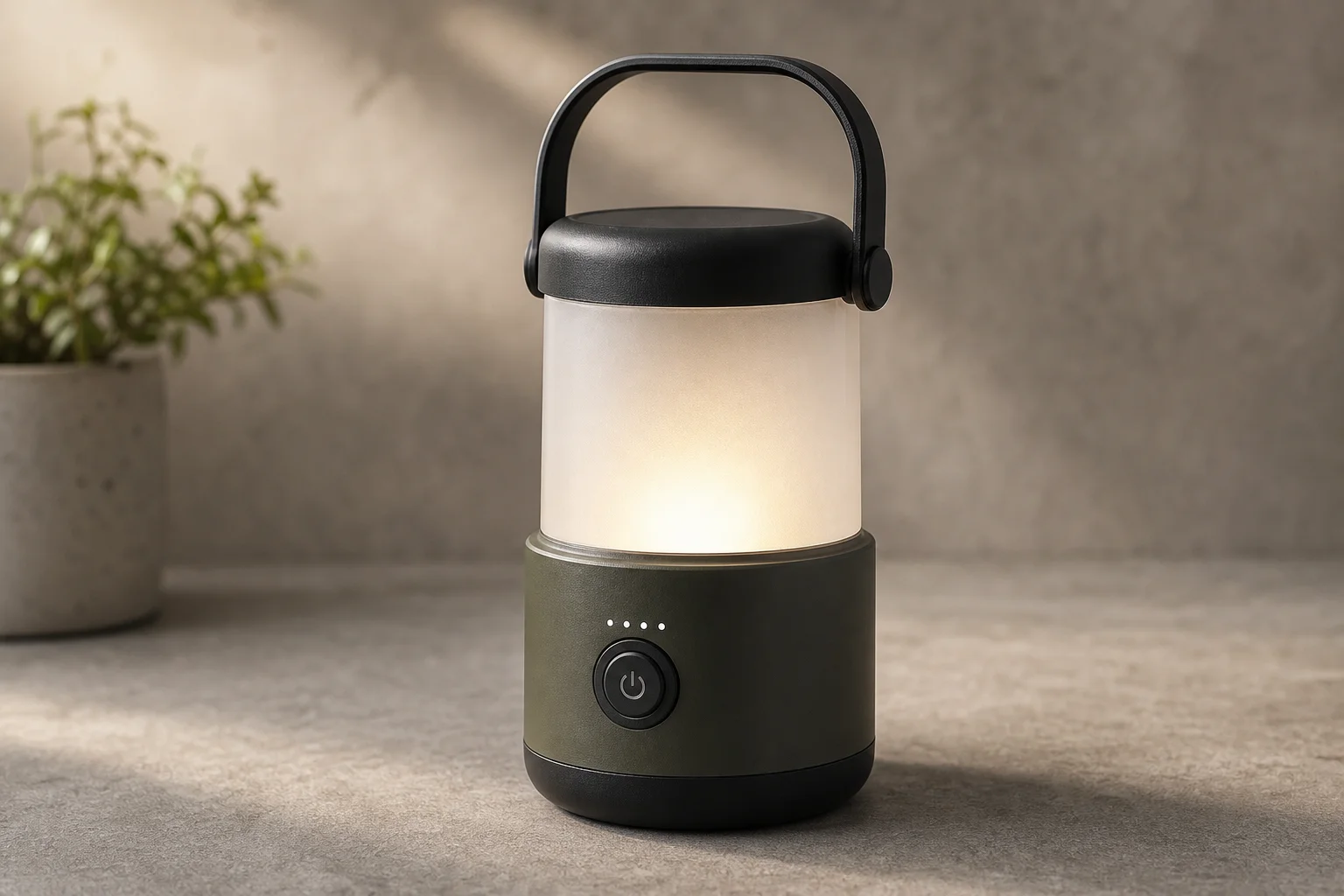
At about $40, the Lighthouse Mini is roughly half the price of most lanterns in this group and the most affordable route to a dependable rechargeable light. Its standout result is run time: on the dimmest setting it ran for 616 hours, or 26 days, without needing a charge.
Performance elsewhere is simply adequate, with no category where it leads. If budget is the priority and you do not need a wide range of features, it is a sensible entry point.
Barebones Railroad Lantern: Best Vintage Look
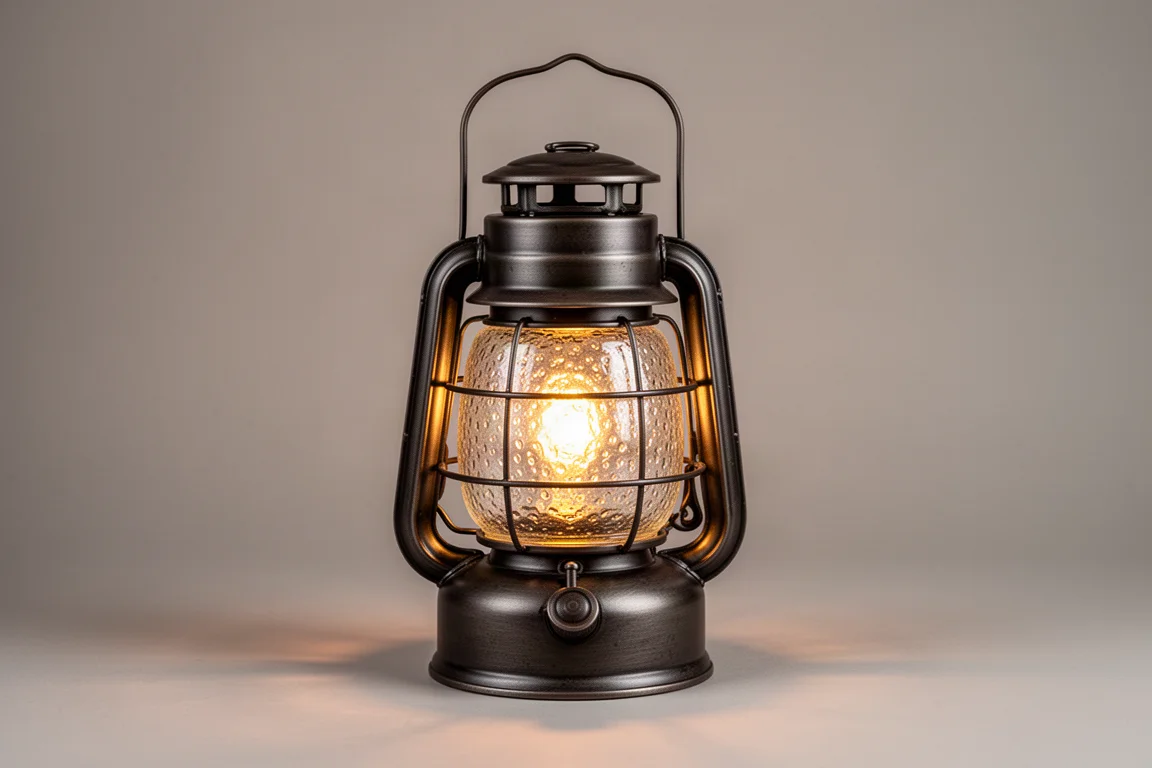
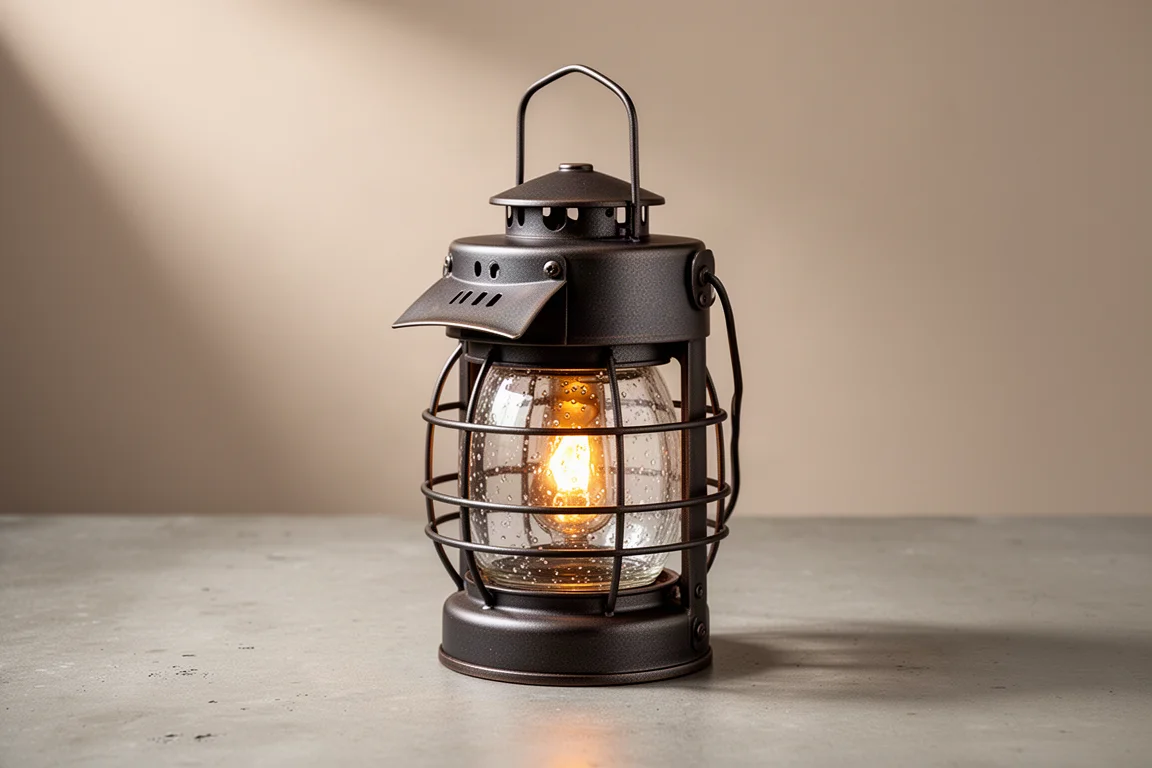
This one is chosen for looks rather than test results. It has the vintage railroad styling that no other lantern here offers, and it is bright with an impressive run time, but it is light on features and not waterproof at all. Its replaceable battery is proprietary, so replacements have to come from the brand.
Two practical points in its favor: it is the only lantern in the group that ships with a USB-C cable rather than micro USB, and its glass globe survived a hand-height drop without a single crack. It has no charge-out port, so it cannot top up a phone, and it is the most expensive lantern tested. Buy it for the aesthetic, not for the spec sheet.
LuminAID PackLite Max: A Solid Alternative Solar Lantern
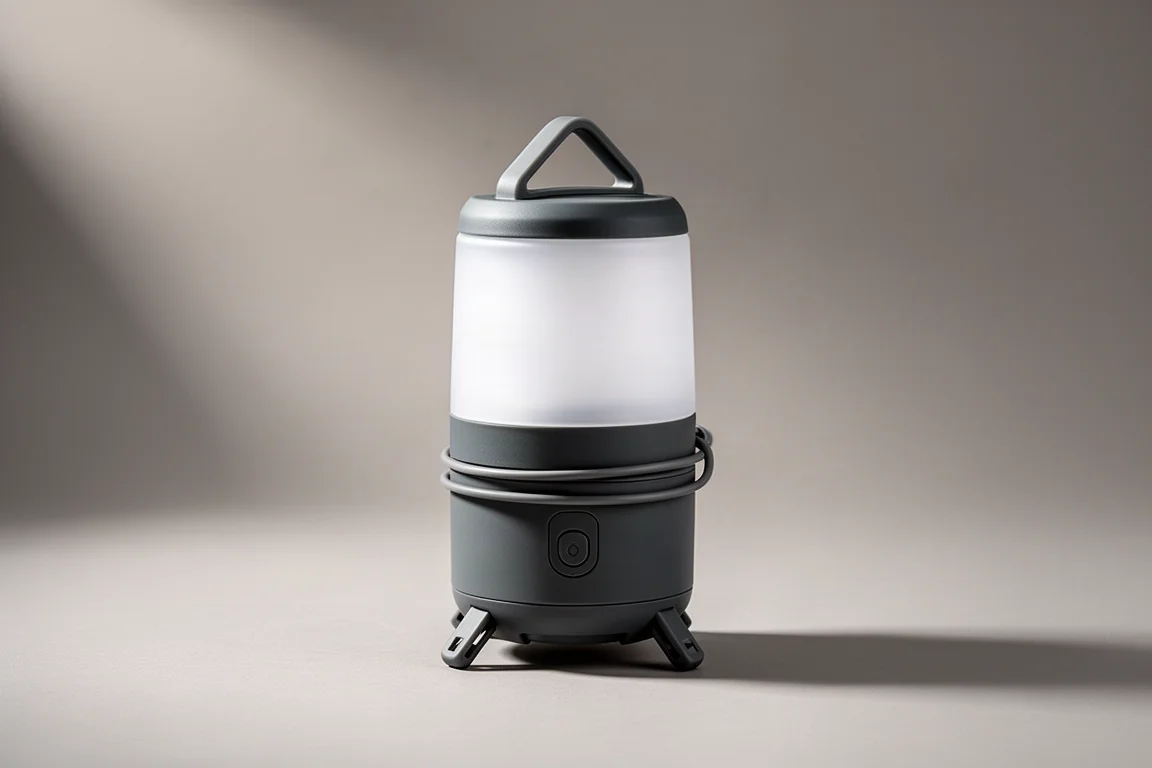
The PackLite Max is a competent solar lantern and a reasonable alternative if neither the Titan nor the Base Light appeals. It carries the same IP67 rating as the other solar models and a 2,000 mAh battery, which is half the capacity of the Titan and the Base Light. Its solar panel is about 66 percent smaller than the Titan’s, so solar top-ups take longer to accumulate.
Mpowerd Luci Pro: Skip It for Light Quality
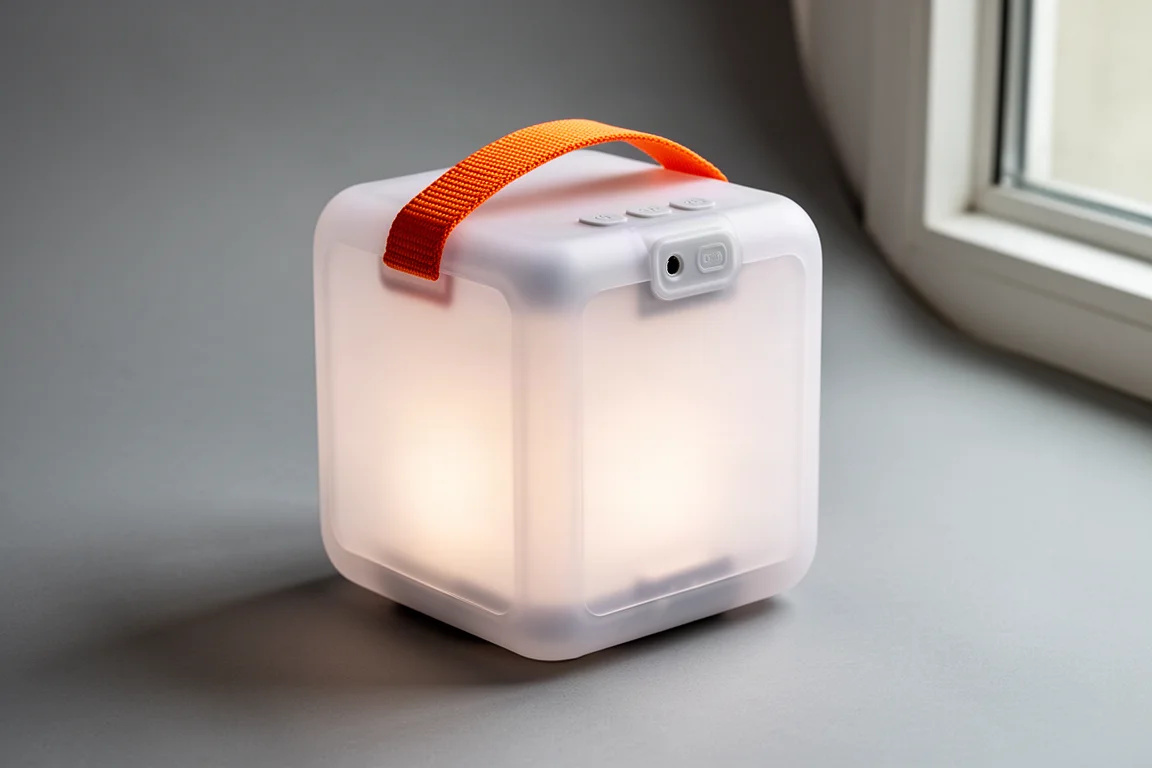
The Luci Pro is the one lantern here that is hard to recommend. Its light quality is poor: the output is glaring because there is no frosted diffusion layer to soften it, which makes it uncomfortable to use at close range. It has a 2,000 mAh battery, an IP67 rating, and the smallest solar panel of the four solar lanterns, roughly 90 percent smaller than the Titan’s. The other solar options in this group are better in every way that matters.
Goal Zero Lighthouse Core: Nothing Stands Out
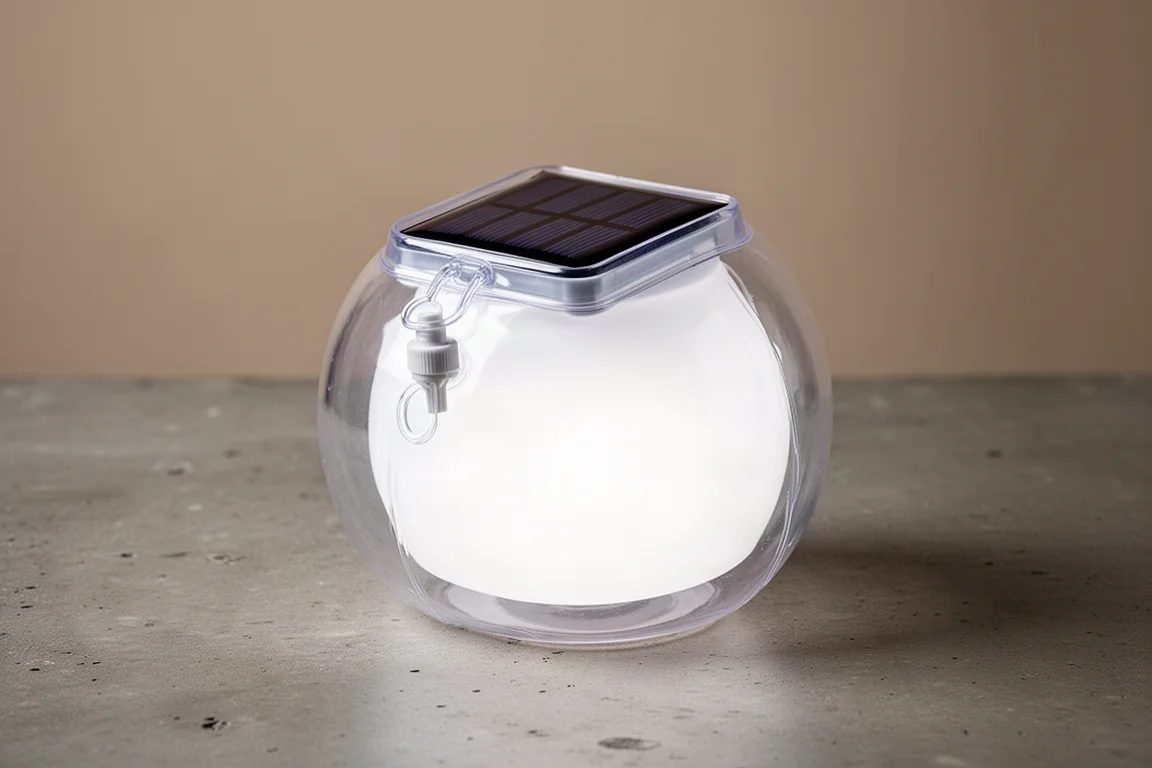
The Lighthouse Core is not a bad lantern, but nothing about it stands out enough to choose it over the alternatives. It has about 10 percent more battery capacity than the Base Light yet delivered only one full phone charge in testing, and it left 40 hours of usable light on the dimmest setting after that. It has no IP rating, so it should be kept out of heavy rain.
Coleman Rugged: The Weakest Performer
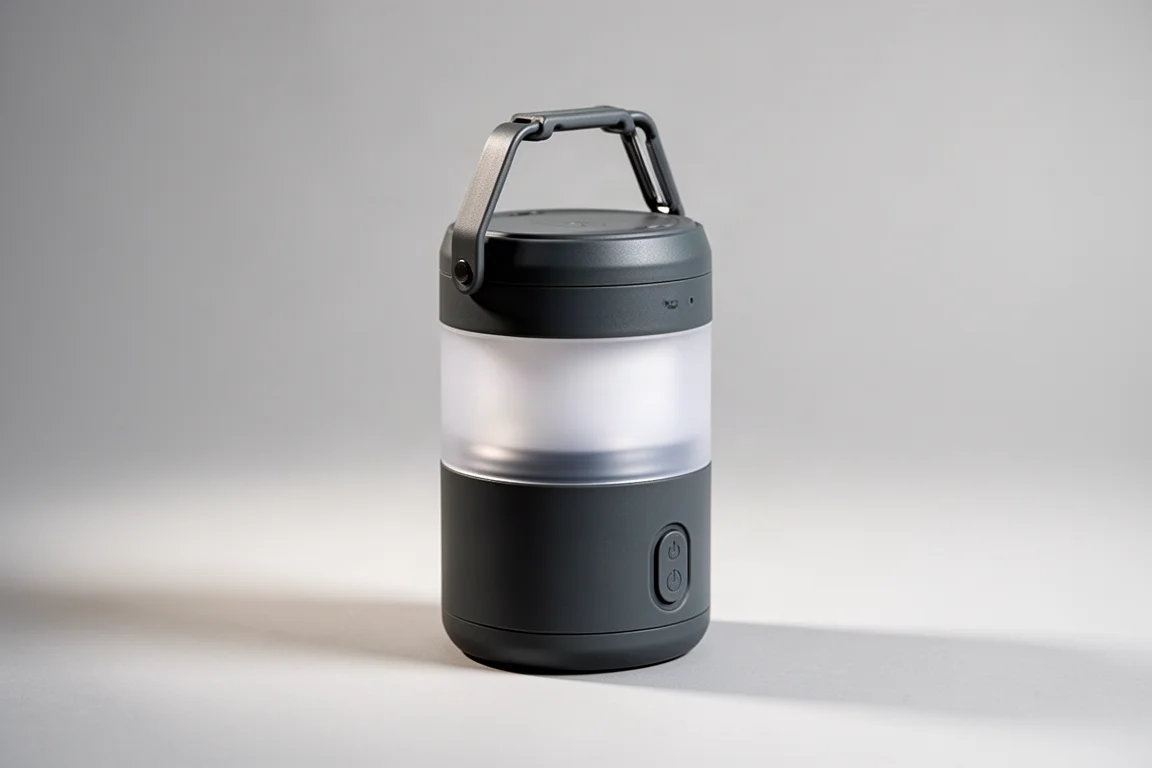
The Coleman Rugged finished last, with no category scoring in the green. It has a single handle and essentially no other features, and while it carries an IPX4 rating, water found its way inside during a heavy rain test, which suggests the rating overstates its real-world protection. There is little reason to choose it unless you are committed to the brand.
Buying Advice: Matching a Lantern to Your Camping Style
The right lantern depends far less on the highest overall score than on what you actually do after dark. If you want one lantern that does everything well, the Ledlenser ML6 is the safest answer, with the widest feature set, the strongest warranty position, and a removable battery that can be replaced instead of the whole unit. If your evenings are about atmosphere rather than emergencies, the BioLite AlpenGlow 500 delivers more color and light modes than anything else here, just accept the shorter warranty.
For trips where charging from a wall outlet is uncertain, the solar group matters more. The LuminAID PackLite Titan charges fastest and runs longest, while the Mpowerd Base Light is lighter and more watertight for a lower price. If budget is the deciding factor, the Goal Zero Lighthouse Mini covers the basics at roughly half the cost, and if raw brightness is the goal, nothing here matches the Goal Zero Lighthouse 600.
Two practical checks before you buy: look at the warranty length, since it ranges from one year to the longest coverage in the group, and confirm whether the battery is user-replaceable, because a lantern with a sealed cell becomes disposable once capacity fades. Also confirm the charging port standard, since only one lantern in this group uses USB-C.
Conclusion
The rechargeable lantern market rewards a little patience. The Ledlenser ML6 is the strongest all-round choice with a top score of 8.3 out of 10, the BioLite AlpenGlow 500 is the pick for anyone who wants the most lighting modes, and the LuminAID PackLite Titan is the clear winner for solar charging and lighting area. At the other end, the Coleman Rugged is easy to skip, and the Mpowerd Luci Pro is held back by glaring light quality.
Choose the lantern that matches how you camp, and a single charge will comfortably cover a weekend of evenings.
Further reading
Related Reviews
Camping Lanterns
Barebones Railroad Lantern Review: A Vintage-Style Lantern That Beats Its Own Specs
A detailed look at the Barebones Railroad Lantern, covering measured brightness and runtime, charging behavior, weather resistance, and what to know before buying.
Camping Lanterns
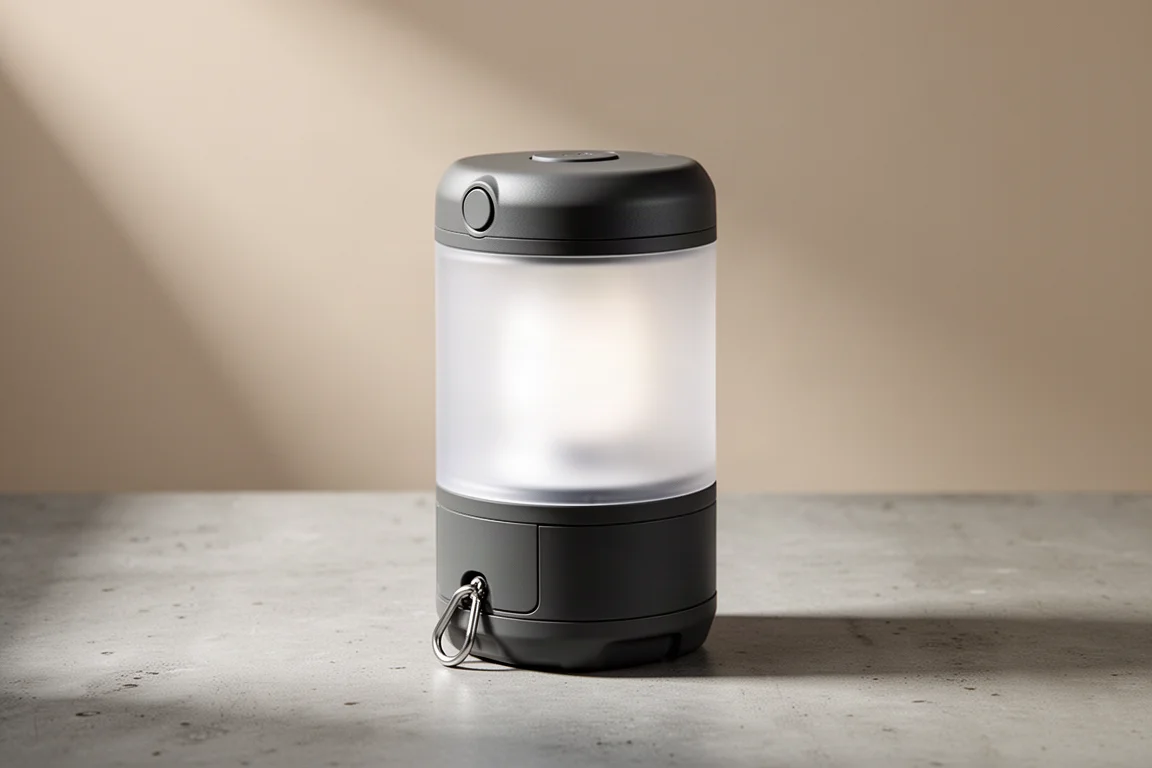
BioLite AlpenGlow 500 Review: A Versatile Rechargeable Camping Lantern
A rechargeable camping lantern with thirteen lighting modes, a 6,400 mAh power bank, and long measured runtimes, plus the warranty and safety trade-offs worth weighing first.
Camping Lanterns
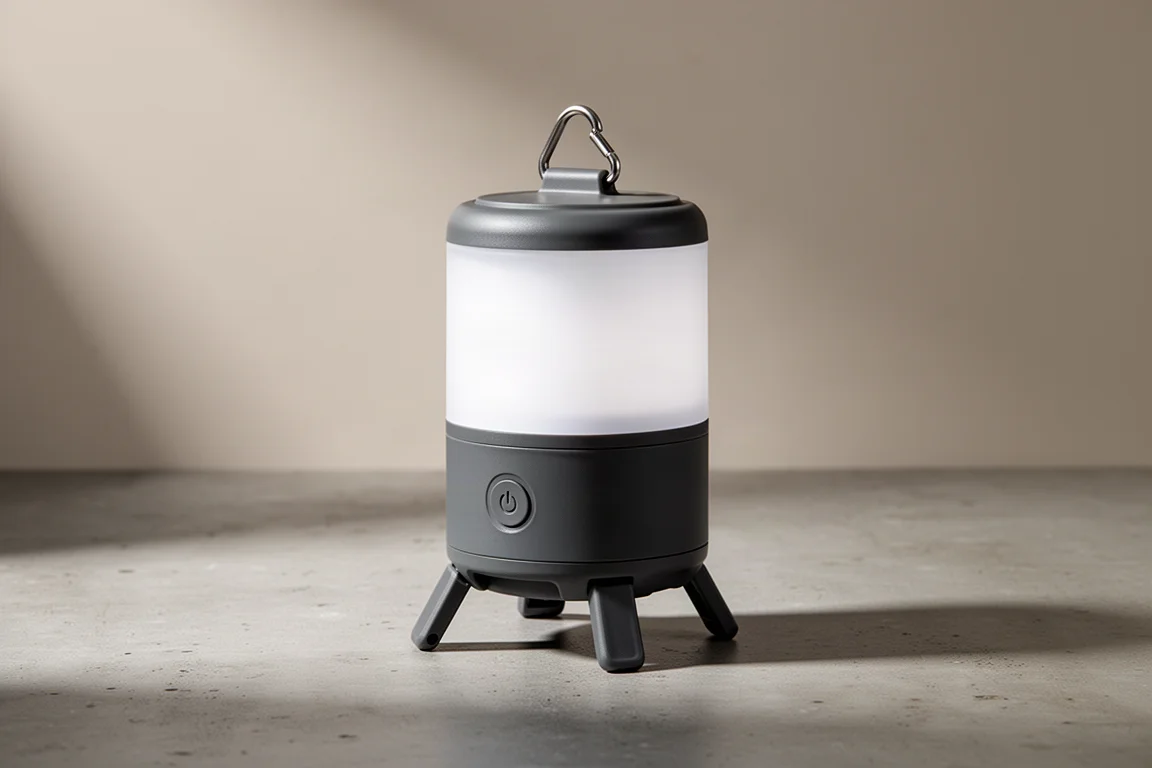
Black Diamond Apollo Review: A Reliable Camping Lantern With Two Power Sources
A long-term look at the Black Diamond Apollo, covering measured light output, run time, build quality, and the trade-offs worth knowing before you buy.