Camping Lanterns
Soto ST-260 Butane Lantern Review: Compact, Regulated Camp Light
A compact butane lantern with a built-in regulator, long runtime, and a warm table-top glow. Here is what to know before buying.
Introduction
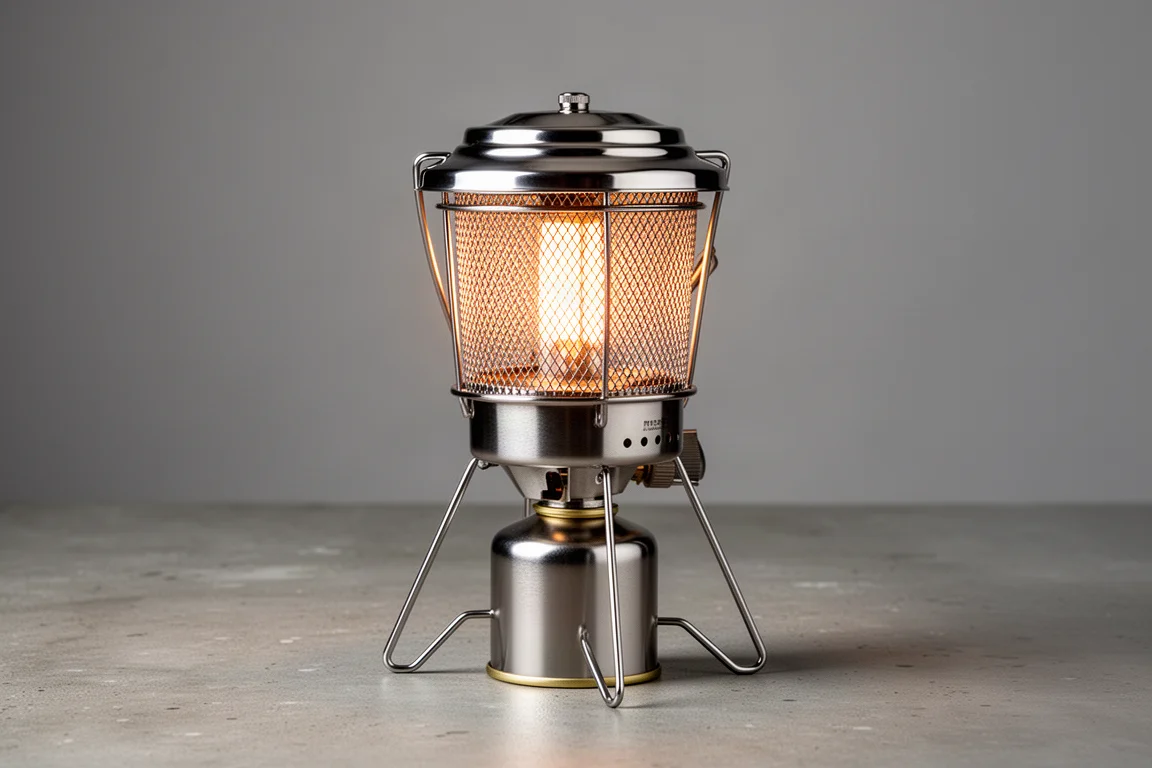
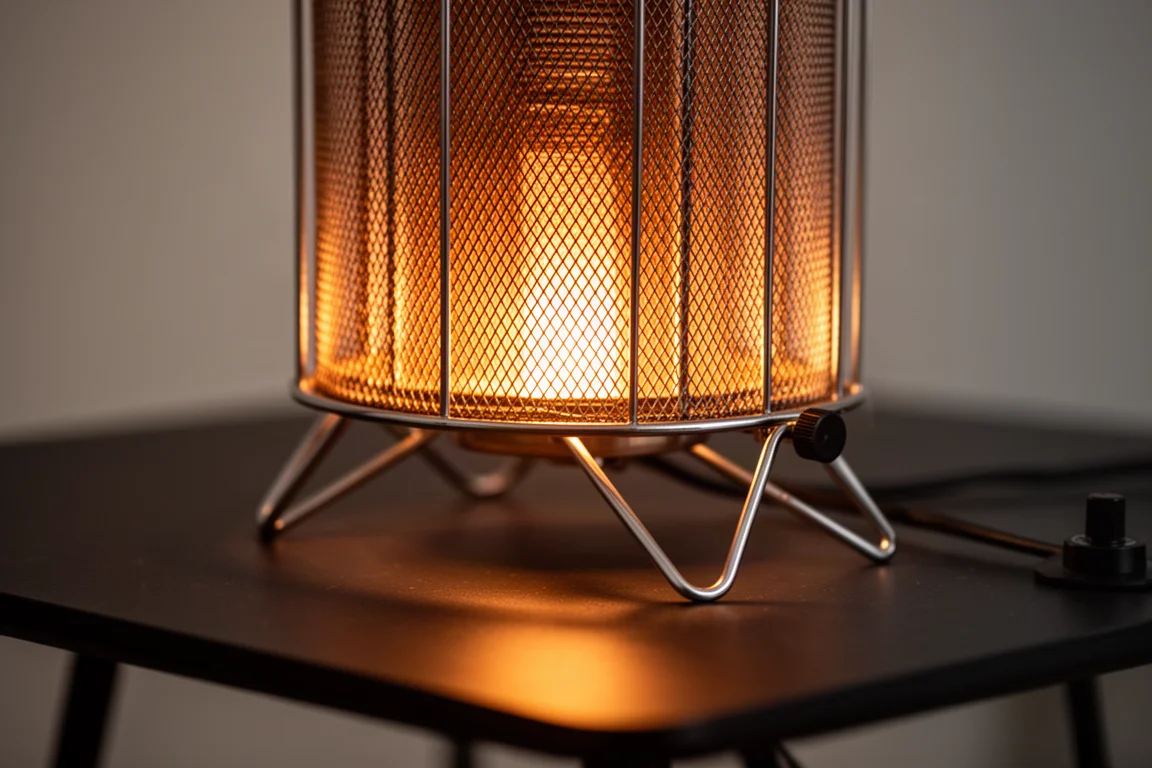
The Soto ST-260 is a compact butane lantern built around a cassette-style canister. It uses a stainless steel body, a heat-resistant mesh cage around the mantle, a stainless steel top, an electronic ignition, and two folding legs that lock into place. A control knob on the side adjusts brightness smoothly from a dim glow up to full output. The complete kit, including the soft storage bag, weighs about 9.5 ounces, which is closer to a backpacking stove than to a traditional camping lantern.
The design comes out of the Japanese camping tradition, where cassette-style butane lanterns and stoves are common. Connecting a canister takes a few seconds: line up the groove on the lantern with the notch on the canister, push them together, and lock. The lantern ships with three Soto mantles and a storage bag.
Dimensions are modest. From the edge of the adjuster to the canister connection point the lantern stands about five inches tall, and the legs spread roughly four and a quarter inches from tip to tip. Once a canister is attached, the assembly gains the length of the can.
Who This Lantern Is For
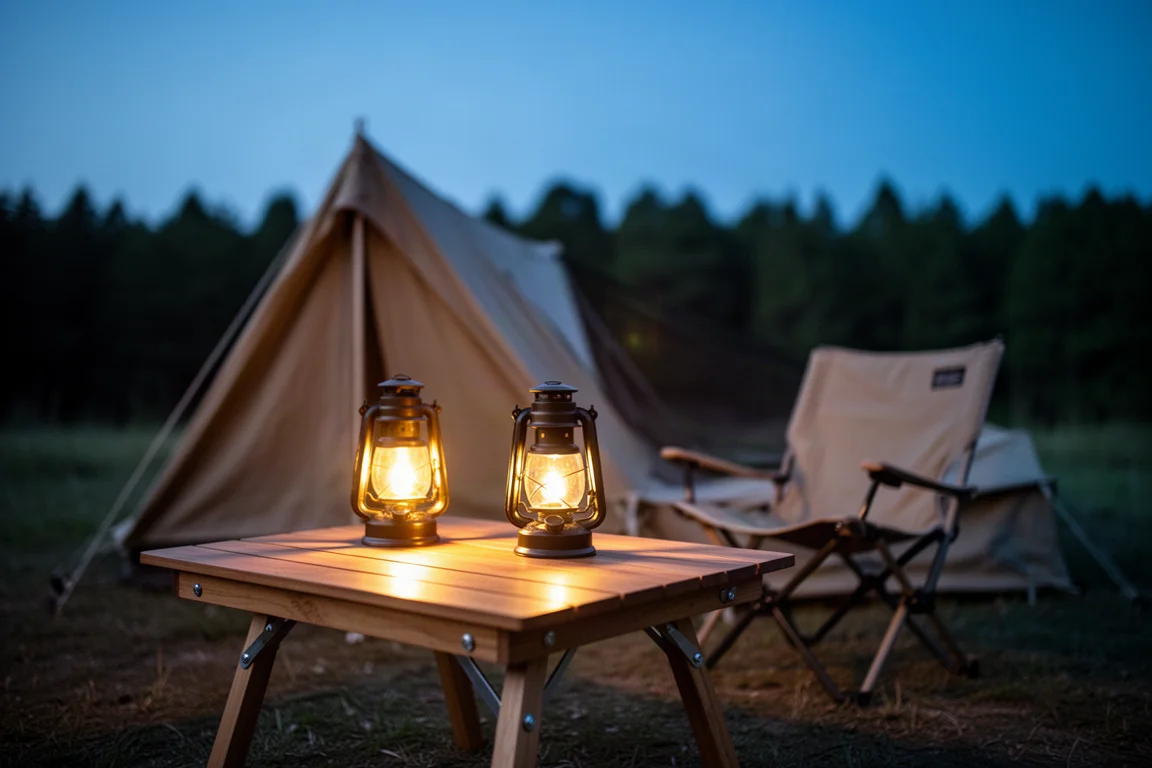
This lantern suits campers, backpackers, and car campers who want a warm, steady light for a small area rather than a floodlit campsite. With the legs folded out and a canister attached, it takes up very little room on a table, and it can be carried inside a vehicle, a cabin, or a tent. It is also a sensible option for emergency lighting at home when the power goes out, since butane canisters are easy to store and swap.
Because the light is designed to sit on a flat surface and spread outward and downward, it works best for one to three people sitting close together. Anyone hoping to illuminate a large picnic table or a wide campsite will find the reach limited.
Main Strengths
Build quality is the first thing that stands out. Stainless steel is used for the body and the top, and the mesh surrounding the mantle is heat resistant. The folding legs lock firmly and the lantern sits stably on a table. Setting it up and breaking it down takes seconds, and the adjuster gives fine, predictable control over brightness, so it works as a dim reading light or a brighter work light.
The electronic ignition is convenient rather than perfect. Igniters of this type can be inconsistent, and this one sometimes needs an extra click or two before the mantle catches. It still saves carrying matches, but it is worth having a backup flame source in your kit.
The Built-In Regulator Keeps Output Steady
A built-in regulator is the feature that separates the ST-260 from simpler butane lanterns. Cold fuel lowers pressure, and an unregulated lantern dims as a result. With a regulator in the fuel path, output stays consistent in colder conditions, which matters for anyone camping in shoulder-season or winter weather.
The regulator also adds a safety margin. If an unregulated lantern tips over, liquid fuel can escape and flare up. Because the ST-260 regulates gas flow, knocking it over does not produce that kind of flare. That makes it a more comfortable choice for use in a tent, a vehicle, or a cabin, alongside the normal ventilation precautions that any fuel-burning appliance requires.
Fuel Efficiency, Heat, and Mantel Life
Runtime is generous for a lantern this size. A full butane canister lasts a little over three and a half hours at the highest setting. At a moderate setting, which is how most people will run it, a single canister stretches past six hours.
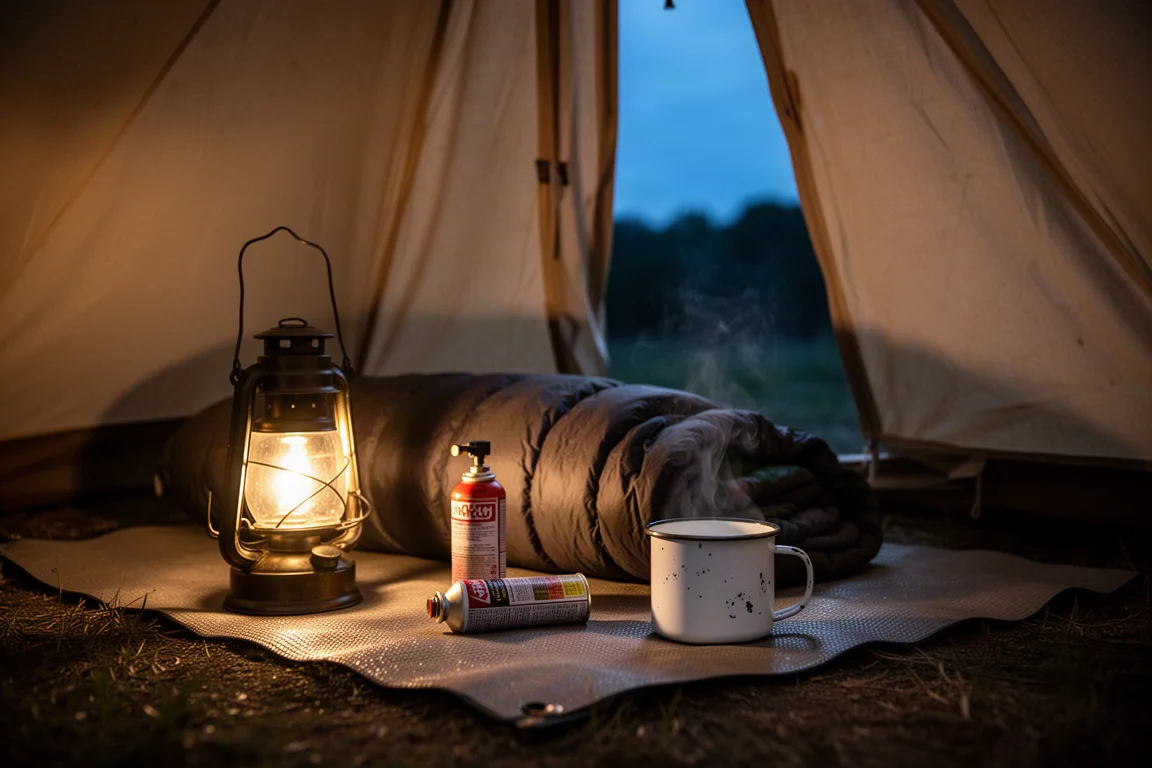
The lantern also gives off a noticeable amount of heat. In Japan, lanterns of this type are used both to light tents and to take the chill off them, and there are stove accessories designed to sit over this kind of lantern for cooking, although cooking on it would be slow. Warming a small space or reheating a drink is the realistic limit.
The mantle is a consumable part, but it lasts well. One mantle can hold up for around two years of regular use before it starts to break apart. Replacing it is simple: the top lifts off, the old mantle comes away, and the new one is fitted over the burner like a wick. The first burn-in looks dramatic, with the mantle glowing as it settles into shape, but that is the normal process. Three spare Soto mantles are included.
Things to Consider Before Buying
The clearest limitation is that there is no hanging point. The ST-260 has to sit on a flat surface, and the light spreads around and just below the lantern rather than being raised high and directed downward. That keeps the useful coverage small, which is fine for one to three people sitting close by but not for lighting a whole campsite or a large table.
The storage bag offers almost no protection for the lantern or the mantle. A hard case would suit a product designed to be carried, and until one is available, careful packing matters.
The igniter can be finicky and may need several clicks. A lighter is a reasonable backup.
Availability is worth planning around as well. At the time of writing the lantern sells for about $75 on Amazon, and orders typically ship from Japan with a delivery window of roughly two weeks. That is not an issue if you are not in a hurry, but it is worth knowing before you count on it arriving for a trip the following weekend.
Buying Advice
The ST-260 makes sense if you want a compact, well-made butane lantern with steady regulated output, long runtime, and a warm light that suits a tent, a vehicle, or a small table. It is a particularly good match for backpackers who already carry a butane canister stove, since the same canister can power both, and for anyone who wants a lantern that also takes the edge off the cold.
It is less suitable if you need to hang your light, if you want to illuminate a large group area, or if you expect a protective case in the box. Buyers who want maximum brightness may prefer a larger model, since Soto offers brighter lanterns in the same family.
For everyone else, the combination of careful construction, a built-in regulator, and roughly six hours of moderate runtime from a single canister makes this an easy lantern to live with. If the coverage suits the way you camp, there is very little to work around.
Conclusion
The Soto ST-260 is a small butane lantern that trades raw brightness for consistency, safety, and a compact, well-built package. The regulator keeps output steady in cold weather and reduces the risk of a flare-up if the lantern is knocked over, runtime is long enough for several evenings of camping on one canister, and the mantle lasts far longer than most people would expect.
The trade-offs are equally clear: no hanging point, limited spread of light, a storage bag that offers little protection, and an igniter that occasionally needs a second click. None of those are deal-breakers for the right buyer. If you want a dependable, portable lantern for a tent, a vehicle, a cabin, or an emergency at home, this one earns its place in the kit.
Product link
View more details for Soto ST-260 Butane Lantern
This product is mentioned in the review. Check the specifications, options, and compatibility before buying.
View more details for Soto ST-260 Butane LanternFurther reading
Related Reviews
Camping Lanterns
Barebones Railroad Lantern Review: A Vintage-Style Lantern That Beats Its Own Specs
A detailed look at the Barebones Railroad Lantern, covering measured brightness and runtime, charging behavior, weather resistance, and what to know before buying.
Camping Lanterns
Best Rechargeable LED Camping Lanterns 2026: 12 Lanterns Compared
Twelve rechargeable LED camping lanterns measured for brightness, run time, features, ease of use, durability, and portability, with clear picks for every kind of camper.
Camping Lanterns
BioLite AlpenGlow 500 Review: A Versatile Rechargeable Camping Lantern
A rechargeable camping lantern with thirteen lighting modes, a 6,400 mAh power bank, and long measured runtimes, plus the warranty and safety trade-offs worth weighing first.