Camera Reviews
Sony ZV-1 Vlogging Camera Review: Strong Concept, Real Limitations
The Sony ZV-1 is built for spontaneous vlogging with a pocketable design and fast autofocus, but battery life, menu complexity, and a lens that is not quite wide enough hold it back from being an easy recommendation.
Introduction
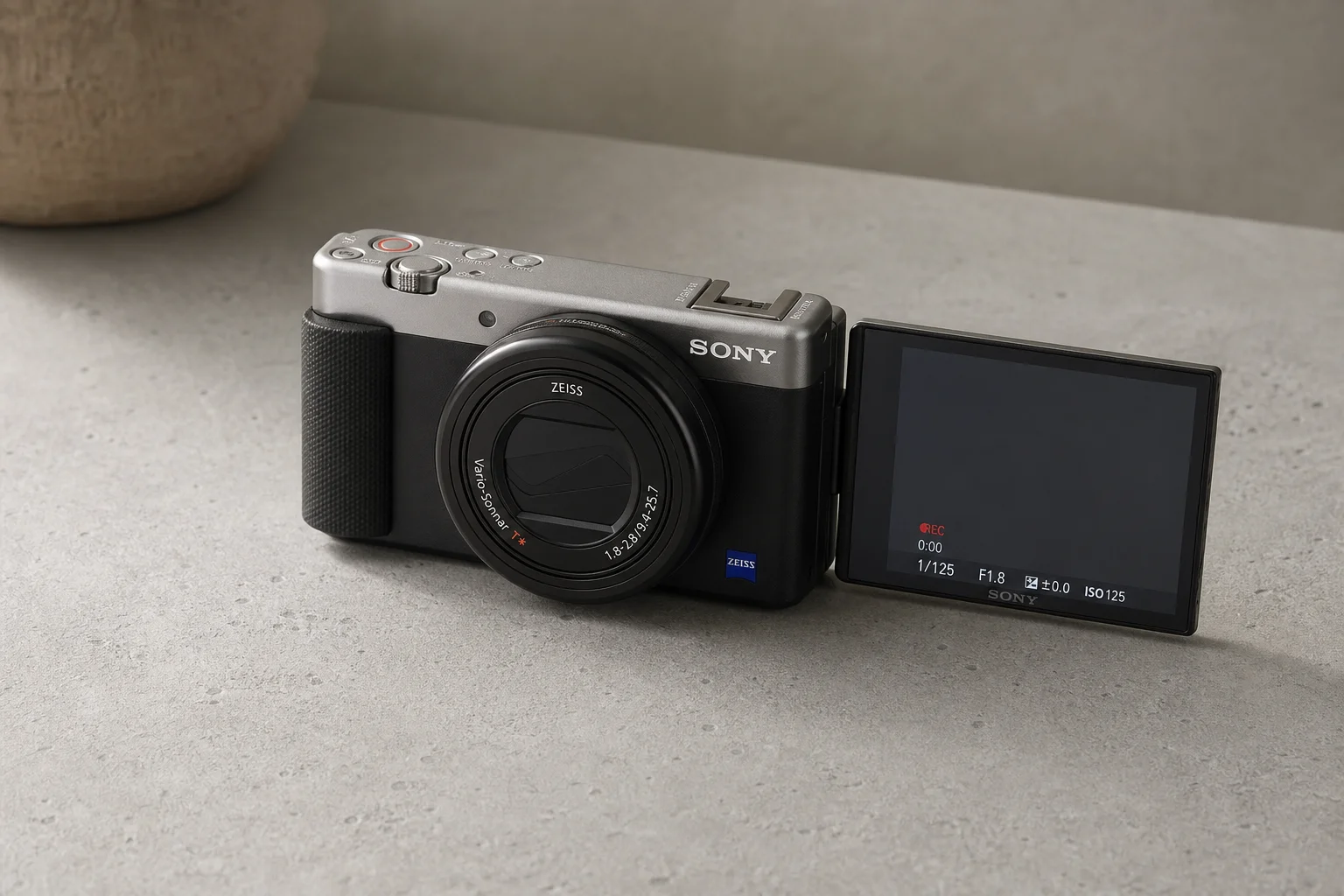
The Sony ZV-1 is a compact vlogging camera designed to be pulled from a pocket and ready to film within seconds. It combines a fixed 24-70mm equivalent lens, fast autofocus, and a flip-out screen in a body small enough to carry anywhere. For creators considering a step up from a smartphone, it presents an interesting alternative. However, several practical limitations make it a harder sell than its concept suggests.
Design and Ease of Use
The ZV-1’s strongest feature is its form factor. It is genuinely pocketable, and the flip-out screen serves as both the power switch and the primary control interface. This design choice means you can have the camera rolling within seconds of pulling it from your pocket, faster than most other dedicated cameras or even some phones.
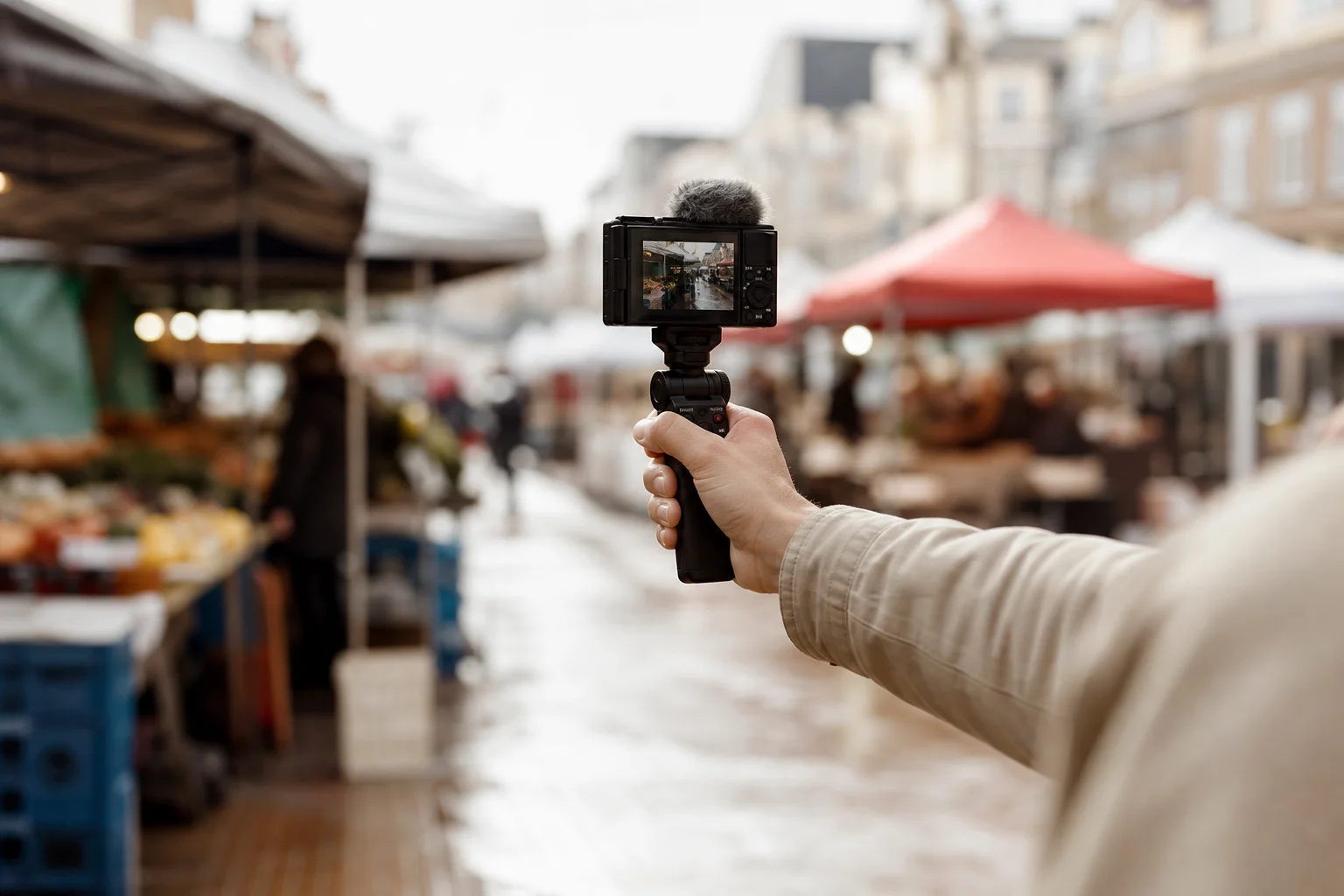
The dedicated photo and video button eliminates the need to navigate menus to switch between modes, which is a thoughtful touch for spontaneous shooting. The overall industrial design prioritizes speed and accessibility over deep manual control, which works well for creators who want to capture moments without fussing with settings.
Lens and Image Quality
The 24-70mm equivalent focal length covers most everyday framing needs. At the wide end, the lens is approximately wide enough to frame a single face or two people standing close together, but not quite wide enough for comfortable vlogging where you want to show more context around yourself. At full arm’s length, the top of the head gets cut off, which is a notable limitation for a camera marketed as a vlogging tool.
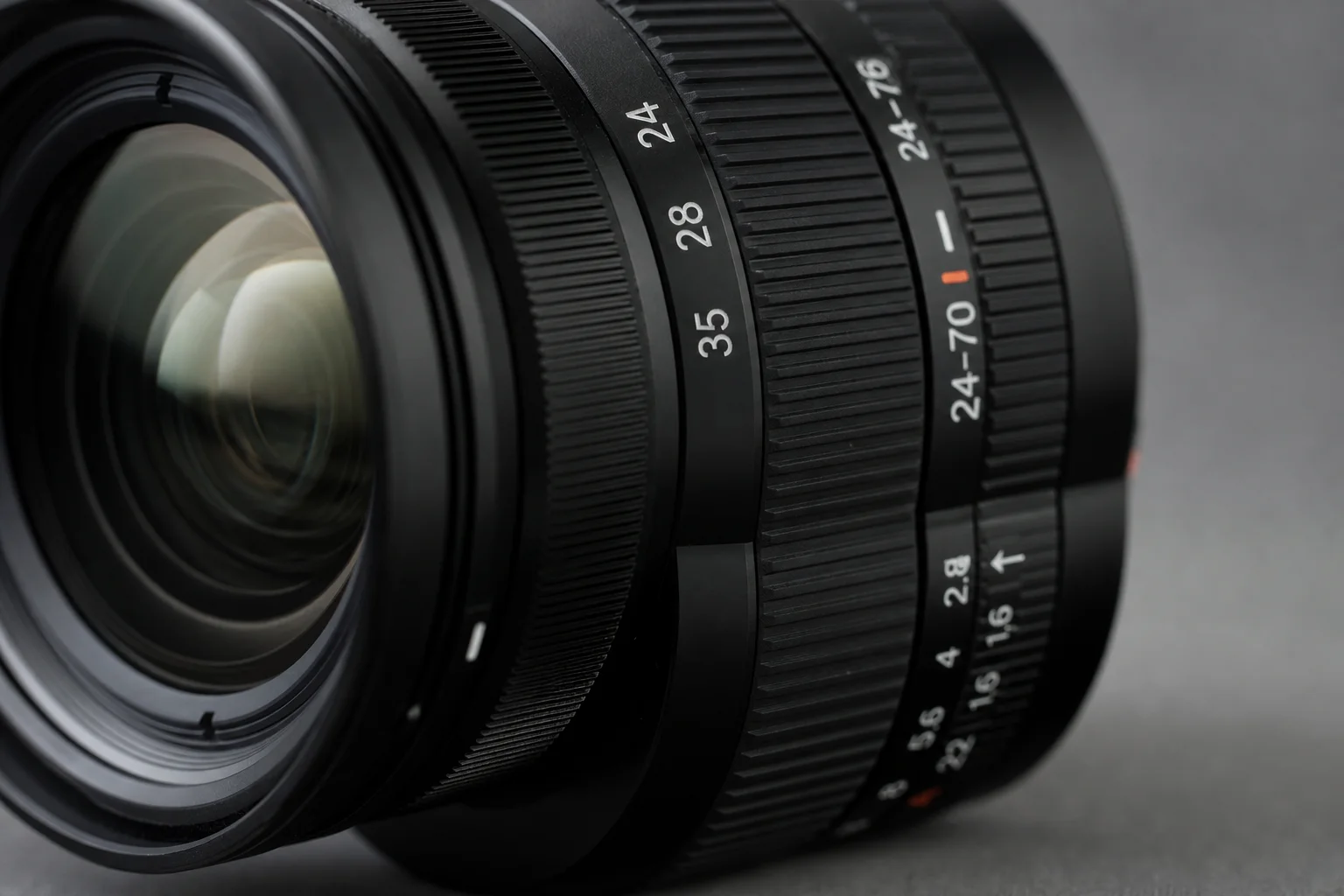
The variable aperture ranges from f/1.8 at the widest focal length to f/2.8 at the longest, allowing decent light gathering and background blur. A dedicated button automatically adjusts settings to maximize background blur, which is useful for the aesthetic many vloggers pursue. The autofocus is genuinely impressive, rarely hunting for focus and intelligently switching between faces and objects being shown to the camera. Image quality out of the camera is strong, and the lens produces sharp, well-balanced results without heavy post-processing.
Audio Considerations
The internal microphone is adequate for close-range recording but loses clarity quickly as distance increases. For serious vlogging, an external microphone is recommended. The camera includes a small windscreen that mounts on the hot shoe, which is a practical inclusion that would normally require a separate purchase. For handheld work, the internal mic collects ambient sound somewhat indiscriminately, which can muddy dialogue-heavy content.
Stabilization and Handheld Performance
The ZV-1 uses digital stabilization, which requires cropping the image to function. This creates a trade-off: you can choose smooth footage or a wider shot, but not both. Additionally, the camera’s small, light body produces noticeable micro-jitter when shooting handheld, similar to cheaper phones and entry-level DSLRs. For creators planning to shoot mostly handheld, this is a real consideration.
Battery Life and Charging
Battery life is the camera’s most significant weakness. A full charge lasts approximately one hour of active shooting, which is inadequate for a device marketed around spontaneity and portability. The camera charges via micro-USB, a choice that feels outdated given the camera’s 2020 release date. While direct-to-body charging is convenient, the micro-USB port limits charging flexibility and speed compared to more modern standards.
For creators planning to shoot throughout a day, carrying multiple batteries or a portable charger becomes essential, which undermines the pocketable convenience the camera otherwise offers.
Menu Navigation and Controls
The ZV-1 has minimal physical buttons, forcing most adjustments through on-screen menus. This design choice makes the camera frustrating to use when capturing moments on the fly. Changing settings requires navigating through multiple menu layers, which discourages real-time adjustments. Most users end up setting the camera once at the start of a day and leaving it in automatic mode, which defeats the purpose of having manual control.
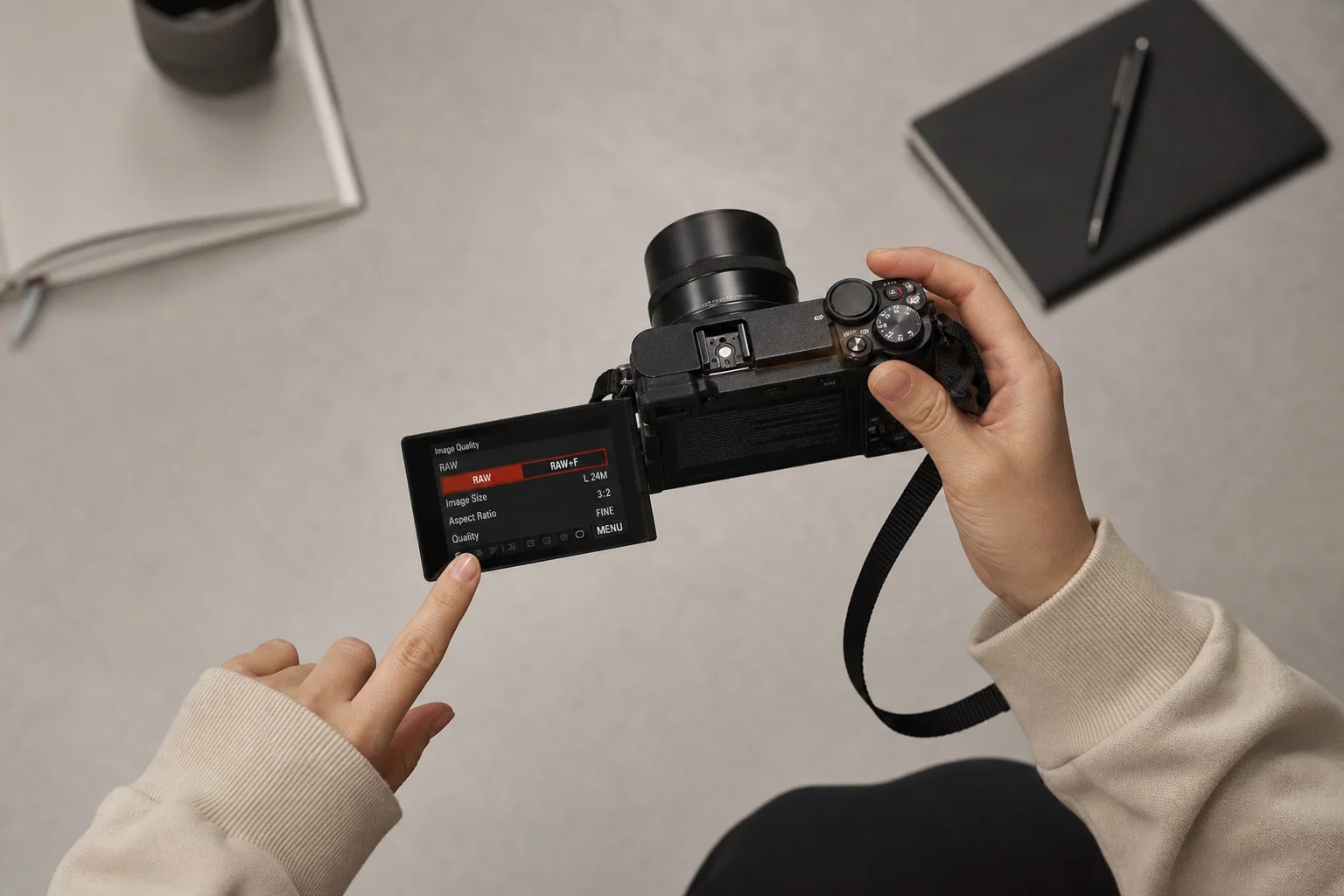
For creators accustomed to cameras with dedicated dials and buttons, the menu-heavy interface feels cumbersome and slow. If you learned to use cameras on this device, the learning curve would likely be discouraging.
Accessories and Value
The optional Bluetooth remote control is not recommended. It feels cheaper than the camera itself and costs approximately 179 Australian dollars. A basic gorilla pod or small tripod offers better value and more versatility at a quarter of the price. The remote’s buttons are rarely necessary for typical vlogging workflows.
Who This Camera Is For
The ZV-1 makes sense for creators who are upgrading from a smartphone and want more control over image quality and framing. It delivers strong lens performance, fast autofocus, and genuine portability. The speed at which you can deploy it and start filming is genuinely useful.
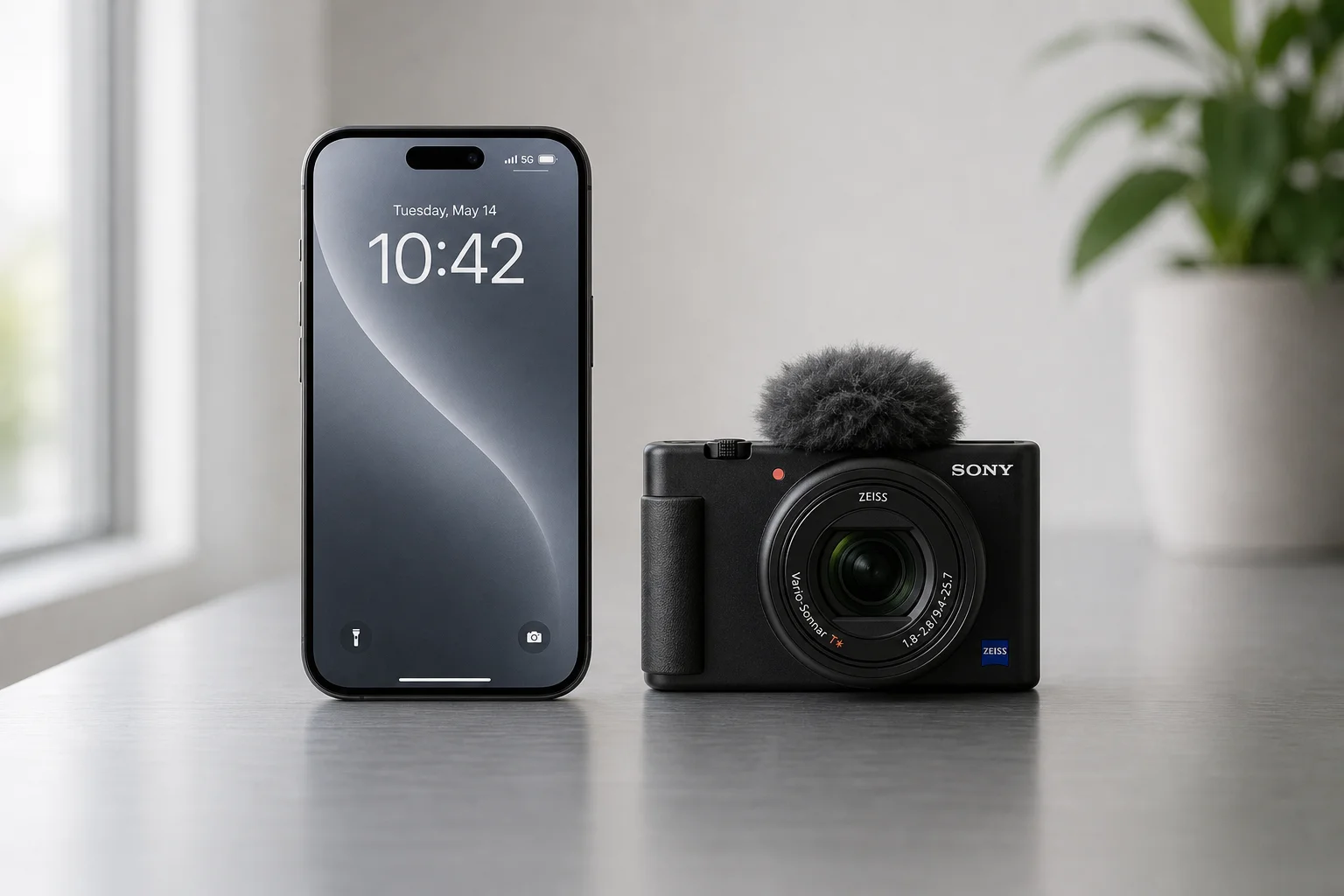
However, the battery limitation, outdated charging port, clunky menu system, and lens that is not quite wide enough for comfortable vlogging create enough friction that most people would be better served by investing in a high-quality smartphone. Modern mid-range phones offer more reliable performance, better battery life, and simpler controls for video creation.
Conclusion
The Sony ZV-1 is a well-intentioned camera that almost delivers on its vlogging promise. The concept is strong, the build is thoughtful, and the image quality is genuinely good. But the battery life is too short, the menus are too complex for spontaneous shooting, and the lens is not quite wide enough for the vlogging use case it targets. For now, a good smartphone remains the more practical choice for most aspiring video creators. The ZV-1 is worth considering if you specifically want a dedicated camera and are willing to work around its limitations, but it is not an easy recommendation.
Product link
View more details for Sony ZV-1
This product is mentioned in the review. Check the specifications, options, and compatibility before buying.
View more details for Sony ZV-1Further reading
Related Reviews
Camera Reviews
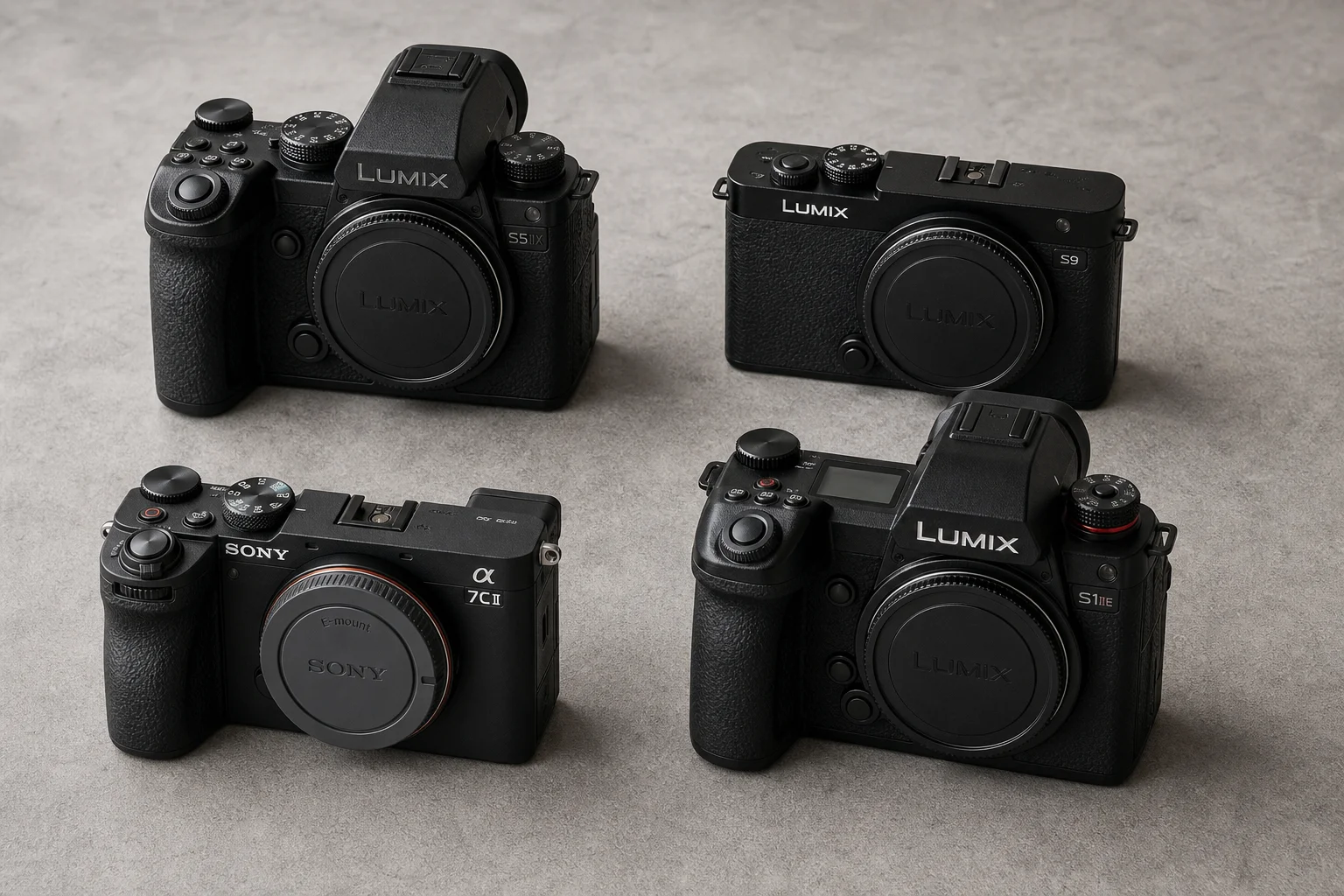
Best Budget Full-Frame Cameras for Video: Four Strong Options Compared
Four full-frame cameras that deliver excellent video capabilities without premium pricing. Lumix leads with unique features, while Sony offers strong autofocus for hybrid shooters.
Camera Reviews
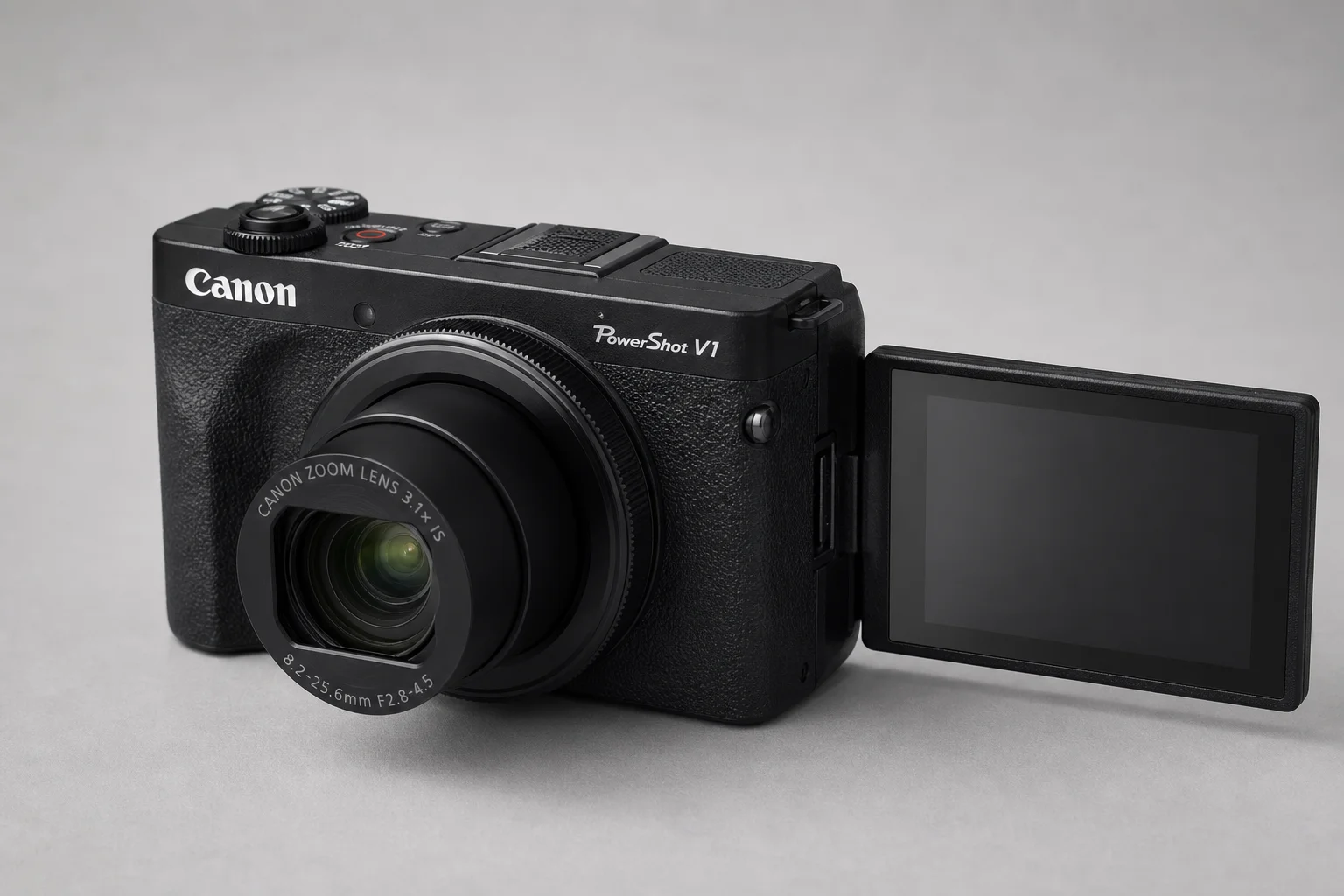
Canon PowerShot V1 Review: A Serious Vlogging Camera with Real Trade-offs
The Canon PowerShot V1 brings a larger sensor and optical stabilization to compact vlogging, but size, battery life, and dynamic range limitations deserve careful consideration.
Camera Reviews
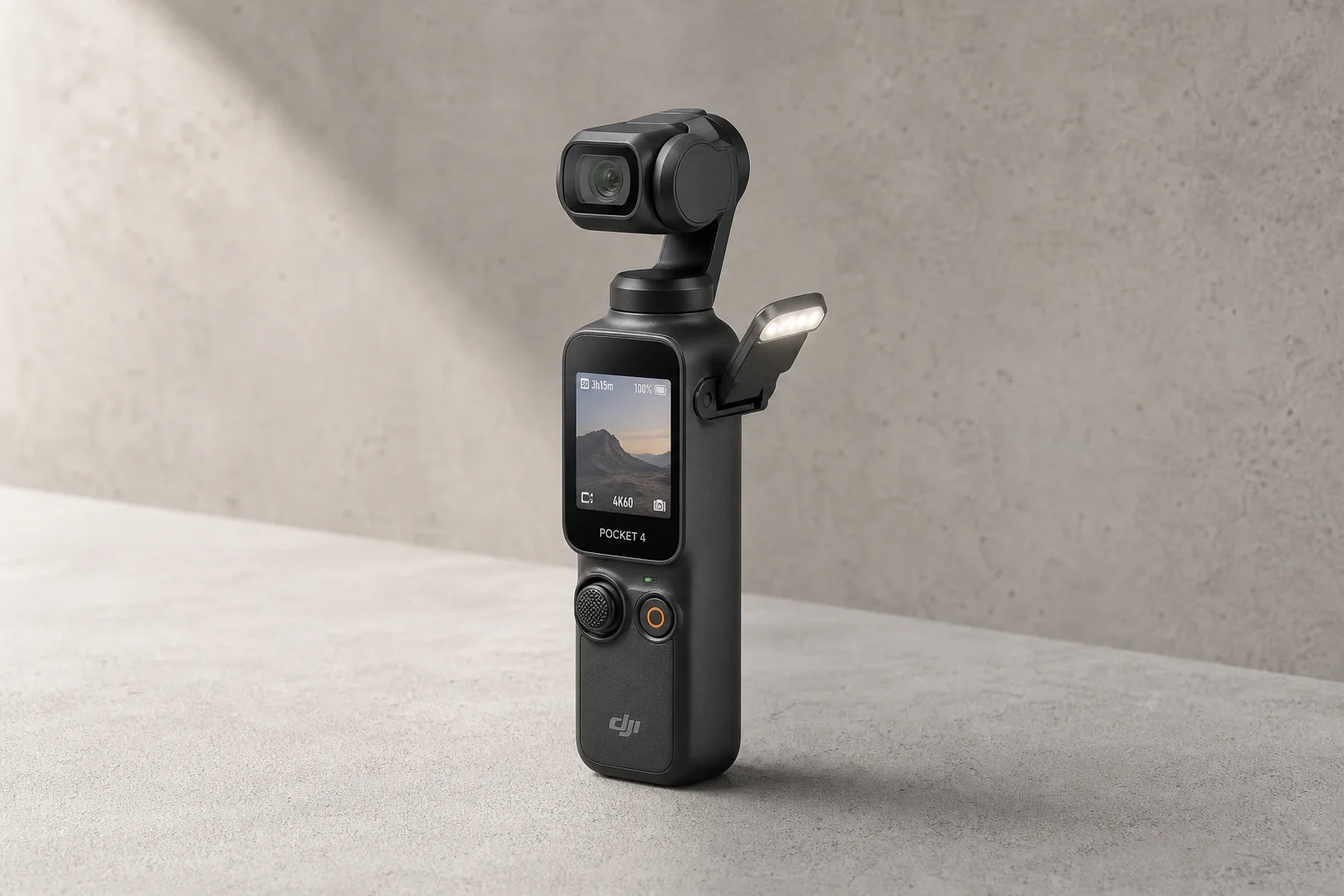
DJI Pocket 4 Review: Compact Gimbal Camera with 1-Inch Sensor and Fill Light
The DJI Pocket 4 brings a 37-megapixel 1-inch sensor, built-in fill light, 4K 240fps video, and 107GB internal storage to a single-handed stabilised camera. A detailed look at what's new and what remains unchanged.