Headphones
Sony XM5 Review: A Full Redesign of Sony's Noise Cancelling Flagship
The Sony XM5 brings a lighter headband, larger ear pads, a new carbon fiber driver, and eight microphones. Here is what changed and who should buy it.
Introduction
Sony’s wireless noise cancelling headphones have been a fixture on shortlists for remote workers for several years, and the XM5 is the most substantial redesign of the line so far. The XM4, which arrived in 2020, quickly established itself as a leader in noise cancelling. The XM5 keeps a familiar name but changes the headband, the ear cups, the drivers, and the microphone array.
We spent a couple of weeks wearing the XM5 in everyday situations to see how the changes hold up, and to work out whether the improvements justify an upgrade for existing XM4 owners or a first purchase for anyone shopping premium noise cancelling headphones.
Who the Sony XM5 Is For
The XM5 was clearly built for people who wear headphones for long stretches. Remote workers, commuters, frequent flyers, and anyone working in an open office will notice the improvements most, because the redesign targets comfort, noise cancelling, and call reliability rather than cosmetic changes.
It also suits people who move between devices. Multi-point connectivity holds a Bluetooth connection to two devices at once, so music playing on a laptop pauses automatically when a call comes in on a phone.
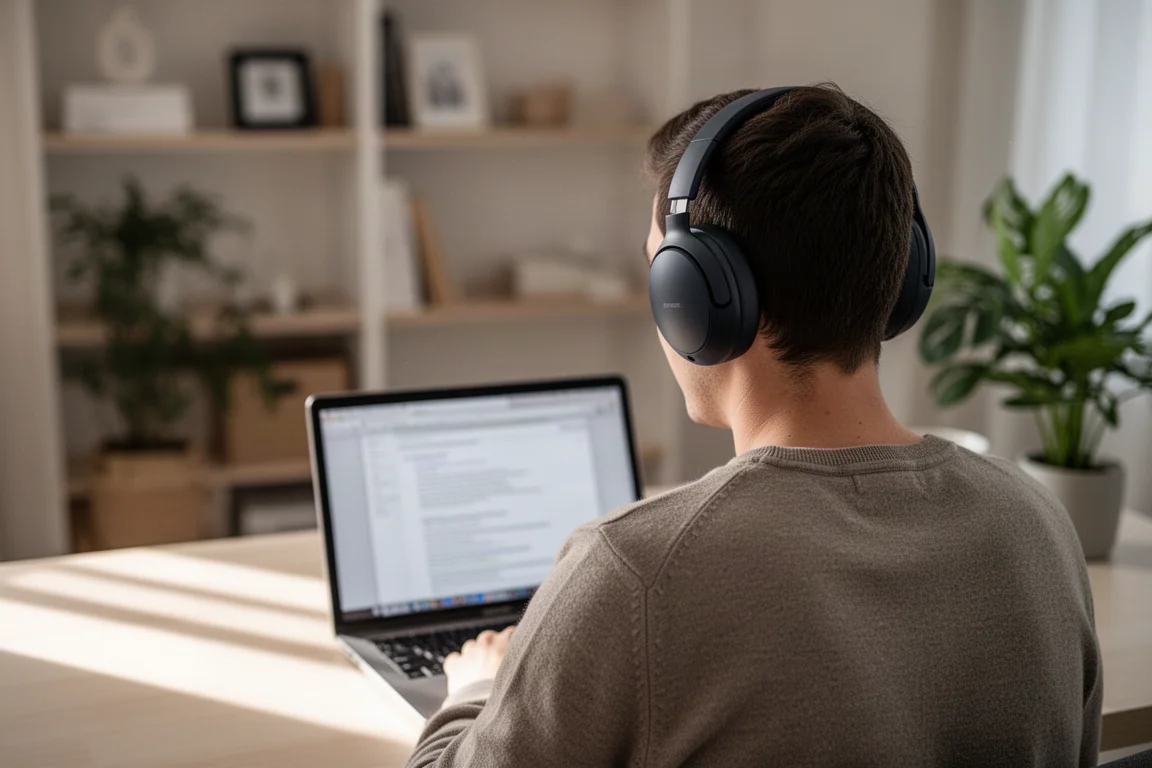
Listeners who prefer a balanced sound over heavy bass are the best match for the tuning. If a deep, bass-forward signature is your priority, the sound change may be the one part of the redesign you like least. Everyone else gets a lighter, cooler, more secure fit and a more even spread of pressure across the head and around the ears.
Design and Comfort: A Complete Redesign
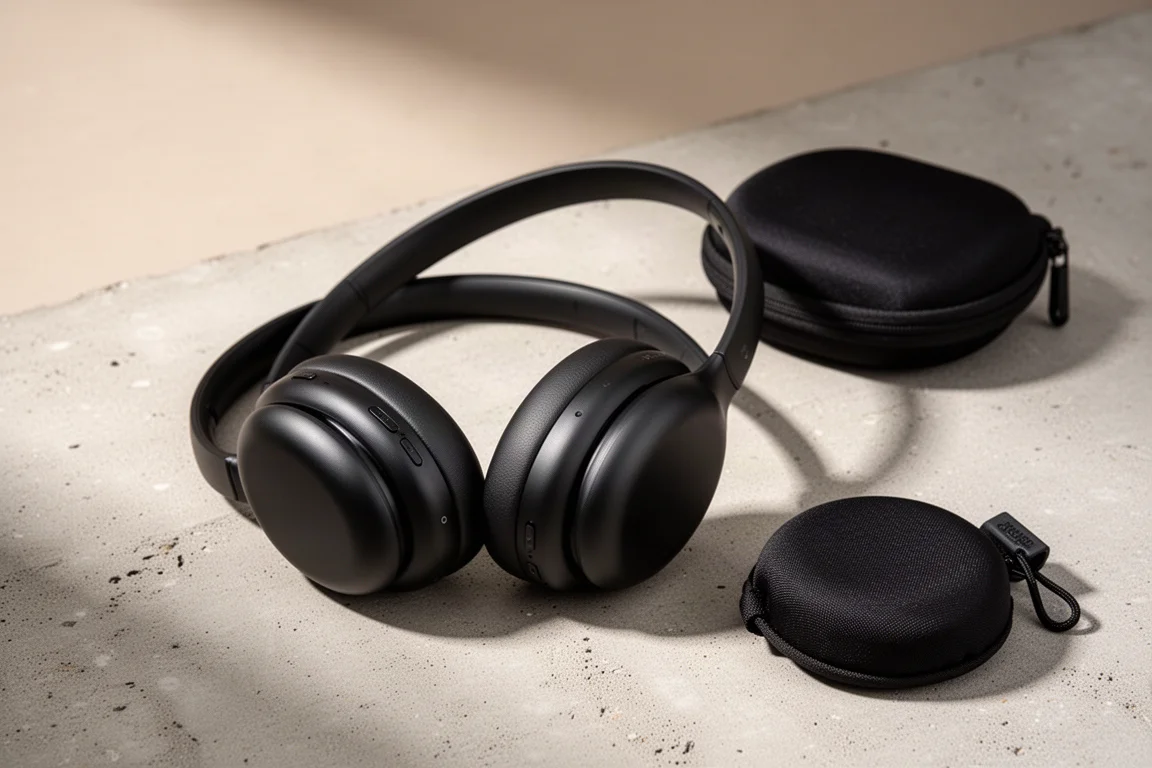
The XM5 comes in black or silver, and the silver finish is softer than the silver used on the XM4. The previous generation carried shiny copper or gold accents around the microphones and ventilation ports, along with a logo on top of the ear cups. The XM5 drops those accents for a more minimal, understated look that reads as a different headphone altogether.
One change will divide opinion: the ear cups no longer fold. Instead they swivel, which lets the headphones lie flat on a desk. The foldable design on the previous model could be cumbersome or confusing to figure out at first, and the flat-lay approach is simpler in daily use.
Sony also uses fewer plastics in the outer construction and covers the redesigned headband in a very soft vegan leather, which helps bring the overall weight down. The headband itself is thinner, lighter, and considerably more flexible than the one on the XM4.
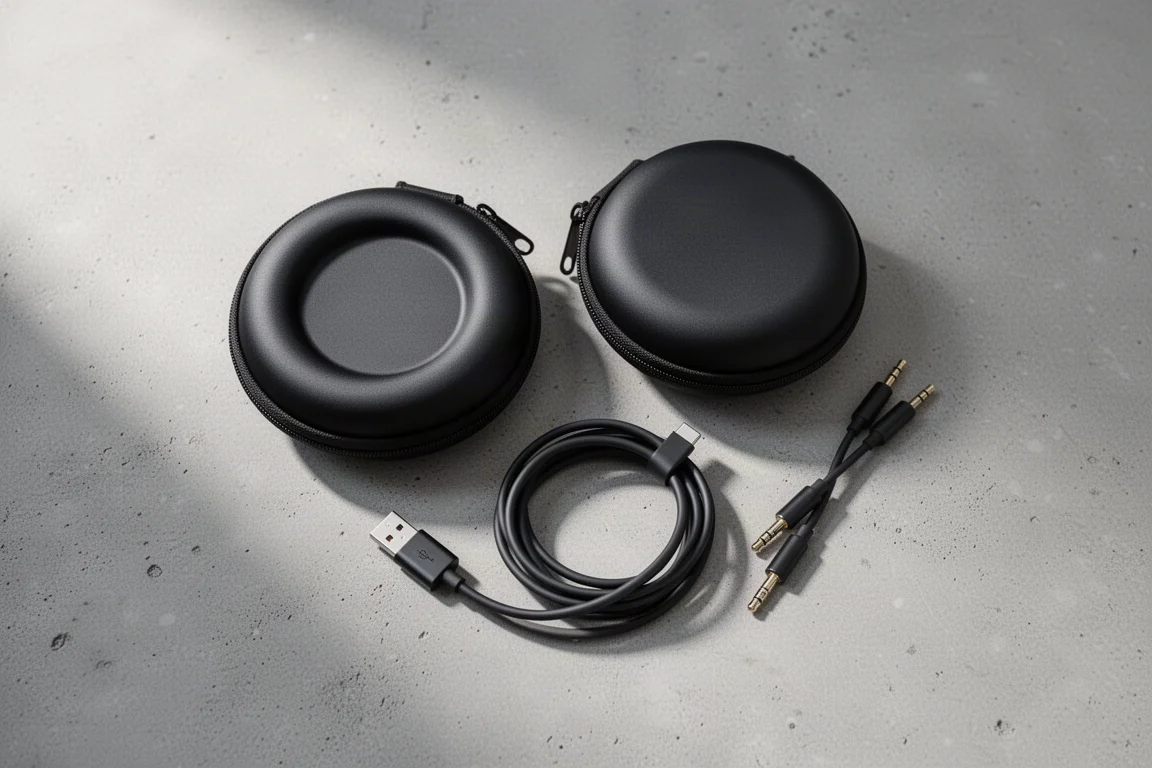
Button placement is unchanged, but the button previously labeled custom is now labeled NC Ambient. In the Sony Headphones app it can be reprogrammed to toggle between noise cancelling and transparency modes, and a double or triple press can be assigned to built-in services such as playing or changing Spotify playlists. The headphone jack sits on the left ear cup, and the USB-C charging port is on the right. In the box you get a 3.5 mm stereo mini plug cable, a short USB-A to USB-C charging cable, and a redesigned soft shell travel case that collapses to save space in a bag while still protecting the headphones.
Comfort is where the redesign pays off most. The XM5 weighs less than nine ounces, only about 0.07 ounces less than the previous model, but the way that weight is distributed has changed. After roughly an hour of wear, pressure on top of the head was spread more evenly around the ears than on the XM4, which reduced pressure points during longer listening sessions. More of the pressure now transfers directly to the ear pads, which is exactly what you want from a headphone designed for long wear.
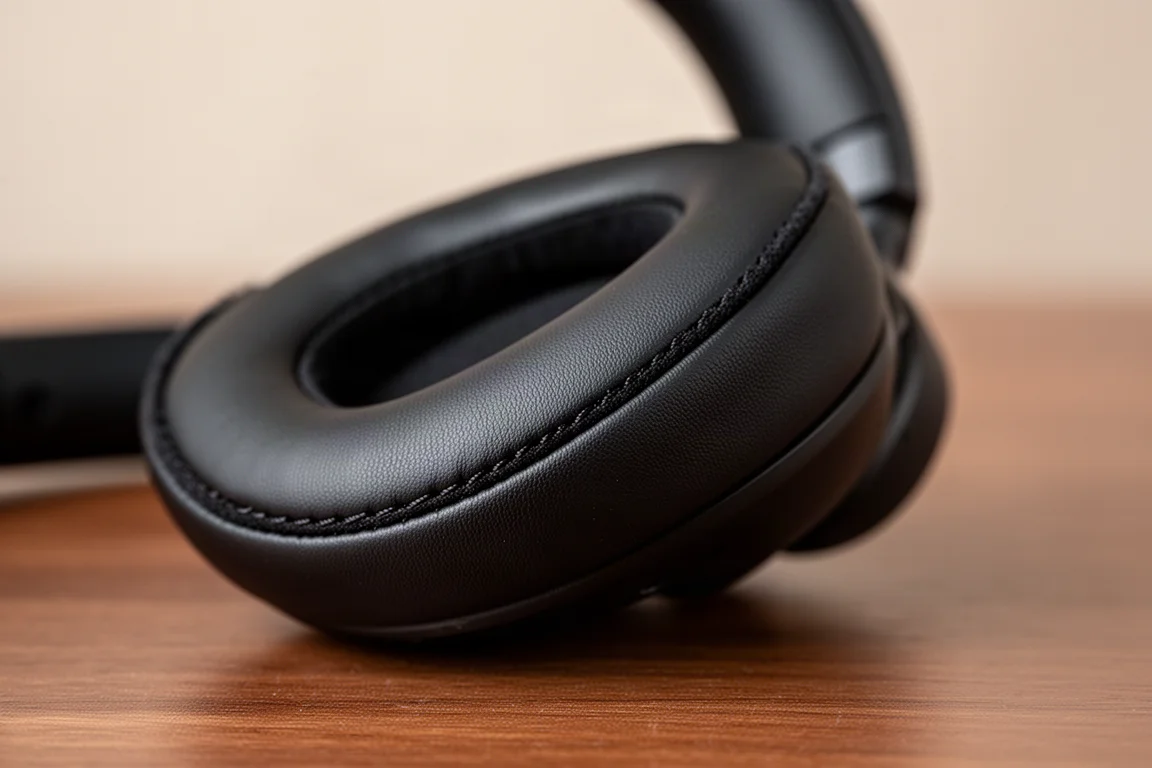
The ear cup chambers are larger, giving ears more surface area and a little more room to stay cool. The new pressure-relieving foam padding is thicker, softer, and more plush than before, and it creates a better seal, which is a genuine bonus for noise cancelling. The headband is padded with supple cushioning that sits pliably against the sides of the head, and the vegan leather feels slightly cooler against the skin. Together these changes add up to a lighter, cooler, more secure fit.
Sound Quality and the New Drivers
One of the biggest changes is the redesigned 30 mm driver. The drivers in the XM5 are physically smaller than the 40 mm drivers in the XM4, but Sony states the redesign delivers a more refined and well-rounded sound stage. The new drivers are made from a lighter, more rigid carbon fiber that moves more quickly and accurately, which Sony says produces more high frequency detail with lower distortion.
The result in practice is a clearer, more balanced presentation without the extra bass emphasis of the previous model. The frequency range is unchanged at 4 Hz to 40 kHz, and the low end is still full and well defined, just better balanced with less distortion overall. The mid-range is warm and punchy, and the highs are as lively as they were on the XM4.
That tuning shift is the main trade-off for anyone who loves bass-heavy music. Listeners who value clarity across a wider range of genres will likely prefer it.
The XM5 also supports Sony’s LDAC codec for hi-res audio, along with DSEE Extreme, which upscales compressed music files and restores frequencies lost during compression. For most streaming sources, those two features do a lot of the heavy lifting behind the balanced sound.
Noise Cancelling and Call Performance
The hardware behind the noise cancelling has grown as well. The XM5 carries eight microphones controlled by two high performance processors, including four beamforming microphones dedicated to capturing voice. That combination lets the headphones capture more of your voice and more of the outside world at the same time.
In testing across walking, driving, crossing streets, a busy downtown, the office, and workouts, the XM5 handled every scenario well. Low frequency cancellation, the kind you notice on an airplane or when a train passes, was excellent on both generations, with a slight edge to the XM5. The low end hum while riding in a car was noticeably better cancelled on the new model.
The gap was clearer with higher frequencies. In a noisy city environment full of sirens, honking cars, and people talking, the XM5 cancelled those sounds noticeably better than its predecessor. Wearing it in that kind of environment felt like being in a private world of your own.
Calls improved as well. People on the other end reported slightly better clarity and definition of voices with the XM5 than with the XM4, along with a greater reduction of background noise. That held up in an open office and on busy streets. Pairing between devices was snappier and the connection was more reliable during hands-free calls, which freed up hands to keep working while talking.
The personal noise cancellation optimization feature returns unchanged. It takes a series of readings inside and outside the headphones and tailors noise cancelling to you and your surroundings, balancing atmospheric pressure and reducing the suction effect that some noise cancelling headphones produce.
Passive isolation benefits from the fit changes too. The larger ear pads and the lighter, more flexible headband create a significantly better seal, so sound stays locked inside and clamping force keeps outside noise from entering the ear cups. That also means longer workouts without as many breaks to let your ears cool off.
Battery Life, Features, and Connectivity
Battery figures carry over from the previous generation: 30 hours of continuous music playback with active noise cancelling on, and 40 hours with it off. For calls, expect about 24 hours with noise cancelling on and 32 hours with it off. A quick three minute charge now provides around three hours of use.
A proximity sensor pauses or resumes playback based on whether the headphones are being worn, and if you leave them off, they power down automatically after about 15 minutes, which conserves battery. Quick attention mode is still on board: rest your hand on the ear cup and the volume drops so ambient sound comes through, which is useful for a short conversation before returning to what you were listening to.
Speak to chat returns as well. It pauses music automatically when it detects that you have started speaking. The feature had some quirks on the previous model, and it is noticeably more stable on the XM5.
Wireless connectivity moves to Bluetooth 5.2, the most reliable version available, with a range extended to almost 33 feet. Multi-point connectivity, which holds two Bluetooth connections at once, is more reliable here and now works with more devices, including compatible Sony TVs when paired through a Sony WLA-NS7 wireless transmitter connected to a Sony Bravia XR TV. That setup enables 360 Reality Audio and Dolby Atmos content through the headphones, and Sony says the headphones recreate an arrangement of phantom speakers around you for an immersive spatial experience.
Voice assistants get a new option too. Google Assistant or Alexa can be activated with a wake word after a one-time change in the Sony Headphones Connect app, and the touch controls can still be reconfigured to summon either assistant directly. Fast pairing with Google or a PC is supported, and Google’s fast pairing lets you locate misplaced headphones by playing a tone through the Find My Device app. Windows users can also listen to Outlook email and join Microsoft Teams meetings through an assistant.
Things to Consider Before Buying
The ear cups do not fold. If you relied on the folding design to fit the XM4 into a tight bag pocket, the XM5 will feel different, though the swiveling cups and the collapsible case offset that in practice.
The sound signature has shifted away from the bass emphasis of the XM4. If you bought the previous model specifically for that extra low-end weight, the more balanced tuning on the XM5 may not be the upgrade you were hoping for.
Spatial audio through a television requires extra hardware. The 360 Reality Audio and Dolby Atmos experience with a Sony Bravia XR TV depends on a Sony WLA-NS7 wireless transmitter, so it is not something you get out of the box with a phone or laptop alone.
Voice wake words and the reconfigurable button require a one-time setup through the Sony Headphones app, so plan on spending a few minutes in the app before everything works the way you want.
Buying Advice
Existing XM4 owners should weigh what they actually want from an upgrade. The XM5 keeps the same price as its predecessor, and the improvements in noise cancelling, call reliability, comfort, and fit are meaningful rather than cosmetic. If you wear headphones for work, the gains in stability and reliability are the ones that matter most day to day, and they are easy to appreciate within the first hour of wear.

First-time buyers shopping premium noise cancelling headphones will find the XM5 an easy recommendation for office and home focus, travel, and long listening sessions. If you already know you want a heavy bass signature, try to listen before committing, because the tuning is deliberately more balanced this time.
Conclusion
The XM5 raises the bar again for Sony’s noise cancelling line. The redesign touches almost everything: a lighter and more flexible headband, larger and better sealed ear pads, a smaller carbon fiber driver, eight microphones, and more reliable connectivity. The result is a headphone that cancels more of the world around you, keeps calls clearer, and stays comfortable for hours.
For anyone who uses noise cancelling headphones to focus, the XM5 is the more refined and better balanced choice, and it arrives at the same price as the model it replaces.
Product link
View more details for Sony XM5
This product is mentioned in the review. Check the specifications, options, and compatibility before buying.
View more details for Sony XM5Further reading
Related Reviews
Headphones
Apos Audio Caspian Review: Warm Bass, Solid Build, and a Detail Trade-Off
The Apos Audio Caspian is an easy-to-drive open-back headphone with standout bass and a warm, relaxed tuning, though mid-range and treble detail trail the competition.
Headphones
Audeze LCD-X vs LCD-XC vs LCD-3: Which High-End Headphone Fits Your Setup
A practical comparison of three Audeze planar magnetic headphones under $2,000, covering the open-back LCD-X, the closed-back LCD-XC, and the wood-ringed LCD-3.
Headphones
Audeze LCD-X vs HiFiMan Edition XS: Two Open-Back Headphones Compared
A practical comparison of the Audeze LCD-X and the HiFiMan Edition XS, covering build quality, comfort, sound signature, and which listener each one suits.