Headphones
Sony WH-1000XM6 Review: A Refined Flagship Noise-Canceling Headphone
A close look at the Sony WH-1000XM6, including the returning folding hinge, upgraded noise canceling, retuned sound, battery life, and who should buy it.
Introduction
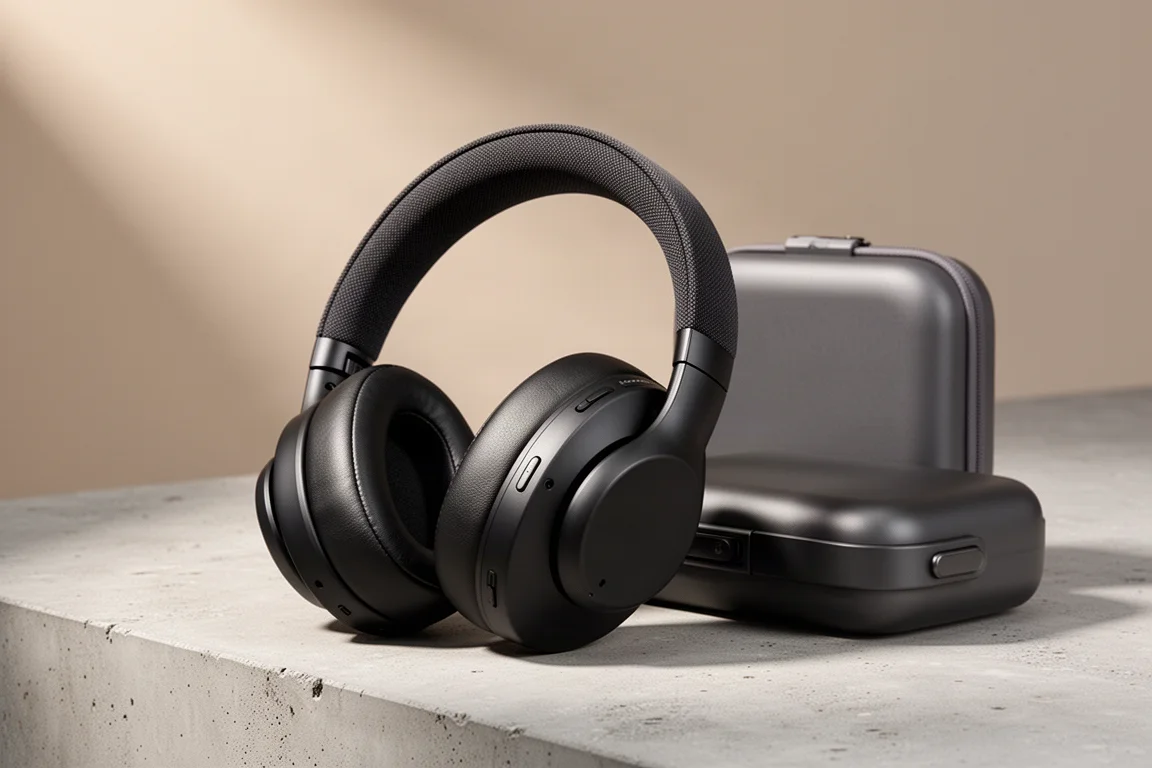
Sony’s 1000X series has been a fixture at the top of wireless noise-canceling shortlists for years, and both the WH-1000XM4 and the WH-1000XM5 earned that position with a mix of sound quality, comfort, and smart features. The WH-1000XM6 is the newest flagship in that line, and Sony presents it as the best noise-canceling headphone on the market.
The interesting part is that there is no radical redesign here. Sony appears to have taken feedback on the XM5 and refined the formula rather than starting over. The headline change is the one long-time users asked for: the folding hinge is back. The XM6 folds inward again, much like the XM4, which makes it considerably more compact to pack.
Who This Headphone Is For
Frequent travelers are the clearest fit. Noise canceling is among the most impressive available in this category, the fit is comfortable enough to wear for a full flight, and the folding design makes the headphones easy to store in a bag.
Remote workers get a lot from the upgraded call quality and convenience features, including multipoint pairing, a mic mute function, and quick access to app shortcuts.
Music lovers who want strong sound without giving up features get a well-rounded, highly customizable experience that handles just about any genre.

If you already own the XM4 or the XM5, the upgrade question deserves its own look, and it is covered in the buying advice further down.
Design and Comfort
The XM6 keeps the lightweight, sleek build of its predecessors at around 254 g, which is noticeably lighter than an over-ear design such as the AirPods Max at 384 g.
The headband is a little wider and more padded than before, which helps spread pressure more evenly across the top of your head. The vegan leather earpads are soft and form a good seal without pressing too hard on your ears or head. The ear cups rotate to lay flat when the headphones are worn around your neck, and the angle of the cups has been tweaked slightly so they rest more comfortably on your collarbone.
The carrying case is smaller than before and uses a magnetic latch instead of a zipper, which makes it quicker to open and close. Inside, a built-in pocket holds a 4-ft right-angle headphone cable and a USB-C to USB-A charging cable, and the folded headphones tuck in neatly alongside them.
Styling stays clean and understated, with two matte finishes: black and platinum silver. Sony uses more recycled materials this time around. There is no official water resistance rating, but the build feels tightly put together.
Controls combine physical buttons with touch input. The right ear cup is the touch surface for swiping volume, skipping tracks, and pausing or resuming playback. The left ear cup carries the power button and a multi-function button that toggles between noise canceling and ambient sound. Covering the right ear cup with your hand still triggers quick attention mode, which temporarily lowers the volume and lets outside noise in so you can hear an announcement or speak to someone without removing the headphones.
Noise Cancelling and Call Quality
The XM6 introduces a new QN1 processor that handles noise cancellation faster and more accurately, analyzing your surroundings in real time and adjusting performance on the fly. The headphones now use 12 microphones in total, up from eight on the previous model, which supports both noise canceling and voice pickup.
Part of the system is what Sony calls an adaptive NC optimizer. It accounts for variables such as whether you are wearing glasses or a hat, or whether you are on an airplane, and adjusts accordingly. The result sits among the most impressive noise canceling in this category.

Call quality benefits from a six-microphone beamforming setup that uses AI trained on more than 500 million voice samples, which helps isolate your voice even with wind or background noise present. In practice, calls sound cleaner and more natural than on the XM5, and the person on the other end should hear you clearly without a lot of ambient noise bleeding through.
Sound Quality and App Features
The XM6 uses newly designed 30-mm drivers with a carbon fiber composite dome and an updated voice coil. The tuning is more refined than the XM5: bass is tighter and deeper, mids carry more body, and the highs stay detailed without turning harsh. The soundstage is a little wider, instruments have more room to breathe, and vocals sit slightly more forward.
Placed against earlier generations, the XM4 delivered big bass that could sound muffled in busy mixes, while the XM5 was clearer but sometimes leaned flat. The XM6 lands between the two, with a warm and clean presentation, and it responds well to EQ changes.
Sony’s app now offers a 10-band EQ, twice the granularity of previous models, along with custom profiles and presets. A feature called Find Your EQ walks you through building a sound profile based on your own preferences.
The refreshed Sony Sound Connect app, formerly Headphones Connect, is where you customize noise canceling levels, ambient sound settings, EQ, codec priority, and newer options such as head gestures. The XM6 can detect a nod to accept a call or a shake to decline it, which turns out to be genuinely useful when your hands are full.
Scene-based listening automation builds on adaptive sound control. The headphones can adjust to whether you are walking or sitting still, and they can launch a playlist or switch modes based on your location or routine. For example, they might start a favorite mix in noise canceling mode when you sit down at your desk, then switch to ambient mode when you get up for a walk.
There are also new listening modes. Cinema mode uses 360 Reality Audio up-mixing to turn stereo content into a spatial, surround-style presentation for movies and videos. Background music mode makes audio sound as though it is playing from a speaker across the room, with cafe, living room, and my room options that each simulate a different sense of distance and acoustic space. These modes will not suit every moment, but they work well and show how much flexibility Sony has built into the experience.
Battery, Connectivity, and Everyday Use
Bluetooth has moved to version 5.3, and the XM6 is ready for LE Audio and the LC3 codec. That combination supports lower latency, better sound quality at lower bit rates, and future features such as Auracast broadcasting. LDAC remains available for high-res wireless audio, and multipoint support lets you connect two devices at once, so moving between a phone and a laptop or a tablet and a TV is seamless.
One welcome change is the ability to charge and listen at the same time. On older models such as the XM5, plugging in the USB-C cable disabled Bluetooth audio. With the XM6 you can top up the battery while continuing to listen, which is useful on long flights or a full workday.
Battery life is rated at 30 hours with noise canceling on and 40 hours with it off, and a three-minute charge provides around three hours of playback.
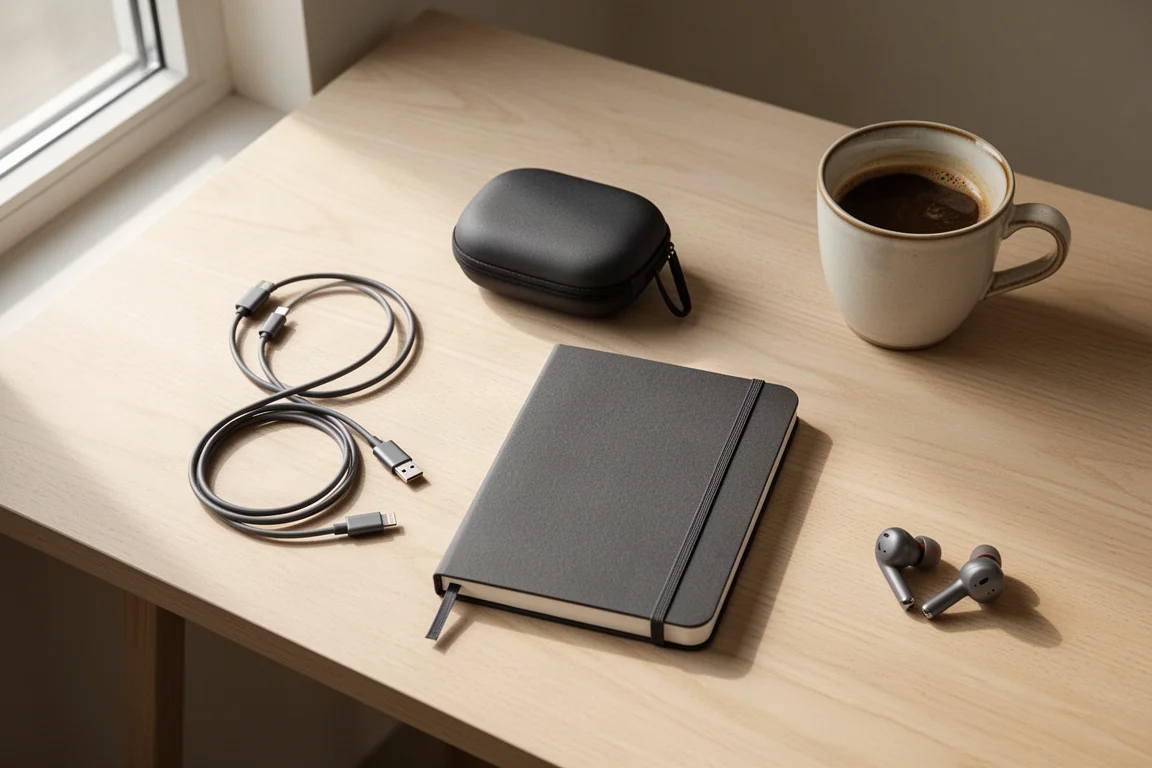
Together, these changes make the XM6 easier to live with day to day than earlier models, particularly for anyone who moves between devices or spends long stretches away from a power outlet.
Things to Consider Before Buying
The touch controls are still a little inconsistent, particularly when you are on the move or trying to make a quick adjustment. Anyone who prefers tactile buttons may find a physical interface more precise for changing volume or skipping tracks during a workout.
The ear cups can get warm during extended use, especially in warm environments or on long flights. It is not a deal-breaker, but it is worth keeping in mind if you are sensitive to heat or plan to wear the headphones for hours at a time.
There is also no official water resistance rating, so the XM6 is better treated as an indoor and travel companion than a workout headphone. And at $449, it sits firmly at flagship pricing.
Buying Advice
If you own the XM4, the upgrade case is straightforward. The improvements in noise canceling, sound quality, comfort, and smart features are significant enough to justify the move.
If you own the XM5, it is a closer call. Sound is better, noise canceling is slightly stronger, and the folding hinge is back, but the jump is not massive unless the extra features matter to you.
Against other flagship brands such as Bose, Apple, and Sonos, Sony continues to offer more features and flexibility for the price. The XM6 is priced at $449, above the previous model at launch, but it consistently delivers a stronger feature set, better sound, and better noise cancelling than the alternatives.

In short, the XM6 takes everything Sony learned from earlier models and refines it. The appeal is not only the spec sheet but how the details come together in daily use.
Conclusion
The Sony WH-1000XM6 is a polished, do-it-all flagship. It brings back the folding hinge travelers missed, sharpens noise canceling and call quality, and delivers a warmer, cleaner sound than its predecessors, all in a lighter and more comfortable frame. The touch controls and ear cup warmth are the main compromises, and the price reflects its flagship position. For frequent travelers, remote workers, and music lovers who want one headphone to handle everything, it is a confident choice.
Product link
View more details for Sony WH-1000XM6
This product is mentioned in the review. Check the specifications, options, and compatibility before buying.
View more details for Sony WH-1000XM6Further reading
Related Reviews
Headphones
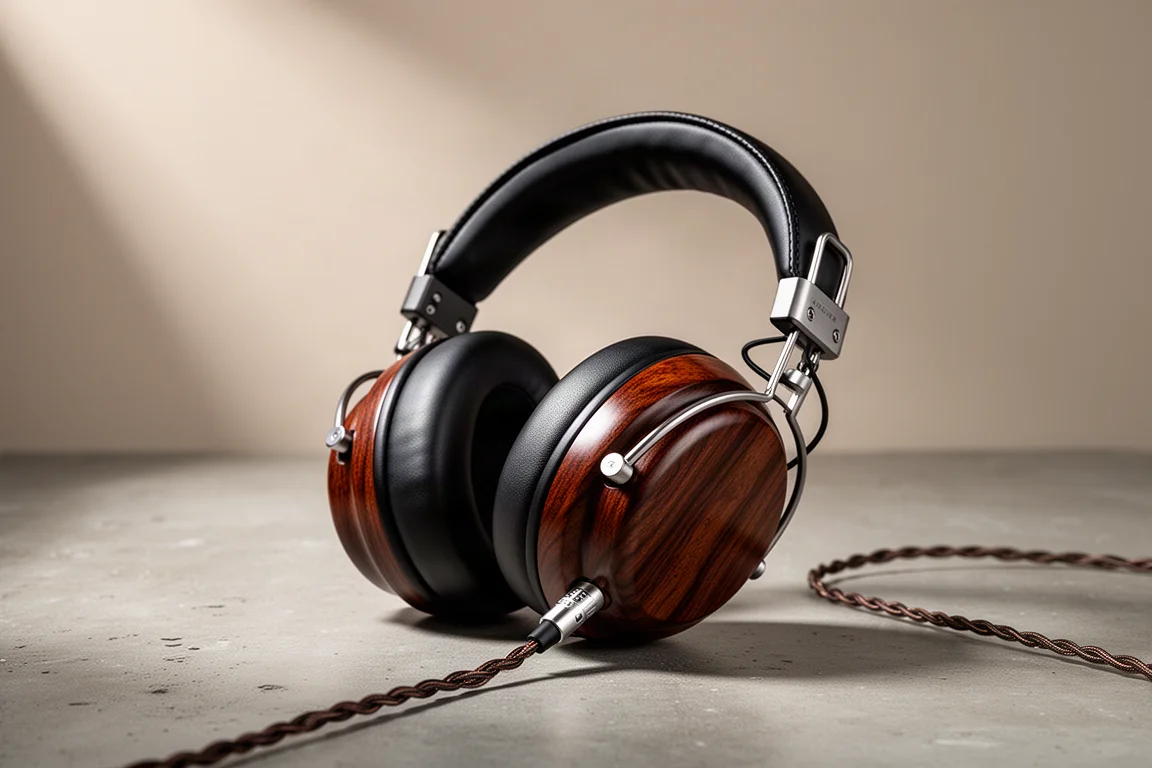
Apos Audio Caspian Review: Warm Bass, Solid Build, and a Detail Trade-Off
The Apos Audio Caspian is an easy-to-drive open-back headphone with standout bass and a warm, relaxed tuning, though mid-range and treble detail trail the competition.
Headphones
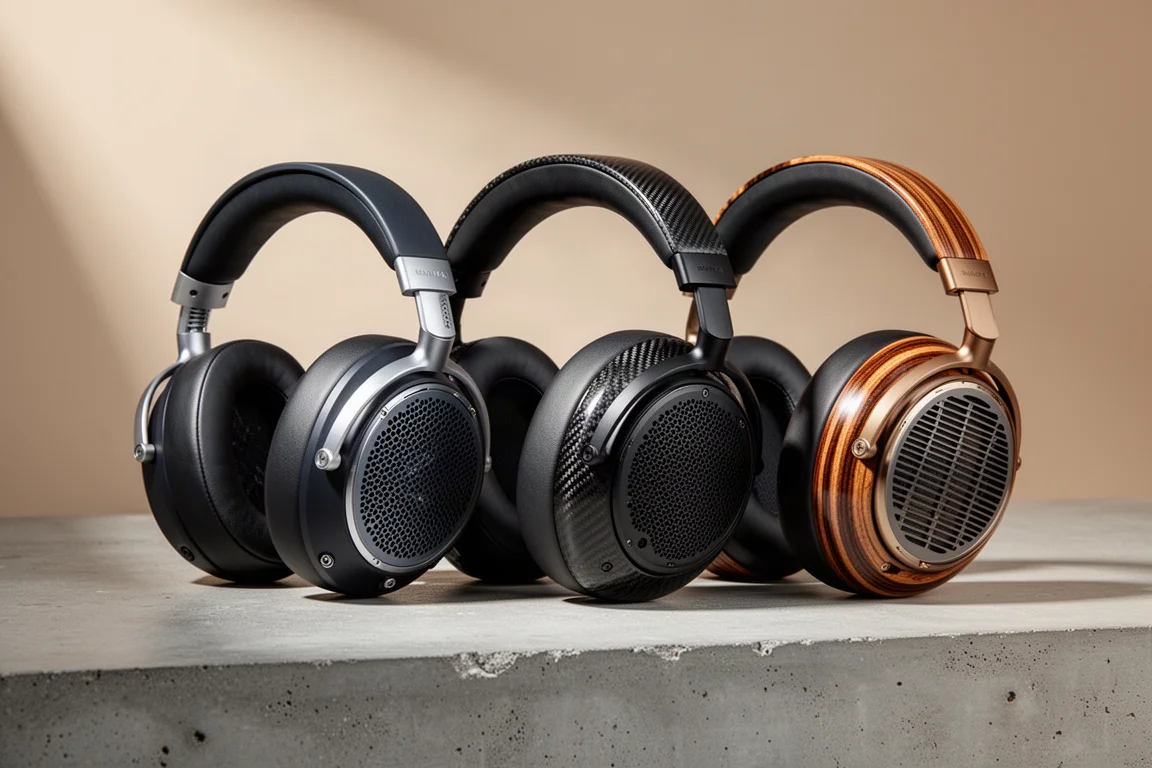
Audeze LCD-X vs LCD-XC vs LCD-3: Which High-End Headphone Fits Your Setup
A practical comparison of three Audeze planar magnetic headphones under $2,000, covering the open-back LCD-X, the closed-back LCD-XC, and the wood-ringed LCD-3.
Headphones
Audeze LCD-X vs HiFiMan Edition XS: Two Open-Back Headphones Compared
A practical comparison of the Audeze LCD-X and the HiFiMan Edition XS, covering build quality, comfort, sound signature, and which listener each one suits.