Home Theater Projectors
Sony VPL-XW7000 Review: A 3,200-Lumen Laser Projector Built for Big Screens
A close look at Sony's VPL-XW7000 laser projector, covering its 3,200-lumen light engine, native 4K SXRD panels, X1 Ultimate processor, new ACF lens, and how it performs on very large screens.
Introduction
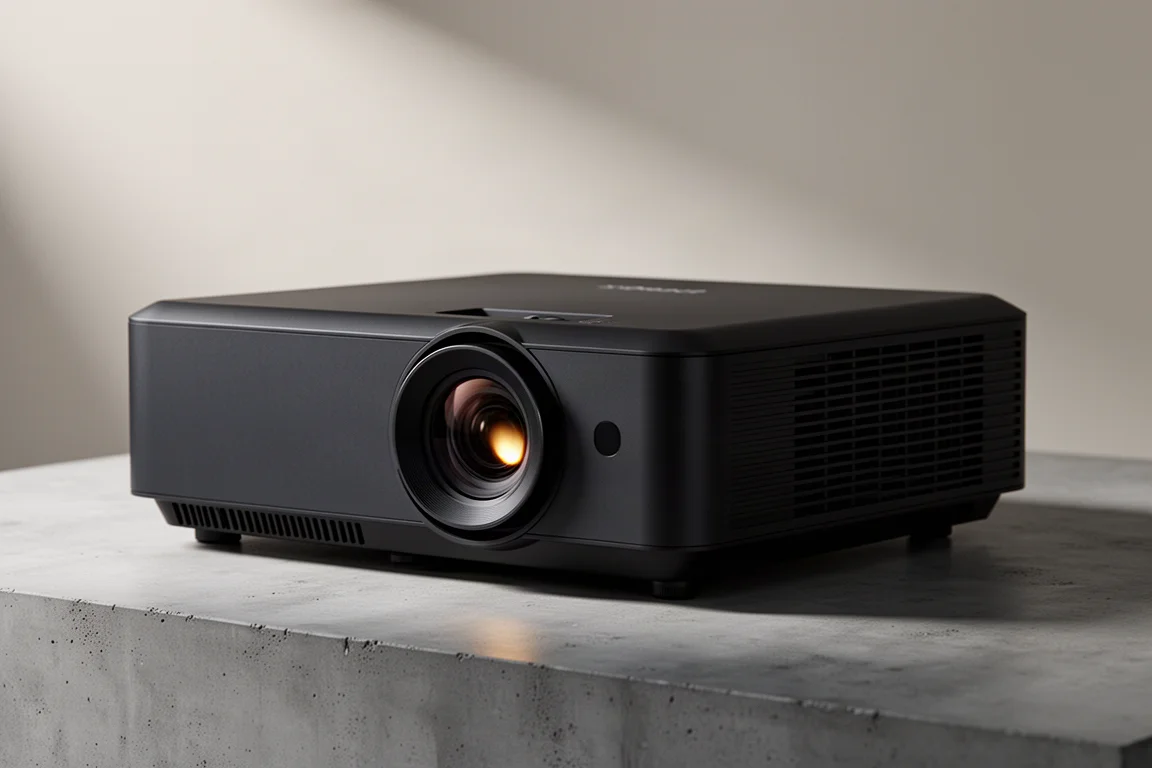
The Sony VPL-XW7000 is the model in Sony’s front projection range that most clearly targets very large screens. It arrived as part of a refreshed lineup in 2022, and much of its technology is inherited from the flagship GTZ380, a projector that sits far higher up the range. That inheritance is the core of the story: the XW7000 reaches roughly one quarter of the GTZ380’s cost while carrying over its video processor and a similar approach to light control.
Sony’s background in professional imaging is worth noting here. The company builds commercial projectors used in venues ranging from concert halls to flight simulation and large cinemas, and its camera and post-production tools are widely used in filmmaking. Engineering from those products tends to filter down into residential models over time, and the XW7000 is a clear example of that process.
Who This Projector Is For
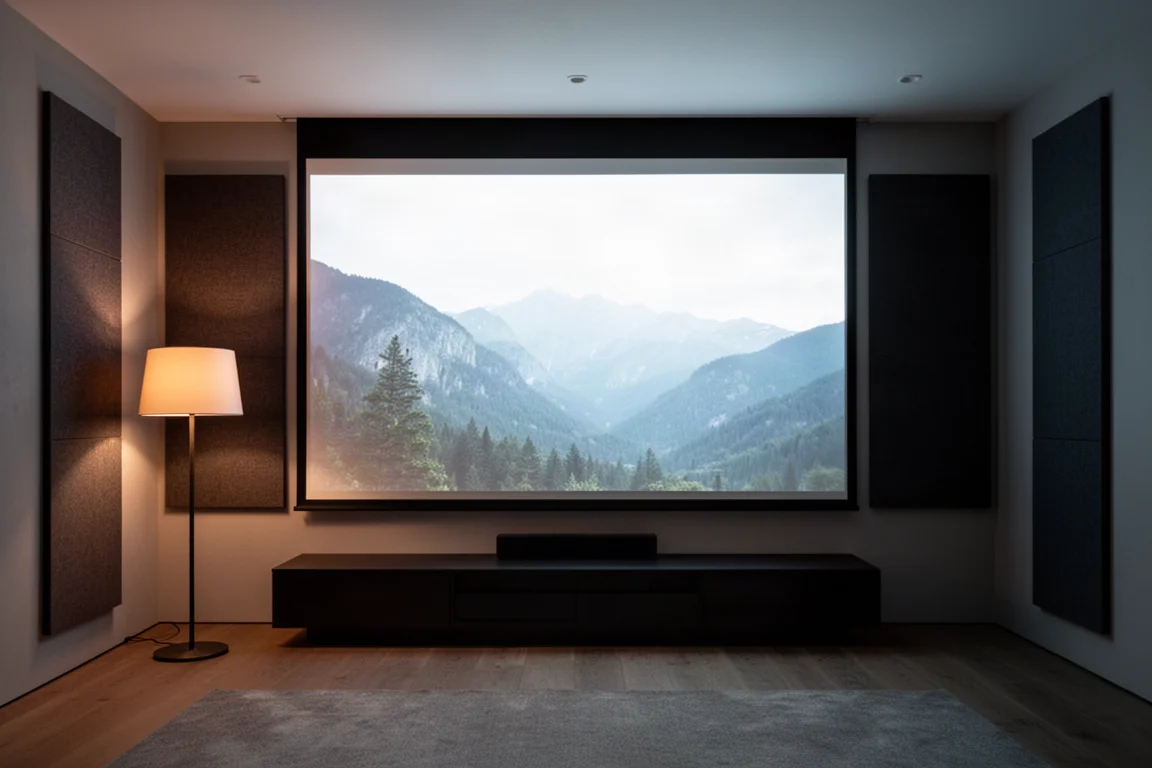
The XW7000 makes the most sense in a dedicated theater or media room where the screen is genuinely large. On a 150-inch wide screen, the combination of high light output and updated processing produced an image with strong punch and plenty of detail, even in colourful HDR material. Memory presets for widescreen setups let owners store several configurations, so a constant-height screen can switch between formats without re-adjusting the projector by hand.
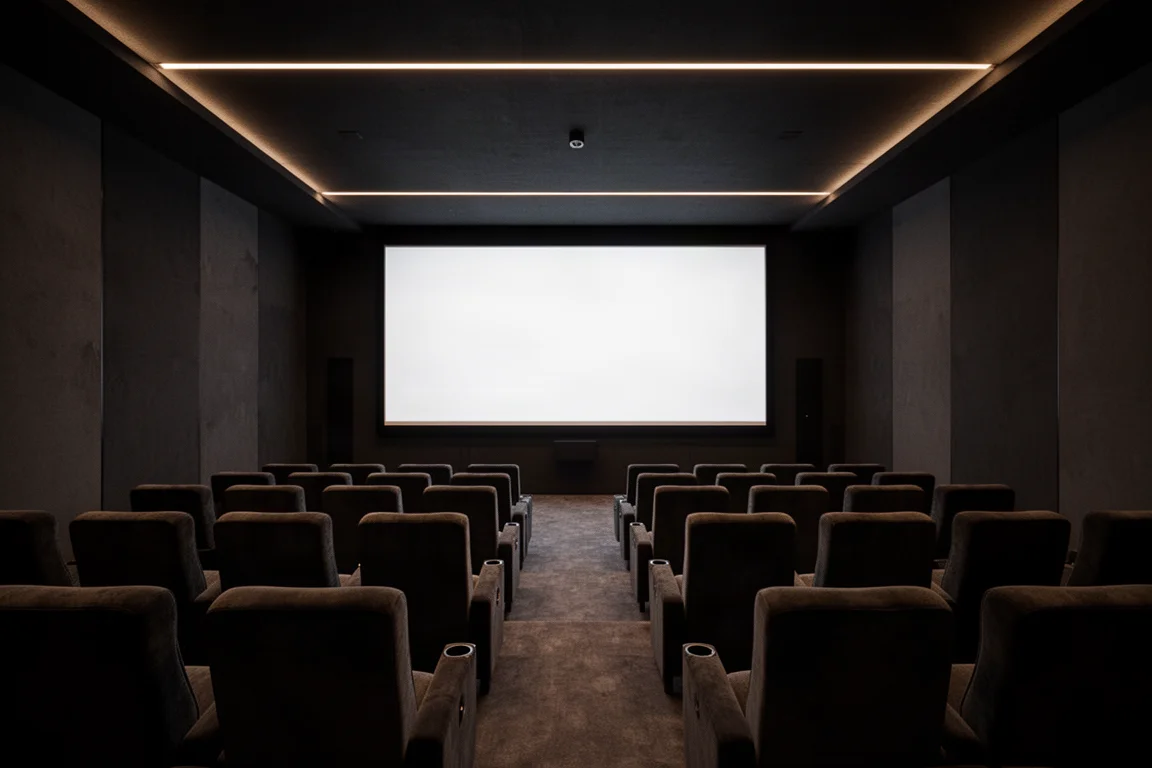
Gamers are covered as well. The gaming mode preset has been improved, with input lag measured at 21 milliseconds at 4K 60p and 13 milliseconds at HD 120p. Those figures put the projector in a comfortable position for big-screen console play, not just film viewing.
Buyers weighing this model are usually balancing light output against budget. The XW7000 is aimed at the group that would rather pay more for headroom than run a projector close to its limits on a large screen.
Main Strengths
The strengths of the XW7000 come from several changes made together rather than from a single headline feature. Sony updated the light engine, the panels, the optics, the processor and the lens, and each of those changes supports the others.
Laser Light Engine and 3,200 Lumens
Laser illumination is rated at 20,000 hours, which works out to roughly a movie every day for 27 years before the light source needs attention. Output is specified at 3,200 lumens, a figure that gives large screens far more headroom than a typical lamp-based design. Laser light engines also tend to give colours more pop than lamp projectors, and Sony added a new laser cooling system to draw more output from the light source.
SXRD Panels and Wide Dynamic Range Optics
Three 3.61-inch native 4K SXRD panels handle red, green and blue separately. The panels in this series are new: the reflective surface is flatter and reflects about 10 percent more light than the previous generation, while light resistance improved by 50 percent. The practical result is better contrast and brightness, both of which matter when an HDR signal is being displayed.
Sony’s Wide Dynamic Range Optics arrange the panels, mirrors and laser diodes closer together than before, which improves light control and helps the projector make fuller use of the laser engine.
Taken together with the new panels, these changes are the main reason the XW7000 can hold contrast in dark scenes while still delivering a bright overall image.
The X1 Ultimate Processor and HDR Handling
The XW7000 uses the same X1 Ultimate for Projectors processor found in the GTZ380. Two built-in databases of reference images guide upscaling and noise reduction, and the analysis runs fast enough to keep pace with every frame. A digital contrast enhancer works on darker parts of the image to keep shadow detail visible rather than crushing it to black.
For HDR, Sony’s Dynamic HDR Enhancer evaluates each frame and adjusts the laser output as needed, with adjustable strength. Higher settings suit very large screens, lower settings suit smaller ones. Object-based HDR remastering then looks at individual objects within a scene and refines contrast at a more granular level to add texture and depth.
One detail worth knowing before purchase: these two processes benefit from adjustment away from their default values. Buyers who take the time to set them correctly, or who follow a setup guide, will see a noticeably better HDR picture than the out-of-the-box configuration delivers.
Colour: Triluminos Pro and Live Color Enhancer
Triluminos Pro expands the colour palette to around a billion possible variations. The XW7000 also adds Live Color Enhancer, a new algorithm that boosts colour vividness when the entire field of the image is very bright. That feature is not present on the other models in the range.
The New ACF Lens
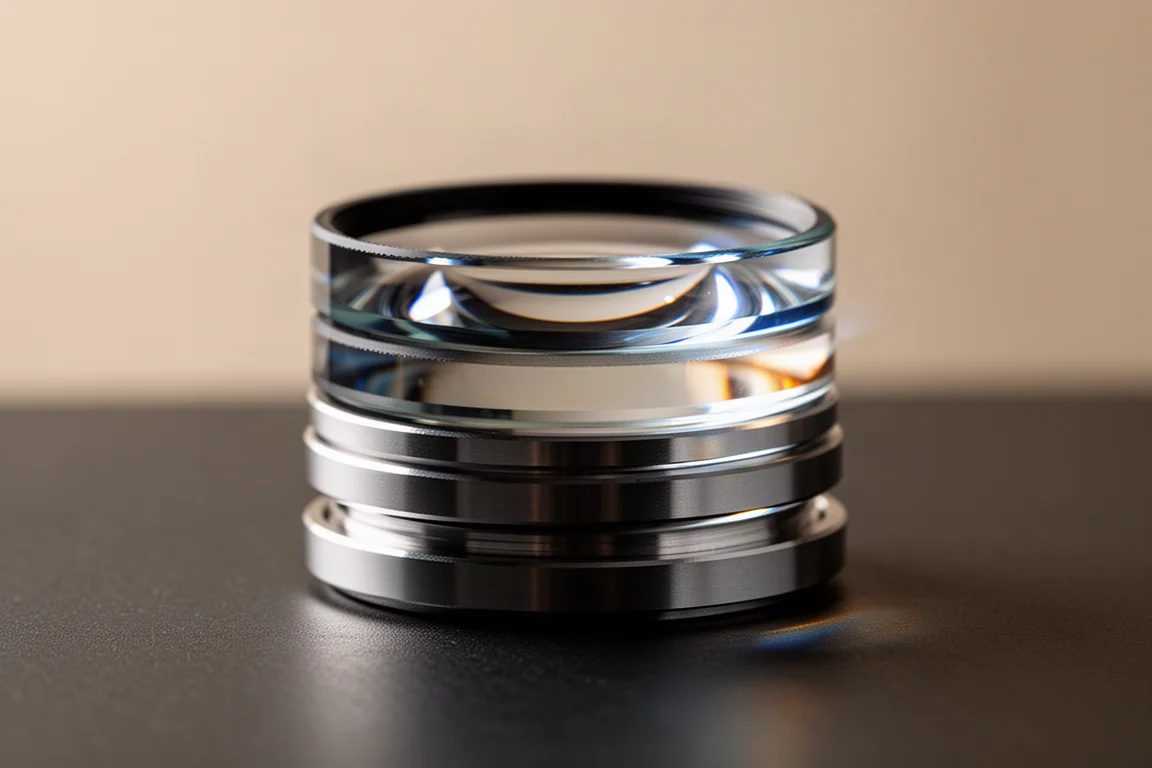
The ACF lens uses a 70mm aspherical primary element with 13 glass elements behind it. Aspherical designs reduce the edge distortion that spherical lenses can introduce, and the result here is minimal distortion toward the corners of the frame.
Sony also changed what happens behind the primary lens. Most projectors move a single lens group when zooming, which can add distortion at the extremes of the zoom range. This design uses a floating group that moves with the electronic zoom to control that distortion, and an extra low dispersion glass element positioned closest to the light engine removes colour deviation that can appear as zoom changes.
In a side-by-side comparison against a much more expensive Sony projector with an all-glass high-performance lens, viewers watching bit-perfect 4K content could not consistently identify a difference in motion handling or edge distortion. Only with a detailed static test pattern, viewed up close, did the more expensive lens show a measurable advantage. The XW7000 also offers more light output than that comparison model and less falloff from the centre to the edges of the image.
What the Measurements Show
Light output across the throw range is one of the more revealing measurements. Most projectors lose a significant amount of brightness at the long end of their throw range, with drops of 40 percent being typical and some models losing as much as 50 percent. Measuring a white field on the XW7000 showed a variation of only about 22 percent from the shortest to the longest throw position, which gives installers noticeably more flexibility in where the projector can sit.
Stated lumen figures also deserve context. They represent a theoretical maximum, and real output changes once colour is calibrated and zoom is set for a specific screen size. In this case the measured behaviour tracked the specification closely, which is not always true of less expensive projectors.
Fan noise is low for the class. A microphone placed at the fan exhaust measured 58 dB at three feet, dropping to about 33 dB at six feet, close to the noise floor of the room. The chassis is also smaller and lighter than most projectors in this price and performance bracket, which helps with both installation and background noise in a quiet room.
Things to Consider Before Buying
Three points are worth weighing before committing to this projector.
The first is setup. The HDR processing performs best when key settings are adjusted away from their defaults, so budget time for calibration or plan to follow a setup guide. Buyers who leave everything as shipped will not see what the projector can do.
The second is price. This is a premium projector and it is by no means inexpensive. The value argument rests on how much of the flagship GTZ380’s technology it carries at roughly a quarter of that model’s cost, plus the light output needed for very large screens.
The third is room planning. Throw distance, screen width and aspect ratio all interact, and widescreen setups add another layer of complexity. Working out the numbers before purchase avoids surprises on installation day.
Buying Advice
If your room can support a very large screen and you want HDR to hold up at that size, the XW7000 is built for exactly that job. The 3,200-lumen laser engine, the new panels and optics, and the X1 Ultimate processor combine to produce a picture with brightness, contrast and colour depth that suits big-screen viewing.
Gamers with a large display in mind get a useful bonus in the low input lag figures. Anyone working with a smaller screen or a tighter budget may find that a model further down the range covers their needs, since the XW7000’s main advantage is headroom rather than features you would notice on a modest screen.
The clearest way to decide is to start with the screen. If the planned screen is large and the room can be darkened properly, the XW7000’s strengths are the ones that matter most. If the screen is smaller, that extra light output is harder to justify.
Conclusion
The Sony VPL-XW7000 brings a new level of light output and high-performance video processing to its price category. The combination of a 3,200-lumen laser light engine, updated native 4K SXRD panels, Wide Dynamic Range Optics, the X1 Ultimate processor and the new ACF lens produces an image that stands up on very large screens and handles HDR with real depth.
It is not an inexpensive projector, and it rewards buyers who take the time to set it up properly. For large widescreen theaters and media rooms that need the extra horsepower, it is a strong and well-rounded choice.
Product link
View more details for Sony VPL-XW7000
This product is mentioned in the review. Check the specifications, options, and compatibility before buying.
View more details for Sony VPL-XW7000Further reading
Related Reviews
Home Theater Projectors
Barco Heimdoll Family Guide: Choosing a Native 4K RGB Laser Projector
A practical guide to the Barco Heimdoll, Heimdoll Cinemascope, Heimdoll Plus, and Heimdoll Plus Cinemascope for large-format home theaters.
Home Theater Projectors
Best Home Theater Projectors 2026: Five Models Ranked by Performance and Value
A comprehensive ranking of five home theater projectors, from budget-friendly to premium options, evaluated on brightness, resolution, color accuracy, and gaming performance.
Home Theater Projectors
Epson EpiqVision LS800 Review: A Super Ultra Short Throw 4K Laser Projector for Bright Living Rooms
A practical look at the Epson EpiqVision LS800 and the SilverFlex Ultra ALR screen, covering brightness, throw distance, gaming performance, and the setup trade-offs worth knowing.