Home Theater Projectors
Sony VPL-XW5000 Review: Entry-Level 4K Laser With Flagship Processing
A practical look at Sony's 2022 entry-level 4K laser projector, covering the X1 Ultimate processor, the new SXRD panels, gaming lag, and the installation trade-offs to weigh before buying.
Introduction
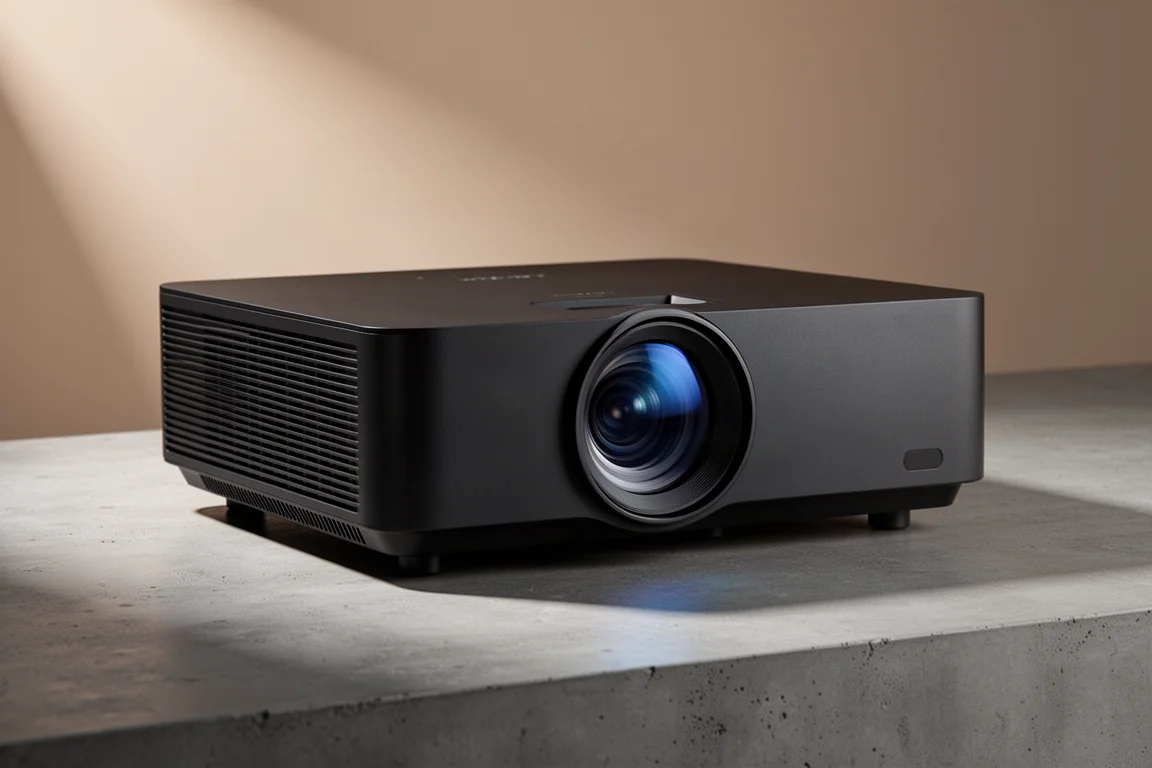
Sony’s 2022 entry point into its 4K laser projector range is the VPL-XW5000, and the headline is not only the laser light engine. This model inherits the X1 Ultimate for Projector processor that debuted in the company’s flagship front projector, along with a newly designed SXRD panel set and a reworked optical block. For anyone moving up from an older lamp-based projector, that combination is worth a close look.
Sony has worked across the filmmaking chain, from the cameras used to shoot features to the projectors installed in commercial cinemas, and that background shapes how its home projectors handle image processing. The VPL-XW5000 is the most affordable way to bring a large part of that technology into a home theater.
Who This Projector Is For
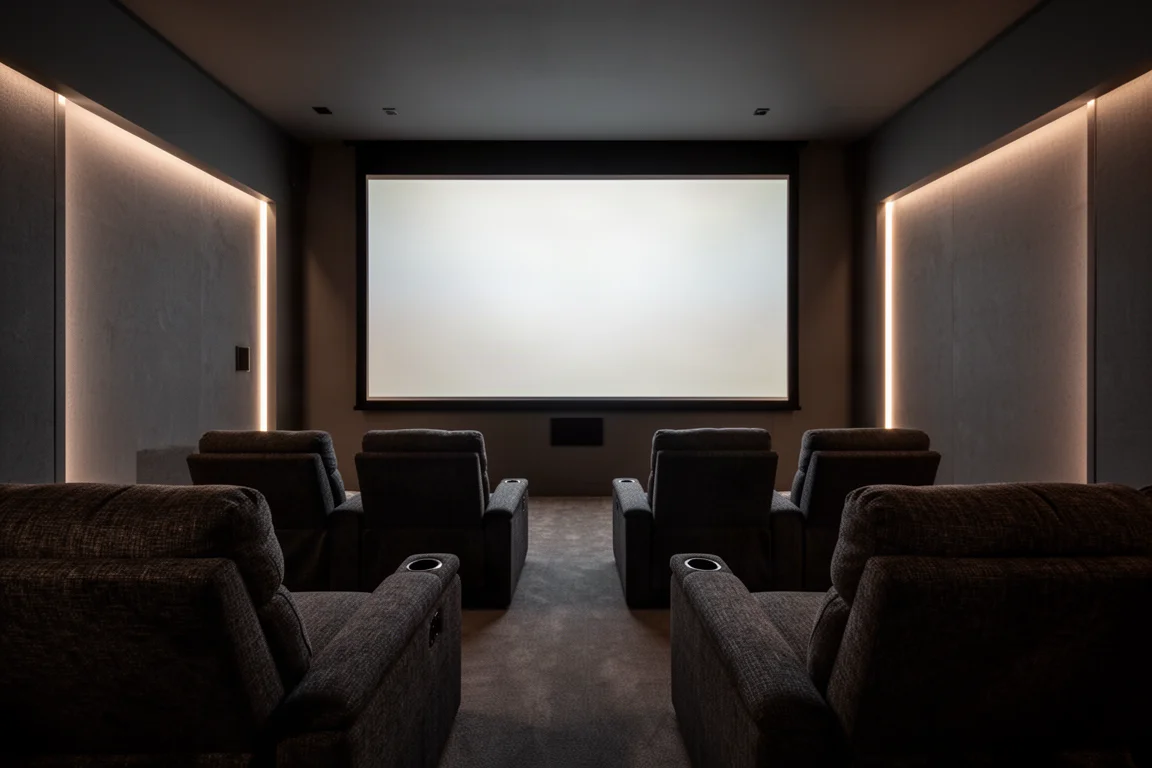
This projector suits home theater owners upgrading from an older lamp-based model who want noticeably more brightness, a much longer light-source life, and cleaner handling of streaming content. It also makes sense for viewers who watch a lot of sport in rooms that are not fully darkened, since the higher light output keeps the picture looking punchy where a dimmer projector would struggle.
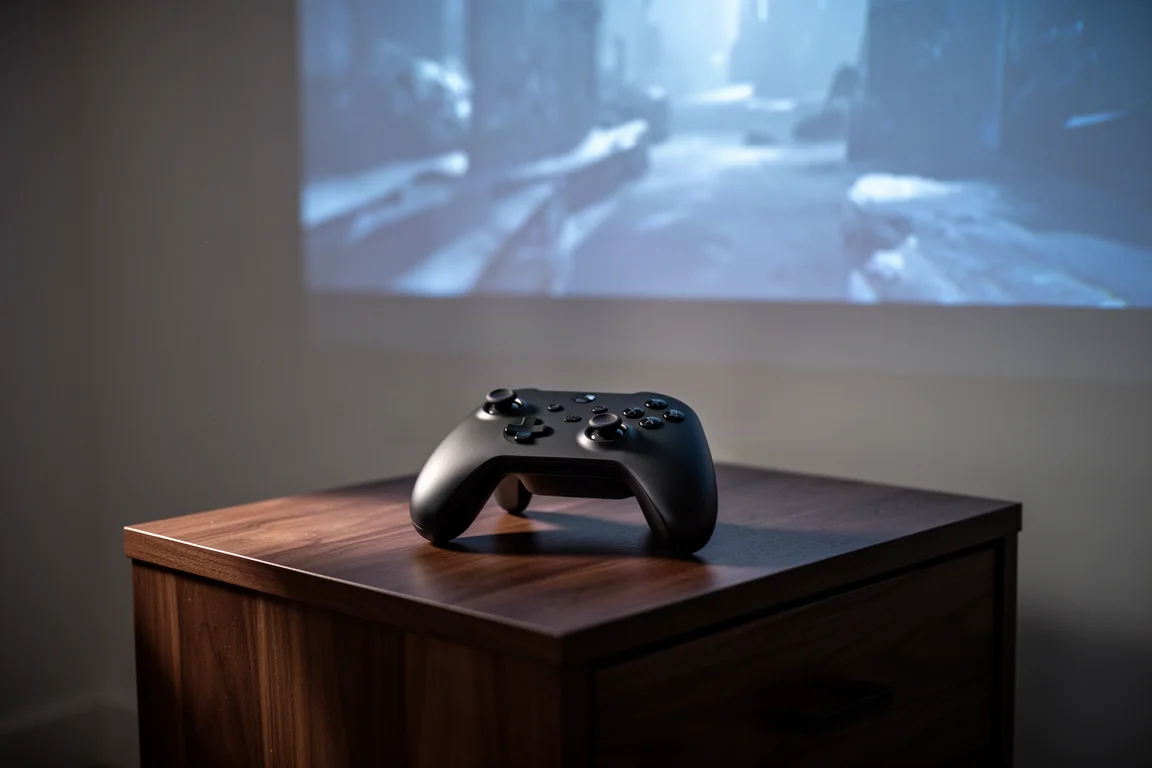
Gamers are covered as well. The dedicated gaming mode brings input lag down to roughly 21 milliseconds at 4K 60p and about 13 milliseconds at HD 120p, among the lowest figures available on a projector.
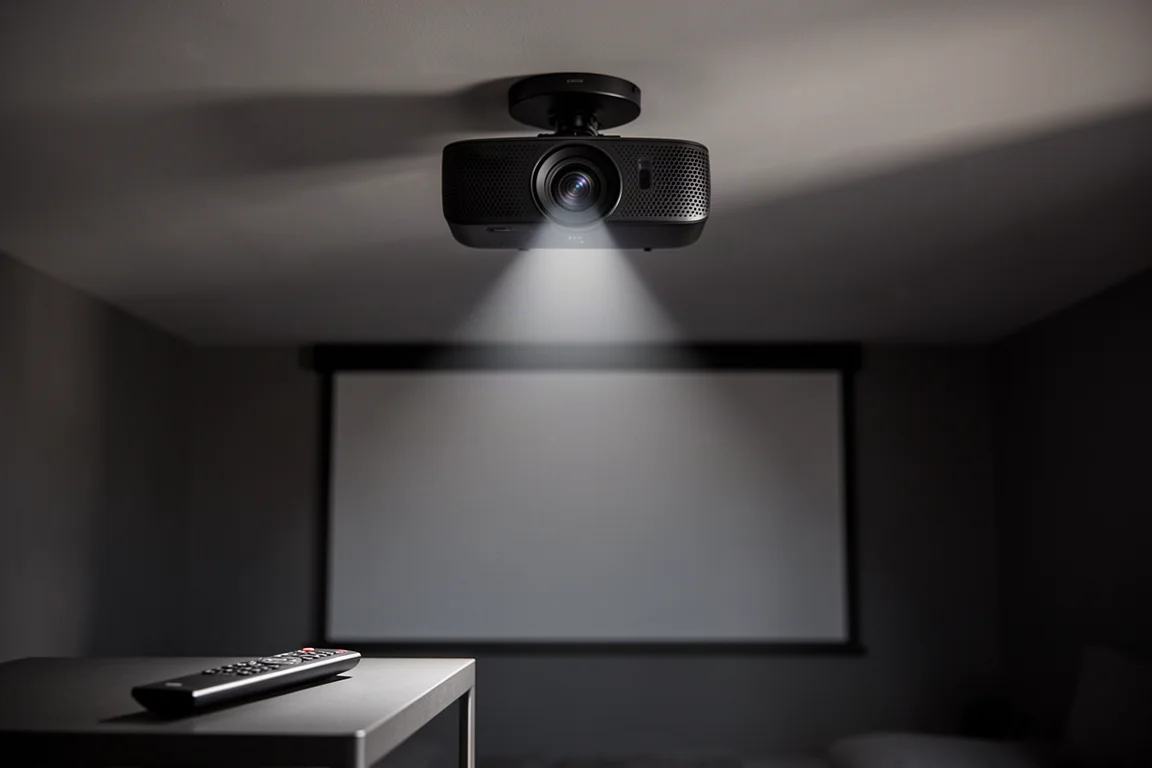
It is equally well suited to a set-and-forget installation. Focus, zoom, and lens shift are all manual, so the projector is best dialled in once during setup and then left alone. Buyers who need motorised adjustments or lens memory for a constant-height 2.4:1 screen will want to look further up the range instead.
Main Strengths
Three changes define this model: a laser light engine, a flagship-grade video processor, and a new panel and optics design. Together they push the picture well beyond what the price point would normally suggest.
Laser Light Engine and Long Life
The light engine is rated at 2,000 lumens, a substantial jump over the lamp-based model it replaces. Laser illumination also holds its brightness far longer, with a rated life of up to 20,000 hours. That works out to roughly two movies every day for the next 14 years before the light source needs attention.
Laser control is adjustable in the menu, so owners can match output to their screen. Large screens and lower-gain surfaces generally call for the full setting, while smaller screens are better served by the low setting.
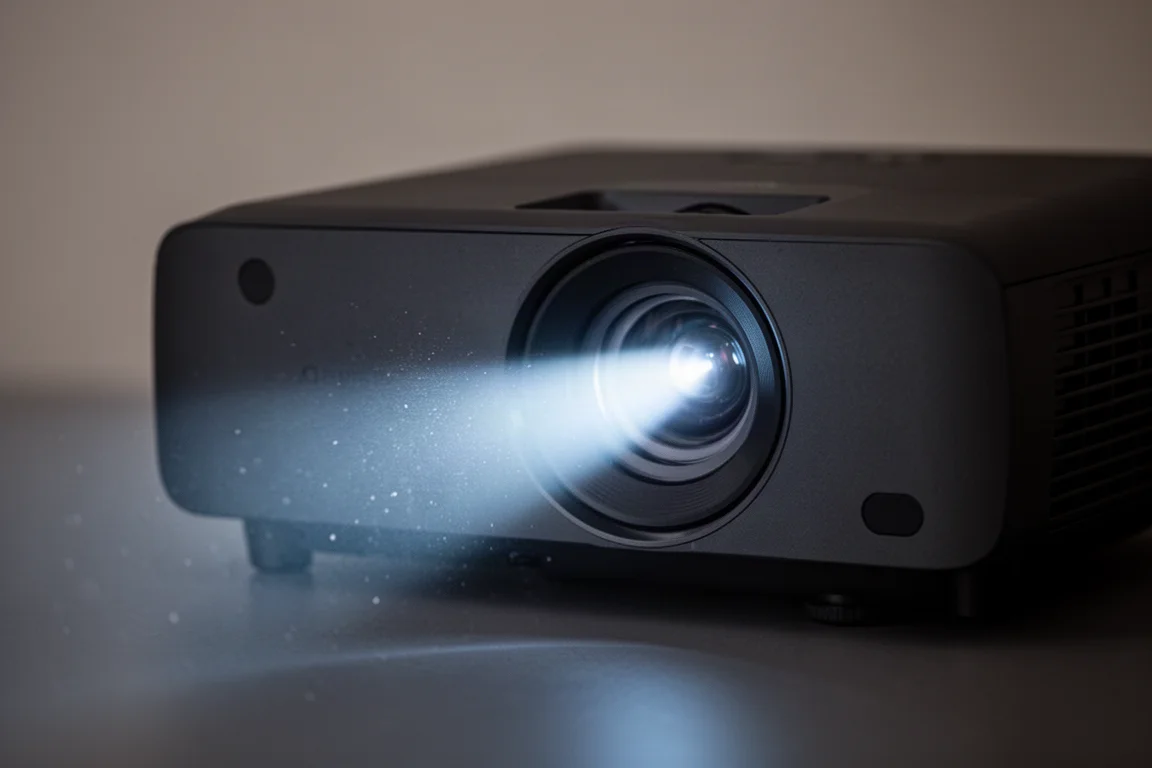
Colour benefits too. Laser illumination tends to make colour look richer without pushing saturation, and the higher brightness gives HDR highlights more headroom to work with on a big screen.
Processing, HDR, and Colour
The X1 Ultimate for Projector processor is the same chip found in Sony’s flagship front projector, and the benefits are easy to see: improved clarity, expanded dynamic range, and a larger volume of colours. The chip carries two internal databases, one for noise reduction and one for upscaling, and it compares each frame against both in real time to sharpen the image.
High dynamic range handling is where the processor earns its keep. The Dynamic HDR Enhancer analyses every frame, deepening dark scenes while keeping bright scenes free of blooming or washout, and it controls the laser dynamically to improve contrast. Object-based HDR Remaster goes a step further by analysing individual objects within a scene and adjusting contrast on a finer level, which brings out more texture and depth.
TRILUMINOS PRO is included as well, a technology first developed for flat-panel displays that makes around one billion colours available. It arrived on the front projection side in the flagship model, and its appearance here is a genuine step up for an entry-level projector.
One practical note: the HDR settings reward adjustment. Left at their defaults, some noise and grain can be visible in the picture, but once the settings are tuned, HDR content looks excellent. Plan on spending a little time in the menus to get there.
New SXRD Panels and Wide Dynamic Range Optics
The SXRD panels are new for this generation. They measure 0.61 inches, are native 4K, and use a flatter reflective surface with 10 percent more light reflectance than before. Light resistance improved by 50 percent, which contributes directly to higher brightness and contrast.
The optical block was redesigned as well. Under Sony’s Wide Dynamic Range Optics approach, the three panels sit in a new layout for better light control, and the laser diodes are packed more densely with a new coating system. The result is a higher colour volume, so colours hold up better at high brightness levels.
The lens uses nine glass elements with a spherical optical resin main lens, a design Sony has refined over several years. It keeps the image sharply focused right to the edges of the screen.
Gaming, Noise, and Placement
Gaming mode delivers about 21 milliseconds of input lag at 4K 60p and around 13 milliseconds at HD 120p, which is as responsive as projectors get. Fast action stays smooth, and motion handling in general is a clear improvement over the previous generation.
Cooling noise is low enough to disappear during normal viewing. Measurements came in around 50 dB with the microphone at the fan vent, dropping to about 36 dB at three feet and 34 dB at six feet, which sits below the ambient noise floor of many rooms.
Placement is more forgiving than usual. Across the full throw range, light output falls by only about 23 percent from the closest position to the furthest, where many projectors lose 40 percent or more. Moving the projector further back in the room therefore costs very little brightness. Note that quoted lumen figures are often measured in a maximum output mode, so they rarely match what owners see in practice. Sony’s stated numbers tend to sit closer to real-world results once the projector is set up for the best colour and contrast.
Things to Consider Before Buying
The trade-offs are mostly about installation flexibility. Focus, zoom, and lens shift are manual, and the shift knobs on top feel a little clunky compared with the electronic lens shift on the previous model. Because there is no motorised zoom, there is also no lens memory, so a constant-height 2.4:1 widescreen setup is not an option here. Those features appear further up the range.
There is a small amount of bowing at the outer edges of the image, so a zero-edge screen is not the best match. A screen with even a thin black border will hide it without any trouble, and this behaviour is fairly common among projectors at this level.
Finally, keep expectations in perspective. This is not a flagship projector and it does not match the reference model above it. What it does is deliver a very large share of that performance for a fraction of the cost.
Buying Advice
For most buyers stepping up from an older lamp-based projector, the VPL-XW5000 is the sensible place to land. The combination of a 2,000 lumen laser light engine, the flagship processor, and the new panel set produces a picture that looks a class above its position in the range. The improvement in streaming content is the most striking part: heavily compressed material and HD streaming look closer to disc quality, motion is cleaner, and scrolling text stays sharp.
If your priorities are brightness, long light-source life, low input lag, and strong HDR handling, and you are happy to set the lens once and leave it, this projector is easy to recommend. If you need motorised lens memory or want the extra headroom of a higher model, plan for the step up instead. Either way, budget a little time for setup and picture tuning, because the HDR controls reward a proper calibration.
Conclusion
The VPL-XW5000 takes the parts that matter most from Sony’s flagship front projector, the processor and the panel technology, and packages them in the company’s most affordable 4K laser chassis. The compromises are limited to manual lens adjustments and a minor edge-bowing quirk, both of which are easy to live with in a fixed installation. For a home theater upgrade that needs to last, it is a compelling option.
Product link
View more details for Sony VPL-XW5000
This product is mentioned in the review. Check the specifications, options, and compatibility before buying.
View more details for Sony VPL-XW5000Further reading
Related Reviews
Home Theater Projectors
Barco Heimdoll Family Guide: Choosing a Native 4K RGB Laser Projector
A practical guide to the Barco Heimdoll, Heimdoll Cinemascope, Heimdoll Plus, and Heimdoll Plus Cinemascope for large-format home theaters.
Home Theater Projectors
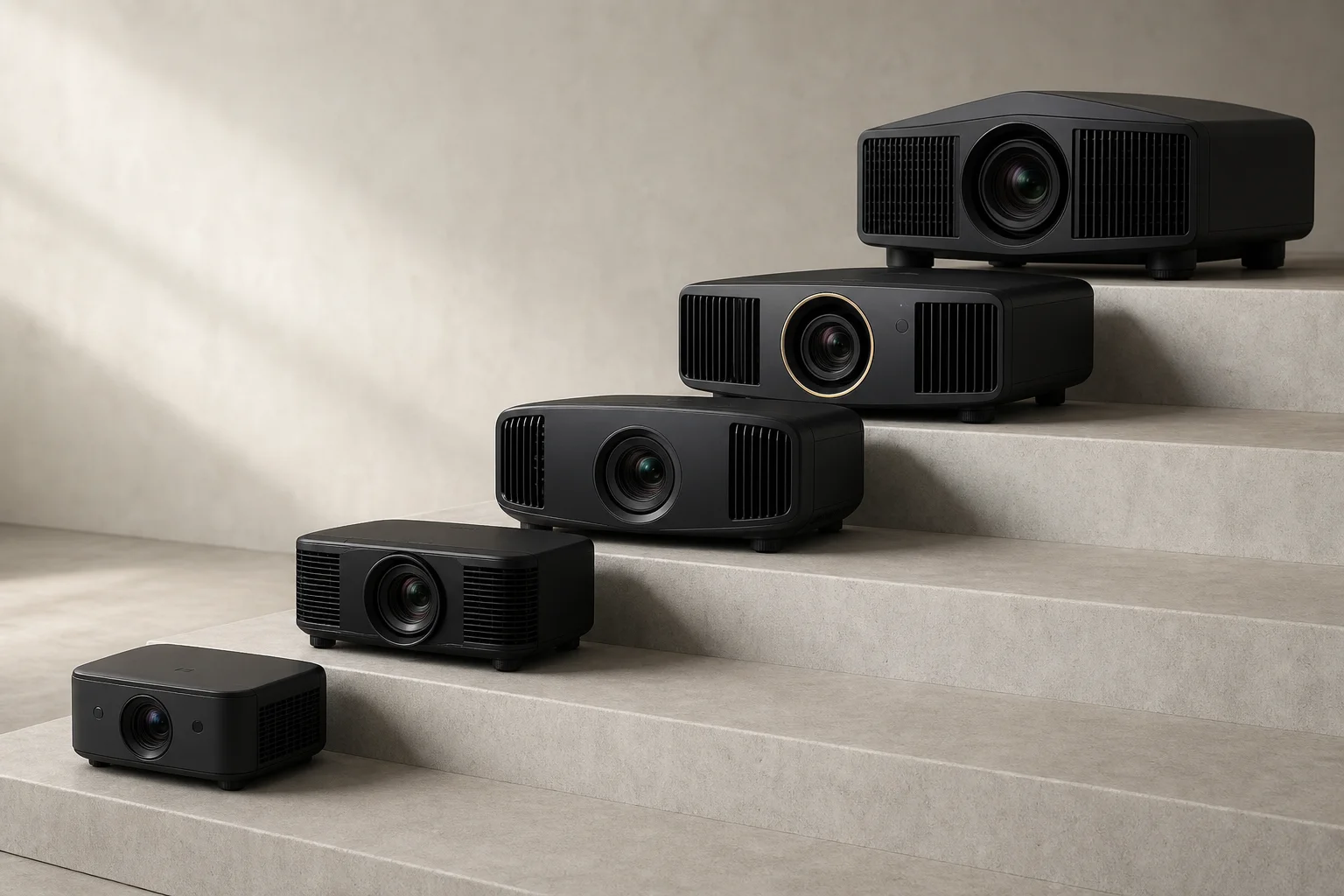
Best Home Theater Projectors 2026: Five Models Ranked by Performance and Value
A comprehensive ranking of five home theater projectors, from budget-friendly to premium options, evaluated on brightness, resolution, color accuracy, and gaming performance.
Home Theater Projectors
Epson EpiqVision LS800 Review: A Super Ultra Short Throw 4K Laser Projector for Bright Living Rooms
A practical look at the Epson EpiqVision LS800 and the SilverFlex Ultra ALR screen, covering brightness, throw distance, gaming performance, and the setup trade-offs worth knowing.