Headphones
Sony LinkBuds Review: Open Earbuds With the Hole
Sony's distinctive ring-design earbuds promise true awareness without giving up a truly wireless form factor. Here is how they perform for running, cycling, and everyday use.
Introduction
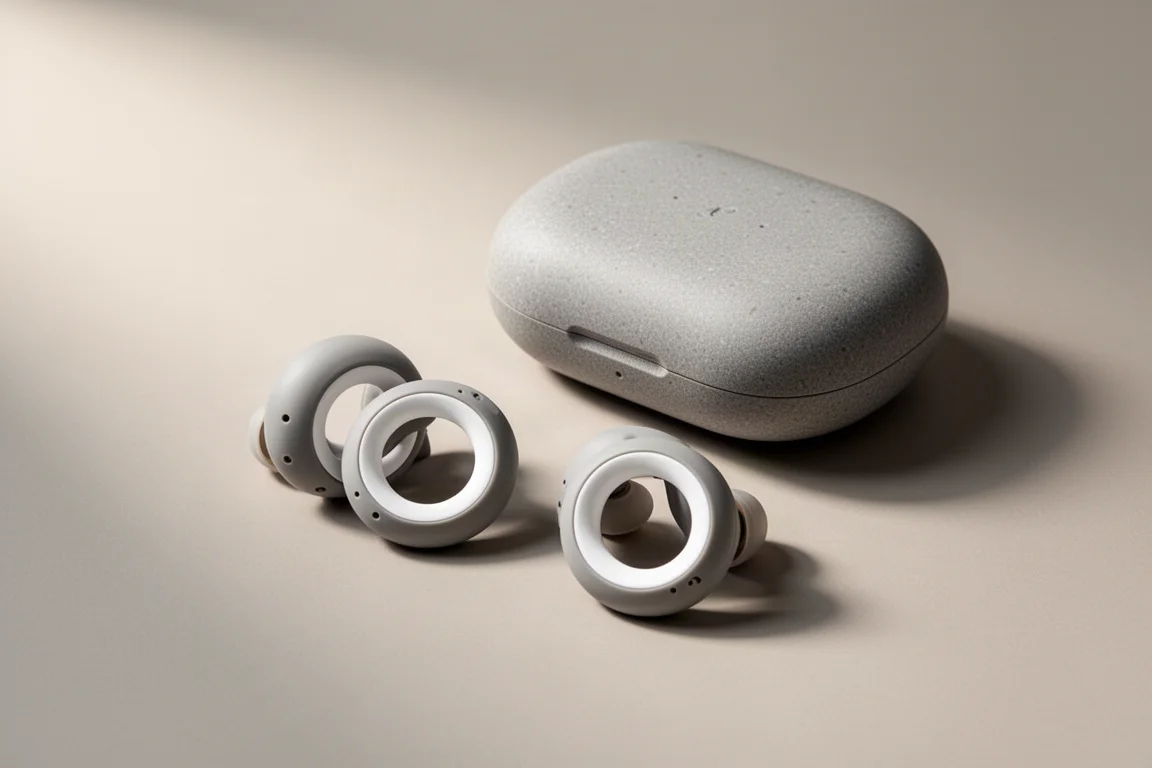
Sony’s LinkBuds are one of the more unusual earbud designs to come along in years: the headphones with the hole. The ring driver that sits nearest your ear canal is open in the middle, letting external noise straight through. That makes them a genuinely new option in the open headphone space, a category long dominated by bone conduction headphones or regular earbuds relying on transparency modes.
They cost 149 pounds in the UK or 179 dollars in the US, and each bud weighs just 4.1 grams. You get five sets of silicone wings to lock in the fit, a 12 millimetre driver inside the ring, and an IPX4 splash-proof rating that shrugs off sweat and rain without being fully waterproof.
The core question is whether an open design can deliver enough sound. After extended testing on runs, rides, and quiet office sessions, the answer is more nuanced than a simple yes or no, and it depends heavily on where you listen.
Design, Fit, and Comfort
There is no polite way to say it: these buds look utterly bonkers. They do not look like they are meant to sit in your ears at all. But once you find the right wing, they work beautifully. The silicone wings jab gently up inside the ear to hold the buds in place during running, cycling, and harder efforts, and there are five sizes to experiment with.
Fit is the make-or-break factor here. The first couple of wing sizes tried fell out a few times and slipped around during a rainy run. Once the right pair was found and kept in place, they stayed secure through hour-plus runs with no discomfort at all. At 4.1 grams per bud, they are so light and discreet that you genuinely forget you are wearing them.
{{image:1}}
A practical bonus for glasses and hat wearers: unlike ear-hook bone conduction designs, there is nothing competing for space on top of your ear. They sit quietly and inconspicuously, even if they look a bit odd up close. And the IPX4 rating offers the kind of sweat and water protection you often only find on more expensive buds.
The charging case is very small and genuinely pocket friendly. It has a USB-C slot on the back and an LED on the front showing charging status and battery level. It fits fine in a running belt, which is exactly where a case this size belongs.
Sound Quality
The best description is this: they sound like a very good pair of bone conduction headphones. You get strong clarity and detail and a surprisingly natural presentation, but you are not getting great amounts of power or bass. That is the trade-off the open ring design makes.
In quieter environments, indoors or on calm suburban roads and forest trails, they are genuinely enjoyable. Music has nice depth and clarity, and podcasts sound exactly as they should, with a clear audio profile that suits spoken word perfectly. They are also surprisingly loud for such tiny drivers.
{{image:2}}
The problems arrive with wind and traffic. Running beside a busy road on a windy day, or even just a windy day down the track, the lower ranges simply disappear. Bassy music loses its punch, deep podcast voices become hard to hear, and there is no onboard technology to reduce wind noise. It is not frustrating enough to stop using them outside, but you do have to battle the open window a little.
EQ modes in the Sony Headphones app, both custom and preset, let you push some bass back in, but it will never be a huge amount. Compared to the wider market, they sound better than bone conduction headphones but fall well short of regular earbuds. Sub-50 pound earbuds can outperform them on raw sound.
Controls and Smart Features
The controls turned out to be a genuine highlight. Tap the outside of each bud with two or three taps, or, and this is the clever part, tap your cheekbones. Sony’s wide-area tapping lets you register taps just in front of your ears instead of fiddling with the buds themselves, which avoids knocking them out of place mid-run. It works reliably and is among the best headphone controls tested lately, better than the physical buttons usually preferred on running headphones.
Customization is limited to a double tap and a triple tap per side, assigned in the companion app, but that covers everything important: play, pause, and skip track on the right bud, volume up and down on the left.
{{image:3}}
The smart extras impress too. Speak to Chat pauses your music automatically when you start talking and resumes when the conversation ends. It works remarkably well for office use and everyday chats, though singers beware: humming along to your playlist will pause it too. There is also automatic volume adjustment based on your environment, and auto play/pause when the buds go in or come out. The buds also support Sony’s 360 Reality Audio, which uses photos of your ear shape to tailor the sound profile.
Battery Life
Five and a half hours of music playback per charge is what the buds deliver, and that claim held up even at near-max volume on runs. For calls, that drops to two and a half hours. The case adds another 12 hours, bringing the total to 17.5 hours.
These are not class-leading numbers. Cheaper buds do better, and even 20-pound budget earbuds can offer eight hours. The small case also does not hold much. What saves the package is the quick charge feature: 10 minutes of charging buys 90 minutes of playback, which is enough to cover most runs and keep a week of training going as long as the case stays topped up.
Buying Advice
These are close to perfect headphones for runners who spend most of their time in busy but not excessively loud environments and who favour podcasts over bass-heavy playlists. They are also excellent for office use, where staying aware of colleagues matters, and for cycling, where full awareness of traffic is essential. In those scenarios, the balance of awareness and sound is hard to beat, and the fit and light weight make them easy to wear all day.
{{image:4}}
They are the wrong choice if you always want powerful, bass-forward music while running hard, especially on busy or windy routes. In that case, in-ear headphones with transparency mode, activated only when you need extra awareness, will serve you better. Open-fit designs such as Apple AirPods or the Huawei FreeBuds 4 sit in between on the awareness-sound spectrum and offer more punch than these while keeping some awareness.
One race-day caveat: bone conduction brands such as Shokz remain the only headphones allowed in many UK races on open roads, so if disqualification is a concern, they keep that edge. But if you prefer a smaller, more discreet form factor with better sound than bone conduction, these are a compelling pick.
Conclusion
Sony’s LinkBuds are a pleasant surprise. The design looks strange, but with the right wing fitted they are secure, comfortable for hours, and so light you forget them entirely. The sound is clear and natural, if bass-light, and the controls and smart features genuinely work. If awareness is your priority and podcasts are your fuel, these fit that use case almost perfectly. If powerhouse bass on busy roads is non-negotiable, look elsewhere.
Product link
View more details for Sony LinkBuds
This product is mentioned in the review. Check the specifications, options, and compatibility before buying.
View more details for Sony LinkBudsFurther reading
Related Reviews
Headphones
Apos Audio Caspian Review: Warm Bass, Solid Build, and a Detail Trade-Off
The Apos Audio Caspian is an easy-to-drive open-back headphone with standout bass and a warm, relaxed tuning, though mid-range and treble detail trail the competition.
Headphones
Audeze LCD-X vs LCD-XC vs LCD-3: Which High-End Headphone Fits Your Setup
A practical comparison of three Audeze planar magnetic headphones under $2,000, covering the open-back LCD-X, the closed-back LCD-XC, and the wood-ringed LCD-3.
Headphones
Audeze LCD-X vs HiFiMan Edition XS: Two Open-Back Headphones Compared
A practical comparison of the Audeze LCD-X and the HiFiMan Edition XS, covering build quality, comfort, sound signature, and which listener each one suits.