Home Theater Displays
Sony Bravia Projectors and TVs Compared: A Model-by-Model Guide
A model-by-model look at Sony's current Bravia projectors, OLED and mini LED televisions, plus the Leon frame built for the Bravia 7.
Introduction
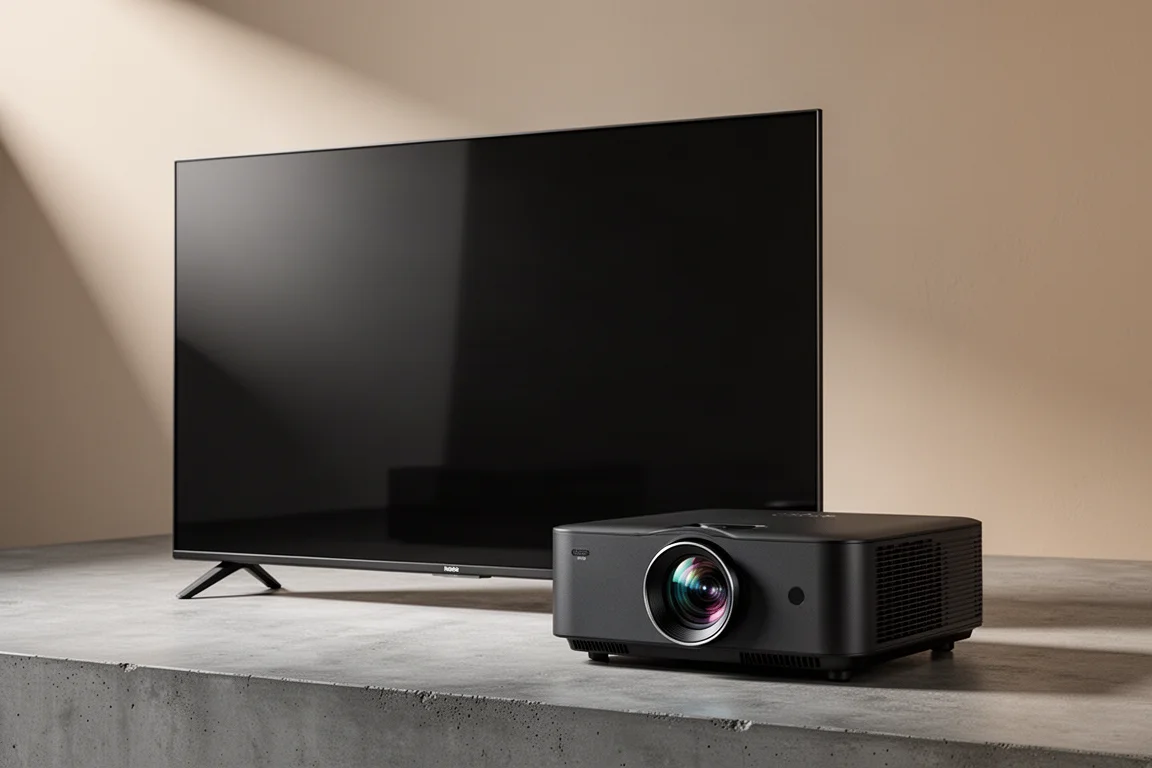
Sony’s current display range spreads across three very different approaches: laser projection, OLED, and mini LED. Each one solves a different room problem, and the differences between the models matter more than a specification list suggests. This guide walks through the projectors, the OLED sets, the mini LED sets, the large-screen LED option, the professional reference monitor Sony uses as a benchmark, and the frame that turns a Bravia 7 into wall art.
Nothing here is a one-size-fits-all recommendation. A dedicated theater, a bright open-plan living room, and a multi-purpose family room each point toward a different model.
How These Sony Displays Differ
Processing is the thread that ties the range together. The XR processor appears across the televisions, and the new projectors use a dedicated XR processor for projector that adds dynamic tone mapping, scaling high-nit HDR material properly for a projector light source rather than clipping it.
Beyond processing, the range splits by light source and panel type. Laser projectors scale to very large images and depend on room light control. OLED delivers pixel-level contrast. Mini LED uses densely packed LEDs behind the panel for finer local dimming, which matters most in bright rooms and in scenes that mix small bright objects with dark backgrounds. Full array local dimming without mini LEDs sits below that and remains the value option.
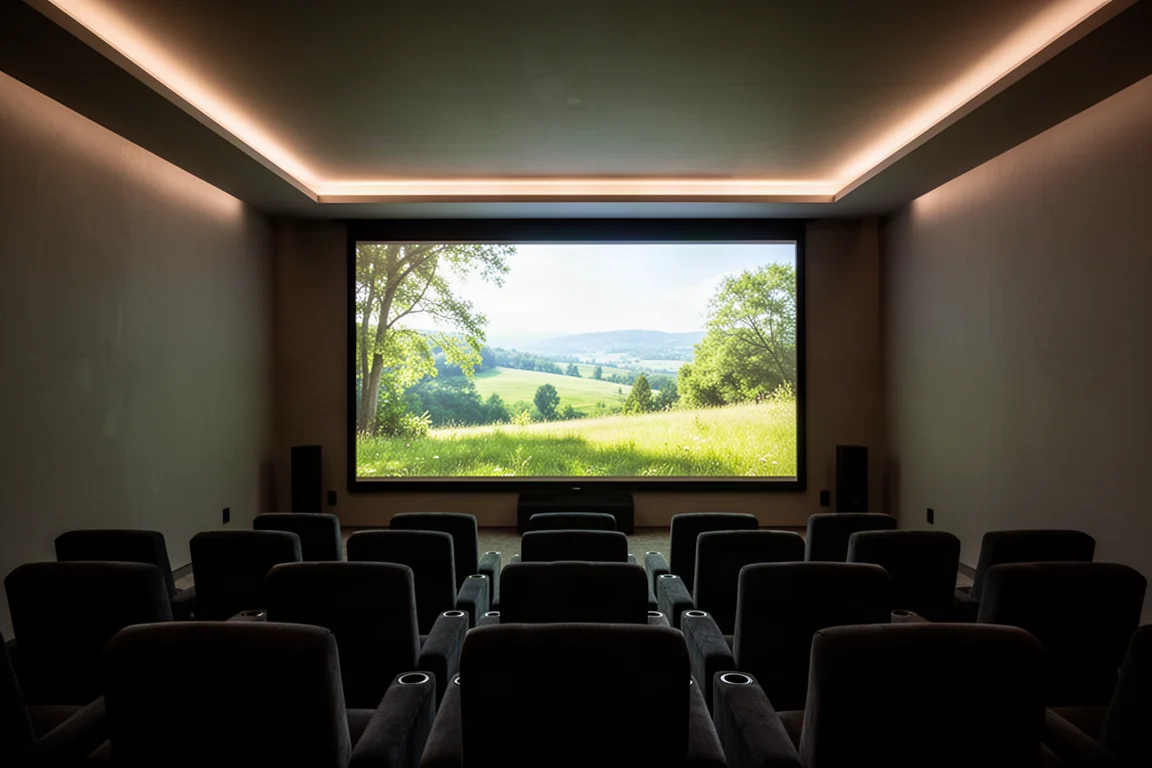
Size is the other variable. Sony’s LED range reaches 98 inches, while the OLED range tops out at 77 inches, so the largest screen sizes are only available in the LED models.
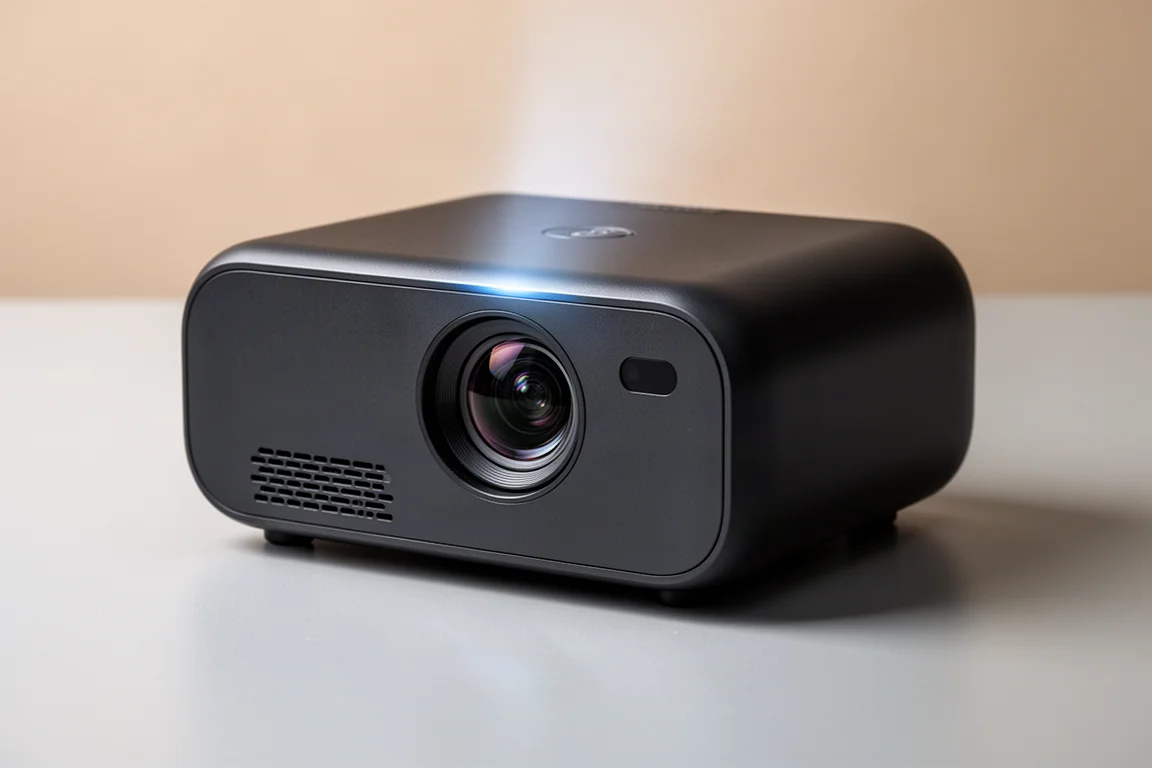
Sony Bravia Projector 9
The Bravia Projector 9 is the flagship of the new projector pair, and its headline figure is 3,400 lumens. That extra light output lets it push further into high-nit HDR content and show it closer to the way it was graded, which is exactly where a projector light source has historically struggled.
The XR processor for projector handles dynamic tone mapping, so 4,000-nit and 10,000-nit grades can be scaled sensibly for projection. The Bravia Projector 9 also adds Live Color Enhancement, a color processing algorithm that gives color more punch in a media room or multi-purpose room where you are not working with a fully darkened theater.
Both new projectors share a long list of upgrades: HDMI 2.1 with ALLM and VRR for gaming, corner keystone correction for installations where the projector cannot sit perfectly centered on the screen, two additional picture position memory presets for variable aspect ratios, and the ACF lens.
Sony Bravia Projector 8
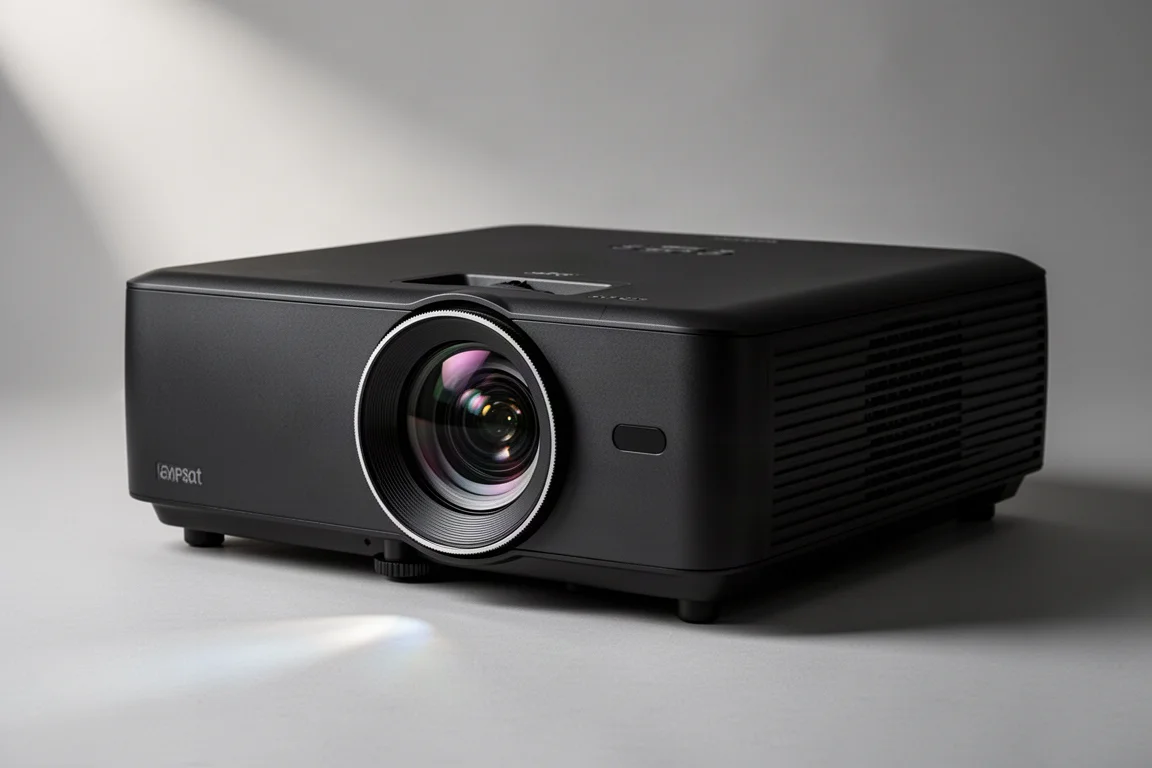
The Bravia Projector 8 keeps the same XR processor for projector, the same HDMI 2.1 gaming features, corner keystone correction, the extra picture position memories, and the same ACF lens. The difference comes down to light output at 2,700 lumens and the absence of Live Color Enhancement.
For a dedicated theater with good light control, that is a reasonable place to land. The processing and installation flexibility are identical. What changes is how hard the projector can drive specular highlights and how much color punch it can add in a less controlled room.
Sony XW5000
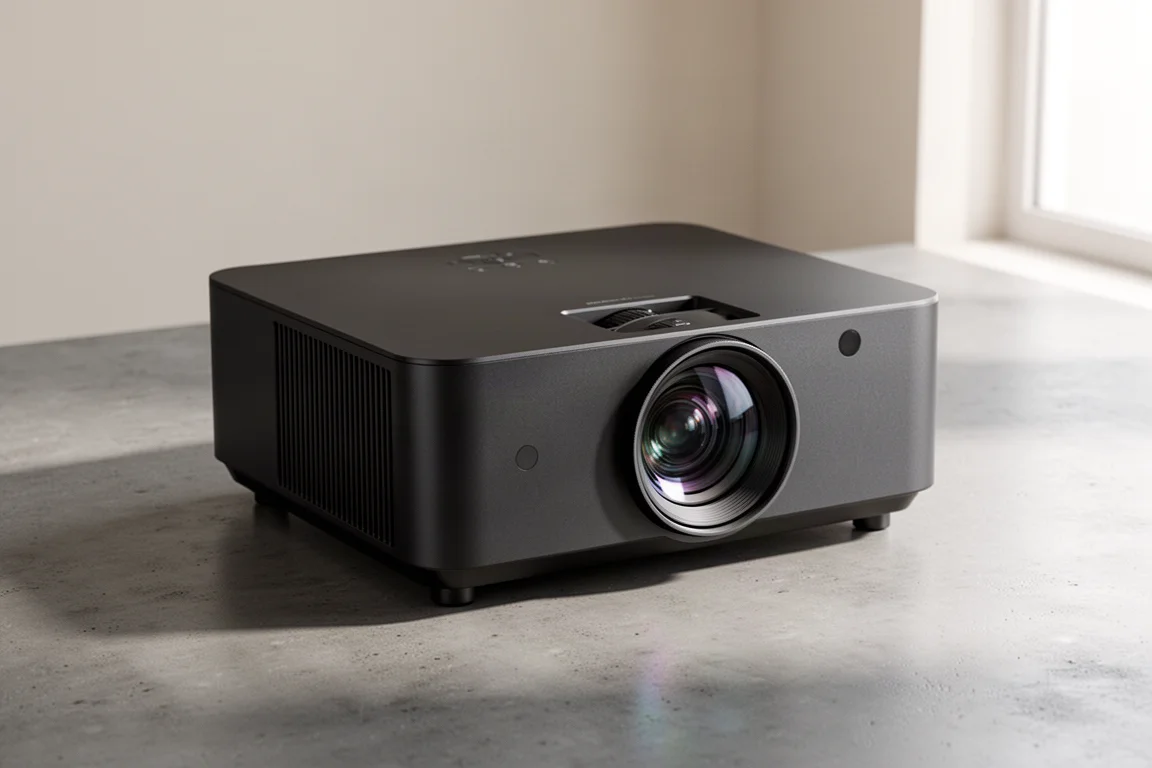
The XW5000 carries forward as the entry point into Sony’s laser projection range. It has built a following for combining a laser light source with strong processing at a budget price point, a combination that has not always been easy to find.
It does not pick up all of the new feature upgrades that the Bravia Projector 8 and 9 receive, so it makes the most sense for buyers who want to step into laser projection without stretching to the top of the range.
Sony A95L
The A95L is Sony’s Quantum OLED, offered from 55 up to 77 inches. It uses the XR processor, and that processing is the reason it competes so strongly against panels sourced from the same manufacturers its competitors use. The panel supply is shared, so the difference comes down to how the signal is processed and displayed.
Color coverage is broad. The A95L covers DCI-P3 and most of BT.2020, and it supports both HDR10 and Dolby Vision. Black levels are the other part of the story. Against white cards and mixed content, an OLED at this level shows essentially no bleed between bright and dark areas, and the perceived depth in the image is a big part of why people choose this technology. It has also come out on top in a competitive television shootout comparison.
If you are weighing an OLED against a mini LED set, the A95L is the model to look at when deep blacks and pixel-level control matter more than maximum brightness.
Sony Bravia 8
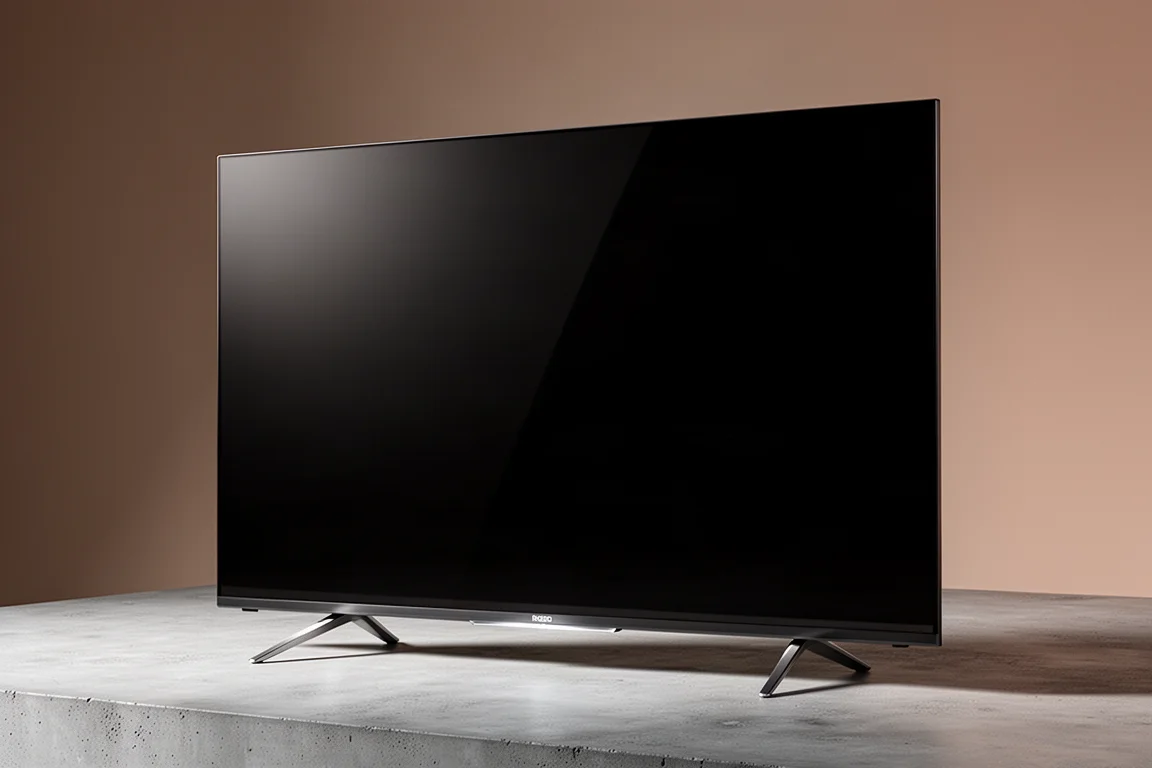
The Bravia 8 is an OLED that stays close to the previous generation on brightness and picture performance, and puts its effort into the physical design instead. The rear housing used to bulge noticeably, which was visible from the side of the room and worked against a clean wall mount. The new design cleans that up, sits much closer to the wall, and pairs it with a bezel that is roughly 29 percent thinner.
The front is close to edge to edge, so the set reads as almost all screen from the viewing position. If your priority is a tidy wall-mounted OLED rather than a step up in brightness, this is the model where the changes are most tangible.
Sony Bravia 7
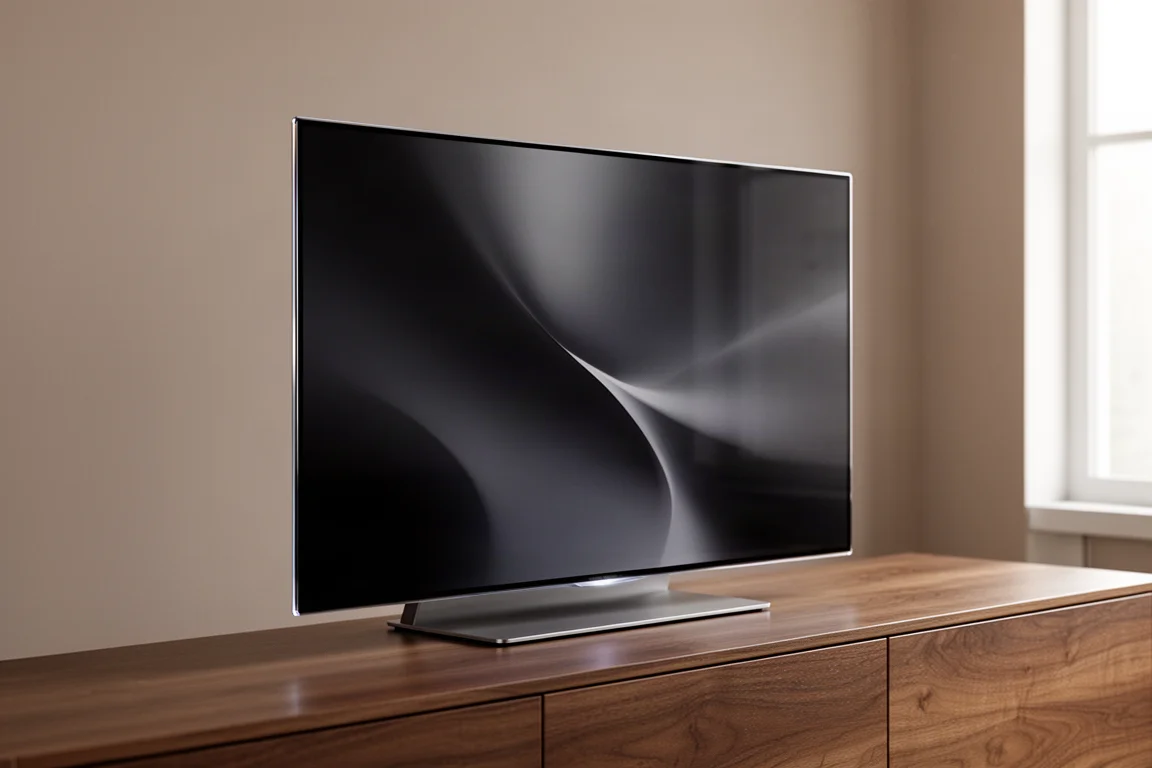
The Bravia 7 is the mini LED step-up above the 98-inch X90L, and it exists to bring mini LED performance to buyers who are not ready to move to the flagship price point. Mini LED helps where full array local dimming struggles, with fine contrast adjustments at a micro level.
That shows up in scenes with small bright objects against dark backgrounds. A lit structure against a night sky is the classic example, where the mini LEDs can dim far more precisely around the bright element and reduce the blooming a coarser backlight produces. Two things make it work: the XR processor driving the mini LEDs, and Backlight Master Drive, Sony’s local dimming algorithm, which has been evolving since the Z9D.
Sony Bravia 9
The Bravia 9 is Sony’s flagship mini LED and the model that sits alongside the A95L at the top of the range. It adds two technologies aimed squarely at real rooms: X-Wide Angle, a wide viewing angle coating, and X-Anti Reflection. OLED does not need the same treatment because each pixel is individually lit, but a backlight system does, and these coatings are how Sony keeps every seat in a bright, open-plan room looking close to the best seat.
Off-angle performance has been one of the long-standing criticisms of LCD televisions, and it is the area where this generation has moved the furthest. The Bravia 9 has taken top honors in its backlight category in a competitive shootout comparison against rival mini LED sets. It also handles high-nit HDR tone mapping with very little clipping, which is what makes it a useful reference point in side-by-side demonstrations against professional grading hardware.
Sony X90L
The X90L is the full array local dimming model in the range, without mini LEDs, and it is positioned for buyers who want a punchy picture without breaking the bank. It runs the same XR processor used in the A95L and the Bravia 9, and it is available from 55 inches all the way up to 98 inches.
That 98-inch option is worth thinking about seriously rather than dismissing as an oversized screen. For a cinematic viewing angle of roughly 50 to 60 degrees, a 98-inch diagonal needs only about eight feet of viewing distance, which is a normal living room seating distance. The old 42-degree standard was built around 2K content, and at 4K and beyond, wider angles are the direction the industry has moved.
Upscaling matters just as much at that size. XR Clear Image works on lower-resolution sources, including the 480p and 720p material that still shows up in cable feeds, to keep the image sharp rather than soft across a very large panel.
Sony HX3110
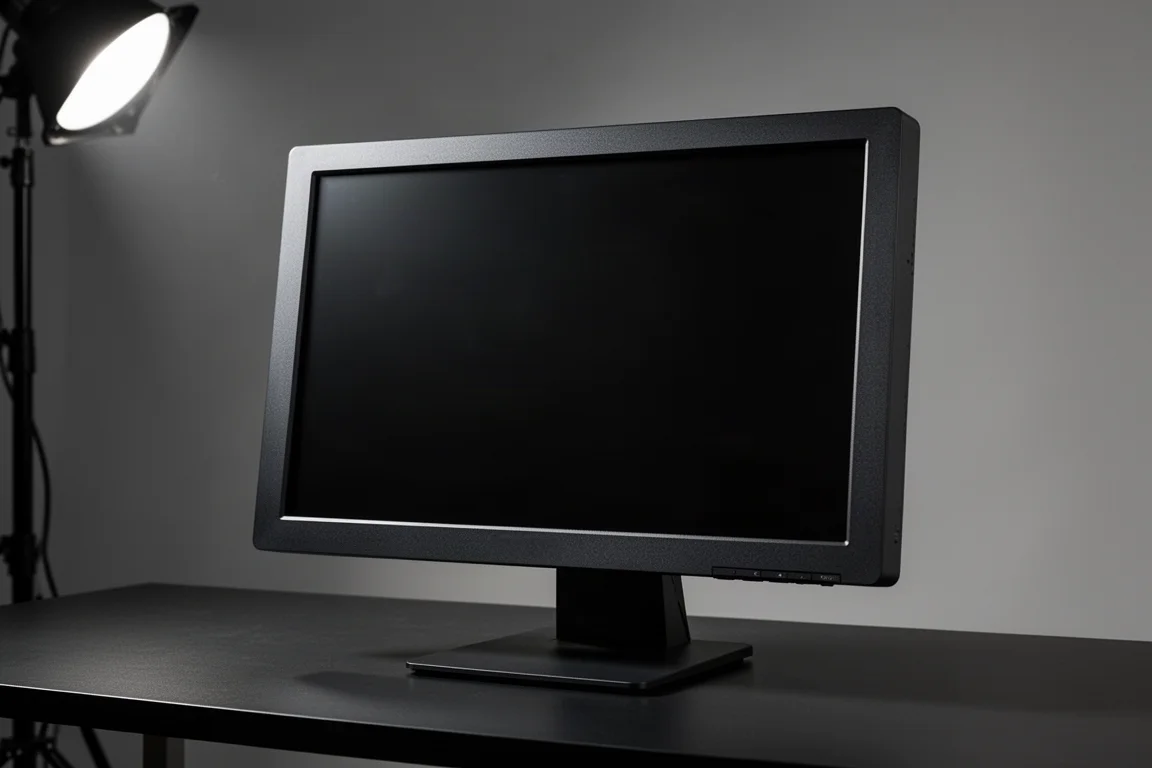
The HX3110 is a professional color grading monitor used in film production, and it is capable of up to 4,000 nits of brightness. It is not a consumer display, and it is not a practical way to watch a movie at home.
It is useful as a benchmark. When a film is graded at around 4,000 nits, a home display has to tone map that material properly to avoid clipping in bright areas such as clouds. Placed next to the HX3110, the Bravia 9 tracks that master grade closely, which is the clearest demonstration of how far consumer tone mapping has come.
Leon Frame for Sony Bravia 7
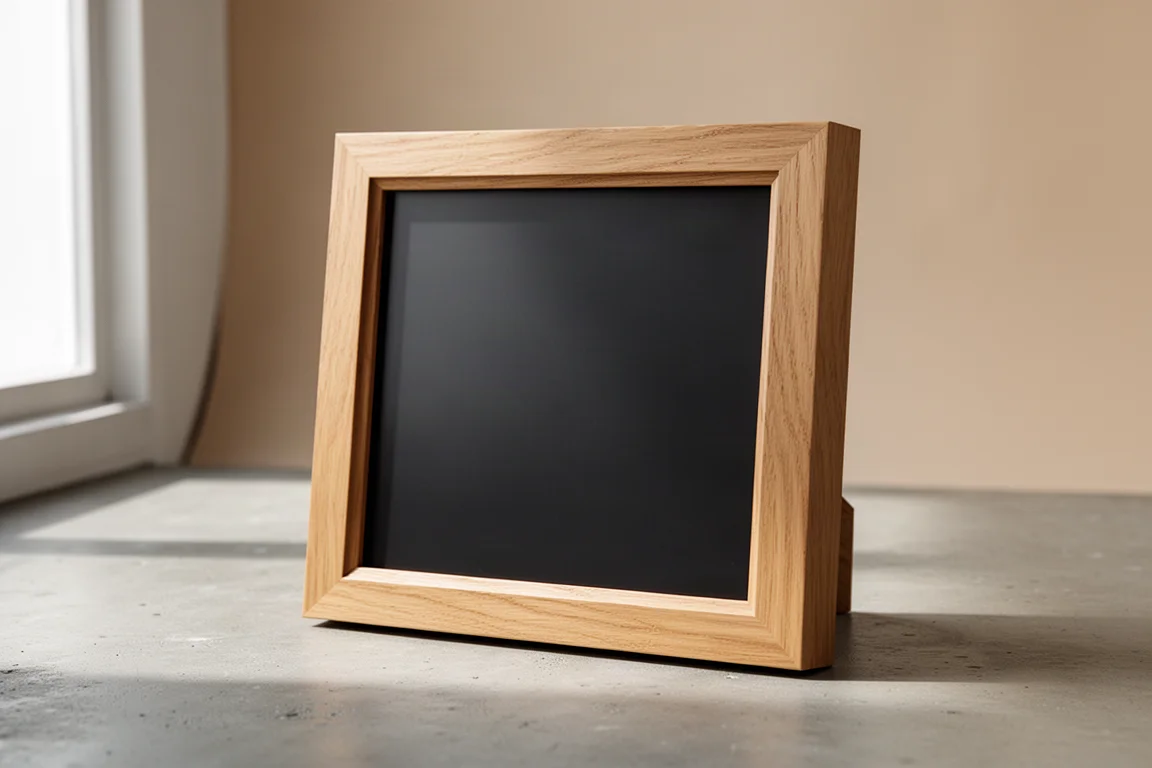
Leon has been building display frames for years, and the frame for the Bravia 7 is the second iteration of the collaboration with Sony. The important part is the compatibility: this version fits the full Bravia 7 mini LED lineup rather than a single model.
Sizes run from 55 up to 85 inches, with four finishes: white, black, light oak, and dark walnut. The appeal is that you get the aesthetic of a framed picture without giving up picture quality. Design-led televisions often compromise on backlight or processing to hit a certain look. Here the display underneath is a mini LED set, and mini LED is the better backlight for reproducing the texture of canvas and the subtle breaks in an artwork.
How to Choose the Right Sony Display
Start with the room rather than the specification. A dedicated, light-controlled theater is where the Bravia Projector 9 and Bravia Projector 8 make the most sense, and the Bravia Projector 9 earns its place if you watch a lot of high-nit HDR content or want the extra color punch in a room that is not fully darkened. The XW5000 covers the same category at the entry point.
For a dark room where deep blacks matter most, the A95L is the pixel-level option, and the Bravia 8 is the choice when the priority is a slim, flat wall mount. In a bright, open-plan space, the mini LED models are the better fit: the Bravia 9 for maximum highlight headroom and off-angle consistency, the Bravia 7 for mini LED performance below the flagship price, and the X90L for the value end of the range with the option of a 98-inch screen.
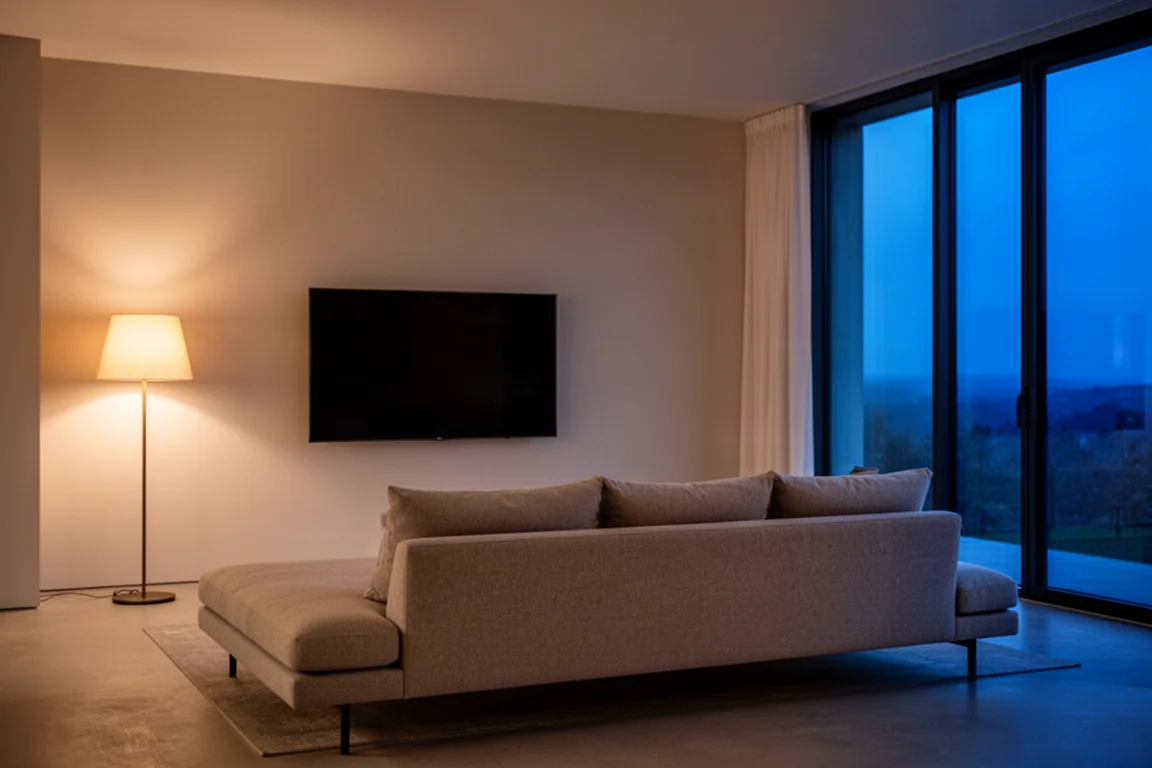
If the television has to look like part of the room, the Leon frame for the Bravia 7 solves that without asking you to accept a lesser panel.
Conclusion
Sony’s range is broad enough that the decision usually comes down to room conditions and screen size rather than brand loyalty. The processing is consistent across the line, the projectors now share a much stronger tone mapping story, and the mini LED and OLED branches cover the two very different ways people actually watch.
Pick the display that matches your room and your content, and the rest of the specification list matters far less than it looks.
Further reading
Related Reviews
Home Theater Displays
LG 136-Inch Direct View LED Display Review: Seamless, Bright, and Built for Multi-Purpose Rooms
A 136-inch 1080p direct view LED display with no visible seams, strong bright-room performance, a 100,000-hour brightness rating, and modular serviceability.

Backpacking Gear
Building a 10 lb Base Weight: An Ultralight Backpacking Gear List
A practical walkthrough of the ultralight pieces behind a 10 lb base weight, from a 765 g pack and a roomy one-person tent to a full camp chair and a dependable water filter.

Road Bikes
10 New Road Bikes Worth Watching: Aero, Titanium, Steel and Endurance Standouts
A practical roundup of 10 new road bikes, from aero flagships chasing single-watt gains to titanium, steel and endurance platforms built for real roads.