Home Theater Projectors
Sony Bravia Projector 8 and 9 Compared: Two New 4K Laser Projectors
Sony's Bravia Projector 8 and 9 share a new XR cognitive processor, a laser light engine, and HDMI 2.1 gaming features. Here is how the two models differ and how to choose.
Introduction
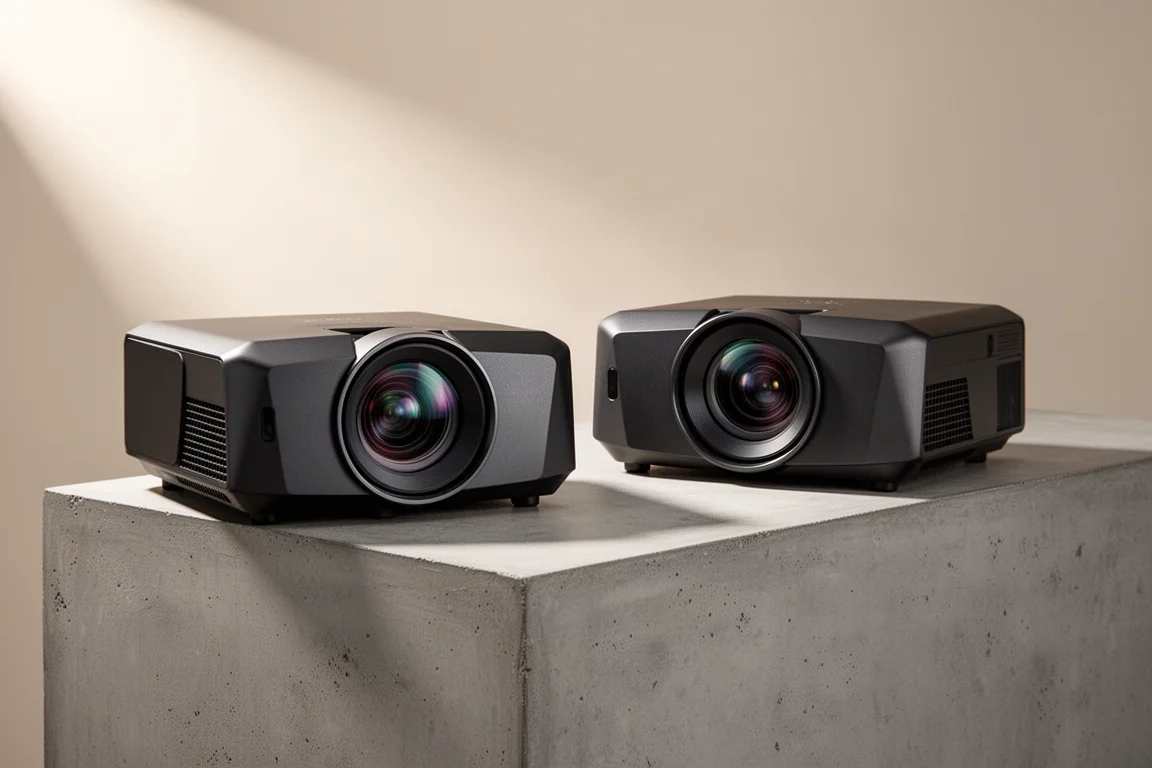
Sony’s two newest front projectors, the Bravia Projector 8 (XW6100) and the Bravia Projector 9 (XW8100), replace the models that came before them with a substantial jump in performance rather than a light refresh. Both move to the XR cognitive processor that Sony first introduced for its televisions, and both pair that processing with a laser light engine, a high-quality lens, and modern HDMI 2.1 connectivity.
This guide covers what the two projectors share, where they differ, and which one makes more sense for a given room and screen size.
What Both New Projectors Share
The headline change is the XR cognitive processor. Each frame is analysed for color, contrast, clarity, motion, and focal points, and the processor draws on a large library of reference images to decide how the picture should be adjusted. The result is a more lifelike image than the previous generation managed.
Both models also use a laser light engine rated for around 20,000 viewing hours, which means no lamp replacements for the life of a typical installation. Lens memory positions increase from three to five, which matters if you watch a mix of widescreen aspect ratios across films and streaming series.
Sony’s Advanced Crisp Focus lens is carried over, and connectivity now includes HDMI 2.1 with support for 4K at 120 frames per second.
XR Cognitive Processor and Dynamic Tone Mapping
HDR is where the new processor makes the biggest difference. HDR content is mastered for displays capable of far higher brightness than a front projector can produce, and tone mapping is the tool that bridges that gap. The dynamic tone mapping in the XR cognitive processor is a large step beyond the X1 processor used previously: highlights can be pushed harder without clipping, so bright details stay visible instead of washing out.
Black levels benefit as well through XR Deep Black, which combines laser dimming with gain adjustment. Triluminos Pro handles color accuracy, and the processor cross-analyses individual objects against a super resolution database to sharpen detail while reducing noise. The image is also divided into zones with dynamic frame analysis, which reduces compression noise while leaving the grain of real film intact.
Upscaling of lower-resolution sources to 4K is handled by the same processor, which has long been a strength of Sony projectors.
Laser Light Engine and Lens Quality
The laser light engine produces a bright image with realistic color and a rated lifespan of roughly 20,000 hours. That works out to a two-hour movie every day for more than 27 years before the light source reaches the end of its rated life.
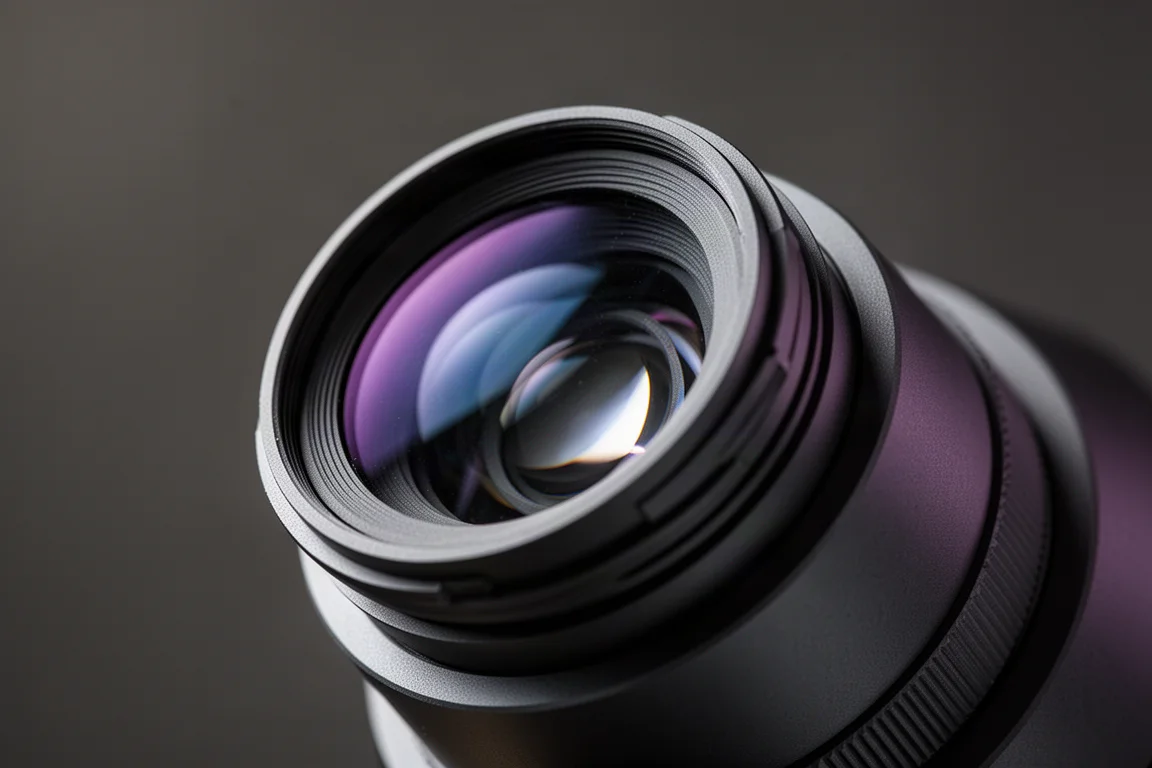
The Advanced Crisp Focus lens is designed to keep the image clean as light passes through it, and it holds onto more of its light output toward the far end of the throw range than many competing designs. That matters if the projector has to sit at the back of the room rather than closer to the screen.
Gaming, Keystone Correction, and Setup Flexibility
Both projectors accept 4K at 120 frames per second over HDMI 2.1, along with 4K at 48 frames per second. An auto low latency mode reads the incoming signal from a games console and switches over automatically. Lag sits around 21 milliseconds at 4K 60 and around 12 milliseconds at 4K 120 and 1080p 120, which is low for a projector.
Advanced Keystone correction combines lens shift with corner correction and XR Clear Image, allowing each corner to be adjusted individually rather than shifting the whole image. Widescreen blanking has also been improved. Deeper color correction, color space, and gamma settings are available for anyone who wants to calibrate further.
Sony Bravia Projector 8 (XW6100)
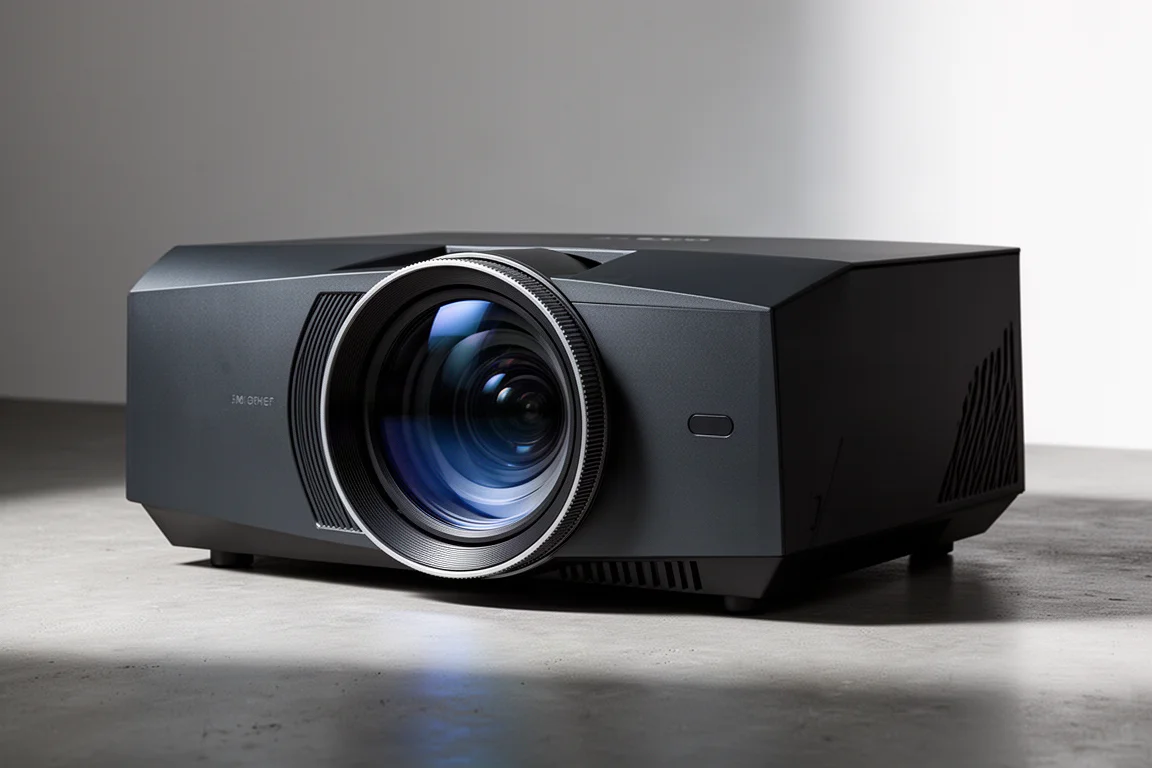
The Projector 8 is the entry point to the new series. Light output rises to 2,700 lumens from 2,500 on the model it replaces, which opens up larger screens in an average-sized room with a moderately sized widescreen. It comes in a choice of black or white, and it carries every shared upgrade, from the XR cognitive processor to the five lens memory positions and HDMI 2.1.
Sony Bravia Projector 9 (XW8100)
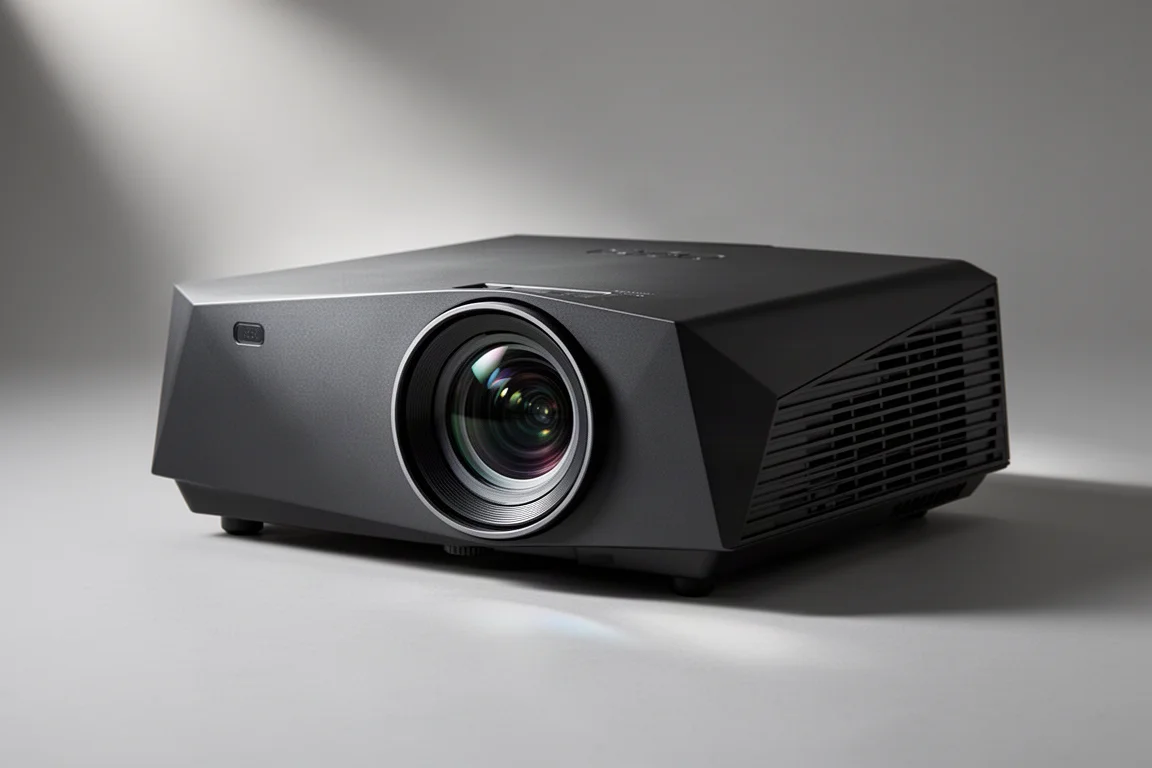
The Projector 9 steps up to 3,400 lumens, up from 3,200 in the previous flagship, and adds Sony’s Live Color Enhancer, which uses a proprietary algorithm to improve the vividness of natural objects. It is available in black only.
The extra brightness supports very large screens. This model is suited to screens up to 180 inches diagonal in a 2.4 aspect ratio, and a 165-inch 2.4 screen is a realistic pairing for a high-performance room.
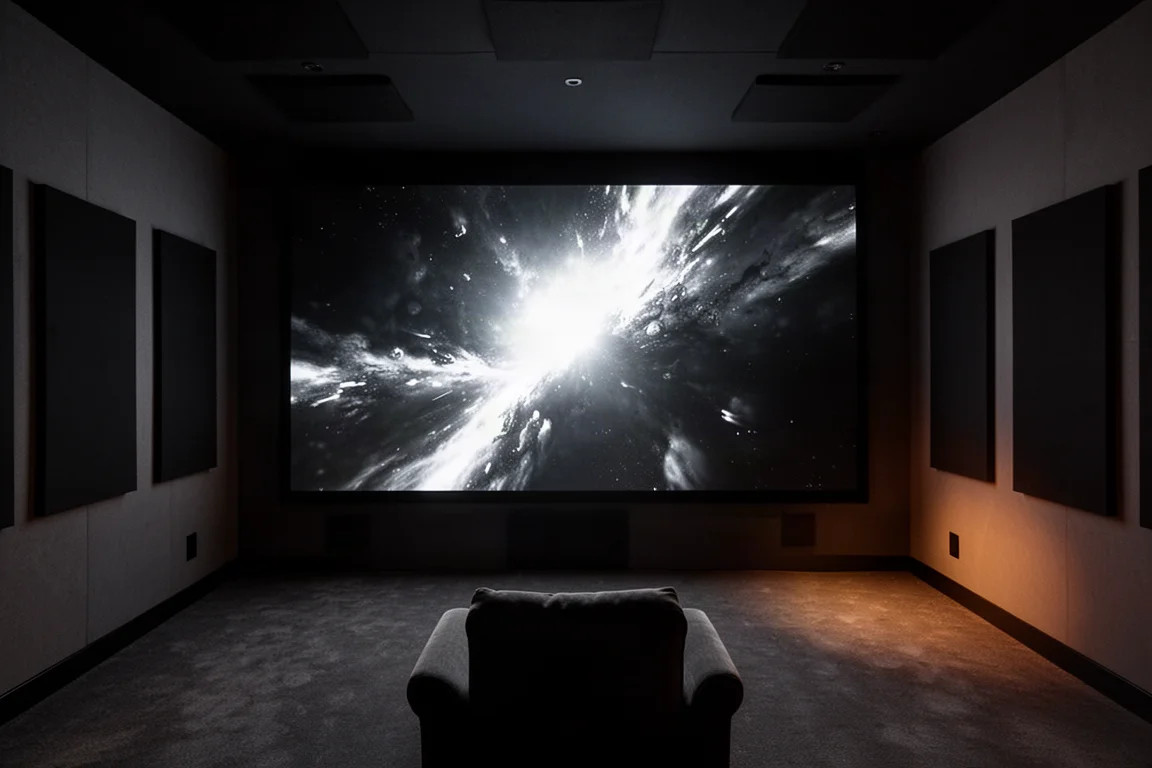
In use, the Projector 9 runs very quietly and brings a picture up in roughly 15 to 20 seconds, and it locks onto an HDMI 2.1 signal quickly. Its handling of highlights and blacks is a clear step up from earlier Sony models, and intense white elements against dark surroundings hold their detail well because the improved tone mapping keeps those highlights from clipping. An external video processor can still push contrast further, but the gap is smaller than before.
Practical Considerations Before You Buy
Screen size, screen gain, and the distance between the projector and the screen all affect the brightness you actually see, so the lumens figure alone does not tell the whole story. Both projectors arrive well calibrated, but a handful of adjustments make a noticeable difference, and there are deeper menus for those who calibrate with test gear or bring in a professional.
Because both models run quietly, they can be mounted closer to the screen where light output is strongest without adding distracting noise to the room. If the projector has to sit further back, the lens design helps limit the light lost over that distance.
Which Sony Bravia Projector Fits Your Room
Choose the Projector 8 if you have an average-sized room and a moderate widescreen, and you want the new processing, laser engine, and gaming features at the lower price point of the two. Choose the Projector 9 if you are planning a very large screen, want the extra brightness headroom, and value the Live Color Enhancer’s handling of natural color.
Both share the same processor, lens design, and connectivity, so the decision comes down to room size, screen size, and budget rather than to missing features.
Conclusion
The Bravia Projector 8 and Bravia Projector 9 are brighter and better processed than the models they replace, with improved HDR tone mapping, deeper blacks, five lens memory positions, and HDMI 2.1 gaming support. Pick the 8 for moderate rooms and screens, and the 9 for the largest screens and the extra brightness and color processing that come with it.
Further reading
Related Reviews
Home Theater Projectors
Barco Heimdoll Family Guide: Choosing a Native 4K RGB Laser Projector
A practical guide to the Barco Heimdoll, Heimdoll Cinemascope, Heimdoll Plus, and Heimdoll Plus Cinemascope for large-format home theaters.
Home Theater Projectors
Best Home Theater Projectors 2026: Five Models Ranked by Performance and Value
A comprehensive ranking of five home theater projectors, from budget-friendly to premium options, evaluated on brightness, resolution, color accuracy, and gaming performance.
Home Theater Projectors
Epson EpiqVision LS800 Review: A Super Ultra Short Throw 4K Laser Projector for Bright Living Rooms
A practical look at the Epson EpiqVision LS800 and the SilverFlex Ultra ALR screen, covering brightness, throw distance, gaming performance, and the setup trade-offs worth knowing.