Speakers
Sonus Faber Lumina Series Guide: Choosing the Right Model for Your Room
A practical walkthrough of the five Sonus Faber Lumina models, the technology they share, and how placement and amplification should shape your choice.
Introduction
Sonus Faber is an Italian speaker company formed in 1983, and its loudspeakers are known as much for their craftsmanship as for their sound. Cabinets are built and assembled the way a violin maker approaches an instrument, so owners get a piece of Italian design tradition alongside the music.
The Lumina series arrived in 2020 and changed where Sonus Faber ownership starts. Much of the technology and hand-finishing found in the company’s far more expensive designs is present here, and the name itself is an acronym for luxury experience, minimal design, and natural sound.
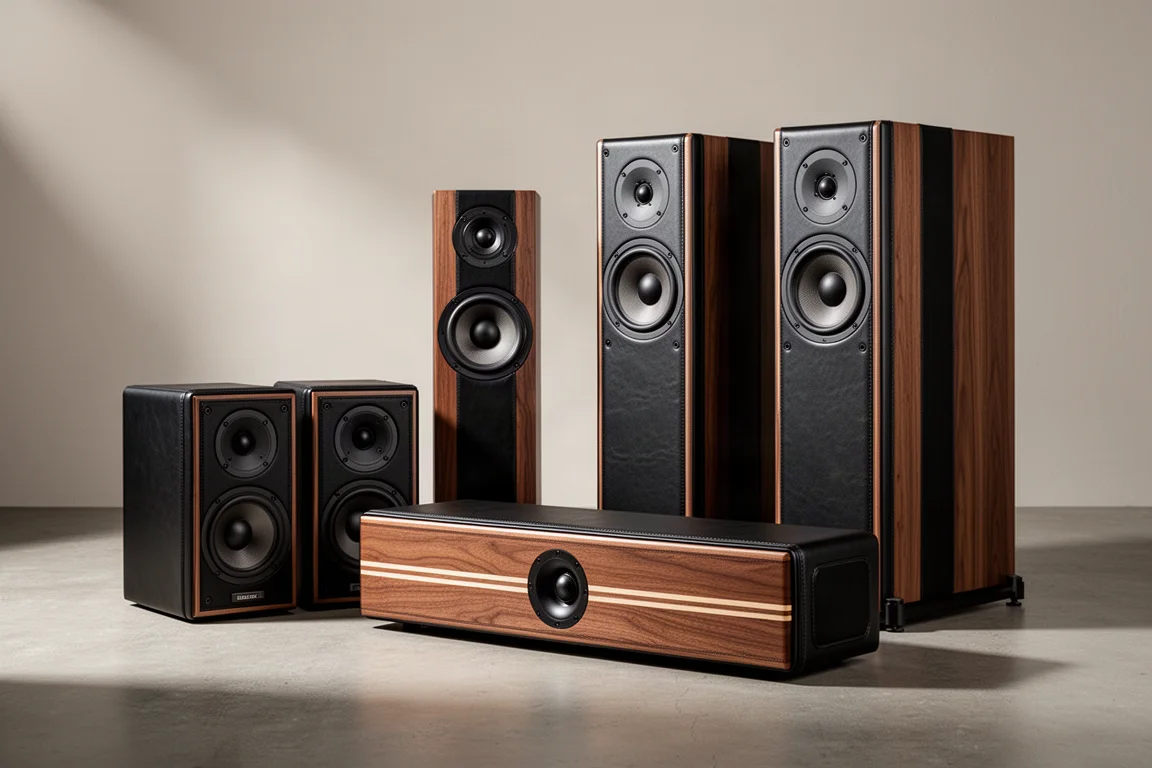
The line covers five models: two bookshelf speakers, two floorstanding towers, and a center channel. Every model shares the same tweeter and closely related driver technology, so any combination can be assembled into a matched home theater system. This guide walks through what the models have in common, then looks at each one so you can judge which fits your room.
What Every Lumina Model Shares
Across the series, the tweeters are identical and the midrange and bass drivers use similar technology. That shared foundation is what makes the line so flexible: a pair of bookshelf models, a pair of towers, and the center channel can be mixed in any combination without losing tonal consistency.
Sonus Faber calls its house sound the voice of Sonus Faber. The signature is neutral, but the quality that stands out most is the way these speakers reveal the small expressive details in a recording, the inflection in a voice or the character of a single instrument. Moving between a smaller and a larger model, the family resemblance is immediately obvious because each one portrays those tiny dynamic shifts in the same way.
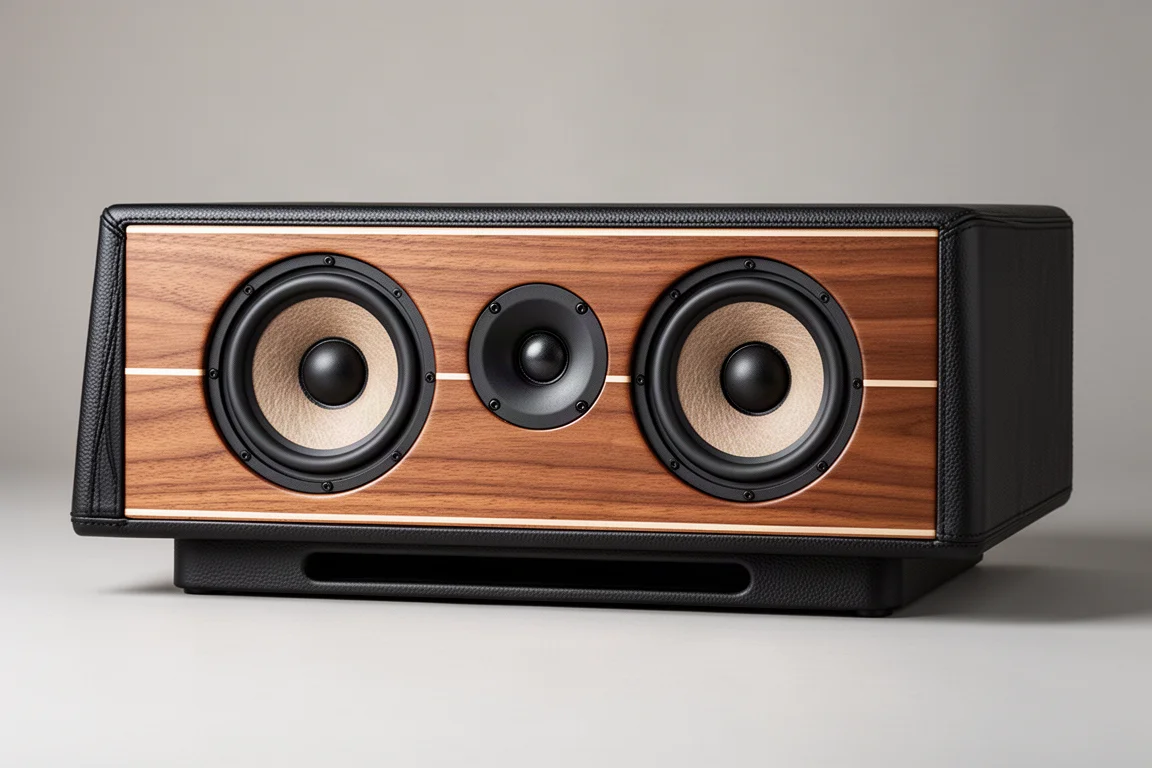
The cabinets are solid and well braced, and every one is wrapped in the black leather the company also uses on its more expensive speakers. Drivers mount to a multi-layer baffle. Three finishes are offered: wenge and walnut, both with small maple inlays running horizontally across the front, and a piano black version with no inlays.
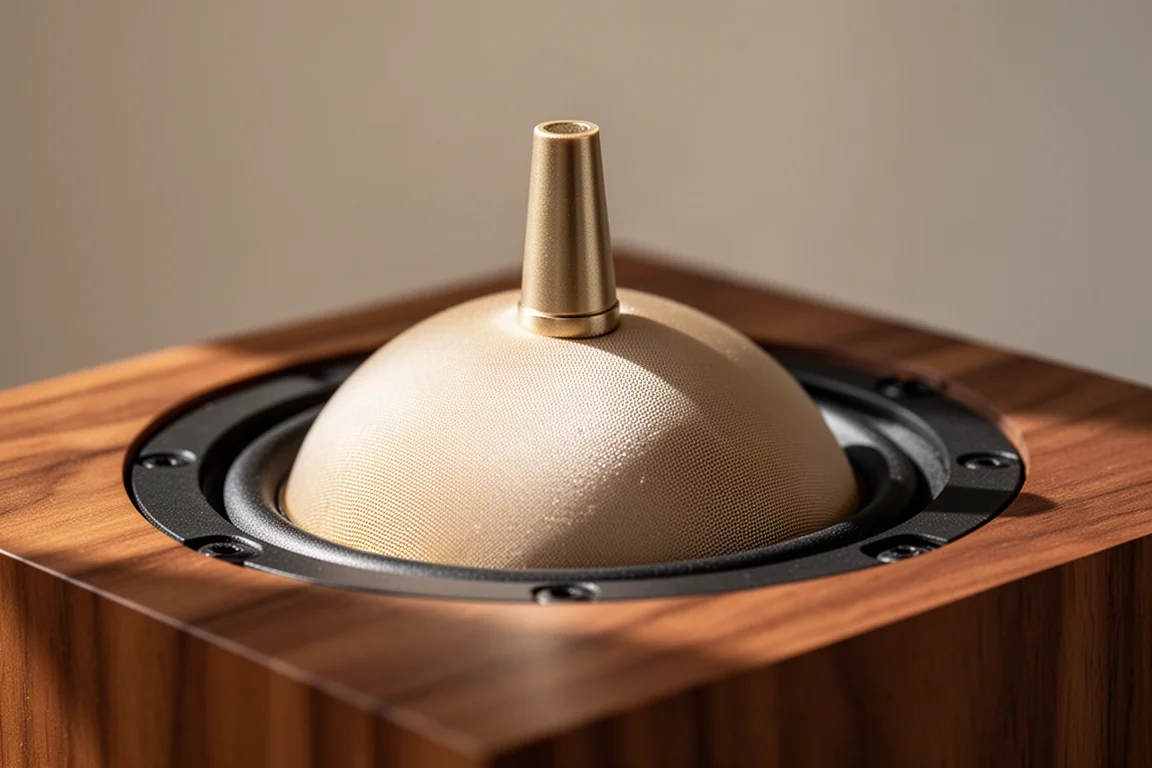
Two shared technologies come directly from the higher-end models. The damped Apex dome tweeter is identical to the tweeter used in the Sonetto series. It uses a soft silk diaphragm, and a small vertical assembly touches the very apex of the dome, where it is cone-shaped at the point of contact. Fabric dome tweeters normally suffer phase anomalies at the apex, which cause some high frequency roll-off. Pressing in on the dome at that exact point prevents those cancellations and allows far more extension, which is how the Lumina models achieve smooth, natural high frequencies.
The second is the stealth reflex port. A rear-firing port is simple to build but limits where you can put a speaker, because it interacts with the wall behind it. Sonus Faber’s solution places the port so that the bookshelf and center models sit on top of it, firing forward, which means they can go in a bookcase or close to a rear wall and still sound right. The floorstanding models use the same port type firing downward, which frees up placement options in the same way.
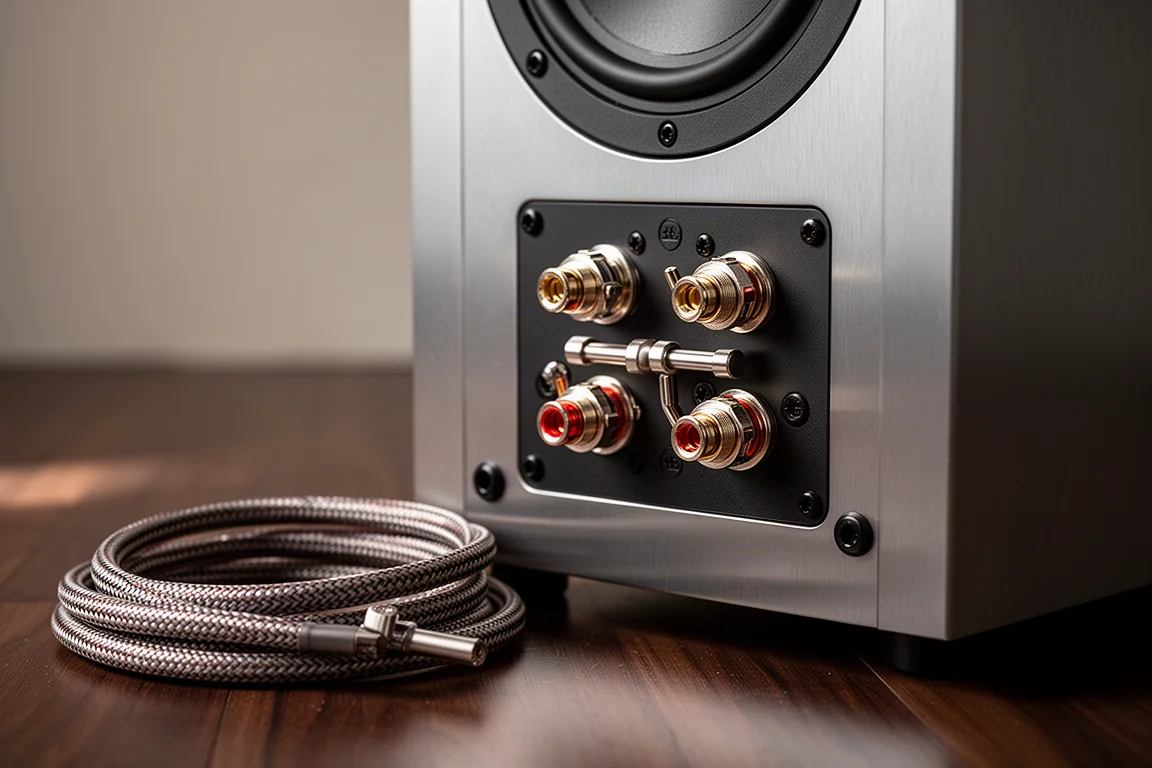
The crossovers use custom-made capacitors designed specifically for Sonus Faber, which is unusual at this level. Each model also has dual nickel-plated heavy-duty binding posts, so you can run standard wire or use bi-wiring or passive bi-amping.
Lumina I
The smallest model in the series pairs the Apex dome tweeter with a 4-inch mid-woofer developed specifically for Lumina. The diaphragm blends cellulose pulp with natural fibers. Despite the compact driver, it can produce a big sound, and it is not fussy about placement.
This model was voiced to sit closer to room boundaries, so a bookcase, a credenza top, or a spot near a wall all work well. Put a pair on stands well out into a room and the bass will feel light, but near a boundary they sound full and balanced. Set at equal distances from the listening position, they produce a three-dimensional image and seem to disappear as sources.
They do want an amplifier with some current capability. In an average-size room, an honest 50 to 75 watts per channel is plenty. This makes a strong first speaker for anyone who wants a natural sound and a genuinely beautiful piece of Italian design, and it also works beautifully as a surround speaker alongside the larger models.
Lumina II
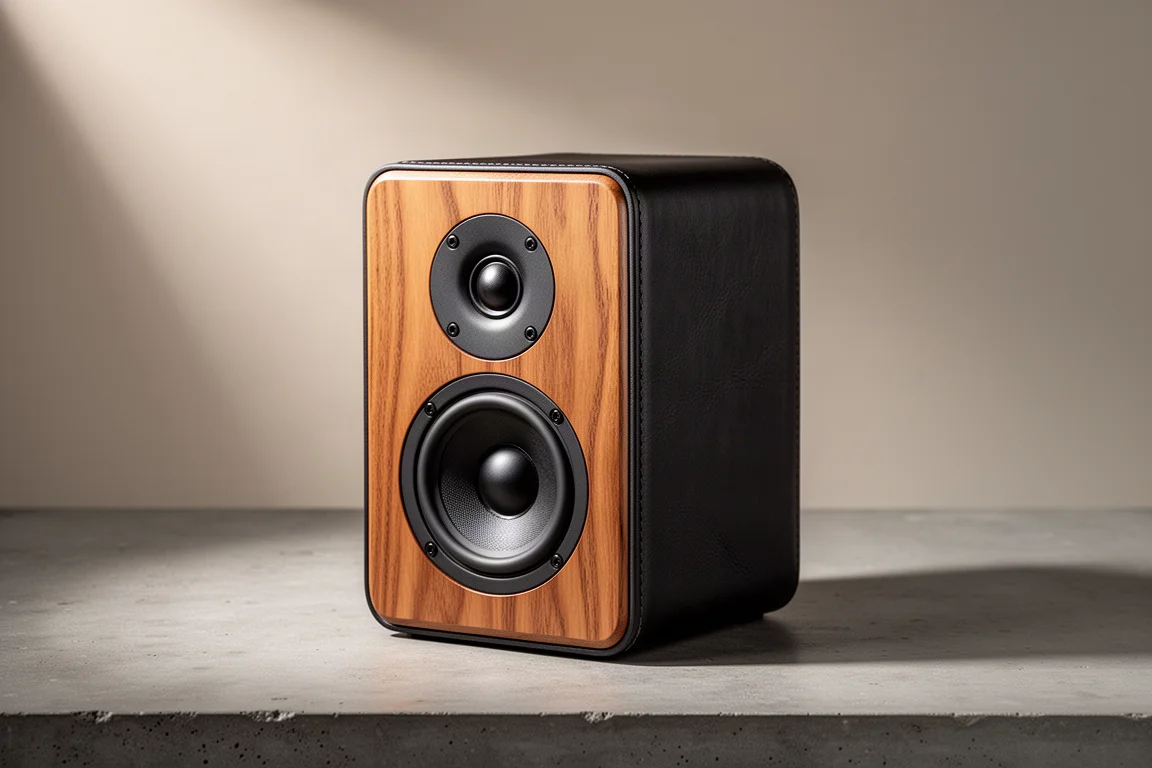
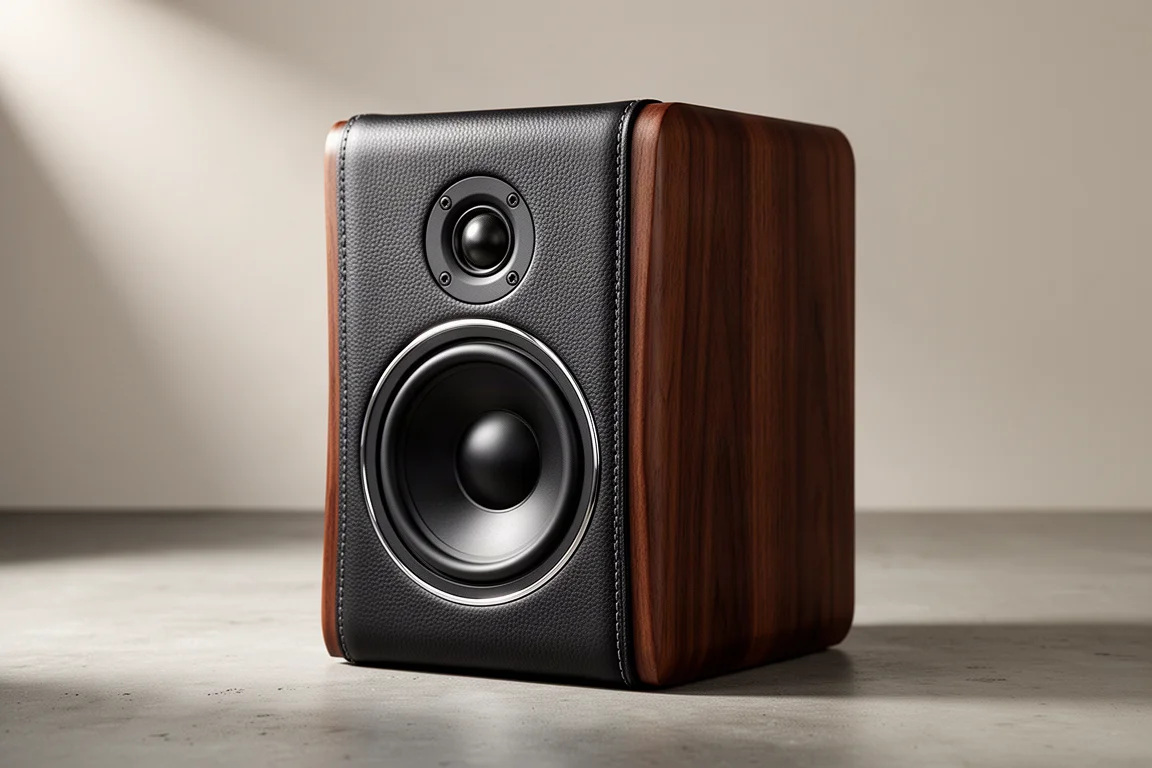
The Lumina II is the best-selling speaker in the line, and the reason is easy to hear. This compact model puts out a huge amount of sound and looks gorgeous in proportion, thanks to a larger 5-inch mid-bass driver and a much bigger cabinet than the Lumina I.
Where the Lumina I is voiced to work near walls, the Lumina II is designed to sit away from them. It performs best on a good speaker stand with space behind and to the sides. That makes it the more audiophile choice of the two bookshelf models: give it a careful, precise setup and the results are remarkable, with great dynamics, very fast bass, and the sweet, open character the series is known for.
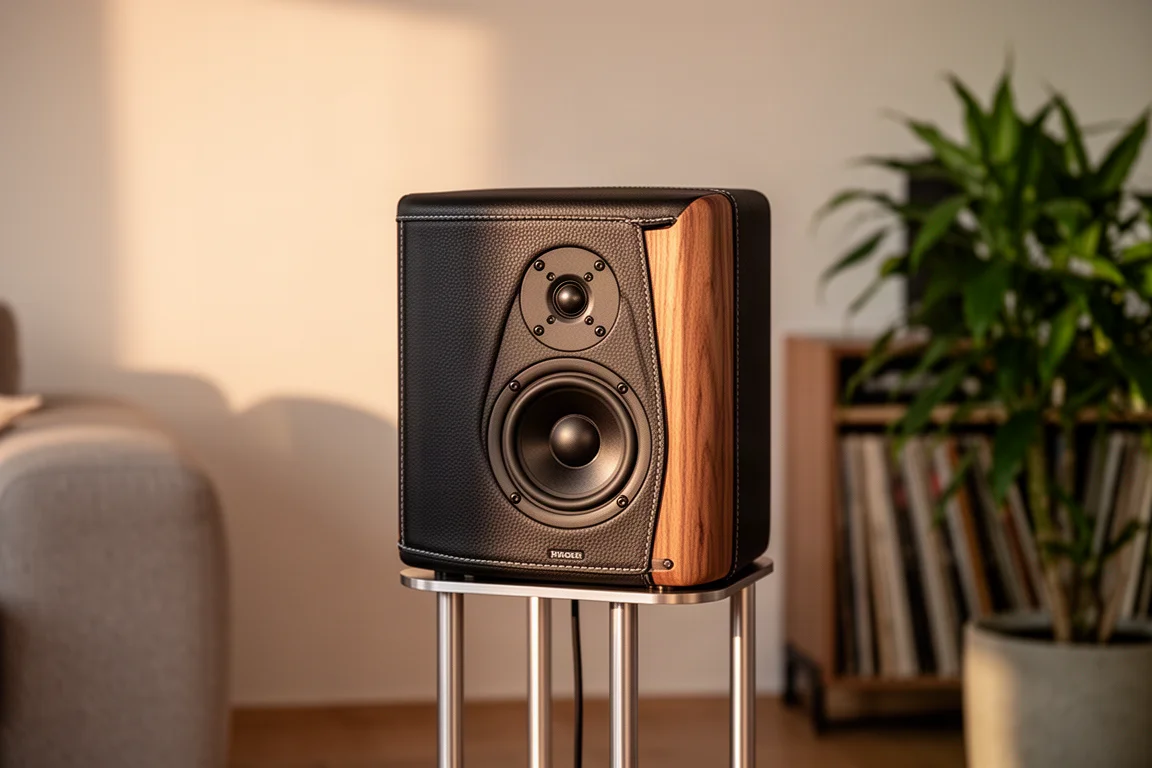
Power requirements are similar to the Lumina I, so the amplifier still needs good current capability. For home theater use, the Lumina I remains the simpler surround choice unless your surround positions can sit on stands away from the wall, in which case the Lumina II is the better option.
Lumina III
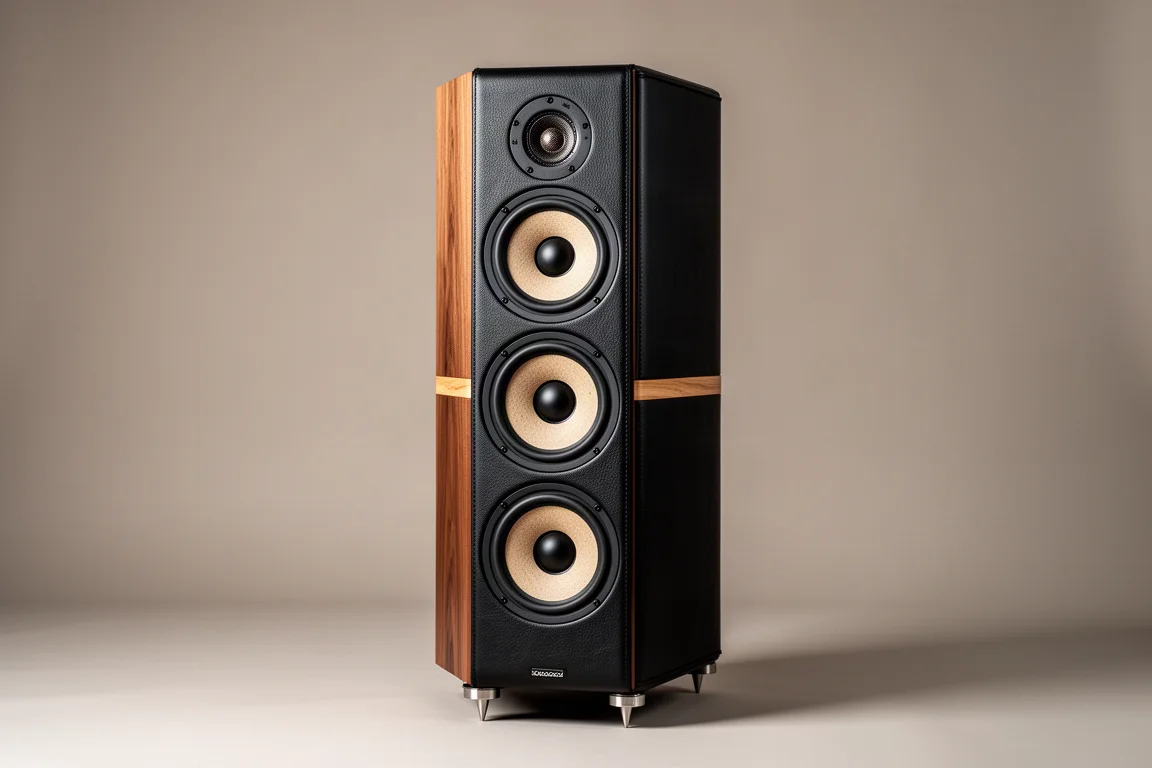
The Lumina III is the smaller of the two towers and the point where the series steps up in complexity. It uses the same Apex dome tweeter in a three-way design, with a 5-inch midrange driver shared with the next model up in the Sonetto series, paired with two 5-inch bass drivers. Both use the same fiber and pulp blend, and the dual bass drivers were developed specifically for this line.
The crossover also moves up to Sonus Faber’s Para-cross topology, a design originally created for the company’s reference models that has since filtered down through the higher performance range. Some of the reactive components, including capacitors and inductors, sit on the negative rail of the circuit, making it closer to a semi-balanced design. The practical benefit is less radio frequency pickup and cleaner sound definition.
Placement follows the Lumina I rather than the Lumina II. The Lumina III works better closer to walls, which makes it easy to position in most rooms. Move it too far out and the bass thins, but kept near a boundary it delivers fast, tight bass with a sweet midrange and top end. Because the port fires downward, the included spike kit is required to raise the speaker off the floor, and cups for hardwood floors are supplied as well. For this price range, it is hard to think of an easier tower to place that sounds this good.
Lumina V
The Lumina V is the larger tower and, like the Lumina II, it is built for maximum performance rather than ease of placement. It is also a three-way design with dual bass drivers, but those drivers grow to 6.5 inches and use the same fiber and pulp blend.
The crossover is a further step up, using the hybrid IFF version of the Para-cross topology. This technology first appeared in the Maxima Amator, a model in a completely different price bracket, and it goes further in managing back EMF while rejecting radio frequencies. The audible result is even more midrange definition.
Midrange improvements do not stop at the crossover. The larger internal volume let Sonus Faber build a second cabinet inside the main one to house the midrange driver, shaped like a lute to reduce internal diffraction.
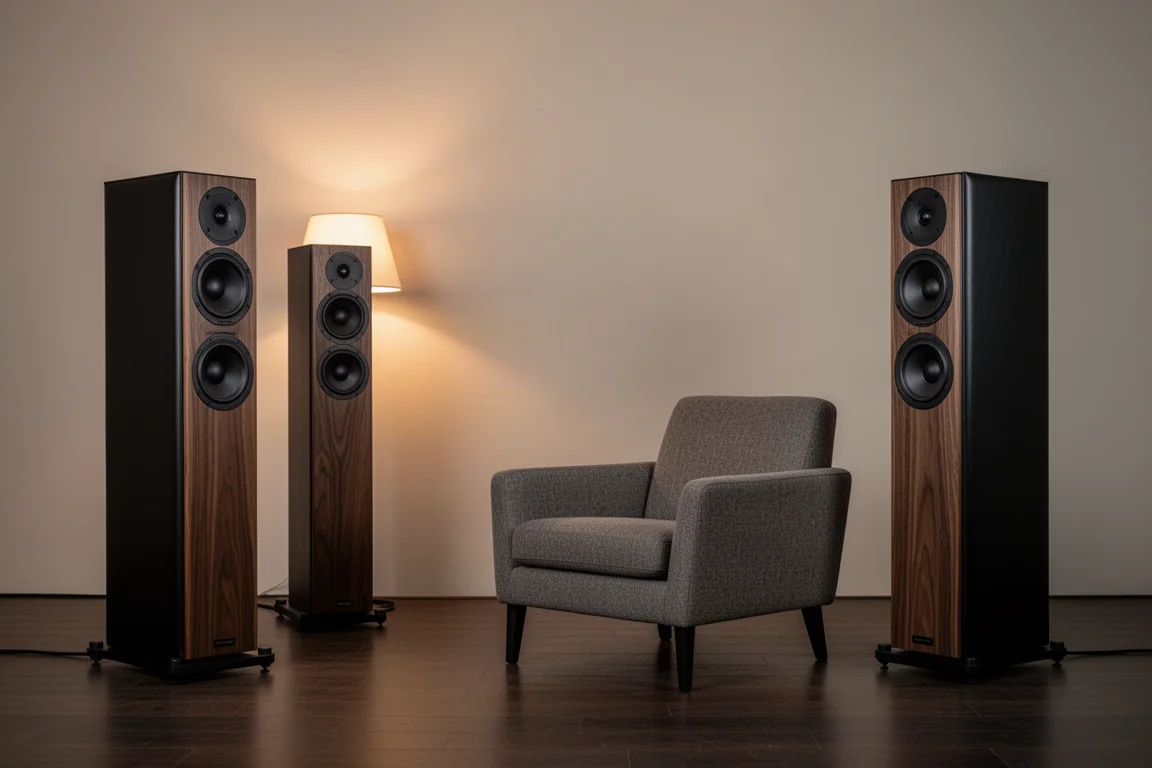
The Lumina V asks for more setup time. Try slightly different positions away from the walls, then check that the pair is symmetrical. The reward is a sound that goes well beyond what the price suggests: a more open, spacious midrange and noticeably more bass impact and slam than the Lumina III. As with the other models, choose an amplifier with good current capability. If you are willing to spend the time on setup, this is a special speaker, and it offers a real taste of what the company’s far more expensive models can do.
Lumina C1 Center Channel
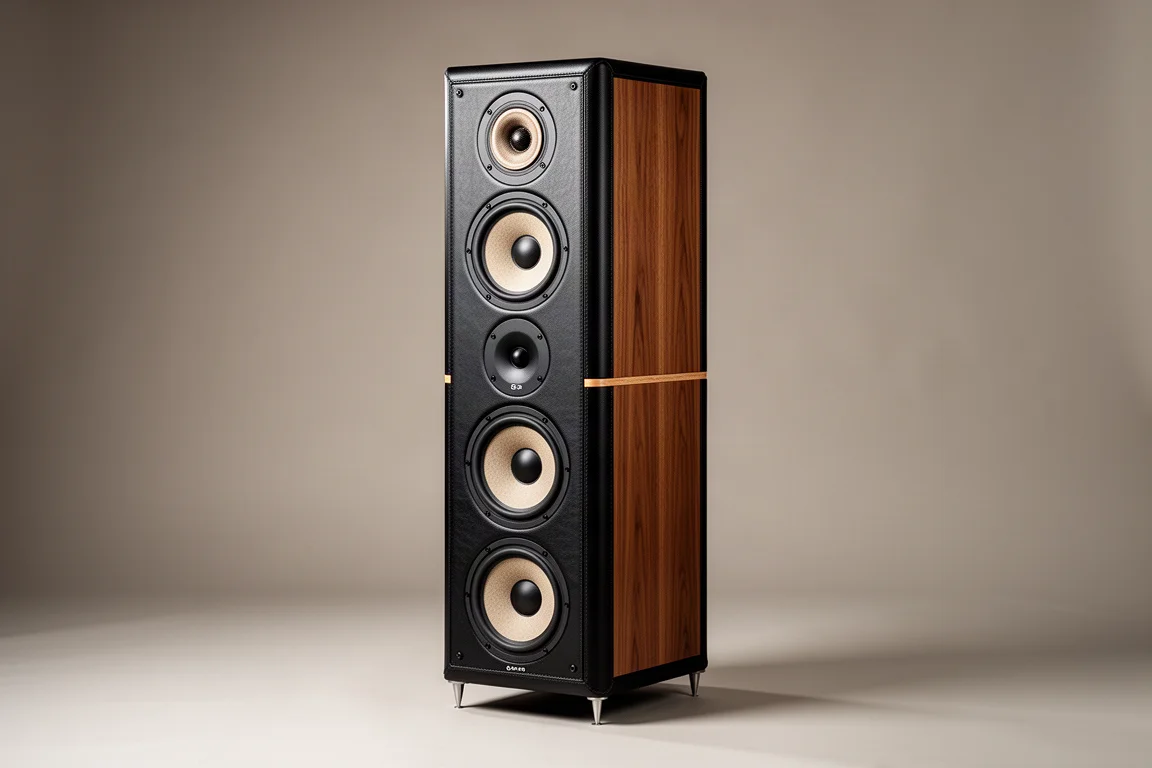
The Lumina C1 completes the series as the matching center channel, using two of the 4-inch drivers with the Apex dome tweeter. It sits on top of the stealth reflex port, which gives it a distinctive look compared with a typical center speaker.
The interesting part is how it was voiced. Center channels normally interact with the cabinet they sit on, and the resonance that creates usually has to be managed through crossover settings. The Lumina C1 was voiced to be placed either on top of a cabinet or inside one rather than on a free-standing center stand, so the resonance that normally appears in those positions is not there. That makes it unusually flexible about where it goes.
It is a perfect match for the rest of the Lumina line, and it has proven good enough that some owners pair it with more expensive Sonus Faber models when the center channel has to sit inside a cabinet.
How to Choose Your Lumina Model
The first decision is placement, because that is what separates the models more than anything else.
The Lumina I and the Lumina III are voiced to work close to room boundaries. If your speakers need to live on a shelf, on a credenza, or near a wall, these two will give you the most consistent results with the least fiddling. The Lumina II and the Lumina V are voiced more conventionally, and they reward a proper setup with stands and breathing room, delivering more performance in exchange for the time you spend positioning them.
The second consideration is amplification. Every model in the series benefits from an amplifier with good current capability, and in an average room 50 to 75 watts per channel is enough for the bookshelf models. The towers will appreciate the same quality of power.
Third, think about the system rather than a single speaker. Because the tweeter is identical across the range and the driver technology is closely related, any combination of Lumina models forms a tonally matched home theater. You can start with a pair of bookshelf speakers and add the center channel, then the towers, without the system sounding like a collection of unrelated parts.
Conclusion
The Lumina series brings the materials, the crossover design, and the Italian cabinet craftsmanship of Sonus Faber’s more expensive speakers into a more accessible range, and it does so across five models that share a common voice. Whether you choose the compact Lumina I, the best-selling Lumina II, one of the two towers, or the C1 center channel, the experience is consistent: a neutral, natural sound that reveals the small expressive details that make music moving.
Match the model to your room and your placement options, give it suitable amplification, and this is a series that is difficult to get wrong.
Further reading
Related Reviews
Speakers
13 Under-the-Radar Speakers Still Worth Buying
Thirteen speakers that quietly stayed in production while newer models took the spotlight, from budget bookshelf pairs to a full-size tower.
Speakers
Arendal 1528 Monitor 8 Review: A Three-Way Standmount With Serious Dynamic Headroom
A three-way standmount speaker with extremely low distortion, high output capability, and deep bass for its size, plus the setup details worth knowing before buying.
Speakers
Arendal 1723 Monitor S Review: A Compact Monitor With Serious Ambition
A close look at the Arendal 1723 Monitor S, a compact MTM monitor with a waveguide-loaded tweeter, an HDF cabinet, and flexible ported or sealed operation for music and home theater.