Speakers
Sonus Faber Lumina 5 vs Lumina 2: Five Speakers Worth Comparing
A close look at the Sonus Faber Lumina 5, Lumina 2 and Lumina 3 alongside the Q Acoustics Concept 50 and Polk R700, with clear guidance on which one suits which room.
Introduction
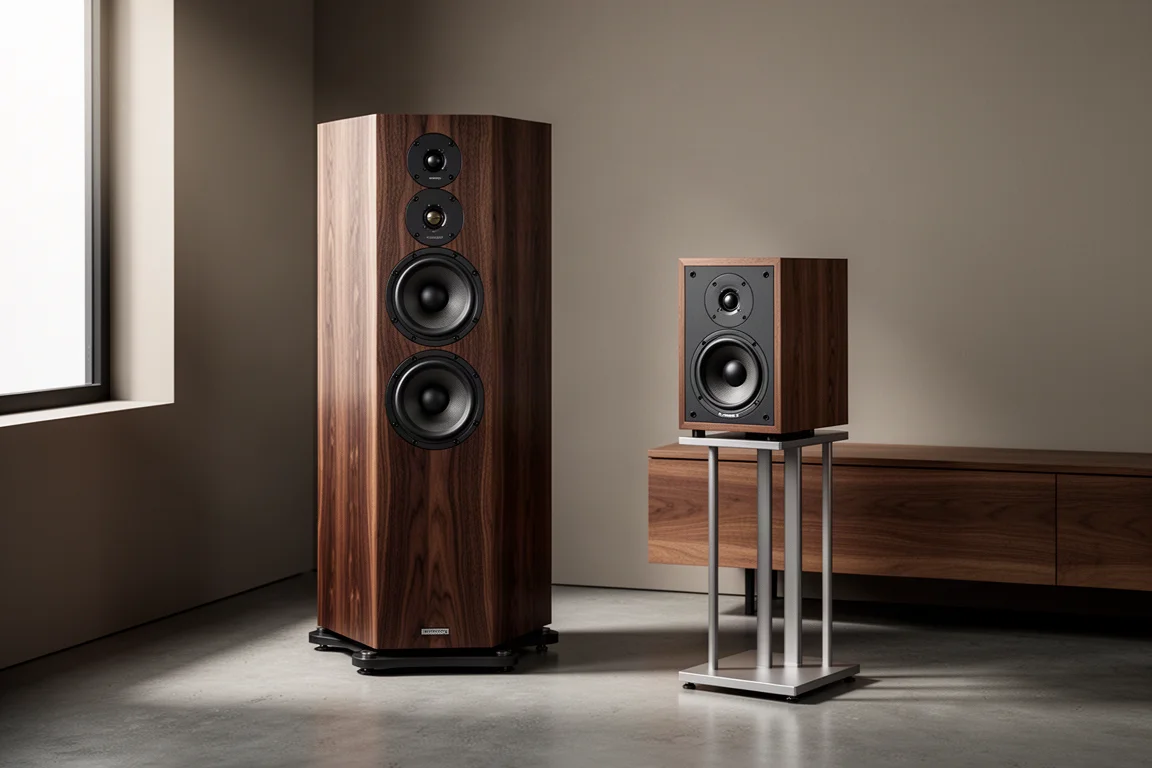
Few subjects divide hi-fi listeners faster than the question of towers versus bookshelves. Sonus Faber makes that argument unusually easy to test, because the Lumina series includes both a full-size tower and a compact bookshelf built around the same family of drivers. The Lumina 5 is the largest tower in the line, and the Lumina 2 is the smallest model.
This guide compares those two directly, then places both next to the Lumina 3, the Q Acoustics Concept 50, and the Polk R700. Each speaker approaches the same job from a different angle. Some prioritise neutrality and dialogue clarity, others lean on a livelier presentation, and one plays deeper than the rest for considerably less money.
How We Compared These Speakers
Bass extension and cabinet behaviour came first. A downward-firing port changes how close a speaker can sit to a front wall, and the stiffness of the cabinet shapes how bass notes decay. The Lumina 5 hides its port inside the base, which is why the supplied spikes matter: without them, the speaker cannot breathe properly.
Mid-range intelligibility was the second measure. There is a direct relationship between cabinet construction, the way the mid-range and tweeter hand over to each other, and how easily dialogue comes through. Speakers that hold a consistent response through that crossover region, or add a small lift there, tend to sound clearer than models that begin rolling off early.
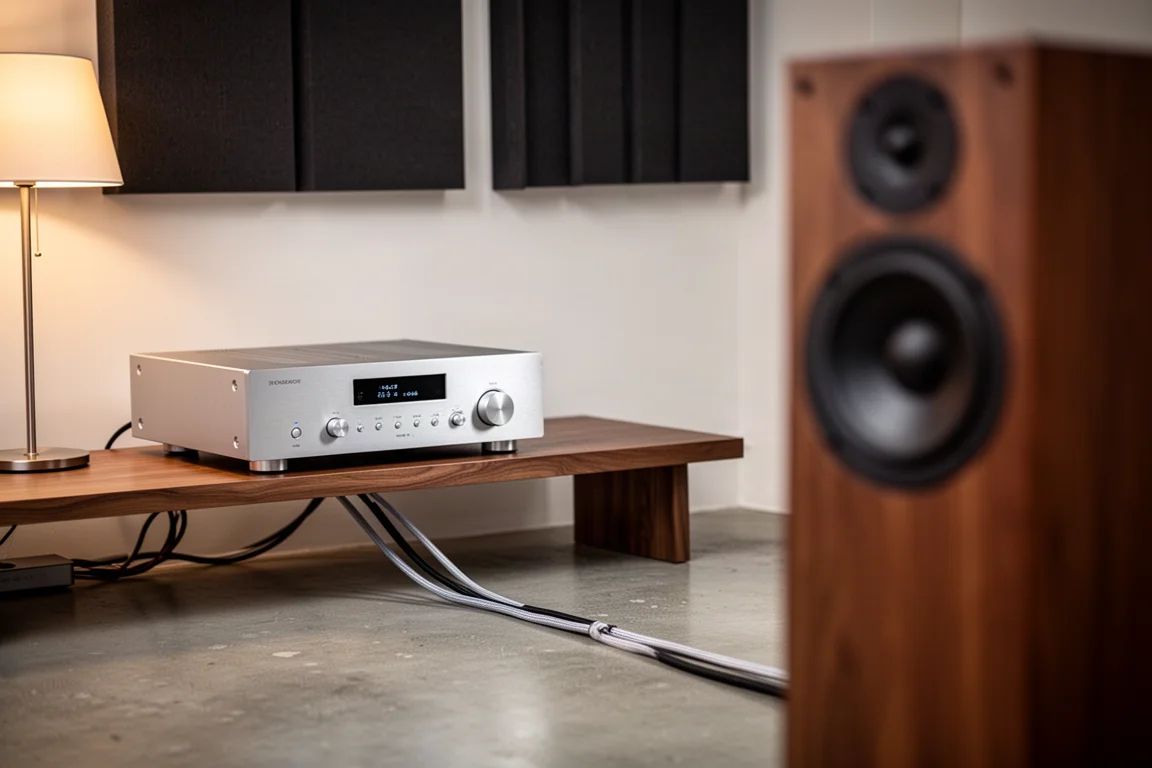
Amplifier demands, placement flexibility, finish quality and price rounded out the comparison. Sensitivity and nominal impedance give a rough idea of what an amplifier needs to deliver, although real world results can differ from the numbers. Each speaker was also judged on how it handled both two-channel listening and home cinema duties.
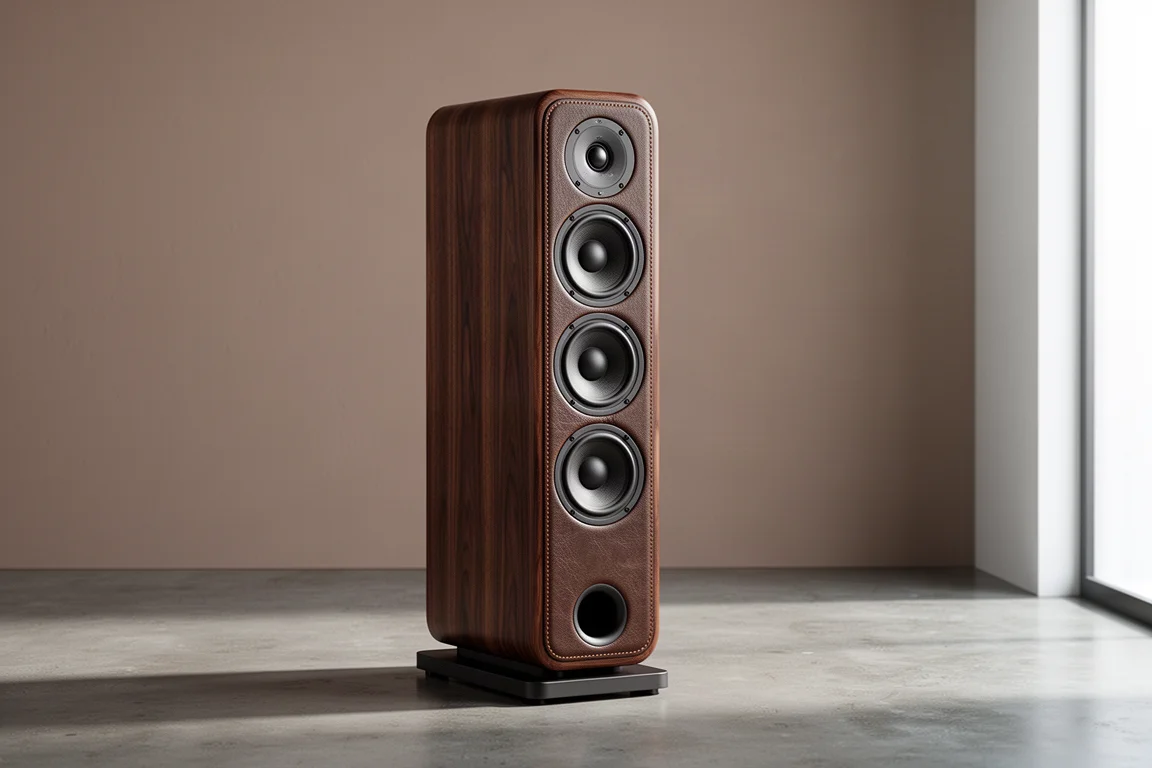
Sonus Faber Lumina 5: The Largest Tower in the Lumina Line
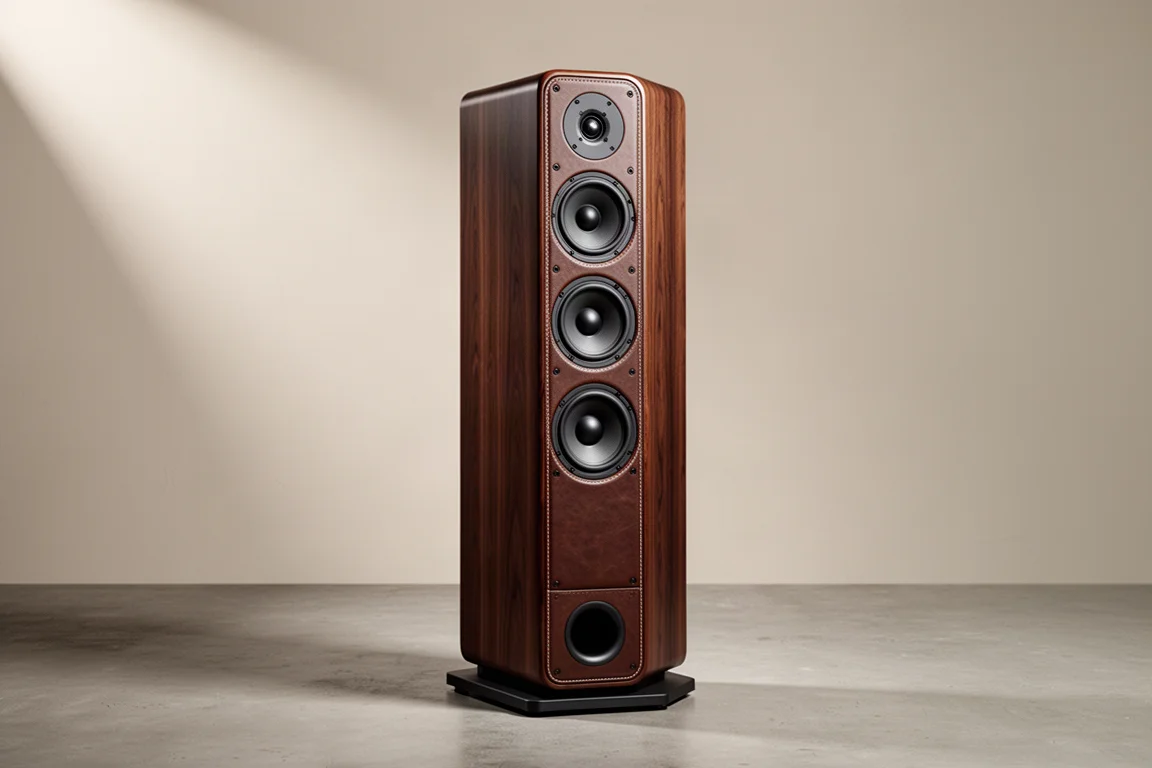
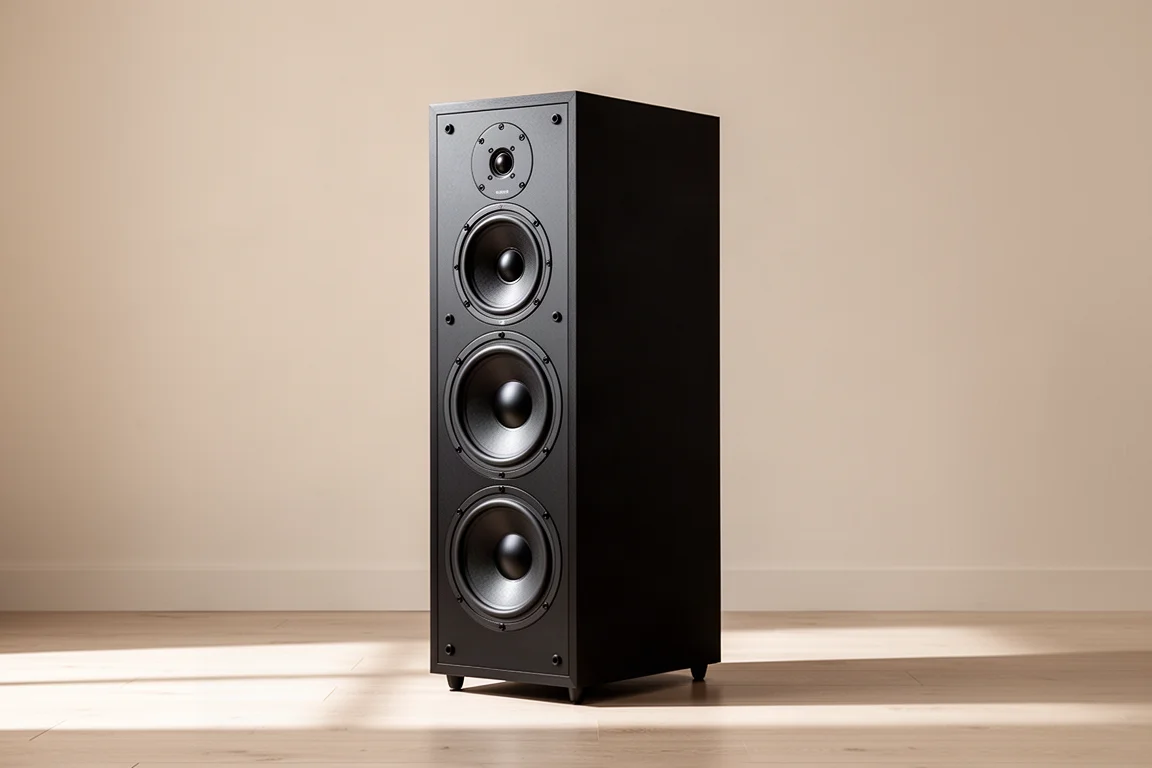
The Lumina 5 is the largest tower in the Lumina line, and it carries the driver count to match: two 6.5 inch woofers, a single 6 inch mid-range driver, and a 1 inch tweeter. The cabinet looks sealed, but it is not. The port fires downward from the base, which keeps the front baffle clean and means the included spikes are needed for the speaker to breathe properly.
Sonus Faber reports a frequency response of 38 Hz to 24 kHz, which edges into full-range territory and can remove the need for a subwoofer in some rooms. Sensitivity is rated at 89 dB into a nominal 4 ohm load. That impedance figure can look intimidating, but the tower proved easy to drive with everything from a Marantz 8015 receiver to an Audiolab 6000A and a Technics SU-G700M2 integrated amplifier, with the Technics pairing standing out.
The sound is far from flat but never aggressive. Bass carries a mild lift, the mid-range stays largely neutral while remaining articulate and detailed, and the treble adds a touch of presence without turning shrill. A frequency sweep shows output down to roughly 30 Hz with authority, and the tower images exceptionally well while filling a large room with ease.
Two caveats are worth knowing. The cabinet is not as inert as the Q Acoustics Concept 50, and that resonance gives bass notes more life, though it can turn slightly boomy when pushed hard. Some vocal ranges and instruments can also expose a touch of chestiness, most noticeable on sparse acoustic material such as David Gray’s Lost Songs 95 to 98. Placement is more forgiving than expected thanks to the bottom-firing port, and a pair runs close to $3,000.
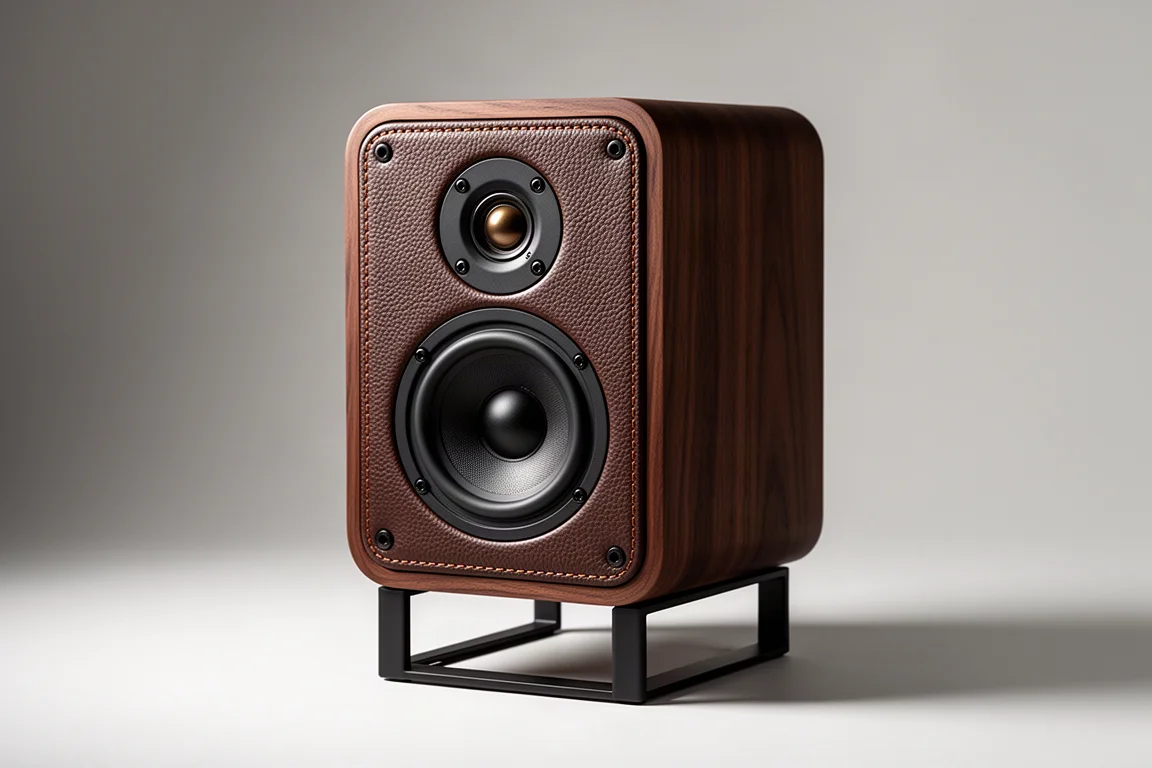
Sonus Faber Lumina 2: The Line’s Best All-Rounder
The Lumina 2 is the smallest speaker in the line and, for many listeners, the most convincing. Sonus Faber clearly tunes the bookshelf to sound larger than its cabinet suggests, with a noticeable lift in bass energy.
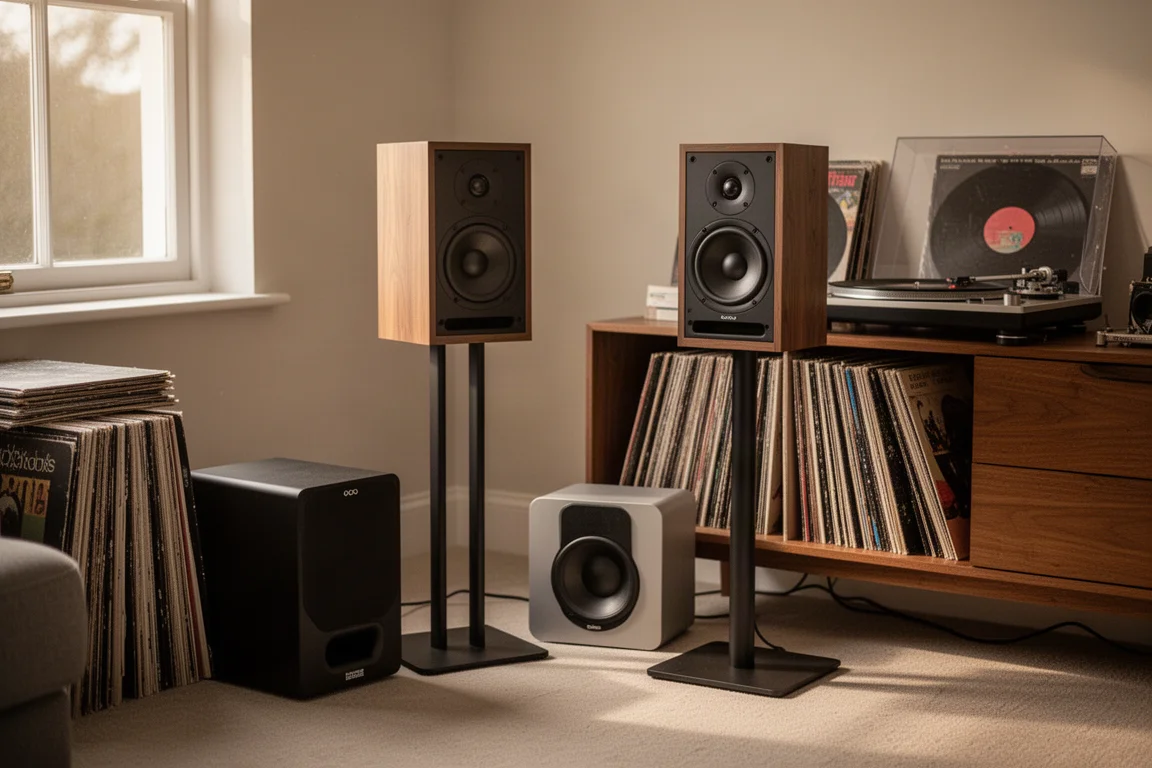
That extra bass comes with both a trade-off and an advantage. The smaller internal volume reduces cabinet resonance, so vocals come through cleaner than they do on the tower, even though the tower is the more neutral speaker overall. The tweeter is shared across the line, but the bookshelf gives it more top-end emphasis and energy, which some listeners will love and others will find a step too forward.
Placement is unusually flexible. The port fires downward, and the base the speaker rests on projects that energy forward, so it works well close to a wall or on a stand. The Lumina 2 also costs less than a pair of Lumina 3 speakers even after the cost of stands is added, and pairing it with a subwoofer can deliver more flexibility and more low-end reach than the Lumina 5 offers on its own.
Sonus Faber Lumina 3: Nearly Identical to the Smaller Bookshelf
The Lumina 3 is the smaller of the two towers, and in-room its performance lands remarkably close to the Lumina 2. Tonally the two speakers are nearly identical, which makes the extra spend hard to justify when the bookshelf already delivers a similar character.
The case for the Lumina 3 rests mainly on form factor. Listeners who dislike the look of speaker stands, or who want a floorstander without adding furniture, may still prefer it. On sound alone, though, the difference is not large enough to make the Lumina 3 the obvious step up in the range.
Q Acoustics Concept 50: Neutrality and Dialogue Clarity
The Q Acoustics Concept 50 takes the opposite approach to the Lumina 5. Its cabinet is markedly more inert, and the result is bass that sounds tightly dampened and exacting rather than lively. Across the range it is the most neutral speaker in this comparison, which makes it easy to live with over long sessions.
That neutrality pays off most clearly with dialogue. The Concept 50 stays consistent through the region where the mid-range hands over to the tweeter, rather than rolling off early, and the effect on speech intelligibility is immediate. Listeners who tire of straining to follow quiet dialogue in films will notice the difference straight away.
The trade-off is character. Bass notes have less bloom and less life than they do through the Sonus Faber tower, so anyone who enjoys a little flavour in the low end may find the Concept 50 overly controlled. For two-channel listening and home cinema alike, it remains a compelling choice.
Polk R700: The Value Leader
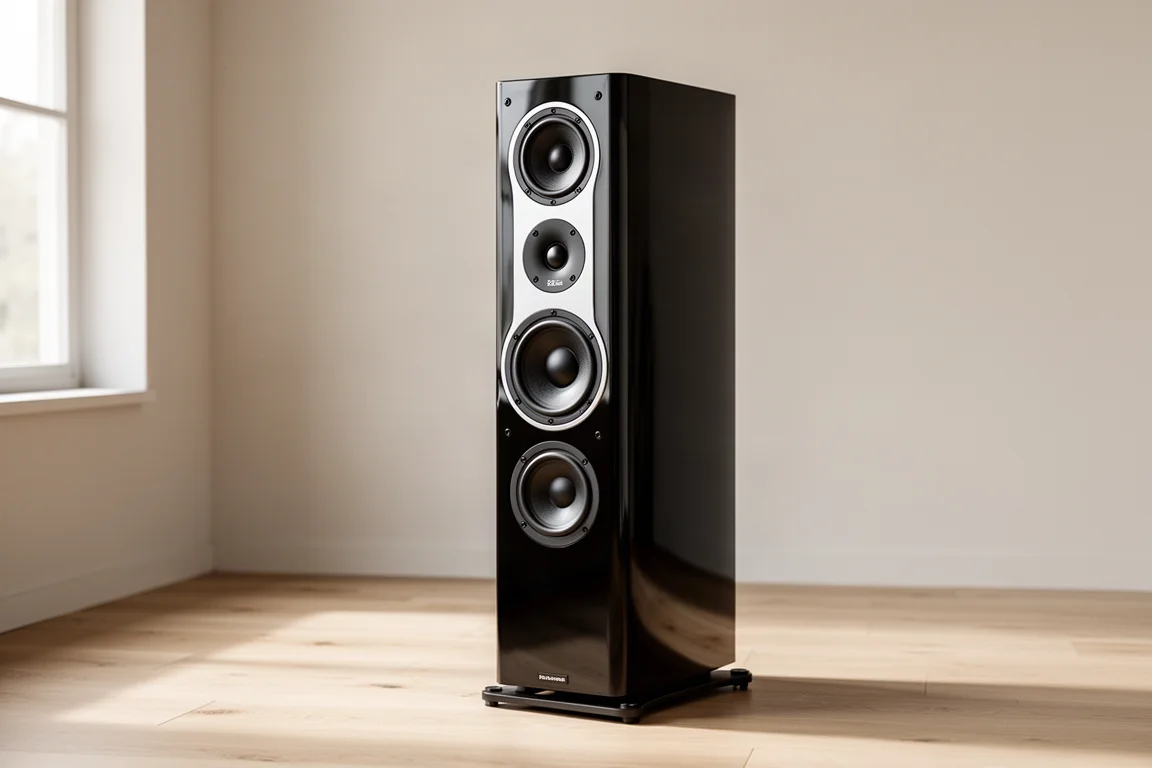
The Polk R700 is the value play here, and it is a strong one. A pair runs just over $2,000, and dual 8 inch woofers let it play deeper than the Lumina 5. The port fires downward as well, so placement stays flexible despite the larger cabinet.
Tonally the R700 is more laid back, and arguably warmer, than the Sonus Faber tower. The gap is not night and day, but the Polk tends to suit a wider range of music, and its even-handed balance across the frequency range makes it forgiving of imperfect recordings. Those dual 8 inch woofers do ask more of an amplifier, so budget for a capable one. Stylistically the R700 cannot match the finish of the Lumina line, and the white version has been discontinued, which narrows the choice of finishes.
Which Speaker Should You Choose?
Start with the Lumina 2 if a subwoofer is already part of the plan. It is the most complete speaker in the Lumina range for that setup, with cleaner vocals than the tower, flexible placement, and a price that leaves room in the budget for a good sub and stands.
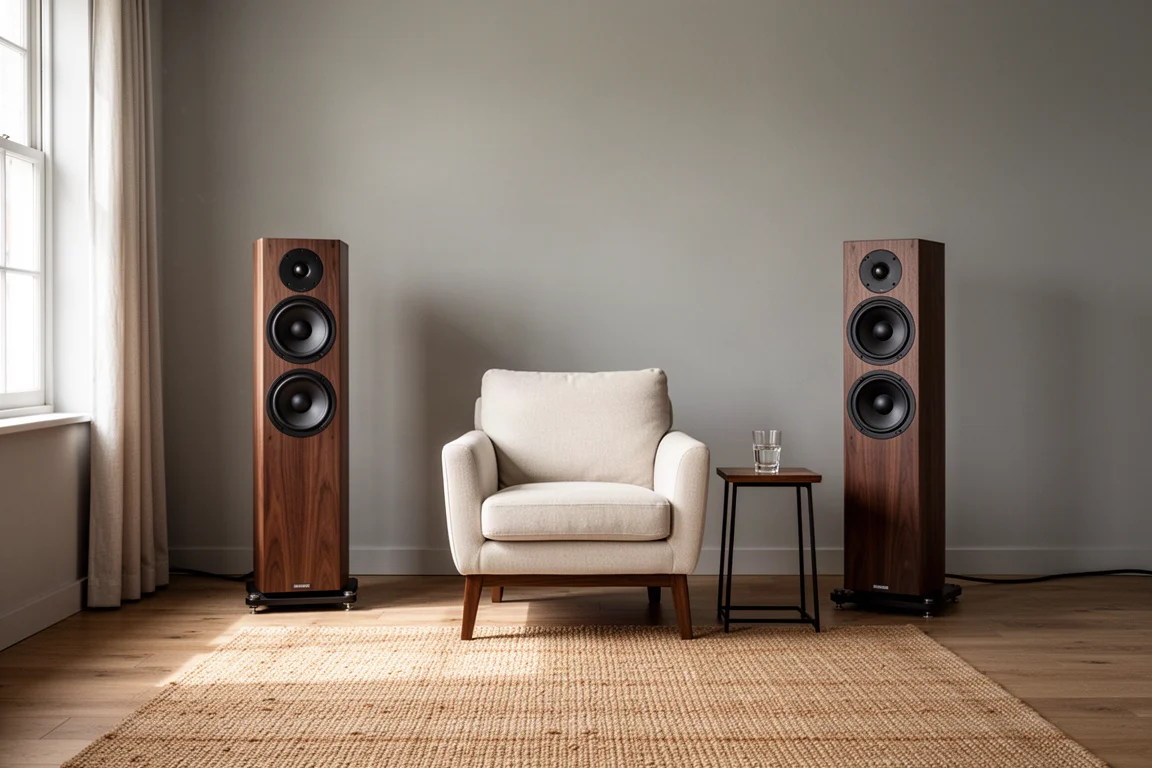
If the goal is a single pair of speakers with no subwoofer, the choice splits three ways. The Lumina 5 delivers the style and the tower presence, with bass that reaches around 30 Hz and a lively, detailed presentation. The Concept 50 is the pick when neutrality and dialogue clarity matter most. The Polk R700 is the sensible buy when value and deeper bass outweigh looks.
The Lumina 3 is the hardest to recommend of the five. It is a competent floorstander, but it does not move far enough away from the cheaper Lumina 2 to justify the premium on sound alone.
Conclusion
Towers are not automatically better than bookshelves, and this group proves it. The Lumina 5 is a genuinely enjoyable tower with real style and deep bass, but the Lumina 2 covers most of the same ground for less money and cleans up vocals in the process. Add the Concept 50 for neutrality and the R700 for value, and the right answer depends far more on the room, the amplifier and whether a subwoofer is in the plan than on cabinet size alone.
Further reading
Related Reviews
Speakers
13 Under-the-Radar Speakers Still Worth Buying
Thirteen speakers that quietly stayed in production while newer models took the spotlight, from budget bookshelf pairs to a full-size tower.
Speakers
Arendal 1528 Monitor 8 Review: A Three-Way Standmount With Serious Dynamic Headroom
A three-way standmount speaker with extremely low distortion, high output capability, and deep bass for its size, plus the setup details worth knowing before buying.
Speakers
Arendal 1723 Monitor S Review: A Compact Monitor With Serious Ambition
A close look at the Arendal 1723 Monitor S, a compact MTM monitor with a waveguide-loaded tweeter, an HDF cabinet, and flexible ported or sealed operation for music and home theater.